
บทนำ: Scope 3 คือที่ที่ emissions ส่วนใหญ่ซ่อนอยู่
องค์กรส่วนใหญ่ที่ตั้งเป้า Net Zero เริ่มต้นจากการลด Scope 1 (direct emissions จากการเผาไหม้เชื้อเพลิง) และ Scope 2 (ไฟฟ้าที่ซื้อมา) แต่สำหรับหลายอุตสาหกรรม Scope 3 — indirect emissions ตลอด value chain คือแหล่ง emissions ที่ใหญ่กว่า Scope 1+2 รวมกัน
ข้อมูลจาก GHG Protocol พบว่าสำหรับบริษัทในอุตสาหกรรมการผลิต Scope 3 มักคิดเป็นสัดส่วน 70-90% ของ total carbon footprint (อ้างอิง: GHG Protocol Corporate Value Chain Standard)
หนึ่งในองค์ประกอบที่มักถูกมองข้ามใน Scope 3 Category 1 (Purchased goods and services) คือ energy embedded ใน utility services ที่ซื้อจาก supplier รวมถึง compressed air และ blower air ที่โรงงานบางแห่งซื้อจาก utility provider หรือเช่าอุปกรณ์มาผลิตเอง
ตามที่ AERZEN ทำงานด้านประสิทธิภาพพลังงานของ rotating machinery มากว่า 160 ปีนับตั้งแต่ปี ค.ศ. 1864 บทความนี้อธิบาย framework สำหรับ Sustainability Manager ที่ต้องการนับ และลด emissions จาก compressed air ใน supply chain
1. GHG Protocol Scope 3 — Framework พื้นฐาน
GHG Protocol ซึ่งเป็น international standard ที่ใช้มากที่สุดสำหรับ corporate carbon accounting แบ่ง Scope 3 ออกเป็น 15 Category
Category ที่เกี่ยวข้องกับ compressed air ในบริบทของ supplier chain:
| Category | คำอธิบาย | ความเกี่ยวข้องกับ compressed air |
|---|---|---|
| Category 1 | Purchased goods and services | Compressed air ที่ซื้อจาก utility provider รวม emissions ของ energy ที่ใช้ผลิต |
| Category 11 | Use of sold products | ถ้า blower/compressor เป็น “product ที่ขาย” emissions จาก customer ขณะใช้งาน |
| Category 12 | End-of-life treatment | Disposal ของ equipment components |
สำหรับ manufacturer ที่ใช้ blower ในกระบวนการผลิต: Category 1 หรือ Category 3 (Fuel and energy-related activities) เป็นที่ที่ emissions จาก blower electricity use รายงาน
อ้างอิง: GHG Protocol, “Corporate Value Chain (Scope 3) Accounting and Reporting Standard,” World Resources Institute and WBCSD, Washington DC, 2011. Available: https://ghgprotocol.org/standards/scope-3-standard — [verified 2026-06-15]
2. Energy Intensity ของ Compressed Air: ทำไมมันสำคัญใน Carbon Budget
Compressed air และ blower air เป็น energy-intensive utility อย่างแท้จริง โดยทั่วไป:
- ระบบ compressed air ใช้พลังงานไฟฟ้าประมาณ 10-30% ของ total industrial electricity consumption ในโรงงาน (ขึ้นกับ process type)
- ประสิทธิภาพ thermodynamic ของ oil-flooded screw compressor ดีกว่า reciprocating แต่ยังคง have significant electrical demand
- Blower สำหรับ low-pressure application (aeration, conveying) มี specific power (kW per Nm³/h) ต่ำกว่า high-pressure compressor — แต่ flow volume มักสูงมาก ทำให้ total energy ยังมีนัยสำคัญ
สำหรับการคำนวณ Scope 3 Category 1:
Emission factor = kWh consumed × grid emission factor (kgCO₂e/kWh)
ตัวอย่าง: ถ้า blower ใช้ไฟฟ้า 200 kW และทำงาน 8,000 ชั่วโมง/ปี = 1,600,000 kWh/ปี
Grid emission factor ของไทย (2023 update): ประมาณ 0.4999 kgCO₂e/kWh (ตาม Thailand’s Department of Alternative Energy Development and Efficiency — DEDE)
อ้างอิง: กรมพัฒนาพลังงานทดแทนและอนุรักษ์พลังงาน (DEDE), “ค่าการปล่อยก๊าซเรือนกระจกจากการผลิตไฟฟ้า ประเทศไทย,” กระทรวงพลังงาน. Available: https://www.dede.go.th/ — [verified 2026-06-15]
3. Blower ใน Scope 3 ของ Downstream Customer — มุมมองจาก Supplier
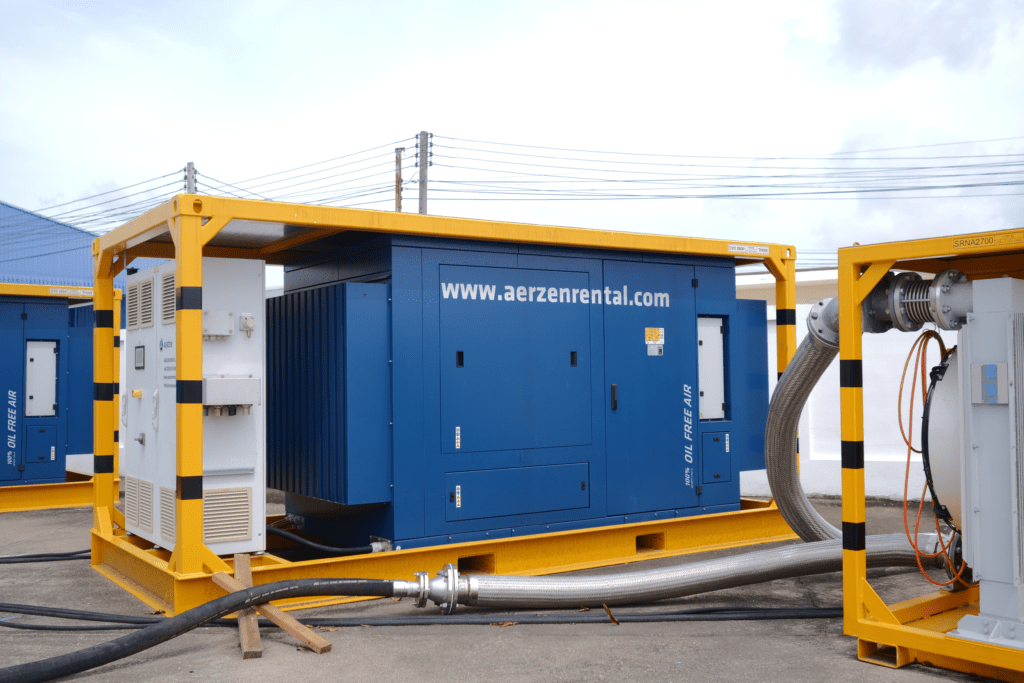
ถ้า AERZEN Rental Thailand เป็น supplier ของ blower service ให้กับ customer emissions จาก operation ของ blower unit ที่ AERZEN ให้เช่าจะปรากฏใน Scope 3 ของ customer ด้วย (Category 1: Purchased goods and services — บริการ rental รวม energy footprint)
นี่หมายความว่า:
- Customer ที่ reporting Scope 3 อาจต้องรวม emissions จาก blower rental service
- AERZEN ในฐานะ rental provider ควรสามารถให้ข้อมูล energy consumption ของ unit ที่ให้เช่า เพื่อให้ customer คำนวณ Scope 3 ได้ถูกต้อง
- Unit ที่มี high energy efficiency ช่วยลด emissions footprint ทั้งของ AERZEN และของ customer
4. Technology Efficiency — เหตุใด Equipment Choice ส่งผลต่อ Scope 3
ประสิทธิภาพพลังงานของ blower/compressor ต่างกันอย่างมีนัยสำคัญตาม technology:
4.1 Roots Blower (Positive Displacement)
- ไม่มี internal compression — efficiency ดีที่ pressure ต่ำ (<500 mbar)
- Specific power ต่ำสำหรับ low-pressure aeration
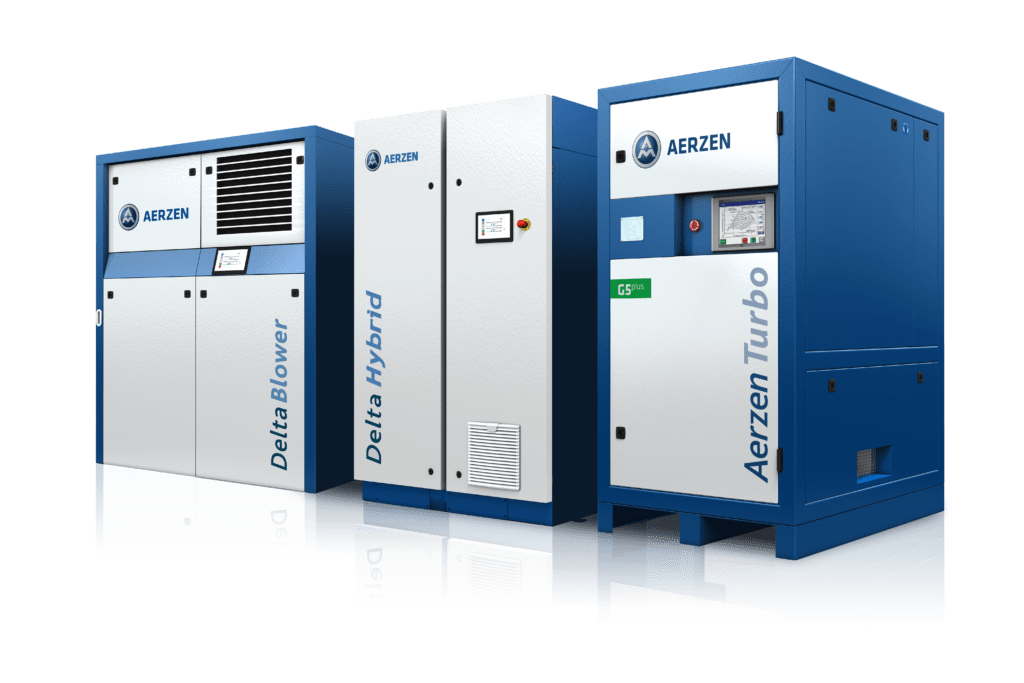
4.2 Delta Screw Blower (BVO) และ Delta Hybrid Screw Blower (DVO)
- มี internal compression ratio สูงกว่า Roots — ดีกว่าที่ pressure สูงขึ้น (500-1500 mbar)
- DVO (Delta Hybrid) รวม blower และ compressor stage — ให้ flexibility ของ operating range กว้างขึ้น ลด energy waste จาก over-spec
4.3 Turbo Blower (TVO)
- ใช้ centrifugal principle — ดีมากสำหรับ high-flow, low-pressure (aeration ขนาดใหญ่)
- Speed controlled โดย VSD — ให้ precise flow control และ part-load efficiency ดีกว่า Roots ที่ full-speed
4.4 VSD (Variable Speed Drive) — Demand-side Matching
- การทำงานที่ full speed ตลอดเวลาทั้งที่ demand ต่ำ เท่ากับ waste energy โดยตรง
- VSD ทำให้ speed ตาม demand — ผลต่อ energy consumption และ Scope 3 emissions อย่างมีนัยสำคัญ
สำหรับ Sustainability Manager: การเลือก technology ที่ถูกต้อง ลด energy per unit output โดยตรง ซึ่งแปลตรงเป็นการลด Scope 3 ของ customer และ Scope 1+2 ของ operator
5. Supply Chain Engagement — ถาม Supplier อะไรบ้างเรื่อง Compressed Air
สำหรับ Sustainability Manager ที่ต้อง engage กับ supplier เรื่อง Scope 3:
คำถามที่ควรถาม rental blower supplier:
- Equipment มี energy data sheet หรือ spec sheet ที่ระบุ specific power (kW/Nm³/h) หรือไม่?
- Unit ใช้ VSD หรือ fixed-speed motor? ถ้า fixed-speed มีแผน upgrade หรือไม่?
- Supplier มีข้อมูล lifecycle carbon footprint ของ equipment (ตั้งแต่ manufacturing ถึง end-of-life) หรือไม่?
- Supplier มี ESG report หรือ carbon disclosure ที่ share ได้หรือไม่? (สำหรับ CDP / GRI reporting)
- Equipment ผ่าน certification ด้านประสิทธิภาพ (เช่น EU Ecodesign Regulation) หรือไม่?
6. Carbon Accounting สำหรับ Blower/Compressed Air — แนวทางปฏิบัติ
Step 1: Inventory — ทำ energy inventory ของ blower/compressor fleet (kW rating × annual operating hours = kWh/year)
Step 2: Grid factor — apply grid emission factor ของ country/region ที่ unit ทำงาน (สำหรับไทย ใช้ค่า DEDE ที่ update ล่าสุด)
Step 3: Categorize — ถ้า blower owned by company = Scope 2 (electricity) ถ้า blower rented = Scope 3 Category 1
Step 4: Reduction pathway — ระบุ reduction opportunity:
- Technology upgrade (Roots → Turbo สำหรับ high-flow aeration)
- VSD retrofit
- Load optimization (right-sizing, demand management)
- Transition to renewable electricity supply (PPA, solar rooftop)
Step 5: Track and report — ตาม GHG Protocol หรือ ISO 14064-1 สำหรับ corporate reporting
อ้างอิง: ISO 14064-1:2018, “Greenhouse gases — Part 1: Specification with guidance at the organization level for quantification and reporting of greenhouse gas emissions and removals,” ISO. Available: https://www.iso.org/ — [verified 2026-06-15]
7. Case Study (Anonymized): โรงงานผลิตอาหารกับ Scope 3 Compressed Air Reduction
Background: บริษัทผลิตอาหารแปรรูปในไทยที่กำลัง prepare CDP disclosure เริ่มทำ Scope 3 inventory และพบว่า compressed air utilities (ทั้ง owned compressor และ rented blower) คิดเป็นสัดส่วนที่มีนัยสำคัญของ Scope 2 + Scope 3 combined
Challenge: ทีม Sustainability ไม่มีข้อมูล energy consumption ของ blower rental unit ที่ใช้อยู่ และ rental supplier รายเดิมไม่สามารถให้ specific power data ได้
Action: บริษัทเปลี่ยนมาใช้ AERZEN Rental unit พร้อมขอ energy specification sheet และ test data ณ operating point สำหรับ Scope 3 calculation นอกจากนั้นยังเปลี่ยนจาก Roots blower เป็น Turbo blower สำหรับ aeration duty ที่มี flow สูงและ pressure ต่ำ
Outcome (internal benchmark): ทีม Sustainability สามารถรายงาน Scope 3 Category 1 ได้อย่างมี basis และ energy data พร้อม สำหรับ CDP questionnaire disclosure ในรอบถัดไป
8. AERZEN ในฐานะ Partner ของ Net Zero Journey
AERZEN Group ตระหนักถึง responsibility ในฐานะ supplier ของ energy-consuming equipment AERZEN มี initiative ด้าน sustainability ที่รวมถึง:
- การพัฒนา product line ที่มี specific power ต่ำลงอย่างต่อเนื่อง
- การออกแบบ unit ที่ compatible กับ frequency inverter/VSD
- Documentation ด้าน energy specification ที่ support customer Scope 3 reporting
สำหรับ Sustainability Manager ที่ต้องการ supplier engagement data สำหรับ CDP หรือ GRI reporting — ทีม AERZEN Rental Thailand พร้อมให้ข้อมูล energy specification ของ unit ที่ให้เช่า
FAQ
Q1: Compressed air ของบริษัทเราอยู่ใน Scope 2 หรือ Scope 3? ขึ้นกับ ownership ถ้าโรงงานมี compressor เป็นของตัวเองและใช้ไฟฟ้าซื้อมา = Scope 2 (ค่าไฟ) ถ้าเช่า unit จาก supplier (rental) ค่าเช่านั้นอยู่ใน Scope 3 Category 1 แต่ค่าไฟที่ใช้ drive unit ยังอยู่ใน Scope 2 ของ customer ถ้า customer จ่ายค่าไฟเอง
Q2: ถ้าเราเปลี่ยนจาก oil-flooded compressor เป็น oil-free จะลด Scope 3 ได้หรือไม่? การเปลี่ยน technology ลด emissions ได้ถ้า oil-free unit มี lower specific power (kWh/Nm³) oil-free Roots blower บางรุ่นมี specific power สูงกว่า oil-flooded screw ที่ pressure สูงกว่า 7 bar ดังนั้นการเลือก technology ต้องดู operating point และ efficiency curve ไม่ใช่แค่ oil-free status
Q3: AERZEN unit ผ่าน EU Ecodesign Regulation หรือไม่? EU Regulation 2019/1781 กำหนด minimum efficiency standard สำหรับ electric motors ที่ drive blower/compressor — ให้ตรวจสอบกับ AERZEN ว่า motor บน unit ที่เช่าผ่าน IE class ที่กำหนด (IE3 ขึ้นไปสำหรับ most cases) AERZEN ในฐานะ German manufacturer ทำงานภายใต้ EU regulatory environment
Q4: SBTi (Science Based Targets initiative) กำหนดอะไรเรื่อง Scope 3 สำหรับ manufacturing? SBTi กำหนดว่า Scope 3 emissions ที่มากกว่า 40% ของ total Scope 1+2+3 ต้องถูกรวมใน target ถ้า compressed air เป็น significant contributor ของ Scope 3 — ต้องมี reduction pathway ที่ชัดเจน
อ้างอิง: Science Based Targets initiative (SBTi), “Corporate Net-Zero Standard,” Version 1.1, 2023. Available: https://sciencebasedtargets.org/resources/files/Net-Zero-Standard.pdf — [verified 2026-06-15]
Q5: ถ้าโรงงานเปลี่ยนมาใช้ solar rooftop — emissions จาก blower ลดลงไหม? ใช่ ถ้า blower ใช้ไฟจาก on-site renewable (solar PPA หรือ on-site generation) emission factor ลดลงอย่างมีนัยสำคัญ — ต้องใช้ market-based method ในการคำนวณ (แทน location-based) ตาม GHG Protocol Scope 2 guidance
ขอข้อมูล Energy Specification สำหรับ Sustainability Reporting
AERZEN Rental Thailand พร้อมให้ energy data sheet และ technical specification ของ unit ที่ให้เช่า เพื่อ support Scope 3 calculation ของลูกค้า
ติดต่อทีมงาน:
- โทรสายด่วน: 098-323-2626 (24/7)
- โทรออฟฟิศ: 038-015-488
- อีเมล: thai@aerzenrental.com
- เว็บไซต์: www.aerzenrentalth.com
Rent a solution. Expect performance.
แหล่งอ้างอิง
- GHG Protocol, “Corporate Value Chain (Scope 3) Accounting and Reporting Standard,” World Resources Institute and WBCSD, 2011. Available: https://ghgprotocol.org/standards/scope-3-standard — [verified 2026-06-15]
- ISO 14064-1:2018, “Greenhouse gases — Part 1: Specification with guidance at the organization level,” ISO. Available: https://www.iso.org/ — [verified 2026-06-15]
- Science Based Targets initiative (SBTi), “Corporate Net-Zero Standard v1.1,” 2023. Available: https://sciencebasedtargets.org/resources/files/Net-Zero-Standard.pdf — [verified 2026-06-15]
- กรมพัฒนาพลังงานทดแทนและอนุรักษ์พลังงาน (DEDE), “ค่าการปล่อยก๊าซเรือนกระจกจากการผลิตไฟฟ้า,” กระทรวงพลังงาน. Available: https://www.dede.go.th/ — [verified 2026-06-15]

✍️ เกี่ยวกับผู้เขียน
ภราดร วรรณสังข์ (Paradorn Wannasung)
Marketing Communication Specialist · นิเทศศาสตรมหาบัณฑิต (การสื่อสารการตลาดและแบรนด์)
ภราดร (Paradorn) เป็นผู้ดูแลด้านการสื่อสารการตลาดของ AERZEN Rental Thailand จบนิเทศศาสตรมหาบัณฑิต (การสื่อสารการตลาดและแบรนด์) เชี่ยวชาญด้านอุตสาหกรรม B2B ในประเทศไทย มีประสบการณ์การสร้างแบรนด์และคอนเทนต์ในกลุ่มอุตสาหกรรมของไทย
ติดต่อ: pwa@aerzenrental.com · LinkedIn