คู่มือ Predictive Maintenance สำหรับ Blower & Compressor เช่า
Predictive Maintenance Guide for Rental Blowers — Condition Monitoring & Bearing Health
- Predictive Maintenance อ่าน condition จริงของเครื่อง (vibration, bearing temperature, pressure differential, dew point) แทนการทำตามปฏิทิน — ลดทั้ง unnecessary downtime และ catastrophic failure
- ใน Subscription Plan ความรับผิดชอบ monitoring และ corrective action ตกอยู่ที่ AERZEN — Plant Manager ต้อง negotiate MTTR, MTBF และ swap SLA ก่อนลงนาม ไม่ใช่หลัง
- Case scenario จาก F&B Rayong แสดงให้เห็นว่า vibration trend ตรวจพบ impeller imbalance 6 สัปดาห์ก่อนเครื่องหยุด — เวลา 6 สัปดาห์นั้นคือความต่างระหว่าง planned swap กับ emergency rental ฉุกเฉิน
สารบัญบทความ (Table of Contents)
- Reactive → Preventive → Predictive: ระดับ Maturity ของการบำรุงรักษา
- พารามิเตอร์ Condition Monitoring: เกณฑ์ Alarm และ Trip
- Filter Media Lifecycle: ทำไมปฏิทินถึงไม่ใช่คำตอบ
- MTTR, MTBF และ SLA: ตัวเลขที่ Plant Manager ต้อง Negotiate
- Case Scenario: F&B Rayong — Vibration Trending ป้องกัน Emergency Rental
- คำถามที่พบบ่อย (FAQ)
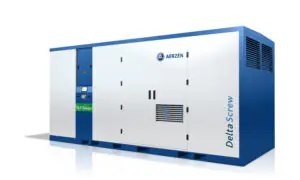
AERZEN ออกแบบ blower และ compressor มาตั้งแต่ปี 1864 — กว่า 160 ปีของข้อมูลวิศวกรรมยืนยันข้อเท็จจริงข้อหนึ่ง: เครื่องจักรแจ้งเตือนก่อนล้มเสมอ ปัญหาคือโรงงานส่วนใหญ่ไม่มีระบบรับฟัง
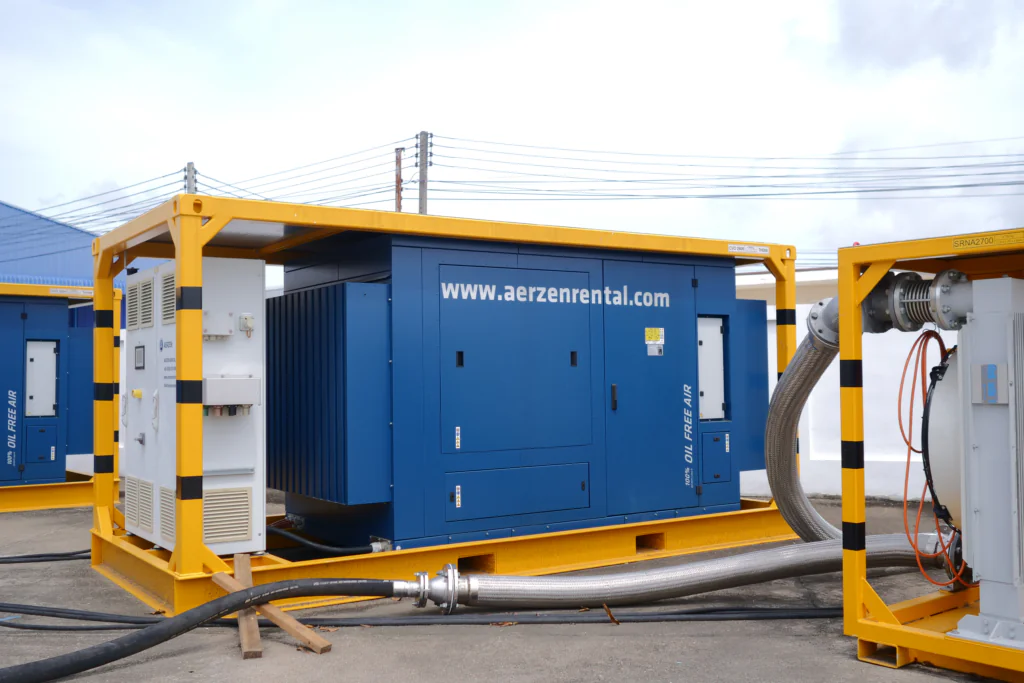
สำหรับ Plant Manager ที่ใช้ blower หรือ oil-free compressor แบบเช่า ความเสี่ยงซับซ้อนกว่าเครื่องซื้อ เพราะสัญญา Rental หรือ Subscription Plan กำหนดว่าใครรับผิดชอบอะไร — และหากไม่มีการ negotiate เงื่อนไข MTTR, MTBF และ swap response ไว้ในสัญญา เวลาเกิด unplanned failure โรงงานจะเป็นฝ่ายแบกรับ production loss คนเดียว
บทความนี้ครอบคลุม: spectrum ของ maintenance approaches, พารามิเตอร์ที่ต้องตรวจจริง (พร้อม threshold ตาม ISO 10816-3), filter lifecycle ที่ขึ้นกับสภาพแวดล้อมไม่ใช่ปฏิทิน, กรอบ SLA ที่ควร negotiate และ case scenario สังเคราะห์จาก F&B plant ที่ Rayong ที่แสดงให้เห็นว่า condition trending ใช้งานได้จริง
Lead time ที่ vibration trend ตรวจพบ impeller imbalance ก่อน failure
Response time มาตรฐาน AERZEN Rental เมื่อเกิด emergency alarm
Unit swap standard — เครื่องทดแทนส่งถึง site ภายใน 24 ชั่วโมง
มาตรฐาน vibration velocity ที่ใช้กำหนด zone alarm และ trip
1. Reactive → Preventive → Predictive: ระดับ Maturity ของการบำรุงรักษา Rental Equipment
ก่อนจะพูดถึง tools และ parameters สิ่งสำคัญคือต้องเข้าใจว่าโรงงานของคุณอยู่ใน maintenance maturity ระดับไหนปัจจุบัน และแต่ละระดับมีนัยต่างกันอย่างไรเมื่อใช้ร่วมกับอุปกรณ์เช่า
| Approach | ลักษณะ | เหมาะกับ Rental? | ความเสี่ยง |
|---|---|---|---|
| Reactive (Run-to-Failure) | ไม่ทำอะไรจนกว่าเครื่องหยุด | ไม่เหมาะ | Production loss, emergency swap cost, service coverage ambiguity |
| Preventive (Calendar-Based) | ทำตามตารางเวลาโดยไม่คำนึงถึงสภาพจริง เช่น เปลี่ยน filter ทุก 2,000 ชั่วโมง | ยอมรับได้แต่ไม่ optimal | Over-maintenance (cost) หรือ under-maintenance (failure) ขึ้นกับสภาพแวดล้อม |
| Predictive (Condition-Based) | ตรวจสอบพารามิเตอร์จริงอย่างต่อเนื่องและแทรกแซงเมื่อสัญญาณบ่งชี้ว่าถึงเวลา | เหมาะมาก | ต้องลงทุน monitoring infrastructure หรือเลือก vendor ที่ให้บริการ included |
| Prescriptive (AI-Driven) | ระบบ AI แนะนำ action โดยอัตโนมัติจาก data stream | ขึ้นกับ contract scope | Complexity สูง ต้องการ integration กับ SCADA/DCS ของโรงงาน |
ความรับผิดชอบใน Subscription Plan
ใน AERZEN Subscription Plan โมเดล all-inclusive — ทีมวิศวกร AERZEN Rental Thailand รับผิดชอบ:
- Scheduled inspection ตาม interval ที่กำหนดใน SLA
- Remote monitoring (ขึ้นกับ package) หรือ periodic site visit
- Filter replacement, bearing inspection และ oil analysis (สำหรับ units ที่เกี่ยวข้อง)
- Corrective action และ emergency swap เมื่อเครื่องเกิน threshold
โรงงานรับผิดชอบ: การแจ้ง fault ที่ local HMI/control panel, การ allow access สำหรับ site engineer, การรายงาน anomaly ที่สังเกตได้ (เช่น เสียงผิดปกติ, กลิ่น, ความดันตก)
“การ negotiate SLA ที่ดีก่อนลงนามสัญญา ง่ายกว่าการโต้เถียงเรื่อง liability หลังเครื่องหยุด”
— หลักปฏิบัติจาก AERZEN Application Engineering Team
2. พารามิเตอร์ Condition Monitoring: เกณฑ์ Alarm และ Trip ที่ใช้จริง
Condition monitoring สำหรับ blower และ oil-free compressor ครอบคลุม 4 พารามิเตอร์หลัก — แต่ละตัวมี physical meaning, alarm threshold และ corrective action ที่ต่างกัน
2.1 Vibration Velocity (ISO 10816-3)
ISO 10816-31 แบ่งสภาพ vibration ออกเป็น 4 Zone สำหรับ Machine Class II (general industrial machines 15–75 kW, flexible mounting):
| Zone | Vibration Velocity (RMS) | ความหมาย | Action |
|---|---|---|---|
| A | ≤ 2.3 mm/s | เครื่องใหม่ / ดีเลิศ | Monitor ต่อเนื่อง — no action |
| B | 2.3 – 4.5 mm/s | ยอมรับได้สำหรับ long-term operation | Log trend, ไม่ต้องแทรกแซงทันที |
| C | 4.5 – 7.1 mm/s | Alarm — ต้องดำเนินการภายใน short window | Schedule inspection ภายใน 24–48 ชั่วโมง; แจ้ง AERZEN |
| D | > 7.1 mm/s | Trip — อันตราย, ต้องหยุดทันที | Emergency shutdown; โทร hotline 24/7 ทันที |
ข้อควรระวัง: ISO 10816-3 ใช้ broad-band RMS velocity ที่ bearing housing เป็น metric หลัก แต่การวิเคราะห์ frequency spectrum (FFT) ให้ข้อมูลเชิงลึกกว่ามาก เช่น การแยกแยะ imbalance (1× running speed) จาก misalignment (2× running speed) หรือ bearing defect frequency (BPFO/BPFI) ซึ่งเป็นพื้นฐานของ predictive analysis ที่แท้จริง
2.2 Bearing Temperature
| สถานะ | อุณหภูมิ (Bearing Housing) | Corrective Action |
|---|---|---|
| ปกติ | < 80°C | Monitor ตาม schedule |
| Alarm | 80 – 95°C | ตรวจสอบ lubrication, cooling circuit และ load; แจ้ง AERZEN |
| Trip | > 95°C | Shutdown ทันที — bearing degradation risk ขั้นรุนแรง |
Bearing temperature เพิ่มขึ้นเรื่อย ๆ มักบ่งบอกถึง lubricant breakdown, inadequate lubrication interval หรือ contamination ตรวจสอบร่วมกับ vibration เสมอ เพราะทั้งสองพารามิเตอร์มี correlation ที่ชัดเจน
2.3 Inlet Filter Differential Pressure
Differential pressure (ΔP) ข้าม inlet filter คือ indicator ที่ตรงไปตรงมาสำหรับ filter loading state:
- Normal: ΔP ≤ 50% ของ rated ΔP (ตาม manufacturer spec)
- Alarm: ΔP = 50–70% ของ rated ΔP — วางแผน filter replacement
- Trip: ΔP ≥ 85% ของ rated ΔP — เปลี่ยนทันที; filter ที่อิ่มตัวทำให้ blower รับ load สูงกว่าปกติและ bearing wear เร็วขึ้น
2.4 Oil-Free Air Dew Point
สำหรับ oil-free compressor ที่จ่าย process air ตาม ISO 8573-1 Class 0 หรือ Class 1 — dew point เป็น quality indicator ที่สำคัญ:
- ISO 8573-1 Class 1: Pressure dew point ≤ −20°C (F&B, general industrial)
- Class 0 (strictest): ตาม user-specific application requirements — ต้องกำหนดใน SLA
- Dew point ที่เพิ่มขึ้นอย่างต่อเนื่องมักบ่งบอกถึง dryer media exhaustion หรือ refrigerant circuit anomaly ควรตรวจสอบก่อนถึง alarm threshold
3. Filter Media Lifecycle: ทำไม Fixed Calendar ถึงไม่ใช่คำตอบ
หนึ่งในความเข้าใจผิดที่พบบ่อยคือการใช้ fixed calendar interval สำหรับ filter replacement — เช่น “เปลี่ยนทุก 2,000 ชั่วโมงไม่ว่าจะเป็นยังไง” แนวทางนี้ใช้ได้เฉพาะในสภาพแวดล้อมที่ controlled อย่างมาก ซึ่งในความเป็นจริง plant-to-plant variation สูงมาก
ประเภท Filter Media และ Failure Mode
| Filter Type | หน้าที่ | Failure Indicator | ปัจจัยที่กระทบ Interval |
|---|---|---|---|
| Particulate (Inlet) | ดักจับ dust, particles ก่อนเข้า compression stage | ΔP สูงขึ้น, flow reduction | Ambient dust loading, humidity, process environment |
| Coalescing | ดักจับ oil aerosol และ liquid droplets ใน compressed air stream | Oil carry-over downstream, ΔP สูงขึ้น | Inlet air quality, inlet temperature, flow rate variation |
| Activated Carbon | ดูดซับ oil vapour, odour สำหรับ sensitive applications (F&B, electronics) | Odour breakthrough (olfactory test), downstream VOC detection | Inlet oil vapour concentration, temperature cycling, humidity |
Environment-Based Interval Guidelines
แทนที่จะใช้ fixed calendar ควรใช้ differential pressure trending เป็น primary trigger และพิจารณา environment เป็น secondary context:
| สภาพแวดล้อม | คำอธิบาย | Indicative Inspection Interval | Primary Trigger |
|---|---|---|---|
| Clean / HVAC-controlled | Electronics cleanroom, indoor lab | ทุก 2,000–4,000 ชั่วโมง | ΔP monitoring |
| General industrial / indoor | F&B production hall, wastewater plant indoor | ทุก 1,000–2,000 ชั่วโมง | ΔP monitoring |
| High dust / outdoor | Cement, petrochemical yard, outdoor conveyance | ทุก 200–800 ชั่วโมง | ΔP monitoring — alarm อาจมาเร็วกว่า schedule |
| High humidity (> 85% RH) | Coastal, open-sided factory (EEC, Rayong) | ทุก 500–1,500 ชั่วโมง — ขึ้นกับ filter type | ΔP + dew point monitoring combined |
หมายเหตุ: ตัวเลขข้างต้นเป็น indicative guideline — interval จริงต้องกำหนดตาม site survey, manufacturer spec ของ filter cartridge ที่ใช้ และข้อมูล trending จาก installation นั้น ๆ ทีมวิศวกร AERZEN Rental Thailand สามารถให้คำแนะนำสำหรับ site ของคุณโดยเฉพาะ
4. MTTR, MTBF และ SLA: ตัวเลขที่ Plant Manager ต้อง Negotiate ก่อนลงนาม
สำหรับ Plant Manager ที่ดูแล blower หรือ compressor rental สิ่งที่ตัดสินว่า downtime จะกินเวลา 4 ชั่วโมงหรือ 4 วัน ไม่ใช่สภาพเครื่อง — แต่คือ ข้อความในสัญญา SLA ที่ลงนามไปตั้งแต่ต้น
ความหมายของ MTTR และ MTBF
- MTTR (Mean Time to Repair / Respond): เวลาเฉลี่ยตั้งแต่แจ้ง fault จนถึงเครื่องกลับมาทำงาน — ใน rental context มักแยกเป็น “response time” (เวลาที่ engineer ถึง site) และ “resolution time” (เวลาที่เครื่องกลับมา online)
- MTBF (Mean Time Between Failures): เวลาเฉลี่ยระหว่าง unplanned failure events — เป็น reliability indicator ของ equipment ที่คุณกำลังเช่า
| ประเด็น SLA | Minimum ที่ควร Negotiate | World-Class Standard | เหตุผล |
|---|---|---|---|
| Emergency Response Time | ≤ 8 ชั่วโมง | ≤ 4 ชั่วโมง (EEC / Rayong area) | Production line หยุดทุกชั่วโมงมีต้นทุน |
| Unit Swap Time | ≤ 48 ชั่วโมง | ≤ 24 ชั่วโมง | Standby unit availability ของ vendor |
| Planned Maintenance Visit | ทุก 2,000 ชั่วโมง หรือ quarterly | ตาม operating hours + condition trigger | Condition-based approach ประหยัดกว่า calendar |
| Parts Availability | Critical parts in-country stock | On-site spare set สำหรับ long-term rental | Import lead time สามารถยาวถึง 6–12 สัปดาห์ |
| Performance Guarantee | Flow rate ±5%, pressure ±3% | ISO 8573-1 Class 0 dew point guarantee ตลอดสัญญา | Quality guarantee สำคัญสำหรับ process-critical air |
| Escalation Path | Named contact + 24/7 hotline | Dedicated account engineer + escalation to AERZEN Germany HQ | ป้องกัน “ไม่รู้จะโทรหาใคร” เวลา crisis |
“MTTR 4 ชั่วโมงคือ response standard ที่ AERZEN Rental Thailand ยึดถือ — แต่ตัวเลขนี้มีความหมายเฉพาะเมื่อระบุไว้ในสัญญาและ plant ของคุณอยู่ใน service radius ที่ตกลงกัน”
— แนวทางจาก AERZEN Application Engineering Team

5. Case Scenario: F&B Rayong — Vibration Trending ป้องกัน Emergency Rental ฉุกเฉิน
โรงงาน F&B Rayong: Vibration Trending ตรวจพบ Impeller Imbalance ก่อน Failure 6 สัปดาห์
บริบท: โรงงานผลิตเครื่องดื่มแห่งหนึ่งในพื้นที่ Rayong ใช้ AERZEN BVO blower (oil-free positive displacement blower, 75 kW) สำหรับ pneumatic conveying ของ sugar และ flavor powder ภายใต้ Subscription Plan ทีมวิศวกร AERZEN ได้ติดตั้ง vibration sensor ที่ bearing housing ทั้ง 4 จุด และ log ข้อมูลทุก 15 นาที
สัญญาณเตือนที่ตรวจพบ (สัปดาห์ที่ 1–6 ก่อน failure):
- สัปดาห์ที่ 1–2: Vibration ที่ drive-end bearing เพิ่มจาก 1.8 mm/s (Zone A) เป็น 2.6 mm/s — ยังอยู่ใน Zone B แต่ trend เพิ่มขึ้นชัดเจน ทีมวิศวกร log และ flag เพื่อ watch
- สัปดาห์ที่ 3–4: FFT analysis พบ 1× running speed peak เพิ่มขึ้น — ชี้บ่งถึง mass imbalance ที่ impeller อาจเกิดจาก sugar particle accumulation บน blade หรือ blade erosion เล็กน้อย ค่า RMS ขยับเป็น 3.8 mm/s
- สัปดาห์ที่ 5: AERZEN ส่ง engineer เข้า site ทำ planned inspection; ยืนยัน impeller imbalance และ sugar buildup บน 2 blades; recommend re-balancing หรือ impeller replacement ก่อน alarm threshold ถัดไป
- สัปดาห์ที่ 6 (planned action): AERZEN ดำเนิน planned unit swap; โรงงานมีเวลาวางแผน downtime window 4 ชั่วโมงในช่วง weekend maintenance; production line ไม่หยุดในเวลา peak
ผลลัพธ์เปรียบเทียบ (Planned vs Emergency):
- Planned swap: 4-hour scheduled window + ไม่มี production loss
- Emergency (หากไม่มี monitoring): unplanned shutdown 24–72 ชั่วโมง + urgent rental ฉุกเฉิน + production loss ระหว่างรอ
- Vibration trending ให้ 6-week lead time สำหรับวางแผน — เวลานั้นคือความต่างระหว่าง planned swap กับ crisis mode
หมายเหตุ: Scenario นี้เป็น synthetic illustrative case สร้างจาก operational patterns ทั่วไปของ F&B pneumatic conveying applications ตัวเลขเฉพาะ (เช่น vibration readings, timeline) เป็น indicative เพื่อการอธิบาย ไม่ใช่ข้อมูลจากลูกค้าจริง ข้อมูลจากลูกค้าจริงถูกปกปิดตาม NDA policy
คำถามที่พบบ่อย (FAQ)
Predictive Maintenance กับ Preventive Maintenance ต่างกันยังไงสำหรับเครื่องเช่า?
Preventive Maintenance ทำตามปฏิทิน (เช่น เปลี่ยนน้ำมันทุก 2,000 ชั่วโมง) โดยไม่คำนึงถึงสภาพจริงของเครื่อง ส่วน Predictive Maintenance ใช้ข้อมูล condition จริง เช่น vibration signature, bearing temperature, pressure differential เพื่อตัดสินว่าควรแทรกแซงเมื่อใด ลดทั้ง unnecessary downtime และ unexpected failure
สำหรับ rental equipment ใน Subscription Plan ของ AERZEN — ทีมวิศวกรจะ monitor trends เหล่านี้อย่างต่อเนื่องและดำเนิน corrective action ก่อนที่เครื่องจะถึง critical threshold
ใน Subscription Plan ใครรับผิดชอบ Predictive Maintenance — โรงงานหรือ AERZEN?
ใน AERZEN Subscription Plan ความรับผิดชอบหลักสำหรับ condition monitoring, filter replacement, bearing inspection และ corrective action ตกอยู่ที่ AERZEN Rental Thailand ทีมวิศวกร 24/7 ดูแลตั้งแต่ scheduled inspection ถึง emergency swap
โรงงานมีหน้าที่แจ้ง alarm ที่ HMI และ allow access เมื่อทีมเข้าถึงเครื่อง รายละเอียด scope และ boundary ระบุชัดใน SLA ก่อนลงนาม
ค่า vibration ที่ถือว่าปกติตาม ISO 10816-3 คืออะไร?
ISO 10816-3 กำหนด Zone สำหรับ Machine Class II (15–75 kW, flexible mounting):
- Zone A (ดี): ≤ 2.3 mm/s RMS
- Zone B (ยอมรับได้): 2.3–4.5 mm/s RMS
- Zone C (Alarm — ต้องแก้ไขเร็ว): 4.5–7.1 mm/s RMS
- Zone D (Trip — อันตราย): > 7.1 mm/s RMS
ค่าเหล่านี้วัด broad-band vibration velocity ที่ bearing housing สำหรับ analysis เชิงลึก ควรเพิ่ม FFT spectrum เพื่อระบุ failure mode
MTTR 4 ชั่วโมงและ MTBF 8,760 ชั่วโมงหมายความว่าอะไรในทางปฏิบัติ?
MTTR 4 ชั่วโมง หมายความว่าหลังแจ้ง fault ทีมบริการจะตอบสนองและเริ่มแก้ไขภายใน 4 ชั่วโมง ส่วน MTBF 8,760 ชั่วโมงเท่ากับประมาณ 1 ปีปฏิทิน — หมายความว่าเครื่องควรทำงานต่อเนื่องได้ 1 ปีก่อนเกิด unplanned failure
ตัวเลขเหล่านี้คือ negotiate point สำคัญก่อนลงนาม SLA ควร specify ทั้ง response time, repair completion time และ unit swap timeline ให้ชัดเจน
ควรเปลี่ยน inlet filter ทุกกี่ชั่วโมงสำหรับ blower เช่า?
ไม่มีตัวเลขตายตัว — interval ขึ้นอยู่กับ differential pressure จริงที่วัดได้ ไม่ใช่ calendar ทั่วไปคือ:
- Alarm ที่ 50–70% ของ rated differential pressure
- Trip ที่ 85–100% ของ rated differential pressure
ในสภาพแวดล้อมที่มีฝุ่นสูง (เช่น cement หรือ pneumatic conveying) อาจต้องเปลี่ยนทุก 200–500 ชั่วโมง ใน clean environment อาจอยู่ได้ถึง 4,000 ชั่วโมง
Oil-free blower เช่าต้องตรวจวัด Dew Point หรือไม่?
ใช่ — สำหรับ process air applications ที่ต้องการ ISO 8573-1 Class 0 หรือ Class 1 dew point เป็นพารามิเตอร์วิกฤต:
- ISO 8573-1 Class 1: pressure dew point ≤ −20°C
- Class 0: ตาม user-specific requirements — ระบุใน SLA
Dew point ที่เพิ่มขึ้นเรื่อย ๆ มักบ่งบอกถึง dryer media exhaustion หรือ refrigerant circuit anomaly ควรตรวจสอบก่อนถึง alarm threshold
AERZEN Rental Thailand ให้บริการ emergency swap เครื่องภายในกี่ชั่วโมง?
แนวปฏิบัติมาตรฐานของ AERZEN Rental Thailand คือ response ภายใน 4 ชั่วโมงหลังแจ้ง emergency และ unit swap ภายใน 24 ชั่วโมง สำหรับพื้นที่ Eastern Seaboard (EEC / Rayong / Chonburi)
ตัวเลขนี้อาจเจรจาให้เข้มกว่าได้ขึ้นอยู่กับ contract terms ติดต่อทีมวิศวกรที่ hotline 098-323-2626 เพื่อรับเงื่อนไข SLA ที่เหมาะสมกับโรงงานของคุณ
Vibration trending ช่วยป้องกัน catastrophic failure ได้จริงหรือ?
ใช่ — งานวิจัยจาก CAGI (Compressed Air and Gas Institute)2 และ practitioner literature ระบุว่า imbalance และ bearing degradation มักปรากฏใน vibration signature 4–12 สัปดาห์ก่อนเกิด failure จริง
การเก็บ baseline trend และ setting threshold alarm ช่วยให้ maintenance team มีเวลาวางแผน corrective action แทน reactive emergency ซึ่งช่วยลด unplanned downtime ได้อย่างมีนัยสำคัญ
ปรึกษาวิศวกรเรื่อง Condition Monitoring และ SLA สำหรับโรงงานของคุณ
ทีม AERZEN Rental Thailand พร้อมให้คำแนะนำ monitoring setup, SLA negotiation และ Subscription Plan ที่เหมาะกับ process requirement ของคุณ
สำนักงาน: 038-015-488 | www.aerzenrentalth.com
บทความที่เกี่ยวข้องในหัวข้อเดียวกัน
อ้างอิง (References)
- ISO 10816-3:2009 — Mechanical vibration — Evaluation of machine vibration by measurements on non-rotating parts — Part 3: Industrial machines with nominal power above 15 kW and nominal speeds between 120 r/min and 15 000 r/min when measured in situ. International Organization for Standardization. ISO Standard
- CAGI (Compressed Air and Gas Institute) — Compressed Air System Best Practices Guide. Technical Reference Library. cagi.org/education
- ISO 8573-1:2010 — Compressed air — Part 1: Contaminants and purity classes. International Organization for Standardization. ISO Standard
- Pumps & Systems — How Vibration Analysis Predicts Rotating Equipment Failures. Industry practitioner reference. pumpsandsystems.com