Application — Mining / Mineral Pneumatic Conveying (Dilute and Dense Phase)
TL;DR — สรุปสาระสำคัญ
- Dense phase (ความดัน 1.5–4 bar, ความเร็วต่ำ <10 m/s) เหมาะกับแร่ที่มีความแข็งและขัดสูง เช่น silica sand, mineral tailings — ลด particle degradation และการสึกหรอของท่อ
- Dilute phase (ความดัน 0.3–1.2 bar, ความเร็วสูง 15–35 m/s) เหมาะกับ fly ash, potash fines ที่มีความหนาแน่นต่ำและไม่ขัดสาก — แต่ต้องควบคุม saltation velocity ให้ถูกต้องโดยเฉพาะเมื่อ ore มีความชื้น
- อากาศ ISO 8573-1 Class 0 (oil-free) จาก AERZEN BVO/BVS/TVO คือข้อกำหนดบังคับในกระบวนการ flotation — น้ำมันแม้เพียง 0.01 mg/m³ ปนเปื้อนใน conveying air สามารถทำลายประสิทธิภาพ flotation reagents และ froth stability ได้
ระบบ pneumatic conveying ในเหมืองแร่ต้องการการเลือกโหมดการทำงานที่แม่นยำ ความผิดพลาดระหว่าง dense phase กับ dilute phase มีต้นทุนสูง — ท่อสึกหรอเร็วกว่ากำหนด 4–6 เท่า, particle degradation ทำลายมูลค่าแร่, หรือ saltation ทำให้ท่ออุดตันกลางกะกลางคืนในพื้นที่ห่างไกล
สำหรับ AERZEN ซึ่งออกแบบและผลิต blower กับ compressor มาตั้งแต่ปี ค.ศ. 1864 ความเข้าใจในพฤติกรรมของวัสดุแต่ละชนิดคือหัวใจของการเลือกอุปกรณ์ที่ถูกต้อง
บทความนี้นำเสนอ framework เฉพาะสำหรับแร่ 4 กลุ่มหลักในอุตสาหกรรมเหมืองแร่ไทยและภูมิภาค — พร้อม checklist สำหรับการ deploy rental equipment ในพื้นที่ห่างไกลที่ไม่มี utility infrastructure พร้อม
1. Physics พื้นฐาน: Dense Phase กับ Dilute Phase ต่างกันอย่างไร
ระบบ pneumatic conveying ใช้ความต่างความดันเพื่อเคลื่อนย้ายวัสดุผ่านท่อ แต่ไม่ใช่การเพิ่มความดันและความเร็วสูงสุดเสมอไป — โหมดที่เลือกขึ้นอยู่กับคุณสมบัติทางกายภาพของวัสดุ, ระยะทาง, อัตราการลำเลียง และข้อจำกัดของระบบท่อ
Dilute Phase (Suspension Flow)
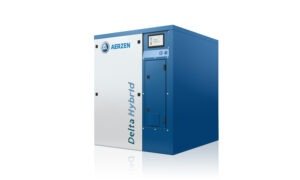
ใน dilute phase อนุภาควัสดุลอยตัวในกระแสลมที่มีความเร็วสูง โดยทั่วไป 15–35 m/s สำหรับแร่หยาบ และสูงกว่านั้นสำหรับวัสดุน้ำหนักเบา ความดันระบบอยู่ที่ 0.3–1.2 bar(g) โดย blower เช่น AERZEN Delta Hybrid DVO หรือ BVO series เป็นแหล่งกำเนิด air ที่เหมาะสม
ข้อได้เปรียบหลักคือต้นทุนอุปกรณ์ต่ำกว่า, การ scale flow ง่าย, และเหมาะกับวัสดุน้ำหนักเบาอย่าง fly ash หรือ potash fines ที่ไม่ขัดสาก อย่างไรก็ตาม ความเร็วลมสูงทำให้เกิดแรงกระแทกกับผนังท่อต่อเนื่อง — สำหรับ silica sand หรือแร่ abrasive อื่น ๆ elbow erosion rate สามารถทำให้ต้องเปลี่ยนท่อทุก 3–6 เดือน
Dense Phase (Plug Flow / Slug Flow)
ใน dense phase วัสดุเคลื่อนที่เป็น “ก้อน” (plug/slug) ที่ความเร็วต่ำ 1–10 m/s และความดันสูงกว่า 1.5–4 bar(g) สำหรับกรณีทั่วไป อุปกรณ์ที่เหมาะสมคือ screw compressor หรือ positive-displacement compressor เช่น AERZEN TVO oil-free screw compressor หรือ Delta Screw E-Compressor
ความเร็วต่ำหมายความว่าอนุภาคแร่ขัดถูผนังท่อน้อยลงอย่างมีนัยสำคัญ — ท่อมีอายุการใช้งานนานกว่า 10–15 เท่าสำหรับวัสดุที่มี Mohs hardness >6 อัตราส่วน solid-to-air (loading ratio) ใน dense phase อยู่ที่ 20–100+ kg solid per kg air เทียบกับ dilute phase ที่ 1–15 kg solid per kg air
Engineering Reference
ตามมาตรฐาน CAGI (Compressed Air and Gas Institute) Pneumatic Conveying Guidelines และ
ISO 8573-1:2010 compressed air quality standard — การเลือกโหมดขึ้นอยู่กับ: อัตราส่วนมวล air-to-material (loading ratio), ขนาดอนุภาค (Particle size distribution — PSD), ความหนาแน่นของวัสดุ (bulk density), ความแข็ง (Mohs hardness), ปริมาณความชื้น (moisture content) และ stickiness index
Phase Diagram: Dense Phase vs Dilute Phase (Descriptive)
แกน X = Air velocity (m/s): Dense Phase 1–10 m/s | Dilute Phase 15–35 m/s
แกน Y = Pressure (bar): Dense Phase 1.5–4.0 bar | Dilute Phase 0.3–1.2 bar
โซน Saltation = จุดวิกฤตระหว่าง Dense และ Dilute ที่ต้องหลีกเลี่ยง
Source: CAGI Pneumatic Conveying Guidelines / AERZEN Engineering
โซน saltation (ตรงกลาง) คือจุดอันตรายที่ต้องหลีกเลี่ยง
ที่มา: CAGI Pneumatic Conveying Guidelines / AERZEN Engineering Reference
2. ตารางคุณสมบัติวัสดุเหมืองแร่: Potash, Silica Sand, Fly Ash, Mineral Tailings
วัสดุแต่ละชนิดมีคุณสมบัติที่กำหนดโหมดการลำเลียงที่เหมาะสมต่างกัน ตารางด้านล่างรวบรวมพารามิเตอร์หลักที่วิศวกรกระบวนการต้องใช้ในการออกแบบระบบ — จาก AERZEN Group Engineering Data และข้อมูลอ้างอิงจาก CAGI
| วัสดุ | Bulk Density (kg/m³) | Mohs Hardness | Typical PSD (µm) | Moisture Sensitivity | Abrasivity Index | โหมดที่แนะนำ | AERZEN Equipment | Air Quality |
|---|---|---|---|---|---|---|---|---|
| Potash (KCl granules) | 1,200–1,400 | 2.0–2.5 | 250–1,500 | สูง — hygroscopic, clumping | ต่ำ–ปานกลาง | Dilute Phase | DVO / BVO series | Class 0 |
| Silica Sand (SiO₂) | 1,400–1,700 | 7.0 | 100–600 | ปานกลาง — ถ้า moist >2% saltation เปลี่ยน | สูงมาก — Mohs 7 | Dense Phase | TVO / Delta Screw E-Comp | Class 0 |
| Fly Ash (Class C/F) | 600–900 | 5.0–6.0 | 1–100 | ต่ำ (Class F) / ปานกลาง (Class C) | ต่ำ–ปานกลาง | Dilute Phase / Dense | DVO / BVS / TVO | Class 0 |
| Mineral Tailings (ทั่วไป) | 1,200–2,200 | 4.0–8.0 | 10–500 | สูง — มักมี moisture 10–25% | สูง — ขึ้นกับ host rock | Dense Phase | TVO / BVS series | Class 0 + dry |
| Limestone Fines (CaCO₃) | 1,200–1,500 | 3.0 | 50–300 | ต่ำ | ต่ำ | Dilute Phase | DVO / BVO series | Class 0 |
| Coal Fines (RoM) | 700–900 | 1.5–2.5 | 50–500 | ปานกลาง | ต่ำ | Dilute Phase | DVO / BVO series | Class 0 |
| Iron Ore Concentrate | 2,000–2,500 | 5.5–7.0 | 20–200 | ปานกลาง–สูง | สูงมาก | Dense Phase | TVO series | Class 0 + dry |
Engineering Rule of Thumb
วัสดุที่มี Mohs hardness > 5.5 และ bulk density > 1,400 kg/m³ ควรพิจารณา dense phase เป็นอันดับแรก
ข้อยกเว้น: fly ash Class F มี hardness 5–6 แต่มีขนาดอนุภาคเล็กและกลมมาก (spherical) — aerodynamic drag สูง ทำให้ dilute phase ยังมีประสิทธิภาพ
Potash เป็นกรณีพิเศษ: hardness ต่ำ แต่ moisture sensitivity สูงทำให้ต้องออกแบบ air drying system ร่วมกับ dilute phase เสมอ
3. Saltation Velocity สำหรับ Wet Ore — จุดวิกฤตที่ต้องคำนวณก่อนเดินระบบ
Saltation velocity (Vs) คือความเร็วลมขั้นต่ำที่ยังคงทำให้อนุภาควัสดุลอยตัวได้ในท่อแนวนอน หากความเร็วลมต่ำกว่า Vs อนุภาคเริ่มตกตะกอน (saltation) และในที่สุดจะอุดตันท่อ — ใน dilute phase นี่คือ failure mode ที่พบบ่อยที่สุด
ปัจจัยที่เพิ่ม Saltation Velocity ในสภาพเหมืองแร่
สูตรที่นิยมใช้ในวงการคือ Rizk (1976) correlation สำหรับ dilute phase และ Dixon (1979) สำหรับ plug flow โดยปัจจัยหลักที่ส่งผลต่อ Vs ในสภาพแวดล้อมเหมืองแร่ไทย:
- Moisture content ของ ore: เมื่อ ore มีความชื้น ผิวของอนุภาคมีแรงยึดเกาะ (cohesion) สูงขึ้น อนุภาครวมตัวกัน (agglomeration) ทำให้ effective particle size ใหญ่ขึ้น และ Vs สูงขึ้น 20–50% จากค่า dry condition — การไม่คำนวณปัจจัยนี้คือสาเหตุอันดับ 1 ของ saltation blockage ใน tropical mining sites
- Particle size distribution (PSD) ที่กว้าง: วัสดุเหมืองมักมี PSD กว้างกว่า industrial powder มาก — อนุภาคขนาดใหญ่ต้องการ Vs สูงกว่า ทำให้ต้องออกแบบตาม Dₓ₉₀ ไม่ใช่ D₅₀
- Bulk density สูง: แร่หนัก เช่น iron ore concentrate (2,000–2,500 kg/m³) ต้องการ air kinetic energy สูงกว่ามากในการ “ลอย” วัสดุ
- อุณหภูมิบรรยากาศในไทย: อุณหภูมิ 32–38°C ทำให้ความหนาแน่นของอากาศต่ำกว่า reference condition (15°C ตามมาตรฐาน ISO) ประมาณ 8% — blower ต้องชดเชยด้วย flow สูงขึ้น
Saltation Velocity Estimation (Simplified Rizk)
Vs ≈ √(dp × ρp × g / (0.074 × ρair))
โดย dp = particle diameter (m), ρp = particle density (kg/m³), g = 9.81 m/s², ρair = air density at operating condition (kg/m³)
ตัวอย่าง Silica Sand: dp = 300 µm = 0.0003 m, ρp = 2,650 kg/m³, ρair @ 35°C = 1.145 kg/m³
Vs ≈ √(0.0003 × 2,650 × 9.81 / (0.074 × 1.145)) ≈ 9.7 m/s (dry)
Wet correction (+30% for 5% moisture): Vs,wet ≈ 12.6 m/s — กำหนดเป็นขีดต่ำสุด operating velocity
หมายเหตุ: สูตรนี้ใช้เพื่อ preliminary sizing เท่านั้น — Full hydraulic calculation โดยวิศวกรระบบเป็นขั้นตอน mandatory
กลยุทธ์ป้องกัน Saltation ในพื้นที่เหมือง Remote
เนื่องจาก saltation blockage ในพื้นที่ห่างไกลหมายถึงการหยุดสายการผลิตนาน 4–12 ชั่วโมงจนกว่าทีมบริการจะถึง การออกแบบระบบต้องมี safety margin เพียงพอ:
- ออกแบบ minimum air velocity ที่ Vs × 1.3–1.5 (30–50% safety factor เหนือ saltation point) สำหรับ dilute phase wet ore
- ใช้ Variable Frequency Drive (VFD) กับ blower เพื่อปรับ flow เมื่อ feed rate เปลี่ยน แทนที่จะใช้ throttle valve ซึ่งลด pressure แต่ไม่ลด velocity
- ติดตั้ง differential pressure transmitter บน pipeline พร้อม alarm ที่ ΔP เพิ่มขึ้น >15% จาก baseline — สัญญาณเตือนก่อน blockage เต็มรูปแบบ
- สำหรับ wet ore ที่มี moisture >3%: พิจารณา dense phase แทน dilute เนื่องจาก plug flow มีความทนทานต่อการเปลี่ยนแปลง moisture มากกว่า
4. Oil-Free Air กับ Flotation Reagents: ทำไม Class 0 ถึงไม่ใช่ทางเลือก
Froth flotation คือกระบวนการแยกแร่ที่ใช้ใน copper, zinc, nickel, phosphate และ potash processing — อากาศถูก inject ผ่าน flotation cell เพื่อสร้าง bubble ที่ flotation reagent (collector, frother) เกาะและพา mineral ขึ้นมาที่ผิว
ปัญหาพื้นฐานที่หลายโรงงานประสบ: ใช้ oil-injected compressor ป้อน air ให้ทั้งระบบ รวมถึง flotation cells และ pneumatic conveying สาย downstream
Critical Warning: น้ำมันปนเปื้อนใน Flotation Air
น้ำมัน (oil aerosol) แม้เพียง 0.01–0.1 mg/m³ ใน flotation air สามารถ:
- เพิ่ม surface tension ของ bubble ทำให้ froth stability ลดลง — recovery rate ลดลง 5–15%
- ปนเปื้อน xanthate, dithiophosphate หรือ fatty acid collector — ลดประสิทธิภาพ reagent
- ทำให้ concentrate grade ต่ำกว่าข้อกำหนดของ smelter — ปรับค่า penalty ต่อ dry metric tonne
- ในกรณี precious metal flotation (gold, platinum): oil contamination ทำให้ recovery loss สูงถึง 2–8% ต่อรอบ — ไม่คุ้มค่าประหยัดจากการใช้ oil-injected compressor
AERZEN BVO, BVS, DVO และ TVO series ผลิต ISO 8573-1 Class 0 oil-free air โดยไม่มีการสัมผัสระหว่าง oil กับ air stream ตั้งแต่ขั้นตอนการอัด — ไม่ใช่การกรอง oil ออกหลังจากปนเปื้อนแล้ว
นี่คือความแตกต่างสำคัญ: oil-free by design เทียบกับ oil-removal by filtration ซึ่งมีความเสี่ยงจาก filter breakthrough โดยเฉพาะในสภาพอากาศร้อนชื้นของประเทศไทย
ISO 8573-1 Class 0 certified: zero oil aerosol, zero oil vapour ใน air stream
ที่มา: AERZEN Group
5. การเลือก AERZEN Equipment ตามโหมดและวัสดุ
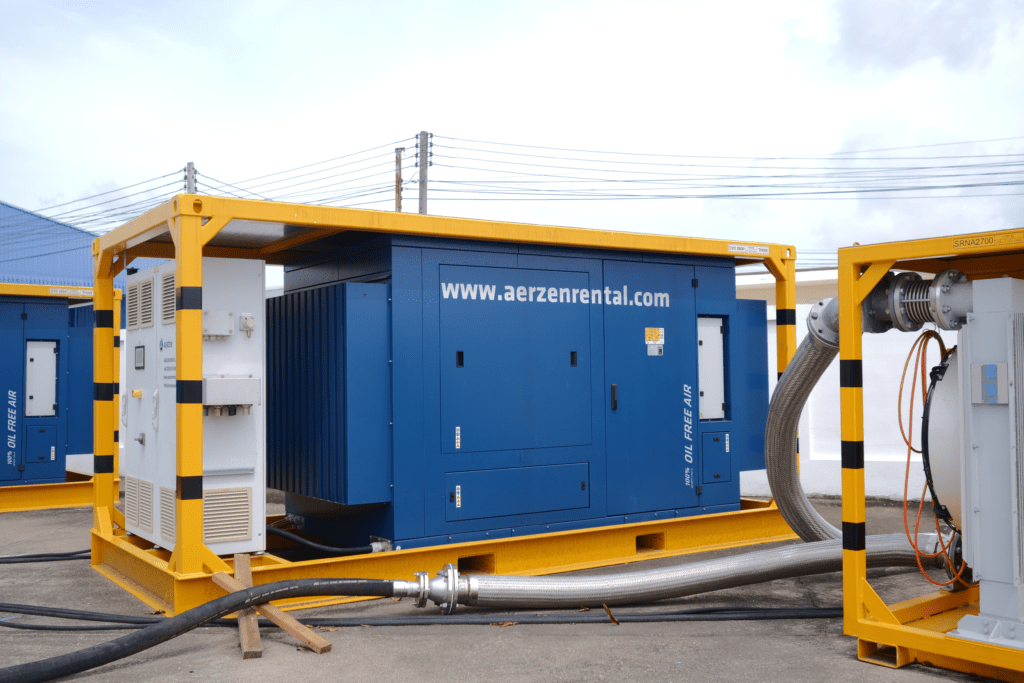
AERZEN Rental Thailand มีอุปกรณ์ครบทั้ง dilute phase และ dense phase เพื่อรองรับแร่ทุกประเภทในตารางที่ 1 — ทุกรุ่นเป็น oil-free by design และรองรับ ระบบ pneumatic conveying ทั้งระยะสั้นและระยะยาว
| AERZEN Series | ประเภทเครื่อง | Pressure Range | Flow Range | โหมดที่เหมาะ | Mining Use Case | Oil-Free Standard |
|---|---|---|---|---|---|---|
| DVO (Delta Hybrid) | Oil-free screw blower | 0.3–1.2 bar(g) | 300–12,000 Nm³/h | Dilute Phase | Potash fines, limestone, coal, fly ash Class F | Class 0 |
| BVO (Roots Blower) | Oil-free rotary lobe blower (Roots type) — ไม่ใช่ compressor | 0.3–1.0 bar(g) | 100–8,000 Nm³/h | Dilute Phase | Fly ash, coal fines, limestone fines | Class 0 |
| BVS (Delta Screw Blower) | Oil-free screw blower | 0.5–1.5 bar(g) | 200–10,000 Nm³/h | Dilute / Dense (ต่ำ) | Fly ash dense phase (ความดันต่ำ), mineral fines | Class 0 |
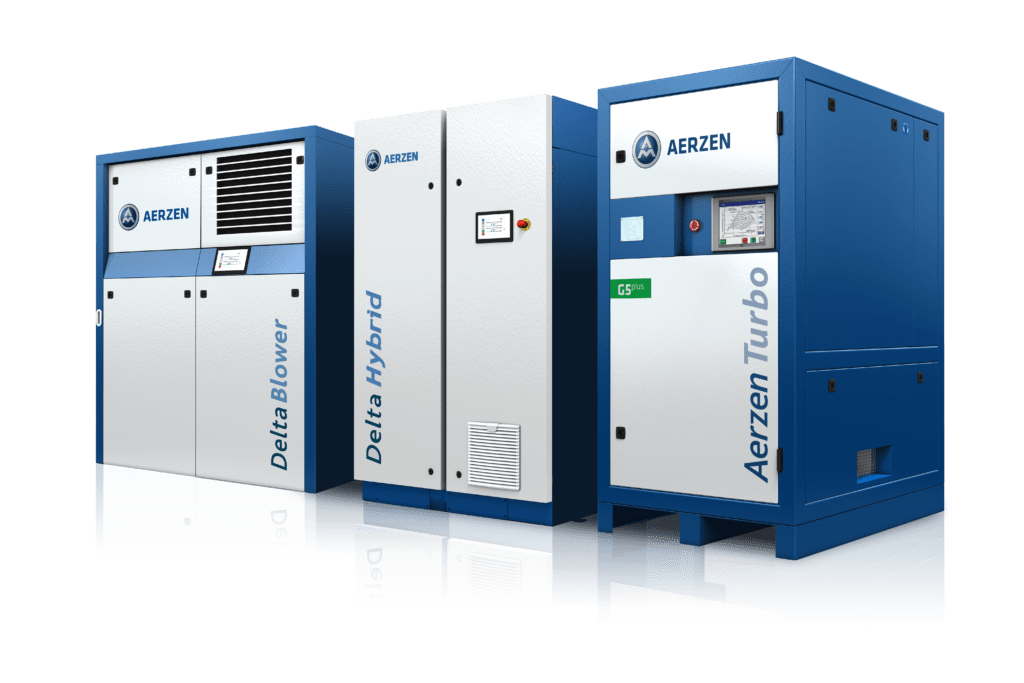
| TVO (Oil-Free Screw Compressor) | Oil-free twin-screw compressor | 0.4–4.0 bar(g) | 30–12,000 Nm³/h | Dense Phase | Silica sand, mineral tailings, iron ore concentrate, wet ore | Class 0 |
Technical Note — Nomenclature
TVO = Oil-Free Screw Compressor (ไม่ใช่ turbo) — twin-screw positive-displacement, oil-free compression chamber
BVO = Rotary Lobe Blower (Roots type) — เป็น blower ไม่ใช่ compressor
AT (AerzenTurbo) = Centrifugal Blower — turbo technology, pressure range 0.3–1.0 bar(g)
ข้อมูลนี้สำคัญสำหรับการเขียน tender spec ที่ถูกต้อง — nomenclature ผิดอาจทำให้ vendor quotation ไม่ตรงกับ requirement
6. Remote Mining Site Rental Deployment Checklist
เหมืองแร่ในไทยส่วนใหญ่ตั้งอยู่ในพื้นที่ห่างไกล — Saraburi (หินปูน), ลพบุรี, กาญจนบุรี, ระนอง (ดีบุก), หรือพื้นที่ชายแดน — infrastructure ไฟฟ้า, น้ำ, และถนนเข้าถึงเป็นตัวแปรสำคัญ
AERZEN Rental Thailand ออกแบบ Subscription Plan ให้รองรับสภาพ remote site โดยเฉพาะ — checklist ด้านล่างคือขั้นตอน pre-deployment assessment ที่ทีมวิศวกรของเราใช้
Remote Mining Site — Pre-Deployment Checklist
A. Site Access & Logistics
- ความกว้างถนนเข้าสถานที่ ≥ 4 เมตร (สำหรับรถขนส่ง low-loader)
- ความสูงสายไฟ/สะพาน ≥ 4.5 เมตร ตลอดเส้นทาง
- พื้นที่วางอุปกรณ์: level concrete pad หรือ steel skid foundation ≥ 3 เมตร × 3 เมตร ต่อ unit
- ระยะห่างจาก AERZEN Sattahip base ถึง site (คำนวณ response time: EEC ≤ 3 ชม., อีสาน/ใต้ 6–10 ชม.)
- GPS coordinates ของ site ส่งให้ AERZEN ล่วงหน้า ≥ 7 วันก่อน mobilization
- ระบุ available power: 380V/3-phase/50Hz ขนาด (kVA) พร้อมใช้งาน
- ถ้าไม่มี grid power — ระบุ diesel generator kVA และ confirm load regulation: ±5% voltage, ±1 Hz frequency สำหรับ VFD operation
- ระยะทางจาก main DB ถึง blower/compressor installation point (cable sizing)
- Earthing/grounding available หรือ AERZEN จะ install temporary earth rod
- Pipeline material และ schedule ที่ site จัดเตรียม (หรือ AERZEN จัดหา)
- Total pipeline length, number of bends, elevation change (สำคัญสำหรับ pressure loss calculation)
- Pressure vessel / air receiver ที่ปลาย pipeline (AERZEN สามารถ include ใน rental package)
- Material feed rate (tonnes/hour) และ PSD report ของวัสดุที่จะลำเลียง
- Moisture content report ของวัสดุ (จำเป็นสำหรับ saltation velocity calculation)
- Ambient temperature range (min/max ตลอดปี) — สำคัญสำหรับ cooling system sizing
- Altitude ของ site (เมตร above mean sea level) — สำหรับ air density correction
- Dust concentration ในบรรยากาศ site — กำหนด intake filter grade
- Hazardous area classification (ATEX zone) ถ้ามี coal dust หรือ explosive atmosphere
- Site personnel สามารถ check oil level, belts, filter indicators ได้หรือไม่ (Subscription Plan = AERZEN ดูแล)
- Communications: GSM signal หรือ satellite comms ที่ site (สำหรับ AERConnect remote monitoring)
- Emergency contact chain: plant manager → AERZEN 24/7 hotline 098-323-2626
- Nearest airport / helipad สำหรับ emergency parts delivery
- Mine permit number และ regulatory authority (กรมทรัพยากรธรณี, Industrial Estate Authority)
- Pressure vessel registration กับ กรมสวัสดิการและคุ้มครองแรงงาน (ถ้า receiver tank > 7 bar·litre)
- Noise emission limit ของ site (dB(A) at boundary) — AERZEN TVO/DVO < 72–75 dB(A) @ 1 เมตร
B. Power Supply
C. Air System Boundary
D. Environmental Conditions
E. Service & Maintenance Support
F. Regulatory & Safety
Subscription Plan สำหรับ Remote Site
Subscription Plan ของ AERZEN Rental Thailand รวม: อุปกรณ์ + installation + commissioning + preventive maintenance ทุก 500/2,000/4,000 ชั่วโมง + spare parts ที่ AERZEN stock ให้ + 24/7 hotline + emergency dispatch + ประกันภัยเครื่อง
สำหรับ remote mining site ที่ไม่มี spare parts supplier ใกล้เคียง — Subscription Plan คือ zero-downtime insurance ที่ไม่ต้องลงทุน CAPEX เพิ่มเติม
ดูข้อมูลเพิ่มเติมที่ Request a Quote หรือโทร 098-323-2626 (24 ชั่วโมง)
SYNTHETIC CASE SCENARIO — ILLUSTRATIVE
Silica Sand Processing Plant — ภาคตะวันออก: Dense Phase Retrofit
สถานการณ์สมมติ (ไม่ใช่ลูกค้าจริง) — แสดงให้เห็นผลลัพธ์ทางวิศวกรรมที่เป็นไปได้ตาม technical parameters
72%
ลด Elbow Replacement
ลด Elbow Replacement
0
Saltation Blockage/yr
Saltation Blockage/yr
Class 0
Air Quality ISO 8573-1
Air Quality ISO 8573-1
4 hr
Commissioning Time
Commissioning Time
วิศวกรรมหลัก: ระบบเดิมใช้ dilute phase blower กับ silica sand (Mohs 7) — elbow erosion ทุก 4–5 เดือน
หลัง switch เป็น AERZEN TVO dense phase (ความเร็ว < 6 m/s): pipeline erosion ลดลงอย่างมีนัยสำคัญ และ maintenance schedule เปลี่ยนจาก reactive เป็น planned
Air quality: Class 0 ตลอด — ไม่มี oil carryover สู่ product
คำถามที่พบบ่อย (FAQ)
Dense phase กับ dilute phase แบบไหนใช้ไฟน้อยกว่ากัน?
โดยทั่วไป dense phase ใช้พลังงานมากกว่าต่อหน่วย volume ของ air (kW per Nm³/h) เนื่องจากต้องสร้างความดันสูงกว่า อย่างไรก็ตาม เมื่อเปรียบเทียบใน kW per tonne of material conveyed dense phase มักมีประสิทธิภาพสูงกว่าสำหรับวัสดุหนักและ abrasive เพราะ:
- Loading ratio (solid:air) ใน dense phase สูงกว่า 5–10 เท่า — ต้องการ air volume น้อยกว่ามากต่อปริมาณวัสดุที่ลำเลียงเท่ากัน
- ไม่มี pressure drop จาก particle-wall collision ซ้ำ ๆ ใน dilute phase
- ใน silica sand conveying: dense phase ใช้พลังงานรวมต่ำกว่า dilute phase ประมาณ 20–35% ต่อ tonne conveyed
การเลือกโหมดควรคำนวณ Total Energy Cost ตลอดอายุการใช้งาน ไม่ใช่แค่ kW nameplate ของเครื่อง
Potash มีคุณสมบัติ hygroscopic — ควรออกแบบ air drying อย่างไร?
Potassium chloride (KCl) ดูดซับ moisture จากอากาศได้ดีมาก โดยเฉพาะเมื่อ relative humidity > 75% RH (จุด deliquescence ของ KCl) ซึ่งในไทยมีช่วง 6–10 เดือนต่อปีที่ humidity เกินระดับนี้
สำหรับ potash conveying air ด้วย dilute phase ต้องมี:
- Dew point ≤ −10°C ที่ operating pressure (ตาม ISO 8573-1 Class 2 for dew point เป็นขั้นต่ำ — Class 1 preferred)
- Refrigeration air dryer เป็น standard; Desiccant dryer สำหรับพื้นที่ที่ต้องการ dew point ต่ำกว่า
- AERZEN BVO/DVO rental package สามารถ include dryer unit ใน scope of supply ตาม Subscription Plan
โปรดติดต่อทีมวิศวกรของ AERZEN เพื่อ sizing air drying system ที่ถูกต้องตามสภาพ site ของท่าน:
038-015-488 หรือ thai@aerzenrental.com
Mineral tailings มีความชื้นสูง 15–25% — ยังสามารถใช้ pneumatic conveying ได้หรือไม่?
ขึ้นอยู่กับ free moisture เทียบกับ total moisture ใน tailings:
- ถ้า moisture อยู่ใน bound form (ซึมเข้าในอนุภาค) — pneumatic conveying ได้ผลดีใน dense phase แต่ต้องเพิ่ม safety margin บน saltation velocity
- ถ้า moisture เป็น free surface moisture (เปียกผิว) — เกิด cohesion สูง, plug ไม่แตกตัว, โอกาส blockage สูงมาก — ต้องผ่าน mechanical dewatering (cyclone, centrifuge, filter press) ก่อน จนเหลือ free moisture < 8–10%
- Tailings ที่ผ่าน thickener และมี moisture ≤ 15% total: dense phase conveying ทำได้ แต่ต้องใช้ high-pressure dense phase system ที่ 2.5–4 bar(g) และ anti-blockage blow-through valve ทุก 15–20 เมตรของท่อ
การประเมิน runnability ของ tailings ต้องใช้ Jenike flow factor test หรือ pilot conveying trial ก่อนลงทุนระบบเต็มรูปแบบ
AERZEN Rental Thailand ให้บริการ remote mining site ไกลจาก EEC ได้หรือไม่?
ใช่ — AERZEN Rental Thailand ให้บริการทั่วประเทศ โดย base หลักที่ Sattahip, Chon Buri:
- EEC area (Chon Buri, Rayong, Chachoengsao): dispatch ได้ภายใน 2–4 ชั่วโมง
- Central Thailand (Saraburi, Lopburi, Kanchanaburi): 4–6 ชั่วโมงทางรถ
- Northern / Northeastern Thailand: same-day flight + ground transport ประมาณ 8–12 ชั่วโมง
- Southern Thailand (Ranong, Phuket, Songkhla): same-day flight + 6–10 ชั่วโมงรวม
สำหรับ project ระยะยาว AERZEN สามารถจัด pre-positioned spare parts ที่ site เพื่อลด response time — ติดต่อหารือ:
098-323-2626 (24/7 Hotline) หรือ Request a Quote
Class 0 oil-free air กับ Class 1 oil-filtered air ต่างกันอย่างไรในบริบท mining?
ISO 8573-1 Class 0: กำหนดโดย manufacturer ว่า oil concentration ต่ำกว่า detection threshold (< 0.01 mg/m³ total oil) — เป็น “oil-free by design” ไม่มี oil ใน compression path
ISO 8573-1 Class 1: oil ≤ 0.01 mg/m³ — ทำได้โดย oil-injected compressor + coalescing filter + activated carbon filter รวมกัน
ใน mining applications ความแตกต่างสำคัญคือ reliability at high temperature: coalescing filter efficiency ลดลงเมื่ออุณหภูมิ > 40°C (พบบ่อยใน outdoor tropical mining) — filter breakthrough ทำให้ Class 1 ไม่สามารถรับประกัน oil content ได้คงที่ตลอดเวลา
สำหรับ flotation process: Class 0 เท่านั้นที่รับประกัน zero oil ได้ด้วย architecture ไม่ใช่ filtration
ต้องการ blower rental เร่งด่วนสำหรับ mining site — ขั้นตอนเป็นอย่างไร?
ขั้นตอน Emergency Rental Request:
- โทร 098-323-2626 (24/7 Hotline) — แจ้ง: location, material type, pressure/flow requirement, timeline
- AERZEN วิศวกรประเมิน equipment match ภายใน 1 ชั่วโมง (ในเวลาทำการ) หรือ 2–4 ชั่วโมง (outside hours)
- Quotation ส่งทาง email ภายใน 4 ชั่วโมงหลังรับข้อมูลครบ
- Mobilization & commissioning: EEC ≤ 24 ชั่วโมง; upcountry 24–48 ชั่วโมงโดยทั่วไป
สามารถส่ง request ล่วงหน้าทาง thai@aerzenrental.com หรือ กรอกแบบฟอร์ม Request a Quote
Engineering Consultation สำหรับ Pneumatic Conveying Mining
ทีมวิศวกรของ AERZEN Rental Thailand พร้อมช่วยคำนวณ saltation velocity, เลือกโหมด และ size อุปกรณ์ที่เหมาะสมกับแร่ของท่าน — ไม่มีค่าใช้จ่ายสำหรับ initial consultation
ออฟฟิศ: 038-015-488 · Chon Buri (Sattahip) · aerzenrentalth.com
Rent a solution. Expect performance.
แหล่งอ้างอิงและข้อมูลประกอบ:
- ISO 8573-1:2010 — Compressed air. Contaminants and purity classes
- CAGI (Compressed Air and Gas Institute) — Pneumatic Conveying Technical Guidelines
- AERZEN Group — Product portfolio: BVO, DVO, BVS, TVO series specifications
- Rizk (1976) — Simultaneous Transport of Solid Particles and Gases through Pipelines: Saltation velocity correlation
- Dixon (1979) — The Influence of Saltation on Pneumatic Conveying — plug flow regime model
- AERZEN Rental Thailand — คู่มือเลือก Blower ระบบลมลำเลียง (Pillar)
Last technical review:
2026-06-02
2026-06-02
Technically reviewed by AERZEN Application Engineering Team
Next review: 2026-12-02