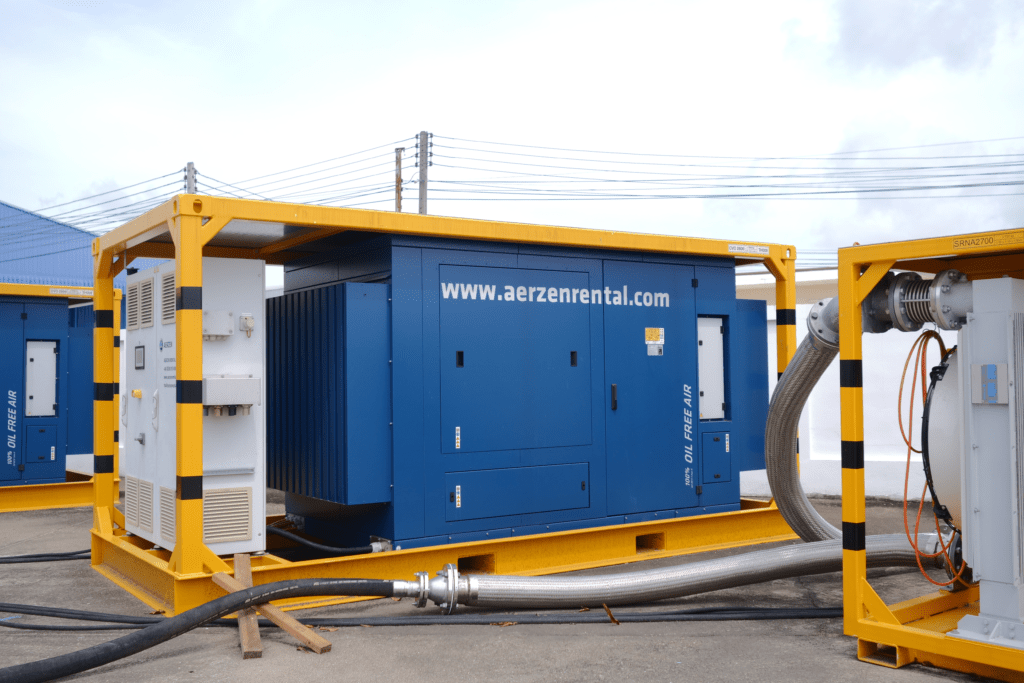
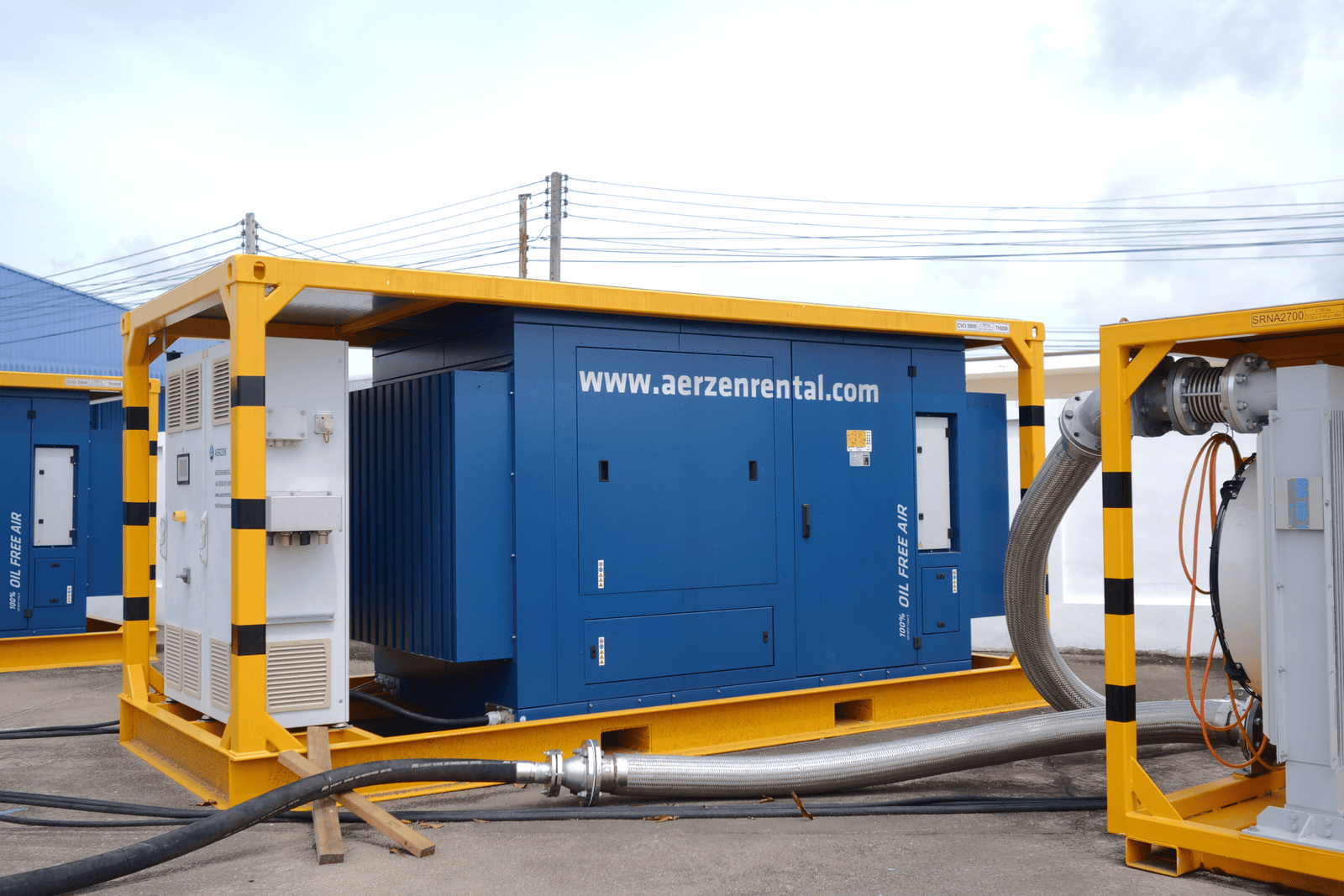
ISO 50001 Section 6 — คู่มือ Implementation ระบบ Compressed Air สำหรับ Energy Manager: กำหนด EnPI (kW/Nm³/min), ตั้ง Baseline, และบันทึก ECO สำหรับการอัปเกรดเครื่องเช่า
- ISO 50001:2018 Section 6.3–6.6 กำหนดให้ต้องระบุ SEU, วาง EnPI, ตั้ง Baseline (EnB), และจัดทำ Action Plan — ระบบ compressed air เป็น SEU อันดับ 1–3 ในโรงงานส่วนใหญ่
- EnPI ที่แนะนำสำหรับ air system คือ Specific Power (kW/Nm³/min) — วัดที่ outlet ของเครื่อง เทียบกับ CAGI data sheet reference เพื่อ baseline ที่ตรวจสอบได้
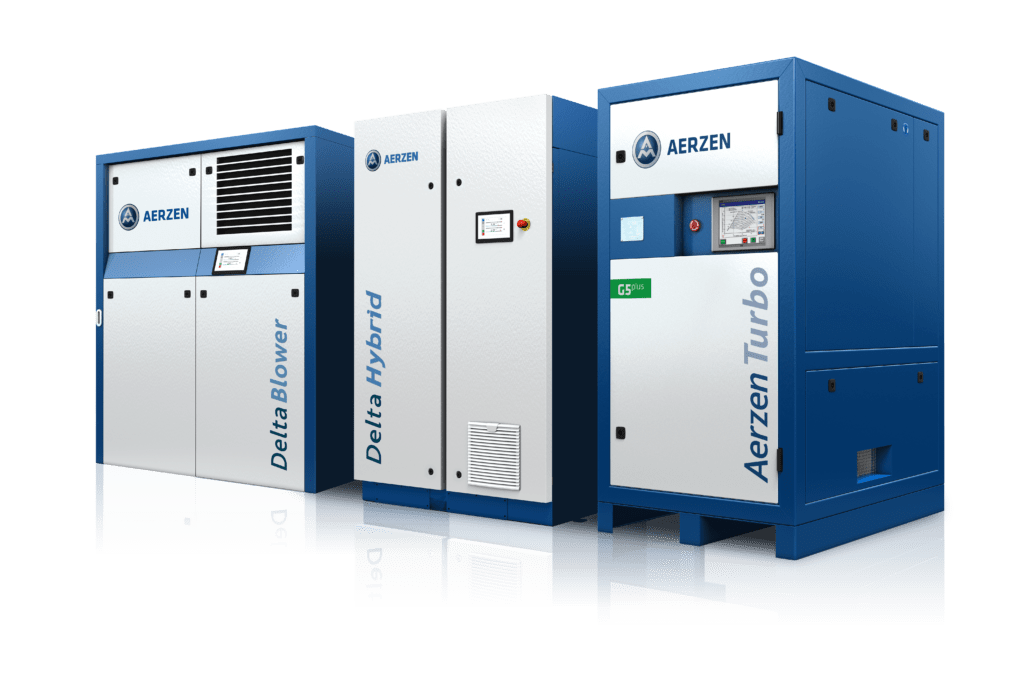
- การอัปเกรดเป็น rental unit ที่มีประสิทธิภาพสูงกว่า (เช่น Delta Hybrid BVS หรือ DVO) บันทึกเป็น Energy Conservation Opportunity (ECO) ใน Energy Review ตาม Section 6.3 ได้ทันที — ไม่ต้องรอ CAPEX อนุมัติ
AERZEN ออกแบบและผลิต blower และ compressor oil-free มาตั้งแต่ปี 1864 — เกือบ 160 ปีของการสะสม engineering data ในระบบ compressed air อุตสาหกรรม ประสบการณ์นั้นบอกเราชัดเจนว่า: Energy Manager ที่กำลัง implement ISO 50001 ต้องการข้อมูลที่แม่นยำและใช้งานได้จริง ไม่ใช่แค่คำอธิบายมาตรฐาน บทความนี้จึงมุ่งเน้นเฉพาะ การนำ compressed air system activities มา map เข้ากับ ISO 50001 Section 6 ตั้งแต่การระบุ SEU จนถึงการบันทึก ECO — พร้อมตัวเลขจริงและตัวอย่างคำนวณที่ใช้ใน document จริงได้
บทความนี้ครอบคลุมอะไร — ต่างจาก Energy Audit Guide อย่างไร
บน aerzenrentalth.com มีคู่มือแยกต่างหากที่ครอบคลุมกระบวนการ ตรวจสอบพลังงาน Compressed Air แบบ ISO 50001 และการตรวจหา Air Leak — ซึ่งอธิบาย methodology ของ energy audit โดยรวม รวมถึง ultrasonic leak detection, VFD ROI, และ KPI framework ในภาพกว้าง
บทความนี้มีจุดประสงค์ที่ต่างออกไปและเฉพาะเจาะจงกว่า: สมมติว่า Energy Manager หรือ Utilities Engineer ของคุณ กำลัง implement ISO 50001 จริง และต้องการรู้ว่า:
- Section 6 ของมาตรฐานกำหนดให้ทำ อะไรบ้าง กับ air system โดยเฉพาะ
- จะเลือก EnPI (Energy Performance Indicator) ที่เหมาะสมสำหรับ air system อย่างไร
- จะคำนวณ Baseline (EnB) จาก data ที่มีอยู่แล้วได้อย่างไร
- จะเขียน Energy Conservation Opportunity (ECO) สำหรับการเปลี่ยนมาเช่า equipment ที่มีประสิทธิภาพสูงขึ้นได้อย่างไร — ในรูปแบบที่ auditor ตรวจสอบได้
บทความนี้ไม่ใช่คู่มือ leak detection หรือ energy audit เทคนิคทั่วไป — บทความนี้คือ implementation workbook สำหรับ Section 6 ของ ISO 50001:2018 โดยใช้ compressed air / blower system เป็น SEU ตัวอย่าง อ้างอิงตามโครงสร้างของ ISO 50001:2018 (EN) ที่ iso.org clause 6
ISO 50001 Section 6 — โครงสร้างที่ Energy Manager ต้องรู้
ISO 50001:2018 Section 6 (“Planning”) ประกอบด้วย 6 sub-clauses ที่เกี่ยวข้องโดยตรงกับ air system:
| Sub-clause | หัวข้อ | สิ่งที่ต้องทำสำหรับ Air System |
|---|---|---|
| 6.2 | Objectives, energy targets, action plans | กำหนด target สำหรับ air system EnPI (เช่น ลด Specific Power 8% ภายใน 18 เดือน) |
| 6.3 | Energy review | ระบุ SEU, วิเคราะห์ energy use, ระบุ ECO — air system มักเป็น SEU #1–3 |
| 6.4 | Energy performance indicators (EnPIs) | กำหนด EnPI สำหรับ air system: Specific Power (kW/Nm³/min) เป็นตัวเลือกหลัก |
| 6.5 | Energy baseline (EnB) | ตั้ง baseline จากข้อมูลการใช้พลังงาน + production output ในช่วงเวลาที่กำหนด |
| 6.6 | Planning for collection of energy data | ออกแบบ measurement plan: meter location, sampling frequency, data retention |
| Annex B | Guidance on energy review | ตัวอย่าง methodology สำหรับ SEU identification + loss tree analysis |
ISO 50001 ไม่กำหนดว่าต้องใช้ EnPI อะไร — แต่กำหนดว่า EnPI ที่เลือก ต้องมี documented methodology, baseline period, และ update frequency ที่ชัดเจน และต้อง “เหมาะสม” กับการวัด energy performance improvement ของ SEU นั้น ๆ ความเหมาะสมนี้คือสิ่งที่ auditor ตรวจสอบ
ระบุ SEU: ทำไม Compressed Air ถึงติด Top 3 ทุกครั้ง
ขั้นตอนแรกของ Section 6.3 Energy Review คือการระบุ Significant Energy Uses (SEUs) — ระบบที่มีสัดส่วนการใช้พลังงานสูงและมีศักยภาพในการปรับปรุงที่มีนัยสำคัญ
Compressed air systems เข้าข่าย SEU เกือบทุกกรณีใน manufacturing เนื่องจาก 3 ปัจจัยเชิงโครงสร้าง:
สัดส่วนไฟฟ้าที่ compressed air ใช้ใน manufacturing โดยเฉลี่ย
(แหล่งอ้างอิง: U.S. DOE Compressed Air Challenge, energy.gov)
สัดส่วน air ที่สูญเสียจากรอยรั่วในระบบที่ไม่ได้รับการดูแล (leakage loss)
% พลังงานที่ประหยัดได้ต่อ 1 bar ที่ลด delivery pressure ได้ (over-pressurization fix)
การจัดอันดับ SEU ทำโดยคูณ energy consumption (kWh/period) × improvement potential score (0–10, ประเมินจากอายุเครื่อง, efficiency gap, และ maintenance history) แล้วจัดอันดับจากมากไปน้อย ระบบที่ได้ score สูงสุดกลายเป็น SEU ที่ต้องมี EnPI + Baseline + Action Plan
โรงงานอาหาร Chonburi — ข้อมูล 12 เดือน:
- Chiller system: 1,850,000 kWh/ปี × improvement potential 4 = score 7.4M
- Compressed air (3 compressors, อายุ 8–12 ปี): 740,000 kWh/ปี × improvement potential 8 = score 5.92M
- Lighting: 220,000 kWh/ปี × improvement potential 7 = score 1.54M
- HVAC: 310,000 kWh/ปี × improvement potential 5 = score 1.55M
ผล: Chiller = SEU #1, Compressed Air = SEU #2 — ทั้งสองต้องมี EnPI + EnB ชัดเจน. Air system ได้ improvement potential score 8 (สูง) เพราะเครื่องอายุมาก + ไม่เคยทำ leak survey
เลือก EnPI สำหรับ Air System — Specific Power คืออะไร และวัดอย่างไร
ISO 50001 clause 6.4 กำหนดว่า EnPI ต้อง “เหมาะสมในการแสดง energy performance” ของ SEU นั้น สำหรับ air system มีตัวเลือก 3 ระดับ:
| EnPI | หน่วย | ข้อดี | ข้อจำกัด | เหมาะกับ |
|---|---|---|---|---|
| Specific Power | kW/(Nm³/min) หรือ kW/100 Nm³/h | Normalize กับ output, เปรียบเทียบข้าม period + เครื่องได้, CAGI standard | ต้องการ flow meter ที่ outlet | กรณีทั่วไป — แนะนำหลัก |
| kWh/Nm³ (cumulative) | kWh/Nm³ | Simple, ใช้ energy meter + flow meter cumulative | ผลกระทบจาก load factor ทำให้ period-to-period comparison ต้องการ correction | เครื่องขนาดเล็ก + load คงที่ |
| Air consumption per production unit | Nm³/unit ผลิต | เชื่อมกับ production output โดยตรง | ต้องการ production data linkage, ซับซ้อนกว่า | ระบบที่ air usage linked กับ production rate ชัดเจน |
Specific Power: นิยามและสูตรคำนวณ
Specific Power (หรือ Specific Energy ในบางมาตรฐาน) คืออัตราส่วนของ power input (kW) ต่อ volumetric flow output (Nm³/min หรือ Nm³/h) วัดที่ outlet ของเครื่อง ที่ design conditions (pressure, temperature, humidity)
Specific Power = P_input (kW) / Q_output (Nm³/min)

-- หรือ --

Specific Power = P_input (kW) / [Q_output (Nm³/h) / 100]
 = P_input (kW) × 100 / Q_output (Nm³/h)

-- หน่วย CAGI standard: kW/100 Nm³/h --
-- ISO 1217:2009 Annex C ใช้ specific energy: kWh/Nm³ (cumulative) --
Nm³ (Normal cubic metre) คือ volume อ้างอิงที่ 0°C, 1.01325 bar(a) — มาตรฐาน ISO 6358 และ CAGI ใช้ Nm³ เพื่อ normalize volumetric flow ให้ไม่ขึ้นอยู่กับ ambient temperature และ pressure ณ จุดวัด ซึ่งเปลี่ยนได้ตามฤดูกาลและที่ตั้งโรงงาน ใน document ISO 50001 ต้องระบุว่า flow measurement reference condition ใช้มาตรฐานใด — แนะนำ ISO 6358 หรือ ISO 1217 Annex C
Measurement Point ที่ถูกต้อง
สำหรับ single compressor/blower unit: วัด power ที่ motor input terminal (kW, ไม่ใช่ shaft power) และวัด flow ที่ outlet ของ unit (หลัง aftercooler, ก่อน distribution network) ไม่ใช่ที่ point of use — เพราะ EnPI นี้วัด efficiency ของ equipment ไม่ใช่ efficiency ของ distribution network (leakage เป็น EnPI แยก)
สำหรับ multi-unit system: คำนวณ system Specific Power = ผลรวม P_input ทุกเครื่อง (kW) / ผลรวม Q_output ที่ออกจากเครื่องทุกตัว (Nm³/min)
ตั้ง Energy Baseline (EnB) จาก Equipment Data จริง
ISO 50001 clause 6.5 กำหนดว่า EnB ต้องมี baseline period ที่เหมาะสม (มักไม่น้อยกว่า 3 เดือน) และต้องสะท้อน “typical energy performance” ที่เป็นตัวแทนของ operation จริง
ในทางปฏิบัติ Energy Manager มักพบว่าไม่มี flow meter ติดตั้งอยู่แล้ว — โดยเฉพาะในระบบเก่า ทางแก้คือใช้ CAGI data sheet method ซึ่ง auditor ยอมรับได้ถ้า documented อย่างถูกต้อง:
รวบรวม nameplate + CAGI data sheet ของแต่ละเครื่อง
ดึง rated specific power จาก CAGI data sheet ของ manufacturer (ถ้ามี) หรือ ISO 1217 test report หมายเหตุ: CAGI data sheet แสดง specific power ที่ rated conditions — ต้องใช้ “correction factor” ถ้า ambient ต่างจาก rated (Thailand ร้อน-ชื้น: ambient ~35°C, RH 75–85%)
ดึงข้อมูล kWh จาก energy meter ย้อนหลัง 12 เดือน
ถ้ามี sub-meter ต่อแยกของ compressor room: ดึง kWh/เดือน ถ้าไม่มี sub-meter: ใช้ estimated run hours × motor kW rating × load factor (จาก operator log หรือ motor current log) เป็น proxy — ต้อง document assumption ชัดเจนว่าใช้ estimated method
คำนวณ baseline Specific Power
นำ total kWh (12 เดือน) หารด้วย estimated Nm³ generated (12 เดือน) จาก run hours × rated flow ที่ estimated load factor จะได้ kWh/Nm³ — แปลงเป็น kW/Nm³/min โดย: SP (kW/Nm³/min) = [kWh/Nm³ total] × 60 / [baseline hours]
(หรือง่ายกว่า: ใช้ average kW จาก meter ÷ average Nm³/min จาก flow estimate)
Document ใน EnB table พร้อม assumptions และ uncertainty
ISO 50001 ไม่กำหนด format — แต่ต้องมี: baseline period, EnPI values per period, relevant variables (ชั่วโมงการผลิต, ambient condition), method of measurement หรือ estimation, และ uncertainty note ถ้าใช้ estimated data
เครื่อง: Oil-injected screw compressor รุ่นเก่า 75 kW rated, อายุ 10 ปี, rated flow 12.5 Nm³/min @ 7 bar
ข้อมูลจริง (12 เดือน):
- Energy meter: 325,000 kWh
- Estimated run hours: 6,500 h (operator log)
- Estimated load factor: 78% (motor current average ≈ 58.5 kW)
- Estimated Nm³ generated: 6,500 h × 60 min/h × 12.5 Nm³/min × 78% = 3,802,500 Nm³
Baseline Specific Power:
SP_baseline = 58.5 kW / (12.5 Nm³/min × 78%)
 = 58.5 / 9.75
 = 6.0 kW/Nm³/min

-- หรือ kWh/Nm³ = 325,000 / 3,802,500 = 0.0855 kWh/Nm³ --
-- Note: rated CAGI data sheet SP คือ 4.9 kW/Nm³/min --
-- gap = 6.0 − 4.9 = 1.1 kW/Nm³/min = performance degradation ~22% --
หมายเหตุ: ตัวเลขใช้เพื่ออธิบาย methodology — ไม่ใช่ข้อมูลจากลูกค้ารายใดรายหนึ่ง
คำนวณ Improvement Targets และเขียน EnPI Target ใน EnMS Document
ISO 50001 clause 6.2 กำหนดให้มี “energy targets” ที่ measurable, time-bound, และ consistent กับ EnPI ที่กำหนดไว้ สำหรับ air system มี 3 แนวทางหลักในการตั้ง target:
แนวทาง A: CAGI Benchmark
เปรียบเทียบ baseline SP กับ manufacturer’s CAGI-certified SP ที่ equivalent pressure/flow — gap = improvement potential สูงสุดทางทฤษฎี Target ที่ realistic = 70–85% ของ gap (ปัจจัย ambient + aging ทำให้ไม่สามารถชดเชยได้ 100%)
Target SP = SP_CAGI_new_unit × correction_factor_ambient

-- ตัวอย่าง: CAGI SP ของ DVO oil-free screw blower = 3.85 kW/Nm³/min --
-- correction factor Thailand (35°C, 80%RH) ≈ 1.05 --
-- Target SP = 3.85 × 1.05 = 4.04 kW/Nm³/min --
-- Baseline SP (เก่า) = 6.0 kW/Nm³/min --
-- Improvement = (6.0 − 4.04) / 6.0 = 32.7% --
แนวทาง B: Incremental Target (%/year)
สำหรับองค์กรที่ยังไม่พร้อม replace equipment ทันที: ตั้ง target ลด SP 3–5% ต่อปีผ่าน operational improvements (leak repair, pressure optimization, scheduling) — เป็น “continual improvement” ที่ ISO 50001 ยอมรับ
แนวทาง C: Scenario-Based Target (เมื่อ ECO มี action date)
เมื่อมี confirmed plan เปลี่ยน / เช่าเครื่องใหม่ที่มี SP ต่ำกว่า: ตั้ง target ตาม projected SP ของ new equipment พร้อม milestone date “post-deployment” — วิธีนี้ให้ target ที่ ambitious และ credible ที่สุด
ใช้ทั้ง 3 แนวทางร่วมกัน: แนวทาง B เป็น short-term target (ปีแรก ก่อนเปลี่ยนเครื่อง), แนวทาง C เป็น medium-term target (หลังติดตั้ง unit ใหม่), แนวทาง A เป็น reference benchmark สำหรับ Gap Analysis ใน Energy Review document
บันทึก Rental-Unit Upgrade เป็น ECO ใน Energy Management Plan
หนึ่งในจุดที่ Energy Manager มักสงสัยคือ: “เช่าเครื่องใหม่แทนเครื่องเก่า นับเป็น ECO ได้ไหม?” คำตอบคือ ได้ — และเป็น ECO ที่มีคุณภาพสูงมาก เพราะมีข้อมูล specific power จาก CAGI data sheet และ projected saving ที่ quantifiable
ISO 50001 Section 6.3 กำหนดให้ Energy Review ต้องระบุ “Energy Conservation Opportunities (ECOs)” พร้อม:
- คำอธิบายการปรับปรุงที่เสนอ
- Estimated energy saving (kWh/year หรือ % ของ baseline)
- Priority ranking
- Responsible person + target date
Template: เขียน ECO สำหรับ Rental-Unit Upgrade
| ECO Reference | ECO-CA-2026-01 |
| SEU Affected | Compressed Air System — Compressor Room A |
| Opportunity Description | Replace oil-injected screw compressor (75 kW, 10 yr old, SP = 6.0 kW/Nm³/min) with rental AERZEN DVO oil-free screw blower (rated SP = 3.85 kW/Nm³/min @ 7 bar) under All-Inclusive Subscription Plan — eliminates CAPEX, includes maintenance, and eliminates oil contamination risk |
| Current EnPI (baseline) | SP = 6.0 kW/Nm³/min | 325,000 kWh/year |
| Projected EnPI (post-ECO) | SP = 4.04 kW/Nm³/min (CAGI-rated 3.85 × ambient factor 1.05) | ~220,000 kWh/year |
| Estimated Annual Energy Saving | ~105,000 kWh/year (~32% of baseline) คำนวณจาก: 6,500 h/yr × Δ(kW) × load factor — conservative estimate |
| Priority | High (SEU #2, high improvement potential, OPEX-only implementation available) |
| Implementation Path | Rental (Subscription Plan) — no CAPEX approval required; implementation timeline 4–6 weeks from contract |
| Evidence / Reference | AERZEN DVO CAGI data sheet (ref: aerzen.com product portfolio); ISO 1217:2009 Annex C test conditions; vendor quotation on file |
| Responsible Person | Energy Manager / Utilities Engineer |
| Target Completion | Q3 [Year] |
Template นี้ใช้เป็น reference สำหรับ Energy Review document ของโรงงาน — ปรับ fields ตาม organization’s EnMS template ที่มีอยู่แล้ว
ข้อดีพิเศษของ Rental ECO เมื่อเทียบกับ ECO แบบซื้อ
| มิติ | ECO แบบซื้อ (CAPEX) | ECO แบบ Rental / Subscription |
|---|---|---|
| เวลาตั้งแต่ ECO identified → implemented | 3–18 เดือน (budget cycle + procurement) | 4–8 สัปดาห์ (contract + mobilization) |
| Risk ถ้า EnPI target ไม่ achieve | CAPEX sunk, ยาก reverse | Upgrade / replace unit ได้ภายใต้ Subscription SLA |
| Documentation สำหรับ auditor | ต้องรวบรวม vendor test data + installation record | AERZEN ส่ง CAGI data sheet + TÜV certificate + commissioning report ให้ครบ |
| Technology lock-in | สูง — 10–15 ปีจนถึง replacement cycle | ต่ำ — upgrade clause ใน Subscription Plan |
| ISO 50001 “continual improvement” signal | One-time improvement | สามารถ document AerProgress IIoT monitoring เป็น ongoing measurement ต่อเนื่อง |
AERZEN Portfolio: ตัวเลข Specific Power จริงสำหรับใช้ใน EnPI Calculation
AERZEN ออกแบบ equipment มาตั้งแต่ปี 1864 และทุกรุ่นผ่านการทดสอบตาม ISO 1217:2009 Annex C (acceptance tests for displacement compressors) พร้อม CAGI data sheet ที่ใช้ใน EnPI document ได้โดยตรง
| Series | Technology | Typical Specific Power (kW/Nm³/min) @ 7 bar | Oil-Free Class | Note |
|---|---|---|---|---|
| BVO | Rotary Lobe (PD blower) | น/า — low pressure blower (0.3–1.0 bar) | ISO 8573-1 Class 0 (TÜV) | ใช้ kW/Nm³/min ที่ operating pressure จริง |
| BVS Delta Hybrid | Hybrid Screw Blower | ~3.5–4.0 @ 0.8 bar | ISO 8573-1 Class 0 (TÜV) | 20–30% ประหยัดกว่า BVO ที่ flow เดียวกัน |
| DVO | Oil-Free Screw Blower | ~3.8–4.2 @ 0.9–1.0 bar | ISO 8573-1 Class 0 (TÜV) | CAGI data sheet พร้อม ISO 1217 test |
| TVO | Oil-Free Screw Compressor | ~5.5–6.5 @ 7 bar | ISO 8573-1 Class 0 (TÜV) | เทียบ baseline compressor เก่าที่ SP 6.0–8.0 |
| AT (AerzenTurbo) | Centrifugal Blower | ~3.2–3.7 @ 0.5–0.8 bar (high flow) | Oil-free by design | เหมาะ large WWTP aeration, flow > 5,000 Nm³/h |
Specific Power ขึ้นกับ pressure, flow, inlet condition, และ VSD setting — ตัวเลขในตารางเป็น indicative สำหรับ EnPI planning เท่านั้น สำหรับ ISO 50001 document ที่ต้องส่ง auditor: ขอ CAGI data sheet ที่ specific model + rated condition จากทีม AERZEN โดยตรง ผ่าน ช่องทาง contact หรือ email thai@aerzenrental.com
FAQ — คำถามที่ Energy Manager ถามบ่อย
ต้องมี flow meter ติดตั้งก่อนถึงจะตั้ง baseline ได้ไหม?
ไม่จำเป็นเสมอไป ISO 50001 ยอมรับ estimated baseline ถ้า methodology ชัดเจนและ documented ด้วย assumptions ครบ วิธีที่ใช้ได้โดยไม่มี flow meter: (1) ใช้ rated flow จาก nameplate × estimated load factor จาก motor current log, (2) pressure decay test ในช่วง shutdown, (3) ขอข้อมูลจาก CAGI data sheet ของ manufacturer อย่างไรก็ตาม การติดตั้ง ultrasonic flow meter ใน baseline period ถัดไปเป็น best practice ที่ auditor จะให้คะแนน
Rental equipment ที่เปลี่ยนไปทุกรุ่น จะ maintain baseline continuity ได้อย่างไร?
ISO 50001 clause 6.5 อนุญาตให้ “adjust EnB” เมื่อมี significant change ใน equipment — การเปลี่ยน unit ใหม่เป็น “significant change” ที่ต้องบันทึกใน EnB revision log พร้อมเหตุผล (ECO implemented) และ new EnB ที่ตั้งจาก unit ใหม่ ในทางปฏิบัติ: เก็บ EnB เดิมเป็น “historical baseline” และสร้าง “new EnB post-ECO” — auditor เข้าใจ pattern นี้ดี
AERZEN Rental Thailand ส่งเอกสารอะไรได้บ้างสำหรับ ISO 50001 audit?
AERZEN สามารถส่งให้: (1) CAGI data sheet ของรุ่นที่เช่า พร้อม specific power ที่ rated + test conditions, (2) TÜV Rheinland ISO 8573-1 Class 0 certificate (serial-matched กับ unit จริง), (3) Factory test report (ISO 1217 acceptance test), (4) Commissioning report หลังติดตั้ง — ระบุ measured flow, pressure, current ขณะ startup, (5) AerProgress IIoT data (สำหรับ Subscription Plan) — real-time kW + flow log ที่ใช้คำนวณ actual SP ต่อเนื่อง ติดต่อ thai@aerzenrental.com เพื่อขอชุดเอกสาร
Specific Power ที่ดีควรอยู่ที่เท่าไหร่สำหรับโรงงานในประเทศไทย?
ขึ้นกับ pressure และ technology อย่างมาก แต่เกณฑ์ rough benchmark ที่ CAGI ใช้สำหรับ industrial screw compressor @ 7 bar, 37°C inlet: grade A (top 25%): ≤ 5.5 kW/100 Nm³/h; grade B: 5.5–6.5; grade C (older/inefficient): > 6.5 สำหรับ blower ที่ 0.5–1.0 bar: modern oil-free screw blower ควรได้ 3.5–4.5 kW/Nm³/min ถ้าเครื่องปัจจุบันได้ > 7.0 นั่นคือสัญญาณว่า SEU นี้มี high improvement potential ชัดเจน
ISO 50001 กับ ISO 14001 ต่างกันอย่างไรในส่วนที่เกี่ยวกับ compressed air?
ISO 14001 (Environmental Management) ดูแล environmental impact ของ operation รวมถึง energy use ในฐานะ environmental aspect แต่ไม่กำหนด methodology การวัด energy performance อย่างละเอียด ISO 50001 เป็น dedicated energy management standard ที่กำหนด EnPI, EnB, และ data collection methodology ชัดเจนกว่ามาก ในทางปฏิบัติ: ถ้าโรงงาน certified ทั้ง 14001 และ 50001 จะ share ข้อมูล compressed air energy ใน EnMS (50001) และ reference มาใน EMS (14001) ได้โดยตรง
สามารถใช้ข้อมูลจาก AerProgress IIoT เป็น EnPI measurement data ใน ISO 50001 ได้ไหม?
ได้ — ถ้า measurement system ได้รับการ validate และ calibrate ตาม ISO 50001 clause 6.6 requirements ซึ่งกำหนดว่า measurement equipment ต้อง “provide data of sufficient accuracy and repeatability” AerProgress ใช้ industrial-grade sensor ที่ calibrated — ขอ calibration certificate จาก AERZEN เพื่อ include ใน measurement plan documentation ของ ISO 50001
ขอเอกสาร CAGI + Spec สำหรับ ISO 50001 Documentation
ทีมวิศวกร AERZEN Rental Thailand พร้อมส่ง CAGI data sheet, TÜV certificate, และ commissioning report ครบชุดสำหรับ ISO 50001 audit — ติดต่อเพื่อขอข้อมูล equipment หรือขอใบเสนอราคา Subscription Plan
- Hotline 24/7: 098-323-2626
- Office (Chonburi): 038-015-488
- Email: thai@aerzenrental.com
- Web: www.aerzenrentalth.com
Rent a solution. Expect performance.
บทความที่เกี่ยวข้อง
- ตรวจสอบพลังงาน Compressed Air: คู่มือ ISO 50001 + Leak Detection — คู่มือ energy audit ฉบับสมบูรณ์ รวมถึง ultrasonic leak detection และ VFD ROI analysis
- Specific Energy kW/Nm³ — เกณฑ์เปรียบเทียบและ KPI สำหรับฝ่ายจัดซื้อ
- AERZEN Subscription Plan All-Inclusive — เช่า Blower + Compressor แบบ OPEX ครบวงจร
- ขอใบเสนอราคาและข้อมูล Technical Specification
- ISO 50001:2018 — Energy management systems (iso.org)
- ISO 1217:2009 — Displacement compressors, Acceptance tests, Annex C
- CAGI (Compressed Air and Gas Institute) — Performance Data Sheet Program
- U.S. DOE — Compressed Air Systems Energy Efficiency (energy.gov)
- AERZEN HQ — Oil-Free Blower and Compressor Portfolio (aerzen.com)

✍️ เกี่ยวกับผู้เขียน
ภราดร วรรณสังข์ (Paradorn Wannasung)
Marketing Communication Specialist · นิเทศศาสตรมหาบัณฑิต (การสื่อสารการตลาดและแบรนด์)
ภราดร (Paradorn) เป็นผู้ดูแลด้านการสื่อสารการตลาดของ AERZEN Rental Thailand จบนิเทศศาสตรมหาบัณฑิต (การสื่อสารการตลาดและแบรนด์) เชี่ยวชาญด้านอุตสาหกรรม B2B ในประเทศไทย มีประสบการณ์การสร้างแบรนด์และคอนเทนต์ในกลุ่มอุตสาหกรรมของไทย
ติดต่อ: pwa@aerzenrental.com · LinkedIn
บทความที่เกี่ยวข้อง

Regional Rental SLA ไทย: EEC, ภาคเหนือ และภาคใต้ — ทำไม Geography ถึงกำหนด Service Level
23 มิถุนายน 2569 · อ...
อ่านต่อ →
Getting Started — Service Level Agreement (SLA) คืออะไร และทำไมสำคัญ
SLA คือสัญญาบริการที...
อ่านต่อ →