คู่มือติดตั้ง Blower เช่ากลางแจ้งในฤดูมรสุม: ป้องกันน้ำเข้า Cable Gland, Junction Box และ Outdoor Skid สำหรับพื้นที่ EEC ชายฝั่ง
- พื้นที่ EEC ชายฝั่ง (ระยอง–ชลบุรี–ฉะเชิงเทรา) มีปริมาณฝนแนวราบ (driving rain) สูงกว่าค่าเฉลี่ยแผ่นดินใหญ่ถึง 35–40% ในช่วง พ.ค.–ต.ค. — กำหนด IP rating ต้อง IP55 ขั้นต่ำ, IP65 แนะนำ สำหรับทุก junction box บนสกิดกลางแจ้ง
- จุดเสี่ยงหลัก 5 จุดที่น้ำเข้าระบบ blower rental outdoor: cable gland ที่ไม่ได้ torque ตามค่า, junction box ปะเก็นเก่า, ช่องระบายอากาศ (ventilation louver) ไม่มีฝาครอบกันฝน, ท่อ condensate drain ต่ำกว่าระดับน้ำท่วม, และ cable tray โล่งที่รับน้ำไหลมาตามสาย
- บทความนี้ให้ checklist ระดับปฏิบัติการ (58 รายการ) แยก 5 หมวด พร้อมค่า torque spec, ขนาด inlet weather hood, และเกณฑ์ตรวจรับ Pass/Warn/Fail ที่ engineer โรงงานใช้รับมอบ unit ได้เลยในวันติดตั้ง
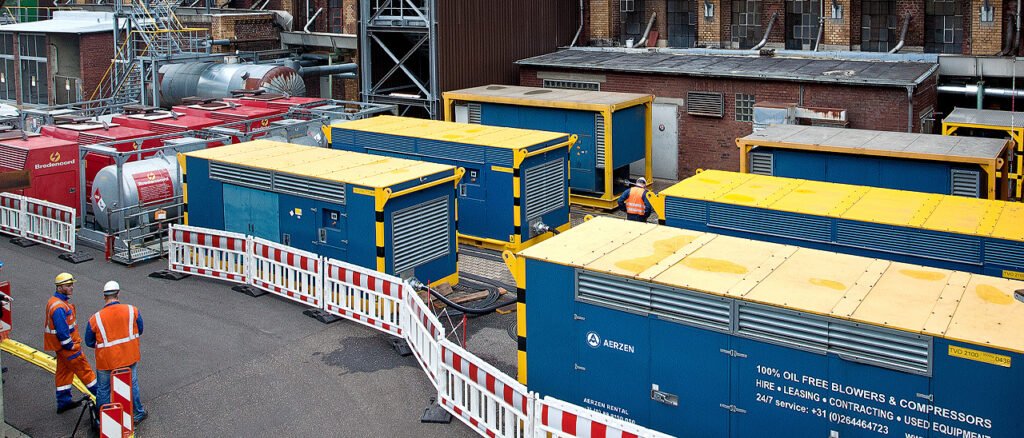
AERZEN ออกแบบและส่งมอบระบบ blower rental มาตั้งแต่ปี 1864 — และในช่วง 30 ปีที่ผ่านมา พื้นที่ Eastern Economic Corridor (EEC) ของไทยได้กลายเป็นหนึ่งในสภาพแวดล้อมการติดตั้งที่ demanding ที่สุดในภูมิภาค ไม่ใช่เพราะอุณหภูมิหรือฝุ่น — แต่เพราะ ฝนแนวราบความเร็วสูง (driving rain) ที่มาคู่กับลมมรสุมตะวันตกเฉียงใต้ ประกอบกับพื้นดินระดับต่ำใกล้ทะเลที่ระบายน้ำช้า
บทความนี้เขียนขึ้นสำหรับ plant engineer และ project engineer ที่ต้องรับผิดชอบการติดตั้ง blower rental unit กลางแจ้ง — ไม่ว่าจะเป็น BVO, BVS, หรือ DVO series — ในโรงงานนิคมอุตสาหกรรม EEC ช่วงฤดูมรสุม เนื้อหาแตกต่างจาก checklist ทั่วไปสำหรับการรับมอบ blower ตรงที่เจาะลงไปถึงระดับ component-level waterproofing — cable gland torque spec, junction box IP rating selection, inlet hood sizing calculation, และ condensate drain height ที่ต้องสูงกว่า flood mark ของพื้นที่นั้น
ระดับ IP rating แนะนำสำหรับ junction box outdoor EEC coastal
รายการ checklist ในบทความนี้ แบ่ง 5 หมวด
ความสูงขั้นต่ำ condensate drain outlet เหนือ design flood level
1. ทำไม EEC ชายฝั่งถึงเป็น High-Risk Zone สำหรับ Outdoor Blower
ข้อมูลของกรมอุตุนิยมวิทยา (TMD) ระบุว่าพื้นที่ชายฝั่งระยอง–ชลบุรี–ฉะเชิงเทรา รับปริมาณน้ำฝนสะสมในช่วงพฤษภาคม–ตุลาคมเฉลี่ย 1,400–1,600 มม./ปี1 — สูงกว่าพื้นที่อุตสาหกรรมกลางของประเทศ (อยุธยา, สระบุรี) ประมาณ 35–40% ความแตกต่างที่สำคัญกว่าปริมาณน้ำฝนรวมคือ ลักษณะทางฟิสิกส์ของฝน:
- Driving rain (ฝนแนวราบ) — ลมมรสุมตะวันตกเฉียงใต้พัดฝนในมุม 15–45 องศาจากแนวดิ่ง ทำให้ฝนปะทะด้านข้างของ skid, cabinet และ inlet duct โดยตรง ฝาปิดที่ออกแบบสำหรับฝนแนวดิ่ง (IP54) จึงไม่เพียงพอ
- Wind-driven rain intensity — ความเร็วลมในนิคมอุตสาหกรรมชายฝั่งสามารถเกิน 60 กม./ชม. ในพายุฝนฟ้าคะนอง ทำให้ droplet ขนาด <0.5 มม. ทะลุผ่าน louver ปกติได้
- Ponding และ flooding — พื้นที่ Map Ta Phut, Laem Chabang, และ Hemaraj Eastern ชลบุรีมีระดับพื้นดินต่ำ water table สูง — น้ำขังสูง 0.1–0.3 ม. บน hardstanding ถือว่าปกติในปีที่มีฝนมาก
- Salt-laden air — มีผลต่อ corrosion ของ terminal strip และ cable lug โดยเฉพาะในระยะยาว
ใน context ของบทความนี้ “outdoor installation” หมายถึงทุก unit ที่ไม่ได้อยู่ใน enclosed weatherproof building — รวมถึง semi-open shelter (มีหลังคาแต่ไม่มีผนัง 3 ด้าน), rooftop skid, และ skid ที่ตั้งข้างนอก เข้าไปใต้ canopy เพียงบางส่วน
2. IP Rating สำหรับ Junction Box และ Cable Gland: เลือกอย่างไรในฝน
มาตรฐาน IEC 60529 กำหนด IP (Ingress Protection) code เป็นตัวเลขสองหลัก หลักแรก = solid particle, หลักที่สอง = liquid ingress สำหรับการติดตั้ง outdoor EEC ชายฝั่ง:
| Component | IP Minimum | IP Recommended (EEC coastal) | หมายเหตุ |
|---|---|---|---|
| Junction box (main terminal) | IP54 | IP65 | IP65 = ป้องกัน water jet (12.5 L/min, 3m) — รองรับ driving rain + power washing |
| Cable gland (metallic, SY cable) | IP55 | IP68 | IP68 แนะนำสำหรับ below-flood-mark routing; IP55 ยอมรับได้ถ้า cable tray อยู่ >0.3 ม. เหนือน้ำ |
| Motor terminal box | IP55 | IP65 | AERZEN BVO/DVO series motor มาพร้อม IP55 standard — verify nameplate ก่อนติดตั้งกลางแจ้ง |
| Control panel / starter | IP54 | IP65 | ถ้า panel อยู่ใน shelter ที่มีผนัง 3 ด้าน IP54 ยอมรับได้; open-air ต้อง IP65 |
| Conduit entry seal | IP65 per IEC 60529 §13.4 | ต้อง seal ทุกช่องเข้าด้วย compound ที่ชนิดไม่ทำลาย jacket — ห้ามปิดด้วยเทปพันสาย | |
| Inlet filter housing (outdoor) | IP55 | IP65 | เน้นที่ seal ระหว่าง filter element กับ housing — รั่วตรงนี้ = ฝนเข้า compression stage |
IP rating ถูกทดสอบที่โรงงานกับ unit ใหม่ ปะเก็นยาง (gasket/O-ring) ของ junction box เสื่อมสภาพหลังจาก 2–3 ฤดูมรสุม หรือเมื่อถูก UV แล้วแตก สำหรับ rental unit ที่ผ่านการ deploy หลายไซต์ ตรวจสอบ gasket condition ทุกครั้งก่อนติดตั้ง — อย่า assume ว่า IP rating ที่แสตมป์บน housing ยังคงสมบูรณ์
3. Checklist: Cable Gland — Torque, Seal, และ Drip Loop
Cable gland เป็นจุดที่พบน้ำรั่วเข้าบ่อยที่สุดในการติดตั้ง blower outdoor — ไม่ใช่เพราะ gland คุณภาพต่ำ แต่เพราะกระบวนการ ติดตั้งที่ขาดขั้นตอน Checklist ด้านล่างครอบคลุมทุก cable entry point บน skid:
3.1 Pre-installation checks (ก่อนสอดสาย)
- ตรวจ thread compatibility: M20 × 1.5 / M25 × 1.5 / PG13.5 — ห้ามใช้ adapter เพิ่ม thread size เพราะทำให้ IP rating ตก
- วัด cable OD (outer diameter) จากใต้ jacket — เลือก gland ให้ cable OD อยู่กลาง clamping range; ถ้า OD ห่างจากขอบล่าง >1 มม. ต้องใช้ reduction insert
- ตรวจ body material: brass (สำหรับ salt atmosphere coastal site) แนะนำ; polyamide ยอมรับได้สำหรับ non-corrosive zone
- ตรวจ gland body ว่าไม่มีรอยร้าว, thread ไม่บิ่น
3.2 Installation torque specification
นี่คือจุดที่พลาดมากที่สุด — technician จำนวนมาก tighten ด้วยมือ (hand-tight) โดยไม่ใช้ torque wrench ผลคือ clamping ring ไม่กด jacket ให้ seal อย่างสมบูรณ์:
| Thread Size | Body Torque (N·m) | Locknut Torque (N·m) | หมายเหตุ |
|---|---|---|---|
| M16 × 1.5 | 3–4 N·m | 2–3 N·m | สายขนาด 6–10 mm² control cable |
| M20 × 1.5 | 5–7 N·m | 4–5 N·m | สายขนาด 10–16 mm² power cable ทั่วไป |
| M25 × 1.5 | 8–10 N·m | 6–8 N·m | สายขนาด 25–35 mm² — blower motor feed ขนาดกลาง |
| M32 × 1.5 | 12–16 N·m | 10–12 N·m | สายขนาด 50–70 mm² — DVO series ขนาดใหญ่ |
| M40 × 1.5 | 18–22 N·m | 15–18 N·m | สายขนาด 95–120 mm² — high-power BVO/AT |
การ tighten เกินค่า spec ทำให้ clamping ring กัด cable jacket จนทะลุ ส่งผลให้ IP rating ตกและเกิด capillary action (น้ำซึมตามสายเข้า panel) ใช้ torque wrench เสมอ — ไม่มี “tight enough by feel” ในงาน outdoor monsoon installation
3.3 Drip loop — การดัดสายให้น้ำไม่ไหลตาม
Drip loop คือการดัดสาย (cable) ให้โค้งลงต่ำกว่าจุดเข้า gland ก่อนขึ้น ทำให้น้ำที่ไหลตามสาย ตกลงที่จุดต่ำสุดของ loop แทนที่จะไหลเข้า gland:
- Loop radius: ≥ 10× cable OD (เช่น สาย OD 16 มม. → loop radius ≥ 160 มม.)
- จุดต่ำสุดของ loop ต้องต่ำกว่า gland entry ≥ 150 มม.
- Fixed: ใช้ cable tie กับ gland body support; อย่าให้ loop แกว่งตามลม
- ต้องทำทุก cable entry ไม่เว้นแม้แต่สายที่อยู่ “ด้านในสุด” — ฝนแนวราบ EEC เข้าได้จากทิศทางที่ไม่คาดคิด

4. การออกแบบ Temporary Shelter สำหรับ Outdoor Blower Skid
Blower rental unit ขนาด BVO 15–75 kW ส่วนใหญ่ไม่ได้มาพร้อม full enclosure — skid จะมีเพียง acoustic hood (ฝาครอบเสียง) ที่ป้องกัน splash แต่ไม่ใช่ continuous rain pressure ดังนั้นการสร้าง temporary shelter ที่ถูกต้องเป็นหน้าที่ของ site preparation ก่อนวัน mobilization
4.1 เกณฑ์ขั้นต่ำของ shelter
- Roof overhang: ยื่นเกิน skid footprint อย่างน้อย 600 มม. ในทุกด้านที่มีลม (windward sides) — คำนวณจากทิศทางลมมรสุมของ site นั้น
- Roof pitch: ≥ 10° เพื่อระบายน้ำ; ห้ามใช้ flat roof กับ metal sheet เพราะน้ำขังและ leak ตรงรอยต่อ
- Side wall (windward): ป้องกันฝนอย่างน้อย 1 ด้านด้วย wall หรือ windbreak panel ความสูง ≥ 2 ม. วัดจากพื้น skid ไม่ใช่พื้น hardstanding
- Clearance: ช่องว่างระหว่าง shelter wall กับ skid ≥ 500 มม. รอบด้าน เพื่อ airflow, service access, และ hose connection
- Foundation: Shelter leg ต้องยึดกับ anchor bolt หรือ concrete dead-man; ห้ามใช้ freestanding shelter ในพื้นที่ที่ลมเกิน 60 กม./ชม. ได้
4.2 Ventilation vs. rain exclusion — Trade-off ที่ engineer ต้องตัดสิน
Blower ต้องการ cooling air flow ผ่าน shelter — ถ้า shelter ปิดสนิทเกินไป อุณหภูมิอากาศรอบเครื่องสูงขึ้น ส่งผลต่อ motor thermal derating และ bearing life ค่าแนะนำ:
- Ventilation area: ≥ 10% ของพื้นที่ผนัง shelter ทั้งหมด (ผนัง 4 ด้านรวมกัน)
- Louver type: ใช้ chevron louver หรือ storm-proof louver (blade angle 45°, rain-lip top) ซึ่งผ่านการทดสอบ driving rain ตาม AS/NZS 4284; เลี่ยง horizontal blade louver ธรรมดา
- Inlet vs. exhaust separation: วาง inlet louver ที่ด้านลม (windward) ต่ำกว่าระดับ motor; exhaust ที่ด้านท้ายลม (leeward) เหนือ motor — ป้องกัน short-circuit airflow
ใน site ติดตั้ง 3 แห่งในนิคม Hemaraj ชลบุรี (2023–2024) พบว่า shelter ที่ใช้ louver แบบ horizontal blade ธรรมดา มี water ingress เข้าสู่ motor terminal ทุกครั้งที่ฝนตกเกิน 30 มม./ชม. การเปลี่ยนเป็น storm-proof louver ในฤดูมรสุมถัดไป ลด maintenance call ที่เกี่ยวกับ wet terminal ลงเหลือ 0 รายการ — ยืนยันว่า louver selection ส่งผลโดยตรง ไม่ใช่แค่ทฤษฎี
5. Inlet Weather Hood: ขนาดและ Orientation สำหรับฝนแนวราบ
Inlet weather hood (หรือ rain cap) ทำหน้าที่ป้องกันฝนและ debris เข้า intake duct ของ blower การเลือกขนาดผิดทำให้ pressure drop สูงเกิน (ลด flow) หรือน้ำยังเข้าได้ในฝนมาก ทั้งสองกรณีทำให้ blower ทำงานนอก operating range
5.1 ขนาด hood vs. duct diameter
หลักการออกแบบพื้นฐาน: face velocity ที่ hood opening ต้องไม่เกิน 2.5 ม./วินาที เพื่อป้องกัน water droplet carry-over เข้า duct:
| Blower series | Inlet duct diameter (มม.) | Hood face area minimum (ซม.²) | Hood OD แนะนำ (มม.) |
|---|---|---|---|
| BVO / DVO 15–30 kW | 100–150 | 340–760 | 250–350 |
| BVO / DVO 37–55 kW | 150–200 | 760–1,260 | 350–450 |
| BVS / DVO 75–110 kW | 200–250 | 1,260–2,000 | 450–550 |
| BVS / TVO 132–200 kW | 250–315 | 2,000–3,100 | 550–700 |
5.2 Orientation และ screening
- Hood ต้องหันหน้าลงหรือ ±30° จากแนวดิ่งลง (downward-facing ≥ 0°) — ห้ามหันขึ้นหรือแนวราบซึ่งรับฝนโดยตรง
- สำหรับ EEC coastal ที่มี driving rain — ใช้ hood แบบ “double deflector” ที่มีชั้นป้องกันสองชั้น หรือ mushroom cap ที่มี drip ring รอบขอบล่าง
- Mesh screen (insect screen): ใช้ 316 stainless steel mesh, ตาข่ายขนาด 3–4 มม. ห้ามใช้ galvanized เพราะ salt corrosion ใน coastal site
- ตำแหน่ง: hood ต้องอยู่ห่างจากผนัง shelter ≥ 300 มม. เพื่อป้องกัน turbulence จาก wall; ห่างจากพื้น ≥ 500 มม. (เหนือ flood line)
- ตรวจสอบทุก 2 สัปดาห์ในช่วงมรสุม — ใบไม้ / debris อุดตัน mesh ได้เร็ว ส่งผลให้ inlet pressure drop เพิ่มขึ้น
6. Condensate Drain — ตำแหน่งและความสูง Flood-Mark
Condensate จากระบบ blower และ aftercooler ต้องระบายออกอย่างต่อเนื่อง ในการติดตั้งกลางแจ้ง EEC ช่วงมรสุม มีความเสี่ยงสองด้านที่สวนทางกัน: ถ้า drain outlet อยู่ต่ำเกิน น้ำท่วม back-flow เข้าระบบ; ถ้า drain อยู่สูงเกิน condensate ค้างในระบบมากขึ้น
6.1 การกำหนด design flood level ของ site
ก่อนวางตำแหน่ง drain outlet ต้องทราบ design flood level (DFL) ของ hardstanding area นั้นก่อน ซึ่งได้จาก:
- Civil/structural drawing ของ plant (หาค่า finished floor level และ storm drain capacity)
- ประวัติน้ำท่วมของนิคม — นิคมอุตสาหกรรมส่วนใหญ่ใน EEC มี flood event record ระบุระดับน้ำสูงสุด (historical high-water mark)
- ถ้าไม่มีข้อมูล: ใช้ค่า conservative = พื้น hardstanding + 200 มม. เป็น DFL สำหรับ site EEC ชายฝั่ง
6.2 Condensate drain positioning checklist
- Drain outlet elevation: ≥ DFL + 500 มม. ไม่มีข้อยกเว้น — ป้องกัน back-flow ในทุก flood scenario ที่ site เคยเกิด
- Trap design: ใช้ U-trap (water seal) ระหว่าง drain outlet กับ drain line; trap ป้องกัน blower discharge pressure ดัน condensate กลับเข้า หรือ drawing air-in ทาง open drain
- Drain hose routing: เดินในแนวลงอย่างต่อเนื่อง (continuous fall) ≥ 1:50 gradient; ห้ามมีจุดต่ำที่น้ำขัง (low point trap นอกเหนือจาก design trap)
- Discharge point: อย่า discharge ตรงลงบน hardstanding — ทำให้เกิด standing water ที่สายไฟและ cable duct; ใช้ drain to spill containment หรือ bunded pit
- Condensate oil separator (ถ้าใช้ oil-flooded unit อื่น): ห้ามให้ oily condensate ไหลลงดินตรง — ต้องผ่าน separator ก่อน
- ตรวจสอบ trap ทุกสัปดาห์ในมรสุม — debris อุดตัน U-trap ได้ ถ้าเต็ม condensate จะ overflow กลับเข้าระบบ
- Cable tray ทั้งหมดต้องอยู่ ≥ 300 มม. เหนือ DFL — ห้ามวาง cable tray ระดับพื้น hardstanding ในพื้นที่ที่น้ำท่วมได้
- ถ้า cable ต้องผ่านจุดต่ำกว่า DFL: ใช้ IP68 cable gland ทั้งสองปลาย + สาย with water-blocking tape (flooded cable) ตลอดส่วนที่อยู่ใต้ DFL
- ไม่ใช้ conduit ชนิด rigid metal conduit (RMC) ที่รอยต่อไม่มี rubber seal ใต้ DFL — ใช้ liquid-tight flexible conduit (LTFMC) แทน
6.3 Master Installation Checklist — 58 รายการ (ย่อ Pass/Warn/Fail)
| # | หมวด | รายการตรวจ | เกณฑ์ | ผล |
|---|---|---|---|---|
| 1 | IP Rating | Junction box IP rating ≥ IP65 verified | Nameplate match spec | PASS / FAIL |
| 2 | IP Rating | Cable gland IP rating ≥ IP55 | Per cable routing zone | PASS / FAIL |
| 3 | IP Rating | Control panel IP ≥ IP65 (open-air) หรือ IP54 (sheltered) | Site condition match | PASS / WARN |
| 4 | IP Rating | Inlet filter housing seal intact | Visual + pressure test | PASS / FAIL |
| 5 | IP Rating | Junction box gasket condition — no cracking/compression set | Visual + finger compression | PASS / WARN |
| 6–10 | Cable Gland | Gland thread size matches housing entry (M16–M40) | No adapter used | PASS / FAIL |
| 11–15 | Cable Gland | Torque applied with torque wrench (not hand-tight) | Per size table §3.2 | PASS / FAIL |
| 16–20 | Cable Gland | Drip loop formed: radius ≥ 10× OD, drop ≥ 150 มม. | Per every cable entry | PASS / FAIL |
| 21–25 | Cable Gland | Unused gland entries blanked with IP-rated plug | No open entry | PASS / FAIL |
| 26–30 | Shelter | Roof overhang ≥ 600 มม. windward | Tape measure verify | PASS / WARN |
| 31–35 | Shelter | Storm-proof louver installed (45° blade, rain-lip) | Louver product spec | PASS / FAIL |
| 36–40 | Shelter | Shelter anchor bolt torque verified | Civil drawing spec | PASS / FAIL |
| 41–45 | Inlet Hood | Hood face velocity ≤ 2.5 ม./วินาที (calculated) | Per sizing table §5.1 | PASS / WARN |
| 46–50 | Inlet Hood | Hood orientation ≥ 0° downward (not horizontal/upward) | Visual | PASS / FAIL |
| 51 | Condensate | Drain outlet elevation ≥ DFL + 500 มม. | Survey/measure verify | PASS / FAIL |
| 52 | Condensate | U-trap installed between drain and discharge | Physical inspection | PASS / FAIL |
| 53 | Condensate | Drain hose gradient ≥ 1:50 continuous fall | Level measurement | PASS / WARN |
| 54 | Cable Routing | Cable tray height ≥ DFL + 300 มม. | Survey/measure verify | PASS / FAIL |
| 55 | Cable Routing | Sub-DFL cable: IP68 gland + flooded cable used | Product spec + routing map | PASS / FAIL |
| 56 | Cable Routing | Liquid-tight flexible conduit (LTFMC) at all flex points | Product type verify | PASS / WARN |
| 57 | Cable Routing | Cable tray bonded to earth (equipotential bonding) | Continuity test ≤ 1 Ω | PASS / FAIL |
| 58 | Cable Routing | All conduit entries sealed with approved compound | No tape-only seal | PASS / FAIL |
Checklist เต็ม (58 รายการ พร้อมช่อง signature, timestamp และ หมายเลข unit) สามารถขอรับได้พร้อมกับ mobilization document จาก AERZEN Rental Thailand ทีม field engineer จะ complete checklist นี้ร่วมกับ plant engineer ของคุณ ณ วันติดตั้ง
7. คำถามที่พบบ่อยจาก Engineer โรงงาน EEC
ถ้า blower rental มาพร้อม IP55 standard แล้ว ต้องทำอะไรเพิ่มหรือไม่สำหรับ coastal EEC?
IP55 = ป้องกัน water jet จาก ทุกทิศทาง แต่ไม่ได้ทดสอบที่ driving rain pressure ต่อเนื่องหลายชั่วโมง ซึ่งเป็นสภาพจริงของ EEC มรสุม ดังนั้น:
- Unit ที่มา IP55 standard ยังคงต้องมี drip loop ที่ cable gland ทุกจุด
- ต้องติดตั้ง inlet weather hood ขนาดถูกต้อง (IP55 ของ unit ไม่รวม inlet protection)
- Junction box ควร upgrade เป็น IP65 ถ้าอยู่ในตำแหน่ง windward
- ตรวจ gasket condition ก่อนติดตั้งเสมอ — IP55 rating ที่ระบุบนแผ่นป้ายเป็นค่า factory-new ไม่ใช่ค่า field-aged
AERZEN Rental Thailand จัดหา temporary shelter ให้ด้วยหรือไม่?
AERZEN Rental Thailand ให้คำแนะนำ specification และ layout สำหรับ shelter ตาม unit size และ site condition ของคุณ โดยปกติ civil/structural preparation รวมถึง shelter เป็นหน้าที่ของ site ฝั่ง client อย่างไรก็ตาม ทีม application engineer ของ AERZEN พร้อม review shelter design ของคุณก่อนวัน mobilization โดยไม่มีค่าใช้จ่ายเพิ่มเติม สอบถาม thai@aerzenrental.com
สามารถ install blower rental กลางแจ้งโดยไม่มี shelter ได้หรือไม่ ถ้าจำเป็น?
ขึ้นอยู่กับ unit type และระยะเวลา deployment: DVO series (fully enclosed acoustic hood) ทนได้ดีกว่า BVO series (open frame) สำหรับ short-term deployment (<2 สัปดาห์) โดยไม่มี shelter ในพื้นที่ที่ไม่มี driving rain ยังพอยอมรับได้ แต่สำหรับ EEC coastal site ในช่วงมรสุมที่ deployment >1 สัปดาห์ shelter เป็นข้อกำหนด ไม่ใช่ optional ความเสียหายที่เกิดจากการไม่มี shelter อาจเป็น liability ของ site ตาม rental agreement conditions
Checklist ฉบับเต็ม 58 รายการนี้ ใช้กับ compressor rental ได้เหมือนกันหรือไม่?
หลักการเดียวกันทั้งหมด — IP rating, cable gland torque, drip loop, inlet protection, condensate drain height — ใช้กับ TVO series (oil-free screw compressor) และ BVS series ด้วย ข้อแตกต่างหลักคือ compressor มี aftercooler และอาจมี moisture separator เพิ่มเติม ทำให้ condensate drain circuit ซับซ้อนกว่า AERZEN field engineer จะ review drain schematic เฉพาะ unit ที่ deploy ร่วมกับคุณในวัน mobilization
แหล่งอ้างอิงและมาตรฐานที่เกี่ยวข้อง
- กรมอุตุนิยมวิทยา (TMD) — สถิติภูมิอากาศรายสถานี: ระยอง/ชลบุรี — ข้อมูลปริมาณน้ำฝนรายเดือน ใช้ period of record 1991–2020
- IEC 60529:2013+AMD1:2013 — Degrees of protection provided by enclosures (IP Code) — มาตรฐาน ingress protection rating ที่ใช้ใน junction box และ cable gland specification
- Pumps & Systems — Weatherproofing Outdoor Pump and Blower Installations — best practice reference สำหรับ field waterproofing
- ISO 8573-1:2010 — Compressed air — Part 1: Contaminants and purity classes — Class 0 specification ที่ AERZEN blower rental ทุก unit ต้องรักษาไว้แม้ในสภาพมรสุม
ปรึกษา AERZEN สำหรับการติดตั้ง Blower กลางแจ้งในฤดูมรสุม
ทีม application engineer ของ AERZEN Rental Thailand พร้อม review site condition, shelter design, และ checklist ของคุณก่อนวัน mobilization — ไม่มีค่าใช้จ่ายเพิ่มเติม
Rent a solution. Expect performance.
บทความที่เกี่ยวข้อง
- Commissioning & Acceptance Checklist สำหรับ Blower Rental: คู่มือวิศวกรโรงงานก่อนรับมอบเครื่อง (Pillar) — ขั้นตอนรับมอบ unit ทั้งหมด ต่อเนื่องจาก installation checklist ในบทความนี้
- แผนรับมือมรสุมและน้ำท่วม: กลยุทธ์ความต่อเนื่องสำหรับระบบอากาศอัด — กลยุทธ์ระดับ business continuity ก่อนฤดูมรสุม
- Site Preparation & Utility Requirements สำหรับ Blower Rental: Civil, Electrical, และ Utility — ข้อกำหนด civil และ electrical ก่อนวัน mobilization