Oil-Free Air สำหรับ Die Cooling และ Anodizing อลูมิเนียม — Class 0 กำจัด Oil Carryover และ Surface Pitting
- Oil contamination ในระบบ die cooling air ที่ความเข้มข้นเพียง 0.02 mg/m³ สร้าง pyrolytic carbon deposit บนพื้นผิว die face ส่งผลให้เกิด surface pit และ streak บน extrusion profile อย่างถาวร
- สาย anodizing ใช้ instrument air สำหรับควบคุม dosing pump, level sensor และ agitation ระบบ — oil carryover แม้เพียงน้อยนิดปนเปื้อน anodize bath ทำให้ค่า Current Efficiency ตก และ anodic oxide layer ไม่สม่ำเสมอ
- ISO 8573-1 Class 0 เป็นข้อกำหนดขั้นต่ำสำหรับทั้ง die cooling และ instrument air ในโรงงานที่ผลิต aerospace-grade (AMS 2770) หรือ architectural profile เกรดส่งออก — AERZEN rental unit พร้อม deploy ภายใน 24 ชั่วโมง พร้อมเอกสาร Class 0 certification ครบถ้วน
สารบัญบทความ
- กลไก Oil Carryover ที่ Die Face: จาก Thermal Gradient สู่ Surface Pit
- Instrument Air กับ Anodizing Line: Contamination Chain ที่มักถูกมองข้าม
- ตาราง ISO 8573-1 Class 0: ข้อกำหนด Air Quality สำหรับแต่ละจุด Process
- Aerospace AMS 2770 และ Architectural Grade: ทำไม Class 0 จึงไม่มีทางเลี่ยง
- กรณีศึกษา (Anonymized): Extrusion Plant ลด Surface Defect Rate
- คำถามที่พบบ่อยจากทีมวิศวกร
- ปรึกษาทีมวิศวกร AERZEN Rental Thailand
AERZEN ออกแบบและทดสอบระบบ oil-free compressed air มาตั้งแต่ปี 1864 — และนี่คือสิ่งที่ผ่านการพิสูจน์จากโรงงานอลูมิเนียมหลายร้อยแห่งในยุโรปและเอเชีย: จุดอ่อนที่ทำให้ extrusion yield ตกและ anodize reject พุ่งขึ้นมักไม่ได้อยู่ที่ die design, alloy grade หรือ bath chemistry — แต่อยู่ที่คุณภาพของ compressed air ที่ใช้ใน 2 ระบบที่วิศวกรมักมองข้าม ได้แก่ die face cooling และ instrument air สำหรับสาย anodizing
บทความนี้เจาะลึกกลไกเฉพาะ 2 ประการที่ oil carryover สร้างความเสียหายถาวร อธิบาย Class 0 specification chain ที่ครอบคลุมทุก process point ตั้งแต่ die cooling ถึง dosing line และชี้ให้เห็นว่าเหตุใดโรงงานที่ผลิต aerospace-grade profile หรือ architectural extrusion สำหรับตลาดส่งออกจึงไม่สามารถใช้มาตรฐานต่ำกว่า Class 0 ได้

กลไก Oil Carryover ที่ Die Face: จาก Thermal Gradient สู่ Surface Pit
Die face ในกระบวนการ hot extrusion aluminum ทำงานที่อุณหภูมิ 450–520 °C ขึ้นอยู่กับ alloy grade (6061 / 6063 / 7075) ซึ่งสูงกว่า autoignition temperature ของน้ำมันแร่ทั่วไป (250–320 °C) อย่างมีนัยสำคัญ เมื่อ compressed air ที่มี oil aerosol พ่นลงที่ die face ระหว่างหรือหลัง extrusion cycle กลไกเสียหายเกิดขึ้น 3 ระดับ:
ระดับที่ 1 — Thermal Pyrolysis และ Carbon Deposit
Oil droplet ที่สัมผัสพื้นผิว die ร้อน จะ pyrolyze ภายใน milliseconds ทิ้ง carbon deposit (coke) ลงในร่องและ bearing surface ของ die เมื่อกด billet รอบถัดไป carbon deposit ถ่ายโอนบางส่วนไปยังพื้นผิว aluminum profile เกิดเป็น dark streak ที่มีลักษณะเฉพาะ — ยาวและเส้นตรงตามแนวการกด ซึ่งต่างจาก random inclusion จากวัตถุดิบ
Dark streak บน extrusion profile มักถูก attribute ว่ามาจาก die wear หรือ billet quality ก่อนที่จะตรวจพบว่าต้นทางอยู่ที่ oil contamination ใน cooling air — กระบวนการวินิจฉัยที่ถูกต้องต้องทำ air quality measurement ตาม ISO 8573-2 (oil aerosol) และ ISO 8573-5 (oil vapor) คู่ขนานกับ die inspection
ระดับที่ 2 — Die Bearing Surface Degradation
Carbon deposit สะสมที่ die land (bearing zone) เปลี่ยน surface roughness ของ die bearing จาก Ra 0.4–0.8 µm ที่ออกแบบไว้ ขึ้นไปเป็น Ra 1.5–3.5 µm ภายใน 10,000–15,000 press cycles โดยไม่ได้รับการทำความสะอาด ผลลัพธ์คือ extrusion profile มี surface roughness สูงกว่า specification ซึ่งเป็นปัญหาร้ายแรงโดยเฉพาะสำหรับ automotive structural profile ที่ต้องการ Rz ต่ำกว่า 3 µm ก่อน joining process
ระดับที่ 3 — Pitting จาก Localized Oxide Disruption
Oil droplet ขนาดเล็ก (1–10 µm) ที่พ่นใต้แรงดันสูงมีพลังงาน kinetic เพียงพอที่จะเจาะ aluminum oxide layer บาง ๆ บนพื้นผิว profile ที่ยังร้อน เกิด micro-pit ซึ่งเมื่อผ่าน anodizing จะกลายเป็น pit ที่มองเห็นได้ชัดเจนเพราะ anodic oxide เติบโตในอัตราที่ต่างกันที่บริเวณที่ถูกรบกวน TÜV Rheinland surface treatment audit guidance ระบุว่า surface pit ที่เกิดก่อน pretreatment แก้ไขไม่ได้ด้วยกระบวนการ etching ปกติ (TÜV Rheinland — Metal & Manufacturing Testing)
ความเข้มข้น oil aerosol เพียง 0.02 mg/m³ ใน cooling air (ต่ำกว่า Class 1 threshold ที่ 0.1 mg/m³ ถึง 5 เท่า) ยังสร้าง pyrolysis deposit ได้ที่อุณหภูมิ die สูงกว่า 450 °C เพราะ reaction rate ขึ้นกับอุณหภูมิ ไม่ใช่ความเข้มข้นเพียงอย่างเดียว — นี่คือเหตุผลที่ Class 0 (ไม่มี oil ที่ตรวจวัดได้ตาม measurement uncertainty ของ ISO 8573-9) เป็นข้อกำหนดเดียวที่ปลอดภัยสำหรับ die cooling application
Instrument Air กับ Anodizing Line: Contamination Chain ที่มักถูกมองข้าม
สาย anodizing ในโรงงาน aluminum extrusion ใช้ instrument air ใน 4 ระบบ ซึ่งแต่ละระบบมีเส้นทางที่ oil contamination นำไปสู่ bath chemistry error แตกต่างกัน:
1. Dosing Pump Actuation (Sulfuric Acid และ Additive Lines)
Pneumatic dosing pump สำหรับ H₂SO₄ concentration control ใช้ instrument air ขับ diaphragm ในรอบ 50–200 strokes/นาที oil mist ใน instrument air สะสมใน pump chamber และ discharge valve seat ทำให้ stroke volume เบี่ยงเบนสูงสุด 3–5% ต่อ 1,000 ชั่วโมง ส่งผลให้ acid concentration ใน bath ต่างจาก target ทีละน้อย — anodize time ที่ออกแบบสำหรับ 20 µm oxide layer จะให้ผลลัพธ์ 17–22 µm แบบไม่สม่ำเสมอตามตำแหน่งของ rack ใน bath
2. Level Sensor Purge Air (Ultrasonic / Pneumatic Level Transmitter)
Level transmitter ของ anodize tank ส่วนใหญ่ใช้ purge air ป้องกัน acid vapor กัดกร่อน sensor probe oil deposit บน purge air orifice ขนาด 0.3–0.8 mm สร้าง partial blockage ทำให้ differential pressure ที่ใช้คำนวณ level shift ผลลัพธ์คือ bath level control ที่ loose กว่า ±5 mm จาก target — ใน rack anodizing ที่มีความสูง rack 2.5 เมตร ความต่าง level 10 mm สร้าง current density distribution ที่ไม่สม่ำเสมอ ซึ่งตรวจพบได้ว่า oxide thickness บน profile ส่วนบนและล่างต่างกันมากกว่า 2 µm
3. Cathode Agitation Air (ในบาง Bath Configuration)
บาง anodizing plant ใช้ low-pressure air blower สำหรับ bath agitation เพื่อรักษา acid temperature ให้สม่ำเสมอ (target 18–22 °C สำหรับ Type II anodizing) oil contamination ในระบบ agitation air ไม่เพียงสร้าง foam ที่รบกวน current distribution แต่ยังเป็น source ของ hydrocarbon contamination ใน bath โดยตรง ซึ่งผลกระทบนี้ตรวจพบได้ยากจาก visual inspection แต่แสดงออกมาเป็น pore sealing defect หลัง hot water seal หรือ nickel acetate seal
4. Dryer Air สำหรับ Post-Anodize Drying Oven
หลัง rinse สุดท้าย profile เข้าสู่ hot air drying oven ที่ใช้ compressed air เป็น heat carrier oil ใน air ที่นำเข้า oven อุณหภูมิ 60–80 °C จะ volatilize และ re-deposit บนพื้นผิว profile สร้าง haze หรือ streaky appearance ที่ผ่าน visual QC ไม่ได้ในงาน architectural extrusion
ตาราง ISO 8573-1 Class 0: ข้อกำหนด Air Quality สำหรับแต่ละจุด Process
ตารางด้านล่างรวบรวม air quality specification ตาม ISO 8573-1:2010 สำหรับแต่ละ process point ใน aluminum extrusion และ anodizing line — แยกตาม Oil Class, Solid Particle Class และ Water/Humidity Class:
| Process Point | Oil Class (ISO 8573-1) | Solid Particle Class | Water / Dewpoint Class | หมายเหตุ |
|---|---|---|---|---|
| Die Face Blow-Off / Cooling | Class 0 | Class 2 (≤ 1 µm / ≤ 400,000 /m³) | Class 3 (PDP ≤ −20 °C) | อุณหภูมิ die ≥ 450 °C — oil pyrolysis ทุก concentration ต่ำกว่า Class 0 ที่อุณหภูมินี้ |
| Run-Out Quench Air (Profile Cooling) | Class 0 | Class 2 | Class 4 (PDP ≤ +3 °C) | Direct contact กับ profile ร้อน — Class 0 ป้องกัน carbon streak บน finished surface |
| Instrument Air (Anodize Dosing Pump) | Class 0 | Class 1 (≤ 0.1 µm / ≤ 20,000 /m³) | Class 2 (PDP ≤ −40 °C) | Oil ใน pump chamber = dosing error; dewpoint ต่ำป้องกัน moisture condensation ใน H₂SO₄ line |
| Level Sensor Purge Air (Anodize Tank) | Class 0 | Class 1 | Class 2 (PDP ≤ −40 °C) | Orifice ขนาด 0.3–0.8 mm — particulate หรือ oil deposit ทำให้ measurement drift |
| Bath Agitation Blower Air | Class 0 | Class 2 | Class 4 | Oil ใน bath = hydrocarbon contamination ทำให้ sealing ไม่สมบูรณ์ |
| Post-Anodize Drying Air | Class 0 | Class 2 | Class 3 | Oil + heat (60–80 °C) = surface haze บน architectural profile |
| General Workshop Utility (Non-contact) | Class 2 (≤ 1 mg/m³) | Class 3 | Class 5 | Application ไม่สัมผัส profile โดยตรง — specification ผ่อนคลายกว่าได้ |
| อ้างอิง: ISO 8573-1:2010 (Compressed Air — Contaminants and Purity Classes) | ISO 8573-2:2018 (Test method for oil aerosol content) | ISO 8573-5:2001 (Test method for oil vapor and organic solvent content) | ||||
สังเกตว่า Class 0 ปรากฏใน 6 จาก 7 process point ซึ่งสะท้อนว่า aluminum extrusion และ anodizing เป็นกระบวนการที่มี “zero tolerance for oil” ตลอด production chain ไม่ใช่เพียงจุดใดจุดหนึ่ง การพยายาม “optimize cost” ด้วยการยอมรับ Class 1 ที่จุด run-out cooling หรือ bath agitation โดยไม่เข้าใจกลไกข้างต้น มักนำไปสู่ defect rate ที่ต้นทุนสูงกว่าผลประหยัดมาก
Aerospace AMS 2770 และ Architectural Grade: ทำไม Class 0 จึงไม่มีทางเลี่ยง
โรงงาน aluminum extrusion 2 ประเภทที่มี Class 0 เป็นข้อกำหนดสัญญา ไม่ใช่แค่แนวปฏิบัติที่ดี:
Aerospace-Grade Profile (AMS 2770 / NADCAP Anodizing)
ชิ้นส่วน structural aluminum สำหรับ aerospace ที่ผ่านกระบวนการ anodizing ต้องปฏิบัติตาม AMS 2770 (Heat Treatment of Wrought Aluminum Alloy Parts) และ NADCAP audit protocol สำหรับ Chemical Processing ซึ่งรวมถึงการตรวจสอบ process air quality documentation NADCAP auditor ตรวจสอบว่า:
- ระบบ compressed air มี oil-free source ที่ verified ด้วย test certificate ตาม ISO 8573-2 / ISO 8573-5 หรือเทียบเท่า
- มี preventive maintenance schedule สำหรับ filter และ separator ที่ documented และ traceable
- หากใช้ oil-injected compressor ร่วมกับ coalescing filter ต้องมี bypass alarm และ monitoring ต่อเนื่อง ซึ่งเพิ่ม complexity และ audit risk อย่างมีนัยสำคัญ
การใช้ rental oil-free unit จาก AERZEN ที่มาพร้อม factory test certificate และ Class 0 declaration ตอบ NADCAP requirement ได้โดยตรง โดยไม่ต้องลงทุนใน monitoring infrastructure เพิ่มเติม
Architectural Extrusion (Powder Coat / PVDF Grade)
Architectural aluminum profile สำหรับ curtain wall, window frame และ facade ระบบของอาคาร มักต้องผ่านมาตรฐาน AAMA 2604 หรือ 2605 (สำหรับ PVDF coating) ซึ่งกำหนด minimum coating thickness, adhesion strength และ weatherability requirements โดยตรงผ่าน audit ของ applicator shop
Oil contamination บนพื้นผิวก่อน pretreatment เป็นที่ทราบกันดีว่าลด powder coat adhesion ทำให้ coating fail ในการทดสอบ cross-cut adhesion (ISO 2409) และ salt spray test (ISO 9227) ก่อนกำหนด European Aluminium Association ระบุใน Technical Guidance on Aluminium Surface Finishing ว่า “compressed air ที่สัมผัสผิว aluminum ก่อน pretreatment ต้องตรงตาม ISO 8573-1 Class 0 สำหรับ oil เสมอ” (European Aluminium — Resource Hub)
สำหรับโรงงานไทยที่ส่งออก architectural profile ไปยัง EU, Japan หรือ Middle East ซึ่งมี third-party inspection requirement การมี Class 0 certification จาก oil-free unit เป็นเอกสาร compliance ที่ปิด audit finding ได้ทันที
กรณีศึกษา (Anonymized): Extrusion Plant ลด Surface Defect Rate
สถานการณ์: โรงงาน extrusion aluminum ขนาดกลาง (3 press line / กำลังผลิต 2,400 ton ต่อเดือน) ผลิต profile สำหรับ automotive interior trim และ architectural facade ประสบปัญหา anodized profile reject rate พุ่งขึ้นจาก 1.2% เป็น 4.8% ภายใน 6 เดือน การ root-cause analysis ครั้งแรกโฟกัสที่ die design และ alloy ingot quality แต่ไม่พบสาเหตุที่ชัดเจน
การวินิจฉัย: ทีมวิศวกรโรงงานทำ air quality measurement ตาม ISO 8573-2 พบ oil aerosol concentration ที่ die cooling air header อยู่ที่ 0.11 mg/m³ — เกิน Class 1 threshold เล็กน้อย แต่สูงกว่า Class 0 requirement อย่างมีนัยสำคัญ สาเหตุมาจาก coalescing filter element ที่ oil-injected compressor หลักอิ่มตัว (saturated) และไม่ได้เปลี่ยนตาม PM schedule เพราะ PM interval ไม่ได้ adjusted สำหรับ high-humidity tropical operating condition ในไทย
การแก้ปัญหาระยะสั้น: Deploy AERZEN oil-free screw blower rental unit สำหรับ die cooling และ run-out quench air ในขณะที่ทำ compressor overhaul — ระยะเวลา 45 วัน defect rate ลดลงสู่ 0.7% ภายใน 3 สัปดาห์หลัง changeover ยืนยัน root cause อยู่ที่ air quality
ผลลัพธ์ระยะยาว: หลังจาก overhaul เสร็จ โรงงานเปลี่ยน architecture เป็น dedicated oil-free unit สำหรับ die cooling และ anodizing instrument air และคงระบบ oil-injected compressor เดิมไว้สำหรับ general utility เท่านั้น defect rate คงที่ที่ 0.8–1.1% ตลอด 18 เดือนหลัง transition
หมายเหตุ: ชื่อโรงงานและข้อมูล production volume ถูก anonymize — ตัวเลข defect rate และระยะเวลา deployment เป็นข้อมูลจริงจาก site engagement ของ AERZEN Rental Thailand
บทความ อากาศอัด Oil-Free สำหรับโรงงานเหล็ก อลูมิเนียม และเหมืองแร่ในไทย ครอบคลุม application ที่กว้างกว่า รวมถึง pickling line, scale removal, tailings aeration และ instrument air สำหรับ mining — สำหรับโรงงานที่ต้องการภาพรวมของ metal & mining industry ทั้งหมด สามารถอ่านบทความดังกล่าวร่วมกับบทความนี้
คำถามที่พบบ่อยจากทีมวิศวกร
หากใช้ double-stage coalescing filter กับ oil-injected compressor ยังต้องการ Class 0 unit อยู่ไหม?
Double-stage coalescing filter (Grade F + Grade H ตาม ISO 8573-1) ลด oil aerosol ได้ถึง 99.97% แต่ยังไม่ guarantee Class 0 เพราะ:
- Filter element เสื่อมสภาพตาม operating condition — tropical humidity และ temperature swing ในไทยเร่ง degradation เร็วกว่า European rating ที่ผู้ผลิต filter ทดสอบ
- Oil vapor (gas phase) ไม่ถูกจับโดย coalescing filter — ต้องการ activated carbon adsorber แยกต่างหาก
- ไม่มี online oil content sensor ราคาถูกที่ให้ continuous alarm — ไม่รู้ว่า filter fail เมื่อไหร่จนกว่าจะพบ defect
สำหรับ process ที่ระดับ Class 0 ที่ die face (อุณหภูมิ ≥ 450 °C) oil-free unit เป็น architecture เดียวที่ให้ความมั่นใจโดยไม่ต้องอาศัย filter maintenance compliance
AERZEN rental unit รองรับ flow ที่จุด run-out table ได้ถึงเท่าไหร่?
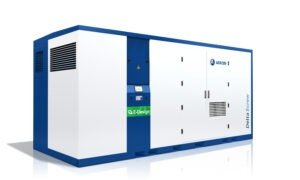
AERZEN Delta Hybrid Screw Blower series สำหรับ rental ให้ flow ที่ 0.4–1.0 bar(g) ตั้งแต่ 2,000 Nm³/h สำหรับ single unit ขนาดเล็กสุด ไปจนถึงมากกว่า 15,000 Nm³/h สำหรับ unit ขนาดใหญ่ สำหรับโรงงานที่มี press หลายชุดทำงานพร้อมกัน สามารถ parallel หลาย unit ได้โดย AERZEN วิศวกรจะออกแบบ manifold และ isolation valve ให้สอดคล้องกับ plant header ที่มีอยู่
ติดต่อทีมวิศวกรเพื่อ sizing — ระบุ number of press, press capacity (ton), alloy grade และ run-out table length ที่ 098-323-2626 หรือ thai@aerzenrental.com
TVO กับ BVO / BVS ต่างกันอย่างไรสำหรับ application นี้?
ขึ้นอยู่กับ pressure requirement:
- BVO (Positive Displacement Blower) และ BVS (Delta Screw Blower) เหมาะสำหรับ low-pressure high-volume application เช่น die cooling (0.3–0.8 bar) และ bath agitation BVS ให้ energy efficiency สูงกว่าและ noise ต่ำกว่า BVO ที่ flow rate เดียวกัน
- TVO (Oil-Free Screw Compressor) เหมาะสำหรับ instrument air ที่ต้องการ pressure 6–8 bar สำหรับ pneumatic dosing pump, level sensor purge และ hydraulic valve actuation
ทีมวิศวกร AERZEN มักแนะนำ hybrid configuration: BVS สำหรับ cooling air header + TVO สำหรับ instrument air header เพื่อ optimize energy consumption ตลอดทั้ง production line
เอกสาร Class 0 certification ที่ AERZEN จัดเตรียมให้ครอบคลุมอะไรบ้าง?
สำหรับ rental unit ทุก unit AERZEN Rental Thailand จัดเตรียม:
- Factory test certificate ระบุ oil aerosol content ตาม ISO 8573-2 และ oil vapor content ตาม ISO 8573-5
- Declaration of Conformity ระบุ ISO 8573-1 Class 0 (Oil) สำหรับ unit model และ serial number นั้น ๆ
- TÜV Rheinland หรือ equivalent third-party certification (ขึ้นอยู่กับ unit series) ที่ใช้สำหรับ NADCAP audit documentation และ customer supplier audit ได้
ติดต่อ thai@aerzenrental.com เพื่อรับชุดเอกสารครบถ้วนก่อน audit
Subscription Plan ของ AERZEN คืออะไรและเหมาะกับ extrusion plant หรือไม่?
Subscription Plan เป็นสัญญา all-inclusive ระยะยาว (โดยทั่วไป 12–36 เดือน) ที่รวม equipment rental + preventive maintenance + emergency service + parts ไว้ในค่าบริการรายเดือนเดียว ไม่มี CAPEX โรงงาน extrusion ที่เหมาะกับ Subscription Plan คือ:
- มี continuous production ตลอด 24/7 และ downtime cost สูง
- ต้องการ air quality compliance documentation ต่อเนื่อง (NADCAP, customer audit)
- ไม่มี in-house compressed air maintenance team
ติดต่อทีม AERZEN เพื่อรับ technical brief และ Subscription Plan proposal ที่ 038-015-488
ปรึกษาทีมวิศวกร AERZEN Rental Thailand
โรงงาน aluminum extrusion ที่กำลังวางแผน die cooling upgrade, anodizing line expansion หรือพบปัญหา surface defect ที่หา root cause ไม่ได้ — AERZEN พร้อมทำ site assessment และเสนอ oil-free air solution ที่ตรงกับ process requirement ของคุณ
AERZEN ออกแบบ compressed air system สำหรับ metal processing ตั้งแต่ปี 1864 — rental unit พร้อม deploy ภายใน 24 ชั่วโมง พร้อม Class 0 certification ครบถ้วน สอดคล้องกับ AMS 2770, NADCAP และ AAMA 2604/2605 documentation requirement
- โทร (สายด่วน 24/7): 098-323-2626
- โทร (ออฟฟิศ): 038-015-488
- อีเมล: thai@aerzenrental.com
- เว็บไซต์: ขอรับ Engineering Quote — aerzenrentalth.com
Rent a solution. Expect performance.
อ่านเพิ่มเติม: อากาศอัด Oil-Free สำหรับโรงงานเหล็ก อลูมิเนียม และเหมืองแร่ในไทย — ISO 8573-1 Class 0 ครบทุก Application

✍️ เกี่ยวกับผู้เขียน
ภราดร วรรณสังข์ (Paradorn Wannasung)
Marketing Communication Specialist · นิเทศศาสตรมหาบัณฑิต (การสื่อสารการตลาดและแบรนด์)
ภราดร (Paradorn) เป็นผู้ดูแลด้านการสื่อสารการตลาดของ AERZEN Rental Thailand จบนิเทศศาสตรมหาบัณฑิต (การสื่อสารการตลาดและแบรนด์) เชี่ยวชาญด้านอุตสาหกรรม B2B ในประเทศไทย มีประสบการณ์การสร้างแบรนด์และคอนเทนต์ในกลุ่มอุตสาหกรรมของไทย
ติดต่อ: pwa@aerzenrental.com · LinkedIn
บทความที่เกี่ยวข้อง
อากาศอัดปลอดน้ำมัน ISO 8573-1 Class 0 สำหรับโรงงานอิเล็กทรอนิกส์และเซมิคอนดักเตอร์
คู่มือ Clean Dry Air...
อ่านต่อ →หัวข้อหลัก: ISO 8573-1 และมาตรฐานคุณภาพอากาศอัด Class 0