
ความแตกต่างระหว่าง Fan, Blower และ Compressor — คู่มือวิศวกรก่อนเลือก Oil-Free Equipment
เขียนโดย Paradorn Wannasung · AERZEN Rental Thailand · AERZEN Rental Thailandเผยแพร่: 16 พฤษภาคม 2569 · อัปเดตล่าสุดเชิงเทคนิค: พฤษภาคม 2569 · เวลาอ่าน: ~9 นาที · Pillar: Technology

- Fan, blower, และ compressor แตกต่างกันที่ pressure ratio — ไม่ใช่แค่ขนาด: Fan (< 1.1), Blower (1.1–4.0), Compressor (> 4.0) ตาม CAGI classification
- การเลือกผิดประเภทส่งผลต่อ system efficiency, compliance, และ air quality — โดยเฉพาะถ้า process ต้องการ ISO 8573-1 Class 0
- AERZEN ให้เช่า blower และ compressor oil-free ครบทุกช่วง pressure ตั้งแต่ low-pressure aeration ไปถึง high-pressure instrument air ผ่าน Subscription Plan
สารบัญ
คำจำกัดความ: Fan, Blower, Compressor คืออะไร
Fan: อุปกรณ์เคลื่อนย้ายอากาศ (air mover) ที่ออกแบบมาเพื่อ volume flow สูงในแรงดันต่ำมาก — ใช้สำหรับ ventilation, cooling, และ HVAC เป็นหลัก ไม่ใช่ process airBlower: (หรือ rotary compressor ตาม ISO 5389) — อุปกรณ์บีบอัดอากาศที่ทำงานใน pressure range ปานกลาง เหมาะสำหรับ aeration, pneumatic conveying, และ process air แรงดันต่ำ-กลางCompressor: อุปกรณ์บีบอัดอากาศที่ทำงานในแรงดันสูงกว่า — เหมาะสำหรับ instrument air, actuator supply, manufacturing process air ที่ต้องการ pressure สูงการจัดประเภทอย่างเป็นทางการ: CAGI (Compressed Air and Gas Institute) และ ISO 5389 จัดประเภทโดยใช้ compression ratio (discharge pressure / inlet pressure absolute) เป็นเกณฑ์หลัก — ไม่ใช่ขนาดหรือ power rating
Pressure Ratio — ตัวเลขที่ต้องรู้ก่อนทุกอย่าง
Compression ratio = P_discharge (absolute) / P_inlet (absolute)| ประเภท | Compression Ratio | Pressure range (gauge) | ตัวอย่างการใช้งาน |
|---|---|---|---|
| Fan | < 1.1 | 0–10 kPa (0–0.1 bar g) | Ventilation, cooling, HVAC, combustion air supply |
| Blower | 1.1–4.0 | 0.1–3.0 bar g | Aeration (WWTP), pneumatic conveying, process air low-pressure |
| Compressor | > 4.0 | > 3.0 bar g | Instrument air, actuator supply, PET blowing, CNG |
ตารางเปรียบเทียบแบบสมบูรณ์
| คุณลักษณะ | Fan | Blower | Compressor |
|---|---|---|---|
| ISO 8573-1 Class 0 capable? | ไม่เกี่ยวข้อง | ใช่ (AERZEN BVO, DVO, AT) | ใช่ (AERZEN VMW, VM 2C, CVO) |
| Typical AERZEN products | ไม่ใช่ AERZEN focus | BVO, DVO, AT (AerzenTurbo) | VMW, VM 2C, CVO, TVO |
Decision Guide: งานแบบไหนใช้อะไร
Step 1: กำหนด operating pressure ที่ system ต้องการ
- 0.1–1.0 bar g: Blower zone — BVO, DVO, AT Series
- 3.0–13 bar g: Compressor zone — VMW, VM 2C, CVO, TVO
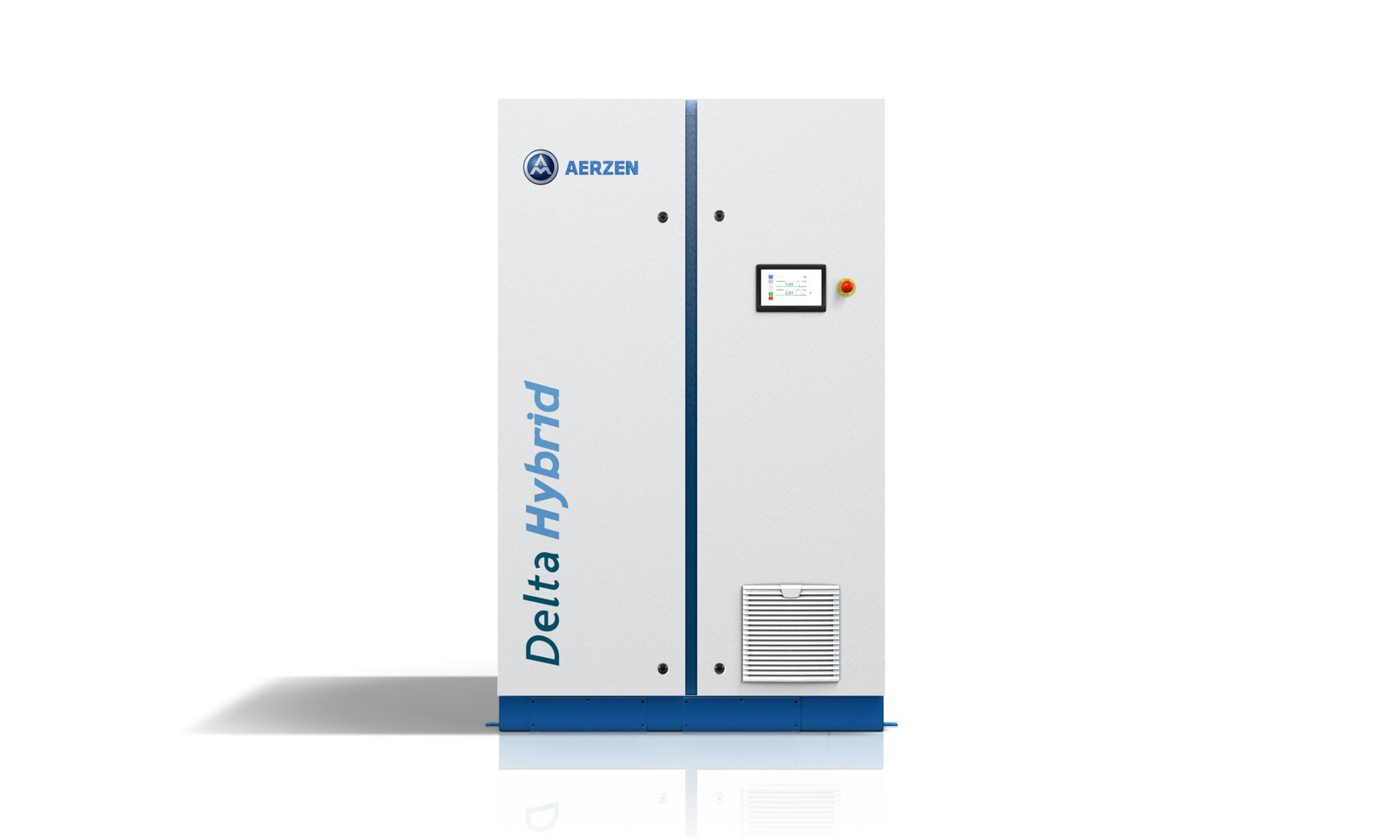
AERZEN Oil-Free Lineup — ครอบคลุมทุก Pressure Range
ข้อผิดพลาดที่วิศวกรมักทำเมื่อเลือก Equipment
ผิดพลาด 1: Spec ตาม “ชื่อ” แทนที่จะ spec ตาม “duty point”
ระบุเสมอ: discharge pressure (bar g), flow rate (Nm³/h), air quality class ที่ต้องการ
ผิดพลาด 2: เลือก Blower เมื่อ process ต้องการ Compressor — เพราะ confuse pressure unit
วิศวกรหลายรายระบุ pressure requirement เป็น kPa แต่อ่านค่า discharge pressure จาก datasheet เป็น bar g โดยไม่แปลงหน่วย ผลคือสั่ง blower ที่ทำงานได้ถึง 100 kPa (1.0 bar g) แต่ process ต้องการ 3.5 bar g — ต้องการ compressor จริงๆ กฎง่ายๆ: แปลงค่าเป็น bar gauge ก่อนเสมอ แล้วเทียบกับ pressure range chart ด้านบน
ผิดพลาด 3: ใช้ oil-injected compressor แล้วพยายาม “ทำให้ oil-free” ด้วย filter
Class 0 ที่แท้จริงต้องมาจาก oil-free design ตั้งแต่ต้น — filter มี bypass risk เมื่อเกิน maintenance interval
คำถามที่พบบ่อย — Fan vs Blower vs Compressor
เช่า blower pneumatic conveying
ถ้าไม่แน่ใจว่าควรเลือก blower หรือ compressor ควรทำอย่างไร?
ติดต่อทีมวิศวกรของ AERZEN — เราจะ review process requirement (pressure, flow, air quality, duty cycle) และแนะนำ equipment type และ model ที่เหมาะสม รวมถึง sizing calculation ก่อน delivery
ขอคำแนะนำด้านเทคนิคและใบเสนอราคา
ไม่แน่ใจว่าต้องการ Blower หรือ Compressor? ทีมวิศวกรของ AERZEN พร้อมช่วย
098-323-2626 (Hotline 24/7) | 038-015-488 (Office) | thai@aerzenrental.com“Rent a solution. Expect performance.”

✍️ เกี่ยวกับผู้เขียน
ภราดร วรรณสังข์ (Paradorn Wannasung)
Marketing Communication Specialist · นิเทศศาสตรมหาบัณฑิต (การสื่อสารการตลาดและแบรนด์)
ภราดร (Paradorn) เป็นผู้ดูแลด้านการสื่อสารการตลาดของ AERZEN Rental Thailand จบนิเทศศาสตรมหาบัณฑิต (การสื่อสารการตลาดและแบรนด์) เชี่ยวชาญด้านอุตสาหกรรม B2B ในประเทศไทย มีประสบการณ์การสร้างแบรนด์และคอนเทนต์ในกลุ่มอุตสาหกรรมของไทย
ติดต่อ: pwa@aerzenrental.com · LinkedIn
บทความที่เกี่ยวข้อง

อุตสาหกรรมเยื่อกระดาษ — อากาศอัดปลอดน้ำมัน ECF/TCF และกระบวนการ Kraft
AERZEN Delta Hybrid ...
อ่านต่อ →

ISO 1217 — การวัด FAD และ Reference Conditions สำหรับ Blower/Compressor
คู่มือ ISO 1217: การ...
อ่านต่อ →