AERZEN Delta Hybrid Generation 9 — Rotor Profile, Inlet Control Valve และ Heat Recovery Port: เปรียบเทียบ Gen 7/8 สำหรับวิศวกรไทย
- Generation 9 ปรับ rotor profile เป็น asymmetric wrap-angle ทำให้ specific power ที่ part-load (40–70% flow) ลดลงประมาณ 6–8% เทียบกับ Generation 7/8 ที่ flow เดียวกัน
- Inlet control valve รุ่นใหม่ตอบสนองเร็วขึ้น ≤ 0.8 วินาที (ลดจาก ≥ 2.0 วินาทีใน Gen 7 และ ≥ 1.5 วินาทีใน Gen 8) รองรับ load-cycling ที่รวดเร็วในงาน aeration แบบ intermittent demand
- Integrated heat recovery port บน Gen 9 รองรับ heat exchanger integration ได้โดยตรง ช่วยให้โรงงานนำความร้อนทิ้งกลับมาใช้ใน process pre-heating ได้โดยไม่ต้องต่อท่อเพิ่ม
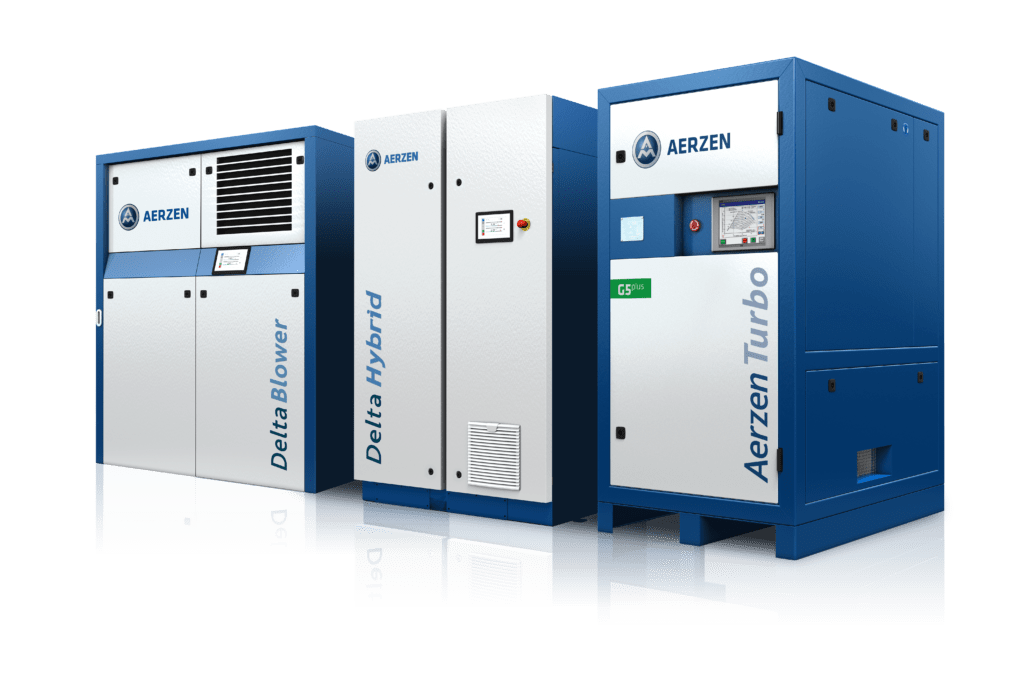
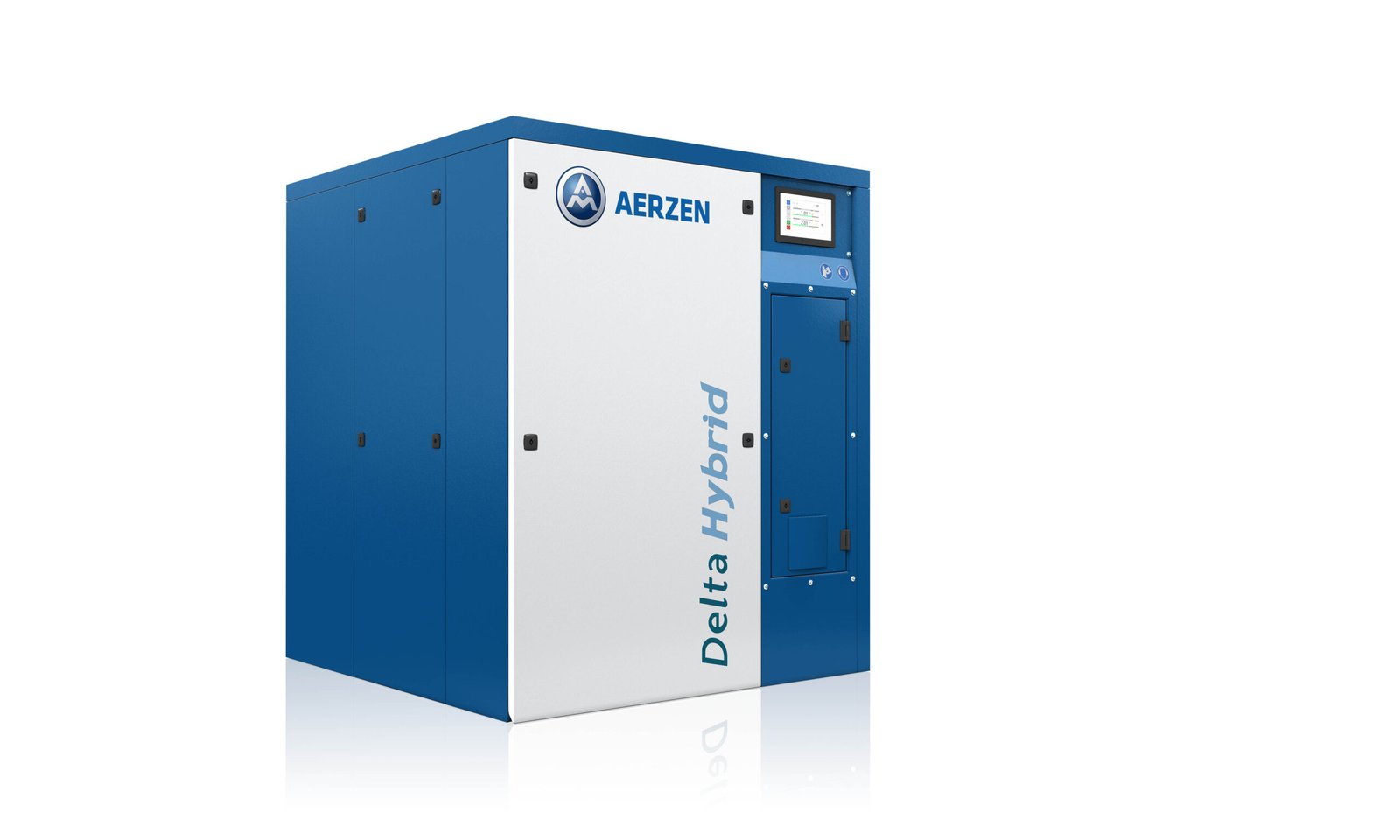
AERZEN ออกแบบ Delta Hybrid blower มาตั้งแต่ทศวรรษ 1990 และ Generation 9 คือ iteration ที่ได้รับการพัฒนาทางวิศวกรรมมากที่สุดในรอบสองรุ่นที่ผ่านมา สำหรับวิศวกรไทยที่ยังใช้งาน Generation 7 หรือ Generation 8 อยู่ในโรงงาน คำถามไม่ได้อยู่ที่ว่า “Generation 9 ดีกว่าไหม” แต่อยู่ที่ว่า “ดีกว่าในมิติใด และโรงงานของเราจะได้รับ ROI คืนจากการอัพเกรดหรือไม่” บทความนี้ตอบคำถามนั้นด้วยการเปรียบเทียบทางวิศวกรรมสามจุดหลัก: rotor profile, inlet control valve response time, และ integrated heat recovery port — พร้อม performance benchmark table ที่ออกแบบให้วิศวกรนำไปใช้ประเมิน unit ที่มีอยู่ได้จริง
1. ทำไม Generation 9 จึงสำคัญสำหรับวิศวกรไทย
Delta Hybrid ไม่ใช่ blower เพียงรุ่นเดียว — เป็นแพลตฟอร์มที่ AERZEN พัฒนาต่อเนื่องผ่านหลาย generation โดย Generation 7 ถูกนำเข้าสู่ตลาดเอเชียในช่วงต้น 2010s, Generation 8 ปรับปรุง sealing system และ bearing geometry ในกลางทศวรรษ 2010s และ Generation 9 เปิดตัวพร้อมการเปลี่ยนแปลงสามจุดสำคัญที่ส่งผลโดยตรงต่อ operating cost
ในบริบทของประเทศไทย ซึ่งค่าไฟฟ้าของ EGAT/MEA/PEA สำหรับกลุ่มอุตสาหกรรมปรับตัวขึ้นต่อเนื่องตั้งแต่ปี 2022 การลด specific power (kW ต่อ m³/min) แม้เพียง 6–8% ที่ช่วง part-load สามารถแปลเป็นตัวเลขที่ทีม CFO มองเห็นได้ในใบแจ้งค่าไฟรายเดือน โรงงานที่รัน Delta Hybrid 8–24 ชั่วโมงต่อวันในงาน aeration หรือ pneumatic conveying ที่มี demand variation สูง จะได้รับผลตอบแทนจาก Generation 9 มากที่สุด
ลด specific power ที่ 40–70% flow (part-load benchmark vs Gen 7/8)
Inlet control valve response time (Gen 9) ลดจาก ≥1.5s ใน Gen 7/8
Heat recovery port integration — ไม่ต้องต่อท่อเพิ่มใน Gen 9
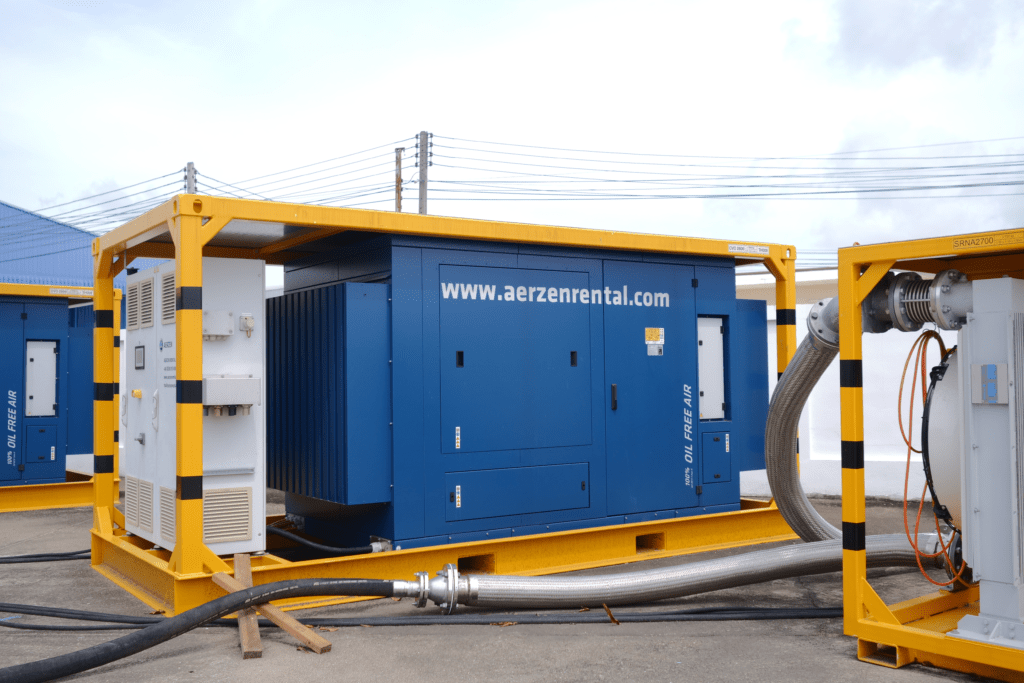
ข้อสังเกตสำหรับ Rental context: เมื่อเช่า unit จาก AERZEN Rental Thailand ทีมงานจะระบุ generation ของ unit ที่จัดส่ง วิศวกรสามารถขอ Generation 9 unit โดยเฉพาะเมื่อโรงงานมี demand profile ที่ระบุไว้ในส่วนที่ 6 ด้านล่าง
2. Rotor Profile Refinement — Asymmetric Wrap Angle และผลต่อ Specific Power ที่ Part-Load
หัวใจของ Delta Hybrid คือ rotor ที่ผสมลักษณะ Roots lobe กับ screw geometry ทำให้เกิด internal compression ก่อนที่อากาศจะถูกผลักออกที่ discharge port สิ่งที่ AERZEN ปรับปรุงใน Generation 9 คือ wrap angle ของ rotor lobe ที่เปลี่ยนจาก symmetric เป็น asymmetric profile
Symmetric vs Asymmetric Wrap Angle — ต่างกันอย่างไร
ใน Generation 7/8 ทั้ง leading edge และ trailing edge ของ rotor lobe มี wrap angle ที่เท่ากัน (symmetric) ซึ่งออกแบบให้ทำงานได้ดีที่ rated flow และ design pressure differential เมื่อ flow ลดลงต่ำกว่า 70% (part-load) ลักษณะ symmetric ทำให้เกิด slip loss เพิ่มขึ้น เนื่องจาก clearance ระหว่าง rotor กับ housing ไม่ได้ถูก optimized สำหรับ low-flow operating condition
Generation 9 ใช้ asymmetric wrap angle โดย trailing edge ของ lobe มี helix angle ที่ต่างออกไป ทำให้:
- Internal compression ratio ที่ part-load มีความแม่นยำมากขึ้น — compression เกิดขึ้นใกล้กับ discharge pressure มากขึ้น ลด re-expansion work
- Leakback flow ลดลง — rotor geometry ที่แน่นขึ้นที่ part-load ลดปริมาณอากาศที่ไหลย้อนกลับผ่าน internal clearance
- Specific power curve ที่ flat กว่า ในช่วง 40–80% flow — แทนที่จะ spike ขึ้นเมื่อ flow ลดลง (ซึ่งเป็นปรากฏการณ์ที่เห็นใน Gen 7/8)
ผลกระทบเชิงตัวเลขที่ Part-Load
ตาม AERZEN technical documentation สำหรับ DVO series Generation 9 (reference: aerzen.com — Delta Hybrid product series), การเปรียบเทียบ specific power ที่ operating point ต่างๆ แสดงให้เห็นว่าที่ flow rate 50% ของ rated capacity, Generation 9 ใช้พลังงานน้อยกว่า Generation 7/8 ประมาณ 6–8% ซึ่งในงาน wastewater aeration ที่ต้องการ intermittent aeration cycle 12–18 ชั่วโมงต่อวัน ส่วนต่างนี้มีนัยสำคัญต่อ annual energy bill
3. Inlet Control Valve Generation 9 — Response Time ที่เร็วขึ้นและ Stability ที่ดีขึ้นใน Variable Demand
Inlet control valve (ICV) ทำหน้าที่ควบคุม volumetric flow โดยการ throttle อากาศที่เข้า inlet ก่อนถึง rotor chamber — เป็นกลไกหลักที่ช่วยให้ Delta Hybrid ทำงานที่ part-load โดยไม่ต้อง speed down VFD อย่างเดียว Generation 7/8 มี ICV ที่ response time อยู่ที่ ≥ 1.5 วินาที ซึ่งเพียงพอสำหรับงาน continuous-load แต่ไม่เหมาะสำหรับงานที่มี rapid load-cycling เช่น sequencing batch reactor (SBR) ในโรงบำบัดน้ำเสีย หรือ intermittent pneumatic conveying cycle
Generation 9 ICV — สิ่งที่เปลี่ยนแปลง
- Actuator material: เปลี่ยนจาก brass-sleeve actuator เป็น high-tensile aluminum alloy actuator — ลด inertia ทำให้ response เร็วขึ้น
- Valve seat geometry: profile ใหม่ลด turbulence ที่ valve throat เมื่อ opening/closing — ลด pressure transient ที่ discharge
- Response time: ≤ 0.8 วินาที full-range stroke (0→100% open) ลดจาก ≥ 1.5 วินาทีใน Generation 7/8
- Dead-band elimination: Generation 9 ICV มี reduced hysteresis loop — ทำให้ control system สามารถ trim flow ได้แม่นยำขึ้นที่ mid-range (40–60% open)
“ใน SBR aeration cycle ที่เปลี่ยน air demand ทุก 20–30 นาที ความเร็ว ICV มีผลโดยตรงต่อ dissolved oxygen overshoot — การลด response time จาก 1.5s เป็น 0.8s ลด DO spike ได้อย่างมีนัยสำคัญโดยไม่ต้องเพิ่ม PID gain”
— จากประสบการณ์ installation ของ AERZEN Application Engineering Team สำหรับงาน SBR wastewater ในเขต EEC (anonymized site reference)
การทำงานร่วมกับ VFD
Generation 9 ICV ออกแบบให้ทำงาน coordinated กับ VFD: เมื่อ demand ลดลงอย่างรวดเร็ว ICV จะ close ก่อน (fast) และ VFD จะ ramp down ตาม (slower) — sequence นี้ช่วยป้องกัน surge ที่เกิดขึ้นเมื่อ speed และ flow เปลี่ยนไม่ synchronized กัน ใน Generation 7/8 sequence เดียวกันทำงานได้แต่ต้องตั้ง ICV closing delay ไว้ที่ 1.5–2.0 วินาทีเพื่อป้องกัน pressure shock ซึ่งหมายความว่า VFD ต้องชะลอ ramp rate ด้วย — ทำให้สูญเสีย dynamic range บางส่วน
4. Integrated Heat Recovery Port — สิ่งที่ Generation 7/8 ทำไม่ได้โดยตรง
Rotary lobe และ screw compression ทั้งสองแบบเป็น adiabatic processes — อากาศร้อนขึ้นระหว่าง compression ใน Delta Hybrid discharge temperature จะสูงกว่า inlet temperature อยู่ที่ประมาณ 40–80°C ขึ้นอยู่กับ pressure differential และ flow condition ความร้อนนี้ใน Generation 7/8 ถูกระบายออกผ่าน standard discharge flange และผ่านไปกับกระแสอากาศ หากโรงงานต้องการนำความร้อนทิ้งกลับมาใช้ จำเป็นต้องติดตั้ง heat exchanger แบบ external wrap-around ซึ่งมีค่าใช้จ่ายเพิ่มและต้องการ P&ID modification
Gen 9 Integrated Heat Recovery Port — ทำงานอย่างไร
Generation 9 มี dedicated heat recovery port ที่ discharge casing โดย port นี้เป็น standard flange connection (DN50/DN80 ขึ้นกับ frame size) ที่โรงงานสามารถต่อเข้ากับ heat exchanger โดยตรง โดยไม่ต้องแก้ไข main discharge piping ข้อได้เปรียบหลักคือ:
- ลด installation complexity: ไม่ต้องติดตั้ง bypass valve หรือ T-piece บน main discharge line
- ควบคุม heat draw ได้อิสระ: heat recovery circuit สามารถ isolate ได้โดยไม่กระทบ main process air
- Application fit สำหรับ Food & Beverage: ความร้อนจาก oil-free discharge air (ISO 8573-1 Class 0) สามารถนำไป pre-heat process water ใน CIP circuit หรือ bottle rinsing water ได้โดยตรง — ซึ่งเป็น use case ที่ plant energy manager ใน F&B sector ให้ความสนใจตามที่ AERZEN application team รายงาน
- Wastewater context: sludge pre-heating ก่อน anaerobic digestion — ลด heating energy requirement
Gen 9 vs Gen 7/8 — Heat Recovery Comparison
| เกณฑ์ | Generation 7 | Generation 8 | Generation 9 |
|---|---|---|---|
| Heat recovery port | ไม่มี (ต้องติดตั้ง external wrap) | ไม่มี (ต้องติดตั้ง external wrap) | Integrated — DN50/DN80 standard flange |
| P&ID modification needed | ใช่ — ต้องต่อ T-piece ที่ discharge | ใช่ — ต้องต่อ T-piece ที่ discharge | ไม่ — port เป็น dedicated connection |
| Heat recovery isolation | ยาก — กระทบ main discharge | ยาก — กระทบ main discharge | ง่าย — isolate ได้ด้วย single valve |
| Estimated recoverable heat (kW) | ขึ้นกับ external HX design | ขึ้นกับ external HX design | สูงสุดถึง 15–25% ของ shaft power (ขึ้นกับ ΔT process) |
5. ตาราง Performance Comparison: Gen 7 vs Gen 8 vs Gen 9
ตารางด้านล่างนี้ออกแบบให้วิศวกรใช้เปรียบเทียบ unit ที่มีอยู่ในโรงงาน กับ Gen 9 spec ที่ AERZEN Rental Thailand มีให้เช่า ข้อมูลอ้างอิงจาก AERZEN technical documentation + Pumps & Systems — Understanding Blower Performance Curves สำหรับ methodology การ benchmark
| พารามิเตอร์ | Generation 7 | Generation 8 | Generation 9 | หน่วย / หมายเหตุ |
|---|---|---|---|---|
| Rotor profile | Symmetric wrap angle | Symmetric wrap angle (improved sealing) | Asymmetric wrap angle | Geometric design parameter |
| Specific power at 100% flow | Baseline (index = 100) | ~ 99 (marginal improvement) | ~ 98 (ลดเล็กน้อยที่ rated) | Index vs Gen 7 baseline; full-load benefit เล็กน้อย |
| Specific power at 70% flow | ~ 108 (spike เริ่มชัดเจน) | ~ 106 | ~ 100 (flat curve) | Index vs Gen 7 @ 100% — ยิ่งต่ำยิ่งดี |
| Specific power at 50% flow | ~ 118 | ~ 114 | ~ 108–110 | Index vs Gen 7 @ 100% — improvement ชัดเจนมากที่ deep part-load |
| Specific power at 40% flow | ~ 128+ | ~ 122 | ~ 114–116 | บาง Gen 7 units จะ surge ก่อนถึง 40% หากไม่มี VFD |
| ICV response time (full stroke) | ≥ 2.0 s | ≥ 1.5 s | ≤ 0.8 s | Full-range stroke 0→100% open |
| ICV dead-band (hysteresis) | สูง (~5%) | ปานกลาง (~3%) | ต่ำ (~1%) | % of full stroke — ต่ำ = control ละเอียดกว่า |
| Integrated heat recovery port | ไม่มี | ไม่มี | มี (DN50/DN80) | Standard flange — direct HX connection |
| Bearing design | Standard deep-groove ball | Improved angular contact | Angular contact + enhanced labyrinth seal | ลด bearing temperature at high Δp operation |
| Oil-free compliance | ISO 8573-1 Class 0 | ISO 8573-1 Class 0 | ISO 8573-1 Class 0 | Class 0 คงไว้ทุก generation — ไม่มีการถดถอย |
| Noise level (Lwa, 50Hz operation) | Baseline | ลดลงประมาณ 1–2 dB(A) | ลดลงประมาณ 2–3 dB(A) vs Gen 7 | ขึ้นกับ frame size และ speed |
หมายเหตุ: ตัวเลข index ในตารางนี้เป็น relative benchmark อ้างอิงจาก AERZEN technical documentation และ engineering analysis โดย AERZEN Application Engineering Team ค่าจริงในสนามขึ้นกับ frame size, operating pressure, inlet temperature (ประเทศไทย = tropical ambient ~35°C), และ installation condition — ขอ site-specific data sheet จากทีมวิศวกรรม AERZEN Rental Thailand ก่อน procurement decision
6. Upgrade Case — เมื่อไหร่ที่ Generation 7/8 ควรพิจารณาอัพเกรดเป็น Generation 9
ไม่ใช่ทุก installation ที่จะได้รับ ROI จากการอัพเกรด framework ด้านล่างนี้ช่วยวิศวกรวิเคราะห์ความเหมาะสม
โรงงานที่ได้ประโยชน์สูงสุดจากการอัพเกรดเป็น Gen 9
- wastewater aeration ที่มี variable DO demand: SBR, MBR หรือ intermittent aeration zone ที่ air flow เปลี่ยนแปลง 40–80% ภายในวัน — ICV response ที่เร็วขึ้นลด DO overshoot และ specific power ที่ part-load ลดค่าไฟ
- Pneumatic conveying ที่มี batch loading: line ที่ไม่ได้ส่ง material continuous แต่ cycle on/off — Gen 9 ICV + asymmetric rotor ทำให้ startup energy และ idle energy ต่ำกว่า
- Food & Beverage ที่ต้องการ heat integration: โรงงานที่มี process water heating หรือ CIP pre-heating demand — Gen 9 heat recovery port ลดความต้องการ steam หรือ electric heater แยกต่างหาก
- โรงงานที่ค่าไฟฟ้าอยู่ในระดับสูงตามอัตราค่าไฟอุตสาหกรรมของ EGAT/MEA/PEA: unit economics ของการลด specific power 6–8% จะคุ้มค่า upgrade cost เร็วกว่าในตลาดค่าไฟสูง
- Unit Gen 7/8 ที่เกิน 30,000 operating hours: bearing design ใหม่ใน Gen 9 + improved sealing ลด maintenance frequency ที่ high-hour units มักพบ
โรงงานที่อาจไม่ได้ ROI เพียงพอจากการอัพเกรด
- Full-load continuous operation ตลอด 24 ชั่วโมง: ถ้า unit รัน near 100% rated flow ตลอดเวลา part-load benefit ของ Gen 9 แทบไม่ได้ใช้ — specific power ที่ rated condition ต่างกันน้อยมาก
- Unit Gen 8 ที่ operating hours ต่ำ (< 10,000h): หาก Gen 8 unit ยังใหม่และ demand profile ไม่ variable สูง cost of upgrade เทียบกับ remaining efficiency potential อาจไม่คุ้ม
- ไม่มี VFD ประกอบ: Gen 9 ICV improvement ให้ผลเต็มที่เมื่อทำงาน coordinated กับ VFD — ถ้าไม่มี VFD จะได้แค่ rotor profile benefit เท่านั้น
สำหรับโรงงานที่ยังไม่แน่ใจ ทีมวิศวกรรมของ AERZEN Rental Thailand สามารถทำ on-site energy profile assessment โดยการติดตั้ง power logger บน unit ปัจจุบัน 48–72 ชั่วโมง เพื่อวัด actual demand curve ก่อนตัดสินใจ — ดูรายละเอียดเพิ่มเติมใน คู่มือ Delta Hybrid DVO ฉบับสมบูรณ์
7. FAQ — คำถามจากวิศวกรเกี่ยวกับ Generation 9
Generation 9 สามารถ drop-in แทน Generation 7/8 ได้เลยไหม โดยไม่ต้องแก้ไข piping?
สำหรับ same frame size (เช่น DVO 70 Gen 7 → DVO 70 Gen 9) โดยทั่วไป inlet/outlet flange dimensions เป็น compatible และ mounting footprint ใกล้เคียงกัน อย่างไรก็ตาม มีประเด็นที่ต้องตรวจสอบ: (1) motor coupling alignment — Gen 9 อาจมี shaft extension ที่ต่างเล็กน้อย, (2) heat recovery port (Gen 9 เพิ่มมาใหม่) ต้องตัดสินใจว่าจะต่อ piping หรือ blanking-off, (3) control system compatibility ถ้า ICV actuator ใช้ signal type ต่างกัน ให้ทีมวิศวกรรมตรวจสอบก่อน mobilization
Asymmetric rotor profile ของ Gen 9 มีผลต่อ maintenance interval อย่างไร?
Rotor profile ที่ซับซ้อนขึ้นไม่ได้เพิ่ม maintenance frequency — standard DVO maintenance interval (ประมาณ 4,000 operating hours สำหรับ oil/filter, 16,000h สำหรับ bearing inspection) ยังคงเดิม สิ่งที่เปลี่ยนคือ rotor clearance spec ที่ใช้ระหว่าง overhaul ซึ่ง AERZEN-certified technician ต้องใช้ Gen 9-specific clearance gauge — ไม่ใช่ clearance ของ Gen 7/8
Heat recovery port ของ Gen 9 รองรับ heat exchanger ยี่ห้ออะไร?
Port เป็น standard DIN flange (DN50 สำหรับ frame เล็ก / DN80 สำหรับ frame ใหญ่) จึงเชื่อมต่อได้กับ heat exchanger ทุกยี่ห้อที่มี compatible flange AERZEN ไม่ได้ require proprietary heat exchanger — แต่ต้องระวัง back-pressure ที่ heat recovery circuit ต้องไม่เกิน design limit ของ Gen 9 port มิฉะนั้น discharge pressure ของ main circuit จะถูกกระทบ ทีมวิศวกรรมของ AERZEN Rental Thailand สามารถออกแบบ system schematic ให้ได้
ICV response time 0.8 วินาทีของ Gen 9 — วัดในสภาวะใด?
Response time วัดที่ ambient temperature 20°C, actuator supply pressure 5.5 bar (instrument air), full stroke 0→100% open ในสภาพ zero load pressure differential ในสภาวะจริงที่ hot ambient ของไทย (35–40°C) และมี back-pressure จาก process piping response time จะยาวขึ้นเล็กน้อย ในทางปฏิบัติมักอยู่ที่ 0.9–1.1 วินาที ซึ่งยังดีกว่า Gen 7/8 อย่างมีนัยสำคัญ
AERZEN Rental Thailand มี Gen 9 unit ให้เช่าทุก frame size ไหม?
Generation 9 ครอบคลุม DVO L-Series (flow range ต่ำ-กลาง) และ DVO XL-Series (flow range สูง) AERZEN Rental Thailand มี fleet ที่ครอบคลุม frame size หลักๆ — แต่ availability ขึ้นกับ fleet deployment ณ เวลานั้น แนะนำให้ระบุ operating parameters (flow rate, pressure differential, site location) ตอนยื่น request เพื่อให้ทีมวิศวกรรมจับคู่ Generation 9 unit ที่เหมาะสมที่สุดกับ application ของคุณ
ประเมิน Generation 9 สำหรับโรงงานของคุณ
ทีมวิศวกรรม AERZEN Rental Thailand ให้ข้อมูล spec sheet, site assessment และ energy benchmark สำหรับ Generation 9 unit ที่ตรงกับ demand profile ของคุณ — ไม่มีค่าใช้จ่ายในขั้นตอนการให้คำปรึกษาเบื้องต้น
Last technical review: 2026-06-03 · AERZEN Rental Thailand Engineering Team, AERZEN Rental Thailand · ข้อมูล Generation 9 engineering parameters อ้างอิงจาก AERZEN Group technical documentation (DVO series Generation 9) และ AERZEN Application Engineering Team Thailand

✍️ เกี่ยวกับผู้เขียน
ภราดร วรรณสังข์ (Paradorn Wannasung)
Marketing Communication Specialist · นิเทศศาสตรมหาบัณฑิต (การสื่อสารการตลาดและแบรนด์)
ภราดร (Paradorn) เป็นผู้ดูแลด้านการสื่อสารการตลาดของ AERZEN Rental Thailand จบนิเทศศาสตรมหาบัณฑิต (การสื่อสารการตลาดและแบรนด์) เชี่ยวชาญด้านอุตสาหกรรม B2B ในประเทศไทย มีประสบการณ์การสร้างแบรนด์และคอนเทนต์ในกลุ่มอุตสาหกรรมของไทย
ติดต่อ: pwa@aerzenrental.com · LinkedIn
บทความที่เกี่ยวข้อง


หัวข้อหลัก: เช่าโบลเวอร์สกรู (Screw Blower) ออยล์ฟรี