Protocol การตรวจสอบคุณภาพ Oil-Free Compressed Air เพื่อยืนยัน ISO 8573-1 Class 0 ณ จุดผลิต
Outlet Air Quality Verification Protocol — Replacing Traditional Oil Analysis for Oil-Free Rental Equipment
- ระบบ oil-free ไม่มีน้ำมันตั้งแต่ต้น — การ “ตรวจน้ำมัน” ในแบบดั้งเดิม (oil sampling from crankcase) ไม่ใช่ตัวชี้วัดคุณภาพอากาศออกที่ถูกต้องสำหรับ equipment ประเภทนี้ Protocol ที่ถูกต้องต้องวัด ที่ outlet อากาศ ไม่ใช่ที่ตัวเครื่อง
- เครื่องมือ 3 ชนิดสำหรับ Class 0 verification: portable particle counter (ISO 8573-4), oil-vapor/aerosol detector — PID หรือ MOS sensor (ISO 8573-2), และ dew-point meter (ISO 8573-3) — เก็บตัวอย่างที่ downstream ของ after-cooler และ coalescing filter เท่านั้น
- AERConnect IoT gateway บน rental equipment ตรวจสอบ differential pressure ข้าม filter bank แบบ real-time — แจ้งเตือน filter saturation ก่อนเกิด Class 0 violation และสร้าง digital log สำหรับ ISO 9001 / ISO 22000 / ISO 14644 quality records โดยอัตโนมัติ
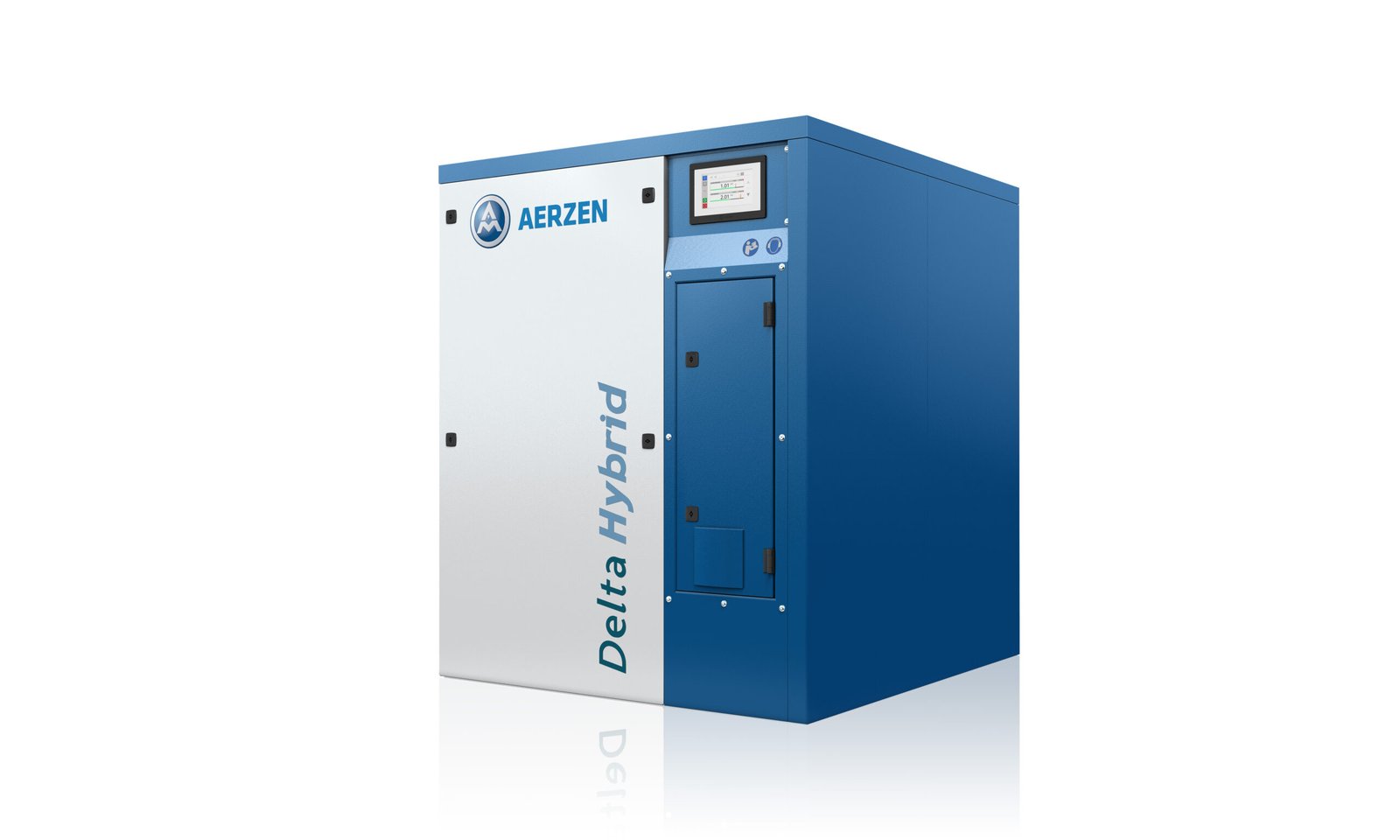
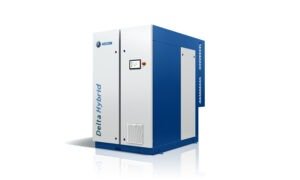
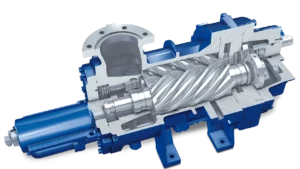
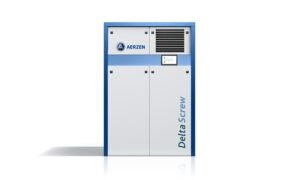
ภาพ: AERZEN Group (aerzen.com) — ใช้เพื่อการศึกษาและอ้างอิงทางเทคนิค
ทำไม Oil-Free จึงต้องการ Protocol ที่แตกต่างจาก Oil-Injected
AERZEN พัฒนา oil-free compressed air technology มาตั้งแต่ปี 1864 — และประสบการณ์ 160 ปีนั้นสอนบทเรียนสำคัญประการหนึ่ง: วิธีตรวจสอบคุณภาพอากาศต้องเปลี่ยนตามประเภทของเครื่อง ไม่ใช่ใช้ Protocol เดิมกับทุกสถานการณ์
ใน oil-injected screw compressor แบบดั้งเดิม น้ำมันหล่อลื่นสัมผัสกับอากาศโดยตรงในช่องอัด — การ “วิเคราะห์น้ำมัน” จากถังน้ำมัน crankcase จึงเป็นตัวบ่งชี้สุขภาพเครื่องที่สมเหตุสมผล แต่ใน oil-free design อย่าง AERZEN DVO, BVO, BVS และ TVO oil-free screw compressor ไม่มีน้ำมันในช่องอัดเลย — ดังนั้นการวิเคราะห์น้ำมันจากเครื่องจึง ไม่บอกอะไรเกี่ยวกับคุณภาพอากาศที่ออกมา
Oil analysis ของ oil-free equipment ถ้าทำ จะตรวจสอบน้ำมันหล่อลื่นที่ ส่วน gearbox และ bearing เท่านั้น — ไม่ใช่อากาศที่ออกมา การรับประกัน Class 0 ต้องวัดที่ outlet อากาศ โดยตรงด้วยเครื่องมือที่ถูก standard กำหนด
ISO 8573-1:2010 กำหนด Class 0 ว่า “คุณภาพอากาศต้องดีกว่า Class 1 ในทุกพารามิเตอร์ — หรือตามข้อกำหนดที่ user และ supplier ตกลงกัน” ซึ่งในทางปฏิบัติหมายถึงการพิสูจน์คุณภาพด้วยข้อมูลการวัดที่จุด delivery point ไม่ใช่การอ้างอิงแค่ใบรับรองของเครื่อง Protocol ในบทความนี้ออกแบบมาเพื่อตอบข้อกำหนดนั้น
เครื่องมือ 3 ชนิดสำหรับ Class 0 Verification ที่ครบถ้วน
ISO 8573 เป็น family of standards ที่แต่ละ part กำหนดวิธีวัดพารามิเตอร์ที่ต่างกัน การยืนยัน Class 0 ต้องใช้เครื่องมือที่ตรงกับ part นั้น ๆ ไม่สามารถใช้เครื่องมือเดียววัดทุกอย่างได้ ดูคู่มือ ISO 8573 ฉบับครบถ้วนทุก Partสำหรับ overview ของ standard family
Portable Particle Counter
ISO 8573-4 · Solid Particle
วัด จำนวนอนุภาคแข็ง ตามขนาด 3 range:
0.1–0.5 µm · 0.5–1 µm · 1–5 µm
Class 0 limit (ต่อ m³):
≤ 20,000 / ≤ 400 / ≤ 10 อนุภาค
ใช้ optical particle counter ที่ผ่านการสอบเทียบตาม ISO 21501-4 หรือเทียบเท่า
Oil Vapor / Aerosol Detector
ISO 8573-2 · Oil Content
วัด total oil content (aerosol + vapor รวมกัน) ใน mg/m³
Class 0 limit: ต่ำกว่า 0.01 mg/m³
Sensor technology: PID (Photoionization Detector) สำหรับ aromatic hydrocarbon หรือ MOS (Metal Oxide Semiconductor) สำหรับ hydrocarbon vapor broad-spectrum
สำหรับ critical application แนะนำ PID ที่ sensitivity ≥ 0.1 ppm
Dew-Point Meter
ISO 8573-3 · Water Content
วัด pressure dew point (Td) ในหน่วย °C หรือ mg/m³ of liquid water
Class 0 (vapor): Td ≤ –70 °C สำหรับ Class 0 ultra-dry
Class 1 (vapor): Td ≤ –70 °C
Class 2: Td ≤ –40 °C
ใช้ chilled mirror hygrometer หรือ capacitance sensor ที่ผ่านสอบเทียบ NIST-traceable
Class 0 ใน ISO 8573-1 ไม่ได้กำหนดตัวเลขตายตัวสำหรับทุกพารามิเตอร์ — Standard กำหนดว่า Class 0 คือ “as-specified” ระหว่าง user กับ supplier ที่ ดีกว่า Class 1 ในทุกแกน ในทางปฏิบัติสำหรับงาน food processing, electronics, และ ISO 14644 cleanroom industry ค่าที่แสดงในตารางนี้เป็นค่าอ้างอิงที่ใช้กันทั่วไป — ยืนยันกับ AERZEN engineering team ก่อนกำหนด acceptance criteria ขั้นสุดท้าย
จุดเก็บตัวอย่างที่ถูกต้อง — Sample Port Location ตาม ISO 8573-1 §4
แม้จะใช้เครื่องมือที่ถูกต้องครบทั้ง 3 ชนิด แต่ถ้าเก็บตัวอย่างผิดจุด ผลที่ได้ก็ไม่สะท้อนคุณภาพอากาศที่ delivery point จริง ISO 8573-1 §4 กำหนดหลักการของ representative sampling ไว้ชัดเจน
Downstream ของ After-Cooler เท่านั้น
เก็บตัวอย่างหลัง after-cooler เสมอ — อุณหภูมิอากาศที่ออกจาก compression stage สูงถึง 150–200 °C ซึ่งจะทำลาย sensor ของ particle counter และ PID detector ทันที After-cooler ลดอุณหภูมิลงสู่ 35–45 °C ซึ่งเป็น operating range ปกติของ portable instrument
Downstream ของ Coalescing Filter (Final Stage)
จุดที่วัดคือ หลัง final-stage coalescing filter และ activated carbon filter (ถ้ามี) — ไม่ใช่ก่อน filter เพราะต้องการวัดคุณภาพอากาศที่ plant จะได้รับจริง การวัดก่อน filter จะให้ค่าที่แย่กว่าความเป็นจริงและไม่สะท้อน Class 0 delivery
ก่อน Distribution Header — ไม่ใช่ End-Use Point
เก็บ ที่ outlet ของ rental unit ก่อนเข้า plant distribution piping — เพราะ piping เก่า, dead-leg, หรือ condensate ใน header อาจเป็น contamination source ที่ไม่เกี่ยวกับเครื่อง การวัดที่จุดนี้แยก “rental unit performance” ออกจาก “plant piping condition” ได้ชัดเจน
หลีกเลี่ยง Dead-Leg และ Bypass Lines
Dead-leg ใน piping system เป็นจุดสะสม condensate และ microbial growth — การเก็บตัวอย่างที่นั่นจะให้ particle count และ moisture สูงกว่าความเป็นจริงมาก ใช้ sample port ที่ติดตั้งในแนว flow direction โดยตรง ไม่ใช่ tee-off ที่มี stagnant zone
Purge ก่อนเก็บตัวอย่างทุกครั้ง
Purge sample line อย่างน้อย 30 วินาทีก่อนเริ่มเก็บข้อมูล เพื่อไล่ air ที่ค้างอยู่ใน line และเครื่องมือ ซึ่งอาจมี contamination จากการเก็บก่อนหน้าหรือจากสภาพแวดล้อม ค่าแรก 60 วินาทีไม่ควรนำมาใช้ในการคำนวณ
↓
[Coalescing Filter — Stage 1]
↓
[Coalescing Filter — Stage 2 / Carbon]
↓
★ SAMPLE PORT (ISO 8573-1 §4)
↓
[Distribution Header → Plant]
ความถี่การวัด — Monthly Baseline และ Quarterly Third-Party Lab
ความถี่ที่เหมาะสมขึ้นอยู่กับ criticality of application และ ข้อกำหนดของ quality management system ที่โรงงานใช้ AERZEN Rental Thailand แนะนำ framework สองระดับนี้สำหรับ rental unit ที่ต้องรักษา Class 0 compliance:
| ระดับการตรวจสอบ | ความถี่ | ผู้ดำเนินการ | เครื่องมือ | วัตถุประสงค์ |
|---|---|---|---|---|
| Monthly Baseline Spot-Check | ทุกเดือน (หรือมากกว่าสำหรับ critical process) | QC technician ภายในโรงงาน หรือ AERZEN service engineer | Portable particle counter + PID/MOS oil detector + dew-point meter | ยืนยัน Class 0 compliance ต่อเนื่อง, ตรวจจับ trend ที่เปลี่ยนแปลง |
| Quarterly Third-Party Laboratory Verification | ทุกไตรมาส (หรือตาม audit cycle ของ ISO 9001 / ISO 22000) | Accredited laboratory (ISO/IEC 17025) หรือ TÜV Rheinland, SGS, Bureau Veritas | Lab-grade sampling + ISO 8573-4 / 8573-2 / 8573-3 full analysis | หลักฐาน third-party สำหรับ customer audit, regulatory compliance, ISO renewal |
| Event-Triggered Verification | หลังเหตุการณ์: filter change, equipment swap, emergency repair, AERConnect alert | AERZEN service engineer | Portable set ครบ 3 ชนิด | ยืนยัน Class 0 กลับมาหลังเหตุการณ์ที่อาจกระทบ filter integrity |
สำหรับ food processing และ beverage production ที่ใช้อากาศ Class 0 สัมผัสผลิตภัณฑ์โดยตรง (direct product contact) ISO 22000:2018 §8.5.4 กำหนดให้ hazard analysis ต้อง address compressed air เป็น potential physical/chemical hazard — monthly spot-check จึงเป็น minimum ที่ FSMS auditor มักกำหนด ทีม AERZEN สามารถจัดทำ Compressed Air Risk Assessment document เพื่อสนับสนุน HACCP plan ของลูกค้า
Acceptable Limits ตาม ISO 8573-1:2010 Class 0
| พารามิเตอร์ | Standard Part | Class 1 | Class 0 (as-specified — ≤ Class 1) | หน่วย |
|---|---|---|---|---|
| Solid Particles — 0.1–0.5 µm | ISO 8573-4 | ≤ 20,000 | < 20,000 | อนุภาค/m³ |
| Solid Particles — 0.5–1.0 µm | ISO 8573-4 | ≤ 400 | < 400 | อนุภาค/m³ |
| Solid Particles — 1.0–5.0 µm | ISO 8573-4 | ≤ 10 | < 10 | อนุภาค/m³ |
| Total Oil Content (aerosol + vapor) | ISO 8573-2 | ≤ 0.01 mg/m³ | < 0.01 mg/m³ | mg/m³ |
| Water — Pressure Dew Point | ISO 8573-3 | ≤ –70 °C Td | < –70 °C Td (ultra-dry spec) | °C Td |
| Water — Liquid Water | ISO 8573-9 | ไม่มีน้ำเหลว | ไม่มีน้ำเหลว | — |
หมายเหตุ: ค่า Class 0 ข้างต้นเป็นค่าอ้างอิงที่ใช้ทั่วไปในอุตสาหกรรม ISO 22000 food, ISO 14644 cleanroom, และ electronics. ISO 8573-1 กำหนดให้ Class 0 ระบุใน purchase specification — ติดต่อทีม AERZEN เพื่อช่วยกำหนด Class 0 specification ที่เหมาะสมกับ process ของคุณ
Oil-free ไม่ใช่ ‘ปลอดภัยแน่นอนตลอดไป’ — มันหมายถึงไม่มีน้ำมันในช่องอัด แต่ filter saturation, moisture condensation, หรือ particle contamination จาก inlet air ยังคงเป็นความเสี่ยงที่ต้องจัดการด้วย measurement และ monitoring ที่สม่ำเสมอ
AERConnect: Remote Telemetry เป็น Early-Warning Layer ก่อนเกิด Class 0 Violation
Periodic measurement ทุกเดือน — ไม่ว่าจะแม่นยำแค่ไหน — ยังมี blind spot: ช่วงเวลา 29 วันระหว่างการวัด ใน interval นั้น filter อาจ saturate หรือ operating condition อาจเปลี่ยนแปลงโดยไม่มีใครรู้ นี่คือจุดที่ AERConnect IoT gateway เข้ามาทำหน้าที่เป็น continuous monitoring layer ที่วัดตลอด 24 ชั่วโมง
อ่านรายละเอียดเพิ่มเติมเกี่ยวกับ AERConnect platform ได้ที่
AERconnect และ AERscan: ระบบ IIoT ตรวจสอบ Blower & Compressor
— บทความนี้จะเน้นเฉพาะส่วนที่เกี่ยวข้องกับ filter monitoring และ Class 0 quality assurance
Differential Pressure Monitoring — ตัวบ่งชี้ Filter Health โดยตรง
AERConnect ติดตั้ง differential pressure (ΔP) sensor ข้าม coalescing filter bank ของ rental unit ส่งค่าแบบ real-time ทุก 5 นาที เมื่อ ΔP เพิ่มขึ้นเกิน baseline ระบบ flag สถานะดังนี้:
| ΔP Level (เทียบ baseline) | สถานะ AERConnect | การดำเนินการ |
|---|---|---|
| 0–25% above baseline | NORMAL | Logging only — ไม่มี alert |
| 25–50% above baseline | ADVISORY | AERZEN service team รับทราบ, วางแผน filter change ใน next scheduled visit |
| 50–80% above baseline | PRE-ALERT | AERZEN แจ้ง plant contact ล่วงหน้า, กำหนด filter change ใน 48–72 ชั่วโมง |
| >80% above baseline | ACTION REQUIRED | Emergency filter change — AERZEN 24/7 dispatch, ยืนยัน Class 0 หลังเปลี่ยน |
การเชื่อมต่อระหว่าง Telemetry Data กับ Quality Record
ข้อมูลจาก AERConnect ไม่ใช่แค่ maintenance tool — มันยังเป็น quality evidence layer ที่ support ISO 9001 §9.1 (monitoring and measurement) ได้โดยตรง:
- AERprogress cloud dashboard บันทึก ΔP history, filter change dates, และ service visit records พร้อม timestamp
- Export เป็น PDF report หรือ CSV สำหรับ quality management system (QMS) ของโรงงาน
- กรณีที่ AERConnect ตรวจพบ filter saturation และ AERZEN ดำเนินการเปลี่ยน filter ก่อนที่ ΔP จะถึง critical threshold — บันทึกนั้นพิสูจน์ว่า potential Class 0 violation ถูกจัดการเชิงป้องกัน ซึ่งเป็น preventive action evidence ที่ ISO auditor ประเมินค่าสูง
การบันทึกผลเพื่อ ISO 9001 / ISO 22000 / ISO 14644 Quality Records
ISO 9001:2015 §7.5 กำหนดให้ quality records ต้องเป็น “controlled documented information” — ซึ่งหมายถึง document ต้องมีระบบควบคุม version, การอนุมัติ, และการเก็บรักษา สำหรับ compressed air quality records สิ่งที่ต้องบันทึกในแต่ละครั้งมีดังนี้:
dd/mm/yyyy · HH:MM น.
AERZ-TH-[XXXX]
SP-01 (downstream final filter)
___ bar(g)
___ อนุภาค/m³ (Limit: <20,000)
___ อนุภาค/m³ (Limit: <400)
___ mg/m³ (Limit: <0.01)
___ °C Td (Limit: <–70)
รุ่น: ___ · S/N: ___
dd/mm/yyyy
PASS / FAIL
ชื่อ + ลายเซ็น
ชื่อ + ลายเซ็น
Traceability Requirements ตาม ISO Standard
| Quality Management Standard | Clause ที่เกี่ยวข้อง | ข้อกำหนดสำหรับ Compressed Air Record |
|---|---|---|
| ISO 9001:2015 | §7.5 + §9.1.1 | Documented information ต้องควบคุม version + เก็บรักษาตาม retention period ที่กำหนด |
| ISO 22000:2018 | §8.5.4 (HACCP) + §7.5 | Compressed air ที่สัมผัสผลิตภัณฑ์ต้องอยู่ใน HACCP plan — monitoring frequency และ corrective action ต้องระบุชัดเจน |
| ISO 14644-2 | §4 (Monitoring plan) | Cleanroom compressed air monitoring ต้องมี sampling location, frequency, และ alert/action levels ใน written monitoring plan |
Synthetic Case: Food Packaging Line — Filter Saturation Alert ก่อนเกิด Class 0 Violation
กรณีศึกษา: สายการผลิตบรรจุภัณฑ์อาหาร EEC (สถานการณ์สมมติ)
บริบท: โรงงาน food packaging ขนาดกลางในเขต EEC เช่า AERZEN DVO oil-free blower ระยะ 18 เดือน สำหรับ pneumatic sealing และ purging system ที่ต้องการ ISO 22000 Class 0 compliance ติดตั้ง AERConnect พร้อม coalescing filter DP sensor
วันที่ตรวจพบ DP rising trend
ΔP เพิ่มจาก baseline (PRE-ALERT)
Lead time ก่อน AERZEN filter change
เหตุการณ์ที่เกิดขึ้น: วันที่ 127 ของสัญญา AERprogress dashboard แสดง ΔP ข้าม coalescing filter เพิ่มขึ้น 68% จาก baseline ที่ตั้งค่าไว้ตั้งแต่วันเริ่มสัญญา ระบบส่ง PRE-ALERT notification ไปยัง AERZEN service engineer และ plant QC manager พร้อมกัน
ทีม AERZEN ติดต่อโรงงานภายใน 2 ชั่วโมง ยืนยันกำหนด filter change ใน 38 ชั่วโมงข้างหน้าระหว่าง scheduled downtime ของสายการผลิต หลังเปลี่ยน filter ทีมงาน AERZEN ทำ spot-check ด้วย portable particle counter และ oil detector ทันที ผลยืนยัน Class 0 และบันทึกลงในระบบ AERprogress พร้อม timestamp
ผลลัพธ์: การผลิตไม่หยุดชะงัก — ไม่มี unscheduled downtime, ไม่มี Class 0 violation ที่จะต้องรายงานใน ISO 22000 audit, และ AERConnect log กลายเป็น evidence ชุดสมบูรณ์ในการ audit ครั้งถัดไป
สถานการณ์สมมติ (Synthetic Case Scenario) สร้างขึ้นเพื่อแสดง workflow ที่ถูกต้อง ตัวเลขและระยะเวลาเป็นค่า illustrative ไม่ใช่ข้อมูลจากลูกค้าจริง
คำถามที่พบบ่อย (FAQ)
ควรตรวจสอบคุณภาพ oil-free compressed air บ่อยแค่ไหน?
แนะนำ monthly baseline spot-check ด้วย portable particle counter และ oil-vapor detector โดยผู้ปฏิบัติงานในโรงงาน หรือ AERZEN service engineer ระหว่าง scheduled maintenance visit
สำหรับ ISO 22000 food contact application เพิ่ม quarterly third-party laboratory verification ตาม ISO 8573-4 เพื่อรักษาหลักฐานสำหรับ ISO 9001 / ISO 22000 audit นอกจากนี้ ทุกครั้งที่มีการเปลี่ยน filter หรือ service event ที่อาจกระทบ filter integrity ควรทำ verification ทันที
ต้องใช้เครื่องมืออะไรบ้างในการตรวจสอบ Class 0 compliance?
เครื่องมือหลัก 3 ชนิด:
- Portable particle counter ตาม ISO 8573-4 สำหรับวัด solid particle class — ขนาด 0.1–5 µm
- Oil-vapor detector ด้วย PID (photoionization) หรือ MOS sensor ตาม ISO 8573-2 สำหรับวัด total oil content (aerosol + vapor) ต่ำกว่า 0.01 mg/m³
- Dew-point meter ตาม ISO 8573-3 สำหรับวัด pressure dew point — Class 0 ต้องไม่สูงกว่า –70 °C Td สำหรับงาน ultra-dry
ทุกเครื่องมือต้องผ่านการสอบเทียบที่ traceable ไปยัง national/international measurement standard
ควรเก็บตัวอย่างอากาศที่จุดใด?
จุดเก็บตัวอย่างที่ถูกต้องตาม ISO 8573-1 §4 คือ downstream ของ after-cooler และ final-stage coalescing filter ก่อนถึง distribution header
หลีกเลี่ยงการเก็บที่ท่อ bypass, dead-leg ที่มี condensate accumulation, หรือ end-use point ที่อยู่ห่างจาก rental unit มาก (เพราะ piping condition ของโรงงานจะปนอยู่ในผล)
AERConnect ช่วยด้านการตรวจสอบ Class 0 ได้อย่างไร?
AERConnect IoT gateway ส่ง differential pressure ข้าม filter bank แบบ real-time — เมื่อ ΔP เพิ่มสูงขึ้นเกิน threshold ระบบแจ้งเตือน AERZEN service team และ plant manager ก่อนที่ filter จะ saturate และปล่อย contamination ผ่าน
นอกจากนี้ยังบันทึก operating hours เพื่อกำหนด filter change interval ตามการใช้งานจริง ไม่ใช่แบบ fixed calendar — และ export data เป็น PDF/CSV สำหรับ ISO audit evidence
ผลการตรวจสอบต้องบันทึกอย่างไรเพื่อ quality audit?
บันทึกประกอบด้วย:
- วันที่และเวลาเก็บตัวอย่าง
- จุดเก็บ (tag number + piping location description)
- ค่าที่วัดได้ (particle count ทุก range, oil mg/m³, dew point °C Td)
- Line pressure ขณะเก็บตัวอย่าง (เพราะ ISO 8573 ระบุค่าที่ reference pressure)
- Serial number ของ instrument และ calibration due date
- ชื่อและลายเซ็นผู้ตรวจสอบ + ผู้อนุมัติ QA
- Pass / Fail verdict เทียบ specified Class 0 limits
ใช้ QC form ที่ออกแบบตาม ISO 9001 §7.5 controlled document requirements และมีระบบ retention period ชัดเจน (แนะนำ ≥ 3 ปี หรือตามข้อกำหนด regulatory ของอุตสาหกรรม)
แหล่งอ้างอิงและ Standard ที่เกี่ยวข้อง
-
ISO 8573-1:2010 — Compressed Air: Contaminants and Purity Classes
(ISO.org — standard อ้างอิงหลักสำหรับ Class 0 definition และ purity class table) -
ISO 8573-4:2019 — Test Methods for Solid Particle Content
(ISO.org — sampling methodology และ calculation procedure) -
Compressed Air Challenge — Best Practices for Compressed Air Systems (2nd ed.)
(CAGI — industry reference สำหรับ sampling practice และ system quality management) -
Pumps & Systems — Compressed Air Technology Section
(อุตสาหกรรม journal อ้างอิงสำหรับ oil-free technology trends) -
ISO 8573 Complete Family Guide — ทุก Part อธิบายครบถ้วน
(บทความ internal — AERZEN Rental Thailand)
ต้องการ Protocol สำหรับ Plant ของคุณ?
ทีม AERZEN Rental Thailand พร้อมช่วยออกแบบ compressed air quality verification protocol ที่ตรงกับ process ของคุณ — พร้อมเครื่องมือ, แบบฟอร์ม, และ AERConnect monitoring ที่รองรับ ISO 9001 / ISO 22000 / ISO 14644 audit
ออฟฟิศ: 038-015-488 · www.aerzenrentalth.com ·
“Rent a solution. Expect performance.”
Standard references: ISO 8573-1:2010, ISO 8573-2:2018, ISO 8573-3:1999, ISO 8573-4:2019, ISO 9001:2015, ISO 22000:2018, ISO 14644-2:2015

✍️ เกี่ยวกับผู้เขียน
ภราดร วรรณสังข์ (Paradorn Wannasung)
Marketing Communication Specialist · นิเทศศาสตรมหาบัณฑิต (การสื่อสารการตลาดและแบรนด์)
ภราดร (Paradorn) เป็นผู้ดูแลด้านการสื่อสารการตลาดของ AERZEN Rental Thailand จบนิเทศศาสตรมหาบัณฑิต (การสื่อสารการตลาดและแบรนด์) เชี่ยวชาญด้านอุตสาหกรรม B2B ในประเทศไทย มีประสบการณ์การสร้างแบรนด์และคอนเทนต์ในกลุ่มอุตสาหกรรมของไทย
ติดต่อ: pwa@aerzenrental.com · LinkedIn
บทความที่เกี่ยวข้อง
หัวข้อหลัก: ISO 8573-1 และมาตรฐานคุณภาพอากาศอัด Class 0