การเลือกวัสดุ PTFE และ Stainless สำหรับ DVO Blower เช่า ที่ต้องทนก๊าซ H2S ในระบบ Biogas Upgrading
- H2S สูงถึง 1,000 ppm — AERZEN DVO oil-free screw blower รองรับได้ด้วย SS 316L wetted parts และ PTFE shaft seals ตาม design spec มาตรฐาน
- Oil-free เป็นข้อกำหนดบังคับ — น้ำมันหล่อลื่นใน oil-flooded compressor ทำปฏิกิริยากับ H2S + ความชื้น ก่อกรดกัดกร่อนภายในไม่ถึง 400 ชั่วโมง
- สัญญาเช่าที่รอบคอบ ต้องระบุ H2S concentration limit ที่ตกลงไว้ นิยาม normal wear กับ excessive damage และ incident reporting protocol ภายใน 24 ชั่วโมง
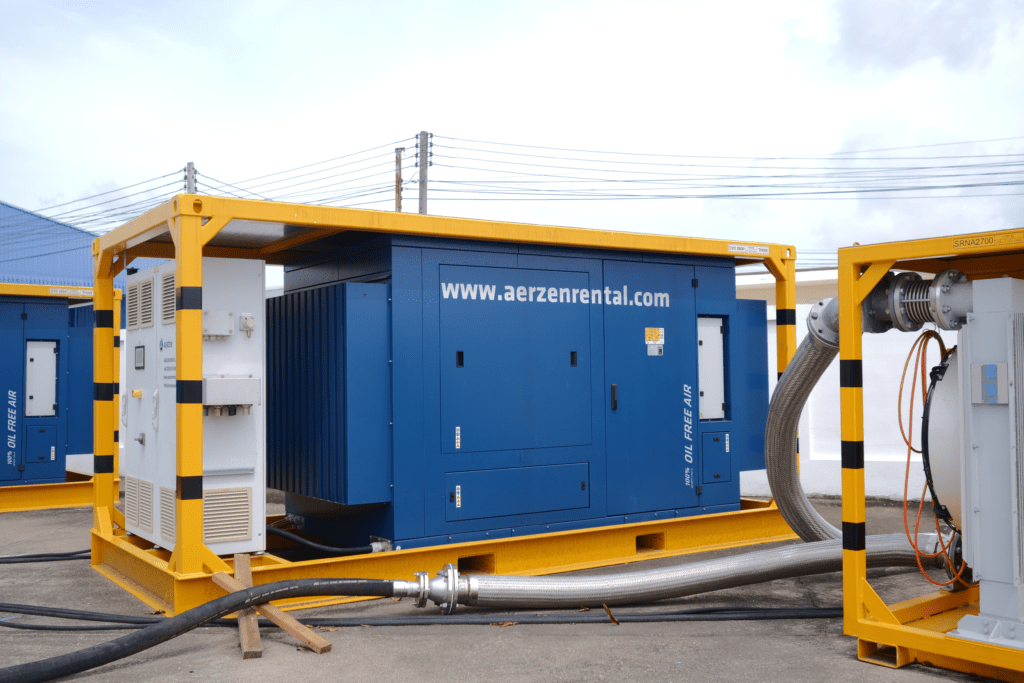
การเช่า DVO oil-free screw blower สำหรับระบบ biogas upgrading ที่มี H2S
ต้องเริ่มต้นจากการระบุ gas composition อย่างแม่นยำ — โดยเฉพาะ H2S concentration
ใน ppm (dry basis), ความชื้น (% RH), และ CO2/CH4 ratio
เพื่อให้วิศวกรสามารถยืนยัน material package ที่ถูกต้อง
AERZEN DVO รองรับ H2S ได้ถึง 1,000 ppm ด้วย stainless steel wetted parts
และ PTFE shaft seals เป็น standard — แต่ต้องมีการกำหนดเงื่อนไขใน rental contract
เพื่อปกป้องทั้งผู้เช่าและอุปกรณ์จากกรณี H2S เกิน design spec
ทำไม H2S ถึงเป็นตัวทำลาย Compressor แบบมีน้ำมัน
AERZEN ออกแบบระบบอัดก๊าซมาตั้งแต่ปี ค.ศ. 1864 — และบทเรียนที่สั่งสมมา 160 ปีบอกชัดว่า
Hydrogen Sulfide (H2S) คือหนึ่งในภัยคุกคามที่ร้ายแรงที่สุดต่ออุปกรณ์อัดก๊าซ
ที่ใช้น้ำมันหล่อลื่นในระบบ biogas
ก๊าซ biogas ดิบจาก anaerobic digester — ไม่ว่าจะเป็น municipal solid waste, น้ำเสีย, หรือ
agricultural waste — มักมี H2S ในช่วง 200–5,000 ppm ขึ้นอยู่กับ feedstock
เมื่อรวมกับความชื้นที่ระดับ 90–100% RH ซึ่งปกติในก๊าซหลัง digester
ปฏิกิริยาเคมีที่เกิดขึ้นใน oil-flooded compressor คือ:
H2S + H2O → H2SO3 (sulfurous acid) → H2SO4 (sulfuric acid) ในปริมาณ trace
กรดที่ได้ทำปฏิกิริยากับน้ำมันหล่อลื่น ทำให้เกิด emulsification
และสูญเสียคุณสมบัติ lubrication ภายใน 200–400 ชั่วโมงการทำงาน
ผลลัพธ์คือ bearing failure, rotor seizure, และ gas leakage — ซ่อมแล้วแพงกว่าค่าเช่าหลายเท่า
กลไกที่สองคือ Sulfide Stress Corrosion Cracking (SSCC) ตามมาตรฐาน
NACE MR0175 / ISO 15156
— ซึ่งระบุว่าโลหะเหล็กหลายชนิดเสี่ยงต่อการแตกร้าวแบบเปราะ (brittle fracture)
ใน sour service (H2S + น้ำ) โดยไม่ต้องอาศัยแรงกดซ้ำ — เป็นการเสื่อมสภาพในระดับ metallurgical
ที่ตรวจพบได้ยากจากภายนอก
ข้อสรุปทางวิศวกรรมชัดเจน: สำหรับ biogas duty ที่มี H2S สูงกว่า 200 ppm
oil-free compression ไม่ใช่ตัวเลือก — มันคือข้อกำหนดด้านความปลอดภัยและความน่าเชื่อถือ
การเลือกวัสดุ: SS 316L, PTFE, และ Hastelloy C-276
เมื่อ oil-free architecture เป็นจุดเริ่มต้นที่ถูกต้อง คำถามต่อมาคือ
วัสดุของชิ้นส่วนสัมผัสก๊าซ (wetted parts) ต้องเป็นอะไร
เพราะแม้จะไม่มีน้ำมัน โลหะที่เลือกผิดก็ยังถูก H2S กัดกร่อนได้
SS 316L — วัสดุมาตรฐานสำหรับ H2S ไม่เกิน 1,000 ppm
Stainless Steel Grade 316L (Low Carbon) มี chromium-nickel-molybdenum composition (16–18% Cr,
10–14% Ni, 2–3% Mo) ที่ทำให้ทนต่อ pitting corrosion และ crevice corrosion ใน chloride + H2S
environment ได้ดีกว่า 304 SS อย่างมีนัยสำคัญ
สำหรับ biogas upgrading ที่ H2S concentration อยู่ในช่วง 200–1,000 ppm (dry basis)
SS 316L wetted parts คือ material of choice ที่ผ่านการพิสูจน์ในงาน sour gas
ทั่วโลกและใช้ใน AERZEN DVO สำหรับ biogas application
PTFE Shaft Seals — ปราการด่านแรกป้องกัน H2S Leakage
Shaft seal คือจุดเสี่ยงที่ H2S จะ leak ออกสู่บรรยากาศการทำงาน
PTFE (Polytetrafluoroethylene) มีคุณสมบัติ chemical inertness ที่โดดเด่น:
- Chemical resistance: ทนต่อ H2S, CO2, H2O, organic acids ในช่วง pH 1–14
- Temperature range: ทำงานได้ −200°C ถึง +260°C — ครอบคลุม biogas compressor operating range
- Zero swelling: ไม่บวมหรือ harden ใน sour gas environment ต่างจาก NBR (Nitrile Rubber) seal ที่เสื่อมสภาพภายใน 6–12 เดือน
- Low friction: coefficient of friction ต่ำ (~0.04–0.10) ลด mechanical wear และอายุการใช้งานยืนนาน
PTFE shaft seal เหมาะกับ H2S concentration สูงถึง 1,000 ppm
สำหรับความเข้มข้นสูงกว่านี้ การใช้ tandem seal configuration
(PTFE primary + labyrinth nitrogen purge secondary) เป็นแนวทางที่ผู้ออกแบบ
compressor package มักเลือกเพื่อให้ leakage rate ผ่าน workplace H2S exposure limit
ตาม OSHA / ACGIH TLV-TWA ที่ 1 ppm (8 ชั่วโมง) ได้อย่างมีนัยยะ
Hastelloy C-276 — สำหรับ H2S เกิน 1,000 ppm หรือ Wet Sour Service
เมื่อ H2S เกิน 1,000 ppm หรือเมื่อก๊าซยังมีความชื้นสูง (> 80% RH) และ CO2 ในระดับสูงซึ่งทำให้
pH ของ condensate ต่ำลง — Hastelloy C-276 (nickel-molybdenum-chromium alloy) คือ upgrade
material ที่เลือกใช้
มีค่า resistance ต่อ pitting, crevice, intergranular corrosion และ SSCC สูงกว่า SS 316L
อย่างมีนัยสำคัญ ราคาสูงกว่าแต่ cost-effective เมื่อเทียบกับ downtime จาก premature failure
| วัสดุ (Material) | H2S Limit (indicative) | จุดแข็ง | ข้อจำกัด | ใช้ใน DVO? |
|---|---|---|---|---|
| Carbon Steel | ไม่เหมาะ | ราคาต่ำ | SSCC เสี่ยงสูง ใน wet H2S | ไม่ |
| SS 304 | < 200 ppm (dry) | ราคาปานกลาง | Pitting ใน chloride+H2S | ไม่ (biogas duty) |
| SS 316L | ≤ 1,000 ppm | Corrosion resistance ดี, ราคาสมเหตุผล | ไม่เหมาะ H2S > 1,000 ppm wet | ใช่ — Standard |
| PTFE (seal) | ≤ 1,000 ppm | Chemical inert, zero swelling | Creep ที่อุณหภูมิสูงมาก (> 250°C) | ใช่ — Standard |
| Hastelloy C-276 | > 1,000 ppm / wet sour | ทนกรดทุกชนิด, anti-SSCC สูง | ราคาสูงกว่า SS 316L ~3–5× | ใช่ — Special option |
DVO Oil-Free Screw Blower: กลไกทนก๊าซ H2S โดยไม่ใช้น้ำมัน
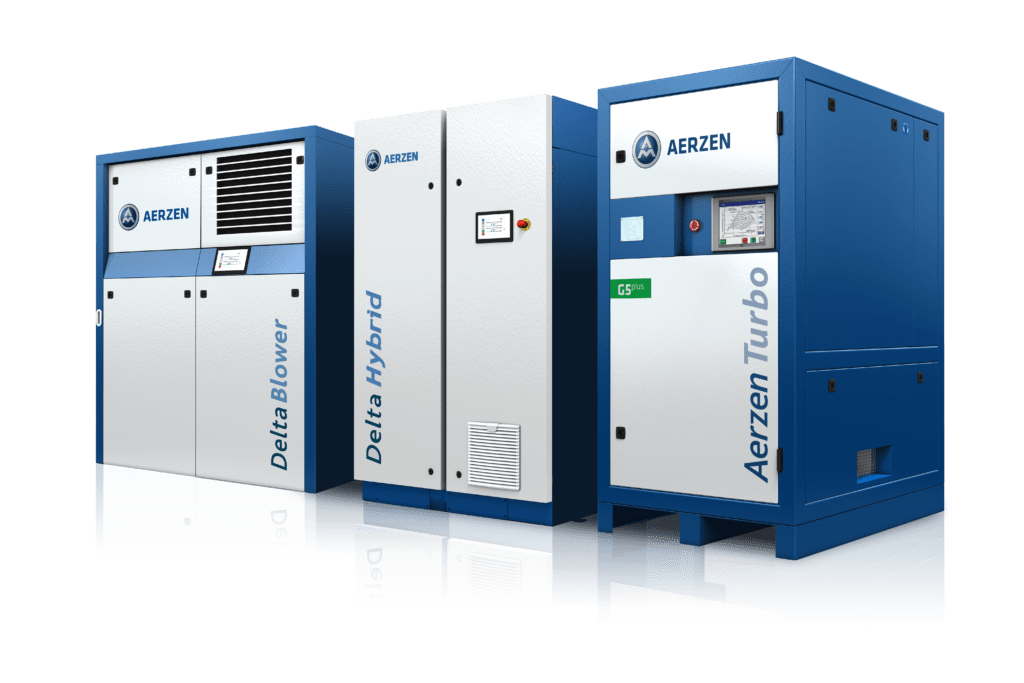
AERZEN DVO (Delta Screw Oil-Free) คือ positive-displacement screw compressor
ที่ออกแบบด้วยหลักการ twin-screw oil-free architecture
ห้องอัดก๊าซ (compression chamber) ไม่มีน้ำมันหล่อลื่นโดยสิ้นเชิง
rotors ถูกขับเคลื่อนผ่าน timing gears ที่แยกอยู่นอกห้องอัด —
น้ำมัน lubrication จึงไม่สัมผัสกับก๊าซที่กำลังอัดเลย
สำหรับ biogas H2S service คุณสมบัติสำคัญของ DVO ที่แตกต่างจาก general-purpose blower คือ:
-
Oil-free compression chamber: ไม่มี lubricant ใน gas path —
จึงไม่มีปฏิกิริยา H2S + oil ที่นำไปสู่ acid formation และ bearing failure -
SS 316L wetted parts (standard):
casing, rotor surfaces ที่สัมผัสก๊าซ, sealing faces ผลิตจาก stainless steel grade เหมาะสม
ลด corrosion rate ในก๊าซ sour-wet ที่ H2S ≤ 1,000 ppm -
PTFE shaft seals (standard):
ป้องกัน H2S leakage ออกนอกเครื่อง — critical สำหรับ occupational safety
ใน confined space หรือ enclosed compressor room -
ISO 8573-1 Class 0 guarantee:
ก๊าซผลิตภัณฑ์ (biomethane หลัง upgrading) ปราศจากน้ำมันปนเปื้อน —
ตอบสนอง membrane separation requirement ที่ต้องการ oil-free feed gas อย่างเคร่งครัด -
ATEX Zone 1/Zone 2 option:
ระบบไฟฟ้าและ motor ที่รองรับ explosive atmosphere classification สำหรับ
biogas production area ซึ่งมี flammable gas present
โรงงาน Biogas Upgrading — Organic Waste, ภาคกลาง ประเทศไทย
โรงงาน biogas upgrading จาก organic waste (food waste + sludge) ขนาด 500 Nm³/h biomethane output
ต้องการ compressor อัดก๊าซจาก 0.1 bar(g) ขึ้นไป 8 bar(g) เพื่อป้อน membrane separation unit
gas composition: CH4 55%, CO2 44%, H2S 650 ppm, H2O saturated
Challenge: ผู้ประกอบการเคยใช้ oil-flooded screw compressor ชุดเดิม (ไม่ใช่ AERZEN)
พบว่า lubricating oil เปลี่ยนสี emulsify ภายใน 3 เดือน นำไปสู่ unplanned shutdown
และ oil carryover เข้า membrane — membrane อายุการใช้งานลดลง 40% จาก design
ppm H2S (design point)
oil carryover (Class 0)
ชั่วโมง/ปี ที่ DVO design พิจารณา
Mobilization time (AERZEN Rental EEC)
การเปลี่ยนมาใช้ AERZEN DVO rental unit (SS 316L wetted parts, PTFE seals)
แก้ทั้งปัญหา lubrication degradation และ membrane contamination ในคราวเดียว
Rental contract ระบุ H2S ≤ 1,000 ppm (dry basis) เป็น agreed duty condition
พร้อม monthly gas quality monitoring log
ข้อมูลเชิงพาณิชย์และชื่อลูกค้า anonymized ตามนโยบายความเป็นส่วนตัว
Spec ที่ต้องระบุสำหรับ Biogas Upgrading — Membrane vs Amine
เทคโนโลยี biogas upgrading สองแบบที่พบมากที่สุดในประเทศไทยคือ
membrane separation และ amine scrubbing (chemical absorption)
แต่ละเทคโนโลยีมี compressed gas requirement ที่แตกต่างกัน — ซึ่งส่งผลต่อ compressor selection
และ material specification
สำหรับข้อมูลเพิ่มเติมเกี่ยวกับ biogas upgrading technology landscape ดูได้ที่
IEA Bioenergy Task 37 — Biomethane & Biohydrogen
และบทความแม่ของเราที่
อากาศอัดปลอดน้ำมันสำหรับอุตสาหกรรม Hydrogen, Biogas และ Steam Power
| พารามิเตอร์ | Membrane Separation | Amine Scrubbing (MDEA/DEA) | DVO Rental — Compatibility |
|---|---|---|---|
| Feed gas pressure | 6–10 bar(g) | 0.5–2 bar(g) (atmospheric feed) | DVO รองรับ 3–13 bar(g) |
| Oil contamination tolerance | Zero — Class 0 mandatory (membrane polymer fouling) | Low tolerance (amine degradation) | ISO 8573-1 Class 0 guaranteed |
| H2S tolerance (feed gas) | Pre-treatment ต้องลด H2S < 100 ppm ก่อน membrane (membrane-specific) | Amine absorbs H2S ได้โดยตรง แต่ต้องมี H2S removal downstream | DVO รับ H2S ≤ 1,000 ppm ใน compression stage ก่อน pre-treatment |
| Moisture requirement | Dry gas required (dew point ≤ −20°C ก่อน membrane) | Wet gas acceptable (amine solution absorbs moisture) | DVO + downstream dryer package ครอบคลุมทั้งสอง process |
| Methane purity (product) | 95–99% CH4 | 97–99% CH4 | Compressor type ไม่ส่งผลต่อ purity — downstream process กำหนด |
| CAPEX (relative) | ต่ำกว่า (modular membrane modules) | สูงกว่า (amine regeneration system) | Rental eliminates CAPEX ทั้งสองกรณี |
ก่อนระบุ compressor rental spec วิศวกรต้องยืนยัน downstream technology ก่อนเสมอ
Membrane separation ต้องการ oil-free feed gas และ H2S pre-treatment ก่อน compressor
(หรือ H2S removal unit หลัง compressor แต่ก่อน membrane)
ขณะที่ amine scrubbing รับ H2S ได้ที่ feed stage แต่ยังต้องการ oil-free compression
เพราะน้ำมันปนเปื้อนทำให้ amine solution เสื่อมเร็วขึ้น
สำหรับ compressor rental spec ที่สมบูรณ์ วิศวกร AERZEN จำเป็นต้องรู้ข้อมูล 4 ชุด:
- Gas composition: % CH4, % CO2, H2S ppm (dry basis), % H2O, trace impurities
- Pressure ratio: suction pressure (bar abs) และ discharge pressure ที่ process ต้องการ
- Volume flow: Nm³/h หรือ m³/min ที่ design point และ turndown ratio ที่ยอมรับได้
- Site classification: ATEX zone, ambient temperature range, elevation (เพื่อ derating calculation)
Rental Contract H2S Clauses: นิยาม Normal Wear กับ Excessive Damage
ประเด็นที่ผู้ประกอบการ biogas มักมองข้ามคือ rental contract clause สำหรับ H2S service
สัญญาเช่าเครื่องจักรทั่วไปออกแบบมาสำหรับ clean air application —
เมื่อนำมาใช้กับ sour gas duty ที่มี H2S จะมี grey area ระหว่าง “normal wear” และ
“excessive H2S damage” ที่ไม่ได้ระบุไว้ ซึ่งอาจนำไปสู่ข้อพิพาทเรื่องค่าซ่อมเมื่อสิ้นสุดสัญญา
สิ่งที่ต้องระบุในสัญญาเช่า H2S Service
| Clause | รายละเอียดที่ต้องระบุ | เหตุผล |
|---|---|---|
| 1. H2S Concentration Limit |
ระบุ H2S max (เช่น ≤ 1,000 ppm dry basis) ที่ตกลงไว้เป็น agreed duty condition การเกิน agreed limit = lessee รับผิดชอบ extraordinary wear |
DVO material spec ออกแบบสำหรับ H2S range ที่กำหนด — ความเสียหายนอก range คือ off-spec operation |
| 2. Normal Wear Definition |
การสึกหรอของ rotor clearance ตาม design operating hours ภายใน H2S agreed range, PTFE seal wear ตาม PM schedule, minor surface oxidation บน SS 316L ที่ไม่กระทบ performance |
Normal wear = lessor absorbs (included in rental rate); ไม่เรียกเก็บ lessee เพิ่ม |
| 3. Excessive H2S Damage Definition |
Rotor pitting หรือ groove corrosion เกินกว่า acceptance criteria; shaft corrosion ในกรณี H2S เกิน agreed limit; bearing failure ที่ trace ได้ว่าเกิดจาก sour gas entry ผ่าน seal degradation ซึ่ง root cause เป็น off-spec gas composition | Lessee รับผิดชอบค่าซ่อมหรือ replacement ในกรณีนี้ |
| 4. Gas Quality Monitoring |
Lessee ต้องทำ gas sampling ที่ compressor inlet ทุก 30 วัน และส่ง H2S analysis report ให้ AERZEN วิธี: electrochemical H2S detector หรือ Dräger tube sampling |
สร้าง audit trail — ป้องกันข้อพิพาทและตรวจจับ H2S spike ก่อนที่จะถึงระดับ damaging |
| 5. Incident Reporting |
Lessee แจ้ง AERZEN ภายใน 24 ชั่วโมง หาก: H2S เกิน agreed limit; gas composition เปลี่ยนแปลง > ±20%; เครื่องมีเสียงผิดปกติหรือ vibration เพิ่มขึ้นผิดปกติ |
ช่วยให้ AERZEN application engineer ประเมินความเสี่ยงและ ตัดสินใจ preventive action ก่อน damage escalates |
| 6. Planned Maintenance Access |
AERZEN มีสิทธิ์เข้าตรวจสอบอุปกรณ์ทุก 2,000 ชั่วโมงการทำงาน หรือทุก 6 เดือน (whichever comes first) เพื่อ condition monitoring ใน H2S service |
H2S service เร่ง wear rate เมื่อเทียบกับ clean air — PM interval สั้นกว่าปกติ |
ทีมวิศวกร AERZEN Rental Thailand ร่วมกำหนด H2S clause ร่วมกับลูกค้าก่อนลงนามสัญญา
โดยเริ่มต้นจาก gas composition analysis ร่วมกัน
เพื่อยืนยัน duty condition ที่แม่นยำ
ไม่ใช่การระบุตัวเลขแบบ “ประมาณการ” ที่อาจสร้างปัญหาในภายหลัง
Rental contract สำหรับ biogas H2S service ควรแนบ Gas Composition Agreement Sheet
เป็นส่วนหนึ่งของสัญญา
การวางกรอบสัญญาที่ชัดเจนช่วยให้ทั้งสองฝ่ายเข้าใจขอบเขตความรับผิดชอบ
ลูกค้าไม่ต้องกังวลว่าจะถูกเรียกเก็บค่าซ่อมจาก “normal wear” ที่ไม่ชัดเจน
และ AERZEN สามารถวางแผน maintenance schedule ที่เหมาะสมกับ H2S duty ได้ล่วงหน้า
— สอดคล้องกับหลักการ All-Inclusive Rental Service ที่ทีม AERZEN ยึดถือ
คำถามที่พบบ่อย (FAQ)
H2S ความเข้มข้น 1,000 ppm ทำลาย oil-flooded compressor อย่างไร?
H2S ทำปฏิกิริยากับน้ำมันหล่อลื่นในสภาวะที่มีความชื้น ก่อให้เกิดกรดซัลฟิวริก (H2SO4)
ในปริมาณ trace ซึ่งเพียงพอที่จะกัดกร่อนโลหะภายใน
ใน biogas ดิบ ก๊าซมักมี H2S 500–2,000 ppm ร่วมกับความชื้น 100% RH —
เงื่อนไขที่ทำให้ lubricating oil ใน oil-flooded compressor เกิด emulsification
และสูญเสียคุณสมบัติหล่อลื่นภายใน 200–400 ชั่วโมงการทำงาน
ต่างจาก oil-free screw design ของ DVO ที่ไม่มี lubricant ในห้องอัด
PTFE shaft seal ดีกว่า NBR mechanical seal อย่างไรใน H2S service?
PTFE มีค่า chemical resistance ต่อ H2S, CO2, H2O สูงกว่า NBR (Nitrile Rubber) อย่างมาก
NBR seal จะเกิด swelling และ hardening ภายใน 6–12 เดือนใน H2S service
ส่งผลให้เกิด gas leakage ที่เป็นอันตราย
PTFE seal ไม่บวม ไม่เสื่อมสภาพทางเคมี และทำงานได้ในช่วง −200°C ถึง +260°C
จึงเป็น material specification บังคับสำหรับ H2S concentration > 200 ppm
rental contract H2S clause ควรระบุอะไรบ้าง?
สัญญาที่รอบคอบควรระบุ 6 ประเด็นหลัก: (1) H2S concentration limit ที่ตกลงไว้ (ppm dry basis),
(2) นิยาม “normal wear” ภายใน design range, (3) นิยาม “excessive H2S damage”
ที่เกิดจาก off-spec operation, (4) Gas quality monitoring protocol (30-day sampling),
(5) Incident reporting obligation ภายใน 24 ชั่วโมง หาก H2S เกิน threshold,
(6) Planned maintenance access schedule สำหรับ H2S duty (ทุก 2,000 ชั่วโมง)
รายละเอียดแต่ละข้อดูในตารางด้านบน
DVO oil-free screw compressor รองรับ H2S ได้สูงสุดเท่าไร?
AERZEN DVO standard material package (SS 316L wetted parts + PTFE shaft seals)
รองรับ H2S สูงถึง 1,000 ppm (dry basis)
สำหรับ H2S สูงกว่า 1,000 ppm หรือ wet sour service ที่ pH condensate ต่ำ
จำเป็นต้องใช้ special material package (Hastelloy C-276 option)
และต้องแจ้ง application engineer ก่อนการส่งมอบ
ทีมวิศวกร AERZEN Rental Thailand ประเมิน gas composition ให้ฟรีก่อนการเช่า
โทร 038-015-488 หรืออีเมล
thai@aerzenrental.com
membrane separation ต่างจาก amine scrubbing ในแง่ compression spec อย่างไร?
Membrane separation ต้องการ feed gas pressure 6–10 bar(g) และ oil-free Class 0 อย่างเคร่งครัด
(oil contamination ทำ membrane polymer fouling ถาวร)
รวมถึงต้องการ H2S pre-treatment ลดเหลือ < 100 ppm ก่อน membrane stage
Amine scrubbing ทนน้ำมันได้ดีกว่าเล็กน้อย แต่ยังต้องการ oil-free compression
เพราะน้ำมันทำให้ amine solution เสื่อมเร็วขึ้น
DVO รองรับทั้งสอง process ในฐานะ oil-free screw compressor ที่ผ่าน ISO 8573-1 Class 0
ปรึกษาวิศวกรเรื่อง Biogas H2S Compressor Rental
แจ้ง gas composition (H2S ppm, CH4%, CO2%, moisture) และ pressure/flow requirement —
วิศวกร AERZEN Rental Thailand ประเมิน material package และออก quotation ให้ภายใน 1 วันทำการ
ไม่มีค่าใช้จ่ายในการปรึกษา
อีเมล: thai@aerzenrental.com
· www.aerzenrentalth.com
· “Rent a solution. Expect performance.”
-
ISO 8573-1:2010
— Compressed air — Part 1: Contaminants and purity classes
(oil aerosol Class 0: user-defined stricter than Class 1 ≤ 0.01 mg/m³) -
NACE MR0175 / ISO 15156
— Petroleum and natural gas industries — Materials for use in H2S-containing environments in oil and gas production
(Sulfide Stress Corrosion Cracking: metallurgy + H2S partial pressure thresholds) -
IEA Bioenergy Task 37
— Biomethane and Biohydrogen (biogas upgrading technologies: membrane, amine scrubbing, PSA) -
AERZEN Group — DVO Delta Screw Oil-Free Compressor Technical Specification
(aerzen.com)
— twin-screw oil-free architecture, SS 316L wetted parts, PTFE shaft seal specification