
ESG Reporting กับ Oil-Free Blower: วิธีใช้ Rental Unit ลด Scope 1 และ Scope 3 GHG Emissions ตาม GHG Protocol
TL;DR — สรุปสั้น 3 ข้อ
- การเปลี่ยนจาก owned oil-injected compressor มาใช้ rental oil-free unit ช่วยลด Scope 1 direct emissions (ไม่มีน้ำมันหล่อลื่นที่ต้องกำจัด ไม่มีสารทำความเย็นใน oil-cooler) และเปิดทาง Scope 3 Category 11 avoided-emissions disclosure
- GHG Protocol Scope 3 Guidance แนะนำให้ใช้ activity-based method คำนวณ avoided emissions จากชั่วโมงใช้งานคูณ emission factor ต่อหน่วย หรือขอ supplier-specific data จาก AERZEN โดยตรงเพื่อความแม่นยำ
- ระบบ all-inclusive maintenance ของ rental ทำให้โรงงานไม่มี lubricant waste / filter waste / refrigerant charge ของตัวเอง — ช่วย KPI circular economy และ zero-waste-to-landfill target ของรายงาน ESG
AERZEN พัฒนา oil-free blower และ compressor มาตั้งแต่ปี 1864 — และในบริบท ESG reporting ปัจจุบัน เทคโนโลยีนี้มีบทบาทเกินกว่า “compressed air ที่ไม่ปนเปื้อน” เมื่อโรงงานในไทยต้องการลด GHG emissions ตาม GHG Protocol Corporate Standard[1] การสลับจาก owned oil-injected unit มาใช้ rental oil-free blower ส่งผลต่อบัญชีคาร์บอนใน 3 ระดับพร้อมกัน: Scope 1 direct emissions ลดลงทันที, Scope 3 Category 11 (use of sold products) เปิดให้รายงาน avoided emissions ได้อย่างมีฐานข้อมูล, และ circular-economy KPI ดีขึ้นจากระบบ all-inclusive maintenance ที่ไม่สร้าง consumable waste ที่โรงงานต้องจัดการเอง บทความนี้อธิบายวิธีคำนวณ method ทั้งหมด และวิธีขอข้อมูล supplier disclosure จาก AERZEN สำหรับรายงาน ESG โดยเฉพาะ
GHG Protocol: Scope 1, 2, 3 และจุดที่ Oil-Free Blower เข้ามาเกี่ยวข้อง
GHG Protocol Corporate Accounting and Reporting Standard[1] แบ่ง GHG emissions ออกเป็น 3 scope เพื่อให้รายงานคาร์บอนมีความชัดเจนและเปรียบเทียบได้ระหว่างบริษัท:
| Scope | คำจำกัดความ | ตัวอย่างในโรงงาน | Oil-Free Blower Impact |
|---|---|---|---|
| Scope 1 | Direct emissions — combustion, process, fugitive จากสินทรัพย์ที่บริษัทเป็นเจ้าของหรือควบคุม | การเผาน้ำมันเชื้อเพลิง, การรั่วซึมของสารทำความเย็น, การกำจัดน้ำมันหล่อลื่นที่ปนเปื้อน | ลดโดยตรง — ไม่มี lubricant combustion/disposal; ไม่มี refrigerant charge ใน oil-cooler |
| Scope 2 | Indirect emissions จากการซื้อ electricity, steam, heat, cooling | กระแสไฟฟ้าที่ใช้ขับ compressor/blower | VFD control + high-efficiency unit ช่วยลด kWh — แต่ขึ้นกับ grid emission factor (PEA/MEA grid TH ~0.4716 kgCO₂e/kWh)[2] |
| Scope 3 Cat 11 | Indirect emissions — use of sold/rented products ตลอด operational life | Emissions ที่เกิดจากการใช้อุปกรณ์ที่ supplier ผลิตหรือ rent ออกมา | Avoided emissions disclosure — เมื่อ AERZEN เปิดเผย manufacturing carbon footprint per unit-hour, ลูกค้าสามารถ report avoided emissions ได้ |
| Avoided Emissions | Emissions ที่ไม่เกิดขึ้นจริงเพราะเลือก solution ที่สะอาดกว่า (ไม่ใช่ Scope ย่อย — เป็น supplementary disclosure) | การไม่ซื้อ owned oil-injected unit → ไม่มี Scope 1 จากการกำจัดน้ำมัน | Report แยกใน ESG report section “Avoided Emissions from Rental Model” |
บทความนี้ ไม่ซ้ำกับ Scope 2 electricity savings (slot 195) หรือ heat recovery (slot 88) เพราะมุ่งที่ GHG Protocol supplier chain disclosure และ Scope 1 fugitive/process emissions ที่หายไปเมื่อใช้ oil-free — ซึ่งทั้งสองมักถูกมองข้ามในรายงาน ESG ของโรงงานไทย
Scope 1 — ลดได้จริงอย่างไรเมื่อเปลี่ยนมาใช้ Rental Oil-Free
เมื่อโรงงานมี owned oil-injected compressor บัญชี Scope 1 ของโรงงานแบกรับ emission sources ที่มักถูกมองข้ามหลายรายการ:
- Lubricant disposal emissions: น้ำมันหล่อลื่นที่ใช้แล้วเป็น hazardous waste ต้องส่งให้ licensed disposal provider เผาในอุณหภูมิสูง — emission factor อยู่ที่ประมาณ 0.85–1.2 kgCO₂e/liter ขึ้นอยู่กับ disposal method[3] compressor ขนาดกลาง (30–55 kW) ใช้น้ำมัน ~30 ลิตร/ปี
- Refrigerant leakage (oil-cooler circuit): oil-injected unit ที่ใช้ auxiliary refrigerant cooling มีความเสี่ยง fugitive emission จาก refrigerant (R134a GWP = 1,430; HFO-1234ze GWP ~1) ซึ่งต้อง report ใน Scope 1 ตาม GHG Protocol Stationary Combustion Guide
- Oil carryover + filter media: compressed air ที่มี oil aerosol (ระดับ ISO 8573-1 Class 1 = ≤0.1 mg/m³) ต้องผ่าน coalescent filter ที่ใช้แล้วต้องกำจัดเป็น oily waste
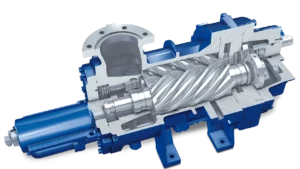
AERZEN BVO series blower, BVS screw blower, และ TVO oil-free screw compressor ทำงานโดยไม่มีน้ำมันหล่อลื่นในกระบวนการ compression — air path ปลอดน้ำมัน 100% ตาม ISO 8573-1 Class 0 (oil aerosol ≤ 0.01 mg/m³ — stricter กว่า Class 1 ถึง 10 เท่า)[4] ไม่มีน้ำมันหล่อลื่น = ไม่มี Scope 1 lubricant disposal emissions ในส่วนที่เกี่ยวกับ air compression เลย
เมื่อเปลี่ยนจาก owned oil-injected unit มาใช้ rental oil-free unit จาก AERZEN โรงงานสามารถลบ emission sources เหล่านี้ออกจากบัญชี Scope 1 ได้ทันที เพราะ:
- Rental unit เป็น AERZEN’s asset — lubricant management (ถ้าหากมีในระบบรอบนอก) อยู่ใน AERZEN’s operational boundary ไม่ใช่โรงงาน
- Unit ที่ส่งถึงโรงงาน certified Class 0 — ไม่มี oil carryover ที่ต้องกำจัด
- ระบบ all-inclusive maintenance ของ Subscription Plan: AERZEN จัดการ filter, spare parts, fluid management ทั้งหมด — โรงงานไม่มี consumable waste เป็นของตัวเอง
Scope 3 Category 11 — Use of Sold Products และ Supplier Disclosure
GHG Protocol Technical Guidance for Calculating Scope 3 Emissions Category 11[5] ครอบคลุม emissions ที่เกิดจากการใช้งาน (use phase) ของผลิตภัณฑ์หรืออุปกรณ์ที่ supplier จำหน่าย/ให้เช่า ในมุมของลูกค้า (ผู้เช่า):
- Category 11 ใน AERZEN’s value chain: emissions จากการที่โรงงานลูกค้าใช้ rental unit ของ AERZEN ตลอด rental period — AERZEN เป็น “seller/lessor” Category 11 ครอบคลุม
- ในมุมโรงงาน (ผู้เช่า): Scope 3 Category 1 “Purchased Goods and Services” ครอบคลุม embedded carbon ของ rental service ที่จัดซื้อ — ซึ่งเกี่ยวข้องกับ manufacturing carbon footprint ของ AERZEN unit
ประเด็นสำคัญที่ทำให้การ report Scope 3 Category 11/1 ทำได้จริง คือ supplier disclosure — AERZEN ในฐานะผู้ผลิตจาก Hamelin ประเทศเยอรมนีที่มีประวัติ 160 ปี[6] สามารถให้ข้อมูล manufacturing carbon footprint per unit-hour ได้ผ่าน environmental product declaration หรือ carbon intensity disclosure ซึ่ง AERZEN Group รายงานใน Sustainability Report ประจำปี
วิธีคำนวณ Avoided Emissions ตาม GHG Protocol: Activity-Based Method
GHG Protocol Scope 3 Technical Guidance Category 11[5] แนะนำ 2 calculation methods สำหรับ use-phase emissions:
Method 1: Activity-Based Method (สำหรับกรณีที่ไม่มี product-specific data)
สูตรคำนวณ Scope 3 Cat 11 — Activity-Based
Operational hours (h/year)
× Power consumption (kW)
× Grid emission factor (kgCO₂e/kWh)
× Service life (years)
÷ 1,000
Avoided Emissions (tCO₂e) =
Scope 3 Cat 11 (oil-injected baseline)
− Scope 3 Cat 11 (oil-free rental)
Grid emission factor ประเทศไทย (2024): 0.4716 kgCO₂e/kWh (EGAT/DEDE official)[2]
Reference: GHG Protocol — Technical Guidance for Calculating Scope 3 Emissions (v1.0)
Method 2: Supplier-Specific Data (แม่นยำกว่าสำหรับ ESG audit)
การใช้ supplier-specific emission factor จาก AERZEN โดยตรง (carbon intensity per unit-operating-hour ที่ได้จาก product lifecycle assessment) จะให้ความแม่นยำสูงกว่า industry-average factor และผ่าน ESG auditor (GRI 305, CDP, SEC Climate Disclosure) ได้ง่ายกว่า เพราะมี primary data source ชัดเจน
GHG Protocol ไม่อนุญาตให้นำ “avoided emissions” ไปหัก (subtract) จาก Scope 1/2/3 ใน inventory หลัก แต่สามารถ report แยกในส่วน supplementary disclosure ซึ่ง CDP, TCFD, GRI 305-5 รองรับ — ดังนั้นการ claim ต้องใช้ภาษา “avoided emissions from switching to rental oil-free” ไม่ใช่ “net Scope 1 after avoided” เพื่อหลีกเลี่ยง greenwashing flag
ตัวอย่างเชิงอธิบาย: โรงงาน Food & Beverage — EEC Zone
สถานการณ์จำลองสำหรับโรงงาน Food Processing ขนาดกลางในเขต EEC (ไม่ใช่ข้อมูลลูกค้าจริง — ใช้เพื่อแสดง calculation method เท่านั้น):
ชั่วโมงเดิน/ปี
กำลังไฟฟ้า blower
Scope 2 electricity/ปี
Scope 1 ที่หายไปเมื่อ switch:
- Lubricant disposal: ~30 ลิตร × 1.0 kgCO₂e/liter = 0.03 tCO₂e/ปี
- Filter media (oil-laden): ~12 กก./ปี × 0.6 kgCO₂e/กก. (incineration) = ~0.007 tCO₂e/ปี
- Refrigerant (ถ้า oil-cooler ใช้ R134a, leakage rate 2%/year): 0.5 กก. × 1,430 GWP ÷ 1,000 = 0.72 tCO₂e/ปี
รวม Scope 1 avoided ~0.76 tCO₂e/ปี — เล็กกว่า Scope 2 แต่สำคัญเพราะเป็น direct control ที่ audit ง่าย และแสดงถึง operational excellence ใน ESG report
ตัวเลขทั้งหมดเป็นค่าประมาณการเชิงการศึกษา คำนวณจาก emission factors มาตรฐาน ไม่ใช่ข้อมูลจากลูกค้าจริง ติดต่อทีม AERZEN เพื่อการคำนวณเฉพาะโรงงาน
วิธีขอ Supplier Disclosure จาก AERZEN เพื่อรายงาน ESG
ขั้นตอนการขอ supplier carbon intensity data จาก AERZEN เพื่อใช้ใน Scope 3 Category 1 (Purchased Goods and Services) และ supplementary avoided emissions disclosure:
- ระบุ rental unit model และ operating hours: รวบรวมข้อมูล model number (เช่น BVO 26 S, BVS 3G 11, TVO 66L), ชั่วโมงเดินจริงในปีรายงาน (จาก hour-meter หรือ AERZEN service log)
- ขอ Product Carbon Footprint (PCF) หรือ Environmental Product Declaration (EPD): ติดต่อทีม AERZEN Rental Thailand พร้อมระบุว่าต้องการข้อมูลสำหรับ GHG inventory หรือ CDP disclosure — อ้างอิง GHG Protocol Technical Guidance Category 1/11
- ตรวจสอบ system boundary: ขอชี้แจงว่า PCF ของ AERZEN ครอบคลุม cradle-to-gate หรือ cradle-to-grave ซึ่งส่งผลต่อว่าโรงงานต้องเพิ่ม use-phase estimate เองหรือไม่
- บันทึก data quality tier: ตาม GHG Protocol Scope 3 Quality Guidance[5] — supplier-specific PCF = Tier 1 (highest quality); industry-average factor = Tier 3 (lowest) บันทึก tier ที่ใช้ใน ESG report data quality table
- ขอ confirmation letter หรือ data sheet: เอกสารจาก AERZEN ที่ระบุ emission factor, system boundary, reference year ใช้เป็น supporting documentation สำหรับ third-party ESG assurance (GRI, ISO 14064-3)
แบบร่างคำขอ Supplier Disclosure (อีเมลถึง AERZEN)
เรียน ทีมงาน AERZEN Rental Thailand,
บริษัทฯ กำลังจัดทำรายงาน ESG ประจำปี [ปี] โดยใช้กรอบ [GRI/CDP/TCFD] และต้องการข้อมูล GHG emissions สำหรับ Scope 3 Category 1 (Purchased Goods and Services) จาก rental oil-free blower ที่เช่าใช้งาน
ขอความกรุณาแจ้งข้อมูลดังต่อไปนี้สำหรับ [model: _____]:
- Product Carbon Footprint (PCF) หรือ carbon intensity (kgCO₂e per operating hour หรือ per tonne compressed air) ที่คำนวณตาม ISO 14067 หรือ GHG Protocol Product Standard
- System boundary ที่ครอบคลุม (cradle-to-gate / cradle-to-grave)
- Reference year ของข้อมูล
- เอกสาร EPD หรือ LCA summary ที่อ้างได้ใน ESG assurance process (ถ้ามี)
ขอบคุณล่วงหน้าสำหรับการสนับสนุนด้าน transparency ซึ่งมีความสำคัญต่อ supply-chain sustainability ของอุตสาหกรรมไทย
ส่งคำขอได้ที่ thai@aerzenrental.com หรือโทร 038-015-488
Circular Economy KPI กับ All-Inclusive Maintenance ของ Rental Model
ระบบ Subscription Plan all-inclusive ของ AERZEN Rental ไม่ได้เกี่ยวข้องกับ GHG emissions เพียงอย่างเดียว — แต่ส่งผลต่อ circular-economy metrics ที่ framework ชั้นนำอย่าง GRI 306 (Waste), Ellen MacArthur Foundation CE Metrics, และ EU Taxonomy รองรับ:
| รายการ Waste / Consumable | Owned Oil-Injected (โรงงานรับผิดชอบ) | AERZEN Rental Oil-Free (all-inclusive) | KPI ที่ดีขึ้น |
|---|---|---|---|
| น้ำมันหล่อลื่นใช้แล้ว | โรงงานต้องส่ง licensed hazardous waste hauler ~30 L/ปี | ไม่มีในกระบวนการ — oil-free by design | Hazardous Waste to Disposal (GRI 306) ลด |
| Coalescent filter (oil-laden) | โรงงานเปลี่ยนทุก 2,000–4,000 h — oily waste | ไม่มี oil filter — dry filter เท่านั้น; AERZEN จัดการ | Waste Generated (GRI 306-3) ลด |
| Spare parts / wear parts | โรงงานซื้อและจัดการ inventory เอง | AERZEN จัดส่ง, ติดตั้ง, นำคืน — circular parts management | Extend product life; reduce virgin material demand |
| Unit ปลายอายุ | โรงงานเป็น asset owner — ต้องจัดการ decommissioning เอง | AERZEN เป็น owner — unit กลับมา refurbish/reuse ในระบบ rental fleet | Circular Economy: product-as-a-service model |
Rental model ตรงกับนิยาม Product-as-a-Service (PaaS) ของ Ellen MacArthur Foundation — manufacturer (AERZEN) เป็น asset owner ตลอด lifecycle, มีแรงจูงใจในการ optimize durability และ end-of-life reuse มากกว่า disposal โรงงานที่ report ตาม EU Taxonomy หรือ ESG framework ที่มี circular economy criteria สามารถ cite rental model เป็น หลักฐานการ alignment ได้
ภาษา ESG Report: เขียน Disclosure อย่างไรให้ผ่าน Auditor
การเขียน disclosure ที่ถูกต้องตาม GHG Protocol และ GRI standards ต้องระวังความแม่นยำของภาษา โดยเฉพาะประเด็น avoided emissions ที่ถูกตรวจสอบอย่างเข้มงวดจาก third-party assurance providers:
ภาษาที่แนะนำ (Disclosure Language — TH/EN)
“In FY[year], [Company Name] transitioned [X] compressed air units from owned oil-injected compressors to rental oil-free blowers sourced from AERZEN Rental Thailand, eliminating an estimated [X tCO₂e/year] of Scope 1 direct emissions attributable to lubricant disposal and refrigerant management. Avoided emissions of [X tCO₂e] are reported as supplementary disclosure per GHG Protocol Scope 3 Guidance and are not deducted from the primary inventory. Supplier-specific carbon intensity data was requested from AERZEN under the organization’s Scope 3 Category 1 data collection process.”
ห้ามเขียน: “การใช้ oil-free rental ทำให้ net Scope 1 emissions ลดลงเหลือ X” หรือ “หักออก Y tCO₂e จาก Scope 3 เนื่องจากใช้อุปกรณ์ที่มีประสิทธิภาพ” — การ offset ด้วย avoided emissions ใน primary inventory เป็น greenwashing flag ที่ auditor จะ flag ทันที ตาม GHG Protocol Scope 3 Guidance Section 9.3
สำหรับรายงานที่ต้องผ่าน GRI 305 (Emissions), ให้ report ที่ GRI 305-5 (Other Indirect GHG Emissions) พร้อมอธิบาย methodology, system boundary, emission factors, และ data quality tier อย่างชัดเจน เพื่อให้ assurance provider verify ได้ เชื่อมโยงกับ pillar บทความ Net Zero และ Decarbonization สำหรับ Blower Rental สำหรับกรอบยุทธศาสตร์การลดคาร์บอนในภาพรวม
คำถามที่พบบ่อย (FAQ)
Scope 3 Category 11 กับ Category 1 ต่างกันอย่างไรสำหรับโรงงานที่เช่า blower?
Category 11 (Use of Sold Products) อยู่ใน AERZEN’s Scope 3 inventory — คือ emissions ที่เกิดจากลูกค้าใช้งาน unit ของ AERZEN ตลอด rental period AERZEN ต้องรายงาน Category 11 ใน Scope 3 ของตัวเอง
Category 1 (Purchased Goods and Services) อยู่ใน โรงงาน’s Scope 3 inventory — คือ embedded carbon ของ rental service ที่โรงงานจัดซื้อ ซึ่งสะท้อน manufacturing footprint ของ AERZEN unit ที่ใช้ผลิตและ maintain unit นั้น โรงงานต้องรายงาน Category 1 ใน Scope 3 ของตัวเอง
ISO 8573-1 Class 0 มีผลต่อการรายงาน ESG อย่างไร?
ISO 8573-1 Class 0 หมายความว่า oil aerosol content ≤ 0.01 mg/m³ — ซึ่งเข้มงวดกว่า Class 1 (≤ 0.1 mg/m³) ถึง 10 เท่า ในบริบท ESG การรับรอง Class 0 ทำให้ไม่มีกระบวนการ oil separation, oil filtration, หรือ oil disposal ในสายการผลิต นั่นหมายความว่า Scope 1 emission sources เหล่านี้หายไปจากบัญชี และ auditor สามารถ verify ด้วย certificate ของ unit ได้ทันที แทนที่จะต้องพึ่ง activity data ที่ซับซ้อน
ถ้า AERZEN ยังไม่มี PCF ที่เปิดเผยสาธารณะ โรงงานควรใช้ emission factor อะไร?
ให้ใช้ industry-average emission factor จาก IPCC AR6 หรือ GHG Protocol Emission Factor Database สำหรับ industrial machinery manufacturing (NAICS 333912 / SIC 3563) และระบุ data quality tier ว่าเป็น Tier 3 (industry average) ใน ESG report อย่างชัดเจน ขณะเดียวกันให้ส่งคำขอ supplier-specific data ไปยัง AERZEN อย่างเป็นทางการและ record ว่าได้ขอแล้ว — CDP และ GRI auditors มักยอมรับการที่บริษัทแสดงให้เห็นว่า “actively requesting supplier data” แม้ว่าข้อมูลยังไม่ครบ
All-inclusive Subscription Plan ต่างกับ short-term rental ในบริบท ESG อย่างไร?
ทั้งคู่ให้ประโยชน์ด้าน Scope 1 reduction เหมือนกัน (ไม่มี lubricant/filter ที่โรงงานต้องจัดการ) แต่ Subscription Plan มีข้อดีเพิ่มสำหรับ ESG reporting เพราะ: (1) coverage period ยาว = สามารถ report avoided emissions รายปีต่อเนื่องได้, (2) planned maintenance schedule ที่ AERZEN manage = มี maintenance log ที่ใช้เป็น supporting evidence สำหรับ circular economy KPI, (3) หากเกิด unplanned downtime AERZEN จัดหา replacement unit ภายใน 24 ชั่วโมง — หมายความว่า production continuity ดีขึ้น ลด emergency procurement ที่อาจมี carbon cost สูง
Scope 1 ที่ลดลงจาก oil-free rental เหมาะกับ carbon credit หรือไม่?
ตาม Thailand Carbon Credit standard (TCAS) และ Gold Standard for Voluntary Carbon Markets การใช้อุปกรณ์ที่มีประสิทธิภาพสูงขึ้นหรือลด process emissions สามารถนำไปพัฒนาเป็น carbon credit project ได้ภายใต้ methodology ที่เหมาะสม อย่างไรก็ตาม กระบวนการขึ้นทะเบียน, MRV (Monitoring, Reporting, Verification), และ issuance มีต้นทุนสูง โดยทั่วไปไม่คุ้มค่าสำหรับ emission reduction ขนาดเล็ก (<100 tCO₂e/ปี) แต่ถ้าโรงงานมีการเปลี่ยน fleet ทั้งหมดอาจมีขนาดพอที่จะพิจารณาได้ ให้ปรึกษา TGO (Thailand Greenhouse Gas Management Organization) สำหรับ eligibility assessment
ขอข้อมูลสำหรับ ESG Report — ติดต่อทีม AERZEN Rental Thailand
Rent a solution. Expect performance.
ทีมวิศวกรของ AERZEN พร้อมสนับสนุนข้อมูลด้าน GHG emissions, supplier disclosure data, และ product carbon footprint สำหรับการจัดทำรายงาน ESG ของโรงงานคุณ รวมถึงการประเมิน oil-free rental solution ที่เหมาะกับ process ของคุณตาม ISO 8573-1 Class 0
- ขอใบเสนอราคา Rental / Request a Quote →
- สายด่วน 24/7: 098-323-2626
- โทรสำนักงาน (EEC): 038-015-488
- อีเมล: thai@aerzenrental.com
- เว็บไซต์: www.aerzenrentalth.com
ที่อยู่: 36/60 Phlu Ta Luang, Sattahip District, Chon Buri 20180
AERZEN Rental Solutions is always close at hand.
แหล่งอ้างอิง
- World Resources Institute & World Business Council for Sustainable Development. GHG Protocol Corporate Accounting and Reporting Standard (Revised Edition). 2004. ghgprotocol.org/corporate-standard
- กรมพัฒนาพลังงานทดแทนและอนุรักษ์พลังงาน (DEDE). Grid Emission Factor ประเทศไทย 2024. Thailand Greenhouse Gas Management Organization (TGO). อ้างอิง: tgo.or.th
- US EPA. Emission Factors for Greenhouse Gas Inventories — Waste Sector (Table 9). 2024. epa.gov/climateleadership/ghg-emission-factors-hub
- ISO 8573-1:2010. Compressed air — Part 1: Contaminants and purity classes. International Organization for Standardization. iso.org/standard/45306
- World Resources Institute. Technical Guidance for Calculating Scope 3 Emissions (Supplement to the Corporate Value Chain (Scope 3) Accounting and Reporting Standard), Version 1.0. 2013. ghgprotocol.org/scope-3-technical-guidance
- AERZEN Group. Company History since 1864 — Aerzener Maschinenfabrik GmbH, Hamelin, Germany. aerzen.com/company/history
Last technical review: 2026-06-02 · ตรวจสอบข้อมูลโดย AERZEN Rental Thailand Marketing & Engineering Team

✍️ เกี่ยวกับผู้เขียน
ภราดร วรรณสังข์ (Paradorn Wannasung)
Marketing Communication Specialist · นิเทศศาสตรมหาบัณฑิต (การสื่อสารการตลาดและแบรนด์)
ภราดร (Paradorn) เป็นผู้ดูแลด้านการสื่อสารการตลาดของ AERZEN Rental Thailand จบนิเทศศาสตรมหาบัณฑิต (การสื่อสารการตลาดและแบรนด์) เชี่ยวชาญด้านอุตสาหกรรม B2B ในประเทศไทย มีประสบการณ์การสร้างแบรนด์และคอนเทนต์ในกลุ่มอุตสาหกรรมของไทย
ติดต่อ: pwa@aerzenrental.com · LinkedIn
บทความที่เกี่ยวข้อง
AERZEN Blower & Compressor ในตู้คอนเทนเนอร์ ISO — ยืดหยุ่น ติดตั้งเร็ว
เทคโนโลยีเครื่องเป่า...
อ่านต่อ →