5 SLA Clauses ที่ปกป้องโรงงานจากความเสี่ยง Downtime ในสัญญาเช่า Blower
ห้าเงื่อนไข SLA ที่ห้ามละเว้นสำหรับ Critical Production Plants: คู่มือ Model Contract Language สำหรับ Procurement
TL;DR — สาระสำคัญ 3 ข้อ
- Critical plants มีความเสี่ยง downtime ต่อชั่วโมงสูงกว่า general industry หลายเท่า — SLA ทั่วไปไม่เพียงพอ ต้องมี 5 เงื่อนไขเฉพาะในสัญญา
- บทความนี้ให้ model contract language ที่ procurement สามารถ copy-paste ลงใน RFQ เลย — ครอบคลุม response-time tier, replacement-unit guarantee, liquidated damages, force majeure carve-out, และ performance bond
- ภาษาสัญญาที่ดีต้อง “วัดได้, บังคับได้, และยุติธรรมกับทั้งสองฝ่าย” — model language ด้านล่างผ่านการออกแบบตามหลักการเหล่านั้น
คำตอบโดยตรง
Critical production plants — อาหารและเครื่องดื่ม, อิเล็กทรอนิกส์, น้ำและน้ำเสีย, ปิโตรเคมีดาวน์สตรีม — มีต้นทุน downtime ต่อชั่วโมงที่สูงมากพอที่จะทำให้ SLA มาตรฐานในสัญญาเช่า Blower/Compressor ทั่วไปไม่เพียงพอ บทความนี้ระบุ 5 เงื่อนไข SLA ที่ห้ามละเว้น พร้อม model contract language ที่ Procurement สามารถใส่ลงใน RFQ document ได้ทันที — ไม่ต้องร่างจากศูนย์
ทำไม Critical Plants ต้องการ SLA คนละระดับกับ General Industry
สัญญาเช่า Blower และ Compressor สำหรับโรงงานทั่วไปมักระบุ response time 24–48 ชั่วโมง และไม่มีบทลงโทษที่บังคับได้จริง — เงื่อนไขแบบนั้นใช้ได้สำหรับงานที่ downtime มีต้นทุนต่ำ แต่สำหรับ critical plants ที่กระบวนการผลิตหยุดไม่ได้ ผลของ downtime 1 ชั่วโมงเทียบไม่ได้กัน
2h
Response tier สูงสุดที่ควรระบุในสัญญา critical plant
5
Clauses ที่ต้องมีก่อน Procurement ลงนาม
0.5%
LD rate ต่อชั่วโมงที่เกิน SLA (ตัวอย่างมาตรฐานอุตสาหกรรม)
10%
Performance bond โดยทั่วไปเทียบกับมูลค่าสัญญารายปี
นิยาม critical plant ในบริบทของบทความนี้: โรงงานหรือสถานีที่กระบวนการหลักต้องใช้ compressed air หรือ blower air อย่างต่อเนื่อง 24/7 และการหยุดชะงักของ air supply มีผลกระทบโดยตรงต่อความปลอดภัย, คุณภาพผลิตภัณฑ์, หรือ legal compliance ตัวอย่างเช่น WWTP (wastewater treatment plant), food-grade pneumatic conveying ที่ใช้ ISO 8573-1 Class 0, ระบบ instrument air ในโรงงานปิโตรเคมีดาวน์สตรีม, และระบบ aeration ในอุตสาหกรรมเครื่องดื่ม
สำหรับ background ที่กว้างขึ้นเกี่ยวกับโครงสร้างสัญญาเช่า Blower ทั้งหมด รวมถึง SLA tier overview, risk transfer clause, และเอกสาร compliance วันแรก ดูได้ที่ คู่มือสัญญาเช่า Blower สมบูรณ์: SLA Clauses ที่ Plant Manager ต้องรู้ก่อนลงนาม — บทความนี้เจาะลึกเฉพาะ 5 เงื่อนไขที่ critical plants ต้องมีเพิ่มเติม พร้อม model language สำหรับ RFQ

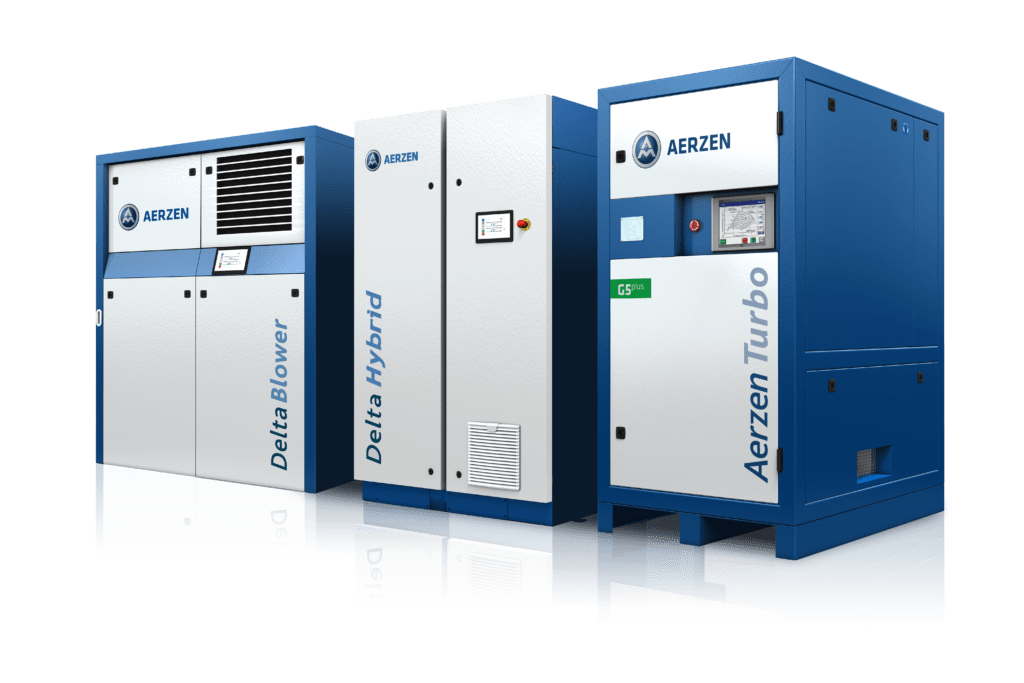
Source: AERZEN Marketing Library (HQ photography — application series)
1
Clause 1 — Response-Time Tier Schedule: 2h / 4h / 8h
Response time ที่ระบุในสัญญาเช่า Blower มาตรฐานมักเขียนว่า “vendor จะตอบสนองโดยเร็วที่สุด” หรือ “within reasonable time” — ภาษาแบบนั้นไม่มีผลบังคับใช้จริงใน critical plant context เงื่อนไขที่วัดได้ต้องระบุ Tier Schedule ที่ผูกกับประเภทของเหตุการณ์
โครงสร้าง Response-Time Tier ที่แนะนำ
| Tier | Response Time | นิยามเหตุการณ์ที่ใช้ Tier นี้ | เงื่อนไขที่ต้องระบุในสัญญา |
|---|---|---|---|
| Critical (Tier 1) | 2 ชั่วโมง | อุปกรณ์หยุดทำงาน และ backup unit ไม่พร้อมใช้ — กระบวนการผลิตหยุด | Engineer on-site หรือ remote diagnostic ภายใน 2h; ระบุชัดว่า “นับจากเวลาที่ vendor รับแจ้ง” |
| Urgent (Tier 2) | 4 ชั่วโมง | ประสิทธิภาพต่ำกว่า spec ≥20% หรือ alarm ที่ไม่กระทบ production ทันที | Remote diagnosis + action plan ภายใน 4h; ระบุ escalation path หาก 4h ผ่านไปแล้วยังไม่ resolved |
| Standard (Tier 3) | 8 ชั่วโมง (ภายในวันทำการ) | Minor fault, alarm ที่ไม่กระทบ uptime, งาน preventive maintenance ปกติ | Scheduled maintenance notification ≥48h ล่วงหน้า; ระบุ maintenance window ที่ได้รับความเห็นชอบ |
Model Contract Language — Response-Time Tier
Model Contract Language (ภาษาอังกฤษ — ใส่ลงใน RFQ Appendix A: SLA Schedule)
RESPONSE-TIME TIER SCHEDULE
Vendor shall respond to service events according to the following tier schedule, with response time
measured from the time of written or telephonic notification by Customer to Vendor:
(a) Tier 1 — Critical Failure: Equipment has ceased operation and no qualified backup unit is
operational. RESPONSE TIME: two (2) hours. Response shall include either on-site attendance
by a qualified service engineer or remote diagnosis resulting in a documented action plan.
(b) Tier 2 — Urgent Fault: Equipment is operating at less than eighty percent (80%) of rated
capacity, or an active alarm condition exists that, if unresolved, will result in Critical Failure
within twelve (12) hours. RESPONSE TIME: four (4) hours. Response shall include remote
diagnosis and a written corrective-action plan delivered to Customer.
(c) Tier 3 — Standard Service: Minor faults, alarm conditions not affecting rated output, and
scheduled preventive maintenance. RESPONSE TIME: eight (8) hours on the next business day
following notification. Preventive maintenance events require a minimum of forty-eight (48)
hours’ advance notice to Customer and shall be conducted within a maintenance window agreed
in writing.
“Response” in all tiers means the commencement of active diagnostic or remedial action, not
merely the acknowledgment of notification. Failure to meet Tier 1 or Tier 2 response times
shall trigger the Liquidated Damages provisions in Clause [X].
ข้อควรระวัง: อย่าลืมระบุว่า “response time” หมายถึงอะไร — “การรับโทรศัพท์” ไม่เท่ากับ “เริ่ม diagnose” หาก vendor ระบุเพียงว่า “ยืนยันการรับแจ้ง” แต่ไม่กำหนด time-to-action จริง ๆ เงื่อนไขนั้นมีผลบังคับใช้ได้น้อยมาก model language ด้านบนระบุชัดว่า response = “commencement of active diagnostic or remedial action”
2
Clause 2 — Replacement-Unit Guarantee
แม้ response time จะรวดเร็วเพียงใด บาง critical failure ไม่สามารถซ่อมได้ภายในชั่วโมง — ต้องใช้ spare major parts หรือในกรณีร้ายแรงต้องเปลี่ยนอุปกรณ์ทั้งชุด สัญญา critical plant ต้องมี Replacement-Unit Guarantee ที่ระบุว่าหาก repair ไม่สำเร็จภายในเวลาที่กำหนด vendor ต้องจัดหา replacement unit ที่เทียบเท่าหรือดีกว่า
ประเด็นที่ต้องระบุให้ชัดในเงื่อนไขนี้
- Trigger time: หากซ่อมไม่เสร็จภายในกี่ชั่วโมง vendor ต้องจัดหา replacement — ทั่วไปใช้ 8–24 ชั่วโมงสำหรับ critical plants
- Spec equivalency: replacement unit ต้องมีสเปคเท่ากันหรือดีกว่า — ระบุ flow rate (m³/hr หรือ NM³/hr), pressure differential (mbar หรือ bar), air quality class (ISO 8573-1 Class 0 หากจำเป็น)
- Delivery location: replacement ต้องส่งถึง site ไม่ใช่ “พร้อมส่ง ณ โรงงาน vendor” — ค่าขนส่งเป็นของ vendor
- Commissioning responsibility: vendor รับผิดชอบ commissioning + การเดินเครื่องรอบแรกของ replacement unit
Model Contract Language — Replacement-Unit Guarantee
Model Contract Language (ภาษาอังกฤษ — ใส่ลงใน RFQ Appendix A: SLA Schedule)
REPLACEMENT-UNIT GUARANTEE
If Vendor fails to return the failed Equipment to full operational condition within twenty-four (24)
hours from the time of Tier 1 notification (as defined in the Response-Time Tier Schedule), Vendor
shall deliver a fully commissioned replacement unit to the Customer’s site at Vendor’s sole cost and
expense within a further twelve (12) hours (aggregate: thirty-six (36) hours from initial notification).
The replacement unit shall meet or exceed the following minimum specifications:
(i) rated volumetric flow: not less than [RATED FLOW — to be completed by Procurement] NM³/hr;
(ii) rated pressure differential: not less than [RATED PRESSURE] mbar;
(iii) air quality class: ISO 8573-1:[YEAR] Class [CLASS] for oil-aerosol concentration.
Vendor is responsible for all transportation, installation, and commissioning of the replacement unit.
Downtime hours that exceed the thirty-six (36) hour threshold shall accrue Liquidated Damages as
set out in Clause [X], irrespective of whether a replacement unit has been delivered.
ประโยคสุดท้ายใน model language สำคัญมาก — การที่ vendor ส่ง replacement unit มาไม่ได้หยุด LD clock หาก delivery ล่าช้าเกิน 36 ชั่วโมง downtime ยังนับต่อไป เงื่อนไขนี้ป้องกัน vendor จาก “ส่งรถมาจอดแต่ยังไม่เดินเครื่อง” tactic
3
Clause 3 — Liquidated Damages Rate
Liquidated Damages (LD) คือบทลงโทษที่กำหนดไว้ล่วงหน้าในสัญญา เพื่อให้ทั้งสองฝ่ายรู้ล่วงหน้าว่าหาก vendor ไม่ปฏิบัติตาม SLA จะมีผลทางการเงินอย่างไร LD ที่ออกแบบดีไม่ใช่ “การลงโทษ vendor” แต่คือ “การประมาณการณ์ความเสียหายที่แท้จริง” ล่วงหน้า ซึ่งตามหลักกฎหมายสัญญาไทย (ประมวลกฎหมายแพ่งและพาณิชย์ มาตรา 383) ศาลมีอำนาจลด LD ลงได้หากเห็นว่าสูงเกินสมควร ดังนั้น LD ต้องสะท้อน “genuine pre-estimate of loss” อย่างสมเหตุสมผล1
ตัวอย่าง LD Structure สำหรับ Critical Plant
| SLA Breach | LD Rate (ตัวอย่าง) | Cap สูงสุด | หมายเหตุ |
|---|---|---|---|
| Tier 1 response เกินกำหนด (ทุก 1 ชั่วโมง) | 0.5% ของค่าเช่ารายเดือน / ชั่วโมง | 10% ของค่าเช่ารายเดือน | นับจากชั่วโมงที่ 3 หลัง notification |
| Replacement-unit delivery เกิน 36h | 0.5% ของค่าเช่ารายเดือน / ชั่วโมง | ต่อเนื่องจาก Tier 1 cap | LD clock ไม่หยุดเมื่อ unit ถูกส่งมา — หยุดเมื่อ unit commissioned แล้ว |
| Uptime SLA ต่ำกว่า guarantee รายเดือน | Pro-rata credit ต่อ % point ต่ำกว่า guarantee | 15% ของค่าเช่ารายปี (aggregate) | ต้องระบุ uptime measurement method ด้วย (e.g., SCADA log, vendor report) |
Model Contract Language — Liquidated Damages
Model Contract Language (ภาษาอังกฤษ — ใส่ลงใน RFQ Appendix A: SLA Schedule)
LIQUIDATED DAMAGES
The parties agree that the actual damage arising from Vendor’s failure to meet the SLA obligations
set out in this Schedule would be difficult to quantify precisely. Accordingly, the following
Liquidated Damages represent a genuine pre-estimate of the loss Customer would suffer:
(a) Response-Time Breach (Tier 1 and Tier 2): For each full hour by which Vendor’s response
exceeds the applicable Tier response time, Customer shall be entitled to a credit of
one-half of one percent (0.5%) of the Monthly Rental Fee, commencing from the expiry
of the applicable response-time window. Maximum aggregate LD under this sub-clause
shall not exceed ten percent (10%) of the Monthly Rental Fee per incident.
(b) Replacement-Unit Breach: LD under sub-clause (a) shall continue to accrue during any
period of Replacement-Unit non-availability beyond the thirty-six (36) hour threshold.
LD ceases to accrue on the hour the replacement unit achieves operational commissioned status.
(c) Uptime SLA Breach: Where Vendor’s documented uptime for Equipment in any calendar month
falls below the Guaranteed Uptime percentage specified in Schedule B, Customer shall receive
a pro-rata service credit calculated as: (Guaranteed Uptime % − Actual Uptime %) × Monthly
Rental Fee × 1.5 (multiplier for critical-plant application).
(d) Aggregate Cap: Total LD payable under this Clause shall not exceed fifteen percent (15%)
of the Annual Contract Value. This cap does not limit Customer’s right to terminate for
cause under Clause [X].
LD credits shall be applied against the next monthly invoice. Payment of LD does not constitute
an admission of liability by Vendor, nor does it limit Customer’s rights to pursue actual damages
in excess of the cap where permitted by law.
4
Clause 4 — Force Majeure Carve-Out
สัญญาเช่าอุตสาหกรรมเกือบทุกฉบับมี force majeure clause — แต่ปัญหาคือ force majeure clause มาตรฐานมักเขียนกว้างเกินไป จนทำให้ vendor ยกเป็นข้ออ้างได้ในสถานการณ์ที่จริง ๆ แล้ว vendor ควบคุมได้ Carve-out คือการระบุว่า force majeure ไม่ครอบคลุมสถานการณ์ใดบ้าง — เพื่อปกป้อง critical plant จากข้ออ้างที่ไม่สมเหตุสมผล
สิ่งที่ควรอยู่ใน Force Majeure Carve-Out ของ Critical Plant
- Spare parts shortage: การขาด spare parts ที่ vendor ควรสต็อกไว้ตามแผน preventive maintenance ไม่ใช่ force majeure — vendor มีหน้าที่วางแผน parts inventory ล่วงหน้า
- Normal operational failure: ความล้มเหลวที่เกิดจากการใช้งานหรือ maintenance ปกติ (เช่น bearing wear ตามอายุ) ไม่ใช่ force majeure
- Subcontractor failure: หาก vendor ใช้ subcontractor และ subcontractor ล้มเหลว นั้นคือ vendor’s operational risk ไม่ใช่ force majeure
- Currency/cost fluctuation: การเปลี่ยนแปลงของราคา spare parts หรืออัตราแลกเปลี่ยน ไม่ใช่ force majeure สำหรับ SLA obligations
Model Contract Language — Force Majeure Carve-Out
Model Contract Language (ภาษาอังกฤษ — ใส่ลงใน RFQ Appendix A: SLA Schedule)
FORCE MAJEURE — CRITICAL PLANT CARVE-OUT
Notwithstanding any general force majeure provision in this Agreement, the following events shall
NOT constitute Force Majeure for the purposes of Vendor’s SLA obligations under this Schedule:
(i) Shortage, delay, or unavailability of spare parts, consumables, or replacement units where
Vendor, exercising reasonable planning and prudent inventory management, could have
maintained adequate stock to meet its SLA obligations;
(ii) Failure or fault of any Equipment arising from normal wear and tear, inadequate preventive
maintenance, or causes attributable to Vendor’s own acts or omissions;
(iii) Failure, default, or delay by any subcontractor, sub-supplier, or third party engaged by
Vendor to perform any part of its SLA obligations, where such third party was selected and
managed by Vendor;
(iv) Fluctuations in currency exchange rates, material costs, or labour costs that affect Vendor’s
cost of performance but do not prevent performance;
(v) Congestion, restrictions, or delays on public roads or transportation networks that are
reasonably foreseeable given the geographic location of the Customer’s site and Vendor’s
declared service coverage zone.
For clarity, Force Majeure under this Agreement is limited to events that are unforeseeable, outside
the reasonable control of Vendor, and which Vendor could not have prevented or mitigated by
reasonable advance planning. Vendor shall notify Customer in writing within four (4) hours of becoming
aware of any Force Majeure event, failing which Vendor may not rely on Force Majeure as an excuse
for SLA non-performance.
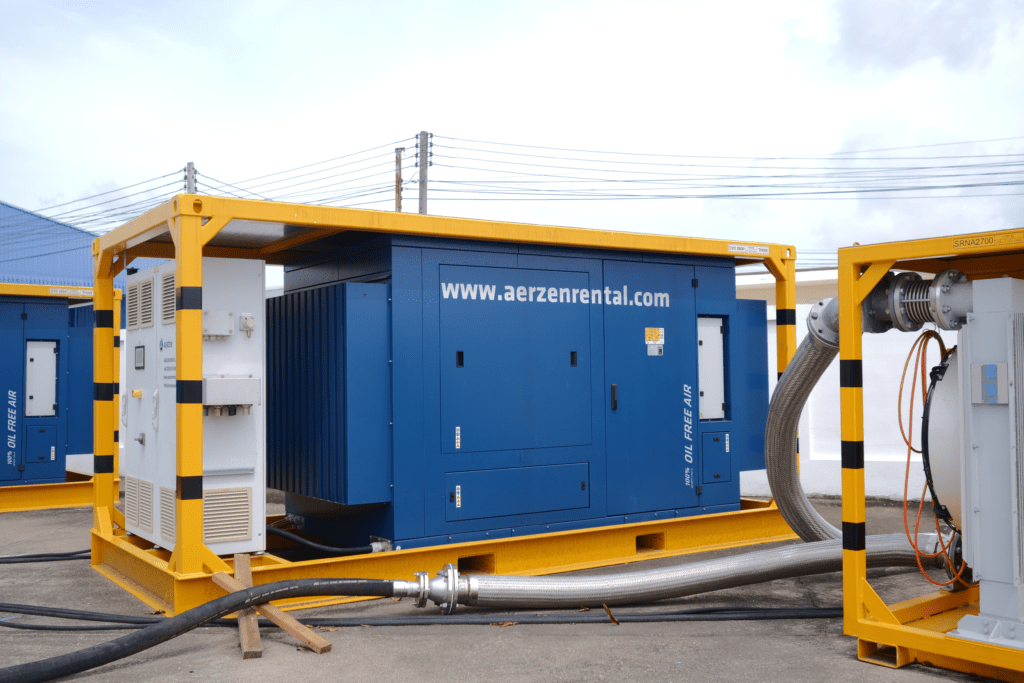
ประเด็นที่สำคัญที่สุดใน carve-out คือ item (i) — spare parts shortage. ใน practice บริษัทเช่าอุปกรณ์อุตสาหกรรมที่มีมาตรฐานสูงจะมี critical spare parts สต็อกไว้ล่วงหน้าเสมอ ไม่ใช่ “สั่งเมื่อพัง” AERZEN Rental Thailand ออกแบบ service package ด้วย parts buffer ที่สอดคล้องกับ scheduled maintenance intervals ของ BVO, BVS, TVO และ AT series
— AERZEN Rental Thailand service operations practice
— AERZEN Rental Thailand service operations practice
5
Clause 5 — Performance Bond Requirement
Performance Bond คือ financial security ที่ vendor วาง เพื่อรับประกันว่าหาก vendor ไม่สามารถปฏิบัติตามสัญญาได้ Customer สามารถ draw down bond นั้นเพื่อชดเชยความเสียหายโดยไม่ต้องฟ้องร้อง Performance Bond มีความสำคัญเป็นพิเศษสำหรับ critical plants ที่สัญญามีมูลค่าสูงและ downtime มีต้นทุนสูง
รูปแบบ Performance Bond ที่ยอมรับได้
| รูปแบบ | ข้อดี | ข้อควรพิจารณา |
|---|---|---|
| Bank Guarantee (หนังสือค้ำประกันธนาคาร) | Unconditional, เรียกได้ทันที, ยอมรับทั่วไป | Vendor ต้องมี credit line กับธนาคาร — อาจมีต้นทุน 0.5–1.5% ต่อปีสำหรับ vendor |
| Standby Letter of Credit (SBLC) | International standard, flexible, ออกโดยธนาคารที่ยอมรับ | ต้องระบุ issuing bank ที่ยอมรับได้ใน contract; SBLC terms ต้องสอดคล้องกับ UCP 600 |
| Performance Deposit (Cash) | ง่ายที่สุด ไม่ต้องประสานงานธนาคาร | Vendor อาจปฏิเสธ เพราะ lock up cash; ต้องระบุ interest-bearing account และ refund mechanism |
Model Contract Language — Performance Bond
Model Contract Language (ภาษาอังกฤษ — ใส่ลงใน RFQ Appendix A: SLA Schedule)
PERFORMANCE BOND
Prior to the Equipment Delivery Date, Vendor shall provide Customer with a Performance Bond in
the form of an unconditional bank guarantee or standby letter of credit, issued by a reputable
bank acceptable to Customer, in an amount equal to ten percent (10%) of the Annual Contract Value
(“Performance Bond Amount”).
The Performance Bond shall:
(i) remain valid for the full Contract Term plus thirty (30) calendar days;
(ii) be payable on Customer’s first written demand, without any conditions other than a written
statement by Customer that Vendor is in breach of its material obligations under this Agreement;
(iii) be renewed or replaced by Vendor not less than thirty (30) days before the expiry of any
current Performance Bond, failing which Customer may draw down the expiring bond and
hold the proceeds as security until a replacement is provided.
Customer may draw on the Performance Bond in whole or in part to recover:
(a) Liquidated Damages amounts that Vendor has failed to credit within thirty (30) days of accrual;
(b) Costs reasonably incurred by Customer to procure emergency alternative equipment following
Vendor’s failure to meet Replacement-Unit Guarantee obligations;
(c) Any other damages Customer has suffered as a direct result of Vendor’s material breach of
this Agreement, up to the Performance Bond Amount.
The Performance Bond is not the exclusive remedy of Customer and does not limit Customer’s right
to claim damages in excess of the bond amount pursuant to applicable law.
Checklist: ใส่ 5 Clause นี้ลงใน RFQ อย่างไร
เมื่อ Procurement จัดทำ RFQ (Request for Quotation) สำหรับ Blower/Compressor Rental ใน critical plant บทความแนะนำให้แนบ Appendix A: SLA Schedule พร้อม 5 clauses นี้เป็น non-negotiable requirement ไม่ใช่ optional — และขอให้ vendor ลงนามยืนยันในเอกสาร bid ว่ายอมรับทุกข้อ ก่อนที่ procurement จะพิจารณา bid นั้น
| # | Clause | ใส่ใน RFQ อย่างไร | Compliance Check |
|---|---|---|---|
| 1 | Response-Time Tier Schedule | Appendix A, Section 1: แนบ tier table + model language; ขอให้ vendor fill in รายละเอียด on-call roster | Vendor sign-off บน Appendix A ก่อน award |
| 2 | Replacement-Unit Guarantee | Appendix A, Section 2: ระบุ rated spec ของ equipment ที่ต้องการ; vendor ยืนยัน replacement unit availability ใน zone | ตรวจสอบ vendor’s replacement inventory pre-award (site visit) |
| 3 | Liquidated Damages Rate | Appendix A, Section 3: กำหนด LD rate และ cap ให้ชัด; ขอให้ vendor ยืนยันว่า LD ไม่ conflict กับ general T&C | Legal review ก่อน sign — ตรวจ conflict กับ vendor’s standard LD clause |
| 4 | Force Majeure Carve-Out | Appendix A, Section 4: แนบ carve-out list; ขอให้ vendor ยืนยันว่ายอมรับ carve-out ทั้งหมด (ไม่ใช่แค่ general FM clause) | Legal review: ตรวจว่า carve-out ไม่ขัดกับ vendor’s boilerplate FM |
| 5 | Performance Bond | Main Contract, Section [X]: ระบุ bond amount = 10% ของ Annual Contract Value; ขอ draft bank guarantee wording ในขั้นตอน clarification | ตรวจสอบ bank guarantee ก่อน Equipment Delivery Date |
เคล็ดลับในทางปฏิบัติ: แจ้ง vendor ล่วงหน้าตั้งแต่ขั้น pre-bid meeting ว่าสัญญาจะมี 5 clauses เหล่านี้เป็น non-negotiable — เพื่อให้ vendor ที่ไม่สามารถรับเงื่อนไขได้ถอนตัวออกก่อน ไม่เสียเวลาทั้งสองฝ่าย vendor ที่แข็งแกร่งด้าน service จะไม่มีปัญหากับเงื่อนไขเหล่านี้ เพราะพวกเขาทำได้อยู่แล้ว
Source: AERZEN Group Official YouTube Channel (@AERZENGroup)
คำถามที่พบบ่อย (FAQ)
Liquidated damages rate ที่สมเหตุสมผลในสัญญาเช่า Blower สำหรับ critical plant คือเท่าใด?
แนวปฏิบัติในอุตสาหกรรมระบุว่า LD rate ที่สมเหตุสมผลสำหรับ critical process air อยู่ที่ 0.1–0.5% ของค่าเช่ารายเดือนต่อชั่วโมงที่เกินกำหนด SLA โดยมี aggregate cap รวมไม่เกิน 10–15% ของมูลค่าสัญญารายปี LD ต้องสะท้อน “genuine pre-estimate of loss” ตามหลักกฎหมายสัญญาไทย (ป.พ.พ. มาตรา 383) มิฉะนั้นอาจถูกศาลลดลงได้ การทำ pre-contract cost analysis เพื่อประมาณ cost of downtime ต่อชั่วโมงของ plant จะช่วยให้ LD rate มีฐานการพิสูจน์ที่ชัดเจน
Response-time tier 2 ชั่วโมงสำหรับ Blower rental ทำได้จริงหรือไม่?
AERZEN Rental Thailand รองรับ response time 2 ชั่วโมงสำหรับ plants ในรัศมี EEC (Chonburi, Rayong, Chachoengsao) โดยต้องมีการกำหนด site location ใน Scope of Work ก่อนลงนาม สำหรับ plants นอก EEC อาจต้องใช้ tier 4 ชั่วโมงหรือ 8 ชั่วโมง ขึ้นอยู่กับระยะทางและ parts availability ติดต่อ 098-323-2626 เพื่อยืนยัน zone coverage ก่อนระบุ tier ใน RFQ
Force majeure carve-out ในสัญญาเช่าครอบคลุมอะไรบ้าง?
Force majeure carve-out ที่เขียนได้มาตรฐานสำหรับ critical plants ควรระบุว่า ไม่ครอบคลุม: (1) shortage ของ spare parts ที่ vendor ควรสต็อกล่วงหน้า (2) ความล้มเหลวจาก normal wear and tear หรือ inadequate maintenance (3) ความล้มเหลวของ subcontractor ที่ vendor เลือกและจัดการเอง (4) cost fluctuation ด้าน parts หรือ labour และ (5) traffic congestion ที่คาดการณ์ได้ในพื้นที่ให้บริการ Force majeure จริง ๆ จำกัดอยู่ที่เหตุการณ์ที่ไม่อาจคาดการณ์ได้และอยู่นอกการควบคุมของ vendor อย่างสมเหตุสมผล
Performance bond สำหรับสัญญาเช่า Blower ควรมีมูลค่าเท่าใด?
Performance bond ที่ใช้ในอุตสาหกรรม EPC และ Industrial Service มักอยู่ที่ 5–10% ของมูลค่าสัญญารายปี สำหรับ critical plants ที่ downtime มีต้นทุนสูงมาก อาจขอเพิ่มได้ถึง 15% Bond อาจอยู่ในรูปแบบ unconditional bank guarantee หรือ standby letter of credit จากธนาคารที่ยอมรับ ระยะเวลา bond ควรครอบคลุมสัญญาบวก 30 วันหลังสิ้นสุด เพื่อให้ Customer มีเวลา claim หากมีการ breach ใน final period
5 clauses เหล่านี้แตกต่างจาก SLA มาตรฐานในสัญญาเช่าทั่วไปอย่างไร?
SLA มาตรฐานในสัญญาเช่า Blower ทั่วไปมักมี response time เดียว (เช่น “24 ชั่วโมง”), ไม่มี replacement-unit guarantee ที่มี trigger time ชัดเจน, LD clause ที่ “soft” หรือไม่มีเลย, FM clause กว้างที่ครอบ spare parts shortage ด้วย และไม่มี performance bond เลย 5 clauses ในบทความนี้ออกแบบสำหรับ critical plants โดยเฉพาะ — plants ที่ downtime แม้ 2 ชั่วโมงอาจมีต้นทุนมากกว่ามูลค่าสัญญาเช่าหลายเดือน สำหรับ plants ทั่วไปที่ไม่ใช่ critical process อาจใช้ SLA ที่ผ่อนคลายกว่านี้ได้
พร้อมระบุ SLA ใน RFQ ของคุณหรือยัง?
ทีมวิศวกรรมและ commercial ของ AERZEN Rental Thailand พร้อมช่วยตรวจสอบ SLA requirements ของ plant คุณ — และยืนยันว่า service zone, response-time tier, และ replacement-unit availability ตรงกับความต้องการ critical uptime ของกระบวนการผลิตคุณ
Rent a solution. Expect performance.
- ประมวลกฎหมายแพ่งและพาณิชย์ มาตรา 383 — “ถ้าเบี้ยปรับที่ริบนั้นสูงเกินส่วน ศาลจะลดลงเป็นจำนวนพอสมควรก็ได้” ในการออกแบบ LD clause จึงต้องมี rationale ที่ชัดเจนสนับสนุน rate ที่กำหนด (↑)
- UNIDO Industrial Equipment Leasing Guidance (2019) — “SLA frameworks for critical infrastructure rental must include defined response tiers, replacement protocols, and verifiable uptime measurement mechanisms.” (unido.org)
- ISO 8573-1:2010 — International Standard for Compressed Air Quality — Class 0 oil-aerosol limit: < 0.01 mg/m³. Class 0 is more stringent than Class 1 (0.01–0.1 mg/m³). (iso.org/standard/46319)