คู่มือออกแบบและคำนวณขนาด Blower & Compressor สำหรับโรงงานอุตสาหกรรม
Industrial Blower & Compressor System Design and Sizing Guide
- การคำนวณ flow rate (Nm³/hr) และ differential pressure คือรากฐานของการเลือกเครื่องที่ถูกต้อง — ข้ามขั้นตอนนี้แล้วเครื่องที่ได้จะ oversized หรือ undersized
- เงื่อนไขสภาพอากาศเขตร้อน (35–42°C, RH 70–90%) ต้องถูก factor เข้าใน inlet air correction ก่อนเสมอ — ไม่ใช่ค่า standard ISO 1217
- N+1 redundancy และ lead/lag control ไม่ใช่ option สำหรับ critical process — มันคือการออกแบบที่รับผิดชอบต่อ uptime
การออกแบบระบบ blower สำหรับอุตสาหกรรมที่ถูกต้องเริ่มจากการกำหนด actual volumetric flow rate ที่ inlet conditions ของสถานที่ติดตั้ง — ไม่ใช่ค่า nominal ในเอกสารออกแบบ ในไทย อุณหภูมิ 35–42°C และความชื้นสัมพัทธ์ 70–90% ทำให้ density ของอากาศต่ำกว่า ISO standard 20°C/65% RH ประมาณ 6–10% ซึ่งส่งผลโดยตรงต่อทั้ง flow และ shaft power ที่ต้องการ AERZEN ออกแบบ blower มาตั้งแต่ปี 1864 และ application engineering ของเราพร้อม consult ตั้งแต่ขั้นตอน sizing ก่อนการตัดสินใจเช่า
1. คำนวณ Flow Rate (Nm³/hr) และ Differential Pressure สำหรับแต่ละ Application
ก่อนเลือก blower หรือ compressor ทุกครั้ง ทีมวิศวกรต้องกำหนดพารามิเตอร์สองตัวให้ชัดเจน: volumetric flow rate ที่ conditions ของ inlet จริง และ differential pressure ที่ระบบต้องการเอาชนะ ทั้งสองตัวมีหน่วยและวิธีคำนวณที่แตกต่างกันตาม application
1.1 WWTP Aeration — คำนวณจาก DO Demand
สำหรับระบบเติมอากาศบ่อ (aeration basin) ใน wastewater treatment plant การคำนวณ air flow ใช้ oxygen transfer efficiency ของ diffuser เป็นฐาน:
Air Flow (Nm³/hr) = (BOD load kg/day × O₂ demand factor) ÷ (SOTE × 0.231 × 24)
โดย SOTE (Standard Oxygen Transfer Efficiency) ของ fine-bubble diffuser ทั่วไปอยู่ที่ 20–35% ขึ้นอยู่กับความลึกบ่อและ diffuser density — ค่า 0.231 = สัดส่วน O₂ ในอากาศ (23.1% โดยน้ำหนัก)
Differential pressure ของระบบ aeration กำหนดโดยความลึกของ diffuser บวก friction loss ใน piping และ diffuser head loss โดยทั่วไปอยู่ที่ 400–700 mbar สำหรับ fine-bubble diffuser ที่ความลึก 4–6 เมตร
1.2 Pneumatic Conveying — คำนวณจาก Material Transport Requirement
ระบบ pneumatic conveying แบ่งเป็น dilute-phase (high velocity, low pressure) และ dense-phase (low velocity, high pressure) การคำนวณ air flow ต้องได้จาก conveying velocity ที่ต้องการและ cross-sectional area ของท่อ:
Q (m³/s) = Vc × (π/4) × D²
Vc = conveying velocity (m/s) — dilute phase: 15–28 m/s, dense phase: 3–8 m/s; D = pipe internal diameter (m)
Pressure drop รวมของระบบต้องคำนวณรวม: static pressure จาก material column, acceleration pressure, friction loss ในท่อ elbow และ air-only sections ซึ่งโดยรวมแล้ว dilute-phase system ทั่วไปต้องการ differential pressure 0.3–0.7 bar(g) ขณะที่ dense-phase อาจสูงถึง 1.5–3.5 bar(g)
1.3 Process Air (General Industrial)
สำหรับ process air ทั่วไป (instrument air, process cooling air, fluidization) ให้กำหนด flow requirement จาก simultaneous demand analysis — ผลรวมของทุก consumer ที่จะเดินพร้อมกัน บวก 15–20% design margin สำหรับ future expansion และ leakage allowance การกำหนด pressure level ต้องมาจาก highest-pressure consumer ในระบบ บวก distribution pressure drop (ปกติ 0.05–0.1 bar)
| Application | Flow Range (Nm³/hr) | Differential Pressure | Key Design Basis |
|---|---|---|---|
| WWTP Aeration | 500 – 15,000 | 400 – 700 mbar | BOD load + SOTE of diffuser + basin depth |
| Dilute-Phase Pneumatic Conveying | 300 – 8,000 | 0.3 – 0.7 bar(g) | Conveying velocity + pipe diameter + material density |
| Dense-Phase Pneumatic Conveying | 100 – 2,000 | 1.5 – 3.5 bar(g) | Solid/gas ratio + pipe length + bend count |
| Process Air / Instrument Air | 200 – 12,000 | 0.6 – 1.0 bar(g) | Simultaneous demand + leakage + future expansion |
| Biogas Compression | 200 – 5,000 | 50 – 500 mbar | Gas volume from digester + back-pressure of downstream |
ค่าทั้งหมดในตารางเป็น nominal range at standard ISO 1217 conditions (20°C, 1 bar abs, 0% RH) — ก่อนนำไปใช้จริงในประเทศไทยต้องทำ tropical inlet correction ตามส่วนถัดไป
2. Inlet Air Correction สำหรับสภาพอากาศเขตร้อน (35–42°C, RH 70–90%)

ประเทศไทยมีสภาพอากาศร้อนชื้นที่ไม่ตรงกับ ISO 1217 standard conditions (20°C, 1 bar abs, 0% RH) ซึ่งเป็นฐานที่ manufacturer ใช้ระบุ performance ใน datasheet ทีมวิศวกรต้องคำนวณ correction factor ก่อนทุกครั้ง
ที่อุณหภูมิ 40°C และ RH 80% อากาศมี density ต่ำกว่า ISO standard ถึง 8–10% หมายความว่าถ้า size blower จากค่า datasheet โดยไม่ correct จะได้ mass flow ต่ำกว่าที่ process ต้องการ 8–10% ทุกชั่วโมงที่เครื่องทำงาน
Qactual = Qstd × (Tactual / Tstd) × (Pstd / Pactual) × (1 – φ × Psat/Patm)-1
T ใน Kelvin; Psat = saturated vapor pressure ที่ Tactual; φ = relative humidity (decimal); โดยทั่วไปสำหรับ Rayong/Chon Buri ที่ summer peak ค่า correction factor รวมอยู่ที่ 1.07–1.12 เมื่อเทียบกับ ISO standard
Inlet pre-treatment ที่แนะนำสำหรับไทย:
- Inlet filter — MERV 11 หรือดีกว่า สำหรับพื้นที่ที่มีฝุ่นละอองสูง (เขตอุตสาหกรรม, ก่อสร้าง) เปลี่ยนไส้กรองตาม differential pressure indicator ไม่ใช่ตามเวลา
- Moisture separator / cyclone separator — ก่อน inlet ใน application ที่ไม่ต้องการน้ำเข้าระบบ (pneumatic conveying, process air)
- Inlet silencer — ลด noise ที่ inlet จาก 85–95 dB(A) ลงสู่ระดับปลอดภัย ตาม CAGI (Compressed Air and Gas Institute) guidelines
- Shaded / ventilated enclosure — พื้นที่ติดตั้งต้องมีอากาศระบายเพียงพอ อุณหภูมิรอบเครื่องต้องต่ำกว่า 40°C เพื่อไม่ให้ motor thermal protection trip
3. Selection Tree: BVO / BVS / Delta Hybrid / TVO — เลือกตาม Pressure Ratio และ Duty Cycle
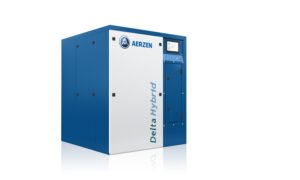
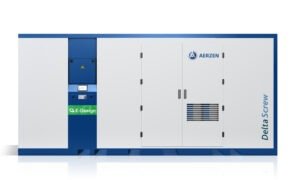
AERZEN ผลิต positive displacement blower และ compressor ครอบคลุม pressure range กว้าง ทำให้ application engineering สำคัญมาก — เครื่องที่เหมาะกับ aeration บ่อน้ำเสียไม่ใช่เครื่องเดียวกับที่ใช้ส่งผงผ่านท่อระยะ 200 เมตร ข้อมูล technical specification เพิ่มเติมของแต่ละ series ดูได้ที่ AERZEN Product Range (aerzen.com)
Model ที่แนะนำ
เหตุผลทางวิศวกรรม
Flow สูง, duty cycle ต่อเนื่อง
(WWTP, aeration, fermentation)
ต้องการ efficiency สูง
(process air, biogas, fish farming aeration)
Pressure ratio 1.4–2.5 bar absolute
ต้องการ turndown ratio กว้าง
ต้องการ oil-free air ISO 8573-1 Class 0
(process air, instrument air, pneumatic conveying, electronics)
AT (AerzenTurbo centrifugal blower) เหมาะสำหรับ flow สูงมาก (>10,000 Nm³/hr) ที่ pressure ต่ำ (<0.9 bar(g)) เช่น large-scale WWTP และ industrial cooling — สอบถาม application team เพิ่มเติมสำหรับ sizing ที่ขนาดนี้
4. Layout, Foundation และ Piping Design ในสภาพอากาศเขตร้อน
การออกแบบ machine room และ foundation ที่ดีมีผลโดยตรงต่อ reliability และ maintenance cost ตลอดอายุการใช้งาน ต่อไปนี้คือ minimum requirement ตาม AERZEN application engineering guidelines:
| องค์ประกอบ | Minimum Requirement | เหตุผล / หมายเหตุ |
|---|---|---|
| ระยะห่างรอบเครื่อง | 600 mm (lateral) · 1,000 mm (drive end) | ต้องเข้าถึง coupling, belt, bearing ได้โดยไม่เคลื่อนย้ายเครื่อง |
| Foundation concrete grade | C25/30 minimum (fck ≥ 25 N/mm²) | รับ dynamic load จาก rotary lobe; ห้ามใช้ screed floor เป็น foundation |
| Anti-vibration mounting | Spring isolators หรือ rubber mounts ตาม machine weight และ RPM | ลด structure-borne vibration ส่งไปยังอาคาร; ตรวจสอบ natural frequency ≠ operating speed |
| Inlet piping velocity | ≤ 12 m/s | ความเร็วสูงกว่านี้เพิ่ม pressure drop และ noise อย่างมีนัยสำคัญ |
| Discharge piping velocity | ≤ 20 m/s | เกินนี้ทำให้ energy loss สูงและ surge risk เพิ่ม |
| Flexible connection | ทั้ง inlet และ discharge — fabric หรือ stainless bellows | ป้องกัน piping stress ส่งกลับเข้า blower casing |
| Receiver tank | ≥ 1 m³ ต่อ 100 Nm³/hr flow rate (guideline) | Dampen pulsation; ลด motor start frequency; buffer demand spikes |
| Ventilation อาคาร | อุณหภูมิภายในห้องเครื่อง ≤ 40°C · air change rate ≥ 20/hr | ป้องกัน motor thermal overload ในสภาพอากาศเขตร้อน |
Piping material: สำหรับ oil-free air application (TVO/BVS/Delta Hybrid) ใช้ galvanized steel หรือ stainless steel ตลอดระบบ — ห้ามใช้ galvanized pipe กับ biogas (H₂S ทำลาย galvanizing) ให้ใช้ carbon steel หรือ HDPE แทน
5. N+1 Redundancy Design และ Lead/Lag Control Logic
สำหรับ critical process ที่ downtime มีต้นทุนสูง — WWTP ที่มีภาระผูกพันตามกฎหมาย, pneumatic conveying ที่หยุดไม่ได้กลางล็อต, process air สำหรับอุปกรณ์ควบคุม — N+1 redundancy ไม่ใช่ทางเลือกที่เพิ่มต้นทุน แต่เป็นการออกแบบที่รับผิดชอบ
หลักการ N+1: ถ้าระบบต้องการ N units เพื่อรองรับ design load ให้ติดตั้ง N+1 units โดย unit ที่ N+1 เป็น standby อัตโนมัติ ทำให้สูญเสีย unit ใด unit หนึ่งได้โดยไม่กระทบ production
Lead/Lag Control Logic
- Lead unit: เครื่องที่ start ก่อนและรับ load หลัก — ควร rotate ทุก 24–168 ชั่วโมงเพื่อให้ running hours สมดุลระหว่าง units
- Lag unit: standby ที่ auto-start เมื่อ lead unit fault หรือเมื่อ system pressure ลดลงต่ำกว่า setpoint
- Changeover condition: กำหนด low-pressure trip setpoint ≥ 5% ต่ำกว่า operating pressure — ต้องตอบสนองภายใน 10–30 วินาที ขึ้นอยู่กับ system volume
- Common alarm panel: fault ของ lead unit ต้องส่ง signal ทั้ง local alarm และ SCADA/DCS ก่อน lag unit start — เพื่อให้ทีม maintenance รับรู้และตรวจสอบสาเหตุ
สำหรับ rental scenario: AERZEN Rental Thailand สามารถจัดส่ง matched-pair units พร้อม pre-wired control panel ที่รองรับ lead/lag logic ในรูปแบบ all-inclusive Subscription Plan ซึ่งรวม maintenance และ standby response 24/7 ไว้แล้ว — ติดต่อทีม application engineering เพื่อ consult ก่อนตัดสินใจ design
6. กรณีศึกษา: WWTP EEC ขนาด 10,000 m³/day — Blower Sizing Checklist 8 ข้อ
โรงบำบัดน้ำเสียอุตสาหกรรม — เขตพัฒนาพิเศษภาคตะวันออก (EEC)
ตัวอย่างสถานการณ์สังเคราะห์เชิงจำลอง (Synthetic Illustrative Scenario) — ไม่ใช่ case study ของโครงการจริง สร้างขึ้นเพื่ออธิบายกระบวนการ sizing และ selection ที่ถูกต้อง
m³/day capacity
Peak inlet temp (EEC summer)
Redundancy required
Diffuser depth
Blower Sizing Checklist — 8 ข้อก่อนสั่งเช่า
- กำหนด BOD/COD load ที่ design condition (peak + average) — อย่าใช้เพียง average เพราะ peak aeration demand อาจสูงกว่า 150–180% ของ average สำหรับ industrial wastewater
- คำนวณ O₂ demand และ SOTR ที่ต้องการ — โดยใช้ SOTE ของ diffuser type ที่เลือก (fine-bubble membrane: 25–35%, coarse-bubble: 8–15%)
- Convert to actual air flow rate ที่ site conditions — ใช้ inlet correction formula สำหรับ Chon Buri / Rayong (40–42°C peak, RH 75–85%); typical correction factor 1.09–1.12
- คำนวณ system pressure — diffuser submergence pressure + diffuser head loss + piping friction loss + inlet filter drop = total differential pressure required
- เลือก machine type จาก Selection Tree — สำหรับ WWTP 6 m basin depth: differential pressure ~600–650 mbar → BVO (Roots blower) เหมาะสม; หากต้องการ VSD energy saving → BVS หรือ Delta Hybrid
- ยืนยัน N+1 configuration — โรงบำบัด 10,000 m³/day: กำหนด N=2 duty units (แต่ละตัวรับ 60% load เมื่อทำงานคู่) + 1 standby; duty+standby ratio 2:1 ให้ความยืดหยุ่นในการ maintain โดยไม่ลด capacity
- ออกแบบ layout และ foundation — ตรวจสอบ machine room ventilation (อุณหภูมิ ≤ 40°C), inlet duct sizing, flexible connection, receiver tank position, และ drain point สำหรับ condensate ในสภาพอากาศชื้น
- กำหนด monitoring และ control requirement — DO sensor feedback สำหรับ auto-modulation ของ blower speed (ผ่าน VSD); high-temp alarm; vibration monitoring สำหรับ early bearing wear detection; lead/lag auto-changeover timer
ผลลัพธ์จากการ sizing ที่ถูกต้อง: สำหรับโรงบำบัด 10,000 m³/day ที่ BOD influent 250 mg/L และ SOTE 28% ค่า air flow ที่ต้องการอยู่ที่ประมาณ 4,800–5,500 Nm³/hr (at site conditions) — configuration ที่เหมาะสมคือ BVO units ขนาด 2,500–3,000 Nm³/hr จำนวน 3 ตัว (2 duty + 1 standby) พร้อม VSD บน duty units สำหรับ energy optimization
7. คำถามที่พบบ่อย (FAQ)
ความแตกต่างระหว่าง Nm³/hr และ m³/hr คืออะไร และควรใช้หน่วยใดในการ spec?
Nm³/hr (Normal cubic metre per hour) คือ flow rate ที่ reference กลับไปที่ standard conditions (0°C, 1.01325 bar abs, 0% RH ตาม DIN 1343) — เป็นหน่วยที่ใช้เปรียบเทียบ performance ระหว่าง machines ได้ตรงไปตรงมา เพราะตัดผลของอุณหภูมิและความดันออก
m³/hr (actual) คือ volumetric flow ที่ operating conditions จริง — ค่านี้จะเปลี่ยนตามอุณหภูมิและความดัน ณ จุด measurement
ในการ spec เครื่องสำหรับไทย ให้ระบุทั้งสองค่า: Nm³/hr สำหรับ process requirement และ m³/hr ที่ site conditions สำหรับ hydraulic sizing ของ blower และ piping แนะนำให้ใช้ DIN 1343 definition ในเอกสาร spec ไม่ใช่ SCFM (American standard ที่ใช้ reference 60°F ซึ่งต่างจาก DIN)
เมื่อไรควรเลือก oil-free compressor (TVO) แทน blower (BVO/BVS) สำหรับ process air?
เลือก TVO (oil-free screw compressor) เมื่อ application ต้องการ pressure >1.5 bar(g) และ/หรือต้องการ air quality ระดับ ISO 8573-1 Class 0 (zero oil carryover, <0.01 mg/m³) ตัวอย่าง: instrument air สำหรับ control valves, process air ที่สัมผัสผลิตภัณฑ์โดยตรงในอุตสาหกรรมอาหาร, electronics หรือ semiconductor
BVO/BVS เหมาะกับ pressure <1.5 bar(g) เช่น WWTP aeration, aquaculture, biogas mixing ที่ไม่มีข้อกำหนด oil-free class
ถ้าต้องการทั้ง pressure สูงและ oil-free: TVO คือคำตอบเดียว — อย่าพยายาม boost pressure ของ BVO เกิน design limit เพราะ temperature rise และ seal wear จะเพิ่มขึ้นอย่างมาก
Receiver tank มีขนาดเท่าไรที่เหมาะสม และจำเป็นแค่ไหน?
Receiver tank มีประโยชน์หลัก 3 ประการ: (1) dampen pulsation จาก positive displacement blower, (2) buffer peak demand ที่สั้นกว่า start-stop cycle ของ compressor, (3) ลด motor start frequency ซึ่ง extend motor life
Guideline sizing: ≥ 1 m³ ต่อ 100 Nm³/hr สำหรับ low-pressure blower system (ไม่เกิน 1 bar) และ ≥ 0.5 m³ ต่อ kW สำหรับ compressor system สูงกว่า 1 bar(g)
สำหรับ WWTP aeration system ที่ flow สม่ำเสมอ receiver อาจไม่จำเป็น แต่สำหรับ pneumatic conveying ที่ demand pulse เป็นรอบ receiver เป็น essential component
AERZEN Rental Thailand ให้เช่าพร้อม engineering support สำหรับ sizing และ commissioning หรือเปล่า?
ใช่ — ทีม application engineering ของ AERZEN Rental Thailand พร้อม consult ตั้งแต่ขั้นตอน sizing ก่อนการตัดสินใจเช่า บริการรวม: (1) on-site assessment เพื่อวัด actual conditions, (2) sizing calculation review, (3) selection recommendation พร้อม technical rationale, (4) commissioning และ load testing หลัง delivery
Subscription Plan ของเรา (all-inclusive) รวม preventive maintenance, emergency response 24/7, และ performance monitoring ตลอดระยะสัญญา — ทำให้ทีมวิศวกรของโรงงานไม่ต้องรับผิดชอบ blower maintenance โดยตรง
ติดต่อทีม: 098-323-2626 (Hotline 24/7) หรือ thai@aerzenrental.com
Foundation ของเครื่องเช่าต้องเตรียมพิเศษอย่างไร เปรียบกับเครื่องที่ซื้อถาวร?
Requirement ด้าน foundation ของ rental unit เหมือนกับ permanent installation ทุกประการ — concrete grade, levelness tolerance (≤ 1 mm/m), anchor bolt pattern ทั้งหมดต้องตรงตาม AERZEN installation manual เนื่องจาก vibration load ไม่ต่างกันระหว่างเครื่องเช่าและเครื่องซื้อ
สิ่งที่ต่างคือการวางแผน: สำหรับ rental ที่มี end date ควรใช้ removable anchor system (anchor bolt แบบ chemical anchor ที่ cut flush ได้) แทน cast-in type เพื่อให้ restore foundation ได้ง่ายหลังคืนเครื่อง ทีม AERZEN สามารถให้ foundation drawing ก่อน delivery เพื่อให้โรงงานเตรียมล่วงหน้า
Delta Hybrid Screw Blower เหมาะกับ application ใดโดยเฉพาะ และต่างจาก BVS อย่างไร?
Delta Hybrid ออกแบบมาสำหรับ application ที่ load เปลี่ยนแปลงมาก ตลอดวัน ตัวอย่าง: WWTP ที่ aeration demand ขึ้นอยู่กับ diurnal load variation (สูงช่วงกลางวัน ต่ำช่วงกลางคืน), โรงงานที่มี batch process ทำให้ demand เป็นรอบ
BVS (Screw Blower) เหมาะกับ flow ที่ค่อนข้างคงที่ที่ efficiency ดีกว่า BVO แต่ถ้า load ลดลงต่ำกว่า 50% BVS จะ less efficient กว่า Delta Hybrid ที่ออกแบบมาเพื่อ part-load performance โดยเฉพาะ ถ้าโรงงานไม่แน่ใจว่า load profile จะเป็นอย่างไร Delta Hybrid เป็น safe choice ที่ versatile กว่า
ถ้าต้องการเช่าแบบฉุกเฉิน (emergency rental) AERZEN สามารถ deliver ได้เร็วแค่ไหน?
AERZEN Rental Thailand มี fleet สำรองในพื้นที่ EEC สำหรับ emergency mobilization ภายใน 24–48 ชั่วโมง นับจากการยืนยัน spec และ site conditions การตอบสนองเร็วขึ้นอยู่กับ: ความพร้อมของ unit ที่ตรงกับ spec, ระยะทางจาก depot, และความสมบูรณ์ของข้อมูล site ที่ทีมได้รับ
เพื่อ minimize lead time ในกรณีฉุกเฉิน ควรมีข้อมูลพร้อม: (1) flow rate ที่ต้องการ, (2) discharge pressure, (3) power supply (V/Hz/phase), (4) access route dimensions สำหรับ truck delivery ติดต่อ Hotline 24/7: 098-323-2626
ISO 8573-1 Class 0 กับ Class 1 ต่างกันอย่างไร และ application ใดต้อง Class 0?
ISO 8573-1:2010 กำหนด air purity class ตามปริมาณ solid particle, moisture (pressure dewpoint), และ oil content สำหรับ oil content:
- Class 0: <0.01 mg/m³ total oil (aerosol + vapor + liquid) — เข้มงวดกว่า Class 1 ถึง 10 เท่า ต้องการ oil-free machine (TVO/BVS/Delta Hybrid) ที่ไม่มี oil ในหลักการทำงาน
- Class 1: <0.1 mg/m³ — ยังได้จาก oil-injected machine ที่มี multi-stage filtration แต่มีความเสี่ยง breakthrough หาก filter bypass หรือ service ล่าช้า
Class 0 เป็น requirement สำหรับ: instrument air ในโรงงานปิโตรเคมีที่มีระเบิดได้, process air ในอุตสาหกรรม electronics/semiconductor, pneumatic conveying ของวัตถุดิบอาหาร และทุก application ที่ contamination เป็น non-negotiable ตาม safety หรือ quality standard
ปรึกษาการออกแบบระบบ Blower กับ Application Engineer
Rent a solution. Expect performance.
AERZEN Rental Solutions is always close at hand.
AERZEN ออกแบบ blower มาตั้งแต่ปี 1864 — วิศวกรรมเยอรมัน 160 ปีพร้อมสนับสนุนการออกแบบระบบ compressed air ของโรงงานคุณตั้งแต่ขั้นตอน sizing จนถึง commissioning
- On-site sizing assessment ฟรีก่อนการตัดสินใจ
- Fleet สำหรับ emergency mobilization 24–48 ชั่วโมง
- Subscription Plan all-inclusive — maintenance และ 24/7 support รวมอยู่แล้ว
- ISO 8573-1 Class 0 certified units สำหรับ critical process
ขอใบเสนอราคา / Request a Quote
Office: 038-015-488 |
Hotline 24/7: 098-323-2626 |
thai@aerzenrental.com |
www.aerzenrentalth.com

✍️ เกี่ยวกับผู้เขียน
ภราดร วรรณสังข์ (Paradorn Wannasung)
Marketing Communication Specialist · นิเทศศาสตรมหาบัณฑิต (การสื่อสารการตลาดและแบรนด์)
ภราดร (Paradorn) เป็นผู้ดูแลด้านการสื่อสารการตลาดของ AERZEN Rental Thailand จบนิเทศศาสตรมหาบัณฑิต (การสื่อสารการตลาดและแบรนด์) เชี่ยวชาญด้านอุตสาหกรรม B2B ในประเทศไทย มีประสบการณ์การสร้างแบรนด์และคอนเทนต์ในกลุ่มอุตสาหกรรมของไทย
ติดต่อ: pwa@aerzenrental.com · LinkedIn
ภราดร (Paradorn) เป็นผู้ดูแลด้านการสื่อสารการตลาดของ AERZEN Rental Thailand จบนิเทศศาสตรมหาบัณฑิต (การสื่อสารการตลาดและแบรนด์) เชี่ยวชาญด้านอุตสาหกรรม B2B ในประเทศไทย มีประสบการณ์การสร้างแบรนด์และคอนเทนต์ในกลุ่มอุตสาหกรรมของไทย
ติดต่อ: pwa@aerzenrental.com ·
LinkedIn: linkedin.com/in/paradorn-wannasung