Fan, Blower, Compressor — ความแตกต่างที่วิศวกรต้องรู้:
คู่มือเลือกอุปกรณ์ให้ถูกชนิดก่อนจัดซื้อ
- Fan, Blower และ Compressor แตกต่างกันด้วย pressure ratio — ISO/ASME แบ่งชัดที่ 1.1× (fan), 1.1–3.0 bar absolute (blower) และ >3.0 bar absolute (compressor) — สับสนนำไปสู่ spec ผิดและ cost overrun
- ใน nomenclature ของ AERZEN: BVO/BVS = positive-displacement blower, DVO = oil-free screw blower, TVO = oil-free screw compressor (ไม่ใช่ turbo), AT = centrifugal turbo blower — ชื่อสำคัญต่อกระบวนการจัดซื้อ
- งาน wastewater aeration และ pneumatic conveying ต้องการ blower — ไม่ใช่ compressor; instrument air และ process air ที่ต้องการแรงดันสูงถึงต้องการ compressor — เลือกถูกตั้งแต่ต้นประหยัด CAPEX/OPEX ได้มาก
สารบัญ (Table of Contents)
AERZEN ออกแบบและผลิต blower มาตั้งแต่ปี ค.ศ. 1864 — และในทุกทศวรรษที่ผ่านมา ทีมวิศวกรฝ่ายขายพบปัญหาเดิมซ้ำแล้วซ้ำเล่า: ลูกค้าเรียก blower ว่า compressor หรือ spec เอกสารจัดซื้อระบุ “air compressor” แต่งานจริงต้องการเพียงแรงดันระดับ blower ผลคือ procurement ไปซื้ออุปกรณ์ราคาสูงกว่าที่จำเป็น หรือซื้อ fan มาใช้กับงาน pneumatic conveying แล้วพบว่าแรงดันไม่ถึง
บทความนี้ให้นิยาม fan, blower และ compressor ตาม ISO/ASME convention อธิบาย pressure ratio ที่เป็นเส้นแบ่ง พร้อมตารางเปรียบเทียบ application ในบริบทอุตสาหกรรมไทย และ decision tree ช่วยเลือกอุปกรณ์ที่ถูกต้องก่อนออก RFQ — เพื่อให้วิศวกรและทีม procurement ไม่ต้องเสียเวลาแก้ spec หลังจัดซื้อแล้ว
(ASME PTC 11)
(ISO/ASME convention)
(ISO 1217)
วิศวกรรมเยอรมัน since 1864
1. นิยามและ Pressure Ratio — มาตรฐาน ISO/ASME
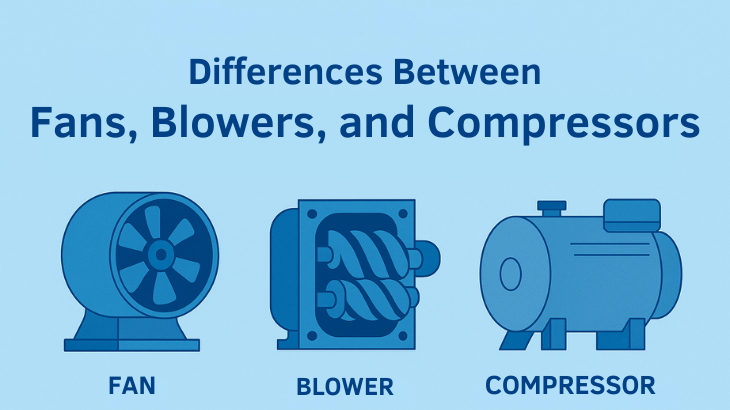
มาตรฐาน ASME PTC 11 (Performance Test Code on Fans) และ ISO 5801 (Industrial fans — Performance testing) กำหนดเส้นแบ่งของอุปกรณ์ขนส่งก๊าซทั้ง 3 ประเภทไว้ที่ pressure ratio (อัตราส่วนแรงดันขาออกต่อแรงดันขาเข้า) ดังนี้:
Fan (พัดลม)
Fan คืออุปกรณ์ที่สร้าง pressure ratio น้อยกว่า 1.1 เท่า (หรือ pressure rise น้อยกว่าประมาณ 10 kPa ที่ inlet pressure บรรยากาศ) การทำงานอยู่ในโหมด aerodynamic โดยแท้ — ใบพัดขับอากาศด้วยความเร็ว แต่ไม่ได้อัดอากาศให้หนาแน่นขึ้นอย่างมีนัยสำคัญ ตัวอย่าง: cooling tower fan, HVAC supply fan, furnace draft fan
Blower (บลาวเวอร์)
Blower ครอบคลุม pressure ratio 1.1 ถึงประมาณ 3.0 bar absolute (gage pressure ประมาณ 0–2 barg) ตามนิยามของ CAGI (Compressed Air and Gas Institute) และ ISO 1217 (Displacement compressors — Acceptance tests) ซึ่งใช้คำว่า “low-pressure blower” สำหรับช่วงนี้ Blower อัดอากาศได้มากกว่า fan แต่น้อยกว่า compressor — เหมาะกับงานที่ต้องการ flow สูงและแรงดันปานกลาง เช่น wastewater aeration, pneumatic conveying (dense phase / dilute phase ที่แรงดันต่ำ), biogas mixing
Compressor (คอมเพรสเซอร์)
Compressor ทำงานที่ pressure ratio เกิน 3.0 bar absolute ขึ้นไป อากาศถูกอัดจนมีความหนาแน่นเพิ่มขึ้นอย่างมีนัยสำคัญ — ต้องพิจารณา heat of compression, intercooling และ moisture management เป็นพิเศษ ตัวอย่าง: instrument air (6–8 barg), process air สำหรับ air separation unit, breathing-air system
ในบทความนี้ใช้ bar absolute (bar(a)) ตาม ISO convention เสมอ — คือ pressure เทียบกับสุญญากาศสมบูรณ์ อากาศบรรยากาศ = 1.013 bar(a) ≈ 1 bar(a) เพื่อความง่าย เมื่อ spec sheet ระบุ “0.5 barg” หมายความว่า 1.5 bar(a) ซึ่งอยู่ใน blower range อย่าสับสนกับ gauge pressure (barg) ที่วัดเหนือ atmospheric
2. ตารางเปรียบเทียบ: Flow Range, Pressure Range, Application
| พารามิเตอร์ | Fan (พัดลม) | Blower (บลาวเวอร์) | Compressor (คอมเพรสเซอร์) |
|---|---|---|---|
| Pressure ratio | <1.1× | 1.1× – ~3.0 bar(a) | >3.0 bar(a) |
| Discharge gauge pressure | <10 kPa (≈0.1 barg) | 0.1 – ~2.0 barg | >2.0 barg (ส่วนใหญ่ 5–10 barg) |
| Flow range (ทั่วไป) | 100 – 500,000+ Nm³/h | 50 – 20,000 Nm³/h | 1 – 5,000+ Nm³/h (flow ต่ำกว่า blower ที่แรงดันสูง) |
| Working principle (ทั่วไป) | Axial / centrifugal — aerodynamic lift | Positive displacement (Roots, screw, lobe) หรือ centrifugal (turbo) | Positive displacement (screw, piston, scroll) หรือ dynamic (centrifugal, axial multi-stage) |
| Application — Thailand context | Cooling tower, furnace draft, building ventilation, exhaust hood | Wastewater aeration, pneumatic conveying (dilute/dense phase), biogas mixing, aquaculture, cement kiln secondary air | Instrument air (6–8 barg), PET bottle blowing (30–40 barg), air separation, laser cutting assist gas |
| Oil-free requirement | ไม่นิยม — มักไม่เกี่ยวข้อง | บ่อยมาก — F&B, wastewater ต้องการ Class 0 | บ่อยมาก — instrument air, electronics ต้องการ Class 0 |
| AERZEN product family | ไม่ใช่ core product line ของ AERZEN | BVO, BVS (positive-displacement) · DVO (oil-free screw blower) · AT (centrifugal turbo blower) | TVO (oil-free screw compressor) |
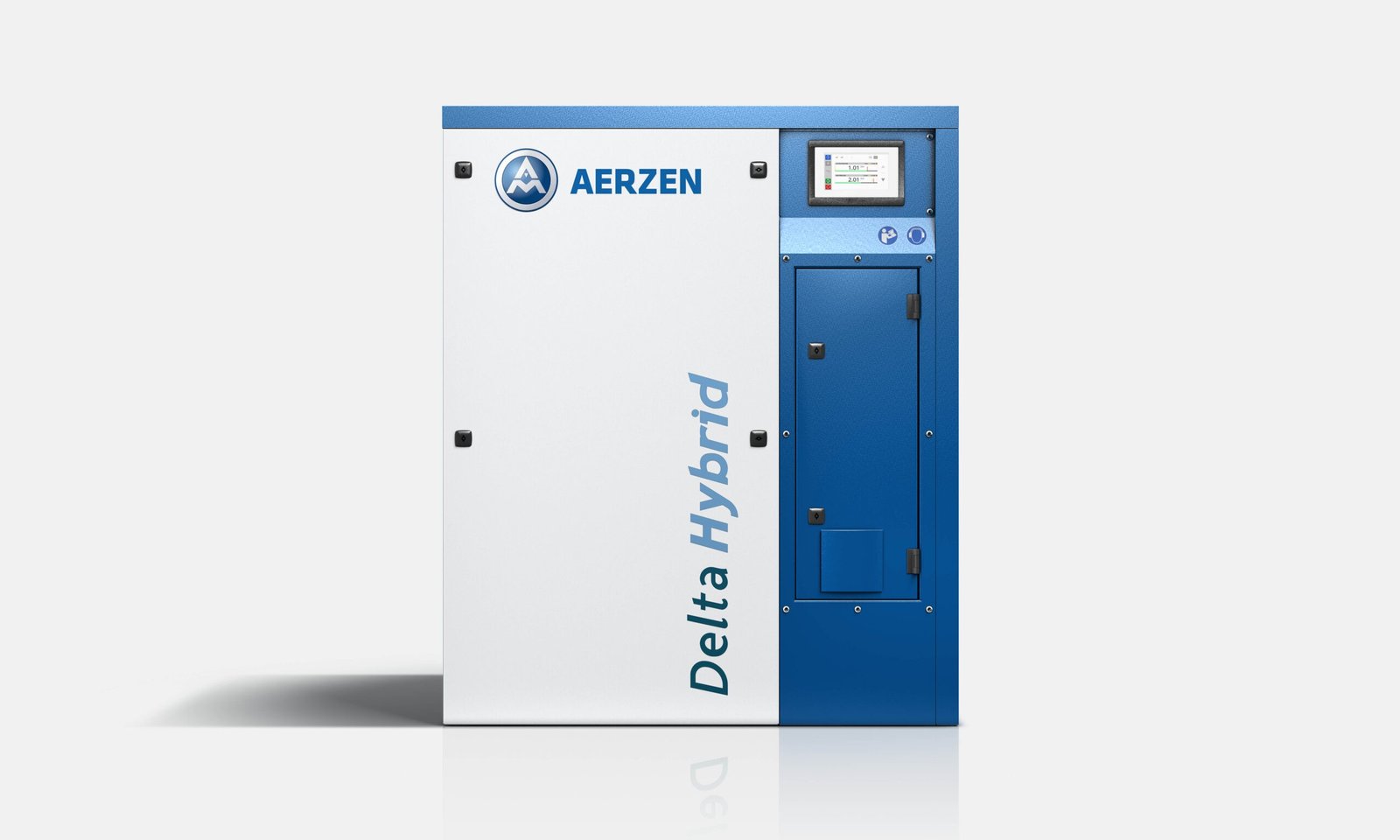
แหล่งที่มา: AERZEN Group (aerzen.com) · HQ Press Library
3. ข้อผิดพลาดทั่วไป: เรียกผิด Spec ผิด ต้นทุนบวม
ปัญหาที่พบซ้ำในโรงงานอุตสาหกรรมไทย ไม่ได้เกิดจากวิศวกรไม่รู้ — แต่เกิดจาก ภาษาที่ใช้ไม่ตรงกัน ระหว่างทีมผลิต ทีมจัดซื้อ และ supplier ตัวอย่างที่พบบ่อย:
- “เรียก blower ว่า compressor” — ทีมจัดซื้อ issue RFQ ว่า “air compressor 5,000 Nm³/h, 0.7 barg” ซึ่งเป็น blower range อย่างชัดเจน แต่คำว่า compressor ทำให้ supplier quote screw compressor ราคาสูงกว่า blower ที่ทำงานเหมือนกัน 30–40% พร้อม energy consumption ที่ต่างกัน
- “เรียก compressor ว่า blower” — เจ้าหน้าที่เขียน spec “blower 7 barg” — ซึ่งอยู่นอก blower range โดยสิ้นเชิง supplier ที่ไม่ได้ clarify อาจ quote high-pressure blower ที่ไม่มีอยู่จริง หรือส่งมอบอุปกรณ์ผิดประเภท
- “เรียกทุกอย่างว่า ปั๊มลม” — คำทั่วไปในภาษาไทยอุตสาหกรรม ซึ่งครอบทั้งสาม category — ทำให้ procurement ต้อง interpret เอง และมักเลือก screw compressor oil-injected มาใช้กับงาน food-contact air ที่ต้องการ oil-free Class 0
- สับสน Roots blower กับ Roots compressor — ดู FAQ ข้อ 1 ด้านล่าง
spec ผิดประเภท → ได้อุปกรณ์ที่ทำงานไม่ถูกต้องกับ process condition → efficiency ต่ำกว่าที่คาด หรือเกิด process upset → ต้องจัดซื้อใหม่หรือปรับ installation → cost overrun ทั้ง CAPEX และ OPEX โดยเฉพาะเมื่อ oil-injected compressor ถูกนำมาใช้ใน food contact process ซึ่งต้องการ ISO 8573-1 Class 0 — นั่นคือปัญหาด้าน compliance ไม่ใช่แค่ประสิทธิภาพ
4. Application Decision Tree — เลือกอุปกรณ์ให้ถูกก่อน RFQ
ใช้ decision tree นี้ร่วมกับ process engineer ก่อนออกเอกสาร RFQ — ตอบคำถามตามลำดับ:
| งาน / Application | Required pressure (barg) | Oil-free required? | อุปกรณ์ที่ถูกต้อง | AERZEN series ที่เหมาะสม |
|---|---|---|---|---|
| Wastewater aeration (activated sludge) | 0.3 – 0.8 barg | ไม่บังคับ แต่ recommended | Blower | BVO · BVS · DVO · AT |
| Pneumatic conveying (dilute phase) | 0.5 – 1.0 barg | ขึ้นกับวัสดุ (food-grade = yes) | Blower | BVO · DVO |
| Pneumatic conveying (dense phase) | 1.0 – 2.0 barg | ขึ้นกับวัสดุ | Blower (high-pressure) หรือ Low-pressure compressor | DVO high-pressure series · TVO |
| Instrument air | 6 – 8 barg | Yes — ISO 8573-1 Class 0 | Compressor | TVO (oil-free screw compressor) |
| Process air — F&B product contact | 1.5 – 4.0 barg | Yes — ISO 8573-1 Class 0 | Blower (ถ้า ≤2 barg) หรือ Compressor | DVO · TVO |
| Biogas mixing / digester | 0.1 – 0.5 barg | ไม่นิยม | Blower | BVO · BVS |
| Fermentation / sparging air | 0.3 – 1.5 barg | Yes — product contact | Blower หรือ Low-pressure compressor | DVO · TVO |
| Cooling tower draft fan | <0.1 barg | ไม่เกี่ยวข้อง | Fan | ไม่ใช่ AERZEN product scope |
ถ้า required pressure ไม่เกิน 1.0 barg — เริ่มต้นด้วย blower ก่อนเสมอ ถ้า required pressure เกิน 3.0 barg — นั่นคือ compressor territory ถ้า process ต้องการ oil-free air ในทุกกรณี — ยืนยัน ISO 8573-1 Class 0 ใน spec document แม้จะใช้ blower ก็ตาม
5. Nomenclature ของ AERZEN: BVO, DVO, TVO, AT — ทำไมชื่อถึงสำคัญต่อ Procurement
AERZEN ตั้งชื่อ product series ตาม technology type อย่างชัดเจน — ชื่อ series ที่ถูกต้องช่วยให้ทีม procurement สื่อสารกับ vendor ได้ตรงตั้งแต่แรก และป้องกันการ quote ผิดประเภท:
| Series | ชื่อเรียกที่ถูกต้อง | Technology | Pressure range (barg) | Oil-free? |
|---|---|---|---|---|
| BVO | Positive-displacement blower | Rotary lobe (Roots-type) — 3-lobe design | 0.1 – 1.0 barg | Oil-free air path (ไม่มีน้ำมันในช่องอากาศ) |
| BVS | Positive-displacement blower | Rotary lobe — เช่นเดียวกับ BVO แต่ขนาดและ flow range ต่างกัน | 0.1 – 1.0 barg | Oil-free air path |
| DVO | Oil-free screw blower | Helical screw (oil-free) — Delta Hybrid series | 0.3 – 1.1 barg | Yes — ISO 8573-1 Class 0 certified |
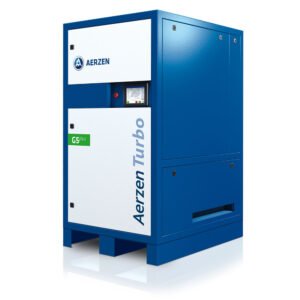
| AT (Aerzen Turbo) | Centrifugal turbo blower | High-speed centrifugal — air-bearing / magnetic bearing | 0.3 – 0.9 barg | Yes — oil-free by design (no lubrication in air path) |
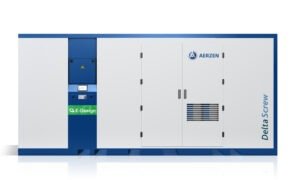
| TVO | Oil-free screw compressor | Oil-free screw — Delta Screw E-Compressor series | 2.5 – 10 barg | Yes — ISO 8573-1 Class 0 certified |
TVO ไม่ใช่ turbo blower — TVO คือ oil-free screw compressor ที่ทำงานที่แรงดันสูงกว่า 2.5 barg ขึ้นไป การเรียก TVO ว่า “turbo compressor” หรือ “turbo blower” ใน RFQ นำไปสู่การ compare กับอุปกรณ์ที่ไม่ตรง technology type
BVO/BVS ไม่ใช่ “rotary lobe compressor” — แม้ใช้ rotary lobe mechanism แต่ทำงานที่แรงดันไม่เกิน 1.0 barg ซึ่งอยู่ใน blower range — การเรียกว่า compressor ใน spec document จะดึง quote จาก compressor supplier ที่ราคาสูงกว่า
ใน หน้าเช่า Blower ของ AERZEN Rental Thailand มีรายละเอียด spec ของแต่ละ series ให้ download — ทีม procurement สามารถนำ datasheet ไปใช้เปรียบเทียบกับ required process condition ก่อนออก RFQ ได้ทันที ดูเพิ่มเติมเรื่อง ISO 8573-1 Class 0 compliance ได้ที่ คู่มือ ISO 8573-1 Class 0 สำหรับโรงงานไทย
6. ตัวอย่างสังเคราะห์: โรงงาน F&B กับ “ปั๊มลม” ที่ไม่ใช่ปั๊มลม
โรงงานเครื่องดื่ม EEC ขนาด 50,000 ขวด/วัน
ทีมวิศวกรของโรงงานเขียน RFQ ว่า “ปั๊มลมสำหรับ pneumatic conveying เมล็ดน้ำตาล, 3,000 Nm³/h, 0.6 barg” — ซึ่งระบุเป็นภาษาทั่วไปที่ supplier ทั่วไปใน Thailand จะ quote screw compressor oil-injected ราคาสูง และมี oil carryover ใน air stream
AERZEN Applications Engineer ทำ site assessment และยืนยันว่างานนี้ต้องการ blower Class 0 — DVO oil-free screw blower ทำงานที่ 0.6 barg ได้สมบูรณ์ — เมล็ดน้ำตาลเป็น food-grade product ห้ามมีน้ำมันสัมผัส น้ำตาลที่ปนเปื้อน oil เป็น reject batch ทั้ง lot ซึ่งมี commercial impact สูงมาก
การเลือก blower Class 0 แทน oil-injected compressor ทำให้ energy consumption ต่ำลงเพราะไม่ต้องใช้ coalescing filter ขนาดใหญ่ดักน้ำมัน และไม่มี consumable filter element cost ในระยะยาว
ตัวอย่างสังเคราะห์นี้อิงจาก application pattern ที่ AERZEN Rental Thailand พบในลูกค้า F&B เขต Eastern Seaboard — ชื่อโรงงานและตัวเลขเฉพาะเจาะจงได้รับการปรับเพื่อ anonymization ดูหน้าเช่า Oil-Free Blowerสำหรับ oil-free Class 0 solution ใน F&B context
7. FAQ — 7 คำถามที่วิศวกรถามบ่อย
Roots blower กับ Roots compressor ต่างกันอย่างไร — ชื่อ Roots บอกอะไรบ้าง?
Roots คือชื่อ mechanism — rotary lobe (twin-lobe หรือ tri-lobe) ที่ถูกจดสิทธิบัตรโดย Philander และ Francis Roots ในปี ค.ศ. 1860 ตัว mechanism เดียวกันสามารถทำงานในช่วง blower pressure (<1 barg) หรือถูก stage หลายขั้นเพื่อทำงานในช่วง compressor pressure (>3 bar(a)) ได้ ดังนั้น:
- Roots blower = อุปกรณ์ rotary lobe ที่ทำงานใน blower pressure range (0.1–1.0 barg) — เช่น AERZEN BVO/BVS
- Roots compressor = อุปกรณ์ rotary lobe ที่ถูก stage เพื่อทำงานที่ pressure สูงขึ้น — ไม่ใช่ common term ใน Thai industrial market
กล่าวคือ “Roots” บอก technology แต่ไม่บอก pressure category — ต้องดู discharge pressure ในการจำแนก blower vs. compressor
Turbo blower กับ Centrifugal fan ต่างกันอย่างไร — ทั้งคู่ดูเหมือน “ใบพัดหมุน”?
ทั้งคู่ใช้ impeller หมุนเพื่อ impart kinetic energy ให้กับก๊าซ แต่ต่างกันสำคัญที่ pressure rise และ speed:
- Centrifugal fan: pressure rise <10 kPa, rotational speed ทั่วไป 1,000–3,000 rpm, ไม่ต้องการ high-precision impeller balance, ใช้กับงาน ventilation/draft
- Turbo blower (เช่น AERZEN AT series): pressure rise 30–90 kPa (0.3–0.9 barg), rotational speed 15,000–50,000+ rpm บน high-speed motor + air bearing หรือ magnetic bearing, ต้องการ precision machining สูง, oil-free by design เพราะไม่มี gearbox oil ใน air path
ดังนั้น turbo blower ใน blower pressure range แต่ใช้ centrifugal working principle ที่ความเร็วสูงกว่า centrifugal fan หลายเท่า — ไม่สามารถ interchange กัน
ISO 8573-1 Class 0 หมายความว่าอะไร — ต้องเป็น compressor เสมอไหม?
ISO 8573-1:2010 Class 0 กำหนด air purity ขั้นสูงสุด — Class 0 กำหนดให้ค่า oil-aerosol ต่ำกว่า Class 1 (Class 1 = ≤0.01 mg/m³) โดยผู้ผลิตต้องประกาศค่าที่ตรวจสอบได้ตาม application จริง รวมถึง particles และ water ที่ระดับ stricter กว่า Class 1 เช่นกัน — Class 0 เป็น purity classification ของ air quality ไม่ใช่ classification ของอุปกรณ์
ดังนั้น blower ก็สามารถได้รับการรับรอง Class 0 ได้ หาก technology เป็น oil-free ตลอด air path — เช่น AERZEN DVO (oil-free screw blower) และ AT (turbo blower) ซึ่งได้รับการรับรองโดย TÜV Rheinland ว่า complies กับ ISO 8573-1 Class 0
ไม่จำเป็นต้องใช้ compressor เพื่อให้ได้ Class 0 — การเลือกผิดอาจทำให้ได้ compressor pressure สูงเกินความจำเป็น ซึ่งสิ้นเปลือง energy
“Positive displacement” กับ “centrifugal” ใน blower ต่างกันอย่างไรในทางปฏิบัติ?
ความต่างสำคัญ 3 ข้อสำหรับ engineer:
- Flow vs. pressure curve: Positive displacement (PD) blower ให้ flow rate เกือบคงที่ไม่ว่าแรงดันจะเปลี่ยนแปลงในช่วง operating range — เหมาะกับงานที่ต้องการ consistent flow เช่น aeration ที่ depth diffuser เปลี่ยน backpressure ตาม sludge level ส่วน centrifugal (turbo) มี curve ชันกว่า — flow ลดลงเมื่อ pressure เพิ่ม
- Pulsation: PD blower มี pressure pulsation ตาม lobe rotation — ต้องมี silencer / pulsation dampener centrifugal ไม่มีปัญหานี้
- Turndown: Turbo blower ทั่วไป turndown ได้กว้างกว่า (40–100% flow) ผ่าน variable-speed drive — PD blower turndown ต่ำกว่าเล็กน้อย แต่ก็ทำ VSD ได้เช่นกัน
ถ้า required pressure อยู่ที่ 1.5–2.0 barg — ควรเลือก high-pressure blower หรือ low-pressure compressor?
นี่คือ “gray zone” ที่ต้องพิจารณาหลายปัจจัย:
- ถ้า flow ใหญ่ (500+ Nm³/h) และ pressure ไม่เกิน 2.0 barg — high-pressure screw blower (เช่น DVO high-pressure) มักได้ specific energy consumption (kWh/Nm³) ที่ดีกว่า compressor
- ถ้า flow เล็ก (<200 Nm³/h) และ pressure 1.5–2.0 barg — low-pressure rotary screw compressor อาจ economical กว่า
- ถ้าต้องการ oil-free และ flow ใหญ่ — DVO series เป็นตัวเลือกแรก
แนะนำให้ ติดต่อ AERZEN Applications Engineer เพื่อทำ energy simulation — เพราะค่า specific power ในช่วงนี้แตกต่างกันตาม technology type อย่างมีนัยสำคัญ
Screw blower กับ Screw compressor ต่างกันตรงไหน — ทั้งคู่ก็มี screw mechanism เหมือนกัน?
ใช่ — ทั้งคู่ใช้ helical screw rotor คู่ที่ mesh กัน แต่ต่างกันที่ compression ratio และ design ของ rotor profile:
- Screw blower (เช่น AERZEN DVO): rotor profile ออกแบบสำหรับ low pressure ratio — internal compression ratio ต่ำ ประมาณ 1.5–2.5 — ประหยัด energy สูงในช่วง blower pressure เพราะไม่ over-compress
- Screw compressor (เช่น AERZEN TVO): rotor profile ออกแบบสำหรับ high pressure ratio — internal compression ratio 3–6 หรือสูงกว่า — ต้องมี cooling system ที่ดีกว่าเพราะ heat of compression สูงกว่า
การนำ screw compressor มาใช้ใน blower application จะ over-compress air ทำให้ต้อง throttle ลง — สูญเสีย energy และสร้าง heat เกินความจำเป็น และในทางกลับกัน screw blower ใน compressor application จะทำงาน out-of-range และอาจเสียหาย
ถ้าต้องการเช่า blower หรือ compressor ระยะสั้น (emergency หรือ turnaround) — ทำได้ไหม?
ทำได้ — AERZEN Rental Thailand ให้บริการเช่า blower และ compressor ทั้งแบบ short-term, long-term และ Subscription Plan (all-inclusive: เครื่อง + maintenance + 24/7 support) fleet มี DVO, BVO/BVS, AT และ TVO พร้อม mobilize ภายใน 24 ชั่วโมงในพื้นที่ Eastern Seaboard / EEC
สำหรับ emergency standby ระหว่าง maintenance shutdown หรือ machine failure — rental ช่วยให้ production ไม่ต้องหยุดรอ CAPEX procurement cycle ที่ใช้เวลา 3–6 เดือน
ติดต่อทีมเพื่อ technical consultation และรับใบเสนอราคา: 098-323-2626 (Hotline 24/7) หรือ กรอกแบบฟอร์มขอ Quote
ปรึกษาทีม Applications Engineer — ฟรี
ไม่แน่ใจว่างานของคุณต้องการ fan, blower หรือ compressor? AERZEN Applications Engineer พร้อม review process condition และแนะนำ series ที่ถูกต้อง — พร้อมใบเสนอราคา rental ที่ไม่มีผูกมัด
“Rent a solution. Expect performance.” — AERZEN Rental Thailand · www.aerzenrentalth.com