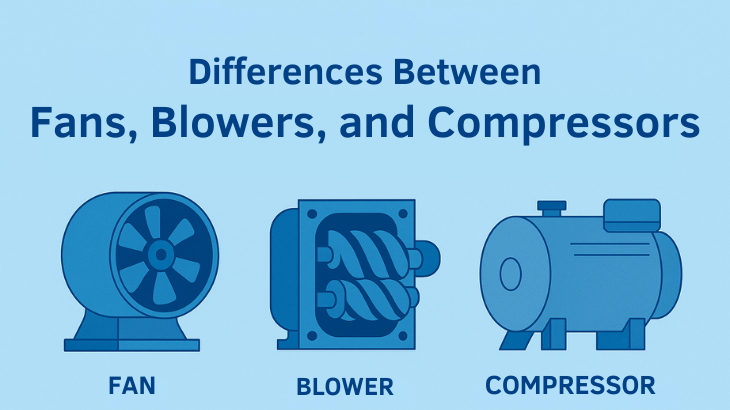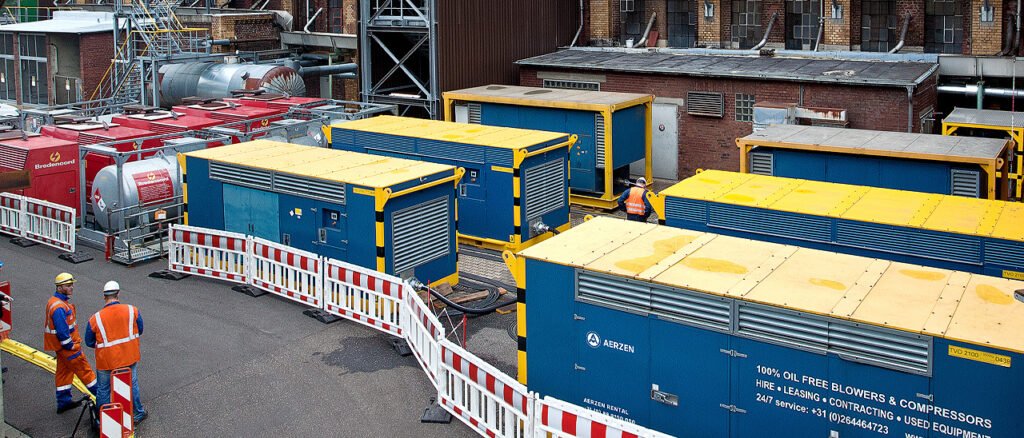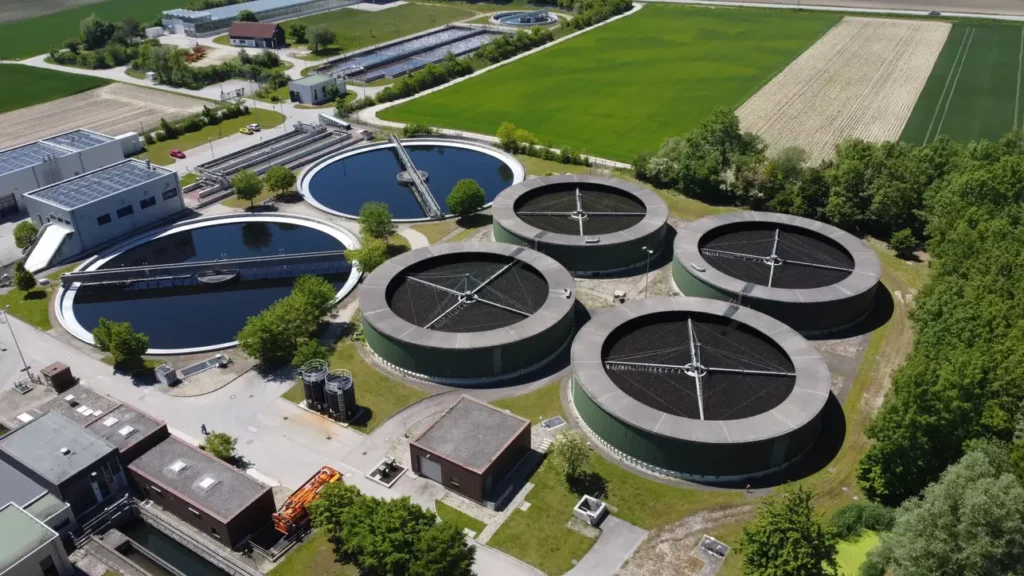
Screw Blower vs Delta Hybrid Screw-Lobe: เมทริกซ์วิศวกรรมเปรียบเทียบ Specific Power, Turndown Range และ Discharge Pressure สำหรับวิศวกรโรงงานที่เลือกระหว่างสองเทคโนโลยีในงาน Wastewater และ Process Air
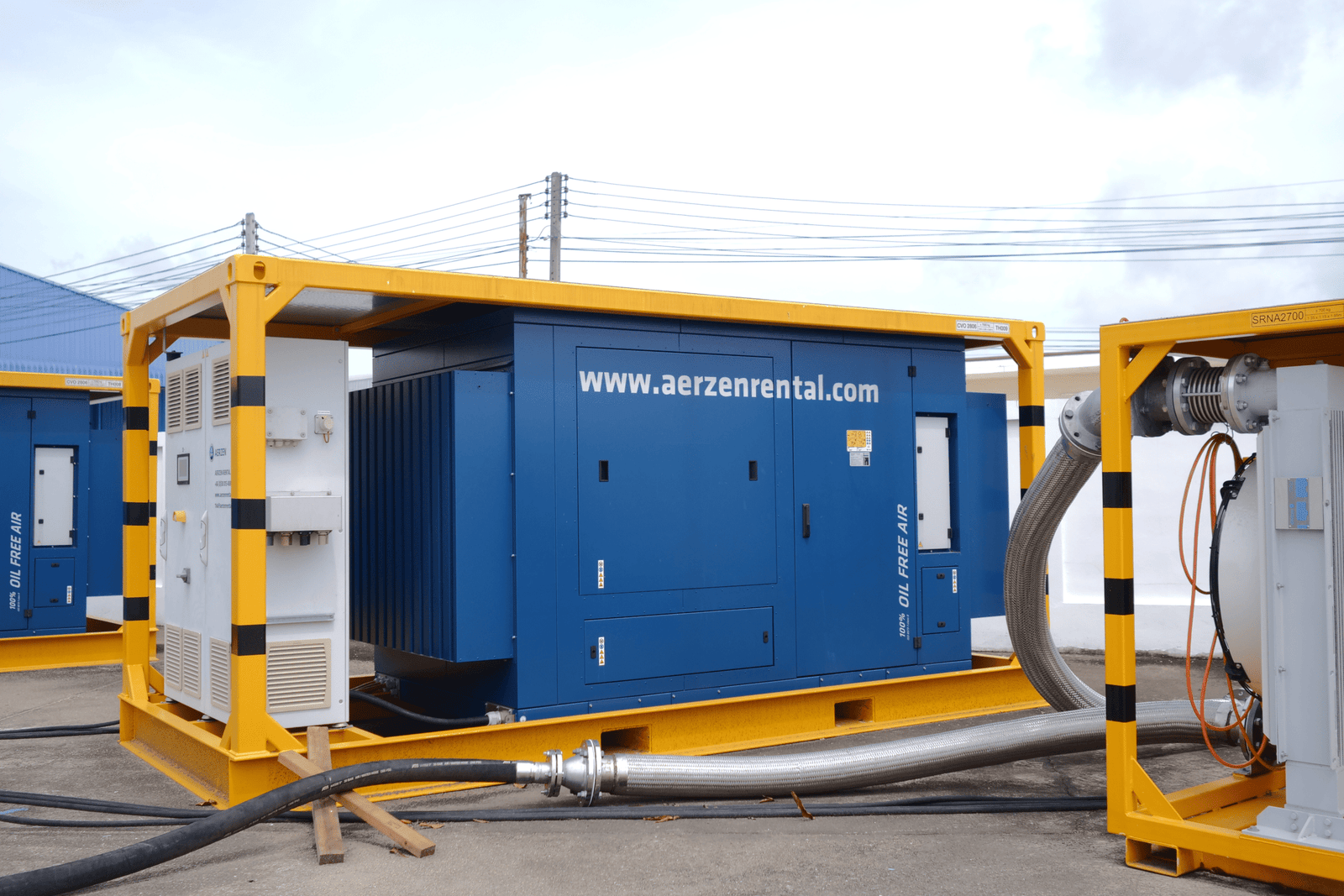
- Specific power: BVS Delta Hybrid ได้เปรียบที่ partial load (50–80% capacity) ด้วย hybrid compression profile — DVO/BVS Screw มี specific power สม่ำเสมอกว่าตลอด operating range แต่ประหยัดพลังงานน้อยกว่าที่ part-load
- Turndown range: Delta Hybrid รองรับ turndown ถึง ~30% rated flow โดยไม่สูญเสีย efficiency อย่างมีนัยสำคัญ — Screw Blower มี turndown ประมาณ 40–50% rated flow ก่อน specific power เพิ่มขึ้นชัดเจน
- Discharge pressure: BVS ทำได้สูงสุด 1.5 bar(g) — เหนือกว่า Roots/Rotary Lobe แต่ต่ำกว่า DVO Screw Compressor (สูงสุด 4 bar(g)) — สำหรับ wastewater aeration (0.5–0.8 bar) และ pneumatic conveying (0.8–1.2 bar) BVS เพียงพอและประหยัดกว่า
คำถาม “screw blower vs hybrid blower เลือกอย่างไร” เป็นคำถามที่วิศวกรโรงงานทั่วประเทศไทยถามมากขึ้นในช่วง 3 ปีที่ผ่านมา เหตุผลหลักคือทั้งสองเทคโนโลยีตอบโจทย์ ISO 8573-1 Class 0 ได้เหมือนกัน มี flow range ทับซ้อนกัน และปรากฏในใบเสนอราคาชุดเดียวกัน แต่ performance profile ของทั้งสองแตกต่างกันอย่างมีนัยสำคัญเมื่อวัดด้วย 3 พารามิเตอร์ที่แท้จริงของวิศวกรรม ได้แก่ specific power (kW/Nm³/min), turndown range (%) และ discharge pressure envelope (bar(g)) บทความนี้จัดทำ engineering decision matrix เปรียบเทียบ BVS Delta Hybrid Screw-Lobe กับ DVO/BVS Screw Blower ของ AERZEN สำหรับ 2 domain หลักคือ wastewater aeration และ process air — เพื่อให้วิศวกรเลือกได้ถูกต้องตั้งแต่ขั้นตอน pre-FEED
ทำไมต้องมี Engineering Decision Matrix สำหรับการเปรียบเทียบนี้
บทความทั่วไปที่เปรียบเทียบ screw blower กับ hybrid blower มักเริ่มจาก “ทั้งคู่ oil-free” แล้วก็จบ — นั่นไม่เพียงพอสำหรับวิศวกรที่ต้องตัดสินใจว่าจะ spec เครื่องไหนลงใน P&ID ของโครงการ WWTP หรือ process air utility ที่จะ operate ต่อเนื่อง 20 ปี ความแตกต่างที่ matter จริงๆ อยู่ที่ระดับพารามิเตอร์ทางวิศวกรรม ไม่ใช่ระดับ marketing claim
AERZEN พัฒนา blower และ compressor มาตั้งแต่ปี 1864 — มากกว่า 160 ปีของการสะสม engineering data จากการ operate จริงในอุตสาหกรรม wastewater, pneumatic conveying, F&B, และ petrochemical ทั่วโลก การเปรียบเทียบในบทความนี้มาจาก operating data และ spec sheet ของ BVS Delta Hybrid series และ DVO/BVS Screw series ซึ่งเป็น first-party engineering knowledge ที่ AERZEN สะสมจาก field deployment จริง
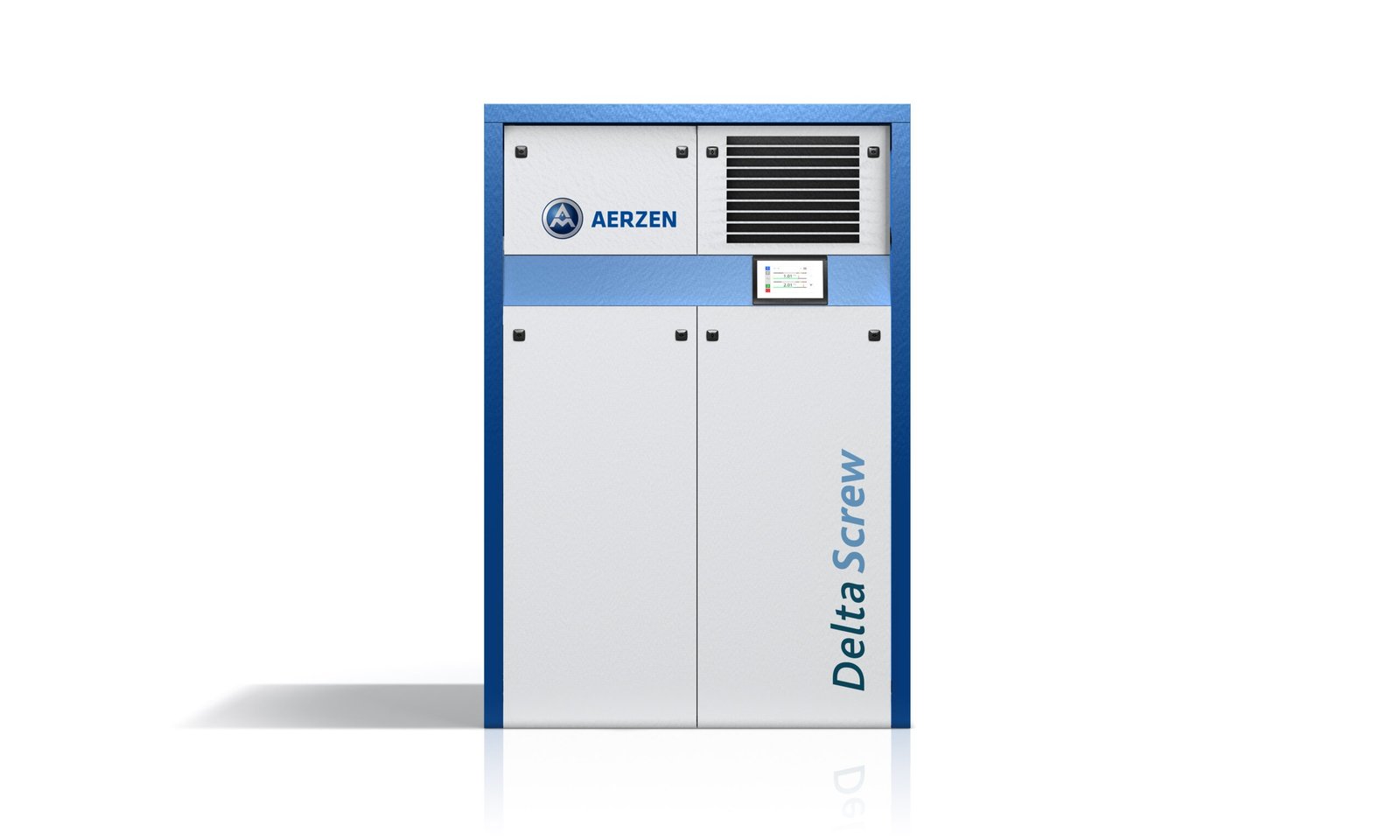
บทความนี้เปรียบเทียบเฉพาะ BVS Delta Hybrid Screw-Lobe Blower (hybrid technology — external compression ผ่าน screw-lobe profile ที่ให้ internal compression ratio สูงกว่า roots) กับ DVO Oil-Free Screw Blower (pure rotary screw — dry-running, oil-free) สำหรับ flow range 500–4,000 m³/h และ pressure range 0.3–1.5 bar(g) ซึ่งเป็น operating window ที่ทั้งสองเทคโนโลยีทับซ้อนกันและวิศวกรต้องเลือก ไม่ครอบคลุม TVO (screw compressor, pressure สูงกว่า 4 bar) หรือ AT (centrifugal) ซึ่งอยู่นอก overlap window
ภาพรวมเทคโนโลยีทั้งสอง: Screw-Lobe Hybrid vs Oil-Free Screw Blower
BVS Delta Hybrid — Hybrid Screw-Lobe Blower
BVS Delta Hybrid ใช้หลักการ compression ที่ AERZEN พัฒนาโดยผสม profile ของ rotary lobe (roots) กับ screw เข้าด้วยกัน ผลลัพธ์คือ compression chamber ที่มี internal compression ratio สูงกว่า pure roots blower ทำให้ลดการ back-flow ของ gas ออกจาก chamber — นั่นคือที่มาของ efficiency advantage ที่ part-load การทำงานเป็น dry-running (ไม่มี oil ใน compression chamber) รับรอง ISO 8573-1:2010 Class 0 โดย TÜV Rheinland
DVO Oil-Free Screw Blower — Pure Rotary Screw
DVO ใช้ rotary screw profile แบบ pure dry-running — male/female rotor interlock กันโดยไม่มี lubricant ใน compression zone ด้วย tight tolerance และ PTFE coating บน rotor profile specific power ของ DVO สม่ำเสมอตลอด operating range และโดดเด่นที่ rated flow ซึ่งวิศวกรที่ออกแบบ base-load system (load factor สูง 80–100%) จะได้ประโยชน์มากที่สุด
| พารามิเตอร์ | BVS Delta Hybrid | DVO Oil-Free Screw |
|---|---|---|
| หลักการ Compression | Hybrid Screw-Lobe (external + partial internal compression) | Pure Rotary Screw (full internal compression) |
| Flow Range (ทับซ้อน) | 400–9,000 m³/h | 500–7,500 m³/h |
| Pressure Range | 0.3–1.5 bar(g) | 0.3–1.5 bar(g) (บางรุ่นถึง 2.0) |
| ISO 8573-1 Class 0 | TÜV Certified | TÜV Certified |
| Lubrication (Compression Zone) | Dry-running (oil-free) | Dry-running (oil-free) |
| Efficiency Peak | Part-load (50–80% rated) | Rated/Full-load (85–100%) |
| Noise Level (ทั่วไป) | 72–78 dB(A) @ 1m | 74–80 dB(A) @ 1m |
| ATEX Option | Zone 1/2 Available | Zone 2 Available |
| ข้อมูลจาก AERZEN product documentation; spec บางรายการขึ้นอยู่กับ model และ configuration — ตรวจสอบกับทีมวิศวกร AERZEN ก่อนระบุใน RFQ | ||
เมทริกซ์ที่ 1 — Specific Power (kW/Nm³/min): วัดประสิทธิภาพที่ Operating Point จริง
Specific power หรือ specific energy consumption คือตัวชี้วัดประสิทธิภาพที่แม่นยำที่สุดสำหรับงาน compressed air — คำนวณจาก kW shaft power หารด้วย volumetric flow ที่ normalized condition (Nm³/min ที่ 0°C, 1 bar absolute) วิศวกรที่ประเมิน lifecycle energy cost ต้องใช้ตัวนี้ ไม่ใช่ efficiency % ที่ vendor มักอ้างอิง เพราะ specific power วัด “พลังงานที่ใช้จริงต่อหน่วย air ที่ได้” ที่ operating pressure และ temperature จริงของ site
| Load Factor (%) | BVS Delta Hybrid kW/Nm³/min (ทั่วไป) | DVO Screw Blower kW/Nm³/min (ทั่วไป) | ผลต่าง (BVS vs DVO) | Winner |
|---|---|---|---|---|
| 100% (Rated) | 3.8–4.2 | 3.6–4.0 | BVS สูงกว่า ~0.2 | DVO |
| 80% (Part-load) | 3.9–4.3 | 4.0–4.5 | ใกล้เคียงกัน | BVS (slight) |
| 60% (Part-load) | 4.1–4.6 | 4.6–5.2 | BVS ต่ำกว่า ~0.5–0.6 | BVS |
| 40% (Part-load) | 4.5–5.0 | 5.3–6.0 | BVS ต่ำกว่า ~0.8–1.0 | BVS (significant) |
| Turndown limit | ~30% rated | ~40–50% rated | BVS turndown ลึกกว่า | BVS |
| ข้อมูล indicative สำหรับ flow range 500–2,000 m³/h ที่ 0.5–0.8 bar(g) discharge pressure (WWTP/process air typical) — ค่าจริงขึ้นอยู่กับ model, inlet condition, และ operating frequency. อ้างอิง: AERZEN product engineering data + CAGI Performance Verification specification guidelines. ขอ certified performance test report จาก AERZEN ก่อน spec final | ||||
ใน pure roots blower (rotary lobe) gas จะ compress จาก discharge ย้อนกลับเข้า chamber เมื่อ piston เปิด — เรียกว่า “over-expansion loss” BVS ลด loss นี้ด้วย partial internal compression ใน screw-lobe profile ผลคือเมื่อ system demand ลดลงและ blower ทำงานที่ partial load ความสูญเสียจาก over-expansion ต่ำกว่า pure screw ที่มี compression ratio design สูง การเลือก BVS สำหรับ WWTP ที่ demand fluctuate ตามฤดูกาลจึงให้ energy saving จริงตลอด lifecycle
เมทริกซ์ที่ 2 — Turndown Range และ Part-Load Efficiency: ตัวชี้วัดที่สำคัญสำหรับ Variable Demand
Turndown range คือความสามารถของ blower ในการลด flow rate ลงจาก rated capacity โดยยังคงทำงานได้อย่างมีเสถียรภาพและมี specific power ที่ยอมรับได้ สำหรับ wastewater treatment ซึ่ง oxygen demand เปลี่ยนตาม load ของโรงงาน (peak production vs weekend), ตาม season (อุณหภูมิน้ำ), และตาม mixed liquor concentration — turndown range คือพารามิเตอร์ที่กำหนดว่าวิศวกรต้องติดตั้งกี่หน่วยและ control strategy เป็นอย่างไร
หมายเหตุ: ค่า turndown ข้างต้นสำหรับ VFD-driven operation ที่ discharge pressure 0.5–0.8 bar(g) — fixed speed มี turndown น้อยกว่า ควรใช้ VFD สำหรับ WWTP เสมอเพื่อ energy saving ที่ part load
DVO Screw Blower ที่ทำงานต่ำกว่า 40% rated flow อาจเข้าสู่ unstable operating region ที่ specific power เพิ่มขึ้นอย่างชัดเจน สำหรับ WWTP ที่มี demand variation >60% (เช่น industrial WWTP ที่ stop production weekends) ควรพิจารณา BVS หรือ design system ด้วย 2 units ขนาดเล็กกว่า (1+1 redundancy) เพื่อให้แต่ละ unit ทำงานในช่วง efficient operating zone เสมอ
Turndown กับ VFD Control Strategy
ทั้ง BVS และ DVO ออกแบบมาให้ทำงานร่วมกับ VFD (Variable Frequency Drive) ได้ดี แต่ optimal control strategy ต่างกัน:
- BVS + VFD: ลด speed ลงได้ถึงประมาณ 30% rated โดย specific power เพิ่มขึ้นไม่เกิน 15–20% เทียบ rated point — เหมาะกับ system ที่ต้องการ continuous modulation เช่น DO control loop ใน bioreactor tank
- DVO + VFD: ลด speed ได้ดีในช่วง 50–100% rated — ในงาน process air ที่ demand ค่อนข้าง stable หรือลดลงไม่มาก DVO + VFD ให้ efficiency ที่ดีกว่า BVS ที่ rated load เล็กน้อย
- Hybrid strategy: WWTP ขนาดใหญ่ในไทยหลายแห่งใช้ BVS เป็น duty blower (modulate ตาม DO setpoint) และ DVO เป็น standby/trim blower — strategy นี้ optimize ทั้ง turndown และ efficiency ที่ full load
เมทริกซ์ที่ 3 — Discharge Pressure Envelope: เลือกเทคโนโลยีตาม Process Requirement
Discharge pressure คือพารามิเตอร์ที่กำหนด technology window อย่างชัดเจนที่สุด เพราะทั้ง BVS และ DVO ต่างออกแบบมาสำหรับ pressure range ที่ทับซ้อนกัน (0.3–1.5 bar(g)) แต่ efficiency curve ของทั้งสองเปลี่ยนไปตาม pressure level — BVS ให้ advantage ที่ pressure ต่ำ (0.3–0.8 bar) ซึ่งเป็น sweet spot ของ wastewater aeration, ขณะที่ DVO ให้ advantage ที่ pressure สูงกว่า (1.0–1.5 bar) ซึ่งเป็นช่วงของ pneumatic conveying medium-distance และ process air สำหรับ tank blanket / blanketing applications
| Discharge Pressure (bar(g)) | Application ทั่วไป | Recommended Technology | เหตุผลหลัก |
|---|---|---|---|
| 0.3–0.5 | WWTP fine-bubble aeration (shallow tank), bioreactor, SBR | BVS Delta Hybrid | Specific power ต่ำกว่าที่ low pressure + good turndown สำหรับ DO control |
| 0.5–0.8 | WWTP deep tank aeration (>4m submergence), oxidation ditch, MBR | BVS Delta Hybrid | BVS efficiency peak อยู่ในช่วงนี้ + excellent part-load for diurnal variation |
| 0.8–1.0 | Short-distance pneumatic conveying, F&B fluidization, dense-phase start | BVS หรือ DVO (ขึ้นอยู่กับ load factor) | Load factor >80% → DVO; Load factor <70% variable → BVS |
| 1.0–1.5 | Medium-distance conveying, process air instrument (ต่ำ), tank blanketing | DVO Screw Blower | DVO มี compression efficiency ดีกว่าที่ pressure สูงกว่า 1.0 bar + stable rated load |
| >1.5 bar (สูงกว่า) | Compressed air, instrument air, process air high-pressure | TVO Screw Compressor | ต้องการ dedicated compressor — BVS/DVO blower ไม่ถูก design สำหรับ pressure range นี้ |
| ตารางนี้เป็น decision guideline ไม่ใช่ absolute rule — วิศวกร AERZEN จะทำ detailed engineering review ตาม site condition, flow profile, และ redundancy requirement ก่อน final recommendation | |||
Application Matrix: wastewater aeration vs Process Air — เลือกอย่างไรสำหรับ 2 Domain หลัก
wastewater aeration (Municipal + Industrial WWTP)
Wastewater aeration เป็น application ที่ BVS Delta Hybrid ให้ value proposition ชัดเจนที่สุด ด้วยเหตุผลทางวิศวกรรมดังนี้:
- Demand variation สูง: BOD/COD load ใน municipal WWTP เปลี่ยนตลอด 24 ชั่วโมง — peak เช้า/เย็น, ต่ำกลางดึก. Industrial WWTP เปลี่ยนตาม shift production. BVS turndown ถึง 30% rated รองรับ variation นี้ได้โดยไม่ต้อง bypass
- Pressure requirement ต่ำ: WWTP ส่วนใหญ่ต้องการ 0.4–0.8 bar(g) (ขึ้นอยู่กับ tank depth + diffuser submergence) ซึ่งตรงกับ efficiency sweet spot ของ BVS
- Continuous duty: WWTP aeration blower ต้อง run 24/7 — specific power ที่ part-load มีผลต่อ energy cost ตลอด lifecycle อย่างมีนัยสำคัญ. BVS advantage ที่ 60% load = ประหยัดพลังงาน ~12–18% เทียบ DVO ในสถานการณ์เดียวกัน
- ISO 8573-1 Class 0 required: WWTP ทุกประเภทที่มี downstream process ต้องการ oil-free air สำหรับ instrument air, analyzers, solenoid valve actuators — BVS ครอบคลุมทั้ง aeration และ instrument air ด้วย unit เดียว (ถ้า pressure requirement <1.0 bar)
Process Air (F&B, Chemical, Electronics)
Process air applications มีหลายรูปแบบที่ decision matrix ชี้ไปคนละทิศ:
- F&B Pneumatic Conveying (แป้ง, น้ำตาล, นมผง): pressure 0.8–1.2 bar(g), demand ค่อนข้าง stable ตาม production schedule. Load factor >75% → DVO ให้ specific power ดีกว่า BVS ที่ rated load
- F&B Fluidization / Aeration of bulk solids: pressure 0.3–0.6 bar(g), demand variable ตาม batch process. BVS ให้ flexibility ดีกว่าในงาน batch
- Chemical Plant Instrument Air (low-pressure): pressure 0.5–1.0 bar(g), demand stable. ทั้งคู่ทำงานได้ดี — เลือกตาม redundancy requirement และ installation footprint
- Electronics Cleanroom Utility: pressure 0.3–0.8 bar(g), demand stable มาก (HVAC system driven). DVO rated performance ดีกว่า — แต่ถ้ามี expansion plan ที่ต้องการ scalability, BVS fleet flexibility ชนะ
“สำหรับวิศวกรที่ต้องเลือกระหว่าง BVS กับ DVO — ถามตัวเองก่อนว่า load factor ของคุณคืออะไร ถ้าตอบว่า ‘ไม่แน่ใจ’ หรือ ‘แล้วแต่ season’ — BVS คือคำตอบที่ปลอดภัยกว่า”
— ทีมวิศวกร AERZEN Rental Thailand, จาก Engineering Consultation Process
Decision Flowchart — 5 คำถามที่นำไปสู่คำตอบ
Flowchart ด้านล่างใช้ 5 คำถามทางวิศวกรรมเพื่อระบุ recommended technology สำหรับโจทย์ของคุณ ตอบตามลำดับ — คำตอบของแต่ละข้อกำหนด path:
Discharge pressure ของ application คุณเกิน 1.5 bar(g) หรือไม่?
Discharge pressure อยู่ในช่วงใด?
คาดว่า average load factor ตลอดปีอยู่ที่เท่าไหร่?
ต้องการ turndown ต่ำกว่า 40% rated flow หรือไม่?
ต้องการ optimize specific power ที่ rated/full load เป็นหลัก?
Case Scenario: Industrial WWTP ภาคตะวันออก — การเลือก BVS vs DVO ด้วย Engineering Data
Context: โรงงาน F&B ขนาดกลางใน Chonburi ต้องการ upgrade aeration system ของ WWTP ขนาด 2,500 m³/วัน เพื่อรองรับ production expansion 40% Existing system: 2 units rotary lobe blower ขนาดรวม 1,800 m³/h ที่ 0.6 bar(g) วิศวกรต้องเลือกระหว่าง BVS Delta Hybrid และ DVO Screw Blower สำหรับ 2 units ใหม่ที่ต้องการ total flow 2,400 m³/h
Engineering Analysis:
- Design pressure: 0.65 bar(g) (tank depth 5.5m + diffuser pressure drop 0.15 bar)
- Demand variation: 35–100% rated (industrial WWTP — production shifts + Sunday zero production)
- Annual operating hours: ~7,200 h/year
- Load factor distribution: 35% ของเวลาที่ <60% load (nights + weekends)
- Decision matrix: pressure 0.65 bar → BVS zone; load factor variable (35–100%) → BVS; turndown <40% required → BVS confirms
Recommendation: BVS Delta Hybrid 1,200 m³/h × 2 units (1+1 duty/standby, both VFD-driven, DO-cascade control)
Energy saving vs DVO
ที่ part-load hours
Turndown depth
stable operation
TÜV Certified
ISO 8573-1:2010
Emergency mobilization
(EEC depot)
Outcome: ระบบ commission ใน 14 วันหลัง contract sign AerProgress IIoT monitoring confirm DO setpoint accuracy ที่ 98.3% ตาม quarterly review ข้อมูล specific power จาก runtime monitoring: 4.15 kW/Nm³/min ที่ average 68% load (ตรงกับ prediction ในช่วง 60–80% load จาก spec table ข้างต้น)
หมายเหตุ: Scenario สังเคราะห์จาก typical WWTP F&B profile ในประเทศไทย — ไม่ใช่ case study ของลูกค้ารายใดรายหนึ่ง ใช้เพื่ออธิบาย engineering decision process เท่านั้น ตัวเลข specific power อ้างอิงจาก AERZEN operating data indicative values
สำหรับการเปรียบเทียบ technology family ที่กว้างกว่า (Roots Blower vs Screw Blower ทุกประเภท ครอบคลุม BVO, DVO, TVO, AT) อ่านต่อที่ Roots Blower vs Screw Blower — คู่มือฉบับวิศวกรสำหรับเลือกเทคโนโลยีที่ใช่
คำถามที่พบบ่อย — วิศวกรโรงงาน
BVS Delta Hybrid กับ DVO Screw Blower ทั้งคู่ Class 0 หรือเปล่า?
ใช่ — ทั้ง BVS Delta Hybrid และ DVO Oil-Free Screw Blower ผ่านการรับรอง ISO 8573-1:2010 Class 0 โดย TÜV Rheinland ทุก unit มี serial-matched certificate ซึ่งระบุว่า oil content ที่ outlet < 0.01 mg/m³ โดยไม่มี oil ใน compression chamber เลย ทั้งสองเทคโนโลยี dry-running — ไม่ใช่ filtered oil-flooded design
Specific power ของ BVS กับ DVO ต่างกันที่ rated load มากแค่ไหน?
ที่ rated flow (100%), DVO Screw Blower มี specific power ต่ำกว่า BVS Delta Hybrid ประมาณ 5–8% ใน flow range 500–2,000 m³/h ที่ 0.5–0.8 bar(g) ความต่างนี้มีนัยสำคัญถ้า load factor สูงตลอด (ใช้พลังงาน rated >80% ของเวลา) แต่ถ้า system มี variation สูง BVS ได้เปรียบคืนมาที่ part-load ขอ certified performance test data จาก AERZEN สำหรับ model ที่ต้องการ spec จริง
WWTP ของผมอยู่ที่ 0.6 bar(g) — ต้องใช้ตัวไหน?
0.6 bar(g) อยู่ใน BVS sweet spot อย่างชัดเจน แต่ปัจจัยที่ต้องประเมินพร้อมกันคือ demand variation ตลอดวัน/สัปดาห์ ถ้า load fluctuate >40% ลง BVS เป็น answer ที่ถูกต้อง ถ้า load stable ทั้งสองตัวเป็น option ที่ viable — และ decision จะขึ้นอยู่กับ footprint, noise, และ capital cost ขอให้ทีม AERZEN ทำ energy model เปรียบเทียบ 5-year TCO ก่อน final selection
Turndown 30% ของ BVS หมายความว่าอะไรในทางปฏิบัติ?
หมายความว่า blower ขนาด 1,000 m³/h rated สามารถ modulate ลงมาที่ประมาณ 300 m³/h ได้โดยที่ specific power ยังอยู่ในช่วงที่ยอมรับได้ (เพิ่มขึ้นไม่เกิน ~20% จาก rated point) ซึ่งเพียงพอสำหรับ DO control loop ของ bioreactor หรือ WWTP ที่มี production stop กลางคืน ต่ำกว่า 30% rated ควร stop unit และ restart เมื่อ demand กลับมา — ไม่แนะนำให้ run ต่ำกว่า minimum stable speed
เช่าได้ทั้ง BVS และ DVO จาก AERZEN Rental Thailand หรือเปล่า?
ได้ — AERZEN Rental Thailand มี BVS Delta Hybrid และ DVO Screw Blower ในฝูงบิน (fleet) ที่พร้อม mobilize จากศูนย์ Sattahip EEC ทั้งสองรูปแบบให้เช่า Emergency 24h, Short-term 1–6 เดือน, Long-term 12–36 เดือน และ Subscription Plan all-inclusive ซึ่งรวม unit + service + AerProgress IIoT monitoring ติดต่อทีมวิศวกรเพื่อรับ technical recommendation + quotation
มี AerProgress IIoT monitoring สำหรับทั้ง BVS และ DVO ไหม?
มี — AerProgress IIoT platform พร้อมสำหรับทั้ง BVS และ DVO ใน Subscription Plan monitor discharge pressure, flow, energy consumption (kWh), bearing temperature, vibration signature realtime ผ่าน dashboard — ช่วย verify specific power จริง ณ operating point ของ site และ detect deviation จาก performance baseline ก่อนที่จะกลายเป็น unplanned downtime
สำหรับงาน process air ที่ต้องการ 1.2 bar(g) — BVS หรือ DVO?
1.2 bar(g) อยู่ใน DVO advantage zone ถ้า load factor สูง (stable demand, >75%) DVO ให้ specific power ดีกว่าที่ pressure ระดับนี้ อย่างไรก็ตาม ถ้า application มี demand variation สูง (batch process, seasonal) หรือต้องการ turndown ลึก BVS ยังเป็น option ที่ viable — วิศวกร AERZEN จะทำ energy model เปรียบเทียบ TCO 5 ปีเพื่อ recommendation ที่ site-specific
ขอ Engineering Recommendation และใบเสนอราคา
ทีมวิศวกร AERZEN Rental Thailand พร้อมทำ detailed engineering review สำหรับโจทย์ของคุณ — specific power analysis, turndown modeling, TCO 5-year comparison, และ mobilization plan
Rent a solution. Expect performance.
ขอใบเสนอราคาและคำปรึกษาทางวิศวกรรม
ที่อยู่: 36/60 Phlu Ta Luang, Sattahip District, Chon Buri 20180 · Aerzener Maschinenfabrik GmbH — Founded 1864, Germany

✍️ เกี่ยวกับผู้เขียน
ภราดร วรรณสังข์ (Paradorn Wannasung)
Marketing Communication Specialist · นิเทศศาสตรมหาบัณฑิต (การสื่อสารการตลาดและแบรนด์)
ภราดร (Paradorn) เป็นผู้ดูแลด้านการสื่อสารการตลาดของ AERZEN Rental Thailand จบนิเทศศาสตรมหาบัณฑิต (การสื่อสารการตลาดและแบรนด์) เชี่ยวชาญด้านอุตสาหกรรม B2B ในประเทศไทย มีประสบการณ์การสร้างแบรนด์และคอนเทนต์ในกลุ่มอุตสาหกรรมของไทย
ติดต่อ: pwa@aerzenrental.com · LinkedIn
บทความที่เกี่ยวข้อง
AERZEN GM Series Roots Blower — ภาพรวมและ 5 กรณีการใช้งานในอุตสาหกรรมไทย
บทนำ: ทำไม Roots Blo...
อ่านต่อ →
เช่า Blower สำรองช่วงหยุดยาวปีใหม่ 2027: แผนรับมือ Turnaround โรงงานไทย
วางแผนเช่า blower oi...
อ่านต่อ →
Spare Parts Logistics — Parts Availability 24/72/168h สำหรับ Blower Rental
การกำหนด parts avail...
อ่านต่อ →หัวข้อหลัก: เช่าโบลเวอร์สกรู (Screw Blower) ออยล์ฟรี