Compressed Air สำหรับท่าเรือ LNG Bunkering: ทำไม IMO IGC Code กำหนด Oil-Free Class 0 สำหรับ Instrument Air และระบบ ESD
- IMO IGC Code Chapter 5 และ MSC/Circ.671 กำหนดให้ instrument air สำหรับ ESD valve และ bunkering arm manifold control ต้องเป็น oil-free ISO 8573-1 Class 0 — ไม่มีข้อยกเว้นในพื้นที่ ATEX Zone 1
- Pressure dew point (PDP) ≤ −40 °C บังคับสำหรับ ESD pneumatics ในสภาพอากาศร้อนชื้นของไทย เพื่อป้องกันน้ำควบแน่นใน actuator ที่เสี่ยงต่อ valve failure ระหว่างปฏิบัติการ
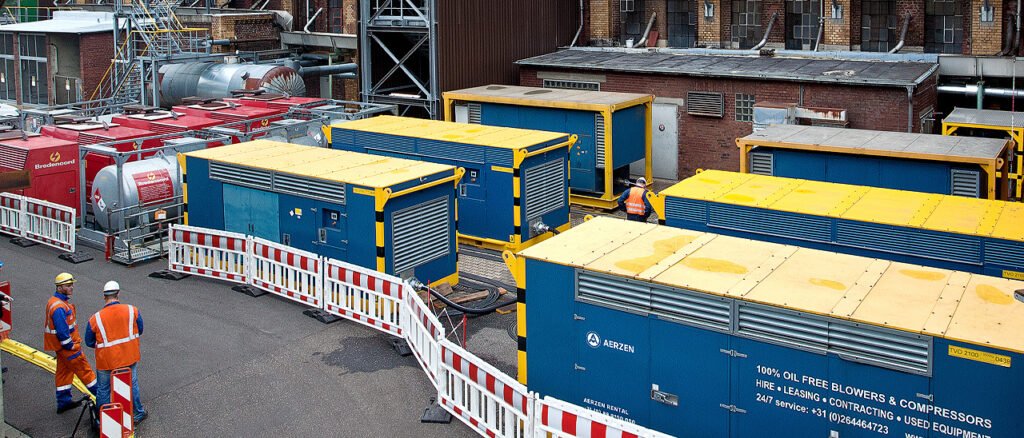
- AERZEN Rental Thailand ให้บริการ TVO oil-free screw compressor และ DVO/BVS oil-free screw blower สำหรับ shore-side instrument air supply ในช่วง commissioning, maintenance turnaround และ floating storage bunkering operations — mobilize ได้ใน 24 ชั่วโมง
AERZEN ออกแบบและผลิต oil-free compressor มาตั้งแต่ปี 1864 — และไม่มีการประยุกต์ใช้ใดที่ข้อกำหนด “oil-free” มีน้ำหนักมากกว่าการใช้งานในระบบ Emergency Shutdown (ESD) ของ LNG bunkering terminal ข้อกำหนดทางกฎหมายคือ IMO International Gas Carrier (IGC) Code ฉบับ 2016 ซึ่งบังคับใช้กับเรือบรรทุก LNG ที่สร้างหลังปี 1986 และปรับปรุงล่าสุดโดย IGC Code 2016 (MSC.370(93)) กำหนดชัดเจนว่า pneumatic systems ที่ควบคุม safety-critical valve ต้องใช้ compressed air ที่ปลอดจากการปนเปื้อนน้ำมัน เพราะน้ำมันแม้เพียง 0.01 mg/m³ ในสาย actuator สามารถทำให้ ESD valve ไม่ตอบสนองในสถานการณ์ emergency — ซึ่งนำไปสู่ catastrophic LNG release
1. ข้อกำหนด IMO IGC Code และ MSC/Circ.671 สำหรับ Instrument Air
IMO IGC Code 2016 IMO International Gas Carrier (IGC) Code ฉบับ 2016 (MSC.370(93)) Chapter 5 — Piping, Valves, Fittings and Process Pressure Vessels — กำหนดมาตรฐานสำหรับ pneumatic control systems บนเรือบรรทุก LNG โดยเฉพาะ Regulation 5.4 (Valves) และ 5.7 (Control and Monitoring Systems) ซึ่งระบุว่า:
— ข้อความสรุปจาก IGC Code 2016 Chapter 5 อ้างอิงถึง Regulation 5.4.2 (principle: contamination-free control media)
ก่อนหน้านั้น IMO MSC/Circ.671 (1994) — “Standards for the Design, Testing and Locating of Devices to Prevent the Passage of Flame into Cargo Tanks in Tankers” — ได้วางรากฐานสำหรับข้อกำหนดด้านความปลอดภัยในระบบ pneumatic ของ tanker operations รวมถึงการป้องกัน ignition source ในพื้นที่อันตราย
สำหรับ LNG bunkering operations (การถ่าย LNG จาก bunker vessel หรือ shore terminal ไปยังเรือที่ใช้ LNG เป็นเชื้อเพลิง) มาตรฐาน ISO 20519:2017 — “Ships and marine technology — Specification for bunkering of liquefied natural gas fuelled vessels” — ได้เพิ่มความชัดเจนเรื่อง instrument air quality โดยอ้างอิง IGC Code และกำหนดให้ bunkering control system ต้องรองรับ ESD coupling ที่ทำงานด้วย pneumatic actuator ซึ่งต้องได้รับ oil-free compressed air
ISO 8573-1 oil content
< 0.01 mg/m³
Pressure Dew Point
บังคับสำหรับ ESD air
ATEX classification
bunkering arm area
IGC Code revision
(MSC.370(93))
2. ESD Valve Actuation — ทำไม Oil-Free Class 0 ถึงไม่ใช่ตัวเลือก แต่คือกฎหมาย
ระบบ Emergency Shutdown (ESD) ของ LNG terminal ประกอบด้วย valve actuator แบบ pneumatic ที่ต้องตอบสนองภายใน milliseconds เมื่อได้รับสัญญาณฉุกเฉิน กลไกนี้ทำงานด้วย compressed air ที่กักเก็บไว้ใน accumulator reservoir และปล่อยออกเมื่อสัญญาณ ESD trigger เปิดใช้งาน
กลไกความล้มเหลวที่น้ำมันปนเปื้อนก่อให้เกิด
เมื่อ compressed air มีน้ำมันปนเปื้อน แม้ในระดับที่ต่ำกว่า Class 1 (0.1 mg/m³) ความเสียหายต่อระบบ ESD pneumatic เกิดขึ้นใน 3 รูปแบบหลัก:
| กลไกความล้มเหลว | สาเหตุทางเทคนิค | ผลกระทบต่อ ESD |
|---|---|---|
| Valve seat contamination | น้ำมันสะสมบน diaphragm และ valve seat ของ actuator ทำให้พื้นผิวเหนียว | Valve ไม่ปิดอย่างสมบูรณ์ — LNG รั่วต่อเนื่องระหว่าง ESD |
| Spring stiction | น้ำมันผสมกับ condensate และตกตะกอนบน return spring | Response time นานกว่าข้อกำหนด — ESD ไม่ทันก่อนแรงดันสูงเกิน |
| Seal degradation | น้ำมัน petroleum-based ย่อยสลาย elastomer seal ใน actuator | Air leak จาก actuator — ไม่มีแรงดันพอในการ close valve |
| Freezing in cryogenic zone | น้ำ + น้ำมัน emulsion แข็งตัวที่จุดที่ใกล้กับ LNG line (−162 °C) | Line blockage สมบูรณ์ — ESD ไม่ทำงานเลย |
ISO 8573-1 Class 0 คืออะไรและแตกต่างจาก Class 1 อย่างไร
ISO 8573-1:2010 — “Compressed Air — Part 1: Contaminants and Purity Classes” กำหนดระดับความบริสุทธิ์ 3 มิติ ได้แก่ particulate, water และ oil โดย Class 0 คือมาตรฐานสูงสุดที่กำหนดข้อกำหนดได้เองตาม application requirement — โดยในบริบท LNG marine ใช้ oil content < 0.01 mg/m³ (เทียบเท่าหรือดีกว่า Class 1)
| ISO 8573-1 Class | Oil Content (mg/m³) | ความเหมาะสมสำหรับ LNG ESD |
|---|---|---|
| Class 0 | < 0.01 mg/m³ (ตามที่กำหนด) | ✓ บังคับ — IGC Code / ISO 20519 |
| Class 1 | ≤ 0.01 mg/m³ | อาจยอมรับได้สำหรับงานที่ไม่ใช่ safety-critical |
| Class 2 | ≤ 0.1 mg/m³ | ✗ ไม่เหมาะสมสำหรับ ESD และ bunkering manifold control |
| Class 3 | ≤ 1.0 mg/m³ | ✗ ห้ามใช้ในระบบ safety-critical ของ LNG |
3. Dew Point ≤ −40 °C PDP ในสภาพอากาศร้อนชื้น: การคำนวณสำหรับท่าเรือไทย
ประเด็นที่วิศวกรที่ทำงานในภูมิภาค Mekong/SEA มักมองข้ามคือ relationship ระหว่าง ambient conditions กับ moisture content ของ compressed air — และเหตุใดจึงทำให้ข้อกำหนด dew point สำหรับ LNG terminal ในประเทศไทยเข้มงวดกว่าที่คาดในยุโรป
เหตุใด Tropical Climate ถึงทำให้ Moisture Challenge รุนแรงขึ้น
อากาศภายนอกที่ท่าเรือ Map Ta Phut, Rayong หรือ Sattahip ในช่วงฤดูร้อน (เมษายน–พฤษภาคม) มีค่าประมาณ:
| พารามิเตอร์ | ท่าเรือไทย (worst case) | ท่าเรือยุโรปเหนือ (ref) |
|---|---|---|
| อุณหภูมิ ambient | 35–38 °C | 5–15 °C |
| Relative Humidity | 80–95% | 40–70% |
| Atmospheric Dew Point | ~30–32 °C | ~2–8 °C |
| Water content (g/m³) | ~27–33 g/m³ | ~5–10 g/m³ |
| Water content หลัง compress 8 bar(a) | ~3.4–4.1 g/m³ → PDP ~+15 °C | ~0.6–1.3 g/m³ → PDP ~−15 °C |
การออกแบบ Drying System สำหรับ LNG Terminal ในประเทศไทย
เพื่อให้ได้ PDP ≤ −40 °C ในสภาพอากาศไทย จำเป็นต้องใช้ heatless desiccant dryer (twin-tower) หรือ heat of compression (HOC) dryer ร่วมกับ pre-treatment system ดังนี้:
- Pre-cooler + moisture separator: ลด temperature ของ compressed air จาก ~120 °C (after-compression) ลงมาที่ 35–40 °C เพื่อ knock out bulk liquid water ก่อน dryer
- Coalescing filter (Class 1 oil + particulate): ป้องกัน desiccant bed จากน้ำมันปนเปื้อน — หาก upstream compressor เป็น oil-free ขั้นตอนนี้เป็น precaution เท่านั้น ไม่ต้อง remove oil ที่มีอยู่
- Desiccant dryer (PDP −40 °C to −70 °C): activated alumina หรือ molecular sieve 3A ดูดซับ moisture ให้ได้ตามข้อกำหนด
- Particulate after-filter: กรอง desiccant dust ก่อนเข้า instrument air header
4. ATEX Zone 1/2 ในพื้นที่ Bunkering Arm — ผลต่อการเลือก Compressor
IEC 60079-10-1:2015 — “Explosive Atmospheres — Part 10-1: Classification of Areas — Explosive Gas Atmospheres” กำหนดหลักการจำแนกพื้นที่อันตรายที่ใช้เป็นฐานสำหรับ ATEX Directive 2014/34/EU ในบริบทของ LNG bunkering terminal พื้นที่ถูกแบ่งดังนี้:
| Zone | คำนิยาม | ตัวอย่างพื้นที่ใน LNG Terminal | ข้อกำหนด Equipment |
|---|---|---|---|
| Zone 0 | Explosive atmosphere เกิดขึ้นต่อเนื่องหรือนานๆ | ภายใน LNG cargo tank, vapor space | ATEX Cat. 1G (EPL Ga) |
| Zone 1 | Explosive atmosphere อาจเกิดขึ้นเป็นครั้งคราวในการทำงานปกติ | Bunkering arm manifold area, vapor return connection, ESD coupling zone (3m radius) | ATEX Cat. 2G (EPL Gb) minimum |
| Zone 2 | Explosive atmosphere เกิดขึ้นได้เฉพาะในกรณีผิดปกติหรือ short duration | รอบนอก Zone 1 (3–7.5m จาก manifold), pump room ventilation outlet | ATEX Cat. 3G (EPL Gc) |
| Non-hazardous | ไม่มีความเสี่ยงจาก explosive atmosphere | Control room, compressor room ที่ ventilation ดี (ถ้าออกแบบถูกต้อง) | Standard equipment |
ผลกระทบต่อการวางตำแหน่ง Compressor Package
Compressor ไม่จำเป็นต้องอยู่ใน Zone 1 — และในทางปฏิบัติ ต้องวางนอก Zone 1 เสมอ การออกแบบที่ถูกต้องคือ:
- วาง compressor package ไว้ใน non-hazardous area ที่มี positive ventilation
- ส่ง instrument air ผ่าน stainless steel piping ที่ pressure-tested เข้าสู่ Zone 1
- ติดตั้ง isolation valve + check valve ที่ boundary ระหว่าง non-hazardous และ Zone 1
- ในกรณีที่ rental compressor skid ต้องวางใกล้ Zone 2 — ต้องใช้ ATEX-certified electrical components และ motor (IIC/IIIC temperature class T3 หรือสูงกว่า สำหรับ methane)
5. ปฏิบัติการ LNG Bunkering Shore-Side: บทบาทของ Rental Oil-Free Compressor
การ bunkering LNG ที่ท่าเรือในประเทศไทย — รวมถึงท่าเรือ Map Ta Phut (PTT LNG Terminal), ท่าเรือ Sriracha (PTTLNG) และ Floating Storage and Regasification Units (FSRU) ที่ anchor นอกชายฝั่ง — มี 3 สถานการณ์หลักที่ rental oil-free compressor มีบทบาทสำคัญ:
สถานการณ์ที่ 1: Commissioning และ Initial Startup
ระหว่างการ commission terminal ใหม่หรือ FSRU ใหม่ permanent instrument air system อาจยังไม่ได้รับการรับรองหรืออยู่ระหว่างการทดสอบ Shore-side rental oil-free compressor skid ทำหน้าที่เป็น temporary instrument air source ที่ช่วยให้ทีม commissioning สามารถ test ESD valve function, manifold pneumatics และ vapor return system ได้ก่อนที่ permanent system จะพร้อมใช้งาน
สถานการณ์ที่ 2: Planned Maintenance Turnaround
LNG terminal ต้องหยุดบำรุงรักษา permanent compressor เป็นระยะ — ซึ่งปกติวางแผนทุก 2–3 ปี ระยะเวลา turnaround อาจยาวนาน 7–21 วัน ในช่วงนี้ shore-side rental unit ทำหน้าที่ maintain instrument air pressure ให้กับ ESD system โดยไม่หยุดชะงักการรับ LNG cargo หรือ bunkering operations
สถานการณ์ที่ 3: Ship-to-Shore Bunkering Operations — Supplement Capacity
ในช่วงที่มีการ bunker หลายลำพร้อมกัน (concurrent bunkering) หรือระหว่าง peak demand period ความต้องการ instrument air อาจสูงกว่า design capacity ของ permanent system Rental compressor skid ให้ capacity supplement โดยไม่ต้องลงทุน CAPEX เพิ่ม — ตรงกับ zero-CAPEX philosophy ที่ Subscription Plan ของ AERZEN Rental Thailand ออกแบบมา
6. AERZEN TVO และ DVO/BVS: ข้อมูลจำเพาะสำหรับงาน LNG Marine
AERZEN มีผลิตภัณฑ์ 2 ซีรีส์หลักสำหรับ LNG terminal instrument air — แต่ละซีรีส์มี operating window ที่แตกต่างกันตาม pressure requirement ของ application:
| Series | ประเภท | Pressure Range | Flow Range | ISO 8573-1 | การใช้งาน LNG Marine |
|---|---|---|---|---|---|
| TVO | Oil-Free Screw Compressor | 5–13 bar(g) | 10–300 m³/min | Class 0 | Instrument air สำหรับ ESD valve, control valve actuator, pneumatic tool หลักของ terminal |
| DVO / BVS | Oil-Free Screw Blower / Screw Blower | 0.3–1.5 bar(g) | 50–5,000 m³/h | Class 0 | Process air, vapor return system purge air, pneumatic conveying สำหรับ LNG pellet / regasification support |
| BVO | Oil-Free Roots Blower (Positive Displacement) | 0.3–1.0 bar(g) | 30–2,500 m³/h | Class 0 | Low-pressure aeration / purge gas applications — ไม่เหมาะสำหรับ high-pressure ESD instrument air |
TVO Oil-Free Screw Compressor — ทำไมถึงเป็นตัวเลือกหลักสำหรับ ESD Instrument Air
TVO ถูกออกแบบตั้งแต่แรกเป็น oil-free screw compressor — ความหมายคือไม่มีน้ำมันในห้องอัดอากาศ (compression chamber) กระบวนการอัดอากาศใช้ timing gears ที่แยกจาก compression zone ทำให้ rotor คู่ไม่สัมผัสกันและไม่ต้องการน้ำมันหล่อลื่นใน air path
สำหรับงาน LNG terminal instrument air ที่ต้องการแรงดัน 7–10 bar(g) TVO ให้ประโยชน์ที่ชัดเจน:
- Zero oil carryover — ไม่มีน้ำมันออกมาจาก compressor outlet ไม่ว่าในสภาวะใด
- High reliability — screw compression technology มี MTBF (Mean Time Between Failures) สูง เหมาะสำหรับงาน continuous duty ของ instrument air system
- Tropical-ready — AERZEN TVO รองรับ ambient temperature สูงถึง 46 °C ตามมาตรฐาน ISO 1217:2009 (inlet conditions: 20 °C, 0% RH, 1 bar abs) โดยมี de-rating curve สำหรับ tropical operation
- Rental-ready skid — AERZEN Rental Thailand จัด TVO เป็น skid-mounted unit พร้อม after-cooler, separator, control panel และ desiccant dryer ในหน่วยเดียว — ลด installation time ที่ท่าเรือ
ต้องการ Instrument Air สำหรับ LNG Terminal ของคุณ?
ทีมวิศวกร AERZEN พร้อมให้คำแนะนำเรื่อง Class 0 oil-free compressor specification สำหรับงาน marine terminal และ LNG bunkering operations ในประเทศไทย — ฟรี ไม่มีข้อผูกมัด
7. กรณีศึกษา: Shore-Side Instrument Air Supply ระหว่าง FSRU Commissioning
หมายเหตุ: กรณีศึกษาต่อไปนี้เป็น illustrative scenario จาก first-party engineering knowledge ของ AERZEN ไม่ได้อ้างอิงลูกค้าที่ระบุชื่อ — ตามนโยบาย anonymized case ของบริษัท
สถานการณ์
Floating Storage and Regasification Unit (FSRU) ขนาด 170,000 m³ LNG capacity ได้รับการ charter เพื่อ anchor ที่อ่าวไทย ทำหน้าที่รับ LNG จาก carrier vessel และส่ง regasified natural gas เข้าสู่ national gas grid บนชายฝั่ง
ระหว่าง commissioning phase (45 วัน) permanent on-board instrument air compressor ยังอยู่ในขั้นตอน ATEX certification verification และ pressure test ทำให้ไม่สามารถใช้ได้สำหรับ live ESD testing ทีม commissioning จำเป็นต้องมี shore-side instrument air source ที่:
- ส่ง compressed air ที่ PDP ≤ −40 °C ไปยัง FSRU ผ่าน temporary hose connection
- รักษาแรงดัน 7 bar(g) ต่อเนื่องสำหรับ ESD valve leak test และ functional test
- เป็น oil-free Class 0 เพื่อไม่ให้ contaminate actuator ที่เพิ่งติดตั้งใหม่
- mobilize ได้ภายใน 48 ชั่วโมง จาก request date
ทางเลือกที่เลือก
AERZEN TVO rental skid ขนาด 15 m³/min ที่ 7 bar(g) พร้อม integrated heatless desiccant dryer (PDP −60 °C) และ coalescing filter package ถูก mobilize ถึง jetty ภายใน 36 ชั่วโมง Skid ถูกวางใน non-hazardous zone บน jetty ห่างจาก FSRU mooring 40 เมตร และต่อ temporary SS316 flex hose ไปยัง FSRU instrument air manifold
ผลลัพธ์
วัน commissioning
ไม่มี ESD test failure
PDP ที่ทำได้จริง
vs −40 °C requirement
Mobilization time
จาก request ถึง online
CAPEX สำหรับ
shore-side air system
เมื่อ permanent on-board instrument air compressor ผ่าน ATEX certification และ handover shore-side rental unit ถูก demobilize ออกไปภายใน 1 วัน — ไม่มีค่าใช้จ่ายเพิ่มเติม ไม่มีค่าจัดเก็บ และไม่มีภาระ CAPEX ค้างอยู่
8. คำถามที่พบบ่อย — Oil-Free Compressed Air สำหรับ LNG Bunkering Marine Terminal
ทำไม IMO IGC Code กำหนดให้ต้องใช้ oil-free compressed air สำหรับ ESD system บนเรือ LNG?
IMO IGC Code 2016 (MSC.370(93)) Chapter 5 กำหนดว่า pneumatic control media สำหรับ safety-critical valve รวมถึง Emergency Shutdown (ESD) valve และ manifold control valve ต้องปราศจากการปนเปื้อนที่อาจทำให้ valve ไม่ทำงาน น้ำมันในระบบ pneumatic actuator ทำให้ diaphragm เหนียว spring ค้าง และ seal เสื่อมสภาพ — ล้วนนำไปสู่ ESD failure ที่อาจก่อให้เกิด catastrophic LNG release ISO 8573-1 Class 0 (oil < 0.01 mg/m³) คือมาตรฐานที่บังคับใช้เพื่อให้ ESD system ทำงานได้ตามข้อกำหนด GIIGNL ที่ failure rate ≤ 10⁻⁴/h
Class 0 dew point ≤ −40 °C PDP จำเป็นสำหรับท่าเรือในประเทศไทยอย่างไร?
ประเทศไทยมีอุณหภูมิ ambient สูงถึง 38 °C และ relative humidity 80–95% ในฤดูร้อน ทำให้อากาศอัดที่ไม่ผ่านการ dry มี pressure dew point ประมาณ +15 °C ที่ 8 bar(g) น้ำจะควบแน่นในทุกส่วนของ pneumatic line ที่ต่ำกว่า +15 °C รวมถึงบริเวณ manifold ที่อยู่ใกล้ cryogenic LNG pipe ที่ −162 °C การกำหนด PDP ≤ −40 °C ป้องกันการควบแน่นในทุกส่วนของ instrument air system รวมถึงใน ESD valve actuator ที่ contact point กับ cold surface
ATEX Zone 1 ในพื้นที่ bunkering arm หมายความว่าอย่างไรสำหรับ compressor placement?
ATEX Zone 1 คือพื้นที่ที่บรรยากาศ explosive (methane จาก LNG) อาจเกิดขึ้นในระหว่างการทำงานปกติ เช่น บริเวณ bunkering arm manifold และ ESD coupling zone (radius ~3m) Compressor ต้องวางนอก Zone 1 ในพื้นที่ non-hazardous ที่มี positive ventilation เสมอ ในกรณีที่ rental skid ต้องวางใน Zone 2 electrical components ต้องเป็น ATEX Cat. 3G certified AERZEN Rental Thailand จัดส่ง application engineer พร้อม skid เพื่อยืนยัน placement compliance และ area classification alignment ก่อน startup
TVO Oil-Free Screw Compressor กับ DVO Oil-Free Screw Blower ต่างกันอย่างไรสำหรับงาน LNG Marine?
TVO เป็น oil-free screw compressor ที่รองรับแรงดัน 5–13 bar(g) เหมาะสำหรับ instrument air ที่ใช้กับ ESD valve actuator, control valve และ pneumatic tool ของ terminal ที่ต้องการแรงดัน 7–10 bar(g) DVO/BVS เป็น oil-free screw blower ที่ทำงานในช่วง 0.3–1.5 bar(g) เหมาะสำหรับ process air, vapor recovery purge air และ pneumatic conveying ที่ต้องการ flow สูงแต่แรงดันต่ำ ทั้งสองซีรีส์ผ่านการรับรอง ISO 8573-1 Class 0 และเป็น oil-free by design
AERZEN Rental Thailand mobilize rental compressor skid ถึง LNG terminal ได้เร็วแค่ไหน?
AERZEN Rental Thailand ตั้งอยู่ที่ Sattahip, Chon Buri ห่างจาก Map Ta Phut LNG Terminal (Rayong) ประมาณ 60–70 km และห่างจาก Sriracha Terminal ประมาณ 50 km สำหรับกรณีฉุกเฉิน mobilize ได้ภายใน 24 ชั่วโมง สำหรับ planned commissioning หรือ maintenance turnaround แนะนำให้แจ้งล่วงหน้า 2–4 สัปดาห์เพื่อให้ application engineer ออกแบบ skid configuration ที่เหมาะสมและ verify ATEX placement compliance
FSRU (Floating Storage and Regasification Unit) มีข้อกำหนด instrument air แตกต่างจาก fixed terminal อย่างไร?
FSRU ต้องการ instrument air ที่คุณภาพเทียบเท่า fixed terminal แต่มีความท้าทายเพิ่มเติมจากการเคลื่อนไหวของเรือ (motion-induced dynamic load บน actuator) และข้อจำกัดด้านพื้นที่ on-board สำหรับ shore-side rental ในช่วง commissioning หรือ maintenance ข้อกำหนดหลักที่ไม่เปลี่ยนแปลงคือ Class 0 oil content, PDP ≤ −40 °C และ ATEX compliance ของ compressor/motor assembly
พร้อมให้คำปรึกษาเรื่อง Oil-Free Air สำหรับ LNG Terminal ของคุณ
วิศวกรของ AERZEN มีประสบการณ์ตรงกับ marine terminal instrument air specification ตาม IMO IGC Code — ติดต่อเพื่อรับข้อมูล TVO/DVO sizing, ATEX placement guidance และใบเสนอราคา rental skid สำหรับปฏิบัติการ LNG bunkering ของคุณ
“Rent a solution. Expect performance.” — AERZEN Rental Thailand
ออฟฟิศ: 038-015-488
อีเมล: thai@aerzenrental.com
เว็บไซต์: www.aerzenrentalth.com
แหล่งอ้างอิงและมาตรฐานที่เกี่ยวข้อง
- IMO IGC Code 2016 — International Code for the Construction and Equipment of Ships Carrying Liquefied Gases in Bulk (MSC.370(93)) — imo.org
- IMO MSC/Circ.671 (1994) — Standards for Tanker Pneumatic Safety Systems — imo.org
- ISO 8573-1:2010 — Compressed Air — Part 1: Contaminants and Purity Classes — iso.org
- ISO 20519:2017 — Ships and Marine Technology — Specification for Bunkering of Liquefied Natural Gas Fuelled Vessels — iso.org
- IEC 60079-10-1:2015 — Explosive Atmospheres — Classification of Areas — Explosive Gas Atmospheres — iec.ch
- ATEX Directive 2014/34/EU — Equipment and Protective Systems Intended for Use in Potentially Explosive Atmospheres — ec.europa.eu
- GIIGNL — LNG Bunkering Safety Guidelines (2019) — Groupement International des Importateurs de Gaz Naturel Liquéfié — giignl.org
- ISO 1217:2009 — Displacement Compressors — Acceptance Tests (reference conditions for compressor performance ratings) — iso.org
Last technical review: 2026-06-03 |
ผู้ตรวจสอบ: AERZEN Rental Thailand — Application Engineering Team |
Standards version: IMO IGC Code 2016 (MSC.370(93)), ISO 8573-1:2010, ISO 20519:2017, IEC 60079-10-1:2015

✍️ เกี่ยวกับผู้เขียน
ภราดร วรรณสังข์ (Paradorn Wannasung)
Marketing Communication Specialist · นิเทศศาสตรมหาบัณฑิต (การสื่อสารการตลาดและแบรนด์)
ภราดร (Paradorn) เป็นผู้ดูแลด้านการสื่อสารการตลาดของ AERZEN Rental Thailand จบนิเทศศาสตรมหาบัณฑิต (การสื่อสารการตลาดและแบรนด์) เชี่ยวชาญด้านอุตสาหกรรม B2B ในประเทศไทย มีประสบการณ์การสร้างแบรนด์และคอนเทนต์ในกลุ่มอุตสาหกรรมของไทย
ติดต่อ: pwa@aerzenrental.com · LinkedIn
บทความที่เกี่ยวข้อง

อากาศปลอดน้ำมันทำงานอย่างไร: หลักการทางกายภาพของ Positive-Displacement Blower และ Oil-Free Compressor
คู่มือวิศวกร: หลักกา...
อ่านต่อ →
อากาศอัดปลอดน้ำมันสำหรับอุตสาหกรรม Hydrogen, Biogas และ Steam Power — คู่มือสำหรับวิศวกรโรงงานพลังงานในไทย
คู่มือวิศวกรโรงงานพล...
อ่านต่อ →
5 ข้อที่วิศวกรต้องตรวจก่อนเช่า Blower หรือ Compressor: Site Survey & Sizing Checklist
TL;DR- Site survey ท...
อ่านต่อ →
Compressed Air ใน GRI Report: ตัวชี้วัดที่ต้องเปิดเผยและวิธีเก็บข้อมูล
คู่มือปฏิบัติสำหรับโ...
อ่านต่อ →หัวข้อหลัก: ISO 8573-1 และมาตรฐานคุณภาพอากาศอัด Class 0