TL;DR
– Site survey ที่ไม่รอบคอบก่อนการเช่า blower หรือ compressor มักนำไปสู่การ under-size หรือ over-size ที่กระทบทั้ง process performance และต้นทุน
– 5 ข้อ checklist ครอบคลุม: flow demand, pressure profile, duty cycle, power/utilities, และ air quality requirement — ทั้ง 5 ข้อต้องตอบได้ก่อนเปิด RFQ
– ทีมวิศวกรของ AERZEN ทำ site assessment ร่วมกับวิศวกรโรงงาน เพื่อให้การ spec เครื่องตรงกับ process จริงตั้งแต่ต้น
วิศวกรที่เคยผ่านการ commissioning เครื่องที่ spec ผิดจะรู้ดีว่าต้นทุนของความผิดพลาดนั้นสูงเพียงใด — ทั้งเวลาที่เสียไป, downtime ที่ยืดออกไป, และบางครั้งคือค่าใช้จ่ายในการส่งเครื่องคืนและเช่าใหม่ในขนาดที่ถูกต้อง Checklist 5 ข้อนี้คือกรอบที่ทีม Application Engineering ของ AERZEN ใช้เป็น baseline ในทุก site assessment — และเป็นสิ่งที่วิศวกรโรงงานควรเตรียมก่อนที่จะขอใบเสนอราคาเช่า blower หรือ compressor ใด ๆ
ทำไม Site Survey ถึงสำคัญกว่าที่หลายคนคิด
ตามที่ AERZEN ออกแบบมาตั้งแต่ปี 1864 — ความเข้าใจลึกในระดับ application คือรากฐานของการ deliver performance ที่ไว้ใจได้ การเช่า blower หรือ compressor ไม่ใช่แค่การส่งเครื่องมาติดตั้ง แต่คือการนำเครื่องที่ถูก spec มาเชื่อมเข้ากับ process ที่มีอยู่ — ซึ่งหมายถึงต้องเข้าใจ process นั้นก่อน
ข้อผิดพลาดที่พบบ่อยในการเช่า blower แบบ “เร่งด่วน” โดยไม่ทำ site survey:
- เลือก flow rate ตาม nameplate เครื่องเก่าโดยไม่รู้ว่า demand จริงเปลี่ยนไปแล้ว
- ไม่ตรวจ back-pressure จาก piping ที่มีอยู่ ทำให้ operating point หลุดออกจาก efficiency curve
- ลืมตรวจ ambient temperature และ altitude ที่ส่งผลต่อ volumetric flow ที่เครื่องส่งได้จริง
- ไม่ระบุ air quality requirement ชัดเจน ทำให้ได้เครื่องที่ไม่ตรง class
ข้อ 1: Flow Demand — คุณต้องการลม “เท่าไร” จริง ๆ
Flow demand คือพารามิเตอร์แรกและสำคัญที่สุด และมักเป็นข้อที่ประเมินผิดบ่อยที่สุด
สิ่งที่ต้องวัดและเตรียม:
- Peak demand — flow สูงสุดที่ process ต้องการในช่วงที่โหลดหนัก (หน่วย Nm³/h หรือ m³/min ที่ conditions อ้างอิง)
- Average demand — เฉลี่ยตลอด shift หรือวัน เพื่อประเมิน operating cost
- Minimum demand — ในกรณีที่ blower มี turndown requirement (สำคัญสำหรับ VFD selection)
- Simultaneous demand — ถ้ามีหลาย use point ที่เปิดพร้อมกัน ต้องรวม diversity factor
ข้อผิดพลาดที่พบบ่อย: การ size ตาม nameplate ของเครื่องเก่าโดยตรง โดยไม่วัด actual demand จากมิเตอร์หรือ logger มักทำให้ได้เครื่องที่ใหญ่หรือเล็กเกินไป 20-30%
เครื่องมือที่ใช้: Ultrasonic flow meter, data logger ติดตาม 48-72 ชั่วโมง, หรือ PLC log ถ้ามีระบบ SCADA อยู่แล้ว
ข้อ 2: Pressure Profile — แรงดันที่ต้องการและ back-pressure จาก system
Flow และ pressure ต้องไปด้วยกันเสมอ เครื่องที่ให้ flow ตรงแต่ pressure ไม่พอจะไม่สามารถ deliver ถึง end use point
สิ่งที่ต้องตรวจ:
- Required pressure ที่ use point — ไม่ใช่ที่ outlet ของเครื่อง แต่ที่จุดที่ process ต้องการจริง (เช่น ปลาย nozzle หรือ membrane diffuser)
- Pressure drop ในระบบ piping — ความยาวท่อ, จำนวน elbow, valve, filter และ dryer — สะสมทั้งหมดเพื่อหา total system pressure drop
- Required discharge pressure ของเครื่อง = required pressure at use point + total system pressure drop + safety margin (ปกติ 0.1-0.2 bar)
- Inlet pressure — สำหรับ vacuum application หรือ blower ที่ใช้กับ sealed system
สำหรับ wastewater aeration: ความลึกของ diffuser ใต้น้ำ (เมตร) บวกกับ pressure drop ของ membrane/ceramic diffuser ที่ dirty condition = minimum required discharge pressure ที่เครื่องต้องส่งได้
ข้อ 3: Duty Cycle และ Operating Pattern — เครื่องต้องทำงานแบบไหน
Duty cycle กำหนดว่าต้องการเครื่องแบบ fixed-speed หรือ variable-speed, แบบ continuous หรือ intermittent, และจำนวน unit ที่ต้องการ
คำถามที่ต้องตอบ:
- Continuous vs. intermittent: เครื่องทำงาน 24 ชั่วโมง/วัน หรือเฉพาะ shift? ถ้า continuous, thermal management และ oil cooling (สำหรับ oil-free ชนิดมีระบบหล่อเย็น) ต้องได้รับการออกแบบให้รองรับ
- Redundancy requirement: ต้องการ N+1 หรือ N+2? สำหรับ critical process เช่น wastewater aeration ที่ไม่สามารถหยุดได้ การมี standby unit เป็น regulatory requirement ในบางกรณี
- Start-stop frequency: เครื่องที่ start-stop บ่อยเกินไปโดยไม่มี control strategy ที่ถูกต้องจะมีปัญหา bearing wear และ thermal stress เร็วกว่าปกติ
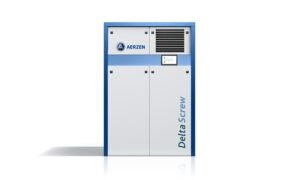
AERZEN application note: Delta Hybrid Screw Blower รองรับ load-unload cycle และ VFD operation ในระดับกว้าง เหมาะกับ process ที่ demand ผันผวน ทีมวิศวกร AERZEN จะประเมิน operating pattern เพื่อแนะนำ control strategy ที่ถูกต้องในขั้นตอน site assessment
ข้อ 4: Utilities และข้อจำกัดด้านกายภาพ — เครื่องจะอยู่ที่ไหน ต่ออะไรได้บ้าง
เครื่องที่ spec ถูกต้องแต่ไม่สามารถติดตั้งได้จริงคือเครื่องที่เลือกผิด
รายการตรวจ utilities:
| รายการ | รายละเอียดที่ต้องระบุ |
|---|---|
| ไฟฟ้า | แรงดัน (380V/400V/415V), phase (3-phase), ampere capacity ที่ switchboard, ระยะห่างจาก switchboard ถึงไซต์ |
| Cooling water | Flow rate ที่จ่ายได้ (l/min), temperature (inlet/outlet), pressure — สำหรับ water-cooled model เช่น VMW |
| พื้นที่ติดตั้ง | มิติพื้นที่ว่าง (กxยxส), bearing capacity ของพื้น (kN/m²), ระยะห่างจาก equipment อื่น |
| Ventilation | อุณหภูมิ ambient สูงสุด, การระบายอากาศในพื้นที่ที่เครื่องจะวาง (สำคัญมากสำหรับ air-cooled model) |
| Noise requirement | ระดับ dB(A) ที่ยอมรับได้ที่ 1 เมตร — บางโรงงานมี requirement เฉพาะสำหรับพื้นที่ติดสำนักงาน |
| Outdoor vs. indoor | ถ้า outdoor, IP rating และ canopy specification ต้องระบุ |
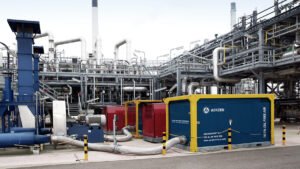
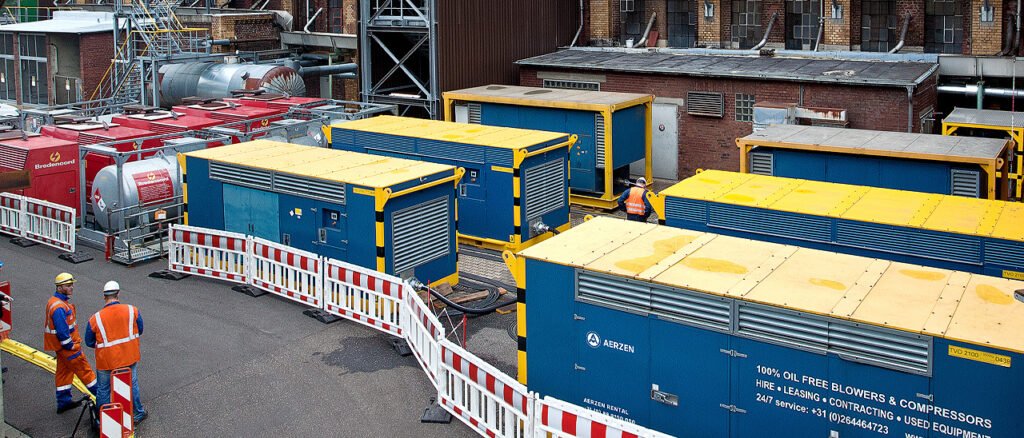
สำหรับ trailer-mounted rental unit: AERZEN มี trailer-mounted configuration สำหรับ deployment นอกอาคาร ซึ่งทำให้ไม่ต้องมี indoor space requirement และ mobilize ได้ภายใน 24 ชั่วโมงสำหรับ emergency cases
ข้อ 5: Air Quality Requirement — Class อะไรที่ process ต้องการ
นี่คือข้อที่มักถูก skip ในการเช่าแบบ “รีบ ๆ” และนำไปสู่ปัญหาใหญ่ในภายหลัง
Framework ISO 8573-1:2010 ที่ต้องรู้:
ISO 8573-1 แบ่ง purity class ของ compressed air เป็น 3 contaminant groups หลัก:
- Oil content (aerosol + vapor): Class 0 คือ < 0.01 mg/m³ — มาตรฐานสูงสุดสำหรับ semiconductor, F&B, electronics
- Particulate matter: Class 1 (≥ 0.1 µm) ไปถึง Class 5 — ระบุตาม use point requirement
- Water content (pressure dew point): Class 1 (-70°C PDP) ไปถึง Class 6 — ระบุตาม ambient condition และ application
การเลือก class ที่ถูกต้อง:
| Application | Minimum Oil Class | หมายเหตุ |
|---|---|---|
| อาหารและเครื่องดื่ม (product contact) | Class 0 | FSSC 22000, ISO 22000 |
| ยา (ISO 22000 clean room) | Class 0 | ISO 22000 Annex 1 (2022) |
| Electronics / Semiconductor | Class 0 | SEMI S2 + fab spec |
| wastewater aeration | Class 1-2 | ไม่ต้องการ Class 0 แต่ oil-free ยังดีกว่า |
| Pneumatic conveying — non-food | Class 1-2 | ขึ้นกับ material |
| General manufacturing | Class 2-3 | ตรวจ tool requirement |
สิ่งที่วิศวกรต้องตอบได้:
- มี direct หรือ indirect product contact ไหม?
- มี regulatory requirement ที่ระบุ Class ไหม? (ISO 22000 / FSSC / FSSC 22000)
- Process downstream sensitive ต่อ oil contamination ในระดับ ppm ไหม?
ถ้าคำตอบข้อใดข้อหนึ่งคือ “ใช่” — Class 0 คือ minimum requirement และ oil-free by design คือแนวทางที่ถูกต้อง ไม่ใช่ “oil-free via filtration” ซึ่ง auditor ในอุตสาหกรรม electronics และ F&B ไม่ยอมรับ
Checklist สรุป: 5 ข้อก่อนส่ง RFQ
[ ] 1. Flow Demand
    [ ] Peak flow (Nm³/h)
    [ ] Average flow
    [ ] Minimum flow (ถ้ามี VFD requirement)
    [ ] จำนวน simultaneous use points

[ ] 2. Pressure Profile
    [ ] Required pressure at use point (bar g)
    [ ] Estimated system pressure drop (bar)
    [ ] Required discharge pressure (bar g)
    [ ] Inlet conditions (ambient / sealed system)

[ ] 3. Duty Cycle
    [ ] ชั่วโมงใช้งานต่อวัน / ต่อปี
    [ ] Continuous หรือ intermittent
    [ ] Redundancy requirement (N+1 / N+2 / none)
    [ ] Start-stop frequency (ครั้ง/ชั่วโมง)

[ ] 4. Utilities & Site Conditions
    [ ] Power: แรงดัน, phase, ampere
    [ ] Cooling water: flow, temperature, pressure (ถ้าต้องการ)
    [ ] พื้นที่ติดตั้ง: มิติ, floor load
    [ ] Ambient temperature สูงสุด
    [ ] Noise limit (dB(A))

[ ] 5. Air Quality Requirement
    [ ] Oil class (ISO 8573-1)
    [ ] Particle class
    [ ] Moisture / PDP requirement
    [ ] Regulatory basis (ISO 22000 / FSSC / สัญญาลูกค้า)
ขั้นตอนหลังจาก Checklist เสร็จ
เมื่อรวบรวมข้อมูล 5 ข้อได้ครบ ขั้นตอนถัดไปคือนำข้อมูลไปให้ทีม Application Engineering ของ AERZEN วิเคราะห์ร่วมกัน — เพื่อ:
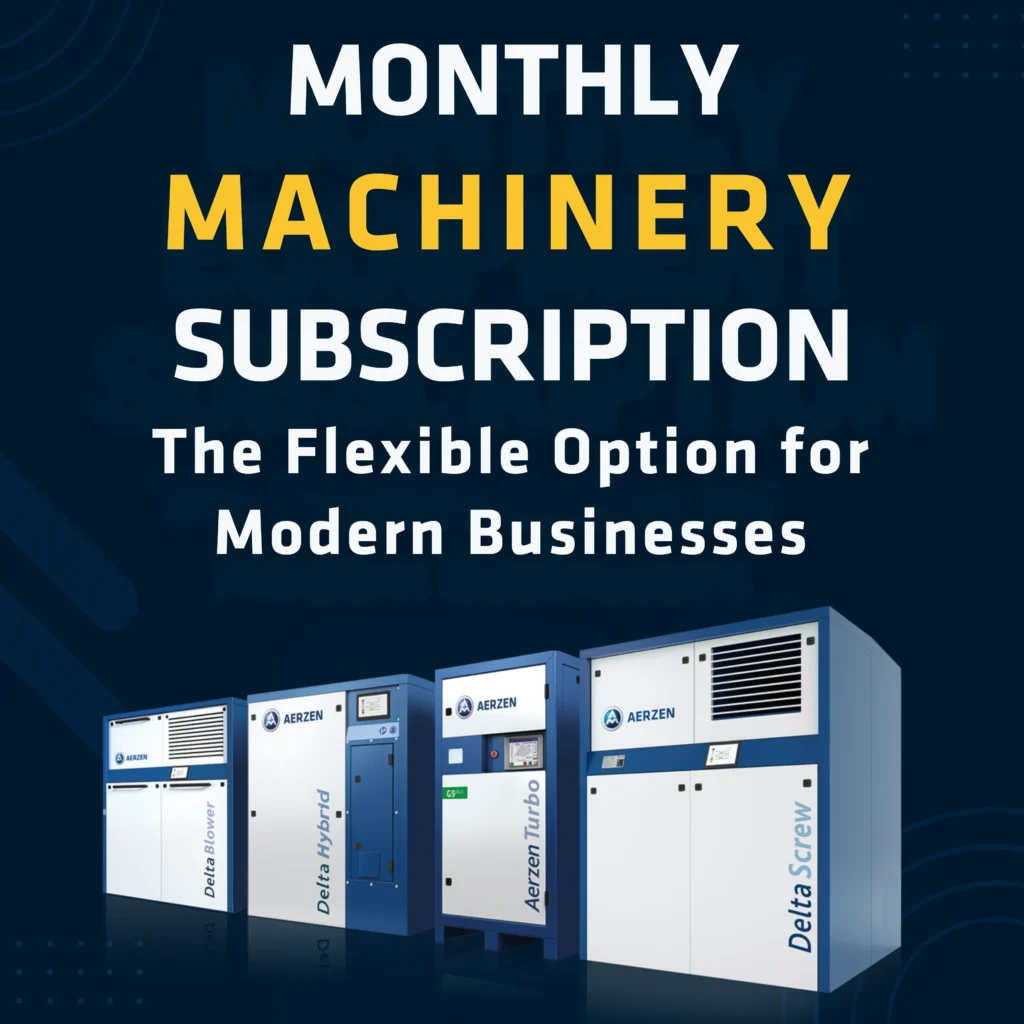
- เลือกรุ่นเครื่องที่ตรงกับ operating point (DVO, BVO, BVS, Delta Hybrid, Delta Screw E)
- ยืนยัน Class 0 certification ที่ตรงกับ application
- ออกแบบ configuration สำหรับ deployment (trailer-mounted / skid / container)
- วาง commissioning plan และกำหนด delivery timeline
ทีมวิศวกร AERZEN ทำ site assessment ร่วมกับวิศวกรโรงงานโดยไม่มีค่าใช้จ่าย — นี่คือส่วนหนึ่งของ Subscription Plan และ rental process มาตรฐาน
ติดต่อ AERZEN Rental Thailand
หากคุณมีข้อมูล 5 ข้อพร้อมแล้ว หรือต้องการให้ทีมวิศวกร AERZEN Rental Thailand ช่วยทำ site assessment ก่อนตัดสินใจ:
- โทร (สำนักงาน): 038-015-488
- Hotline 24/7 (กรณีฉุกเฉิน): 098-323-2626
- อีเมล: thai@aerzenrental.com
- เว็บไซต์: www.aerzenrentalth.com
Rent a solution. Expect performance.
เกี่ยวกับผู้เขียน
Paradorn Wannasung เป็น Marketing Communication Specialist ของ AERZEN Rental Thailand ดูแลการสื่อสารแบรนด์ คอนเทนต์เทคนิค และการให้ความรู้ B2B ในกลุ่ม oil-free compressed air, blower rental, และ ISO 8573-1 Class 0 compliance สำหรับอุตสาหกรรมเครื่องดื่ม อาหารและเครื่องดื่ม น้ำเสีย และเซมิคอนดักเตอร์ จบนิเทศศาสตรมหาบัณฑิต (การสื่อสารการตลาดและแบรนด์) เขียนคอนเทนต์ทั้งหมดบน aerzenrentalth.com ติดต่อ: pwa@aerzenrental.com · LinkedIn: linkedin.com/in/paradorn-wannasung
Last reviewed: 2026-05-14

✍️ เกี่ยวกับผู้เขียน
ภราดร วรรณสังข์ (Paradorn Wannasung)
Marketing Communication Specialist · นิเทศศาสตรมหาบัณฑิต (การสื่อสารการตลาดและแบรนด์)
ภราดร (Paradorn) เป็นผู้ดูแลด้านการสื่อสารการตลาดของ AERZEN Rental Thailand จบนิเทศศาสตรมหาบัณฑิต (การสื่อสารการตลาดและแบรนด์) เชี่ยวชาญด้านอุตสาหกรรม B2B ในประเทศไทย มีประสบการณ์การสร้างแบรนด์และคอนเทนต์ในกลุ่มอุตสาหกรรมของไทย
ติดต่อ: pwa@aerzenrental.com · LinkedIn