บทนำ: อากาศในสายการผลิต Beverage — ไม่ใช่แค่เรื่องของ Compressor
สายการผลิต beverage ทุกแห่งใช้ compressed air และ blower air ในหลายจุด: ตั้งแต่ pneumatic actuator ที่ขับ filler valve, blow molding ที่ขึ้นรูป PET bottle, rinsing air ที่ล้าง bottle ก่อน fill, purging nitrogen ที่ดัน headspace, ไปจนถึง conveying air ที่ส่ง cap และ label ตามสายการผลิต
แต่ไม่ใช่ทุก air point ที่มีความเสี่ยงเท่ากัน และ compliance requirement ก็ต่างกันตามนั้น
บทความนี้แยก application ของ air ในสายการผลิต beverage ออกเป็นสองประเภทหลัก — food contact และ air contact — อธิบาย standard ที่เกี่ยวข้อง และแนะนำ approach ในการ specify compressed air quality ที่ตรงกับ audit requirement ของ FSSC 22000, BRC, และ Codex Alimentarius
ตามที่ AERZEN พัฒนา oil-free blower และ compressor technology มาตั้งแต่ปี ค.ศ. 1864 บทความนี้ใช้ engineering knowledge ที่สะสมมากว่า 160 ปีในการอธิบาย compliance pathway สำหรับอุตสาหกรรม beverage ในประเทศไทย
1. นิยาม: Food Contact Air กับ Air Contact Air ต่างกันอย่างไร
1.1 Food Contact Air
Food contact air คืออากาศที่สัมผัสโดยตรงกับผลิตภัณฑ์อาหารหรือเครื่องดื่ม หรือสัมผัสกับพื้นผิวของ packaging ที่จะสัมผัสกับผลิตภัณฑ์
ตัวอย่างใน beverage line:
- Blow molding air ที่เข้าไปในภายใน PET bottle ระหว่างขึ้นรูป (bottle inside surface = food contact surface)
- Rinsing air ที่ flush bottle ก่อน filling
- Purging air เหนือ product level ใน filling chamber
- Nitrogen (หรือ CO₂) ที่ใช้ flush headspace — แม้จะเป็น inert gas ก็ยังเป็น food contact
1.2 Air Contact Air
Air contact air คืออากาศที่ไม่สัมผัสกับผลิตภัณฑ์หรือ food contact surface โดยตรง
ตัวอย่างใน beverage line:
- Pneumatic actuator air สำหรับ filler valve, capper, labeler
- Conveying air สำหรับ cap, label, empty bottle (exterior surface)
- Instrument air สำหรับ control valve
- Cooling air สำหรับ motor, panel
ความสำคัญ: Compliance requirement ของ food contact air เข้มกว่า air contact air อย่างมีนัยสำคัญ
2. Standard Framework ที่ใช้ใน Beverage Sector
2.1 ISO 8573-1 — Air Quality Classes
ISO 8573-1:2010 กำหนดระดับความสะอาดของ compressed air ออกเป็น Class ตาม 3 contaminant:
- Particulate (solid particles) — Class 0-6
- Humidity (water/dew point) — Class 0-9
- Oil (aerosol + vapour) — Class 0-4
สำหรับ food contact air ใน beverage:
- หลายโรงงาน specify Class 1:1:1 หรือ Class 0 สำหรับ oil (user-defined)
- Class 0 ไม่ใช่ค่าตัวเลขตายตัว แต่เป็น user-defined level ที่เข้มกว่า Class 1 — ต้องระบุ acceptance criteria เพิ่มเติม
สำหรับ air contact air ใน beverage:
- Class 2:2:2 หรือ Class 3 มักเพียงพอสำหรับ actuator และ conveying
- ขึ้นกับ audit body และ customer requirement
อ้างอิง: ISO 8573-1:2010, “Compressed air — Part 1: Contaminants and purity classes,” ISO. Available: https://www.iso.org/ — [verified 2026-06-14]
2.2 FSSC 22000 และ ISO 22000
FSSC 22000 (Food Safety System Certification) ซึ่งเป็น GFSI-recognized scheme กำหนดให้องค์กรใน food/beverage sector ต้องควบคุมคุณภาพอากาศที่เป็น hazard ต่อ food safety ผ่าน HACCP/HARPC framework
โดยเฉพาะ FSSC 22000 Version 6 ระบุว่า:
- Compressed air ที่สัมผัสกับ product หรือ product surface ถือเป็น prerequisite program (PRP) ที่ต้องจัดการ
- ต้องมี monitoring plan ที่วัดได้และ documented
อ้างอิง: FSSC 22000, “Scheme Requirements for Food Safety Management Systems — Version 6,” FSSC, Gorinchem, Netherlands. Available: https://www.fssc.com/schemes/fssc-22000/ — [verified 2026-06-14]
2.3 BRC Global Standard for Food Safety
BRC Issue 9 กำหนด requirement สำหรับ compressed air ใน clause 4.9.3: “Compressed air that comes into contact with food or primary packaging shall be monitored for purity and oil content on a regular basis and shall be demonstrated to be of adequate quality.”
BRC ไม่ได้ mandate ISO class ที่แน่นอน แต่ require demonstration of adequacy ผ่าน monitoring และ testing
2.4 Codex Alimentarius — General Principles of Food Hygiene
Codex CAC/RCP 1-1969 Rev.4-2003 ซึ่งเป็น foundation ของ food safety framework ส่วนใหญ่ กำหนดว่า all substances ที่สัมผัสกับอาหารต้องไม่เป็น hazard ต่อ safety
3. Oil-Free Air: เหตุใดจึงเป็น Non-Negotiable สำหรับ Food Contact
น้ำมัน (mineral oil, synthetic oil) ใน compressed air มีผลต่อ beverage product หลายด้าน:
- Health risk: Mineral oil aromatic hydrocarbons (MOAH) เป็น concern ของ EFSA (European Food Safety Authority) สำหรับ food contact
- Organoleptic impact: Oil trace แม้เพียงเล็กน้อยส่งผลต่อ taste และ odor ของเครื่องดื่ม
- Audit risk: หาก auditor พบ oil trace ใน food contact air ใน BRC/FSSC audit — major non-conformance ที่ส่งผลต่อ certification
การใช้ oil-free compressor/blower (ที่ไม่มี lubricant ในห้อง compression) เป็น approach ที่ eliminate ความเสี่ยง oil contamination จาก source — ต่างจากการพึ่งพา downstream filter เพียงอย่างเดียว
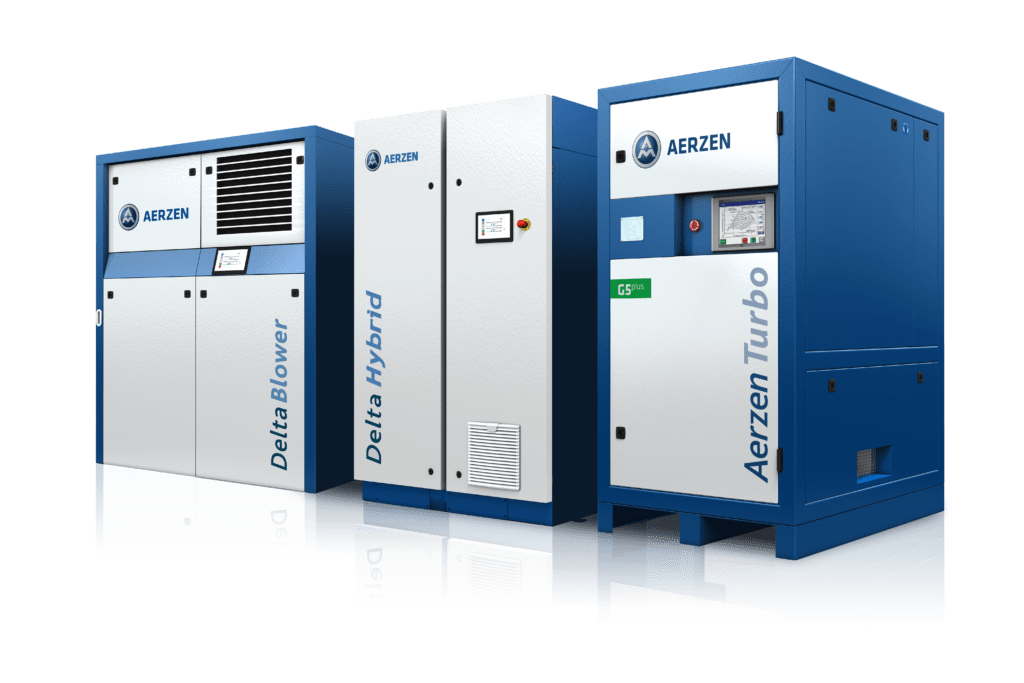
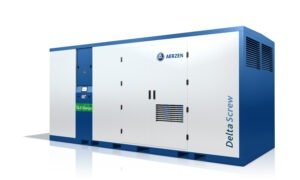
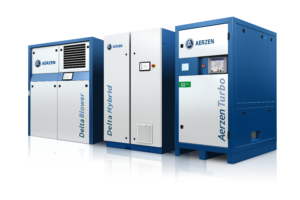
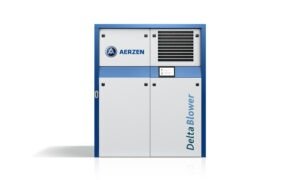
AERZEN ซีรีส์ที่รองรับ food contact application ได้แก่ DVO (Delta Hybrid Screw Blower), BVO (Delta Screw Blower), BVS (Roots Blower), และ TVO (Turbo Blower) ซึ่งทุกซีรีส์มี oil-free compression space
4. Blow Molding Air — จุดที่ต้องการ Air Quality สูงสุด
กระบวนการ Stretch Blow Molding (SBM) หรือ Extrusion Blow Molding (EBM) ของ PET bottle ใช้ high-pressure air (ทั่วไป 30-40 bar สำหรับ SBM) เป่าเข้าใน preform ที่อุ่นแล้ว
ทำไม air quality ถึงสำคัญมาก:
- Air เข้าไปสัมผัสโดยตรงกับภายใน bottle ซึ่งเป็น food contact surface
- ถ้า air มี oil trace — oil สะสมบน bottle interior และตกค้างจนถึง filling
- ถ้า air มี particulate — contamination อาจมองไม่เห็นด้วยตาเปล่าแต่ปรากฏใน product
Air quality specification ที่แนะนำสำหรับ SBM:
- Oil: Class 0 (user-defined, ต่ำกว่า Class 1 ซึ่ง = ≤0.01 mg/m³)
- Particulate: Class 1 (≤20,000 particles ≥0.1 µm / m³; ≤400 ≥0.5 µm; ≤10 ≥1.0 µm)
- Dew point (humidity): ต่ำกว่า -20°C Pressure Dew Point เพื่อหลีกเลี่ยง moisture ใน bottle
5. Rinsing Air — ก่อน Filling จุดที่พลาดไม่ได้
ขั้นตอน rinsing ใช้อากาศหรือน้ำฉีดล้าง bottle ก่อน product filling สำหรับ dry rinsing (air only) หรือ ionized air rinsing — quality ของ air ต้องอยู่ในระดับ food contact เช่นเดียวกับ blow molding air
จุดที่มักถูกมองข้าม: Rinsing machine มักดึง air จาก ring main เดียวกับ actuator air ถ้าไม่มีการแยก supply line อย่างชัดเจน — contamination จาก actuator air อาจ cross-contaminate rinsing air ได้
แนวทาง: แยก food contact air ring main ออกจาก utility air ring main อย่างชัดเจน ทั้ง physical separation ของ pipe และ quality monitoring แยกกัน
6. Case Study (Anonymized): โรงงานเครื่องดื่ม RTD ในประเทศไทย
Background: โรงงาน Ready-to-Drink (RTD) beverage แห่งหนึ่งในภาคกลางของไทยกำลัง prepare สำหรับ FSSC 22000 audit โดย internal audit ค้นพบว่า blow molding air มาจาก oil-lubricated compressor ที่มี downstream coalescing filter เพียงชั้นเดียว
Challenge: Auditor ของ certification body ตั้งคำถามถึง adequacy ของ filter เพียงชั้นเดียว และขอ oil analysis ผล — พบ trace oil ที่ 0.05 mg/m³ ซึ่งยังไม่ผ่าน Class 1
Solution approach: ฝ่าย QA ตัดสินใจเปลี่ยน blow molding air supply เป็น oil-free compressor (rental unit ระหว่าง CAPEX evaluation) พร้อมเพิ่ม sterile filter ที่ point-of-use และ ติดตั้ง oil monitor แบบ continuous ที่ supply line
Outcome (internal benchmark): ผ่าน FSSC 22000 audit ในรอบถัดไปโดยไม่มี non-conformance เรื่อง compressed air QA team บันทึกว่า approach นี้ให้ความมั่นใจสูงกว่าการพึ่งพา filter เพียงอย่างเดียว
7. Monitoring Program: ต้องทำอะไรและบ่อยแค่ไหน
| Parameter | Standard | Minimum Frequency (Food Contact) |
|---|---|---|
| Oil content (aerosol) | ISO 8573-2 | ทุก 3-6 เดือน + หลัง PM ทุกครั้ง |
| Particulate | ISO 8573-4 | ทุก 6 เดือน |
| Pressure Dew Point | ISO 8573-3 | Continuous (sensor) หรือ quarterly |
| Microbial (ถ้า FSSC/BRC กำหนด) | ISO 8573-7 | ตาม risk assessment |
ความถี่ขึ้นกับ risk assessment และ audit body requirement — ให้ตรวจสอบกับ certification scheme ที่ใช้
FAQ
Q1: ถ้าใช้ oil-free compressor แล้วยังต้องมี downstream filter อยู่ไหม? ใช่ แม้จะใช้ oil-free compressor แต่ downstream filtration ยังจำเป็นเพื่อ control particulate, moisture, และ microbial contamination จากระบบ piping และสภาพแวดล้อม การใช้ oil-free compressor หมายความว่าคุณ eliminate oil as a source ไม่ใช่ eliminate filter requirement ทั้งหมด
Q2: Nitrogen ที่ใช้ headspace flushing ต้องผ่าน ISO 8573-1 ด้วยหรือไม่? ISO 8573-1 ออกแบบสำหรับ compressed air ไม่ใช่ industrial gas เช่น nitrogen อย่างไรก็ตาม nitrogen ที่ใช้สัมผัส product ต้องผ่าน food grade specification ตาม food law ที่เกี่ยวข้อง (เช่น EU Regulation 1333/2008 สำหรับ food additives — CO₂ และ N₂ เป็น permitted food additives E290/E941) ในบริบทของไทยให้ตรวจสอบกับ อย. และ certification body
Q3: BRC audit ต้องการ compressed air test ถี่แค่ไหน? BRC Issue 9 ไม่กำหนดความถี่ตายตัว แต่ require ว่าความถี่ต้องมาจาก risk assessment และต้อง documented ในกรณีที่มี major change (เปลี่ยน compressor, ซ่อม pipe) ต้องทดสอบ out-of-cycle
Q4: Blow molding air กับ utility actuator air ควร supply จาก unit เดียวกันได้ไหม? ทำได้ถ้าระบบมี dedicated ring main แยกสำหรับ food contact air พร้อม filtration ที่ point-of-entry ของแต่ละ ring แต่ทางปฏิบัติที่ auditor มักยอมรับได้ง่ายกว่าคือแยก supply unit และ ring main ระหว่าง food contact และ non-food contact air ให้ชัดเจน
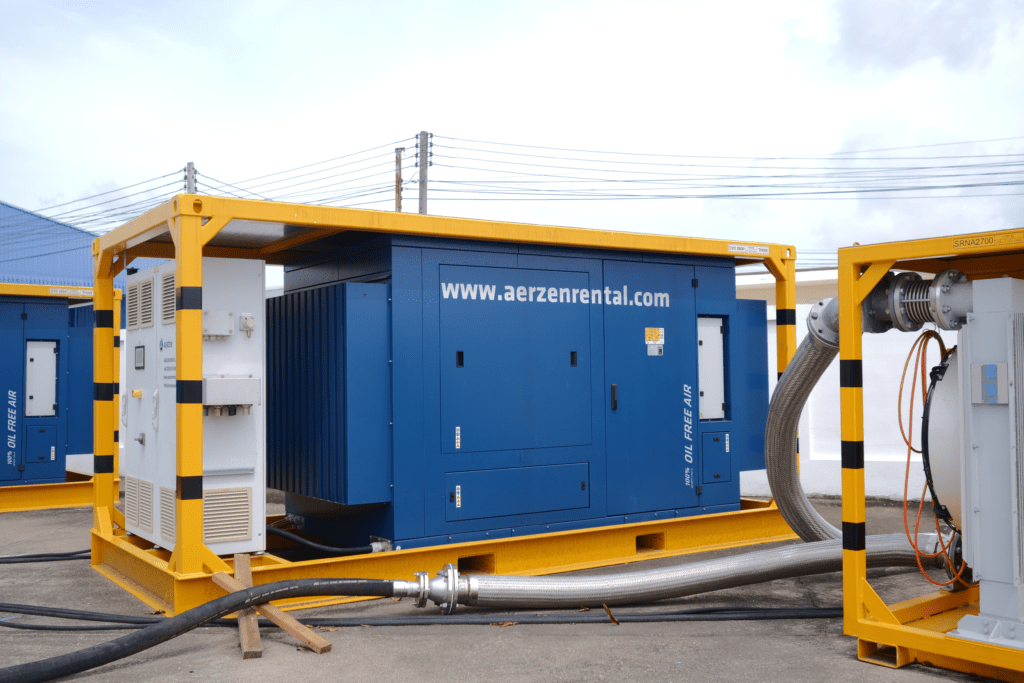
Q5: การเช่า oil-free blower/compressor สามารถนำมาใช้ทดแทน existing unit ระหว่าง audit ได้หรือไม่? ได้ Rental unit สามารถใช้เป็น interim solution ระหว่าง CAPEX approval หรือระหว่าง corrective action หลัง audit finding AERZEN Rental Thailand สามารถ deploy unit พร้อม technical document สำหรับ audit dossier
ขอข้อมูล Air Quality Solution สำหรับสายการผลิต Beverage ของคุณ
ทีมวิศวกรของ AERZEN Rental Thailand มีประสบการณ์ด้าน oil-free air สำหรับ food และ beverage application พร้อมให้คำปรึกษาและ technical proposal สำหรับ audit preparation
ติดต่อทีมงาน:
- โทรสายด่วน: 098-323-2626 (24/7)
- โทรออฟฟิศ: 038-015-488
- อีเมล: thai@aerzenrental.com
- เว็บไซต์: www.aerzenrentalth.com
Rent a solution. Expect performance.
แหล่งอ้างอิง
- ISO 8573-1:2010, “Compressed air — Part 1: Contaminants and purity classes,” ISO. Available: https://www.iso.org/ — [verified 2026-06-14]
- FSSC 22000 Version 6, “Scheme Requirements for Food Safety Management Systems,” FSSC. Available: https://www.fssc.com/schemes/fssc-22000/ — [verified 2026-06-14]
- BRC Global Standard for Food Safety Issue 9, British Retail Consortium. Available: https://www.brcgs.com/our-standards/food-safety/ — [verified 2026-06-14]

✍️ เกี่ยวกับผู้เขียน
ภราดร วรรณสังข์ (Paradorn Wannasung)
Marketing Communication Specialist · นิเทศศาสตรมหาบัณฑิต (การสื่อสารการตลาดและแบรนด์)
ภราดร (Paradorn) เป็นผู้ดูแลด้านการสื่อสารการตลาดของ AERZEN Rental Thailand จบนิเทศศาสตรมหาบัณฑิต (การสื่อสารการตลาดและแบรนด์) เชี่ยวชาญด้านอุตสาหกรรม B2B ในประเทศไทย มีประสบการณ์การสร้างแบรนด์และคอนเทนต์ในกลุ่มอุตสาหกรรมของไทย
ติดต่อ: pwa@aerzenrental.com · LinkedIn
บทความที่เกี่ยวข้อง
หัวข้อหลัก: อากาศอัดออยล์ฟรีสำหรับโรงงานอาหารและเครื่องดื่ม