ตามที่ AERZEN ออกแบบและพัฒนาระบบ blower และ compressor มาตั้งแต่ปี 1864 การจัดการความร้อนของ bearing คือหนึ่งในพารามิเตอร์ที่วิศวกรฝ่าย Maintenance ต้องควบคุมอย่างแม่นยำเพื่อป้องกัน unplanned downtime
จากข้อมูลในอุตสาหกรรม blower และ compressor พบว่า bearing failure เป็นสาเหตุหลักของ mechanical failures — และวิธีที่วิศวกร Maintenance จะตรวจจับปัญหาได้ก่อนถึงจุดเสียหายคือการเลือก sensor วัดอุณหภูมิที่ถูกต้องตั้งแต่ต้น
บทความนี้เปรียบเทียบ RTD (Resistance Temperature Detector) กับ Thermocouple ในบริบทของระบบ blower และ compressor อุตสาหกรรม เพื่อช่วยให้ Maintenance Manager เลือกได้อย่างมีข้อมูลเพียงพอ
RTD คืออะไร และทำงานอย่างไร
RTD (Resistance Temperature Detector) ทำงานบนหลักการที่ว่าความต้านทานไฟฟ้าของโลหะเปลี่ยนแปลงตามอุณหภูมิอย่างสม่ำเสมอและคาดการณ์ได้ ประเภทที่พบมากในงาน bearing monitoring คือ PT100 (Platinum 100 ohm ที่ 0°C) และ PT1000
การออกแบบ PT100 เป็นไปตามมาตรฐาน IEC 60751 ซึ่งกำหนด tolerance class A (±0.15°C ที่ 0°C) และ class B (±0.30°C ที่ 0°C) ไว้อย่างชัดเจน ทำให้ RTD เป็น sensor ที่มีความแม่นยำสูงในช่วงอุณหภูมิ -50°C ถึง +400°C
ข้อดีของ RTD สำหรับ bearing monitoring:
- ความแม่นยำสูง เหมาะกับการตั้ง alarm threshold ที่ค่าต่าง ±2-3°C
- Stability ระยะยาวดี ไม่ drift มากเมื่อใช้งานนาน
- เอาต์พุตเป็น linear กว่า thermocouple ทำให้ calibration ง่าย
ข้อจำกัดของ RTD:
- ตอบสนองช้ากว่า thermocouple (response time สูงถึง 3-7 วินาทีสำหรับ sheathed type)
- Self-heating effect — กระแสที่ผ่าน sensor อาจทำให้ค่าอ่านสูงกว่าจริงเล็กน้อย (ต้องใช้ low excitation current ≤1 mA)
- ราคา element สูงกว่า thermocouple
Thermocouple คืออะไร และทำงานอย่างไร
Thermocouple วัดอุณหภูมิจาก Seebeck effect — เมื่อโลหะ 2 ชนิดต่างกันสัมผัสกันที่จุดหนึ่ง จะเกิด EMF (electromotive force) ที่แปรตามความต่างของอุณหภูมิระหว่างจุด hot junction และ cold junction
ประเภทที่พบบ่อยในงาน industrial bearing monitoring:
| Type | Composition | Range (°C) | Sensitivity (µV/°C) |
|---|---|---|---|
| J | Iron / Constantan | -210 ถึง +1,200 | ~52 |
| K | Chromel / Alumel | -270 ถึง +1,372 | ~41 |
| T | Copper / Constantan | -270 ถึง +400 | ~43 |
Type K เป็นที่นิยมมากสุดในงาน compressor bearing เพราะ range ครอบคลุมและราคาเข้าถึงได้
ข้อดีของ Thermocouple สำหรับ bearing monitoring:
- Response time เร็ว (0.1-1.0 วินาทีสำหรับ bare wire type) — จับ thermal event ได้ทันที
- ทนอุณหภูมิสูงมากกว่า RTD
- ติดตั้งง่าย ไม่ต้องการ excitation current
ข้อจำกัดของ Thermocouple:
- ต้องการ cold junction compensation (CJC) ที่แม่นยำ
- Drift มากกว่าในระยะยาวโดยเฉพาะ Type J ที่อุณหภูมิสูง
- Noise sensitivity สูงกว่าในสภาพแวดล้อมที่มี EMI
เกณฑ์เปรียบเทียบ RTD กับ Thermocouple: สรุปเชิงวิศวกรรม
| เกณฑ์ | RTD (PT100/PT1000) | Thermocouple (Type K) |
|---|---|---|
| ความแม่นยำ | สูง (±0.1-0.5°C) | ปานกลาง (±1-2°C) |
| Response time | ช้า (3-7 วินาที) | เร็ว (0.1-1 วินาที) |
| ช่วงอุณหภูมิ | -50 ถึง +400°C | -270 ถึง +1,372°C (ขึ้นกับ type) |
| Long-term stability | ดีมาก | ปานกลาง |
| ทนต่อ EMI | ดี | ต้องป้องกันพิเศษ |
| ราคา element | สูงกว่า | ต่ำกว่า |
| เหมาะกับ bearing | อุณหภูมิ normal duty ≤200°C | High-speed หรือ high-temp bearing |
Bearing Temperature Limits ตามมาตรฐาน ISO และ IEC
การตั้งค่า alarm และ trip ของ bearing temperature ต้องอ้างอิงจาก:
- ISO 10816-3 — Mechanical vibration: Evaluation of machine vibration by measurements on non-rotating parts สำหรับ industrial machines (ISO 10816-3 verified 2026-05-08) ซึ่งระบุถึงค่า vibration severity ที่สัมพันธ์กับ bearing health และแนะนำให้ monitor bearing temperature ควบคู่กับ vibration เพื่อ diagnosis ที่แม่นยำ
- IEC 60034-9 ครอบคลุม noise limits แต่สำหรับ vibration ของ rotating machines ให้ใช้ ISO 10816-3 เป็นหลัก
โดยทั่วไปสำหรับ blower bearing ที่ใช้ grease lubrication:
- Normal operating range: ≤80°C (bearing outer race)
- Warning alarm: 85-95°C
- Trip/shutdown: 100-110°C หรือตามที่ OEM กำหนด
สำหรับ oil-lubricated bearing (ใช้ใน high-speed compressor):
- Normal: ≤70°C (oil inlet)
- Warning: 80°C
- Trip: 90°C หรือตาม OEM spec
ตัวอย่างสมมติเพื่ออธิบายหลักการ — โรงงานบำบัดน้ำเสียขนาดกลาง ภาคตะวันออก
(ข้อมูลต่อไปนี้เป็น ตัวอย่างสมมติ เพื่อใช้อธิบายหลักการเท่านั้น ไม่ใช่ข้อมูลลูกค้าจริง)
โรงงานบำบัดน้ำเสียแห่งหนึ่งในภาคตะวันออกใช้ blower roots-type รุ่น BVS ติดตั้ง thermocouple Type K บน bearing housing เพื่อตรวจจับ thermal event ตั้งแต่แรก เมื่อ 6 เดือนหลังเดินเครื่อง พบว่า alarm ดับไปเองโดยไม่ทราบสาเหตุหลายครั้ง หลังตรวจสอบพบว่าสายสัญญาณ thermocouple วิ่งขนานกับ power cable 3-phase ทำให้ EMI รบกวนสัญญาณ ทีมงานเปลี่ยนเป็น PT100 3-wire พร้อมใส่ shielded cable แยกจาก power conduit ผล: ค่า bearing temperature อ่านได้นิ่งและ reproducible ทำให้สามารถ detect ค่า drift เพียง 3°C ก่อนที่ bearing จะเริ่ม wear จริง
บทเรียน: ในสภาพแวดล้อมที่มี EMI สูง (motor drive, VFD) RTD 3-wire ในสาย shielded ให้ความน่าเชื่อถือสูงกว่า thermocouple
การเลือก Sensor ตามลักษณะการใช้งาน
สถานการณ์ที่ควรเลือก RTD
- Bearing ที่ต้องการ precision alarm — ติดตั้งบน journal bearing ของ compressor ที่มี alarm band แคบ ±3°C
- ระบบที่มี VFD หรือ inverter — สภาพแวดล้อม EMI สูง RTD ทนทานกว่า
- Long-term continuous monitoring — ระบบที่ต้อง trend log เพื่อ predictive maintenance ระยะ 5-10 ปี
สถานการณ์ที่ควรเลือก Thermocouple
- Bearing บน high-speed turbomachinery — อุณหภูมิเกิน 400°C ที่ RTD ไม่รองรับ (เช่น TVO oil-free screw compressor ที่มี bearing ใกล้ hot gas section)
- Spot check และ field measurement — การตรวจสอบแบบเร็ว thermocouple portable ใช้สะดวกกว่า
- Redundant sensor ในระบบ critical — ใช้ RTD เป็น primary, thermocouple เป็น backup เพื่อ cross-validation
Hybrid Approach สำหรับระบบ AERZEN DVO
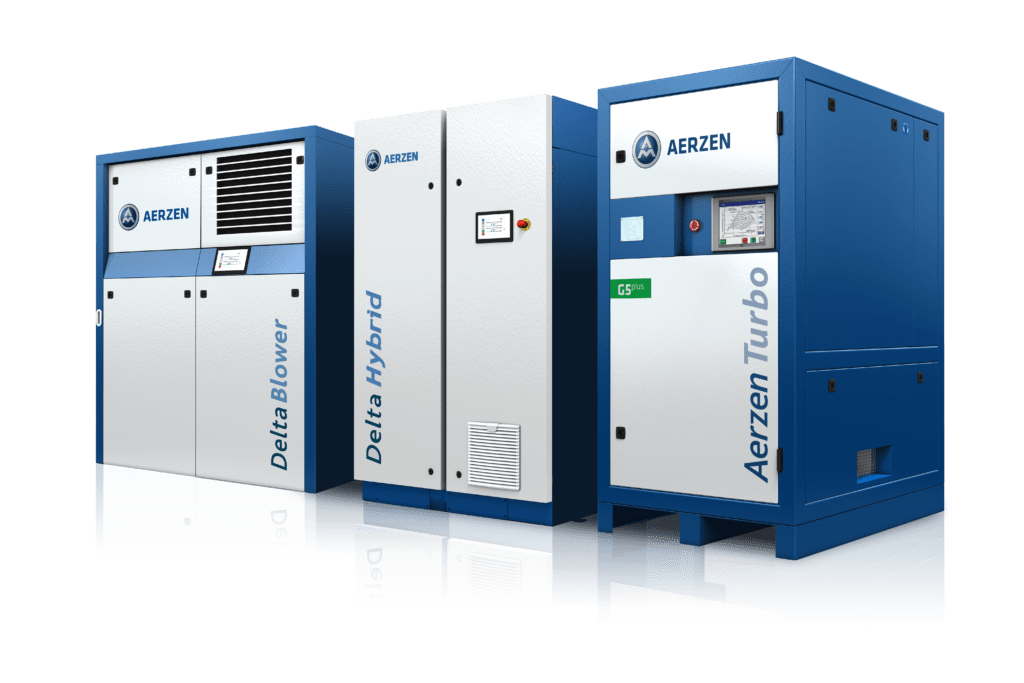
สำหรับ AERZEN DVO (Delta Hybrid Screw Blower) ที่มีทั้ง screw element และ gear stage วิศวกรแนะนำให้ใช้:
- PT100 3-wire บน main rotor bearing (precision monitoring)
- Type K thermocouple บน gear mesh area (fast thermal detection)
การรวมสองแบบช่วยให้ระบบ monitoring ครอบคลุมทั้ง precision และ speed of response ในเครื่องเดียว
Installation Best Practice
สำหรับ RTD:
- ใช้ 3-wire configuration เสมอเพื่อ compensate lead resistance
- Excitation current ไม่เกิน 1 mA เพื่อลด self-heating
- Shielded cable, terminate shield ด้านเดียว (panel end)
- ตรวจสอบ insulation resistance ≥100 MΩ หลังติดตั้ง
สำหรับ Thermocouple:
- ใช้ extension wire ที่ตรง type เดิม (Type K ใช้ Type K extension เท่านั้น)
- Cold junction compensation ต้องอยู่ที่อุณหภูมิคงที่
- Grounding: grounded junction ใน noisy environment ช่วยลด noise แต่ต้องระวัง ground loop
- Shielded cable แยก conduit จาก power cable อย่างน้อย 300 mm
Mounting depth: Sensor ต้องสัมผัสกับ bearing housing โดยตรง ไม่ใช่วาง surface — ใช้ thermowell หรือ drilled pocket depth ≥ 2D ของ element diameter
Calibration และ Maintenance Interval
RTD: calibrate ทุก 12-18 เดือนเทียบกับ reference standard ตาม IEC 60751 Thermocouple: calibrate ทุก 6-12 เดือน (drift มากกว่า) — Type J ที่อุณหภูมิสูง อาจต้องเปลี่ยน element ทุก 2 ปี
บันทึก calibration record ใน CMMS ของโรงงาน เพื่อ traceability ตาม ISO 9001 requirement
FAQ
Q1: PT100 กับ PT1000 ต่างกันอย่างไร และควรเลือกอะไร? A: PT100 มีความต้านทาน 100 ohm ที่ 0°C, PT1000 มี 1,000 ohm ที่ 0°C PT1000 เหมาะกับสายยาว (lead resistance มีผลน้อยกว่า) และใช้ในระบบที่ต้องการ high impedance input แต่สำหรับงาน bearing monitoring ระยะสาย ≤50 m PT100 3-wire ให้ผลดีเพียงพอและ transmitter ในตลาดรองรับได้กว้างกว่า
Q2: ทำไม bearing temperature ถึง alarm โดยที่ vibration ยังปกติ? A: เป็นไปได้ — thermal failure mode บางประเภท (เช่น lubrication breakdown, coolant flow restriction) เกิดก่อน vibration signature ชัดเจน การ monitor ทั้ง temperature และ vibration (ตาม ISO 10816-3) พร้อมกันให้ early warning ที่ครอบคลุมกว่า
Q3: สำหรับ AERZEN BVS roots blower มาตรฐาน sensor ที่ใช้คืออะไร? A: AERZEN BVS Rotary Lobe Roots Blower มาพร้อม sensor pocket สำหรับ PT100 ที่ bearing housing ทั้ง DE (Drive End) และ NDE (Non-Drive End) ตามมาตรฐาน ตรวจสอบ spec sheet ล่าสุดหรือติดต่อทีมงาน AERZEN เพื่อยืนยัน configuration สำหรับ model ที่ต้องการ
Q4: ควรตั้ง trip temperature ที่เท่าไรสำหรับ compressor ขนาดกลาง? A: ค่านี้ขึ้นกับ OEM spec และประเภท lubrication ไม่มีค่า universal โดยทั่วไป grease-lubricated bearing trip ที่ 100-110°C แต่ควรอ้างอิง datasheet ของ machine นั้น ๆ เป็นหลัก AERZEN จะระบุค่า trip ใน technical documentation
Q5: 2-wire RTD ใช้ได้ไหม? A: ได้แต่ไม่แนะนำสำหรับ precision bearing monitoring เพราะ lead resistance สายยาวทำให้ค่า offset สะสม ใช้ 3-wire ขั้นต่ำ 4-wire สำหรับงาน high-precision calibration
Q6: EMI จาก VFD ส่งผลต่อ thermocouple มากแค่ไหน? A: VFD ความถี่ switching 2-16 kHz สร้าง common-mode noise ที่รบกวน thermocouple signal (mV level) ได้อย่างมีนัยสำคัญ ทดสอบโดย isolate thermocouple circuit แล้วเปรียบเทียบค่าก่อน/หลังเปิด VFD ถ้าต่างกัน >1°C ให้พิจารณา shielded twisted pair หรือเปลี่ยนเป็น RTD
บทสรุป
การเลือก RTD หรือ Thermocouple สำหรับ bearing temperature monitoring ไม่มีคำตอบเดียว ขึ้นอยู่กับ:
- อุณหภูมิ operating range ของ bearing
- สภาพแวดล้อม EMI ในโรงงาน
- ความต้องการ precision ของ alarm threshold
- ระยะสายและ installation condition
สำหรับ blower และ compressor ในอุตสาหกรรมส่วนใหญ่ที่ AERZEN ให้บริการ — water treatment, food & beverage, electronics — PT100 3-wire คือ default ที่เหมาะสมเพราะ EMI environment สูงและ precision สำคัญกับ predictive maintenance
เมื่อต้องการ fast thermal detection หรือ temperature เกิน 400°C (เช่น turbo application) thermocouple Type K เป็นตัวเลือกหลัก — และ hybrid approach (RTD primary + thermocouple backup) ให้ coverage ที่ครบถ้วน
ปรึกษาทีมวิศวกรรม AERZEN
AERZEN สนับสนุนการออกแบบระบบ monitoring ของ blower และ compressor ตั้งแต่การเลือก sensor จนถึง alarm logic — โดยไม่คิดค่าใช้จ่ายสำหรับลูกค้าที่เช่าอุปกรณ์ภายใต้ Subscription Plan
ติดต่อทีมงาน AERZEN Rental Thailand เพื่อรับใบเสนอราคาและคำแนะนำด้านวิศวกรรม:
- โทรศัพท์ (สำนักงาน): 038-015-488
- Hotline 24/7: 098-323-2626
- อีเมล: thai@aerzenrental.com
- เว็บไซต์: www.aerzenrentalth.com
Rent a solution. Expect performance.
- IEC 60751:2022 — Industrial platinum resistance thermometers and platinum temperature sensors (verified 2026-05-08)
- ISO 10816-3 — Mechanical vibration: Evaluation by measurements on non-rotating parts (https://www.iso.org/ verified 2026-05-08)
- SKF Bearing Services — ข้อมูลอ้างอิงทั่วไปด้าน bearing reliability (https://www.skf.com/group/services/bearing-services verified 2026-05-08)

✍️ เกี่ยวกับผู้เขียน
ภราดร วรรณสังข์ (Paradorn Wannasung)
Marketing Communication Specialist · นิเทศศาสตรมหาบัณฑิต (การสื่อสารการตลาดและแบรนด์)
ภราดร (Paradorn) เป็นผู้ดูแลด้านการสื่อสารการตลาดของ AERZEN Rental Thailand จบนิเทศศาสตรมหาบัณฑิต (การสื่อสารการตลาดและแบรนด์) เชี่ยวชาญด้านอุตสาหกรรม B2B ในประเทศไทย มีประสบการณ์การสร้างแบรนด์และคอนเทนต์ในกลุ่มอุตสาหกรรมของไทย
ติดต่อ: pwa@aerzenrental.com · LinkedIn