TES District Cooling: ทำไม Instrument Air ต้องเป็น ISO 8573-1 Class 0
- ระบบ ice-storage TES ทำงานใน 2 โหมดที่แตกต่างกันสิ้นเชิง: Charge (แช่แข็งน้ำในตอนกลางคืน) และ Discharge (ละลายน้ำแข็งเพื่อ cooling ในช่วง peak demand) — ทุก cycle สลับทิศทาง flow และ valve position ของ pneumatic actuator หลายร้อยจุดในเวลาอันสั้น ซึ่งต้องการ Instrument Air คุณภาพ ISO 8573-1 Class 0 (oil aerosol ≤ 0.01 mg/m³) เพื่อป้องกัน stiction สะสมจาก rapid cycling
- มาตรฐาน IEC 60534 (control valve) และ ASHRAE 90.1 (energy standard for buildings) กำหนดข้อกำหนดที่ส่งผลตรงต่อ instrument air purity ใน TES automation — โครงการ smart city และ EEC commercial real estate รุ่นใหม่ระบุ Class 0 เป็นข้อกำหนดขั้นต่ำในงาน engineering specification
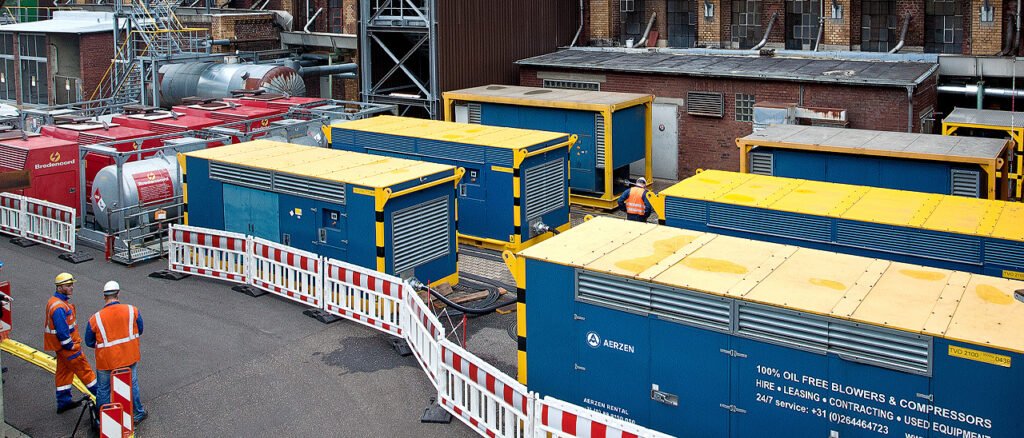
- AERZEN Rental Thailand ให้บริการ oil-free compressor rental bridge (TVO oil-free screw compressor) สำหรับ 3 ช่วงที่ permanent instrument air system ไม่พร้อม: seasonal startup, commissioning/functional testing, และ annual maintenance outage — deploy ได้ภายใน 24 ชั่วโมงจากฐาน Sattahip, Chon Buri
Thermal energy storage (TES) ด้วยระบบ ice storage ใน district cooling เป็นเทคโนโลยีที่โครงการ smart city และ EEC commercial real estate ในประเทศไทยกำลังนำมาใช้อย่างกว้างขวาง เพื่อ shift cooling load ออกจากช่วง peak demand ไปยัง off-peak hours แต่สิ่งที่ specification engineer มักมองข้ามคือ: ระบบ TES ไม่ได้ทำงานแบบ steady-state เหมือน conventional chiller — ทุก charge/discharge cycle บังคับให้ pneumatic control valve ทั้งระบบทำงาน rapid cycling พร้อมกัน ซึ่งต้องการ Instrument Air ที่ปราศจาก oil contamination ในระดับ ISO 8573-1 Class 0 (≤ 0.01 mg/m³) เพื่อให้ IEC 60534-compliant control valve ทำงานได้ตามค่า deadband และ hysteresis ที่ออกแบบไว้ บทความนี้อธิบายกลไกทางวิศวกรรม ข้อกำหนดมาตรฐาน และบทบาทของ rental compressor ในการ bridge ช่วงที่ permanent system ไม่พร้อม
กลไก TES Ice Charge/Discharge: ทำไม Pneumatic Demand ถึงต่างจาก Conventional Chiller
วิศวกรที่คุ้นเคยกับ instrument air สำหรับ conventional chiller plant มักประเมิน TES ต่ำกว่าความเป็นจริง เพราะมองว่า “ก็แค่ chiller อีกตัวหนึ่ง” แต่กลไกภายในของ ice-storage TES แตกต่างอย่างมีนัยสำคัญ
Charge Phase (กลางคืน — Off-Peak Hours)
ในช่วง Charge chiller ทำงานที่ setpoint อุณหภูมิต่ำ (โดยทั่วไป −6°C ถึง −10°C ที่ evaporator) เพื่อแช่แข็งน้ำในถัง TES ขนาดใหญ่ ระหว่างกระบวนการนี้:
- Glycol/Water Diverting Valve: pneumatic 3-way valve ที่ควบคุม flow ระหว่าง ice tank กับ chiller circuit เปิด-ปิดตาม chiller capacity signal — การแช่แข็งที่ไม่สม่ำเสมอใน tank ทำให้ setpoint temperature เปลี่ยนบ่อย ส่งผลให้ valve cycling frequency สูง
- Ice Thickness Sensor Integration: BAS รับ signal จาก ultrasonic ice thickness sensor แล้ว modulate inlet glycol flow ผ่าน pneumatic control valve เพื่อ control ice distribution — cycle rate สูงถึง 8–15 ครั้งต่อชั่วโมงในระยะ late-charge
- Chiller Sequencing Valve: ระบบ TES หลายถังมี pneumatic isolation valve ระหว่างถัง เพื่อ control ลำดับการแช่แข็งตาม ice balance algorithm
Discharge Phase (กลางวัน — Peak Cooling Hours)
เมื่อ demand ของอาคารขึ้นสูงในช่วงกลางวัน ระบบเปลี่ยนจาก Charge เป็น Discharge — น้ำแข็งละลายและ chilled water ที่เย็นลง (โดยปกติ 6–8°C) ถูก distribute ไปยังระบบ cooling ของอาคาร ช่วงนี้มีความต้องการ pneumatic actuation ที่ซับซ้อนที่สุด:
- Priority Valve Switching: ระบบ BAS ตัดสินใจแบบ real-time ว่าจะ discharge จาก ice tank หรือ run chiller โดยตรง (Full Storage vs. Partial Storage Strategy) — การ switch ระหว่าง 2 mode นี้คือ full valve reconfiguration ที่ต้องเกิดขึ้นภายในไม่กี่วินาที
- Melt Rate Control: อัตราการ discharge ถูกควบคุมโดย pneumatic modulating valve บน melt-water circuit — ต้องตอบสนองต่อ building load ที่เปลี่ยนแปลงตาม occupancy และ weather
- Bypass and Blending Valve: เพื่อรักษา supply water temperature ที่คงที่ ระบบใช้ pneumatic blending valve ผสมน้ำจาก ice tank กับน้ำจาก chiller — valve นี้ทำงานในโหมด continuous modulation ตลอดช่วง peak
“ใน ice-storage TES ที่ออกแบบอย่างดี จำนวน pneumatic actuator stroke ต่อวันอาจสูงกว่า conventional chiller ขนาดเดียวกันถึง 4–6 เท่า — และ stroke ทุกครั้งคือโอกาสที่ oil contamination จะสะสม”
— AERZEN Rental Thailand Application Engineering, อ้างอิงจาก ASHRAE HVAC Applications Handbook Ch. 41 (Thermal Storage)

Instrument Air Contamination ใน TES: Failure Mode ที่พิเศษกว่า Chiller ทั่วไป
Oil contamination ใน instrument air ของ TES system มี failure mode ที่แตกต่างจาก conventional chiller เนื่องจาก 2 ปัจจัยที่ซ้อนกัน: cycling frequency ที่สูงกว่า และ temperature swing ที่รุนแรงกว่า
Accelerated Stiction Accumulation จาก High Cycling
งานวิจัยด้าน control valve reliability ระบุว่า stiction สะสมจาก oil contamination เป็น cumulative — ยิ่ง valve stroke บ่อย ยิ่งสะสม oil film ที่ polymerize บน actuator stem เร็ว ใน TES system ที่ ice thickness sensor ส่ง signal กลับมาทุก 4–8 นาทีตลอดคืน (8–12 ชั่วโมง Charge phase) หมายความว่า valve actuator บางตัวทำ stroke ถึง 90–180 ครั้งต่อคืน — เทียบกับ 20–40 ครั้งต่อวันใน conventional chiller ในสภาวะ steady cooling
Thermal Cycling Effect บน O-ring และ Elastomer
TES system มี temperature range กว้างผิดปกติ: glycol ที่ −8°C ในช่วง Charge เปลี่ยนเป็น chilled water ที่ +6°C ในช่วง Discharge และกลับมา −8°C อีกครั้งในคืนถัดไป การ thermal cycle ซ้ำนี้ทำให้ O-ring และ diaphragm ของ pneumatic actuator ขยายและหดตัวรอบละ 14°C — หากมี oil contamination แทรกอยู่ในช่องว่างของ seal การ thermal cycle จะเร่งให้ oil เกาะแน่นกลายเป็น varnish-like deposit เร็วขึ้น 2–3 เท่า
4 Failure Mode เฉพาะ TES ที่ต้องระวัง
- Ice Thickness Control Loop Oscillation: Stiction ใน glycol modulating valve ทำให้ ice build-up ใน tank ไม่สม่ำเสมอ — เกิด hot spot ภายใน tank ที่ลด effective storage capacity
- Charge/Discharge Switchover Delay: เมื่อ BAS สั่ง switch mode เพื่อตอบสนอง sudden peak load การ valve reconfiguration ที่ช้าเพราะ stiction ทำให้ cooling delivery ล่าช้า 3–8 นาที — ส่งผลต่อ indoor temperature ของอาคาร
- I/P Transducer Orifice Blockage ใน Low-Temperature Environment: Oil vapor ที่ condensation ในท่อ instrument air ที่เย็นจาก proximity กับ glycol line กลายเป็น droplet และอุดตัน orifice ของ I/P transducer ขนาด 0.3–0.8 mm ได้เร็วกว่าใน warm environment
- Pneumatic Positioner Drift ใน Smart Building BAS: BAS รุ่นใหม่ใช้ smart pneumatic positioner ที่มี tolerance ≤ 0.5% ของ full span — oil contamination สร้าง stiction ที่ทำให้ positioner เบี่ยงเกิน tolerance และ trigger fault alarm ใน SCADA/BMS
มาตรฐาน IEC 60534 + ASHRAE 90.1: ข้อกำหนดที่นำไปสู่ Class 0
วิศวกรบางท่านสอบถามว่า “Class 0 หรือ Class 1 ก็ใช้กับ TES ได้ไม่ใช่หรือ?” คำตอบอยู่ในการอ่านมาตรฐานที่เกี่ยวข้องอย่างครบถ้วน ไม่ใช่เพียงแค่ ISO 8573-1 เพียงฉบับเดียว
IEC 60534: Control Valve Industrial Process — ความเชื่อมโยงกับ Instrument Air
IEC 60534-3-1 (ซีรีส์ IEC 60534 — Control Valves for Industrial Process) กำหนด sizing และ selection criteria ของ control valve โดยมีข้อกำหนดด้าน actuator performance ที่บอกไว้ชัดเจนว่า valve ต้องสามารถ achieve specified position ภายใน defined response time โดยไม่มี “dead zone” เกิน specified tolerance ซึ่งหมายความว่า: หาก actuator มี stiction จาก oil contamination ที่สร้าง effective dead zone เกิน spec — valve นั้น out-of-spec ตาม IEC 60534 โดยอัตโนมัติ ใน TES application ที่ต้องการ rapid cycling precision นี่คือเส้นแบ่งระหว่าง Class 0 กับ Class 1
ASHRAE Standard 90.1 และ Energy Efficiency ของ TES
ASHRAE Standard 90.1 (Energy Standard for Buildings Except Low-Rise Residential Buildings) กำหนด minimum energy performance ของ district cooling systems รวมถึงข้อกำหนดที่ว่า thermal storage systems ต้องออกแบบให้มี “control system accuracy” สูงพอที่จะ achieve stated energy savings เนื่องจาก TES concept ทั้งหมดอาศัยการ shift load อย่างแม่นยำ หาก pneumatic control valve มี hysteresis สูงจาก oil contamination ทำให้ discharge timing และ melt rate ไม่ตรงตาม design ผลคือ TES system ไม่ achieve ASHRAE 90.1 compliance energy performance ในทางปฏิบัติ
CAGI และ Instrument Air Quality ใน HVAC
Compressed Air and Gas Institute (CAGI) ออก Application Guide สำหรับ instrument air ใน HVAC applications ที่ระบุว่า pneumatic control system ใน automated building environment ควรใช้ air purity ไม่ต่ำกว่า Class 1 ตาม ISO 8573-1 สำหรับ general-purpose control และ Class 0 สำหรับ precision control application ที่มี cycling frequency สูง — ซึ่ง TES ice charge/discharge cycles จัดอยู่ในกลุ่มหลัง
ตาราง Spec: Class 0 vs Class 1 vs Class 2 ในบริบท TES Ice Storage
| พารามิเตอร์ | Class 0 (Declared) | Class 1 | Class 2 | ผลกระทบเฉพาะ TES Ice Storage |
|---|---|---|---|---|
| Oil Aerosol (mg/m³) | ≤ 0.01 | ≤ 0.1 | ≤ 1.0 | Class 1 ยอมให้ oil 10× สูงกว่า Class 0 — ใน high-cycling TES สะสม stiction เร็วกว่า 3–5× |
| Solid Particulate (mg/m³) | Declared (ต่ำกว่า Class 1) | ≤ 0.1 (particle >0.1 µm) | ≤ 1.0 | Particulate อุดตัน I/P orifice 0.3 mm — เร็วขึ้นในสภาพ low-temperature ใกล้ glycol line |
| Pressure Dewpoint (°C) | Declared (≤ −40°C ทั่วไป) | ≤ −20°C | ≤ −40°C | ความชื้นในสภาพ near-freezing เร่ง elastomer degradation ใน actuator seal ที่อยู่ใกล้ glycol pipe |
| Smart Positioner Compatibility | แนะนำอย่างยิ่ง | Conditional | Not recommended | BAS smart positioner (tolerance ≤ 0.5% full span) ต้องการ stiction-free actuator |
| IEC 60534 Compliance Assurance | HIGH | CONDITIONAL | LOW | Oil-induced dead zone อาจทำให้ valve out-of-spec ตาม IEC 60534 accuracy requirement |
| ASHRAE 90.1 Energy Performance Risk | LOW | MEDIUM | HIGH | Hysteresis สูงจาก Class 2 ทำให้ melt rate control แม่นยำน้อยลง — miss ASHRAE 90.1 savings target |
| AERZEN Rental Unit | TVO oil-free screw compressor — ISO 8573-1 Class 0 verified, TÜV Rheinland certified; pressure range 5–13 bar(g) ครอบคลุม instrument air standard 5–7 bar(g) | — | ||
| ที่มา: ISO 8573-1:2010, IEC 60534-3-1, ASHRAE HVAC Applications Handbook Ch. 41, CAGI Application Guide — Instrument Air in HVAC Systems. “Declared” หมายถึง Class 0 ต้องระบุค่าจริงใน declaration — ไม่มีค่าตัวเลขใน standard เองเนื่องจาก Class 0 หมายถึง “stricter than Class 1” | ||||
Rental Bridge: 3 ช่วงที่ TES Project ต้องการ Oil-Free Compressor Rental
AERZEN ออกแบบ oil-free compressor มาตั้งแต่ปี 1864 — ประสบการณ์ 160 ปีนั้นแปลออกมาเป็นความเข้าใจที่ชัดเจนว่า ช่วงไหนในวงจรชีวิตของโครงการที่ temporary compressed air solution สร้างคุณค่าสูงสุด สำหรับ TES district cooling มี 3 ช่วงที่มีความต้องการ rental สูง:
ช่วงที่ 1: Seasonal Startup — ก่อนเปิดฤดูกาล Cooling
TES district cooling ใน Thailand มีลักษณะ seasonal: ระบบ ice storage เริ่มทำงานก่อน hot season (มีนาคม–พฤษภาคม) และในช่วง pre-season preparation permanent instrument air compressor อาจยังอยู่ในสภาพ standby หรือ post-maintenance ที่ยังไม่ fully commissioned การใช้ rental TVO oil-free screw compressor เป็น temporary instrument air supply ช่วย:
- ทำ BAS functional test และ valve calibration ได้ครบถ้วนโดยไม่รอ permanent system พร้อม
- ลด dependency บน single permanent compressor ที่อาจเกิด downtime ในช่วง critical pre-season
- ให้ flexibility ในการ size permanent system ได้ถูกต้อง (rental unit ช่วย validate actual flow requirement ในสภาพจริง)
ช่วงที่ 2: Commissioning และ Functional Testing
ขั้นตอน commissioning ของ TES district cooling ระบบขนาดใหญ่ (>5,000 RT-h storage capacity) ต้องการการ test ที่ครอบคลุม:
- Full Charge/Discharge Cycle Simulation: ทดสอบ pneumatic valve response ใน simulated charge cycle และ discharge cycle ก่อน handover — ต้องการ instrument air ที่เสถียรและ Class 0 เพื่อให้ผล test ถูกต้อง ไม่ถูก confound โดย contamination
- Emergency Switchover Test: ทดสอบ BAS command ให้ switch จาก Discharge เป็น Emergency Bypass ภายใน response time ที่กำหนด — valve stiction จาก sub-Class 0 air จะทำให้ test fail โดยไม่ได้เกี่ยวกับ system design
- Smart Positioner Calibration: Calibration ของ smart pneumatic positioner ต้องการ air ที่ clean มากพอที่ positioner algorithm สามารถ baseline actuator behavior ได้ ไม่ใช่ “behavior ที่ contaminated”
ช่วงที่ 3: Annual Maintenance Outage ของ Permanent Compressor
แม้ว่า TES system จะมี permanent instrument air compressor ที่ sized อย่างเหมาะสม แต่ annual maintenance ของ compressor นั้นต้องเกิดขึ้น — และ scheduling maintenance ใน off-season อาจทับซ้อนกับ shoulder season ที่ TES ยังต้องทำงาน rental compressor จาก AERZEN ให้บริการเป็น backup ระหว่าง planned outage โดยไม่กระทบ TES operation
ข้อมูลสเปค: AERZEN TVO Oil-Free Screw Compressor สำหรับ TES Instrument Air
- Air Quality: ISO 8573-1 Class 0 — oil aerosol ≤ 0.01 mg/m³ (TÜV Rheinland verified)
- Pressure Range: 5–13 bar(g) — ครอบคลุม HVAC instrument air standard 5–7 bar(g)
- Technology: Oil-free twin-screw (ไม่มี oil ใน compression chamber ตั้งแต่ต้น — ไม่ใช่แค่ filtration)
- Deployment: Containerized rental unit, mobilize ภายใน 24 ชั่วโมงจากฐาน Sattahip, Chon Buri
- Service Model: All-inclusive rental (preventive maintenance + 24/7 technical support รวมในค่าเช่า)
- Certification: ISO 8573-1 Class 0, CE, PED — เหมาะสำหรับ smart city project ที่ต้องการ documentation
สำหรับข้อมูลสเปคเชิงลึก: คู่มือเลือก AERZEN TVO Oil-Free Screw Compressor Series

กรณีศึกษา: TES Commissioning ใน EEC Smart City Project (Illustrative)
กรณีศึกษาประกอบการอ้างอิง (Illustrative Scenario)
EEC Smart City Commercial Complex — TES Commissioning Instrument Air Support
RT-h TES Storage Capacity (ice)
pneumatic control valve จุดในระบบ
วัน commissioning period ที่ต้องการ rental
- Challenge: ระหว่าง commissioning phase permanent instrument air system ยังอยู่ระหว่าง final inspection — contractor ต้องการ clean instrument air สำหรับ full BAS functional test รวมถึง Charge/Discharge cycle simulation ก่อน owner handover
- Air Quality Requirement: ISO 8573-1 Class 0 (ระบุใน engineering specification ของโครงการ) + pressure dewpoint −40°C — ข้อกำหนดที่ Class 1 unit ทั่วไปไม่สามารถ meet ได้
- Solution: AERZEN TVO oil-free screw compressor rental 1 unit — deploy ภายใน 24 ชั่วโมง, ติดตั้งเป็น temporary supply point บน instrument air header; ดำเนินการตลอด 21 วัน commissioning period แบบ all-inclusive (maintenance + monitoring รวม)
- Outcome: BAS functional test ผ่านครบทุก valve ใน first attempt — ไม่มี valve stiction fault ใน commissioning report; owner acceptance ไม่มี punch list item ที่เกี่ยวกับ instrument air
หมายเหตุ: กรณีศึกษานี้เป็น illustrative scenario ที่สร้างจากลักษณะโครงการ TES ทั่วไปในกลุ่ม EEC ชื่อโครงการและรายละเอียดเฉพาะได้รับการ anonymize. AERZEN Rental Thailand ยินดีแชร์ engineering reference ที่ verified กับลูกค้าผ่านช่องทาง direct consultation
สำหรับภาพรวมการใช้ oil-free compressed air ในอุตสาหกรรมพลังงานและโครงสร้างพื้นฐาน รวมถึงการเปรียบเทียบ rental vs. capital investment อ่านที่ คู่มือ Oil-Free Compressed Air สำหรับอุตสาหกรรม Hydrogen, Biogas และ Steam Power ซึ่งครอบคลุม Class 0 specification ในบริบท energy infrastructure โดยรวม
สำหรับองค์กรที่ต้องการ all-inclusive rental model ที่ครอบคลุม maintenance, service, และ 24/7 support รวมในค่าเช่าเดียว: Subscription Plan All-Inclusive — Blower & Compressor Rental คือ option ที่ออกแบบมาสำหรับความต้องการระยะยาวที่ TES project หลายโครงการเลือกใช้
คำถามที่พบบ่อย (FAQ)
ทำไม TES district cooling ถึงต้องการ Instrument Air ISO Class 0 ไม่ใช่ Class 1?
ระหว่าง ice charge/discharge cycle ระบบ TES มี pneumatic control valve ที่ต้องทำงาน rapid cycling — สูงถึง 90–180 stroke ต่อคืนในช่วง active charge สำหรับ modulating valve บน glycol circuit การมี oil aerosol ≥ 0.1 mg/m³ (ค่าสูงสุดของ Class 1) ทำให้เกิด stiction สะสมในอัตราที่เร็วกว่า steady-state chiller operation ทั่วไปถึง 3–5 เท่า เนื่องจาก cycling frequency ที่สูงกว่า Class 0 (≤ 0.01 mg/m³) จึงเป็นข้อกำหนดที่เหมาะสมสำหรับ TES อัตโนมัติตาม CAGI Application Guide และ ASHRAE HVAC Applications Handbook
ช่วงไหนในวงจรชีวิต TES project ที่ต้องการ rental compressor เป็นพิเศษ?
มี 3 ช่วงหลักที่ AERZEN rental เข้ามาเติมเต็ม:
- Seasonal startup — ก่อนเปิดฤดูกาล cooling ที่ permanent instrument air system ยังไม่พร้อม
- Commissioning/testing — ระหว่าง functional test ระบบ BAS และ pneumatic interlock ก่อน owner handover (ต้องการ verified Class 0 air เพื่อให้ test results ถูกต้อง)
- Annual maintenance outage — ขณะที่ permanent compressor เข้าซ่อมบำรุง แต่ TES ต้องดำเนินการต่อตาม cooling schedule
AERZEN TVO oil-free screw compressor รองรับ pressure range ของ instrument air ใน TES ได้หรือไม่?
ใช่ — AERZEN TVO series oil-free screw compressor ให้แรงดันในช่วง 5–13 bar(g) ครอบคลุม instrument air standard ที่ 5–7 bar(g) ของ HVAC/TES control system ได้อย่างสบาย อีกทั้งยังผ่านการรับรอง ISO 8573-1 Class 0 สำหรับ oil aerosol ≤ 0.01 mg/m³ และ TÜV Rheinland verified technology ใช้ twin-screw oil-free design ที่ไม่มี oil ใน compression chamber ตั้งแต่ต้น ไม่ใช่แค่ downstream filtration ที่อาจ fail
ASHRAE 90.1 กำหนดอะไรเกี่ยวกับ instrument air ใน district cooling TES?
ASHRAE Standard 90.1 กำหนดข้อกำหนดด้าน energy performance สำหรับ district cooling รวมถึงการ optimize control system efficiency ซึ่งหมายความว่า control valve ต้องมี deadband และ hysteresis ต่ำ — ซึ่งทำได้ก็ต่อเมื่อ instrument air ปลอดจาก oil contamination ข้อกำหนดด้าน air quality ของ instrument air อ้างอิงใน ASHRAE HVAC Applications Handbook (Ch. 41) ที่แนะนำ ISO 8573-1 Class 0 หรือ Class 1 สำหรับ pneumatic control systems ในอาคาร โดย Class 0 เป็นตัวเลือกที่เหมาะสำหรับ TES ที่มี high cycling frequency
โครงการ smart city EEC ในไทยมีข้อกำหนดพิเศษสำหรับ instrument air หรือไม่?
โครงการ EEC Smart City มักกำหนดให้ใช้มาตรฐาน IEC/ISO สำหรับ building automation เพื่อให้เป็น interoperable กับระบบ BMS/BAS จากหลาย vendor IEC 60534 (control valve) + ISO 8573-1 Class 0 (instrument air purity) เป็น combination ที่ engineering specification ของโครงการ EEC ขนาดใหญ่มักระบุไว้ชัดเจน AERZEN Rental Thailand มีประสบการณ์ใน support โครงการ EEC จากฐาน Sattahip, Chon Buri ที่ครอบคลุม Eastern Seaboard ทั้งหมด พร้อม mobilize ภายใน 24 ชั่วโมง
ขอใบเสนอราคา — TES District Cooling Instrument Air Rental
Rent a solution. Expect performance.
AERZEN Rental Thailand พร้อมให้บริการ oil-free compressor rental (TVO oil-free screw compressor, ISO 8573-1 Class 0) สำหรับ thermal energy storage district cooling — seasonal startup, commissioning, และ maintenance backup ครอบคลุม Eastern Seaboard, EEC, และ smart city projects ทั่วประเทศไทย
- สายด่วน 24/7 ฉุกเฉิน: 098-323-2626
- โทร (ออฟฟิศ): 038-015-488
- อีเมล: thai@aerzenrental.com
- เว็บไซต์: www.aerzenrentalth.com
- ที่อยู่: 36/60 Phlu Ta Luang, Sattahip District, Chon Buri 20180
กรุณาระบุ: flow requirement (Nm³/h), working pressure (bar(g)), project phase (commissioning / seasonal / maintenance), และ location เพื่อรับใบเสนอราคาที่แม่นยำ
Last technical review: 2026-06-03 | Reviewed by AERZEN Rental Thailand Application Engineering