ขั้นตอน Pneumatic Pressure Test และ Purge ระบบท่อลมอัด Data Center ก่อน BMS Integration
Pre-Commissioning Pneumatic Pressure Test and Purge Protocol for Data Center Compressed Air Piping — Test Pressure Calculation, Hold-Time Acceptance Criteria, Purge Velocity, and Why Class 0 Oil-Free Matters During Construction
- ระบบท่อ instrument air ของ data center ต้องผ่าน pneumatic pressure test ที่ 1.1–1.5 เท่าของ MAWP พร้อม hold time ขั้นต่ำ 10 นาที (ระบบ <DN100) ถึง 30 นาที (ระบบใหญ่) ตามแนวทาง ASME B31.3
- Purge velocity ต้องถึง 15–25 m/s ภายในท่อเพื่อกวาด mill scale, ฝุ่น และ debris ออกก่อน instrument air headers เชื่อมกับ BMS/UPS control system
- การใช้ compressor ที่มีน้ำมันระหว่าง construction phase สร้างการปนเปื้อน oil-aerosol ที่ตกค้างในท่อและ valve seat — ISO 8573-1 Class 0 oil-free air เป็นข้อกำหนดเดียวที่ป้องกันได้ถาวร
Data center ขนาด 10 MW ขึ้นไปพึ่งพาระบบ instrument air ในการขับ pneumatic damper, control valve ของ precision cooling, UPS battery vent purge และ fire suppression pilot line — ทั้งหมดนี้ต้องการอากาศสะอาดที่ไม่มีน้ำมัน ไม่มีฝุ่น และมีความชื้นต่ำในระดับที่ BMS (Building Management System) กำหนด ก่อนที่ระบบเหล่านี้จะถูก energize ได้ ท่อ compressed air ทุกเส้นต้องผ่าน pneumatic pressure test และ purge protocol ที่ถูกต้องตามมาตรฐาน ASME B31.3 หรือ BS EN มิเช่นนั้น mill scale, weld slag, construction debris และ oil residue จาก test compressor ที่ใช้ระหว่างก่อสร้าง จะตกค้างและสร้างความเสียหายต่ออุปกรณ์ควบคุมที่มีมูลค่าสูง บทความนี้ให้คู่มือเชิงวิศวกรรมสำหรับ commissioning engineer, EPC contractor และ facility manager ที่รับผิดชอบ data center infrastructure ในประเทศไทย
ค่า MAWP สำหรับ pneumatic test pressure (ASME B31.3)
Purge velocity ขั้นต่ำสำหรับ particle removal ในท่อ DN50–DN200
ISO 8573-1:2010 — zero detectable oil aerosol (<0.01 mg/m³)
Hold time ขั้นต่ำสำหรับระบบท่อ >DN100 หรือ pressure >10 bar(g)
1. ทำไม Class 0 ถึงสำคัญตั้งแต่ช่วง Construction Phase
ความเข้าใจผิดที่พบบ่อยในโครงการก่อสร้าง data center คือการแยกระหว่าง “construction air” กับ “operational instrument air” ออกจากกัน — ทีม mechanical มักใช้ diesel-driven compressor ที่มีน้ำมัน (oil-injected screw) เพื่อ pressure test ท่อในช่วงก่อสร้าง โดยเชื่อว่าจะ flush ออกได้ก่อน commissioning
AERZEN ออกแบบ compressor อุตสาหกรรมและ oil-free systems มาตั้งแต่ปี 1864 ประสบการณ์ที่สะสมมากกว่า 160 ปีนี้สะท้อนในข้อกำหนดที่ชัดเจน: ระบบ instrument air ของ mission-critical facility ต้องใช้ oil-free source ตั้งแต่วันแรกของ pressure test ไม่ใช่เฉพาะเมื่อ handover
ผลกระทบของ oil contamination ต่อ Data Center Infrastructure
| อุปกรณ์ | กลไกความเสียหาย | ระยะเวลาก่อนเกิดปัญหา | ความเสี่ยง |
|---|---|---|---|
| Pneumatic CRAC/CRAH damper actuator | Oil swells rubber diaphragm → seal failure → actuator stuck | 3–18 เดือน | HIGH |
| UPS battery room vent valve (pilot-operated) | Oil coats pilot orifice → valve fails to open under H₂ event | 12–36 เดือน | CRITICAL |
| Precision cooling control valve (DN15–DN25) | Oil deposits + particulate = sticky valve stem → hunting/oscillation | 6–24 เดือน | HIGH |
| Instrument air filter/regulator (FR unit) | Oil saturates filter element → pressure drop → under-pressure downstream | 1–6 เดือน | MEDIUM |
| BMS pressure transmitter (4-20 mA) | Oil film on sensing port → drift → false pressure readings | 6–18 เดือน | MEDIUM |
| Fire suppression pre-action pilot line | Oil contamination of detector head pilot valve → false alarm risk | 24–48 เดือน | CRITICAL |

2. การคำนวณ Test Pressure ตาม ASME B31.3 และมาตรฐานที่เกี่ยวข้อง
มาตรฐานที่ได้รับการอ้างอิงอย่างกว้างขวางในโครงการ data center ระดับสากลในประเทศไทย (โดยเฉพาะโครงการที่ foreign investor ใช้ US/EU specification) คือ ASME B31.3 Process Piping ส่วนโครงการที่ใช้ European standard จะอ้างอิง BS EN 13480 หรือ PED 2014/68/EU สำหรับ pressure boundary equipment
สูตรคำนวณ Test Pressure (Pneumatic)
Ptest = 1.10 × Pdesign
โดยที่ Pdesign = MAWP (Maximum Allowable Working Pressure) ของระบบท่อ
ค่า factor 1.10 ใช้สำหรับ pneumatic test (เทียบกับ 1.50 สำหรับ hydrostatic test)
หมายเหตุ: หากท่อมีส่วนที่ pressure rating ต่างกัน ให้ใช้ MAWP ของ lowest-rated component เป็น Pdesign — การ over-pressure component ใดๆ ถือว่าทดสอบล้มเหลว
Source: ASME B31.3-2022 §345.5.3
ตัวอย่างเชิงปฏิบัติ: ระบบ instrument air ของ data center ทั่วไปทำงานที่ 7–8 bar(g) พร้อม design pressure 10 bar(g) ดังนั้น:
| ตัวแปร | ค่า | หมายเหตุ |
|---|---|---|
| Design pressure (MAWP) | 10 bar(g) | กำหนดโดย weakest component (ปกติคือ flanged fitting หรือ instrument valve) |
| Pneumatic test pressure (ASME B31.3) | 11 bar(g) | = 1.10 × 10 bar(g) |
| ค่าความดันที่ควรอ่านได้บน gauge หลังเติมลม | 11.0 ± 0.1 bar(g) | วัดที่ high point ของระบบ (accounting for static head) |
| อัตราการเพิ่มความดัน (pressurization rate) | ไม่เกิน 1.4 bar/min | ASME B31.3 §345.5.4 — ให้เวลาตรวจ visual leak ระหว่างเพิ่มความดัน |
| Initial hold at design pressure | 10 นาที | ก่อนเพิ่มไปถึง test pressure — ให้ทีม visual inspection รอบท่อทั้งหมด |
| Final hold ที่ test pressure | ดูตารางถัดไป | ขึ้นกับขนาดและ complexity ของระบบ |
3. Hold-Time Acceptance Criteria: เกณฑ์ที่วิศวกรต้องรู้
ASME B31.3 กำหนดเพียง minimum hold time ในระดับ “sufficient time” — ซึ่งในทางปฏิบัติต้องนิยามให้ชัดเจนใน project specification ของแต่ละโครงการ ตารางต่อไปนี้รวบรวม industry practice จาก ASHRAE TC 9.9 Guidelines สำหรับ data center infrastructure และแนวทาง ANSI/ISA-7.0.01 สำหรับ instrument air quality:
| ขนาดระบบท่อ / ความซับซ้อน | Hold Time ขั้นต่ำ (แนะนำ) | เกณฑ์ผ่าน (Acceptance Criteria) | วิธีตรวจสอบ |
|---|---|---|---|
| Branch circuit < DN50, ความยาว < 20m | 10 นาที | ความดันไม่ลดเกิน 0.1 bar ตลอด hold period | Calibrated digital pressure gauge + soap solution บน joint ทั้งหมด |
| Main header DN50–DN100 | 20 นาที | ความดันไม่ลดเกิน 0.15 bar | Calibrated gauge + snoop solution + soap bubble test บน flange face |
| Main header DN100–DN200 หรือระบบ >50m | 30 นาที | ความดันไม่ลดเกิน 0.2 bar; pressure decay rate < 0.1% ต่อนาที | Data-logged pressure trend + full visual walk-down |
| ระบบ complete instrument air ring main (data hall) | 60 นาที หรือ overnight soak | Pressure drop < 0.5% ของ initial test pressure ตลอด hold period; thermal correction applied | Electronic pressure data logger (resolution 0.01 bar); temperature compensation ด้วย Gay-Lussac’s Law |
Temperature Correction — จุดที่ทีมมักพลาด
Pneumatic test ดำเนินการในอาคารที่ก่อสร้างยังไม่เสร็จ — อุณหภูมิภายนอกในประเทศไทยสูงถึง 38–40°C ในช่วงฤดูร้อน เมื่ออุณหภูมิเปลี่ยนแปลง ความดันของ gas จะเปลี่ยนตาม (Gay-Lussac’s Law: P/T = constant) ทำให้ pressure gauge อ่านค่าต่างกันโดยที่ไม่มี leak จริง การ fail test เพราะ thermal effect ทำให้เสียเวลาทดสอบซ้ำโดยไม่จำเป็น
Pcorrected = Pmeasured × (Tinitial / Tcurrent)
โดยอุณหภูมิเป็น Kelvin (°C + 273.15)
ตัวอย่าง: เติมลมที่ 9:00 น. (25°C, 303.15 K) / ตรวจสอบที่ 14:00 น. (38°C, 311.15 K)
หาก Pmeasured = 11.05 bar → Pcorrected = 11.05 × (303.15/311.15) = 10.77 bar
ค่าที่ “ลดลง” ไปถึง 0.28 bar นี้คือ thermal effect ล้วนๆ — ไม่ใช่ leak
อ้างอิง: Gay-Lussac’s Law (Charles’s Law at constant volume) — IUPAC thermodynamics reference
4. Purge Velocity: วิธีคำนวณและเหตุผลที่ 15 m/s ถึงเพียงพอสำหรับ Particle Removal
Pneumatic purge ไม่ใช่การเปิดวาล์วปล่อยลมออก — เป็นกระบวนการวิศวกรรมที่ต้องคำนวณ velocity ที่ทำให้เกิด turbulent flow เพียงพอที่จะ entrain particle ขนาด 50–500 micron (mill scale, weld spatter, construction dust) ออกจากท่อ
Reynolds Number และ Minimum Purge Velocity
เพื่อให้เกิด turbulent flow ที่ purge ได้อย่างมีประสิทธิภาพ ต้องการ Reynolds number (Re) > 10,000 — ในทางปฏิบัติหมายถึง:
| Pipe size (DN) | Bore ID (mm) | Min. purge velocity | Flow rate ที่ต้องการ (Nm³/min) ที่ 7 bar(g) | AERZEN unit ที่เหมาะสม |
|---|---|---|---|---|
| DN 25 | 26.9 | 15 m/s | ~0.4 Nm³/min | TVO Series (oil-free screw compressor, เช่า) |
| DN 40 | 41.9 | 15 m/s | ~0.9 Nm³/min | TVO Series |
| DN 50 | 53.1 | 15 m/s | ~1.5 Nm³/min | TVO Series |
| DN 80 | 80.9 | 18 m/s | ~4.2 Nm³/min | TVO Series (larger unit) |
| DN 100 | 102.3 | 20 m/s | ~7.5 Nm³/min | TVO / BVS Delta Screw (เช่า) |
| DN 150 | 154.1 | 22 m/s | ~18 Nm³/min | BVS Delta Screw E-Compressor (เช่า) |
วิธี Verify ว่า Purge สำเร็จ
- White cloth test: ติด white cloth หรือ white paper ที่ปลายท่อ purge outlet — ดำเนินการ 3 รอบ เกณฑ์ผ่านคือ cloth ไม่มีรอยดำหรือสีน้ำตาลใน 2 รอบสุดท้าย
- Particulate count: ใช้ portable particle counter วัดที่ outlet — Class 2 ตาม ISO 8573-4 (≤ 400,000 particles/m³ ขนาด 0.1–0.5 µm) เป็น threshold ก่อนจะเดินหน้า oil test
- Oil mist test: ANSI/ISA-7.0.01 กำหนดว่า instrument air ต้องมี oil content ≤ 1 mg/m³ สำหรับ general instruments — แต่ data center UPS pilot valve และ precision damper actuator ต้องการ ≤ 0.01 mg/m³ (ISO 8573-1 Class 1) หรือ Class 0 (<0.01 mg/m³ จาก oil-free source) สำหรับ critical application; ≤ 0.1 mg/m³ = Class 2 ซึ่งไม่เพียงพอสำหรับ mission-critical instrument
- Dew point verification: ANSI/ISA-7.0.01 กำหนด dew point ที่ -40°C ที่ line pressure — วัดด้วย chilled mirror hygrometer หรือ portable dew point analyzer ก่อน sign-off
5. Protocol ทีละขั้นตอน: Pre-Commissioning Pneumatic Test และ Purge
Protocol นี้ออกแบบสำหรับ data center instrument air system ทำงานที่ 7–10 bar(g) ระบบท่อ DN25–DN150 ที่ติดตั้งเสร็จแล้วแต่ยังไม่ต่อเข้า instrument เป็นกระบวนการ 8 ขั้นตอนที่ได้รับการยืนยันว่าสอดคล้องกับ ASME B31.3 และ ASHRAE TC 9.9:
-
Document Review และ P&ID Walk-Down
ตรวจสอบ P&ID ล่าสุด (as-built รอบ final ก่อน test) — ระบุ test boundary (ส่วนที่ include/exclude), relief valve settings, tie-in points ที่ยังไม่ connected และ lowest-rated component ในระบบ จัดทำ punch list items ก่อนเริ่มทดสอบ -
Isolation และ Preparation
Blind flange หรือ cap ทุก open end — ถอด หรือ bypass instrument ทุกชิ้นออก (control valve, pressure transmitter, solenoid) เพื่อป้องกันความเสียหาย ติดตั้ง calibrated test gauge (accuracy class 0.5% FS) ที่ high point และ low point ของระบบ ตรวจสอบว่า pressure relief valve ที่ test pressure ≥ 1.1× Ptest ถูกติดตั้งแล้ว -
Connect Oil-Free Air Source (AERZEN Rental Unit)
ต่อ AERZEN TVO oil-free screw compressor rental unit เข้ากับ test point — ห้ามใช้ oil-injected compressor แม้ในขั้นตอน pressure test เพื่อป้องกัน oil contamination ตั้งแต่เริ่มต้น ใส่ inline particulate filter (5 µm) และ oil mist separator (0.01 µm) ที่ connection point แม้จะใช้ oil-free source แล้วก็ตาม (best practice) -
Slow Pressurization ขั้นที่ 1: 25% ของ Design Pressure
เพิ่มความดันไปที่ 25% ของ design pressure (ประมาณ 2.5 bar(g) สำหรับระบบ 10 bar design) — หยุด 5 นาที ทำ initial leak check ที่ joint, weld, flange ทุกจุดด้วย soap solution — แก้ไข leak ทุกจุดก่อนเดินหน้า -
Slow Pressurization ขั้นที่ 2: 100% ของ Design Pressure
เพิ่มความดันไปที่ design pressure (10 bar(g)) — hold 10 นาที ดำเนิน full leak walk-down ทีมตรวจสอบต้องมีอย่างน้อย 2 คน บันทึก pressure และอุณหภูมิ ณ เวลา t=0 ของ hold -
Pressurization ขั้นที่ 3: Test Pressure (1.1× Design)
เพิ่มไปที่ 11 bar(g) (หรือตาม project spec) — บันทึก pressure, temperature, timestamp ด้วย data logger เริ่ม official hold time ตามตาราง Section 3 (10–60 นาที ตามขนาดระบบ) ห้ามใครเข้าใกล้ท่อระหว่าง hold period (safety exclusion zone = piping centerline ± 3 m) -
Depressurize และ Segment Purge
ลดความดันลงจนถึง purge pressure (~3–5 bar(g)) — isolate แต่ละ segment ตาม purge sequence ที่วางแผนไว้ เปิด purge outlet ของ segment แรก — ดำเนิน 3 รอบของ pressurize-quick-blow ให้ถึง purge velocity ≥ 15 m/s ที่คำนวณไว้ ทำ white cloth test หลังแต่ละ segment -
Final Oil Mist และ Particle Count Verification
หลัง purge ทุก segment เสร็จ เดินระบบด้วย oil-free air ต่อเนื่อง 30 นาทีในสภาวะ normal operating pressure (7 bar(g)) — วัด oil content ที่ header outlet (เกณฑ์: ≤ 0.01 mg/m³ สำหรับ Class 0) และวัด dew point (เกณฑ์: ≤ -40°C at line pressure) บันทึกผลลงใน commissioning certificate
ในโครงการก่อสร้าง hyperscale data center บนพื้นที่ EEC ที่มี instrument air system ประมาณ 850 เมตรของท่อ DN25–DN100 EPC contractor พบว่า oil-injected diesel compressor ที่ใช้ใน initial pressure test ก่อหน้าโดยผู้รับเหมาย่อย ทิ้ง oil film ตกค้างในท่อ — วัดได้ที่ 4.2 mg/m³ ที่ header outlet หลัง purge ด้วยอากาศทั่วไป
การแก้ไขต้องใช้เวลา 3 วันเพื่อ flush ระบบซ้ำด้วย solvent-based degreasing agent ตามด้วย neutralizing wash และ dry purge กับ Class 0 oil-free air — ล่าช้ากว่า commissioning schedule 2 สัปดาห์ หาก EPC ใช้ oil-free source ตั้งแต่แรก ค่าใช้จ่ายของ corrective action (ประมาณ 3× ราคาเช่า oil-free compressor) จะไม่เกิดขึ้น
- ระยะเวลา pre-commissioning test phase: 6 วัน
- AERZEN TVO unit เช่าระยะสั้น: ตอบสนองภายใน 24 ชั่วโมง (จาก EEC depot)
- Oil content หลังใช้ AERZEN TVO: <0.005 mg/m³ (Class 0 verified)
6. การส่งมอบระบบก่อน BMS Integration: Checklist สำหรับ Commissioning Engineer
BMS (Building Management System) ของ data center เชื่อมต่อกับ instrument air system ผ่าน pressure transmitter, solenoid valve, pneumatic actuator และ control valve จำนวนมาก หากระบบ instrument air ยังมีการปนเปื้อนที่ยังไม่ได้รับการแก้ไข การเชื่อมต่อเข้า BMS จะนำ contamination เข้าสู่ sensing element ทำให้ BMS commissioning ล้มเหลวซ้ำๆ
ตารางต่อไปนี้คือ sign-off checklist ก่อนอนุญาตให้ BMS team เริ่ม instrument tie-in:
| หัวข้อ | เกณฑ์ผ่าน | มาตรฐานอ้างอิง | สถานะ |
|---|---|---|---|
| Pneumatic pressure test | ผ่าน hold time ตามระบุ, pressure drop ภายในเกณฑ์ (temp corrected) | ASME B31.3 §345.5 | REQUIRED |
| Oil content (mist) | ≤ 0.01 mg/m³ (ISO 8573-1 Class 0) | ISO 8573-1:2010, ANSI/ISA-7.0.01 | REQUIRED |
| Particle count | Class 2 per ISO 8573-4 (≤ 400,000 particles/m³ at 0.1–0.5 µm) | ISO 8573-4:2019 | REQUIRED |
| Dew point at line pressure | ≤ −40°C pressure dew point (ISO 8573-1 Class 2 moisture) | ISO 8573-1:2010, ANSI/ISA-7.0.01 §3.1 | REQUIRED |
| White cloth purge test | ไม่มีรอยสีน้ำตาลหรือดำใน 2 รอบสุดท้าย | Industry practice / EPC specification | REQUIRED |
| Pressure regulator outlet check | Set point accuracy ±0.1 bar ที่ rated flow | ISA 75.01.01 (control valve) | REQUIRED |
| Isolation valve leak-off test | Bubble-tight at 1.1× MAWP ≥ 10 วินาที | API 598 (valve testing) | PRIOR TO TIE-IN |
| Commissioning record binder | Test certificates, data logger report, purge sequence log, verified signatures | Project QA plan | REQUIRED |
— ASHRAE Technical Committee 9.9, Mission Critical Facilities, Technology Spaces, and Electronic Equipment (reference guidance, 2021 edition)
7. AERZEN Oil-Free Rental: บทบาทในช่วง Pre-Commissioning ของ Data Center
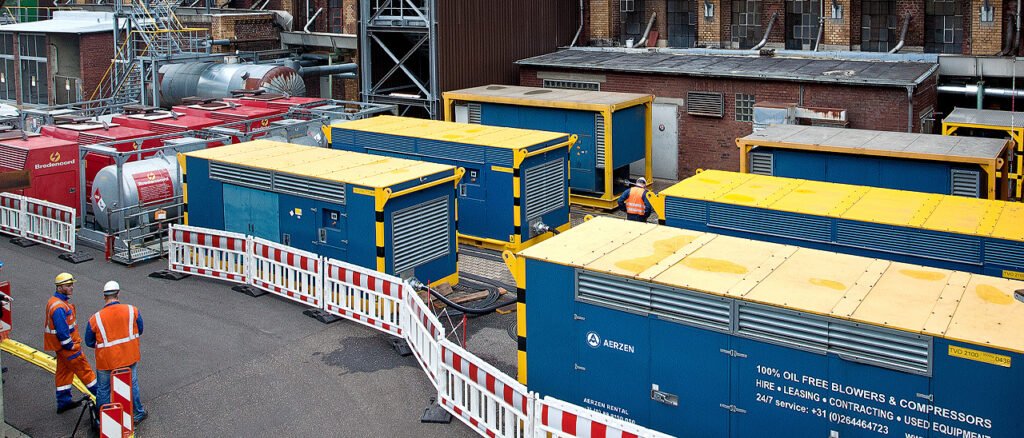
AERZEN Rental Thailand ให้บริการ oil-free compressor เช่าระยะสั้นโดยเฉพาะสำหรับช่วง pre-commissioning และ construction test phase ของโครงการ data center, อาคาร mission-critical และ power infrastructure ข้อได้เปรียบของการเช่าเทียบกับการจัดซื้อสำหรับงานนี้:
- Zero CAPEX: Pre-commissioning phase ใช้เวลาเพียง 1–6 สัปดาห์ — การเช่า compressor ชั่วคราวมี total cost ต่ำกว่าการซื้อและขายทิ้งหลังใช้งานอย่างมีนัยสำคัญ
- 24h Mobilization: AERZEN มี depot ใน EEC/Chonburi สามารถจัดส่งหน่วยเช่า TVO oil-free screw compressor ไปยัง site ภายใน 24 ชั่วโมงจากการยืนยันคำสั่งเช่า
- All-Inclusive Service: แพ็กเกจเช่าของ AERZEN รวม startup commissioning โดย factory-trained engineer, preventive maintenance ระหว่างการเช่า และ 24/7 technical support — ไม่มีค่าใช้จ่ายแฝงสำหรับ service call
- Class 0 Verified: TVO oil-free screw compressor และ BVS Delta Screw E-Compressor ของ AERZEN ให้ oil-free air ที่ verified ตาม ISO 8573-1 Class 0 — มีเอกสาร TÜV certification พร้อมให้ตรวจสอบ
- Scalable Fleet: โครงการ data center ขนาดใหญ่ที่ต้องการ flow rate สูงหลาย segment พร้อมกัน สามารถขอหน่วยเช่าหลายชุดได้ — AERZEN จัดการ fleet management เอง
สำหรับโครงการที่ต้องการ oil-free air ในช่วง commissioning และต่อเนื่องไปจนถึง operational phase (เช่น ขณะรอ permanent compressor ติดตั้ง หรือระหว่าง planned shutdown ของ installed unit) ดูภาพรวมระบบ compressed air สำหรับ data center และ power infrastructure ฉบับเต็มได้ที่หน้า pillar article ของเรา
สำหรับโครงการที่ต้องการ subscription plan แบบ all-inclusive ซึ่งรวม compressor เช่า + maintenance + emergency support ในค่าใช้จ่ายรายเดือนเดียว ดู commissioning checklist สำหรับ blower และ compressor เช่า ซึ่งครอบคลุม handover procedure ที่สมบูรณ์
ขอใบเสนอราคา Oil-Free Compressor สำหรับ Pre-Commissioning
ทีม engineering ของ AERZEN Rental Thailand พร้อมให้คำแนะนำเรื่อง flow requirement, equipment selection และ protocol สำหรับโครงการของคุณ — ไม่มีค่าใช้จ่ายสำหรับ initial consultation
Rent a solution. Expect performance. — aerzenrentalth.com
8. คำถามที่พบบ่อย (FAQ)
ต้องใช้ oil-free compressor สำหรับ pressure test จริงๆ หรือไม่ — ท่อก็จะ purge อยู่ดี
ใช่ — oil contamination จาก oil-injected compressor จะติดบน pipe wall ในรูป thin film ที่ ไม่สามารถ flush ออกได้ด้วย air purge ทั่วไป film เหล่านี้สลายตัวเป็น micro-droplet ที่กระจายต่อเมื่อมีอากาศไหลผ่าน ผลคือการปนเปื้อนถาวรที่ส่งผลต่ออุปกรณ์ downstream โดยเฉพาะ pneumatic actuator และ solenoid valve ที่มี rubber seal
การ decontaminate ท่อที่ปนเปื้อนแล้วต้องใช้ solvent flush ตามด้วย neutralizing wash และ dry purge — เสียเวลาและค่าใช้จ่ายมากกว่าการใช้ oil-free source ตั้งแต่แรกหลายเท่า
ASME B31.3 กำหนด hold time เท่าไร — สามารถใช้ 10 นาทีสำหรับทุกระบบได้หรือไม่
ASME B31.3 §345.5 กำหนดเพียง “sufficient time” โดยไม่ระบุค่าตัวเลขชัดเจน — ในทางปฏิบัติ project specification ของแต่ละโครงการจะกำหนดไว้ Industry practice สำหรับ data center instrument air system อยู่ที่ 10 นาทีสำหรับ branch circuit เล็ก ถึง 60 นาทีสำหรับระบบ ring main ขนาดใหญ่
การใช้ 10 นาทีสำหรับระบบ DN100 main header ยาว 200 เมตรถือเป็นการ under-test — pressure drop ที่ยอมรับได้ต้องคำนวณตามปริมาตรของระบบ ความต่างของ hold time นี้มีผลกระทบอย่างมากต่อความน่าเชื่อถือของ test result
ISO 8573-1 Class 0 หมายความว่าอย่างไร และต่างจาก Class 1 อย่างไรในบริบท data center
ISO 8573-1:2010 กำหนดความบริสุทธิ์ของ compressed air ใน 3 มิติ: particulate, moisture และ oil
- Class 0 (oil): ต่ำกว่าขีดจำกัดที่วัดได้ — ในทางปฏิบัติ <0.01 mg/m³ oil aerosol ซึ่งถือเป็น “zero detectable oil”
- Class 1 (oil): ≤ 0.01 mg/m³ — ในระดับตัวเลขเท่ากับ Class 0 แต่ Class 0 กำหนดเพิ่มเติมว่าต้องใช้ oil-free compressor โดยหลักการ (ไม่เพียงแค่ filter)
- ความแตกต่างสำคัญ: Class 0 ต้องการ “as-specified by the equipment user” สำหรับ oil content — ซึ่งสำหรับ data center UPS pilot valve, ผู้ผลิต instrument จะกำหนดว่าต้องการ oil-free source ไม่ใช่แค่ filtered air
สำหรับ precision instrument ใน data center environment, Class 1 ด้วย oil-injected source + multi-stage filtration มีความเสี่ยงสูงกว่า Class 0 ด้วย oil-free source เนื่องจาก filter bypass หรือ filter failure scenarios
Data center ที่กำลังก่อสร้างจะเช่า AERZEN compressor ได้เมื่อไร — มีเงื่อนไขขั้นต่ำอะไรบ้าง
AERZEN Rental Thailand ให้บริการเช่าสำหรับโครงการก่อสร้างและ pre-commissioning โดยไม่มีข้อกำหนดเรื่องระยะเวลาขั้นต่ำที่เข้มงวด — สามารถเริ่มต้นจาก 1 สัปดาห์ได้ โดยทั่วไปกระบวนการ:
- ส่งข้อมูลโครงการ (ขนาดท่อ, operating pressure, flow requirement โดยประมาณ, site location)
- AERZEN engineering team แนะนำ model ที่เหมาะสม พร้อมจัดทำใบเสนอราคาตามข้อมูลโครงการ (ราคาไม่เปิดเผยบนเว็บไซต์ — Request-a-Quote ผ่านช่องทางด้านล่าง)
- ยืนยันคำสั่งเช่า → delivery ภายใน 24 ชั่วโมงสำหรับโครงการใน EEC; 48 ชั่วโมงสำหรับพื้นที่อื่นในประเทศไทย
ติดต่อทีม engineering ที่ thai@aerzenrental.com หรือโทร 098-323-2626 (24/7) สำหรับการปรึกษาเบื้องต้น
หากโครงการใช้ hydraulic test แทน pneumatic test จะมีประเด็นเรื่อง Class 0 หรือไม่
Hydraulic (hydrostatic) test ใช้น้ำเป็น test medium — ดังนั้นไม่มีความเสี่ยงเรื่อง oil contamination จาก test source อย่างไรก็ตาม หลังจาก hydrostatic test ระบบต้องได้รับการ drain และ dry purge อย่างสมบูรณ์ก่อน commissioning เพราะ moisture ที่ตกค้างในท่อจะสร้างปัญหา corrosion และทำให้ dew point specification ไม่ผ่าน
Dry purge หลัง hydrostatic test ยังต้องใช้ oil-free air (หรืออย่างน้อย dried air ที่ dew point ≤ -40°C) เพื่อ displace moisture ออกจากระบบ — ดังนั้น Class 0 oil-free air จาก AERZEN rental unit ยังคงเป็น requirement สำหรับ purge phase แม้จะใช้ hydraulic test
แหล่งข้อมูลอ้างอิงและมาตรฐานที่เกี่ยวข้อง
- ASME B31.3-2022 Process Piping — มาตรฐานหลักสำหรับ pneumatic test procedure ของระบบท่อ
- ISO 8573-1:2010 — Compressed Air: Contaminants and Purity Classes — กำหนด Class 0 oil aerosol standard
- ANSI/ISA-7.0.01 — Quality Standard for Instrument Air — กำหนด oil content ≤ 1 mg/m³ และ dew point ≤ -40°C
- ASHRAE TC 9.9 — Mission Critical Facilities Guidelines — framework สำหรับ data center commissioning
- AERZEN TVO Oil-Free Screw Compressor Series — technical specifications (AERZEN Group official)

✍️ เกี่ยวกับผู้เขียน
ภราดร วรรณสังข์ (Paradorn Wannasung)
Marketing Communication Specialist · นิเทศศาสตรมหาบัณฑิต (การสื่อสารการตลาดและแบรนด์)
ภราดร (Paradorn) เป็นผู้ดูแลด้านการสื่อสารการตลาดของ AERZEN Rental Thailand จบนิเทศศาสตรมหาบัณฑิต (การสื่อสารการตลาดและแบรนด์) เชี่ยวชาญด้านอุตสาหกรรม B2B ในประเทศไทย มีประสบการณ์การสร้างแบรนด์และคอนเทนต์ในกลุ่มอุตสาหกรรมของไทย
ติดต่อ: pwa@aerzenrental.com · LinkedIn
บทความที่เกี่ยวข้อง

MTBF, MTTR และ Availability — KPI ด้านความน่าเชื่อถือสำหรับวิศวกรและฝ่าย Procurement
MTBF, MTTR และ Avail...
อ่านต่อ →
Delta Hybrid vs BVO Blower — เปรียบเทียบเชิงเทคนิคและการเลือกใช้ในอุตสาหกรรม
Delta Hybrid = Screw...
อ่านต่อ →หัวข้อหลัก: ISO 8573-1 และมาตรฐานคุณภาพอากาศอัด Class 0