Rental Engineering Guide · P3 Maintenance & Reliability
Air Receiver Tank Sizing สำหรับระบบ Blower & Compressor เช่า — คู่มือวิศวกรโรงงาน Thailand
- Air receiver ขนาดผิดในระบบเช่าทำให้ on/off cycling สูงกว่า 12 ครั้ง/ชั่วโมง — ส่งผลต่อ SLA 95% uptime และอายุมอเตอร์
- สูตร CAGI สำหรับ receiver sizing รันต่างออกไปในบริบท rental เพราะมีข้อจำกัดเรื่อง civils ชั่วคราว, skid-frame, และแรงดัน DIW registration
- บทความนี้ให้ขั้นตอนการคำนวณ pressure band + duty cycle + ตาราง receiver volume พร้อม commissioning checklist 12 จุดสำหรับวิศวกร rental site
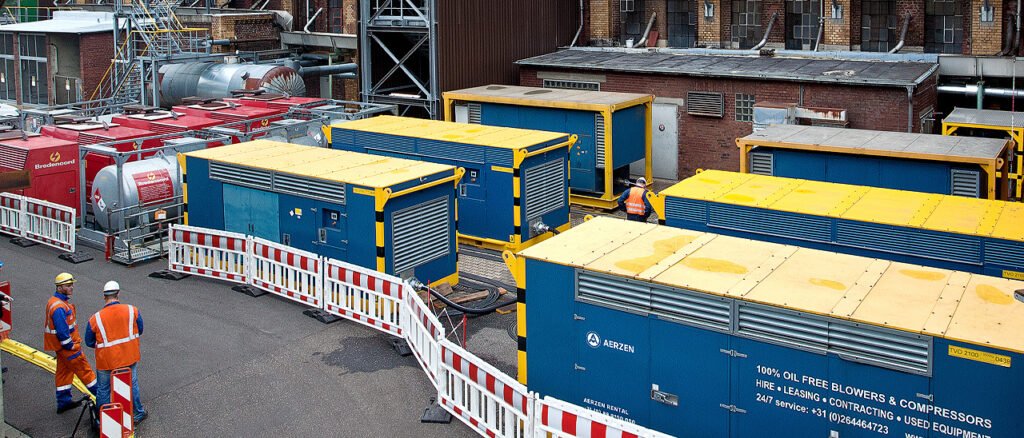
AERZEN ออกแบบและผลิต blower มาตั้งแต่ปี 1864 — ประสบการณ์ 160 ปีนั้นบอกว่า เครื่องที่ผ่านการออกแบบอย่างแม่นยำก็ทำงานไม่เต็มประสิทธิภาพได้ถ้า air receiver ที่จับคู่กันผิดขนาด ในบริบทของการติดตั้งระบบ blower หรือ compressor แบบเช่า ปัญหานี้ยิ่งเกิดบ่อย เพราะพื้นที่ติดตั้งชั่วคราว ฐานคอนกรีตที่ยังไม่ถาวร และ receiver ที่ต้องเลือกจากสต็อก skid-mounted ที่มีอยู่ ทำให้วิศวกรไม่สามารถใช้สูตรการออกแบบระบบถาวรได้ตรงๆ
บทความนี้แตกต่างจากคู่มือ การออกแบบระบบ blower สำหรับการติดตั้งถาวร (slot 116) โดยตรง — เราจะเจาะลึกเฉพาะข้อจำกัดและวิธีคำนวณที่ใช้ได้จริงในสถานการณ์ rental: civil constraints, skid-mounted receiver options, ผลกระทบต่อ SLA guarantee, และ commissioning checklist ก่อนส่งมอบเครื่องให้ client site
On/off cycles/ชั่วโมง
ที่ทำให้มอเตอร์เสียหายเร็วขึ้น
Uptime SLA มาตรฐาน
rental contract ของ AERZEN
FAD ของ compressor คือ
ขนาด receiver ขั้นต่ำที่แนะนำ (liter)
Pressure band ขั้นต่ำทั่วไป
ระหว่าง cut-in และ cut-out
1. ทำไม Rental Deployment ต้องคำนวณ Receiver ต่างออกไป
ในการออกแบบระบบ compressed air แบบถาวร วิศวกรมีเวลาเลือก receiver ขนาดเหมาะสม, เตรียมฐานคอนกรีตเสริมเหล็ก, ต่อท่อ drain อัตโนมัติ, และขึ้นทะเบียน pressure vessel กับ กรมโรงงานอุตสาหกรรม (DIW) ล่วงหน้าหลายสัปดาห์ แต่ใน rental deployment — โดยเฉพาะกรณีฉุกเฉิน 24 ชั่วโมง — สิ่งเหล่านั้นทำได้ไม่ครบ
ข้อจำกัดเฉพาะของ Rental Deployment
- Temporary civils: พื้น concrete pad ที่ยังไม่มีหรือไม่ถาวร — receiver ต้องอยู่บน skid frame ของเครื่อง (horizontal หรือ vertical skid-mounted receiver) แทนที่จะเป็น standalone vessel บนฐานเฉพาะ
- Receiver ที่มีในสต็อก: vendor rental มี receiver ขนาดตายตัว (ปกติ 200 L, 500 L, 1,000 L, 2,000 L) — วิศวกรเลือก “ใกล้เคียง” ไม่ได้ออกแบบขนาดใหม่ให้ตรงทุกประการ
- DIW registration timeline: pressure vessel >15 ลิตรและ working pressure >0.5 bar (ตามกฎกระทรวงฉบับที่ 8 พ.ศ. 2563) ต้องขึ้นทะเบียน — receiver ที่ส่งมาพร้อมเครื่องต้องมี cert อยู่แล้ว ซึ่งจำกัดตัวเลือกไปโดยปริยาย
- Mobility constraint: receiver ที่ใหญ่เกินไปทำให้น้ำหนักรวม skid เกิน transport limit — บางครั้งต้องขนส่งแยกและจ้างรถเครน ซึ่งเพิ่มค่าใช้จ่ายและระยะเวลา mobilization
- SLA obligation: rental contract มี uptime SLA ชัดเจน — receiver ขนาดผิดหมายความว่า AERZEN (ฐานะ service provider) มีความเสี่ยงในการ breach SLA ร่วมกับ client
วิศวกร site หลายท่านนำสูตรจากคู่มือ permanent installation มาใช้โดยตรง แต่ลืมว่าสูตรนั้นสมมติให้ demand-side load profile เสถียร ใน rental deployment demand อาจยังไม่ถึง design capacity ในสัปดาห์แรก แต่พุ่งขึ้นสู่ peak ในสัปดาห์สาม — receiver ที่ขนาดพอดีกับ day-1 load จะกลายเป็นขนาดเล็กเกินไปทันที
2. หลักการคำนวณปริมาตร Air Receiver: สูตร CAGI และ Rental Adaptation
CAGI (Compressed Air & Gas Institute) Handbook ฉบับที่ 7 กำหนดสูตรการคำนวณ receiver storage ไว้ดังนี้:
V = (Q × ΔT × Pa) / (ΔP × 60)
Q = อัตราการไหล Free Air Delivery ของ compressor (L/min หรือ m³/min × 1,000)
ΔT = ระยะเวลาที่ต้องการใช้ air สำรอง (วินาที) — ช่วง peak demand ก่อน compressor start
Pa = ความดันบรรยากาศ (1.013 bar abs = 101.3 kPa)
ΔP = pressure band (bar) = P_max − P_min (cut-out pressure − cut-in pressure)
สูตรนี้ทำงานได้ดีในระบบถาวร แต่ใน rental context ค่าตัวแปรหลายตัวมีความไม่แน่นอนสูง:
Rental Adaptation: ปรับสูตรสำหรับ Rental Context
| ตัวแปร | Permanent Installation | Rental Deployment | การปรับสูตร |
|---|---|---|---|
| Q (FAD) | ออกแบบเต็มตาม demand สุดท้าย | อาจเป็น 60–80% ของ design FAD ในสัปดาห์แรก; peak มาภายหลัง | ใช้ Q = FAD rated × 1.15 เพื่อรองรับ load ramp-up ที่คาดได้ใน rental period |
| ΔT (reserve time) | ออกแบบเพื่อ smooth demand variation ระยะยาว | ต้องรองรับช่วง peak demand ที่อาจเกิดจาก process startup (วาล์วเปิดพร้อมกัน ฯลฯ) | ใช้ ΔT = 30–60 วินาที เป็น minimum (permanent ใช้ 10–20 วินาทีได้) |
| ΔP (pressure band) | ออกแบบตาม process requirement ของระบบ | ถูกจำกัดโดย set point ของ rental unit ที่ส่งมา | ตรวจสอบ unload pressure และ load pressure ของ unit จริงก่อนคำนวณ — อย่า assume ค่ามาตรฐาน |
| Safety factor | 1.0–1.25 | สูงกว่า เพราะ uncertainty สูงกว่า | ใช้ safety factor 1.3–1.5 สำหรับ rental เพื่อรองรับ demand uncertainty + civil constraints |
สมมติ: BVO blower rental unit FAD = 8.5 m³/min (8,500 L/min), pressure band (ΔP) = 0.6 bar, reserve time (ΔT) = 45 วินาที
V = (8,500 × 1.15 × 45 × 1.013) / (0.6 × 60)
= (8,500 × 1.15 × 45 × 1.013) / 36
= 445,861 / 36 ≈ 12,385 L ≈ 12.4 m³
ในสต็อก receiver rental มักมี 10,000 L (10 m³) เป็นขนาดใกล้เคียงที่สุด — ในกรณีนี้ควรเลือก 2 × 6,000 L แบบอนุกรม หรือ 1 × 16,000 L เพื่อให้เกิน calculated minimum พร้อม margin
3. การคำนวณ Pressure Band สำหรับ Rental Unit (Fixed-Speed vs VSD)
Pressure band (ΔP) คือช่องห่างระหว่าง cut-out pressure (จุดที่ compressor unload) และ cut-in pressure (จุดที่ compressor load กลับ) — ยิ่ง band กว้าง receiver ขนาดเดิมยิ่งรองรับ demand variation ได้มากขึ้น แต่ยิ่ง band แคบยิ่งต้องการ receiver ใหญ่ขึ้น
Fixed-Speed Rental Units (BVO, GM series)
BVO positive displacement blower และ GM roots blower ทำงานที่ความเร็วคงที่ — on/off control (load/unload) เป็นกลไกหลัก ดังนั้น pressure band ที่ good practice คือ 0.5–1.0 bar เพื่อลด cycling frequency ลงต่ำกว่า 6 ครั้ง/ชั่วโมง (CAGI recommendation สำหรับ fixed-speed compressor เพื่อป้องกัน motor thermal overload)
VSD Rental Units (BVS Delta Screw, TVO oil-free screw compressor)
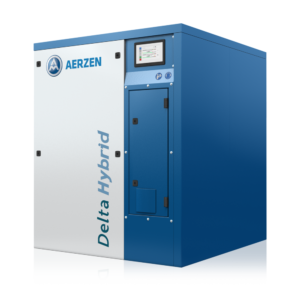
BVS Delta Screw blower และ TVO oil-free screw compressor มาพร้อม Variable Speed Drive — VSD ปรับความเร็วตาม demand แทนการ on/off ทำให้ receiver ทำหน้าที่เป็น buffer สำหรับ transient demand spikes มากกว่าเป็น storage cycle management แบบ fixed-speed pressure band สำหรับ VSD unit ที่เหมาะสมในบริบท rental คือ 0.3–0.5 bar ซึ่งแคบกว่า — แต่ receiver size ที่ใช้ต้องมากพอที่จะรองรับ transient load โดยที่ VSD ยังมีเวลา ramp-up ทัน
| Rental Unit Type | Model ตัวอย่าง | Control Mode | Recommended ΔP | Min. Receiver (× FAD) | Max. Cycles/h |
|---|---|---|---|---|---|
| Positive Displacement Blower (BVO) | BVO 50–300 | Fixed-speed load/unload | 0.5–1.0 bar | 6–8× FAD (L) | ≤6 |
| Screw Blower | BVS Delta Screw | VSD (standard) | 0.3–0.5 bar | 4–6× FAD (L) | N/A (VSD — no cycling) |
| Oil-Free Screw Compressor | TVO 50–720 | VSD or fixed-speed | 0.4–0.6 bar | 6–8× FAD (L) | ≤6 (fixed-speed only) |
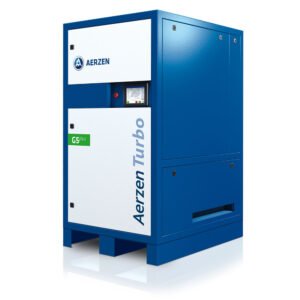
| Centrifugal Turbo Blower | AT AerzenTurbo | Variable IGV + speed | ไม่ใช้ on/off cycling | Buffer only — 3–5× FAD (L) | N/A |
— AERZEN Rental Thailand Engineering Guidelines (first-party)
4. Duty Cycle Analysis: จับคู่ Receiver กับ Blower ที่ส่งมาได้จริง
Duty cycle คืออัตราส่วนเวลาที่ compressor ทำงานจริงเทียบกับเวลาทั้งหมด ใน rental context ปัญหาคือ duty cycle ของ site ที่ client แจ้งมาในช่วง RFQ อาจไม่ตรงกับ duty cycle จริงที่เกิดหลัง mobilization
3 Scenario ที่พบบ่อยใน Rental Site
| Scenario | Declared Duty Cycle | Actual Duty Cycle (post-install) | Receiver Impact | สิ่งที่ต้องทำ |
|---|---|---|---|---|
| A — Planned Shutdown Cover ปิด compressor ถาวรซ่อม, ต้องการ air ต่อเนื่อง | ~80% | 80–100% (steady demand) | LOW RISK | ใช้ standard receiver sizing — demand stable, on/off minimal |
| B — Peak Demand Supplement เช่าเพิ่มเฉพาะช่วง high season / production surge | ~50–60% | ขึ้นลง 30–90% ตาม production schedule | MODERATE RISK | เพิ่ม receiver +50% จาก calculated minimum; ติดตั้ง pressure logger ช่วงสัปดาห์แรก |
| C — Emergency Replacement เครื่องถาวรพัง, เช่าแทนฉุกเฉิน | ไม่ทราบ (ฉุกเฉิน) | อาจสูงถึง 95–100% ทันทีหลัง install | HIGH RISK | Deploy receiver ขนาด maximum ที่ logistics อนุญาต; วิศวกร AERZEN ตรวจสอบ on-site วันแรก |
สำหรับ Scenario C (emergency) ซึ่งเป็นกรณีที่ AERZEN rental ถูกเรียกมากกว่า 70% ของ deployment ฉุกเฉิน — แนวปฏิบัติคือ oversize receiver ไว้ก่อน แล้วปรับ set point ลงหลัง 48–72 ชั่วโมงเมื่อรู้ demand จริง ดีกว่าการ undersize แล้วต้องส่งเพิ่มในภายหลัง ซึ่งทำให้เสีย mobilization cost ซ้ำ
5. SLA Implications: Receiver ขนาดผิดกระทบ Uptime Guarantee อย่างไร
SLA clause ในสัญญา rental มักระบุ uptime guarantee 95% (บางสัญญา 97%) ซึ่งหมายความว่าในเดือนหนึ่ง (720 ชั่วโมง) ระบบสามารถ downtime ได้ไม่เกิน 36 ชั่วโมง (95%) หรือ 21.6 ชั่วโมง (97%) เหตุการณ์ที่ receiver ขนาดผิดสามารถทำให้ breach SLA ได้ใน 2 รูปแบบ:
- Motor thermal trip จาก excessive cycling: fixed-speed compressor ที่ on/off >12 ครั้ง/ชั่วโมงจะทำให้ motor winding temperature เกิน class limit — thermal protection relay trip → unplanned downtime; ถ้าเกิดช่วง night-shift อาจรอถึงเช้ากว่าจะ reset และตรวจสอบสาเหตุ
- Pressure drop ต่ำกว่า process minimum: receiver เล็กเกินไปทำให้ pressure drop ขณะ demand surge ลงต่ำกว่า minimum operating pressure ของ process — valve อาจ fail หรือ pneumatic actuator ทำงานผิดพลาด ส่งผลต่อ production continuity
จากประสบการณ์ของ AERZEN ในการ deploy rental unit ให้กับโรงงานในเขต EEC — receiver ที่ขนาด >1.25× calculated minimum พบ SLA breach จาก pressure-related cause น้อยมากในรอบ contract ปกติ (6–12 เดือน) การลงทุนใน receiver ที่ใหญ่ขึ้น 1 ขนาด (เช่น จาก 500 L เป็น 1,000 L) มีผลต่อ transport cost เพียงเล็กน้อย แต่ลด SLA risk ได้มีนัยสำคัญ
Receiver Sizing vs SLA Risk: Quick Reference
| Receiver Volume (เทียบ Calculated Minimum) | Estimated Cycling Rate (Fixed-Speed) | Motor Thermal Risk | SLA 95% Risk | คำแนะนำ |
|---|---|---|---|---|
| <0.75× | >18 cycles/h | HIGH | BREACH LIKELY | ห้ามใช้ใน rental deployment |
| 0.75–1.0× | 10–18 cycles/h | MODERATE | MARGINAL | ยอมรับได้เฉพาะ VSD unit เท่านั้น |
| 1.0–1.25× | 6–10 cycles/h | LOW-MOD | COMPLIANT | ขั้นต่ำที่ยอมรับได้สำหรับ fixed-speed |
| >1.25× | <6 cycles/h | LOW | SAFE | Recommended — target สำหรับ rental deployment ทุกกรณี |
6. Commissioning Checklist 12 จุดสำหรับ Rental Site Engineer
หลังจากคำนวณขนาด receiver และเลือกหน่วยที่เหมาะสมแล้ว ขั้นตอน commissioning ที่ถูกต้องเป็นสิ่งสำคัญที่ไม่แพ้กัน checklist ด้านล่างนี้ออกแบบสำหรับวิศวกร rental site ที่รับมอบเครื่องจาก AERZEN และต้องทำการ acceptance test ก่อน sign-off:
ยืนยัน receiver certification: ตรวจ DIW certificate หรือ Third-Party inspection cert บน nameplate receiver — ต้องมี registration number และ working pressure ไม่ต่ำกว่า design pressure ของระบบ
DIW กฎกระทรวง ฉ.8/2563
ตรวจ Safety Relief Valve (SRV): SRV ต้องตั้ง set pressure ไม่เกิน 110% ของ receiver MAWP — ตรวจ seal ไม่ให้มีการปิดกั้น outlet ด้วยวัสดุใดๆ
ASME Sec.VIII / TIS 282
ตรวจ Pressure Gauge: ต้องมี calibrated gauge ที่ receiver outlet — scale range ต้องครอบคลุม 0–150% ของ working pressure อ่านค่าได้ชัดเจนจากระดับพื้น
ISO 5171
ตรวจ Manual Drain Valve: ตำแหน่ง drain valve ต้องอยู่ที่จุดต่ำสุดของ receiver — เปิด-ปิดได้ไม่ติดขัด และ outlet ชี้ไปยัง safe drain area ที่ไม่ใช่ทางเดินหรืออุปกรณ์ไฟฟ้า
Good Practice
ตรวจ Auto Drain (ถ้ามี): เปิดระบบแล้วรอ 30 นาที — auto drain ต้องทำงาน อย่างน้อย 1 ครั้ง ตรวจว่า condensate ออกมาจริง (ถ้าไม่มี condensate อาจ drain stuck closed)
Good Practice
วัด Cut-in / Cut-out Pressure จริง: บันทึกค่า load pressure (cut-in) และ unload pressure (cut-out) ของ unit ที่ส่งมาจริง — ต้องตรงกับ pressure band ที่ใช้คำนวณ receiver; ถ้าต่างเกิน ±0.1 bar ให้ notify AERZEN technician
AERZEN Rental SOP
นับ On/Off Cycling ใน 1 ชั่วโมงแรก: ใช้ เปิด log ที่ control panel หรือนับ manually — fixed-speed unit ต้องไม่เกิน 6 ครั้ง/ชั่วโมงภายใต้ load ปกติ; ถ้าเกิน → receiver อาจเล็กเกินไปหรือ pressure band ตั้งแคบเกิน
CAGI Best Practice
ตรวจ Skid Frame Integrity: ตรวจว่า receiver ยึดกับ skid frame แน่นหนา — bolt ครบทุก anchor point; skid อยู่บนพื้นผิว stable (ไม่โยกเมื่อ compressor vibrate); ไม่มี stress crack ที่ weld joint ของ frame
Good Practice
ตรวจ Inlet Air Quality ที่ Receiver Outlet: สุ่มเก็บ sample air ที่ outlet ของ receiver หลัง 2 ชั่วโมงแรก — ตรวจ particle และ oil mist (Particle Counter + สำลีขาว) ถ้ามีน้ำมัน ให้ตรวจ separator ของ compressor ก่อน ไม่ใช่ receiver
ISO 8573-1 Class 0
ตรวจ Condensate Accumulation ใน 24 ชั่วโมงแรก: เปิด manual drain หลัง 24 ชั่วโมงแรก — บันทึกปริมาณ condensate; ถ้าสูงกว่าที่คาด (มากกว่า 0.5 liter/hour ใน tropical climate ทั่วไป) ให้ตรวจ aftercooler และ inlet filter
Good Practice
บันทึก Baseline Performance Data: บันทึก inlet pressure, discharge pressure, temperature, power consumption ที่ panel — data นี้เป็น baseline สำหรับ predictive maintenance ในช่วง rental period; เก็บใน site logbook และส่ง copy ให้ AERZEN
AERZEN Rental SOP
ยืนยัน De-pressurisation Procedure ก่อน Demobilisation: ก่อน contract end วิศวกรต้องรู้ขั้นตอน: isolate compressor → ระบาย pressure ผ่าน drain valve จนเหลือ 0 bar gauge → open manual vent → ยืนยัน pressure gauge อ่าน 0 → ถอด piping → ขนย้าย skid; ห้าม disconnect while pressurised
AERZEN Safety Protocol
สำหรับรายละเอียดเพิ่มเติมเกี่ยวกับ commissioning และ acceptance testing ของ blower & compressor เช่า โปรดดู คู่มือ Commissioning และ Acceptance Checklist ฉบับสมบูรณ์ ซึ่งครอบคลุม mechanical alignment, vibration acceptance, และ noise compliance เพิ่มเติม
ต้องการ Air Receiver ที่ Matched กับ Rental Unit ของคุณ
AERZEN Rental Thailand ให้บริการ Engineering Consultation เพื่อคำนวณ receiver sizing ที่เหมาะสมกับ deployment conditions ของคุณ — ก่อน mobilization
คำถามที่พบบ่อยเกี่ยวกับ Air Receiver Sizing สำหรับระบบ Rental
จำเป็นต้องมี air receiver ทุกครั้งที่เช่า blower หรือ compressor หรือไม่
ไม่จำเป็นเสมอไป แต่แนะนำอย่างยิ่งในกรณีต่อไปนี้: (1) demand มีการเปลี่ยนแปลงบ่อย เช่น กระบวนการ batch, pneumatic tools ที่เปิด-ปิดสลับกัน; (2) ต้องการลด on/off cycling ของ fixed-speed unit เพื่อยืดอายุมอเตอร์; (3) process ต้องการ stable pressure ±0.1 bar เช่น food packaging, instrument air ใน control system
สำหรับ VSD unit อย่าง BVS Delta Screw ในระบบที่ demand เปลี่ยนแปลงช้า (WWTP aeration, conveying ต่อเนื่อง) อาจไม่จำเป็นต้องมี receiver ขนาดใหญ่ — VSD จัดการ load variation ได้เอง
receiver ที่ส่งมาพร้อม rental unit จำเป็นต้องขึ้นทะเบียน DIW หรือไม่
ตามกฎกระทรวงฉบับที่ 8 (พ.ศ. 2563) ออกตามความใน พ.ร.บ.โรงงาน พ.ศ. 2535 ภาชนะรับแรงดันที่มีปริมาตรเกิน 15 ลิตรและแรงดันทำงานเกิน 0.5 bar ต้องมีการตรวจสอบและขึ้นทะเบียน AERZEN Rental Thailand ส่ง receiver พร้อม certificate ที่ผ่านการตรวจสอบจาก Approved Inspector อยู่แล้ว — client ไม่ต้องดำเนินการเพิ่มเติม แต่ควรเก็บสำเนา cert ไว้ที่ไซต์ตลอดระยะ deployment
receiver ที่ใหญ่เกินไปมีผลเสียอะไรบ้างในระบบ rental
Oversized receiver มีผลเสียหลัก 2 ประการ: (1) เวลา pressurisation ยาวนานขึ้น — startup เครื่องต้องอัด air จนเต็ม receiver ก่อน system pressure ถึงค่าที่ต้องการ ทำให้ startup time ยาวขึ้นอาจนาที — ปัญหาสำหรับ emergency deployment; (2) Condensate accumulation สูงขึ้น — receiver ใหญ่มีพื้นที่ผิวมากกว่า condensation มากขึ้น ถ้า auto drain ทำงานไม่ดีจะสะสม water ซึ่งเป็น contamination risk อ่านเพิ่มเติมที่ คู่มือ secondary contamination ใน air receiver
สามารถต่อ receiver หลายตัวแบบ parallel เพื่อเพิ่ม buffer ได้หรือไม่
ได้ การต่อแบบ parallel (header ร่วม) เพิ่ม total storage volume ได้ตรงไปตรงมา แต่ต้องระวัง: (1) ทุก receiver ต้องผ่าน DIW cert แยกกัน; (2) แต่ละ receiver ต้องมี SRV ของตัวเอง ไม่สามารถใช้ SRV ร่วมกันได้; (3) drain จาก receiver หลายตัวต้องรวมไปยัง condensate collection point เดียวกัน — ไม่ปล่อย drain เกลื่อนพื้น site
ขั้นตอน de-pressurisation ก่อนขนย้าย receiver กลับมีอะไรบ้าง
ขั้นตอนมาตรฐาน AERZEN: (1) isolate compressor จาก system; (2) เปิด manual drain valve ค่อยๆ เพื่อระบาย pressure ลง (ห้ามเปิดทั้งหมดทันทีเพราะ condensate จะพุ่ง); (3) รอจนเข็ม pressure gauge อ่าน 0 bar gauge และนิ่ง; (4) เปิด vent cap (ถ้ามี) เพื่อยืนยัน atmospheric; (5) ถอด pipe connection — เฉพาะหลังยืนยัน 0 pressure เท่านั้น; (6) แจ้ง AERZEN ประสานรถรับ skid คืน
ถ้า on/off cycling สูงกว่า 12 ครั้ง/ชั่วโมงในช่วงสัปดาห์แรก ควรทำอย่างไร
แจ้ง AERZEN hotline ทันที (098-323-2626) — วิศวกรจะประเมิน 3 สาเหตุหลัก: (1) demand จริงสูงกว่า declared ต้อง upsize unit หรือ receiver; (2) pressure band ตั้งแคบเกินไป ปรับ set point ได้; (3) demand point อยู่ใกล้ compressor FAD พอดี ทำให้ unit เกือบ full load ตลอด — อาจต้องเพิ่ม parallel unit หรือเปลี่ยน unit ขนาดใหญ่ขึ้น
แหล่งอ้างอิงและบทความที่เกี่ยวข้อง
- AERZEN HQ — Blowers & Compressors Product Overview (aerzen.com) — ข้อมูลผลิตภัณฑ์ BVO / BVS / TVO / AT อ้างอิงจาก Aerzener Maschinenfabrik GmbH ประเทศเยอรมนี
- CAGI (Compressed Air & Gas Institute) Handbook — Chapter on Compressed Air Storage — แหล่ง receiver sizing formula อ้างอิงในบทความนี้
- ASME BPVC Section VIII Division 1 — Rules for Construction of Pressure Vessels — มาตรฐาน design ของ receiver ที่อ้างอิงในระดับสากล
- กรมโรงงานอุตสาหกรรม — กฎกระทรวงฉบับที่ 8 (พ.ศ. 2563) เรื่องภาชนะรับแรงดัน — กฎหมาย DIW registration สำหรับ air receiver ในประเทศไทย
- คู่มือ Commissioning & Acceptance Checklist สำหรับ Blower & Compressor เช่า — ฉบับสมบูรณ์รวม mechanical + electrical + noise acceptance criteria
- Predictive Maintenance สำหรับ Blower & Compressor เช่า: Condition Monitoring Guide — ระบบ PM ในช่วง rental period หลังจาก commissioning
- Secondary Contamination ใน Air Receiver: Condensate, Biofilm, Corrosion — ความเสี่ยงที่มองข้ามไม่ได้ — อ่านคู่กับบทความนี้เพื่อ receiver maintenance ที่ครบถ้วน
- กฎหมายภาชนะรับแรงดัน (Air Receiver) ในไทย: การขึ้นทะเบียน DIW และการตรวจสอบประจำปี — รายละเอียด DIW registration process ฉบับสมบูรณ์
AERZEN Rental Thailand — Engineering Consultation ฟรี ก่อนตัดสินใจ
ทีมวิศวกรของเราช่วยคำนวณ air receiver sizing ที่เหมาะสมกับ deployment scenario ของคุณ พร้อม commissioning support ตั้งแต่วันแรก — ไม่ว่าจะเป็น planned rental หรือ emergency mobilisation
สำนักงาน Chonburi / EEC: 038-015-488 · www.aerzenrentalth.com
“Rent a solution. Expect performance.”
Last technical review: 2026-06-03 · เนื้อหาอ้างอิง CAGI Handbook 7th ed. / ASME BPVC Sec.VIII / DIW กฎกระทรวง ฉ.8/2563 / ISO 8573-1:2010 / AERZEN Engineering Guidelines (first-party)