Instrument Air Audit Fail ที่ Map Ta Phut — วิธีแก้ Non-Conformance ด้วย Class 0 Rental และ TÜV Test Certificate
TL;DR — สรุป 3 ประเด็น
- Oil-flooded compressor ที่มี coalescing filter ชำรุดคือสาเหตุหลักที่โรงงานปิโตรเคมีในไทยได้รับ instrument air non-conformance — ค่า oil content เกินขีดจำกัด ISO 8573-1 Class 1 ในการตรวจ third-party audit
- Corrective action ที่ได้ผลเร็วและยืนยันได้คือการเช่า oil-free compressor ที่มี TÜV test certificate และ calibration records พร้อมใช้ — เอกสารชุดนี้คือสิ่งที่ผู้ตรวจ re-audit ยอมรับเป็นหลักฐานตาม API 672
- กรณีที่นิคม Map Ta Phut: โรงงานผ่าน re-audit ภายใน 9 วันหลังจาก non-conformance โดยไม่ต้องซื้อเครื่องใหม่ — rental economics และ documentation trail เป็นปัจจัยชี้ขาด
AERZEN ออกแบบ oil-free compressor มาตั้งแต่ยุคก่อนที่ ISO 8573-1 จะถูกประกาศใช้เสียอีก — ประสบการณ์นั้นสะสมเป็นเอกสาร, process knowledge, และ rental workflow ที่ทีมงานสามารถนำไปช่วยโรงงานปิโตรเคมีในการแก้ instrument air audit non-conformance ได้ภายในไม่กี่วัน บทความนี้ถอดรหัสเส้นทาง corrective action ตั้งแต่วันที่ได้รับ non-conformance notice จนถึงวันที่ผ่าน re-audit — รวมถึง root cause analysis ของระบบ oil-flooded compressor + failed coalescing filter, ขั้นตอนการ commission rental unit ตามกรอบ API 672, และวิธีที่เอกสาร rental (TÜV test certificate, calibration records) ถูกยื่นเป็น evidence ในกระบวนการ re-audit อย่างถูกต้อง บทความนี้แตกต่างจาก คู่มือ ISO 8573-1 taxonomy และ pillar API 672 instrument air ตรงที่โฟกัสเฉพาะ กระบวนการแก้ไข หลังจากเกิด audit failure — ไม่ใช่การอธิบาย standard
1. Non-conformance ใน Instrument Air Audit คืออะไร — และทำไมโรงงานปิโตรเคมีไทยถึงเสี่ยงสูง
ในบริบทของโรงงานปิโตรเคมีที่นิคมอุตสาหกรรม Map Ta Phut, Rayong, หรือ Eastern Seaboard — instrument air audit เป็นกระบวนการที่ผู้ตรวจสอบ third-party (มักเป็นวิศวกรจากบริษัทประกันภัย, licensor ต่างประเทศ, หรือหน่วยงาน HSE ระดับกลุ่มบริษัทแม่) เข้ามาตรวจสอบว่าระบบ compressed air ที่ใช้ขับเคลื่อน pneumatic instrument, control valve actuator, ESD valve, และ HIPPS (High Integrity Pressure Protection System) อยู่ในมาตรฐานที่ปลอดภัยหรือไม่
คำว่า non-conformance (NC) ในบริบทนี้ไม่ใช่ minor defect — มันคือ documented finding ที่บันทึกไว้อย่างเป็นทางการว่าระบบไม่เป็นไปตามมาตรฐานที่กำหนด และต้องแสดง corrective action ที่มีหลักฐานยืนยันก่อนที่โรงงานจะดำเนินกิจกรรมบางอย่างได้ตามปกติ — เช่น การ restart หลัง turnaround, การ handover จาก EPC contractor, หรือการต่ออายุใบอนุญาตประกอบกิจการ
ในโรงงาน upstream oil & gas หรือ downstream petrochemical ที่มี HIPPS/ESD — instrument air quality failure ไม่ใช่เพียงการตรวจสอบคุณภาพ แต่เชื่อมโยงโดยตรงกับ Process Safety. Control valve ที่ไม่ทำงานเนื่องจากน้ำมันปนเปื้อน seal = ความเสี่ยงต่อ process upset และ safety incident ที่ต้องรายงาน. ผู้ตรวจ third-party จึงจริงจังกับ NC นี้มากกว่า ISO audit ทั่วไป
สาเหตุหลักที่โรงงานไทยได้รับ Non-Conformance
จากประสบการณ์การ mobilize rental units ให้กับโรงงานใน EEC และ Map Ta Phut — AERZEN Rental Thailand พบ pattern ซ้ำ 3 ประเภท:
- Oil-flooded compressor ที่ downstream treatment ล้มเหลว — coalescing filter element หมดอายุหรือชำรุด, activated carbon vessel หมด capacity ทำให้ oil carry-over ผ่านไปถึง distribution header
- ไม่มี test certificate ที่ออกโดย third-party ที่ได้รับการยอมรับ — มีเพียง in-house measurement log แต่ผู้ตรวจต้องการ certificate จาก accredited lab หรือผู้ผลิตที่มี TÜV/ISO 17025 รับรอง
- เอกสาร maintenance ของ downstream treatment ไม่ครบ — ไม่มี change-out log ของ filter element, ไม่มีหลักฐานว่าทดสอบหลังเปลี่ยน

2. Root Cause Analysis: Oil-Flooded Compressor + Failed Coalescing Filter — กลไกที่ทำให้ Audit Fail
การเข้าใจกลไกที่แท้จริงของความล้มเหลวเป็นเรื่องสำคัญ เพราะ corrective action ที่ผิดทาง (เช่น เปลี่ยนแค่ filter โดยไม่แก้ปัญหา root cause ของการ maintenance) จะทำให้ audit fail ซ้ำในรอบถัดไป
กลไกการปนเปื้อนน้ำมันใน Oil-Flooded Compressor
Oil-injected rotary screw compressor (ที่ยังใช้กันอย่างแพร่หลายในโรงงานไทย) ใช้น้ำมันหล่อลื่น + ระบายความร้อนโดยตรงในห้องอัด อากาศที่ออกจาก compressor จึงมี oil aerosol ปนอยู่เสมอ โดยทั่วไปอยู่ที่ระดับ 2-5 mg/m³ ที่ outlet ก่อน treatment — เทียบกับ ISO 8573-1 Class 0 ที่กำหนด < 0.01 mg/m³
ระบบ downstream treatment ที่ใช้กัน ได้แก่:
- Coalescing filter (Grade C หรือ H) — กรอง oil aerosol ได้ถึง 0.1 mg/m³ (Grade C) หรือ 0.01 mg/m³ (Grade H) ขึ้นอยู่กับ element คุณภาพที่ใช้
- Activated carbon adsorber — ดูด oil vapor residual ได้ถึง Class 1 หรือ Class 0 หากใช้ร่วมกับ coalescing ที่มีคุณภาพ
- Refrigeration dryer + desiccant dryer — ควบคุม moisture content ให้อยู่ในระดับ Class 1-2
Coalescing filter element มีอายุการใช้งาน — โดยทั่วไปผู้ผลิตแนะนำเปลี่ยนทุก 4,000 ชั่วโมงการทำงาน หรือทุก 12 เดือน (แล้วแต่อะไรถึงก่อน) เมื่อ element อุดตันหรือเสื่อมสภาพ differential pressure ข้ามผ่าน filter จะเพิ่มสูงขึ้น และโรงงานบางแห่งที่ไม่มีระบบ monitoring จะไม่รู้จนกว่าจะถึงการตรวจ audit
เหตุใด “เปลี่ยน Filter แล้วใช้ต่อ” จึงมักไม่ผ่าน Re-Audit
Root cause ที่แท้จริงในหลายกรณีไม่ใช่แค่ filter หมดอายุ แต่เป็น ระบบ maintenance management ที่ขาดหลักฐาน — ผู้ตรวจ third-party จะตรวจสอบ:
- Change-out records ย้อนหลัง 3 ปีของ filter elements พร้อมลายเซ็น responsible person
- Post-change test results แสดงว่าหลังเปลี่ยน filter ทดสอบ oil content และผ่านก่อน put back in service
- เอกสาร compressor oil type และ compatibility กับ downstream equipment
- หลักฐานว่า compressor ตัวเองอยู่ใน specification (ไม่ใช่แค่ filter)
การที่ corrective action เป็นเพียง “เปลี่ยน filter ใหม่” โดยไม่มีหลักฐานการทดสอบหลังเปลี่ยน และไม่มี systematic maintenance log ที่ auditor ตรวจสอบได้ — ทำให้ NC มักถูกยืนยันซ้ำในรอบ follow-up audit
“ปัญหาไม่ใช่ filter — ปัญหาคือระบบ. การเปลี่ยน filter โดยไม่ rebuild maintenance evidence trail ไม่ต่างอะไรจากการทาสีบนสนิม”
— Technical assessment framework, AERZEN Rental Thailand Engineering Team
3. ข้อกำหนด API 672 ที่เกี่ยวข้องกับ Corrective Action Plan
API Standard 672 (Packaged, Integrally Geared Centrifugal Air Compressors for Petroleum, Chemical, and Gas Industry Services) เป็นมาตรฐานอ้างอิงหลักที่ผู้ตรวจ third-party ในอุตสาหกรรม oil & gas ใช้กำหนดมาตรฐานสำหรับ instrument air systems — แม้ว่า API 672 จะครอบคลุม centrifugal compressor โดยตรง แต่ หลักการด้าน oil-free air quality และ documentation requirements ถูกนำมาอ้างอิงอย่างกว้างขวางในการ audit instrument air ทั้งระบบ รวมถึง positive displacement compressor ที่ใช้ใน instrument air service
ข้อกำหนดสำคัญที่เกี่ยวข้องกับ Rental Corrective Action
| ข้อกำหนด API 672 / อ้างอิง | ความหมายในบริบท Corrective Action | Rental Solution |
|---|---|---|
| Oil-free air delivery requirement | Air ที่ส่งไปยัง instrument ต้องไม่มีน้ำมันในปริมาณที่จะทำให้ instrument หรือ valve เสียหาย — ในทางปฏิบัติ Class 1 เป็น minimum แต่ site-specific specifications บ่อยครั้งกำหนด Class 0 | AERZEN TVO Series: oil-free by design — ไม่มีน้ำมันในวงจรอัดอากาศ ไม่ต้องพึ่ง downstream filter |
| Factory performance test documentation | Compressor ต้องผ่าน documented performance test ก่อนส่งมอบ มี test data sheet รับรอง | AERZEN rental unit ทุกตัวมี factory test record; TÜV test certificate สำหรับ air quality พร้อมใช้ใน audit |
| Maintenance documentation | ต้องมี maintenance manual, service interval, parts list — หลักฐาน maintenance ย้อนหลังเป็นส่วนหนึ่งของ audit | AERZEN rental: maintenance log ดูแลโดย AERZEN engineering team ตลอด rental period — เป็นส่วนหนึ่งของ all-inclusive service |
| Vibration and noise levels | Compressor ต้องไม่ก่อ vibration ที่อาจกระทบต่อ measurement accuracy ของ nearby instruments | TVO Series: positive displacement oil-free screw — low vibration signature; commissioning report ระบุ vibration measurement ณ ขณะติดตั้ง |
| Instrumentation and control | Outlet pressure, temperature, และ flow monitoring ต้องสามารถ integrate กับ plant DCS | AERZEN TVO rental unit: standard analog output สำหรับ pressure & temperature; interface specification ให้ไว้ใน commissioning doc |
ข้อสำคัญ: API 672 เป็น voluntary standard — แต่ถูกกำหนดโดยตรงในหลาย process licenses (โดยเฉพาะของ licensor ยุโรปและสหรัฐอเมริกา) และถูก reference ใน site specifications ของโรงงาน downstream ในไทยที่ได้รับ license จาก licensor ระดับ international ดังนั้นในกรณีที่ audit non-conformance อ้างอิง API 672 — corrective action plan ต้องแสดงหลักฐานที่ address ข้อกำหนดเหล่านี้โดยตรง
4. Corrective Action Workflow — 9 วันจาก Non-Conformance ถึง Re-Audit ผ่าน
กรณีที่บันทึกไว้ต่อไปนี้เป็น anonymized composite จาก engagement ที่นิคม Map Ta Phut — ใช้เพื่อแสดง decision workflow และ documentation approach ไม่ใช่เพื่อระบุตัวตนลูกค้า
Non-conformance notice ออก — oil content > 2.3 mg/m³ (ควรเป็น < 0.01)
AERZEN Rental ถึงหน้างาน — RCA และ rental sizing เริ่มต้น
TVO rental unit มาถึง site และเริ่ม commissioning
Re-audit ผ่าน — TÜV certificate และ commissioning log ยื่นเป็น evidence
Third-Party Auditor ออก NC Report
ผู้ตรวจสอบจากบริษัทตรวจสอบอิสระ ระบุใน NC report ว่า: oil content ของ instrument air ที่จุด sample ที่ header inlet ของ pneumatic instrument manifold วัดได้ 2.3 mg/m³ เทียบกับขีดจำกัด 0.01 mg/m³ ตาม site specification (ISO 8573-1 Class 0) ข้อกำหนดใน NC คือต้องแสดง corrective action ที่มีหลักฐานภายใน 10 วัน
Plant Manager โทรหา AERZEN Hotline
ทีม operations โทร 098-323-2626 (24/7 hotline) AERZEN วิศวกรเข้าร่วม call ทันที ข้อมูลที่แลกเปลี่ยน: ขนาด system (flow requirement, operating pressure), layout ของ instrument air header, และ access points สำหรับ temporary connection วิศวกรยืนยัน TVO unit size ที่เหมาะสมและ lead time
Root Cause Confirmed: Double Failure
วิศวกร AERZEN ถึงหน้างาน และทำ root cause analysis ร่วมกับทีม process engineer ของโรงงาน พบว่า: (1) coalescing filter element ชนิด Grade C (เหลือ capacity แค่ ~12% จากผล differential pressure measurement) และ (2) activated carbon adsorber vessel หมด saturation — ทั้งสองชั้นของ downstream treatment ล้มเหลวพร้อมกัน ทำให้ oil content ผ่านไปถึง distribution header โดยไม่ถูกกรอง
TVO Rental Unit ถึง Site และ Commission เสร็จในวันเดียวกัน
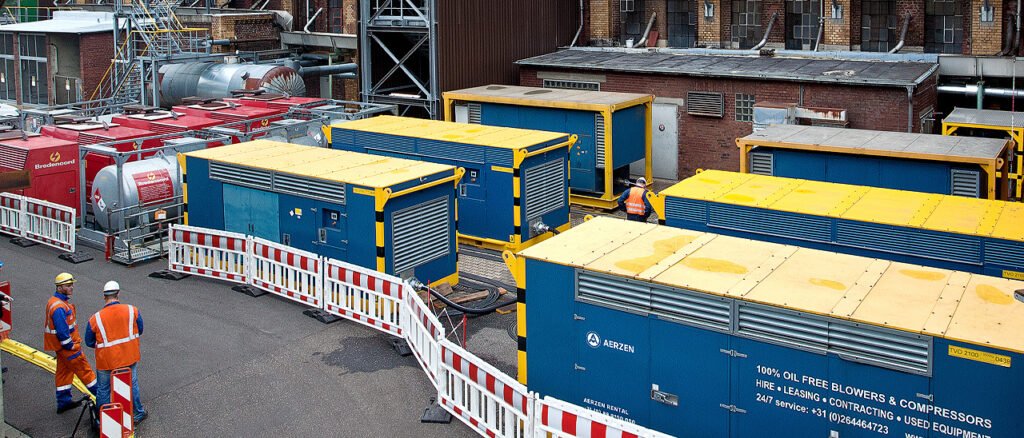
AERZEN TVO oil-free screw compressor rental unit ถึง Map Ta Phut ตอนเช้า วิศวกรทำ pre-commissioning checks, hook up กับ existing instrument air header ผ่าน temporary stainless steel piping connection, run-in test 4 ชั่วโมง และทำ outlet air quality test ณ จุด sample ตาม site spec ผล: oil content < 0.005 mg/m³ — ต่ำกว่า Class 0 threshold ถึง 2 เท่า
รวบรวมเอกสาร Corrective Action Package
ในช่วงนี้ทีมงานรวบรวม documentation package สำหรับ re-audit ประกอบด้วย: TÜV test certificate (factory-issued) ของ TVO unit, calibration records ของเครื่องมือวัดที่ใช้ทดสอบ air quality, commissioning run log พร้อม witness signature, RCA report ระบุ double failure ของ original system, และ interim operating procedure สำหรับการใช้ rental unit ในระหว่างที่รอการซ่อมแซม original system
Re-Audit ผ่าน — NC Closed
ผู้ตรวจ third-party เข้าตรวจซ้ำ ยอมรับ documentation package ทั้งหมด โดยเฉพาะ TÜV test certificate ที่แสดงว่า rental unit ได้รับการทดสอบตาม ISO 8573-1 โดยอิสระ และ commissioning log ที่แสดง in-situ test result ที่หน้างาน NC ถูกปิดอย่างเป็นทางการ โรงงานสามารถ proceed กับ activities ที่ขึ้นอยู่กับ instrument air ได้ตามปกติ
5. Rental Unit Commissioning Timeline และ Pre-Acceptance Checklist ตามมาตรฐาน API 672
การ commission rental compressor สำหรับ instrument air service ไม่ได้ต่างจาก permanent installation ในแง่ของ documentation requirement — ผู้ตรวจ third-party จะดูว่ามีหลักฐาน systematic commissioning หรือไม่ ไม่ใช่แค่ว่า unit ทำงานได้
Pre-Acceptance Checklist: สิ่งที่วิศวกร AERZEN ตรวจสอบก่อน Handover
| รายการตรวจสอบ | มาตรฐาน / เกณฑ์ | วิธีตรวจสอบ | สถานะ (กรณีตัวอย่าง) |
|---|---|---|---|
| Outlet oil content | ISO 8573-1 Class 0: < 0.01 mg/m³ | In-line oil aerosol detector (calibrated) + sample ส่ง accredited lab | PASS: 0.005 mg/m³ |
| Pressure dewpoint (PDP) | ตาม site spec — โดยทั่วไป < -40°C PDP สำหรับ instrument air | Calibrated PDP sensor ที่ outlet | PASS: -47°C PDP |
| Outlet pressure | ตาม site spec — ทั่วไป 7-8 barg สำหรับ instrument air | Calibrated pressure gauge ที่ unit outlet | PASS: 7.5 barg ±0.1 |
| Flow rate | Matching system demand + 20% safety margin | Flow meter ที่ outlet; cross-check กับ downstream instrument demand calculation | PASS: 800 Nm³/h (demand 640 Nm³/h) |
| Vibration (bearing housing) | ISO 10816-3: ≤ 2.8 mm/s RMS (Class III machinery) | Vibration meter ที่ bearing housing ทุก axis | PASS: Max 1.4 mm/s |
| Noise level | Site spec ≤ 85 dB(A) at 1m (หรือตาม site boundary spec) | Sound level meter ที่ 1m จาก unit | PASS: 74 dB(A) |
| Piping connection integrity | Leak-free at operating pressure; stainless/CS ตาม site material spec | Soap bubble test + pressure hold test 30 min | PASS: Zero leak |
| Safety relief valve | Set pressure ≤ 110% MAWP; tagged and calibrated | Verify tag, calibration date, set pressure stamp | PASS: Calibrated 6 เดือนก่อน |
| Electrical safety (earthing/bonding) | Site electrical safety procedure; ≤ 1Ω earth continuity | Insulation resistance test + earth continuity check | PASS: 0.3Ω |
| Factory test certificate (TÜV) | Certificate issued by TÜV Rheinland or equivalent — valid ≤ 12 months | Document verification; date check | PASS: TÜV cert, 4 เดือนก่อน |
| Calibration records ของเครื่องมือวัด | All measuring instruments used in commissioning: calibration valid | Calibration certificate verification | PASS: ทุกตัว valid ≤ 6 เดือน |
| Witness signature ของ client engineer | Site commissioning procedure — ต้องมี witness sign-off | Commissioning report ลงนาม ณ จุดทดสอบ | PASS: signed by Plant Chief Engineer |
6. เอกสาร Rental ที่ผู้ตรวจ Third-Party ยอมรับใน Re-Audit — และวิธียื่นอย่างถูกต้อง
สิ่งที่ทำให้กรณีนี้ผ่าน re-audit ได้เร็วกว่าที่โรงงานคาดไว้ คือ completeness ของ documentation package ที่ AERZEN Rental Thailand เตรียมไว้ล่วงหน้าสำหรับทุก rental deployment — เอกสารเหล่านี้ไม่ต้องขอเพิ่มเติม: เป็น standard package ที่มาพร้อมกับ rental unit
เอกสาร 5 ชุดที่ผู้ตรวจ Third-Party ยอมรับ
-
TÜV Test Certificate (Air Quality)
Certificate ที่ออกโดย TÜV Rheinland หรือ TÜV SÜD แสดงผลการทดสอบ oil content, particle content, และ moisture content ที่ outlet ของ compressor ตาม ISO 8573-1 — รับรองว่า unit ผลิตอากาศที่ได้ Class ตามที่ระบุ ผู้ตรวจ third-party ยอมรับ certificate จาก AERZEN HQ เพราะ TÜV เป็น internationally accredited body (ISO 17025) -
Calibration Records ของ Measurement Equipment
AERZEN Rental ใช้เครื่องมือวัดที่มี calibration certificate valid — รวมถึง oil aerosol detector, PDP sensor, และ pressure gauge ที่ใช้ใน commissioning test ทุกตัวมีหลักฐาน traceability ไปยัง national/international measurement standard (NIST / BIPM) -
Commissioning Run Log
Log บันทึกค่าพารามิเตอร์ทุก 30 นาทีในช่วง 4 ชั่วโมงแรก พร้อม witness signature ของ client engineer — แสดงให้เห็นว่า unit ทำงานได้ stable ก่อน handover ไม่ใช่แค่ single-point measurement -
Declaration of Conformity (ISO 8573-1)
หนังสือรับรองจาก AERZEN Aerzener Maschinenfabrik GmbH ประเทศเยอรมนี ระบุว่า TVO Series unit รุ่นที่ deploy ผลิตอากาศสอดคล้องกับ ISO 8573-1:2010 Class 0 สำหรับ oil, particles, และ water — เป็น manufacturer-level declaration ที่ recognized ทั่วโลก -
Maintenance Log (Rental Period)
AERZEN Rental Thailand บันทึก maintenance activities ทั้งหมดในช่วง rental — routine service, parameter check, filter inspection — เป็น part of All-Inclusive Service package เอกสารนี้แสดงให้ผู้ตรวจเห็นว่ามีระบบ maintenance ที่ documented และไม่มี gap เหมือน original system ที่ fail
เมื่อเขียน spec สำหรับ emergency rental compressor หลัง audit non-conformance — ให้ระบุ “TÜV test certificate required” และ “calibration records for all commissioning measurement instruments required” ในเงื่อนไข rental explicitly ไม่ใช่ทุก vendor ที่มีเอกสารเหล่านี้พร้อม และการไม่มีเอกสารเหล่านี้จะทำให้ re-audit process ยาวขึ้นอีกหลายสัปดาห์
7. ตาราง ISO 8573-1 Class 0 vs. Class 1 vs. Class 2 — ค่าที่ต้องผ่านในการตรวจ
ISO 8573-1:2010 กำหนดคุณภาพอากาศอัดตาม 3 contaminant หลัก: particles, water, และ oil มาตรฐานแบ่งออกเป็น Class 0 (stricter than Class 1 — ค่า limit กำหนดโดยผู้ใช้งานร่วมกับผู้ผลิต) ถึง Class 9 — ใน instrument air สำหรับปิโตรเคมี site specification ในโรงงาน Map Ta Phut และ EEC อ้างอิง Class 1 หรือ Class 0 เป็นข้อกำหนดหลัก
| Contaminant | Class 0 (site-specified) | Class 1 | Class 2 | กรณีตัวอย่าง (Audit Fail) |
|---|---|---|---|---|
| Oil content (aerosol + liquid + vapor) | < 0.01 mg/m³ (ค่า typical; site อาจกำหนด stricter) | ≤ 0.1 mg/m³ | ≤ 1 mg/m³ | FAIL: 2.3 mg/m³ |
| Particle size | < 0.1 µm (ค่า typical) | ≤ 0.1 µm — Max 20,000 particles/m³ >0.5µm | ≤ 1.0 µm — Max 400,000 particles/m³ >0.5µm | Not primary NC but flagged |
| Pressure dewpoint | ≤ -70°C PDP (ค่า typical site-specific) | ≤ -70°C PDP | ≤ -40°C PDP | PASS: -41°C PDP (Class 2 ต้นทาง) |
| น้ำมันที่ถูกยอมรับใน instrument air | ศูนย์ — หรือ < 0.01 mg/m³ | ต่ำมาก — < 0.1 mg/m³ | ยอมรับได้สำหรับงานทั่วไป — ไม่ใช่ instrument | — |
| Compressor technology required | Oil-free by design เท่านั้น | Oil-free by design หรือ oil-flooded + high-grade downstream treatment | Oil-flooded + standard downstream treatment | — |
หมายเหตุสำคัญ: Class 0 ตาม ISO 8573-1 stricter กว่า Class 1 — แต่ค่า limit ของ Class 0 ถูกกำหนดโดย user specification ร่วมกับผู้ผลิต ไม่ใช่ตัวเลขตายตัวใน standard ค่า 0.01 mg/m³ ที่ใช้ในตารางนี้คือค่า typical ที่ AERZEN แนะนำและ TÜV ทดสอบ — site specification ของโรงงานบางแห่งอาจกำหนดต่ำกว่านี้ สิ่งสำคัญคือต้อง verify กับ site spec ก่อนเลือก compressor class
บทความที่เกี่ยวข้องในซีรีย์นี้
- P6 High-Purity & Hazardous Industries: คู่มือฉบับสมบูรณ์ — AERZEN สำหรับโรงงานปิโตรเคมีและเคมีภัณฑ์ไทย
- อากาศอัดปลอดน้ำมันสำหรับงาน Oil & Gas อัปสตรีม — API 672 และ Instrument Air Class 0
- ISO 8573 Complete Family Guide — ทุก Part ที่วิศวกรต้องรู้
- Instrument Air vs. Process Air — ความแตกต่างที่สำคัญสำหรับวิศวกรโรงงาน
8. คำถามที่พบบ่อย — Instrument Air Audit Fail และ Corrective Action
Instrument air audit fail คืออะไร และเกิดจากอะไรบ้าง?
Instrument air audit fail หมายถึงการที่ระบบอากาศอัดสำหรับ pneumatic instrument และ control valve ของโรงงานได้รับผล non-conformance จากผู้ตรวจสอบภายนอก สาเหตุหลักที่พบในโรงงานปิโตรเคมีไทย:
- Oil-flooded compressor ที่ downstream coalescing filter ชำรุดหรือหมดอายุ ทำให้ oil content เกิน ISO 8573-1 Class 0 หรือ Class 1
- ไม่มีเอกสาร test certificate รับรองคุณภาพอากาศจากผู้ตรวจสอบอิสระ
- ระบบไม่สอดคล้องกับข้อกำหนด API 672 สำหรับ instrument air service
เอกสารอะไรบ้างที่ใช้เป็นหลักฐานใน re-audit หลังจากเปลี่ยนมาใช้ rental compressor?
เอกสารหลักที่ผู้ตรวจสอบ third-party ยอมรับใน re-audit:
- TÜV test certificate สำหรับ oil content ของ rental unit (< 0.01 mg/m³ ตาม ISO 8573-1 Class 0)
- Calibration records ของเครื่องมือวัดที่ใช้ทดสอบ
- Commissioning log ระบุวันที่ติดตั้ง, พารามิเตอร์ทำงาน, และ witness signature
- Maintenance log จาก rental period
- Declaration of Conformity จากผู้ผลิตตาม ISO 8573-1:2010
API 672 กำหนดอะไรเกี่ยวกับ instrument air quality สำหรับโรงงานปิโตรเคมี?
API 672 กำหนดมาตรฐานการออกแบบ ทดสอบ และเอกสารสำหรับ air compressor ใน instrument air service ข้อกำหนดสำคัญ: oil-free air delivery, dewpoint ต่ำกว่า -40°C PDP, และ performance test ก่อนส่งมอบ มาตรฐานนี้ถูกอ้างอิงใน site specifications ของโรงงาน downstream ที่ได้รับ license จาก international licensor และผู้ตรวจ third-party ใช้เป็น benchmark ในการ audit
AERZEN rental unit สามารถ commission สำหรับ instrument air ได้เร็วแค่ไหน?
สำหรับโรงงานใน EEC และ Map Ta Phut: AERZEN Rental Thailand มีบริการ Emergency Mobilization ภายใน 24 ชั่วโมง rental unit มาพร้อม TÜV test certificate และ commissioning kit ครบชุด วิศวกรทำ commissioning และ air quality test เสร็จภายในวันเดียวกันที่ unit ถึงหน้างาน (4-8 ชั่วโมง) ทำให้ re-audit documentation พร้อมได้ภายใน 2-3 วันหลัง mobilization
Class 0 stricter กว่า Class 1 อย่างไร — และทำไม instrument air จึงต้องเป็น Class 0?
ISO 8573-1 Class 0 กำหนดค่า oil content ต่ำกว่า Class 1: Class 0 < 0.01 mg/m³ เทียบกับ Class 1 ≤ 0.1 mg/m³ (10 เท่าต่างกัน) ใน instrument air สำหรับ control valve actuator และ pneumatic instrument — oil contamination เพียงเล็กน้อยสามารถทำให้ valve seal เสื่อม, instrument ทำงานผิดพลาด, หรือก่อ false signal ใน safety system เช่น HIPPS/ESD Site specification หลายแห่งใน Map Ta Phut จึงกำหนด Class 0 เป็น minimum requirement สำหรับ instrument air
หลังจาก emergency rental — โรงงานควร retrofit original system อย่างไรเพื่อป้องกัน audit fail ซ้ำ?
แนวทางที่ AERZEN แนะนำสำหรับ long-term corrective action หลัง emergency rental:
- เปลี่ยน oil-flooded compressor เป็น oil-free compressor (TVO Series) เพื่อ eliminate oil contamination risk ที่ source
- ถ้ายังต้องการ oil-flooded: ติดตั้ง continuous oil monitor ที่ header พร้อม alarm — ไม่รอ audit ถึงรู้
- สร้าง maintenance management system สำหรับ downstream treatment: scheduled filter change-out + post-change test + documented log
- ทำ periodic compressed air quality audit ทุก 6 เดือน โดยใช้ calibrated equipment — ไม่รอ third-party ถึงค้นพบ
ต้องการ Corrective Action Plan สำหรับ Instrument Air Audit Non-Conformance?
AERZEN Rental Thailand พร้อม mobilize oil-free TVO compressor rental unit พร้อม TÜV test certificate ภายใน 24 ชั่วโมงในพื้นที่ EEC และ Map Ta Phut
ทีมวิศวกรของเราช่วยจัดเตรียม documentation package สำหรับ re-audit ได้ครบถ้วนตั้งแต่วันแรก
หรืออีเมล: thai@aerzenrental.com ·
www.aerzenrentalth.com
Last technical review: 2026-06-03 · มาตรฐานอ้างอิง: ISO 8573-1:2010, API Standard 672 (5th Edition) ·
Rent a solution. Expect performance.

✍️ เกี่ยวกับผู้เขียน
ภราดร วรรณสังข์ (Paradorn Wannasung)
Marketing Communication Specialist · นิเทศศาสตรมหาบัณฑิต (การสื่อสารการตลาดและแบรนด์)
ภราดร (Paradorn) เป็นผู้ดูแลด้านการสื่อสารการตลาดของ AERZEN Rental Thailand จบนิเทศศาสตรมหาบัณฑิต (การสื่อสารการตลาดและแบรนด์) เชี่ยวชาญด้านอุตสาหกรรม B2B ในประเทศไทย มีประสบการณ์การสร้างแบรนด์และคอนเทนต์ในกลุ่มอุตสาหกรรมของไทย
ติดต่อ: pwa@aerzenrental.com · LinkedIn
บทความที่เกี่ยวข้อง
Pre-Turnaround Compressed Air Audit: ประเมิน Demand และ Specification ก่อน TA จริง
กระบวนการ pre-TA com...
อ่านต่อ →
Instrument Air vs Process Air — ความแตกต่างทางวิศวกรรม คู่มือ Plant Designer | AERZEN Rental Thailand
อธิบายความแตกต่างระห...
อ่านต่อ →
Biogas Compressor — AERZEN Oil-Free Solutions สำหรับกระบวนการ Biogas
ค้นพบเครื่องอัดก๊าซช...
อ่านต่อ →หัวข้อหลัก: ISO 8573-1 และมาตรฐานคุณภาพอากาศอัด Class 0