Pre-Rental Energy Baseline Audit:
วัด Specific Power Blower ใน 1 บ่าย ด้วย Clamp Meter และสร้าง ROI Case ก่อนเซ็นสัญญาเช่า
- Specific power (kW/Nm³/min) คือ metric เดียวที่เปรียบเทียบ blower ต่างรุ่นได้อย่างยุติธรรม — วัดได้ใน 1 บ่ายด้วย clamp meter + pressure gauge + flow reading
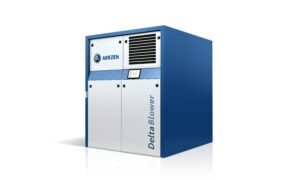
- Legacy roots blower อายุ 8+ ปี มักมี specific power 6.5–9.5 kW/Nm³/min; AERZEN Delta Hybrid rental unit อยู่ที่ 4.8–6.2 kW/Nm³/min — energy delta 20–35% ที่ full load, สูงกว่านั้นที่ part load
- ROI case ที่น่าเชื่อถือต้องมีข้อมูลจริง 3 ตัว: baseline specific power, annual operating hours, และ electricity tariff — ทั้ง 3 วัดได้เองก่อนโทรหา AERZEN
ก่อนที่วิศวกรโรงงานจะเซ็นสัญญาเช่า blower รายใด เอกสารหนึ่งฉบับมีความสำคัญกว่าใบเสนอราคาทุกฉบับ นั่นคือ รายงาน energy baseline ที่แสดง specific power (kW/Nm³/min) ของเครื่องที่ใช้อยู่ปัจจุบัน ตัวเลขนี้คือจุดเริ่มต้นของการคำนวณ ROI ที่จับต้องได้ ไม่ใช่การประมาณแบบกว้าง ๆ
บทความนี้เน้นที่ขั้นตอน pre-rental energy baseline audit — การวัดที่คุณทำได้เองใน 1 บ่ายด้วยเครื่องมือพื้นฐาน เพื่อสร้าง documented energy delta และ ROI case ที่นำเสนอต่อ CFO หรือ Plant Director ได้ทันที บทความนี้แตกต่างจาก คู่มือ Energy Audit ISO 50001 ฉบับสมบูรณ์ ซึ่งครอบคลุม EnMS framework ระยะยาว — ที่นี่เราโฟกัสเฉพาะสิ่งที่คุณต้องการ ก่อนตัดสินใจเช่า
ทำไมต้องวัด Specific Power ไม่ใช่แค่ kW
วิศวกรหลายท่านวัดแค่ kW input แล้วหยุดตรงนั้น แต่ตัวเลข kW เพียงตัวเดียวบอกอะไรไม่ได้เลย — blower 75 kW ที่ deliver 2,000 Nm³/h กับ blower 75 kW ที่ deliver 3,200 Nm³/h ใช้พลังงานเท่ากัน แต่ประสิทธิภาพต่างกัน 60%
Specific power คือ power input หารด้วย volumetric flow rate ที่ standard conditions:
CAGI (Compressed Air and Gas Institute) กำหนดให้ specific power เป็น standard metric สำหรับ blower comparison ใน Data Sheet format มาตั้งแต่ปี 2014 ข้อดีของ metric นี้คือ ไม่ขึ้นอยู่กับขนาดเครื่อง — blower 30 kW และ blower 200 kW สามารถเปรียบกันได้โดยตรงถ้าทำงานที่ pressure เดียวกัน
AERZEN ออกแบบและผลิต blower มาตั้งแต่ปี 1864 — ความเชี่ยวชาญ 160 ปีนั้นสะท้อนออกมาในตัวเลข specific power ที่ verified ผ่าน CAGI Data Sheet protocol ลูกค้าไม่จำเป็นต้องเชื่อตัวเลข spec sheet เพียงอย่างเดียว เพราะ on-site measurement ก็ยืนยันได้เสมอ
— AERZEN Application Engineering Team, Eastern Seaboard Service Center
เครื่องมือที่ต้องใช้ (และ Budget ที่แท้จริง)
Pre-rental baseline audit ไม่ต้องการ data acquisition system ราคาแพง เครื่องมือขั้นต่ำที่จำเป็นมี 3 ชิ้น:
| เครื่องมือ | Parameter ที่วัด | ตัวอย่างรุ่น | ราคาเช่า/ยืม | หมายเหตุ |
|---|---|---|---|---|
| Clamp meter 3-phase True RMS | kW input ที่ MCC หรือ starter panel | Fluke 376 FC, Hioki CM4375, Yokogawa CW240 | ยืมจาก maintenance ได้ในโรงงาน | ต้องเป็น True RMS — ไม่ใช่ average RMS — เพราะ VFD drive มี harmonic distortion สูง |
| Pressure gauge / transmitter | Discharge pressure (bar) และ differential pressure (mbar) | Wika A-10, Endress+Hauser Cerabar, Druck PTX | ส่วนใหญ่มีติดอยู่แล้วที่ blower discharge | อ่านค่า static pressure ที่ discharge header — ไม่ใช่ inlet |
| Flow measurement | Volumetric flow (Nm³/min หรือ m³/h) | Clamp-on ultrasonic: Endress+Hauser Prosonic Flow P, SICK FLOWSIC600, GE PT878 | เช่าจาก calibration house ที่ EEC ได้ ~3,000–8,000 บาท/วัน | ทางเลือก: ใช้ nameplate + amp ratio เป็น approximation ถ้าไม่มีงบ flowmeter |
สำหรับโรงงานที่ไม่มีงบเช่า flowmeter ขั้นตอนที่ 4 จะอธิบาย 3 วิธี approximation ที่ยังคงให้ ROI case ที่น่าเชื่อถือได้ในระดับ ±15–20%
Protocol การวัดใน 1 บ่าย: 5 ขั้นตอน
เวลาที่ใช้จริงประมาณ 2.5–4 ชั่วโมง รวม setup และ data recording สามารถทำได้ระหว่าง production shift โดยไม่ต้อง shutdown เครื่อง
- 1
ตรวจสอบ nameplate และ condition ก่อนวัด (30 นาที)
บันทึก: rated power (kW), rated flow (m³/h หรือ Nm³/min), rated pressure (bar), อายุเครื่อง, รุ่น/ยี่ห้อ, สภาพ coupling/bearing (ฟังเสียงผิดปกติ), oil leak หรือ air seal leak ที่มองเห็นได้ ข้อมูลนี้ช่วย calibrate ว่า measured specific power ที่ได้ต่างจาก nameplate spec เท่าไร — ตัวเลข degradation นั้นคือ argument ที่แข็งแกร่งมากในการอนุมัติ rental replacement
- 2
ติด clamp meter ที่ MCC หรือ motor starter (15 นาที)
วัด 3 phases พร้อมกัน บันทึก kW (ไม่ใช่ kVA) ทุก 1–5 นาที เป็นเวลาอย่างน้อย 30 นาที ระหว่าง peak production load หากโรงงานมี power monitoring ที่ SCADA ให้ขอ export data ย้อนหลัง 7–14 วัน — ข้อมูลนี้มีค่ามากกว่าการวัดสด เพราะครอบคลุม load variation ทั้ง shift
- 3
บันทึก discharge pressure และ ambient conditions (5 นาที)
อ่านค่า discharge pressure ที่ blower outlet header (ไม่ใช่ที่ point-of-use ปลายสาย) บันทึกพร้อม timestamp ให้ตรงกับ kW reading และบันทึก ambient temperature (°C) + altitude (m) ถ้าโรงงานสูงกว่า 500 m MSL เพราะ density correction มีผลกับ Nm³ calculation
- 4
วัด flow หรือ estimate ด้วย approximation method (45–60 นาที)
วิธี A (Flowmeter): ติด clamp-on ultrasonic ที่ pipe ขาออกของ blower อ่านค่า m³/h ที่ actual conditions แล้วแปลงเป็น Nm³/min ด้วย correction factor อุณหภูมิ/ความดัน
วิธี B (Nameplate + amp ratio): SPapprox = Pmeasured ÷ [Qnameplate × (Iactual / IFLA)] — uncertainty ±20%
วิธี C (Process balance): สำหรับ aeration blower ที่ feed activated sludge tank สามารถคำนวณ air demand จาก DO setpoint, tank volume, และ BOD load — ให้ approximation ที่ดีในระดับ engineering - 5
วัดซ้ำในช่วง off-peak หรือ night shift (15 นาที)
ข้อมูล off-peak สำคัญมากสำหรับ VFD-equipped rental unit เพราะ fixed-speed legacy blower มักทำงาน full load ตลอด 24 ชั่วโมง แม้ demand ลดลง 50% ในกลางคืน — นี่คือที่มาของ energy saving ที่ใหญ่ที่สุดในหลายโรงงาน
สูตรคำนวณ Energy Delta และ Annual Saving
เมื่อได้ข้อมูล baseline แล้ว การคำนวณ energy delta ทำได้ตามลำดับนี้:
หมายเหตุ: ตัวอย่างข้างต้นเป็นตัวเลขประกอบคำอธิบาย ไม่ใช่ guarantee ผลลัพธ์จริงขึ้นอยู่กับ process conditions ของแต่ละโรงงาน AERZEN Site Survey จะคำนวณตัวเลขที่ accurate กว่าโดยใช้ข้อมูลจริงจากโรงงานคุณ
Benchmark: Legacy Blower vs. AERZEN Rental Unit
ตารางด้านล่างรวบรวม typical specific power range สำหรับ blower เทคโนโลยีต่าง ๆ ที่ differential pressure 500 mbar (งาน aeration, pneumatic conveying แรงดันต่ำ) และ 800 mbar (งาน process air ทั่วไป)
| เทคโนโลยี / Series | Specific Power @ 500 mbar (kW/Nm³/min) | Specific Power @ 800 mbar (kW/Nm³/min) | VFD Part-load (50% load) | หมายเหตุ / Source |
|---|---|---|---|---|
| Legacy Roots Blower (อายุ 8–15 ปี) | 7.8–10.5 | 9.5–13.0 | ~98% (fixed speed) | Degradation จาก lobe wear, seal leak; ตัวเลขวัดจาก field measurement |
| Legacy Roots Blower (ใหม่, fixed speed) | 6.5–8.0 | 8.0–10.0 | ~95% (fixed speed) | OEM nameplate spec; ไม่มี VFD turndown |
| AERZEN BVO/DVO Screw Blower (rental) | 5.2–6.5 | 6.0–7.8 | 55–65% (with VFD) | CAGI Data Sheet verified; AERZEN HQ test bench data (reference: aerzen.com product specs) |
| AERZEN Delta Hybrid (BVS) — rental, full package | 4.8–6.0 | 5.8–7.2 | 48–60% (with VFD) | AERZEN Delta Hybrid screw technology — highest efficiency class ใน rotary displacement blower segment; CAGI DS-verified |
| AERZEN AT (AerzenTurbo) — centrifugal | 4.2–5.5 | N/A (low pressure only) | 40–55% (variable inlet guide vane) | เหมาะกับ flow >3,000 Nm³/h ที่ pressure <600 mbar; ไม่ใช่ roots blower replacement สำหรับ process ทั่วไป |
Delta ที่ใหญ่ที่สุดมักไม่ใช่ full-load efficiency แต่คือ part-load behavior — legacy fixed-speed blower ยังคงดึง >90% power แม้ process demand ลดเหลือ 50% ในกลางคืน VFD-equipped rental unit ลด speed ตาม demand จริง นั่นคือที่มาของ energy saving 40–50% สำหรับโรงงานที่มี demand variation สูง
— AERZEN Application Engineering, Delta Hybrid Performance White Paper (reference: aerzen.com)
Template สร้าง ROI Case สำหรับผู้บริหาร
เมื่อมีตัวเลข baseline แล้ว การนำเสนอต่อ CFO หรือ Plant Director ต้องการ structure ที่ชัดเจน template ด้านล่างรวบรวม inputs ทั้งหมดที่จำเป็น:
| ส่วน | Input ที่ต้องกรอก | วิธีหาข้อมูล |
|---|---|---|
| A. Baseline Assessment | SPcurrent (kW/Nm³/min), operating hours/ปี, current kWh cost/ปี | วัดตาม Protocol Section 3 ข้างต้น; ค่าไฟจาก utility bill |
| B. Target Performance | SPtarget จาก CAGI Data Sheet ของ rental unit, rental unit model | ขอจาก AERZEN team — ระบุ flow, pressure, application |
| C. Energy Delta | ΔkW, ΔkWh/ปี, ΔCost (฿/ปี) — ตามสูตร Section 4 | คำนวณเอง หรือ AERZEN จัดทำใน Site Survey report |
| D. Rental vs. CAPEX Comparison | Zero CAPEX rental (Subscription Plan), estimated CAPEX ถ้าซื้อเอง, maintenance cost delta | ขอ Subscription Plan quote จาก AERZEN: 098-323-2626 หรือ thai@aerzenrental.com |
| E. Risk Adjustment | Measurement uncertainty (±10–20%), downtime risk ของเครื่องปัจจุบัน | ระบุ confidence interval จากวิธีวัด (flowmeter = ±5%; nameplate method = ±20%) |
ROI case ที่มีทั้ง 5 ส่วนนี้มีน้ำหนักมากพอสำหรับการอนุมัติในโรงงานส่วนใหญ่ ส่วนที่ D (Subscription Plan quote) เป็นสิ่งที่ AERZEN ให้ข้อมูลได้ทันทีหลัง Site Survey ฟรี
ความผิดพลาดที่พบบ่อยในการวัด Baseline
จากประสบการณ์ทำงานกับโรงงานในเขต EEC ความผิดพลาดที่ทำให้ baseline data ไม่น่าเชื่อถือมีรูปแบบที่ซ้ำกัน:
- วัด kW ที่ motor terminal โดยตรงแทน MCC input — motor terminal ไม่รวม VFD loss และ transformer loss; ควรวัดที่จุดเข้า starter หรือ VFD output ขึ้นอยู่กับ system boundary ที่กำหนด
- ใช้ nameplate kW เป็น baseline แทนที่จะวัดจริง — nameplate เป็น rated max, ไม่ใช่ actual operating point; เครื่องส่วนใหญ่ทำงานที่ 70–90% FLA, การใช้ nameplate ทำให้ current consumption ถูก overstate
- ไม่บันทึก pressure ในเวลาเดียวกับ power — specific power sensitive ต่อ pressure อย่างมาก; pressure เพิ่ม 100 mbar ทำให้ SP เพิ่มขึ้น ~8–12%; ต้อง timestamp ตรงกัน
- วัดในช่วง startup transient — blower ต้องการเวลา 5–10 นาทีหลัง startup เพื่อ stabilize ที่ operating temperature; วัดก่อนที่เครื่องจะ warm up จะให้ kW สูงกว่าปกติ
- ไม่แยก blower ออกจาก equipment อื่นที่ run ใน MCC เดียวกัน — ถ้า branch circuit รวม pump อื่น ต้องแยก circuit หรือวัด individual motor โดยตรง
- ลืม correct flow เป็น normal conditions (Nm³/min) — flow ที่วัดได้จาก flowmeter ส่วนใหญ่คือ actual m³ ที่ operating temperature; ต้อง correct เป็น standard conditions (0°C / 1.01325 bar) สำหรับ comparison ที่ถูกต้อง
Self-check ก่อนบันทึกข้อมูล baseline
- ยืนยันว่า clamp meter อยู่ใน True RMS mode
- บันทึก timestamp สำหรับทุกค่าที่วัด (kW, pressure, flow)
- เครื่อง warm up แล้ว (ทำงานมาแล้วอย่างน้อย 15 นาที)
- Production load อยู่ในช่วง normal operation (ไม่ใช่ startup หรือ special process)
- บันทึก ambient temperature และ altitude ของสถานที่
- ระบุ measurement method (flowmeter / nameplate approximation) และ estimated uncertainty
- วัดซ้ำในช่วง off-peak เพื่อ load profile ที่ครบถ้วน
คำถามที่พบบ่อย (FAQ)
ต้องใช้เครื่องมืออะไรบ้างในการวัด specific power blower ใน 1 บ่าย
เครื่องมือขั้นต่ำที่จำเป็น: (1) Clamp meter 3-phase แบบ True RMS เช่น Fluke 376 FC หรือ Hioki CM4375 — วัด kW input ที่ MCC หรือ starter panel (2) Pressure gauge ติดที่ discharge header ของ blower — วัด differential pressure (bar หรือ mbar) และ (3) Flow measurement — ideally ultrasonic clamp-on flowmeter หรือ orifice plate reading ถ้ามีอยู่แล้ว หากไม่มี flowmeter สามารถใช้วิธี approximation ได้โดยระบุ uncertainty range ไว้ในรายงาน
Specific power (kW/Nm³/min) ต่างจาก specific energy (kWh/1000 m³) อย่างไร
Specific power (kW/Nm³/min) คือ power input ณ ขณะนั้น หารด้วย volumetric flow rate — ใช้สำหรับ real-time efficiency comparison ระหว่างเครื่องจักร Specific energy (kWh/1000 m³) คือ energy ที่ใช้ต่อปริมาตรอากาศที่ผลิต — ใช้สำหรับ cost accounting ต่อหน่วยเวลา ทั้งสองค่าเชื่อมกัน: specific energy = specific power × 60 / 1000 CAGI Data Sheets ใช้ specific power เป็น standard comparison metric
Legacy roots blower มี specific power เฉลี่ยเท่าไร และ AERZEN rental unit ดีกว่าแค่ไหน
Legacy tri-lobe roots blower รุ่นอายุ 8–15 ปี มักมี specific power อยู่ที่ 6.5–9.5 kW/Nm³/min ที่ differential pressure 400–600 mbar AERZEN Delta Hybrid Screw Blower rental unit ที่ pressure เดียวกันมี specific power 4.8–6.2 kW/Nm³/min จาก CAGI-verified data — delta ประมาณ 20–35% ที่ full load เมื่อรวม VFD และ part-load operation energy saving อาจสูงถึง 40–50% สำหรับโรงงานที่มี demand variation สูง
ถ้า flow meter ไม่มีในโรงงาน จะประมาณ flow ได้อย่างไร
มี 3 วิธี approximation ที่ใช้ได้จริง: (1) Nameplate method — ใช้ rated flow ปรับด้วย load factor จาก amp draw เทียบ FLA (uncertainty ±20%) (2) Pressure-drop method — ใช้ pipe size และ velocity pressure จาก temporary orifice plate (uncertainty ±10–15%) และ (3) Process balance method — คำนวณ backward จาก process requirement เช่น DO setpoint ของ aeration tank ทุกวิธีต้องระบุ uncertainty range ในรายงาน — ยิ่ง uncertainty น้อยยิ่งทำให้ ROI case น่าเชื่อถือมากขึ้น
ต้องวัดนานแค่ไหนถึงจะได้ข้อมูลที่เชื่อถือได้สำหรับ pre-rental ROI case
สำหรับ pre-rental ROI case ขั้นต่ำคือ 2 ช่วง: peak load period (อย่างน้อย 30 นาทีต่อเนื่องระหว่าง production) และ off-peak/idle period (15–30 นาที) ข้อมูล 2 จุดนี้เพียงพอสำหรับคำนวณ weighted average specific power และ estimate annual energy ที่ accuracy ±15% — เพียงพอสำหรับ business case ภายใน สำหรับ ISO 50001 EnB อย่างเป็นทางการต้องบันทึก 7–30 วัน แต่นั่นเป็นขั้นตอนหลังจากตัดสินใจแล้ว ดูข้อมูลเพิ่มเติมได้ใน คู่มือ ISO 50001 Energy Audit ฉบับสมบูรณ์
AERZEN ช่วยทำ pre-rental audit ให้ฟรีได้ไหม
AERZEN Rental Thailand ให้บริการ Site Survey ฟรีสำหรับลูกค้าที่พิจารณา Subscription Plan ทีมวิศวกรจะ: (1) วัด baseline specific power ของเครื่องปัจจุบัน (2) คำนวณ energy delta และ annual saving estimate และ (3) จัดทำรายงาน TCO comparison 3–5 ปีเปรียบเทียบ rental vs. capital purchase โทรนัด Site Survey: 098-323-2626 (24/7) หรือ thai@aerzenrental.com
ขั้นตอนถัดไป: จาก Baseline สู่ Site Survey
เมื่อคุณมีตัวเลข baseline specific power ของโรงงานแล้ว ขั้นตอนต่อไปมี 2 เส้นทาง:
เส้นทาง A — DIY calculation: นำตัวเลขที่วัดได้ไปใส่ใน template Section 6 เปรียบเทียบกับ CAGI Data Sheet ของ AERZEN rental unit ที่ตรงกับ flow/pressure requirement ของคุณ (ขอรับ Data Sheet ได้จาก AERZEN team) คำนวณ ROI ด้วยสูตร Section 4
เส้นทาง B — AERZEN Site Survey (แนะนำ): แจ้งข้อมูล baseline ที่คุณวัดมาให้ทีม AERZEN ทีมวิศวกรจะ cross-verify ด้วยเครื่องมือของเรา จัดทำรายงาน energy saving estimate และ Subscription Plan quote ที่ครบถ้วนสำหรับนำเสนอผู้บริหาร Site Survey ใช้เวลาครึ่งวันและไม่มีค่าใช้จ่าย
สำหรับโรงงานที่ต้องการความมั่นใจเพิ่มเติมในการตัดสินใจ ขอแนะนำให้อ่าน คู่มือ Energy Audit ISO 50001 และการตรวจหา Air Leak ฉบับสมบูรณ์ ซึ่งครอบคลุม EnMS framework ระยะยาว รวมถึง KPI tracking ตลอดอายุสัญญาเช่า
นัด Site Survey ฟรี — ทีมวิศวกรมาวัด Baseline ให้ที่โรงงาน
AERZEN Rental Thailand ให้บริการ pre-rental energy audit และ Subscription Plan quote ฟรีสำหรับลูกค้าในเขต EEC และทั่วไทย ทีมวิศวกรพร้อมออกไปวัด specific power, คำนวณ energy delta, และจัดทำรายงาน ROI ที่นำเสนอผู้บริหารได้ทันที
หรือส่งรายละเอียด: thai@aerzenrental.com · สำนักงาน: 038-015-488 · aerzenrentalth.com
ราคาเช่า Subscription Plan: ติดต่อทีมงานโดยตรง — ไม่มีการเผยแพร่ราคาออนไลน์ · Request-a-Quote เท่านั้น
Rent a solution. Expect performance.