Dense Phase vs Dilute Phase: เลือกระบบลม Conveying สำหรับ PET Flake ที่เปราะ
- PET flake เปราะและมีขอบคม — conveying velocity ที่สูงเกินไปสร้าง fines (angel hair / snow) ที่ทำให้ extruder feed ไม่นิ่งและเพิ่ม dust load โดยตรง
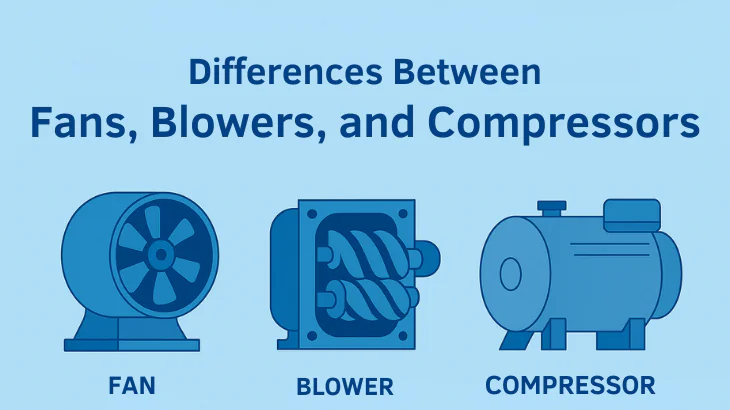
- Dense phase (velocity ต่ำ 3–6 m/s, pressure 1.5–4.0 bar(g)) ลด attrition แต่ต้องใช้ oil-free screw compressor (TVO); dilute phase (15–30 m/s, 0.3–0.8 bar(g)) ใช้ blower (BVS/GM) แต่กัดกร่อน flake มากกว่า
- การตัดสินใจวิศวกรรมจริงต้องดู saltation velocity, specific air consumption (kWh/ton) และ flake geometry ไม่ใช่แค่ “ลมแรงพอ”
การออกแบบระบบ pneumatic conveying สำหรับ recycled PET flake ไม่ใช่แค่คำถามว่า “ลมแรงพอจะพา flake ไปถึงไหม” แต่เป็นคำถามว่า conveying mode ใดที่ขนส่ง flake ได้โดยสร้าง fines น้อยที่สุดด้วย specific energy ที่คุ้มค่าที่สุด เพราะ PET เปราะที่อุณหภูมิห้องและ flake จากกระบวนการ shredding มีขอบคม การเลือก mode ผิดทำให้เกิด angel hair, snow และ dust ที่ส่งผลต่อ downstream extrusion โดยตรง บทความนี้เจาะลึกเฉพาะ การเลือกระหว่าง dense phase กับ dilute phase สำหรับ flake เปราะ — ซึ่งเป็นจุดตัดสินใจที่วิศวกรในโรงงานรีไซเคิลพลาสติกต้องตอบให้ชัดก่อนเลือก blower หรือ compressor
- 1. ทำไม flake ที่เปราะเปลี่ยนสมการการเลือก conveying mode
- 2. Dense phase vs Dilute phase — เปรียบเทียบเชิงวิศวกรรม
- 3. ความสัมพันธ์ระหว่าง velocity กับ attrition และ saltation velocity
- 4. Specific air consumption และ specific energy (kWh/ton)
- 5. เลือก blower (BVS/GM) หรือ screw compressor (TVO)
- 6. Decision framework สรุป
- 7. คำถามที่พบบ่อย (FAQ)
1. ทำไม flake ที่เปราะเปลี่ยนสมการการเลือก conveying mode
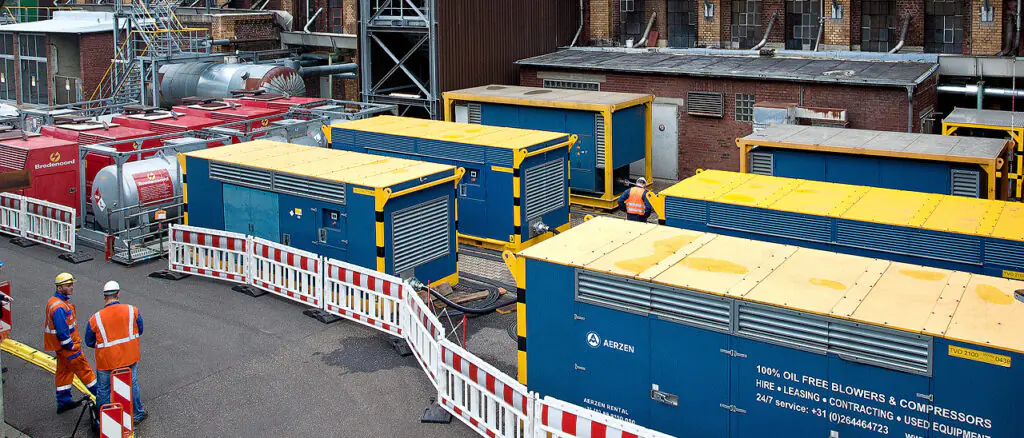
AERZEN ออกแบบและผลิต blower และ oil-free compressor สำหรับงาน pneumatic conveying มาตั้งแต่ปี 1864 — และบทเรียนที่ชัดจากงาน conveying material เปราะคือ พลังงานจลน์ของ particle ที่ปะทะผนัง pipe และปะทะกันเอง เป็นตัวกำหนดปริมาณ fines ที่เกิดขึ้น ไม่ใช่ระยะทางที่พา
PET (polyethylene terephthalate) มี glass transition temperature ราว 70–80°C ดังนั้นที่อุณหภูมิห้อง flake จึงอยู่ในสภาพ glassy และ เปราะ เมื่อ flake ที่มีขอบคมจากกระบวนการ granulating ถูกพาด้วยความเร็วสูงในระบบ dilute phase ผลที่ตามมาคือ:
- Angel hair / streamers — เส้นใยพลาสติกบางที่เกิดจาก surface melting เมื่อ flake เสียดสีผนัง pipe ที่ velocity สูง
- Snow / fines — particle ขนาดเล็กมากที่เกิดจาก fracture ของขอบ flake เมื่อ impact
- ผลต่อ downstream — fines ทำให้ bulk density ไม่สม่ำเสมอ extruder feed กระตุก และเพิ่มภาระ dust collection
กฎเชิงประสบการณ์ในงาน conveying material เปราะ: อัตราการเกิด attrition แปรผันตามกำลังของ velocity (โดยทั่วไปประมาณ velocity ยกกำลัง 2.5–4 ขึ้นกับ material) — แปลว่าการลด conveying velocity ลงครึ่งหนึ่งสามารถลด fines ลงได้หลายเท่า นี่คือเหตุผลเชิงฟิสิกส์ที่ dense phase ชนะ dilute phase สำหรับ flake เปราะ
2. Dense phase vs Dilute phase — เปรียบเทียบเชิงวิศวกรรม
ทั้งสอง mode พา material ด้วยลม แต่อยู่คนละจุดบน state diagram ของ gas-solid flow โดยสิ้นเชิง
| พารามิเตอร์ | Dilute phase (suspension) | Dense phase (plug flow) |
|---|---|---|
| Conveying velocity | 15–30 m/s | 3–6 m/s |
| Conveying pressure | 0.3–0.8 bar(g) | 1.5–4.0 bar(g) |
| Air-to-material ratio (มวล) | ~1:2 ถึง 1:10 | ~1:15 ถึง 1:50 |
| Solids loading ratio (SLR) | ต่ำ (1–15) | สูง (15–80+) |
| Attrition / fines ที่ flake เปราะ | สูง | ต่ำ |
| Pipe wall wear | สูงที่ bends | ต่ำกว่า |
| เครื่องต้นกำลังที่เหมาะ | Blower (BVS screw blower / GM Roots blower) | Oil-free screw compressor (TVO) |
| ความซับซ้อนของระบบ | ต่ำ — pickup ต่อเนื่อง | สูง — ต้อง pressure vessel / blow tank |
ข้อสรุปเชิงหลักการ: dilute phase ง่ายและถูกกว่าในการติดตั้ง แต่ “ลงโทษ” flake เปราะด้วย velocity สูง ส่วน dense phase ถนอม material แต่แลกด้วยระบบที่ซับซ้อนกว่าและ pressure ที่สูงกว่า ซึ่งดึงให้ต้องเปลี่ยนจาก blower ไปเป็น screw compressor
3. ความสัมพันธ์ระหว่าง velocity กับ attrition และ saltation velocity
Saltation velocity — เส้นแบ่งล่างของ dilute phase
Saltation velocity คือความเร็วลมต่ำสุดใน horizontal pipe ที่ยังพา particle ลอยได้โดยไม่ตกตะกอนเป็นชั้นที่ก้น pipe หากออกแบบ dilute phase ด้วย velocity ต่ำกว่าค่านี้ จะเกิด deposition และ blockage. สำหรับ PET flake โดยทั่วไป saltation velocity อยู่ในช่วงประมาณ 12–16 m/s ขึ้นกับ flake geometry และ bulk density ดังนั้น dilute phase จึงถูก “บังคับ” ให้ทำงานเหนือ 15 m/s ซึ่งคือโซนที่ attrition สูง
กับดักของการ “เพิ่มลม” เพื่อแก้ blockage
เมื่อเกิด blockage วิศวกรหน้างานมักแก้ด้วยการเพิ่ม blower output เพื่อยก velocity — ซึ่งแก้ปัญหาเฉพาะหน้าได้ แต่ ยิ่งเพิ่ม fines เป็นวงจรย้อนกลับ: fines เปลี่ยน bulk density ทำให้ flow behavior ไม่นิ่ง ยิ่งต้องเพิ่มลม ยิ่งเกิด fines. ทางออกเชิงระบบคือทบทวนว่าระบบควรเป็น dense phase ตั้งแต่แรกหรือไม่
ก่อนตัดสินใจ mode ให้ทำ conveying trial ด้วย flake ตัวอย่างจริงจาก line ของคุณ เพราะ saltation velocity และ attrition behavior ขึ้นกับ flake size distribution, edge sharpness และ residual moisture ซึ่งต่างกันในแต่ละโรงงาน — ค่าตำราเป็นจุดตั้งต้น ไม่ใช่ค่าสุดท้าย
4. Specific air consumption และ specific energy (kWh/ton)
คำถามที่ผู้บริหารโรงงานถามคือ “mode ไหนประหยัดพลังงานกว่า” — คำตอบไม่ตรงไปตรงมา เพราะ dense phase ใช้ลม น้อยกว่า ต่อ ton แต่ที่ pressure สูงกว่า การเปรียบเทียบที่ถูกต้องคือดู specific energy รวม (kWh ต่อ ton ที่ขนส่ง)
| มิติ | Dilute phase | Dense phase | หมายเหตุวิศวกรรม |
|---|---|---|---|
| ปริมาตรลมต่อ ton | มาก | น้อย | Dense phase SLR สูงกว่าหลายเท่า |
| Pressure ที่ต้องการ | ต่ำ | สูง | กระทบการเลือก blower vs compressor |
| Specific power (โดยรวม) | มักต่ำที่ระยะสั้น | มักได้เปรียบที่ SLR สูง / ระยะไกล | ต้องคำนวณตาม layout จริง |
| ต้นทุน fines / rework | สูงกว่า | ต่ำกว่า | fines = ต้นทุนซ่อนของ dilute phase |
ประเด็นที่มักถูกมองข้ามคือ “ต้นทุนซ่อน” ของ fines — แม้ dilute phase อาจมี specific power ต่ำกว่าในบางกรณี แต่เมื่อรวมต้นทุน rework, dust collection ที่โตขึ้น และ extruder downtime จาก feed ที่ไม่นิ่ง สมการเศรษฐศาสตร์มักพลิกไปทาง dense phase สำหรับ flake เปราะที่ throughput สูง
5. เลือก blower (BVS/GM) หรือ screw compressor (TVO)
เมื่อเลือก conveying mode ได้แล้ว pressure requirement จะ “บังคับ” ประเภทเครื่องต้นกำลังโดยอัตโนมัติ
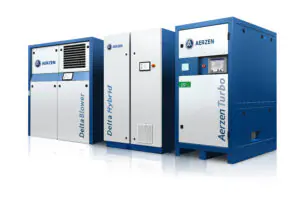
- Dilute phase (0.3–0.8 bar(g)): อยู่ในย่านของ blower — AERZEN BVS screw blower (Delta Hybrid) ให้ efficiency ดีในย่าน pressure นี้พร้อม flow สูง; หรือ GM Roots blower สำหรับงานที่เน้นความเรียบง่ายและ pressure ต่ำกว่า
- Dense phase (1.5–4.0 bar(g)): เกินขีดของ blower ทั่วไป จึงต้องใช้ oil-free screw compressor TVO ซึ่งให้ pressure สูงพอสำหรับ plug flow โดยรักษาอากาศ oil-free
ในกลุ่มผลิตภัณฑ์ AERZEN: TVO = oil-free screw compressor (ไม่ใช่ turbo), BVS = screw blower, BVO = blower, GM = Roots blower, AT (AerzenTurbo) = centrifugal blower. การระบุประเภทเครื่องให้ตรงสำคัญต่อการ sizing pressure/flow ที่ถูกต้อง
คุณภาพอากาศและ oil-free สำหรับ recyclate ที่จะกลับเป็น food-contact
หาก recycled PET ถูกขายเป็น food-grade resin คุณภาพอากาศที่สัมผัส flake/pellet ต้องควบคุมระดับ oil ตาม ISO 8573-1 โดยทั่วไประบบ conveying ขั้นต้นยอมรับ Class 2–3 ได้ แต่หาก process step ใดสัมผัส material ที่จะเป็น food contact โดยตรง ควรพิจารณา ISO 8573-1 Class 0 ซึ่งเข้มกว่า Class 1 (Class 0 กำหนดเพดาน oil ต่ำกว่าและต้องตกลงค่ากับผู้ผลิต) เครื่อง oil-free อย่าง TVO ตอบโจทย์นี้ได้โดยไม่พึ่ง oil ใน air path
แหล่งอ้างอิงมาตรฐาน: ISO 8573-1:2010 — Compressed air — Part 1: Contaminants and purity classes (International Organization for Standardization).
6. Decision framework สรุป
กรอบการตัดสินใจสั้น ๆ สำหรับวิศวกรที่ต้องเลือก conveying mode สำหรับ PET flake:
| เงื่อนไขหน้างาน | แนวโน้มที่เหมาะ | เครื่องต้นกำลัง |
|---|---|---|
| Flake เปราะมาก / fines spec เข้มงวด | Dense phase | TVO oil-free screw compressor |
| ระยะ pipeline สั้น / throughput ต่ำ / งบติดตั้งจำกัด | Dilute phase | BVS screw blower / GM Roots blower |
| Throughput สูง / pipeline ยาว / bends มาก | Dense phase (ลด wear + fines) | TVO |
| Recyclate จะเป็น food-contact | ทั้งสอง mode + คุม oil class | เครื่อง oil-free + ตรวจ ISO 8573-1 |
| ยังไม่แน่ใจ flake behavior | ทำ conveying trial ก่อน | เช่าชั่วคราวเพื่อทดสอบ |
หากต้องการเจาะลึกภาพรวมระบบลมทั้งโรงงานรีไซเคิลในแต่ละ step (sorting, drying, pelletizing) ดูบทความหลักได้ที่ ระบบอากาศสำหรับโรงงาน Plastic Recycling หรือดูภาพรวมหลักการ pneumatic conveying และทางเลือก oil-free compressed air
7. คำถามที่พบบ่อย (FAQ)
ทำไม PET flake ต้องใช้ dense phase แทน dilute phase?
PET flake เปราะที่อุณหภูมิห้องและมีขอบคม การพาด้วย dilute phase ที่ velocity 18–30 m/s ทำให้เกิด impact ความถี่สูง เกิด attrition และ fines (angel hair, snow) ที่ทำให้ extruder feed ไม่นิ่งและเพิ่ม dust load. Dense phase ที่ velocity ต่ำกว่า 3–6 m/s ลด impact energy ลงมาก จึงเหมาะกับ flake เปราะมากกว่า
saltation velocity คืออะไรและสำคัญต่อการ sizing blower อย่างไร?
Saltation velocity คือความเร็วลมต่ำสุดที่ยังพา particle ลอยใน horizontal pipe โดยไม่ตกตะกอน ถ้า design velocity ต่ำกว่าค่านี้ในระบบ dilute phase จะเกิด blockage. การ sizing ต้องเผื่อ velocity เหนือ saltation velocity ของ PET flake ซึ่งโดยทั่วไป 12–16 m/s ขึ้นกับ geometry และ bulk density
ระหว่าง blower (BVS) กับ screw compressor (TVO) ควรเลือกตัวไหน?
ขึ้นกับ conveying pressure. Dilute phase ที่ 0.3–0.8 bar(g) เหมาะกับ BVS screw blower หรือ GM Roots blower; dense phase ที่ 1.5–4.0 bar(g) เกินขีดของ blower จึงใช้ oil-free screw compressor TVO
specific air consumption ของ dense phase ต่างจาก dilute phase แค่ไหน?
Dense phase มี air-to-material ratio ต่ำ (ราว 1:15 ถึง 1:50 โดยมวล) ส่วน dilute phase สูงกว่ามาก (ราว 1:2 ถึง 1:10) แปลว่า dense phase ใช้ปริมาตรลมน้อยกว่าต่อ ton แต่ต้องการ pressure สูงกว่า การเทียบพลังงานจริงต้องดูเป็น specific energy (kWh/ton)
เช่าระบบลมสำหรับ pilot line conveying PET flake ระยะสั้นได้หรือไม่?
ได้ AERZEN Rental Thailand ให้เช่าทั้ง short-term สำหรับ trial/commissioning และ long-term โดยทีมงานช่วย sizing ตาม throughput, pipeline routing และ flake property ของแต่ละโรงงาน ติดต่อขอ conveying assessment ได้ที่สายด่วน 098-323-2626
วางระบบ conveying สำหรับ PET flake — ปรึกษาทีมวิศวกร
AERZEN Rental Thailand ช่วย sizing conveying mode, เลือก blower/compressor ที่ตรง pressure และคุม fines ตั้งแต่ pilot line จนถึง production scale ในเขต EEC และทั่วประเทศ
Rent a solution. Expect performance.
- ขอใบเสนอราคา / Request a Quote
- สายด่วน 24/7: 098-323-2626
- ออฟฟิศ: 038-015-488
- อีเมล: thai@aerzenrental.com
- เว็บไซต์: www.aerzenrentalth.com
Last technical review: 2026-06-04 — AERZEN Rental Thailand editorial team

✍️ เกี่ยวกับผู้เขียน
ภราดร วรรณสังข์ (Paradorn Wannasung)
Marketing Communication Specialist · นิเทศศาสตรมหาบัณฑิต (การสื่อสารการตลาดและแบรนด์)
ภราดร (Paradorn) เป็นผู้ดูแลด้านการสื่อสารการตลาดของ AERZEN Rental Thailand จบนิเทศศาสตรมหาบัณฑิต (การสื่อสารการตลาดและแบรนด์) เชี่ยวชาญด้านอุตสาหกรรม B2B ในประเทศไทย มีประสบการณ์การสร้างแบรนด์และคอนเทนต์ในกลุ่มอุตสาหกรรมของไทย
ติดต่อ: pwa@aerzenrental.com · LinkedIn