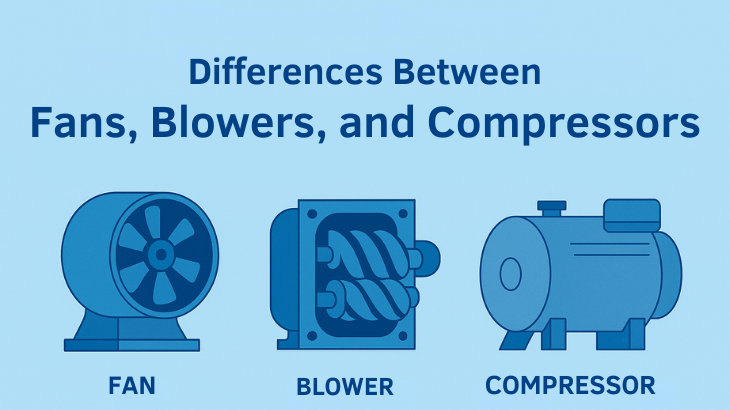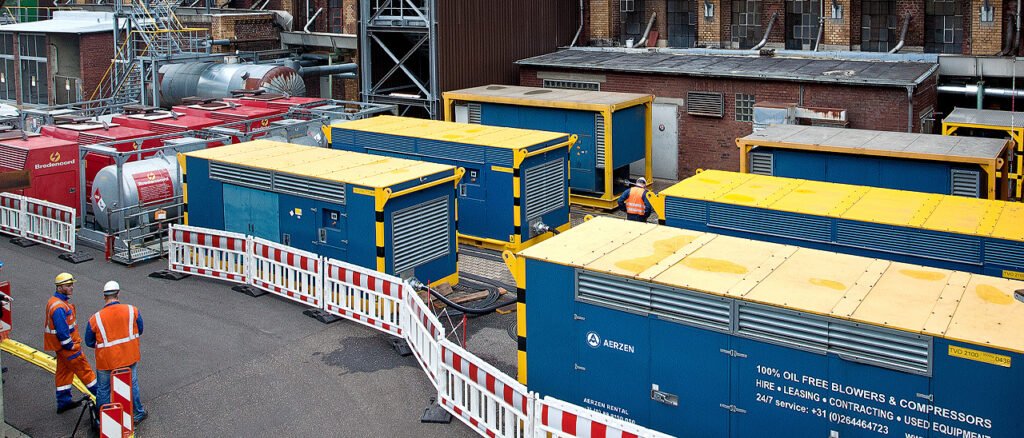
Pulsation Control ใน Quenching Plenum — เลือก Blower ลด Quench Distortion ในแก้ว Tempered
- ปัญหา quench distortion (roller-wave) ในแก้ว tempered ส่วนใหญ่ไม่ได้มาจาก flow rate ที่ขาด แต่มาจาก velocity fluctuation ที่ nozzle ซึ่งถูกขยายเมื่อ pulse frequency ของ blower เข้าใกล้ acoustic resonance ของ plenum
- เกณฑ์ออกแบบที่ยึดได้คือ nozzle velocity uniformity ที่ ±5% และ main-duct velocity < 10 m/s — ตัวเลขนี้เชื่อมโยงตรงกับ surface compressive stress uniformity ตาม EN 12150-1
- Screw blower (Delta Hybrid DVO) ลด pulse amplitude ตั้งแต่ต้นทาง จึงเหมาะกับ quenching มากกว่า Roots blower ที่ pulse สูง — เสริมด้วยเชคลิสต์ commissioning 6 ข้อท้ายบทความ
การควบคุม pressure pulsation ใน quenching plenum คือปัจจัยวิศวกรรมที่กำหนดทั้งความสม่ำเสมอของ surface compressive stress และ optical flatness ของแก้ว tempered โดยตรง บทความนี้ลงลึกเฉพาะมิติที่มักถูกมองข้าม คือความสัมพันธ์ระหว่าง pulse frequency ของ blower กับ acoustic resonance ของ duct/plenum ซึ่งเป็นต้นเหตุที่แท้จริงของ velocity fluctuation ที่ nozzle และ quench distortion — แตกต่างจากบทความภาพรวม glass tempering ทั่วไปที่เน้นเพียง flow rate กับ pressure AERZEN Rental Thailand ให้บริการเช่า oil-free blower พร้อม sizing และ pulsation review สำหรับสายการผลิตแก้วในภูมิภาค EEC
1. ทำไม pulsation สำคัญกว่าที่ flow rate บอก
ในการ size ระบบอากาศสำหรับ quenching ทีมวิศวกรรมมักโฟกัสที่ตัวเลขสองตัวคือ flow rate (m³/h) และ differential pressure (barg) ซึ่งจำเป็นแต่ยังไม่เพียงพอ เพราะตัวเลขเหล่านี้เป็นค่า เฉลี่ย ขณะที่แก้วที่ยังอ่อนตัวบน conveyor ตอบสนองต่อค่า ทันที (instantaneous velocity) ที่กระทบผิว
เมื่อ blower ส่งอากาศแบบมี pulse และ pulse นั้นถูกขยายโดยเรขาคณิตของ duct/plenum ค่า velocity ที่ nozzle จะแกว่งรอบค่าเฉลี่ย แม้ flow rate เฉลี่ยจะ “ผ่าน spec” แต่แก้วยังได้รับ cooling ที่ไม่สม่ำเสมอ ผลคือ surface stress gradient และ optical distortion ที่ตรวจไม่พบจากการดู flow chart เพียงอย่างเดียว
Insight: Flow rate บอกว่า “อากาศพอไหม” — pulsation บอกว่า “อากาศนิ่งพอไหม” สำหรับแก้ว tempered คำถามที่สองมักเป็นตัวกำหนด reject rate
2. Pulse Frequency vs Plenum Acoustic Resonance
กลไกที่ทำให้ pulse เล็ก ๆ ของ blower กลายเป็น velocity fluctuation ขนาดใหญ่ที่ nozzle คือ acoustic resonance ใน duct/plenum หลักการประมาณค่าเบื้องต้น:
- Pulse frequency ของ blower (Hz) ≈ (RPM ÷ 60) × จำนวน pulse ต่อรอบ — สำหรับ Roots blower สาม-lobe คือ 6 pulse ต่อรอบของ rotor
- Fundamental acoustic resonance ของ duct (closed–open) ≈ c ÷ (4L) และ (closed–closed) ≈ c ÷ (2L) โดย c คือความเร็วเสียง (~343 m/s ที่อุณหภูมิห้อง สูงขึ้นตามอุณหภูมิอากาศ)
เมื่อ pulse frequency เข้าใกล้ resonance ของ duct จะเกิด standing wave ที่ขยาย amplitude ของ pressure (และตามมาด้วย velocity) ที่ปลาย nozzle ปรากฏการณ์นี้คือเหตุผลที่บางโรงงานเปลี่ยน blower ขนาดเท่าเดิมแล้วปัญหา distortion หาย — เพราะ RPM (จึง pulse frequency) เปลี่ยนออกจากช่วง resonance ไม่ใช่เพราะ flow เปลี่ยน
ข้อควรระวัง: อุณหภูมิอากาศใน quenching plenum สูงกว่าอากาศแวดล้อม ทำให้ c (และ resonance frequency) สูงขึ้น การคำนวณ resonance ต้องใช้อุณหภูมิจริงในระบบ ไม่ใช่ 20°C
3. เกณฑ์ Velocity Uniformity ±5% และผลต่อ CS
ความสม่ำเสมอของ cooling แปลตรงเป็นความสม่ำเสมอของ surface compressive stress (CS) ซึ่งมาตรฐาน EN 12150-1 กำหนดไว้ที่ ≥ 90 MPa สำหรับแก้วนิรภัย ตารางด้านล่างเชื่อมโยงเกณฑ์อากาศเข้ากับผลทาง metallurgical-optical:
EN 12150-1:2015 Standard requirement: “Thermally toughened soda lime silicate safety glass shall have a minimum surface compressive stress (CS) of 90 MPa to ensure structural integrity and safety.” ความเข้มงวดของ standard นี้สะท้อนถึงความสำคัญของการควบคุม quenching process ที่เข้มงวด ซึ่ง pulsation ที่มากเกินไป จะทำให้เป็นไปไม่ได้ที่จะบรรลุ CS uniformity ที่ standard กำหนด
| พารามิเตอร์อากาศ | เกณฑ์เป้าหมาย | ผลเมื่อเกินเกณฑ์ |
|---|---|---|
| Nozzle velocity uniformity | ±5% รอบค่าเฉลี่ย | CS gradient → reject CS test |
| Velocity ใน main duct | < 10 m/s | turbulence + pressure loss + resonance risk สูง |
| Pulse amplitude ที่ blower outlet | ต่ำที่สุดเท่าที่ technology อนุญาต | amplify โดย resonance → roller wave |
| Air velocity at glass surface | 30 – 80 m/s (ตาม thickness) | ต่ำไป = ไม่ temper; สูงไป = warp |
| Differential pressure | 0.3 – 0.8 barg | ไม่พอ = CS ต่ำกว่า 90 MPa |
| Surface compressive stress (ผล) | ≥ 90 MPa (EN 12150-1) | ต่ำกว่า = ไม่ผ่านแก้วนิรภัย |
ที่มาเกณฑ์ CS: EN 12150-1:2015 — Thermally toughened soda lime silicate safety glass (มาตรฐาน EN ↗). หลักการ duct distribution อ้างอิง ASHRAE Handbook — Fundamentals, Duct Design (ASHRAE ↗). คุณภาพอากาศ oil-free อ้างอิง ISO 8573-1:2010 ↗.
4. Spec Comparison — Roots vs Delta Hybrid สำหรับ Quenching
เพื่อให้เห็นว่าเหตุใด screw blower จึงเหมาะกับ quenching ที่อ่อนไหวต่อ pulsation มากกว่า Roots blower ตารางต่อไปนี้เปรียบเทียบเฉพาะมิติที่เกี่ยวกับ pulsation และ glass quality:
| มิติ | GM Roots Blower | Delta Hybrid (DVO) Screw Blower |
|---|---|---|
| หลักการอัด | External compression (lobe) | Internal compression profile |
| Pulse amplitude ต้นทาง | สูง | ต่ำกว่าอย่างมีนัยสำคัญ |
| ความเสี่ยง resonance ที่ plenum | สูง — ต้องพึ่ง dampener | ต่ำ — ลดภาระ dampener |
| Oil-free chamber | มี (oil-free) | มี (oil-free) |
| VFD turndown | ปานกลาง | กว้าง — เลี่ยงช่วง resonance ได้ง่าย |
| เหมาะกับ glass บาง (4–6 mm) | ระวัง pulsation | เหมาะ — quenching window แคบ |
นอกจากนี้ ความสามารถ VFD turndown ที่กว้าง ของ Delta Hybrid ให้ประโยชน์เชิงวิศวกรรมที่มักถูกมองข้าม คือสามารถปรับ RPM เพื่อ เลื่อน pulse frequency ออกจากช่วง resonance ของ plenum ได้โดยไม่ต้องเปลี่ยนเครื่อง ซึ่งเป็นเครื่องมือ commissioning ที่มีคุณค่า สำหรับ AERZEN nomenclature: BVO = blower, BVS = screw blower, AT (AerzenTurbo) = centrifugal blower, TVO = oil-free screw compressor, VMW = water-injected screw — แต่ละ technology มี pulse signature ต่างกัน
5. มาตรการลด Pulsation ที่ระดับระบบ
การลด velocity fluctuation ที่ nozzle ต้องทำทั้งที่ต้นทาง (blower) และที่ทางผ่าน (duct/plenum):
- เลือก technology ที่ pulse ต่ำ — screw blower (Delta Hybrid) แทน Roots ในงานที่อ่อนไหว
- ติดตั้ง pulsation dampener / reactive silencer ที่ blower outlet ออกแบบให้ครอบคลุมความถี่ pulse ที่คำนวณได้
- หลีกเลี่ยง resonance — ปรับความยาว duct หรือ RPM เพื่อให้ pulse frequency ไม่ตรง fundamental/harmonic ของ plenum
- ลด main-duct velocity ให้ < 10 m/s — ลด turbulence และ pressure loss ที่ทำให้ uniformity ที่ nozzle แย่ลง
- ใช้ flexible duct connection + anti-vibration mount เพื่อ isolate mechanical vibration ก่อนเข้า main duct
- N+1 redundancy — quenching blower เป็น critical equipment; การ fail ระหว่าง cycle อาจเสียทั้งเตาและใช้เวลา 4–8 ชม.ในการ recover
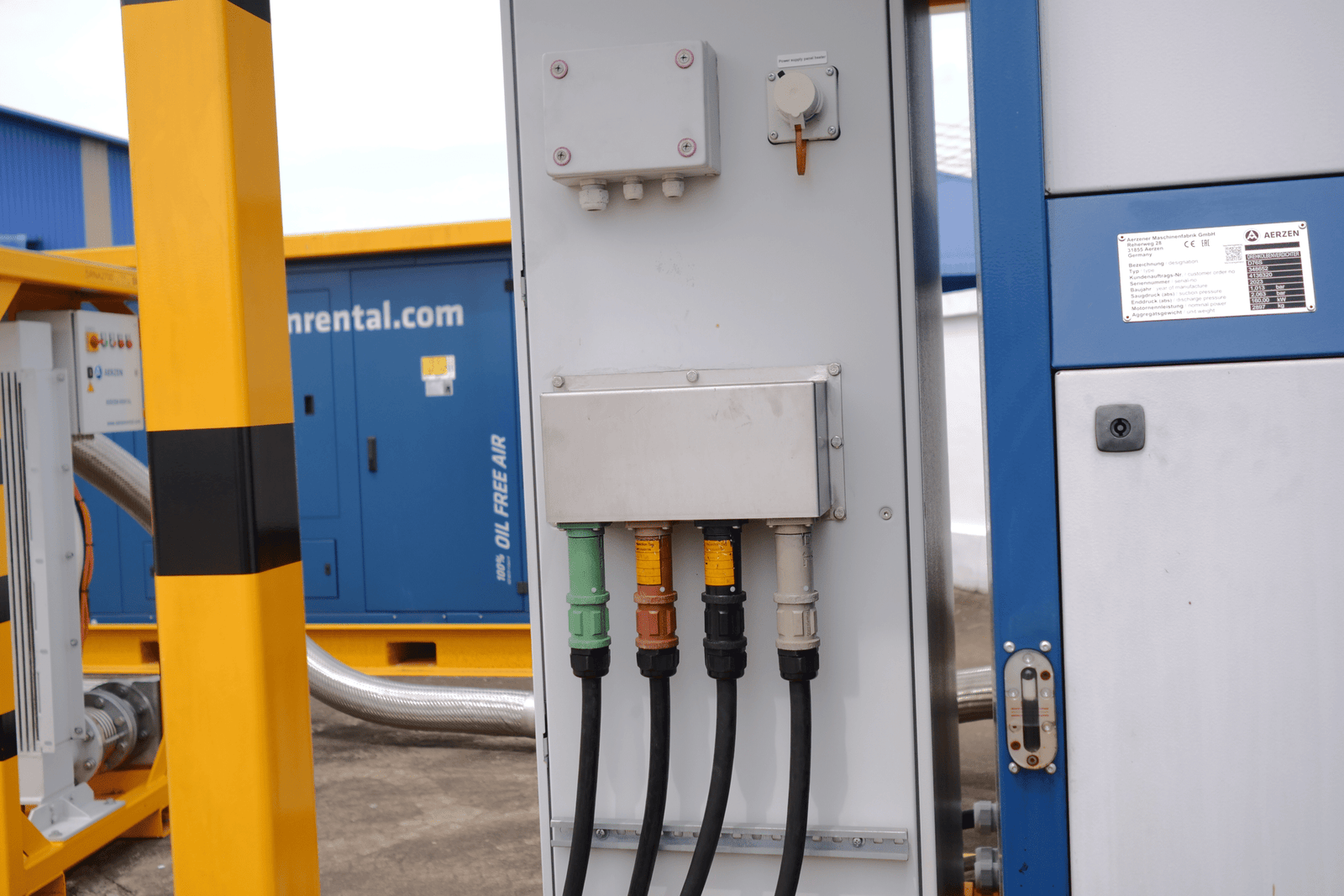
6. เชคลิสต์ Commissioning 6 ข้อสำหรับ Quenching Blower
Pro tip: วัด velocity ที่หลาย nozzle จริง (ไม่ใช่ค่าเฉลี่ยจาก flow meter เดียว) แล้วคำนวณ % deviation — นี่คือตัวเลขที่สัมพันธ์กับ reject rate มากที่สุด
- คำนวณ pulse frequency ของ blower ที่ RPM ทำงาน เทียบกับ fundamental + harmonic ของ plenum (ใช้ค่า c ที่อุณหภูมิจริง)
- วัด velocity profile ที่ nozzle หลายจุด ยืนยัน uniformity ภายใน ±5%
- ยืนยัน main-duct velocity < 10 m/s ตลอด run
- ตรวจ surface compressive stress ของ sample แก้วด้วย surface stress meter เทียบ ≥ 90 MPa (EN 12150-1)
- ตรวจ optical distortion (roller-wave) ภายใต้แสงสะท้อนหลังปรับ RPM/dampener
- บันทึก oil-free verification (ISO 8573-1 Class) สำหรับ air ที่สัมผัสผิวก่อน coating/lamination
คำถามที่พบบ่อย (FAQ)
Pulsation frequency คำนวณอย่างไร และทำไมต้องเทียบกับ acoustic resonance ของ plenum?
Pulse frequency ≈ (RPM ÷ 60) × จำนวน pulse ต่อรอบ เมื่อเข้าใกล้ acoustic resonance ของ plenum (โดยประมาณ c ÷ 2L หรือ c ÷ 4L ตาม boundary condition) จะเกิด standing wave ที่ขยาย amplitude ของ velocity fluctuation ที่ nozzle ทำให้ cooling ไม่สม่ำเสมอและเกิด quench distortion
เกณฑ์ velocity uniformity ±5% สำคัญต่อแก้ว tempered อย่างไร?
Surface compressive stress แปรผันตาม cooling-rate gradient หาก nozzle velocity แกว่งเกิน ±5% surface stress จะ vary ตามตำแหน่ง ส่งผลต่อทั้ง CS uniformity ตาม EN 12150-1 (≥ 90 MPa) และ optical flatness ทำให้ reject rate สูงขึ้น
ทำไม screw blower เช่น Delta Hybrid จึงลด pulsation ได้ดีกว่า Roots blower?
Delta Hybrid ใช้ internal compression profile ที่ปล่อยอากาศต่อเนื่องกว่า Roots blower แบบ lobe ที่ปล่อยอากาศเป็นจังหวะ pulse amplitude จึงต่ำกว่าตั้งแต่ต้นทาง ลดภาระของ dampener และความเสี่ยง resonance
ต้องการ ISO 8573-1 Class อะไรสำหรับ quenching air?
Air ในระบบ closed-plenum ที่ไม่สัมผัสผิวแก้วโดยตรงสำหรับงาน structural ไม่ต้องการ class สูงมาก แต่ air ที่สัมผัสผิวก่อน coating/lamination ต้องเป็น oil-free Class 2 หรือสูงกว่า ทั้งนี้ ISO 8573-1 Class 0 เข้มงวดกว่า Class 1 ปรึกษา furnace manufacturer เพื่อ specify class ที่เหมาะสม
Rental blower เหมาะกับงาน quenching ในช่วง commissioning หรือไม่?
เหมาะมาก — โดยเฉพาะช่วง commissioning ที่ยังต้องทดลองหา RPM/duct config ที่หลีกเลี่ยง resonance, ช่วง standby redundancy, หรือ capacity expansion ระหว่างรอ permanent unit AERZEN Rental Thailand มี oil-free blower พร้อม deploy พร้อม technical support ตลอดสัญญาเช่า
ขอคำปรึกษาด้าน Pulsation Review และใบเสนอราคา
Rent a solution. Expect performance. สำหรับ Process Engineer ที่ต้องการ blower sizing พร้อม pulsation/resonance review สำหรับสายการผลิตแก้ว tempered ทีมวิศวกรรม AERZEN Rental Thailand พร้อมให้คำปรึกษา
- ขอใบเสนอราคา: Request a Quote
- สายด่วน 24/7: 098-323-2626
- สำนักงาน: 038-015-488
- อีเมล: thai@aerzenrental.com
- อ่านเพิ่ม: Pillar — ระบบอากาศสำหรับ Glass Tempering (ภาพรวม)
ที่ตั้ง: 36/60 Phlu Ta Luang, Sattahip District, Chon Buri 20180
Last technical review: 2026-06-04 — AERZEN Rental Thailand editorial team

✍️ เกี่ยวกับผู้เขียน
ภราดร วรรณสังข์ (Paradorn Wannasung)
Marketing Communication Specialist · นิเทศศาสตรมหาบัณฑิต (การสื่อสารการตลาดและแบรนด์)
ภราดร (Paradorn) เป็นผู้ดูแลด้านการสื่อสารการตลาดของ AERZEN Rental Thailand จบนิเทศศาสตรมหาบัณฑิต (การสื่อสารการตลาดและแบรนด์) เชี่ยวชาญด้านอุตสาหกรรม B2B ในประเทศไทย มีประสบการณ์การสร้างแบรนด์และคอนเทนต์ในกลุ่มอุตสาหกรรมของไทย
ติดต่อ: pwa@aerzenrental.com · LinkedIn
บทความที่เกี่ยวข้อง

AERZEN Turbo AT Centrifugal Blower — Oil-Free High-Flow สำหรับ Wastewater
Turbo At Centrifugal...
อ่านต่อ →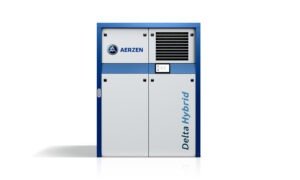
ลด Boundary Noise ของ Blower เช่าให้ผ่านเกณฑ์กลางคืน 55 dBA ที่รั้วนิคม EEC
เครื่อง blower เช่าท...
อ่านต่อ →