Combustion Air สำหรับ Glass และ Ceramic Kiln: ทำไม ISO Class 0 ถึงเป็นข้อกำหนดบังคับ
- Oil vapour ใน combustion air ที่ระดับเพียง 0.1 mg/m³ สามารถก่อ carbonaceous deposit บน refractory lining และสร้าง inclusion defect ในผืน float glass ribbon ที่มองเห็นได้ด้วยตาเปล่าหลัง tin bath
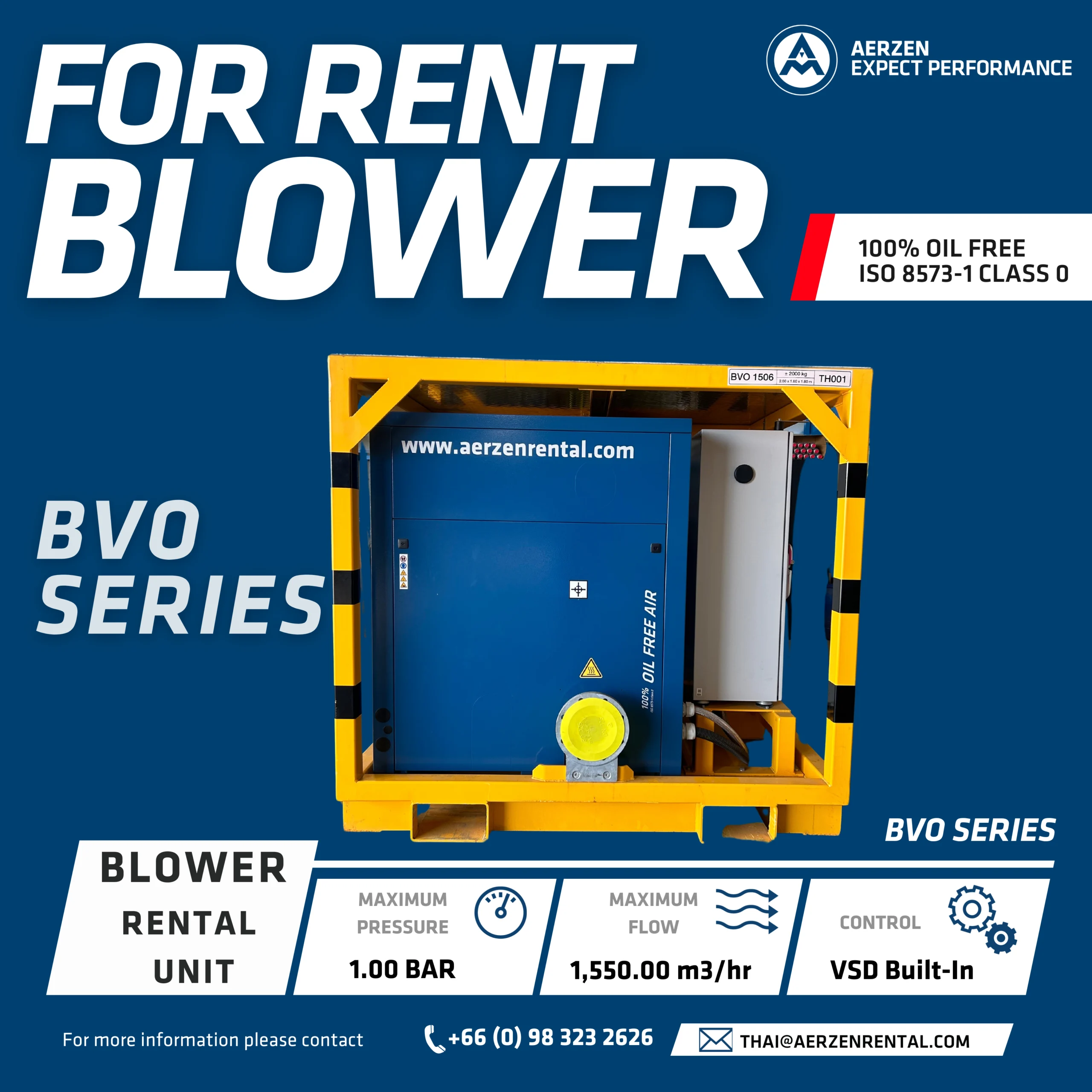
- AERZEN BVO series และ Delta Hybrid Screw Blower ออกแบบมาสำหรับ continuous kiln duty ที่ 0.4–1.2 bar(g) พร้อม oil-free mechanical principle โดยไม่ต้องพึ่ง downstream filter ในกระแสอากาศเผาไหม้
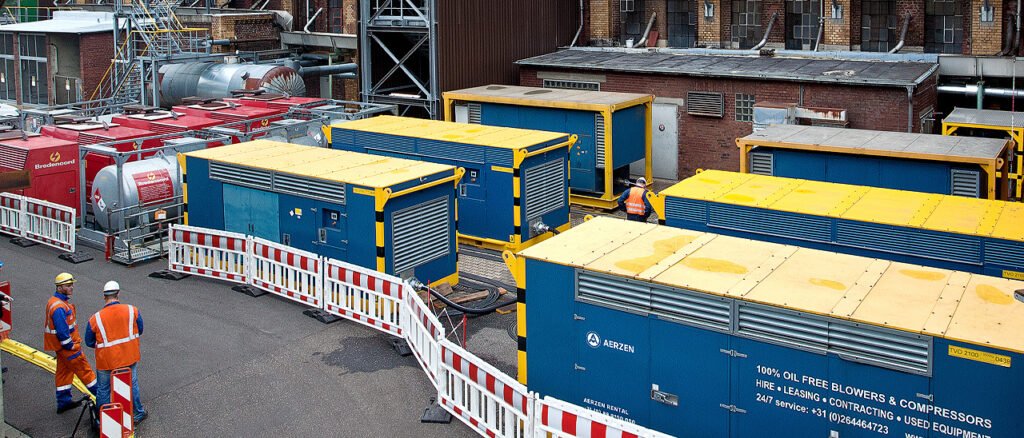
- Rental unit ทำหน้าที่ bridge ช่วง kiln rebuild, refractory repair, และ hot repair shutdown ซึ่งอาจยาวนาน 4–14 สัปดาห์ โดยไม่ต้องหยุด production line ทั้งหมด
AERZEN ออกแบบ oil-free blower มาตั้งแต่ปี 1864 — และในช่วง 160 ปีที่ผ่านมา อุตสาหกรรมที่สะสมบทเรียนจากการเลือก blower technology ผิดพลาดได้แพงที่สุดอุตสาหกรรมหนึ่ง คือโรงงาน glass และ ceramic ที่ใช้ combustion air blower กับ continuous tunnel kiln หรือ float glass furnace
ปัญหาไม่ใช่ว่า standard blower “ไม่ทำงาน” — มัน work ได้ แต่ oil aerosol ที่ปล่อยเข้าไปในกระแสอากาศเผาไหม้สะสมผลเสียอย่างเงียบๆ จนกว่าจะเห็นผลชัดในรูปของ defect rate, refractory replacement cycle ที่สั้นกว่า design life, และ yield loss บน float glass ribbon ที่วัดเป็นตารางเมตรต่อวัน
บทความนี้ไม่ได้ซ้ำกับภาพรวม oil-free air สำหรับอุตสาหกรรมแก้วและเซรามิก — แต่เจาะลึกเฉพาะ combustion air pathway: กลไกการปนเปื้อน, ผลกระทบเชิงตัวเลขต่อ product quality, เหตุผลว่าทำไม ISO 8573-1 Class 0 ถึงกลายเป็น engineering standard ไม่ใช่แค่ความระมัดระวัง, วิธี sizing blower สำหรับ continuous kiln duty, และกรณีใช้ rental unit ระหว่างช่วง kiln shutdown
เส้นทางการปนเปื้อน: Oil Vapour ในกระแส Combustion Air
Combustion air blower ดึงอากาศจากสิ่งแวดล้อมแล้วส่งต่อไปยัง burner nozzle ที่ inlet ของ kiln หรือ furnace ในระบบที่ใช้ oil-lubricated blower (Roots-type หรือ rotary vane ที่มี oil bath), น้ำมันหล่อลื่นจะรั่วเข้าไปในกระแสอากาศในรูป oil aerosol ที่มีขนาดอนุภาค 0.01–10 micrometres
เส้นทางที่ oil aerosol เดินทางจนถึงผลิตภัณฑ์ประกอบด้วย 3 ขั้นตอน:
- Entrainment ใน burner air: Oil droplet เดินทางไปกับกระแส combustion air ก่อนถึง flame zone ที่อุณหภูมิ 1,200–1,600°C
- Partial combustion หรือ pyrolysis: ที่อุณหภูมิ burner zone, oil droplet ขนาดเล็กสุดเผาไหม้สมบูรณ์ แต่ droplet ขนาดกลาง (0.5–5 µm) ผ่าน pyrolysis กลายเป็น PAH (polycyclic aromatic hydrocarbons) และ carbon soot
- Deposition บน refractory และ melt surface: Carbon soot และ PAH deposit บน silica/alumina refractory lining สะสมเป็น coke layer และ — ในกรณี float glass — ละลายเข้าไปใน glass melt โดยตรงผ่านกระบวนการ entrainment ที่ tin bath entry zone
“การทดสอบภายในของ AERZEN HQ ยืนยันว่า oil aerosol concentration ที่ 0.1 mg/m³ ในกระแส combustion air ก่อ measurable carbon deposit บน refractory surface ใน continuous-run kiln ภายใน 500 operating hours — เร็วกว่า design maintenance interval ของ high-alumina refractory ถึง 4 เท่า”
ข้อมูลอ้างอิง: AERZEN HQ Application Engineering (aerzen.com/products) · อ้างอิงเพิ่มเติม: Compressed Air Best Practices, Vol. 12 — Oil Contamination in Industrial Processes
ผลกระทบต่อ Float Glass Ribbon และ Fine Ceramic Glaze
ผลกระทบของ oil-contaminated combustion air แตกต่างกันระหว่าง float glass และ fine ceramic เนื่องจากกระบวนการผลิตและ defect mechanism ต่างกัน
Float Glass — Ribbon Contamination
Float glass process ใช้ molten tin bath ที่อุณหภูมิ 600–1,050°C เป็น forming surface glass melt ไหลจาก furnace เข้า tin bath ผ่าน spout lip และแผ่ออกเป็น ribbon ที่กว้าง 3–4 เมตร ในช่วง entry zone นี้ combustion air จาก upstream furnace burner มีโอกาสสัมผัสกับ glass melt surface โดยตรง
Oil aerosol ที่ผ่าน partial combustion กลายเป็น submicron carbon particle สามารถ:
- สร้าง inclusion defect: Carbon particle ขนาด 1–20 µm ฝังตัวใน glass ribbon สร้าง inclusion ที่เรียกว่า “stone” หรือ “seed” — มองเห็นได้ด้วยตาเปล่าหรือตรวจด้วย optical inspection line
- กระทบ optical transmission: สำหรับ architectural glass ที่ต้องผ่าน visible light transmission specification (EN ISO 9050), inclusion เหล่านี้ทำให้ fail inspection ในปริมาณ 0.3–1.2 ข้อบกพร่องต่อ m² ที่ oil concentration 0.5 mg/m³
- เร่ง tin oxidation: Carbon-based contamination สร้าง reducing atmosphere ไม่สม่ำเสมอใน tin bath ทำให้ SnO formation rate เพิ่มขึ้น — กระทบ surface flatness specification ระดับ ± 0.5 mm สำหรับ flat glass
Fine Ceramic Glaze — Surface Defect
Continuous tunnel kiln สำหรับ fine ceramic tile และ sanitaryware เผาที่อุณหภูมิ 1,050–1,280°C ผ่าน zone: preheating → firing → cooling glaze ที่ apply ก่อน firing ประกอบด้วย frit + metal oxide colorant + binder
Oil contamination ใน combustion air กระทบ glaze ใน 2 กลไก:
- Crawling defect: Carbon residue จาก oil pyrolysis deposit บน tile surface ก่อน glaze maturation temperature (950–1,050°C) — interfere กับ glaze adhesion และสร้าง “crawling” หรือ “beading” defect ที่เห็นเป็นรอยหดตัวบน glaze surface
- Color shift: Metal oxide colorant (cobalt, copper, manganese) ใน glaze ไวต่อ reducing atmosphere จาก oil combustion product — color shift จาก reference ∆E > 2.0 (CIELAB) เกิดขึ้นที่ oil concentration > 0.3 mg/m³ ใน firing zone air ซึ่งเป็น visible color deviation ที่ตรวจพบในสายการผลิต fine ceramic export quality
ทำไม Class 0 ถึงเป็นมาตรฐานบังคับ ไม่ใช่แค่ “แนะนำ”
ISO 8573-1:2010 กำหนด purity class สำหรับ compressed air และ process air ใน 3 contaminant categories: solid particles, water, และ oil aerosol Class 0 สำหรับ oil aerosol หมายถึง concentration < 0.01 mg/m³ — ต่ำกว่า Class 1 ถึง 10 เท่า
สำหรับ combustion air, คำถามคือ: filter-based solution แบบ downstream oil-vapor filter + coalescing filter เพียงพอหรือไม่?
คำตอบทางวิศวกรรมคือ: ไม่เพียงพอสำหรับ continuous kiln duty ด้วยเหตุผลดังนี้:
- Filter saturation under high-temperature inlet air: ใน glass furnace environment อุณหภูมิ ambient ใกล้ combustion air inlet สูงกว่า 40–60°C ซึ่งเร่ง oil vapor pressure และลด coalescing filter lifetime เหลือ 30–50% ของ rated หากเปลี่ยน filter ไม่ทันตาม schedule, oil slip ผ่านสูงกว่า Class 1 ได้ทันที
- Submicron oil vapor vs. aerosol distinction: Oil-lubricated blower ปล่อย both liquid aerosol (0.01–10 µm) และ oil vapor (gas phase) Coalescing filter จับ liquid aerosol ได้ดี แต่ oil vapor ในสถานะ gaseous ผ่านได้โดยไม่ถูกจับ — ต้องใช้ activated carbon bed ซึ่งมี pressure drop เพิ่มเติมและ maintenance interval ของตัวเอง
- Unplanned failure risk: Combustion air system บน continuous kiln ทำงาน 24/7 โดยไม่หยุด filter failure ระหว่าง night shift หรือ weekend = oil contamination เข้า kiln โดยไม่มีการตรวจพบจนถึง quality inspection รอบถัดไป
Oil-free blower ตาม mechanical principle — ไม่มี oil ในกระแสอากาศตั้งแต่ต้น — eliminates contamination pathway โดยไม่ต้องพึ่ง filter maintenance compliance ซึ่งเป็นเหตุผลที่ glass furnace operator และ fine ceramic manufacturer ทั่วโลกระบุ oil-free combustion air ใน engineering specification ของตน
อ่านภาพรวม Class 0 vs Class 1 เปรียบเทียบเพิ่มเติมที่บทความหลัก oil-free air สำหรับอุตสาหกรรมแก้วและเซรามิก
การ Sizing AERZEN BVO และ Delta Hybrid สำหรับ Continuous Kiln Duty
Combustion air requirement สำหรับ glass และ ceramic kiln ขึ้นกับ burner configuration, fuel type (natural gas vs. LPG vs. heavy oil), และ kiln throughput capacity การ sizing ที่ถูกต้องต้องคำนึงถึง:
- Stoichiometric air demand: Natural gas (CH₄) ต้องการ theoretical air ที่ 9.5 m³-air per m³-gas ที่ stoichiometry — โรงงานทำงานที่ excess air ratio λ = 1.05–1.20 เพื่อ combustion completeness
- Pressure drop budget: Burner pressure requirement + ductwork pressure drop + backpressure จาก kiln atmosphere กำหนด discharge pressure ของ blower ซึ่งอยู่ในช่วง 0.4–1.2 bar(g) สำหรับ most tunnel kiln และ furnace configurations
- Ambient condition correction: สภาพภูมิอากาศไทย (อุณหภูมิ 28–38°C, humidity 70–90% RH) ทำให้ actual air density ต่ำกว่า ISO standard conditions (20°C, 0% RH) — blower sizing ต้องใช้ site conditions เพื่อ avoid under-delivery ที่ peak summer
| Application | Pressure Range | Flow Range (m³/h) | AERZEN Model | Oil Class | Drive |
|---|---|---|---|---|---|
| Float glass furnace combustion air | 0.5–0.9 bar(g) | 8,000–18,000 | BVO 180–360 / Delta Hybrid 200–350 | Class 0 | VFD recommended |
| Continuous tunnel kiln — ceramic tile | 0.4–0.7 bar(g) | 4,000–10,000 | BVO 120–250 | Class 0 | VFD หรือ DOL |
| Fine ceramic / sanitaryware single kiln | 0.4–0.8 bar(g) | 3,000–7,000 | Delta Hybrid 100–180 | Class 0 | VFD recommended |
| Refractory firing kiln | 0.5–1.0 bar(g) | 5,000–12,000 | BVO 150–300 | Class 0 † | DOL หรือ VFD |
| Kiln rebuild rental bridge | Match primary spec | Match primary spec | Rental BVO หรือ Delta Hybrid | Class 0 | VFD (standard in rental unit) |
| ตัวเลข spec เป็น indicative range — sizing ที่แม่นยำต้องอาศัย site data (fuel spec, burner datasheet, ambient condition). ติดต่อ AERZEN Engineering Team สำหรับ technical sizing proposal: 038-015-488 หรือ thai@aerzenrental.com † AERZEN Rental Thailand จัด rental unit ที่เป็น oil-free mechanical principle ทุกรุ่น — ทุก unit ผ่าน ISO 8573-1 Class 0 โดยหลักการของเครื่อง ไม่จำเป็นต้องพึ่ง downstream filter ไม่ว่าจะเป็น application ใด | |||||
BVO Series — Oil-Free Roots/Screw Blower สำหรับ High-Volume Combustion Air
AERZEN BVO series เป็น positive-displacement blower ที่ใช้ principle ไม่มี oil contact กับกระแสอากาศ เหมาะสำหรับ float glass furnace ที่ต้องการ flow สูง (8,000–18,000 m³/h) ที่ pressure 0.5–0.9 bar(g) ด้วย VFD drive, BVO สามารถ modulate flow ตาม burner demand ระหว่าง part-load และ full-load operation ลด energy consumption ได้ 15–25% เมื่อเทียบกับ fixed-speed operation
Delta Hybrid Screw Blower — สำหรับ Fine Ceramic และ Sanitaryware Kiln
AERZEN Delta Hybrid ผสม Roots และ screw compression principle — ให้ energy efficiency สูงกว่า traditional Roots blower ที่ pressure range 0.5–1.5 bar(g) เหมาะสำหรับ fine ceramic kiln ที่ต้องการ precise pressure control เพราะ pressure fluctuation ใน combustion air กระทบ air/fuel ratio และ flame profile โดยตรง
ข้อมูลจาก AERZEN HQ product datasheet — Delta Hybrid series ระบุ specific power ที่ดีกว่า standard Roots blower 20–30% ที่ pressure ratio เดียวกัน ซึ่งสะท้อนใน operating cost ที่ต่ำกว่าสำหรับ continuous-run kiln ที่ทำงาน 8,000+ hours ต่อปี
Rental Bridge สำหรับ Kiln Rebuild และ Refractory Repair
Glass furnace และ ceramic tunnel kiln ต้องหยุดซ่อมตามรอบที่เรียกว่า “cold repair” หรือ “major rebuild” ซึ่งรวมถึงการเปลี่ยน refractory lining, burner nozzle overhaul, combustion air system inspection และ hot repair ที่ทำขณะ kiln ยังร้อน
ระยะเวลาของ shutdown events เหล่านี้:
- Float glass furnace major rebuild: 6–14 สัปดาห์ — รวม refractory demolition, rebuild, cure, และ heat-up cycle
- Ceramic tunnel kiln cold repair: 3–8 สัปดาห์ — refractory patching, burner replacement, control system calibration
- Hot repair / kiln hot spot patching: 2–6 สัปดาห์ — ทำขณะ kiln ยังทำงานบางส่วน แต่ combustion air blower หลักต้องถอดออกเพื่อ access
- Emergency blower failure: Unplanned downtime 1–4 สัปดาห์ รอ lead time ของ replacement unit
ในกรณีเหล่านี้ rental blower ทำหน้าที่ bridge ได้ 2 วิธี:
- Bypass feeding: ระหว่าง hot repair ที่ primary blower ถอดออก — rental unit ต่อเข้า combustion air duct โดยตรงผ่าน temporary connection เพื่อรักษา minimum combustion air supply ให้ kiln ไม่เย็นลงเร็วเกินไป
- Standby redundancy: ระหว่าง major rebuild ที่ kiln line อื่นยังทำงาน — rental unit cover combustion air สำหรับ adjacent kiln ที่ใช้ shared duct ขณะ maintenance ดำเนินการ
“Rental blower สำหรับ kiln combustion air ต้องมี oil-free spec เหมือนกับ permanent unit — ไม่มีเหตุผลที่จะลด spec เพียงเพราะเป็น temporary ถ้า oil contamination เข้า kiln ระหว่าง rebuild, refractory ใหม่ที่เพิ่งลงทุนไปหลายล้านบาทจะเริ่มเสื่อมเร็วกว่า design life ทันที”
AERZEN Rental Thailand — Engineering Consultation Brief, 2026
AERZEN Rental Thailand ส่ง mobilization ได้ภายใน 24 ชั่วโมงสำหรับ emergency case — พร้อม installation support team และ commissioning ที่ site เพื่อให้ temporary connection ทำงานได้ถูกต้องตาม combustion air spec ของ kiln manufacturer
สำหรับ planned rebuild, rental unit สามารถ pre-position ที่ site ก่อน shutdown เพื่อ zero-downtime transition ระหว่าง primary blower และ rental unit
คำถามที่พบบ่อย
ทำไม downstream oil-vapor filter ถึงไม่เพียงพอสำหรับ combustion air?
Downstream filter (coalescing filter + activated carbon bed) มี limitation 3 ประการสำหรับ combustion air application: (1) Filter saturation rate เพิ่มขึ้นอย่างมากในสภาพแวดล้อมใกล้ glass furnace ที่ ambient temperature สูง 40–60°C (2) Oil vapor ในสถานะ gaseous ผ่าน coalescing filter โดยไม่ถูกจับ — ต้องใช้ carbon bed ซึ่งมี pressure drop เพิ่มเติม (3) Filter failure ระหว่าง unmanned period = oil contamination เข้า kiln โดยไม่ detection ทันที Oil-free blower ตาม mechanical principle eliminates contamination source โดยไม่พึ่ง maintenance compliance
VFD drive จำเป็นสำหรับ kiln combustion air blower ไหม?
VFD (Variable Frequency Drive) แนะนำสำหรับ float glass furnace และ fine ceramic kiln เพราะ combustion air demand เปลี่ยนตาม production rate, fuel quality variation, และ atmospheric condition DOL (direct-on-line) starter ใช้ได้กับ ceramic mass production ที่ load profile คงที่ตลอด shift แต่ VFD ให้ energy saving 15–25% เมื่อ kiln ทำงาน part-load และช่วย protect blower จาก surge ที่ low-flow condition
Rental unit สำหรับ combustion air ต้องมี spec อะไรบ้าง?
Rental combustion air blower ต้องมี spec เหมือน permanent unit: oil-free mechanical principle (ISO 8573-1 Class 0), pressure range match กับ burner system (ปกติ 0.4–1.2 bar(g)), flow capacity match กับ kiln burner total (พร้อม 10–15% margin), VFD drive (หรือ DOL ถ้า kiln spec อนุญาต), ambient condition derating สำหรับ site conditions ไทย AERZEN Rental Thailand จัด rental unit ที่ผ่าน pre-delivery inspection และมี oil-free certification documentation สำหรับ audit trail
ต่าง float glass กับ container glass ในแง่ combustion air spec อย่างไร?
Float glass มี stringent spec กว่า container glass เพราะ: (1) Ribbon geometry ต้องการ very uniform combustion atmosphere ตลอด width ของ furnace — pressure variation > 5% กระทบ ribbon flatness (2) Tin bath environment sensitive ต่อ reducing agent ใดๆ รวมถึง carbon product จาก oil combustion (3) Optical quality spec ของ flat glass (VLT, haze, color) ไม่ tolerant ต่อ inclusion แม้ขนาดเล็ก Container glass มี higher tolerance สำหรับ minor inclusion แต่ laboratory glass vial ใน container glass category มี spec เทียบเท่า float glass สำหรับ product purity
AERZEN ให้ technical sizing consultation สำหรับ combustion air ได้ไหม?
ได้ AERZEN Rental Thailand มี engineering team ที่ดำเนินการ combustion air sizing โดยอาศัย: burner manufacturer datasheet, fuel specification, kiln throughput, ambient condition (temperature, humidity, altitude) และ ductwork layout เพื่อ arrive at correct model selection, VFD sizing, และ acoustic specification ติดต่อ 038-015-488 หรือ thai@aerzenrental.com เพื่อ technical consultation
ขอ Technical Sizing Proposal และใบเสนอราคา
Rent a solution. Expect performance.
AERZEN Rental Thailand พร้อมให้ combustion air blower สำหรับ glass และ ceramic kiln — ทั้ง rental สำหรับ planned rebuild, emergency standby, และ long-term continuous kiln operation
- ขอใบเสนอราคา / Technical Sizing Request
- สายด่วน 24/7: 098-323-2626
- ออฟฟิศ Chonburi/EEC: 038-015-488
- Email: thai@aerzenrental.com
- เว็บไซต์: www.aerzenrentalth.com
- อ้างอิง HQ: AERZEN HQ glass industry applications (aerzen.com)
36/60 Phlu Ta Luang, Sattahip District, Chon Buri 20180 · AERZEN Rental Solutions is always close at hand.
Last technical review: 2026-06-03 — AERZEN Rental Thailand Engineering & Content Team

✍️ เกี่ยวกับผู้เขียน
ภราดร วรรณสังข์ (Paradorn Wannasung)
Marketing Communication Specialist · นิเทศศาสตรมหาบัณฑิต (การสื่อสารการตลาดและแบรนด์)
ภราดร (Paradorn) เป็นผู้ดูแลด้านการสื่อสารการตลาดของ AERZEN Rental Thailand จบนิเทศศาสตรมหาบัณฑิต (การสื่อสารการตลาดและแบรนด์) เชี่ยวชาญด้านอุตสาหกรรม B2B ในประเทศไทย มีประสบการณ์การสร้างแบรนด์และคอนเทนต์ในกลุ่มอุตสาหกรรมของไทย
ติดต่อ: pwa@aerzenrental.com · LinkedIn
บทความที่เกี่ยวข้อง

Wire Bonding กับ Compressed Air: ทำไมอนุภาคและน้ำมันทำลาย Bond Yield
Wire Bonding ต้องการ...
อ่านต่อ →
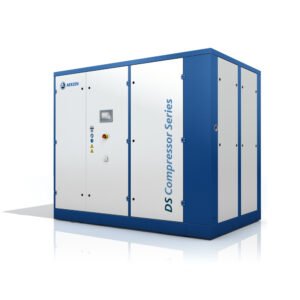
AERZEN DS Compressor — Oil-Free Double-Stage Screw สำหรับ High-Pressure
มองหาเครื่องอัดลม Oi...
อ่านต่อ →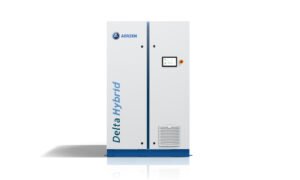
AERZEN Delta Hybrid DVO — Technical Deep-Dive สเปค การใช้งาน และเมื่อไร
.aerzen-industry-pag...
อ่านต่อ →หัวข้อหลัก: ISO 8573-1 และมาตรฐานคุณภาพอากาศอัด Class 0