AerzenTurbo AT Centrifugal กับ DVO Screw Blower สำหรับ Aeration ระบบบำบัดน้ำเสีย: เปรียบเทียบ Surge Margin, Turndown Ratio และ Specific Energy ตลอดช่วง Part-Load
- AT Centrifugal Blower (AerzenTurbo) มี surge margin ต่ำกว่าและต้องการ turndown ratio ที่จำกัด (~70–100% airflow) แต่ให้ specific energy ดีมากที่ design point — เหมาะกับโรงบำบัดที่มี load เสถียรและ process air demand สูง
- DVO Screw Blower ให้ turndown ratio กว้างถึง 40–100% airflow โดย specific energy เพิ่มขึ้นไม่มากที่ part-load — เหมาะกับระบบที่ load fluctuates ตามจังหวะ Dissolved Oxygen (DO) control หรือต้องรองรับ peak wet-weather event
- เกณฑ์ตัดสินใจหลัก: ดู daily load profile + peak-to-average airflow ratio ของโรงบำบัดก่อนระบุเครื่อง — บทความนี้มี decision matrix พร้อมให้นำไปใช้งาน
AERZEN ออกแบบและผลิตเครื่องเติมอากาศสำหรับกระบวนการบำบัดน้ำเสียมาตั้งแต่ทศวรรษที่ 1960 — และในช่วง 20 ปีที่ผ่านมา ทีมวิศวกรของ AERZEN พบซ้ำแล้วซ้ำเล่าว่า ปัญหา “เลือกผิด technology” คือสาเหตุที่โรงบำบัดจ่ายค่าไฟสูงกว่าที่ควรจะเป็นหลายแสนบาทต่อปี การเปรียบเทียบ AerzenTurbo AT Centrifugal Blower กับ DVO Positive Displacement Screw Blower จึงไม่ใช่แค่เรื่อง spec sheet — แต่เป็นการตัดสินใจที่มีผลต่อ OPEX ระยะ 10–15 ปี บทความนี้นำเสนอข้อมูลเชิงเทคนิคที่ลึกกว่า brochure ทั่วไป: surge margin, turndown ratio, specific energy ตลอดช่วง part-load 40–100%, DO control response time และ decision framework สำหรับวิศวกรโรงบำบัดน้ำเสีย
ทำไมการเลือก Technology จึงส่งผลต่อค่าไฟระยะยาว
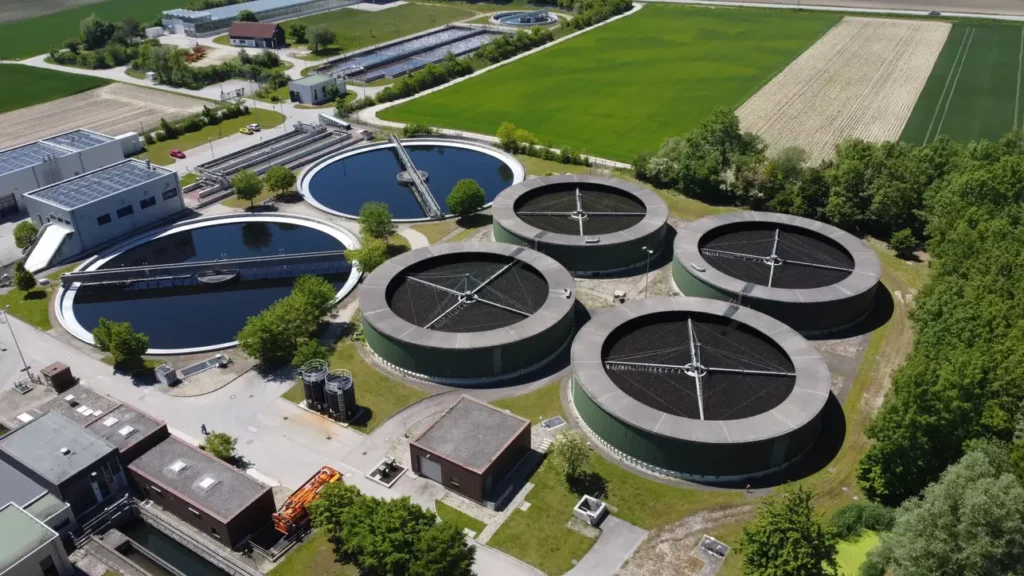
ระบบ aeration ของโรงบำบัดน้ำเสีย (Wastewater Treatment Plant — WWTP) กินไฟสูงสุดกว่าทุก equipment อื่นในโรงงาน: โดยทั่วไปอยู่ที่ 50–70% ของ total energy consumption ทั้งโรงบำบัด ตามข้อมูลจาก Water Research Foundation (WRF Report 4324) สำหรับโรงบำบัดขนาด 20,000–100,000 m³/day ซึ่งพบมากในนิคมอุตสาหกรรมและเทศบาลขนาดกลางของไทย
ความสำคัญของ technology selection จึงตกอยู่ที่ประเด็นเดียวกัน: เครื่องที่ประหยัดพลังงาน ณ design point ไม่ได้หมายความว่าประหยัดพลังงานตลอดอายุการใช้งาน เพราะ WWTP ไม่ได้ทำงานที่ full load ตลอด 24 ชั่วโมง Load ของระบบเปลี่ยนตามปริมาณน้ำเสียที่เข้ามา ซึ่งผันแปรตามช่วงเวลาของวัน ฤดูกาล และ wet-weather event (ฝนตกหนัก)
ของ total energy ใน WWTP คือ aeration (WRF, 2020)
ช่วง load variation ที่พบในไทย (dry season vs. wet-weather peak)
savings ที่เป็นไปได้เมื่อเลือก technology ถูกต้องกับ load profile
AERZEN engineering heritage ตั้งแต่ปี 1864
สองตัวแปรที่กำหนดว่าโรงบำบัดของคุณควรเลือก AT Centrifugal หรือ DVO Screw คือ: (1) ความกว้างของ operating range — turndown ratio ที่ system ต้องการจริง และ (2) ความถี่ของ part-load operation — สัดส่วนของชั่วโมงทำงานที่อยู่ต่ำกว่า design flow
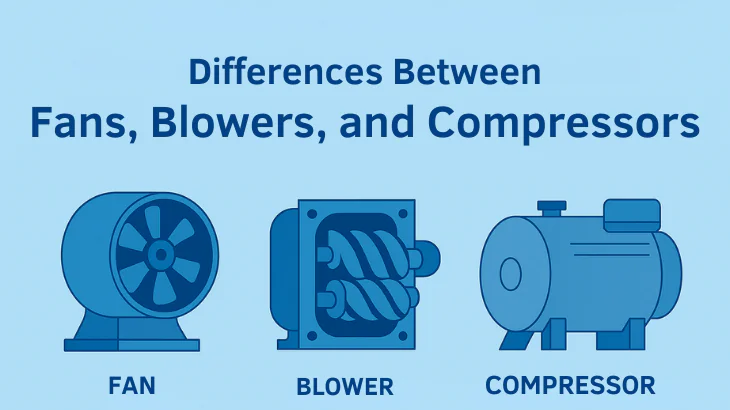
ความแตกต่างพื้นฐาน: Centrifugal กับ Screw
ก่อนเปรียบเทียบ performance ที่ part-load จำเป็นต้องเข้าใจหลักการทำงานที่แตกต่างกันพื้นฐาน เพราะ characteristic curve ของ centrifugal กับ positive displacement ไม่เหมือนกัน
AerzenTurbo AT — Dynamic Compression (Centrifugal)
AT เป็น oil-free centrifugal turbo blower ที่ใช้ impeller หมุนความเร็วสูง (typically 20,000–50,000 RPM ขึ้นกับขนาด) เพื่อเพิ่ม kinetic energy ของอากาศ แล้วแปลงเป็น pressure ผ่าน diffuser Characteristic curve แบบ centrifugal มี pressure ลดลงเมื่อ flow เพิ่มขึ้น และมีขอบเขตทางซ้ายที่เรียกว่า surge line ซึ่งเป็นขีดจำกัดการทำงานที่สำคัญมาก AT series ของ AERZEN ใช้ magnetic bearing (oil-free by design) และ variable inlet guide vane (IGV) สำหรับ capacity control
DVO — Positive Displacement Screw
DVO เป็น oil-free screw blower ที่ใช้หลักการ positive displacement: rotors สองตัวหมุนสวนกัน กักอากาศในช่องระหว่าง lobes แล้วลดปริมาตรเพื่อเพิ่ม pressure Characteristic curve แบบ positive displacement ใกล้เคียง vertical — pressure แทบไม่เปลี่ยนตาม flow ในช่วงปกติ การ control flow ใน DVO ทำผ่าน variable speed drive (VSD) ซึ่งให้ความยืดหยุ่นสูงในการปรับ airflow ตาม demand

| คุณสมบัติ | AT AerzenTurbo (Centrifugal) | DVO (Screw, Pos. Displacement) |
|---|---|---|
| Compression principle | Dynamic — kinetic energy → pressure | Positive displacement — volume reduction |
| Characteristic curve shape | Sloping (pressure drops as flow rises) | Near-vertical (pressure stable vs flow) |
| Speed control method | Variable Inlet Guide Vane (IGV) + VSD option | Variable Speed Drive (VSD) |
| Oil-free status | Oil-free by design (magnetic bearing) | Oil-free by design (PTFE/carbon seals) |
| Suitable flow range (WWTP) | 2,000–50,000+ Nm³/h per unit | 500–15,000 Nm³/h per unit |
| Noise level (typical) | Lower (encapsulated, 70–75 dB(A)) | Moderate (75–82 dB(A) with silencer) |
| Maintenance interval | Long (bearing inspection ≥5 yrs) | Regular (rotor/seal check ≥2 yrs) |
Surge Margin และ Turndown Ratio — ตัวแปรที่วิศวกรมักมองข้าม
Surge คือสภาวะที่ centrifugal blower ทำงานต่ำกว่า minimum stable flow — pressure ระบบสูงกว่าที่ impeller สร้างได้ ทำให้อากาศ reverse flow ย้อนกลับ เกิดแรงกระแทก (shock loading) ที่ impeller และ bearing ซ้ำๆ ซึ่งเป็น mechanical failure ที่อันตรายมาก สำหรับ AT series ของ AERZEN นั้น surge margin ถูก design ให้มี buffer อยู่ที่ประมาณ 10–15% ของ design flow ก่อนถึง surge line แต่หมายความว่า AT ไม่ควรทำงานต่ำกว่า ~70% ของ design flow เป็นระยะเวลานาน
ในทางตรงข้าม DVO ไม่มีปัญหา surge เพราะหลักการ positive displacement ทำงานที่ pressure ที่กำหนดโดย system resistance ไม่ใช่จาก characteristic curve ที่ขึ้นกับ flow speed DVO สามารถลด speed ผ่าน VSD ได้ถึง 40% ของ nominal speed และยังคง stable operation ซึ่งหมายถึง turndown ratio ที่กว้างมากในบริบทของ WWTP aeration
WWTP ในเขต EEC ของไทยหลายแห่งที่ติดตั้ง centrifugal blower รุ่นอื่นๆ (ไม่ใช่ AERZEN) โดยไม่ติดตั้ง anti-surge controller ที่เหมาะสม ประสบปัญหา surge เสียหายภายใน 12–18 เดือนแรก AT series ของ AERZEN มี integrated anti-surge control เป็น standard — แต่วิศวกรควรยืนยัน surge margin ในเอกสาร performance curve ของแต่ละ unit ที่ system operating pressure จริง
| Parameter | AT AerzenTurbo | DVO Screw Blower |
|---|---|---|
| Surge risk | Yes — surge line limits minimum flow | None — positive displacement, no surge |
| Minimum stable flow (% of design) | ~70% (with anti-surge bypass) | ~40% (via VSD) |
| Turndown ratio (max:min) | ~1.4:1 | ~2.5:1 |
| Response to sudden system pressure change | Sensitive — IGV lag + surge risk at overpressure | Stable — PD absorbs pressure transients |
| Operating point flexibility on curve | Moderate — bounded by surge and choke | High — wide stable band |
Specific Energy ที่ Part-Load 40–100%: ความจริงที่ซ่อนอยู่ใน Datasheet
Specific energy (kWh/1,000 Nm³) คือตัวชี้วัดประสิทธิภาพที่สำคัญที่สุดสำหรับ long-term energy cost ใน WWTP aeration — และ datasheet มักแสดงค่า ณ design point เท่านั้น ซึ่งทำให้วิศวกรมองข้าม behavior ที่แตกต่างกันอย่างมากของทั้งสอง technology เมื่อทำงานที่ part-load
AT Centrifugal ที่ Part-Load
เมื่อ AT ลด flow ผ่าน IGV และ inlet throttling specific energy จะ เพิ่มขึ้นอย่างมีนัยสำคัญที่ part-load เพราะกระบวนการ throttling สร้าง pressure drop ที่ inlet ทำให้ overall isentropic efficiency ลดลง ที่ 70% flow (ขีดจำกัด surge) specific energy ของ centrifugal อาจสูงกว่า design point 20–35% ขึ้นกับ system resistance และ pressure ratio
DVO Screw Blower ที่ Part-Load
DVO ที่ใช้ VSD control ลด speed ตาม demand ได้โดยตรง — และเนื่องจาก power consumption ของ positive displacement machine ใกล้เคียง proportional กับ speed (ที่ constant pressure ratio) specific energy เพิ่มขึ้นน้อยกว่ามากเมื่อ flow ลดลง ที่ 40% flow, DVO ยังคง specific energy ที่ประมาณ design point ± 8–12%
หมายเหตุ: ตัวเลขนี้เป็น indicative range สำหรับ typical WWTP conditions (pressure rise 50–80 kPa, ambient 35°C) อ้างอิง AERZEN technical reference + CAGI data sheet calculation methodology ค่าจริงขึ้นกับ unit sizing, system resistance และ installation conditions — ขอ site-specific calculation จากทีมวิศวกร AERZEN
ที่ design point (100% flow) AT มี specific energy ที่ดีกว่า DVO เล็กน้อย แต่เมื่อ flow ลดลงที่ 60% AT ใช้พลังงานต่อหน่วยอากาศสูงกว่า DVO ประมาณ 25% — และถ้า system ต้องทำงานที่ 60% load มากกว่า 40% ของเวลาทำงานรายปี การเลือก AT อาจมี lifetime energy cost สูงกว่า DVO อย่างมีนัยสำคัญ
นี่คือเหตุผลว่าทำไม การอ่าน CAGI Data Sheet อย่างละเอียด (Compressed Air & Gas Institute — CAGI) จึงสำคัญ: CAGI มาตรฐาน ANSI/CAGI ADF100 กำหนดให้แสดง specific power ที่ multiple operating points รวมถึง part-load conditions ไม่ใช่แค่ rated point วิศวกรควรขอ CAGI data sheet จาก supplier และเปรียบเทียบ curve ที่ actual system pressure และ expected load range ของ WWTP
DO Control Response Time: ความเร็วในการตอบสนองต่อ Aeration Demand
ระบบ DO (Dissolved Oxygen) control ทันสมัยที่ใช้ในโรงบำบัดน้ำเสียปัจจุบัน — โดยเฉพาะระบบ Activated Sludge process — ต้องการให้ blower ปรับ airflow ได้ รวดเร็วและต่อเนื่อง เพื่อรักษา DO setpoint (ปกติ 2.0–3.0 mg/L) อย่างแม่นยำ การ control ที่ดีไม่เพียงช่วยประหยัดพลังงาน แต่ยังป้องกัน over-aeration (ซึ่งฆ่า microorganism บางชนิด) และ under-aeration (ซึ่งทำให้ COD/BOD removal ต่ำกว่าค่ามาตรฐาน)
Response Time — AT Centrifugal
AT ใช้ IGV เพื่อปรับ inlet air angle ซึ่งเปลี่ยน pressure-flow characteristic ของ machine การตอบสนองของ IGV actuator โดยทั่วไปอยู่ที่ 10–30 วินาที สำหรับการเปลี่ยนแปลง full range ซึ่งเร็วพอสำหรับ WWTP ที่มี aeration tank volume ขนาดใหญ่ (hydraulic retention time > 6 ชั่วโมง) แต่ความซับซ้อนเพิ่มขึ้นจาก anti-surge control ที่ต้องทำงานคู่กับ DO controller เพื่อป้องกัน surge เมื่อ load ลดลงกะทันหัน
Response Time — DVO Screw Blower
DVO ที่ใช้ VSD สามารถปรับ speed ได้ ต่อเนื่องและ smooth — typical VSD response time 5–15 วินาที โดยไม่มี operational constraint จาก surge line การ integrate กับ DO sensor + PLC controller ทำได้ตรงไปตรงมา เพราะ flow เปลี่ยนตาม speed เกือบ linear ในช่วง 40–100% (ไม่มี non-linearity จาก IGV characteristic)
สำหรับโรงบำบัดที่ใช้ SCADA-based DO control (cascade loop: DO sensor → PLC → blower VSD/IGV) DVO ให้ simpler control loop tuning เพราะไม่มีปัญหา surge avoidance loop ขวางอยู่ AT สามารถ integrate ได้ดีเช่นกัน แต่ต้องการ control logic ที่ซับซ้อนกว่า — ควรให้ system integrator ที่มีประสบการณ์ centrifugal สรุป P&ID ก่อน commission
วิธีอ่าน Daily Load Profile และ Wet-Weather Event Factor ของโรงบำบัด
ก่อนตัดสินใจ technology ให้ทีมวิศวกรรวบรวมข้อมูลต่อไปนี้จาก SCADA หรือ log ของระบบปัจจุบัน (หรือ design basis ถ้าเป็นโรงบำบัดใหม่)
1. Daily Diurnal Flow Pattern
วัดหรือประมาณค่า hourly flow rate เทียบกับ design flow ตลอด 24 ชั่วโมง วันทำงานปกติ จาก data 3–6 เดือน โรงบำบัดเทศบาลมักพบ peak flow ช่วงเช้า (06:00–09:00) และ peak ที่สอง (18:00–21:00) ขณะที่ flow ต่ำสุดช่วงกลางคืน (01:00–05:00) อาจลดลงถึง 40–50% ของ design flow
2. Peak-to-Average Airflow Ratio (PAR)
คำนวณ PAR = Peak Airflow Demand / Average Airflow Demand จาก data ทั้งปี:
- PAR < 1.5 — load เสถียร, AT เป็นตัวเลือกที่ดี
- PAR 1.5–2.0 — load มีความผันแปรปานกลาง, ทั้ง AT และ DVO ใช้ได้ขึ้นกับ load profile shape
- PAR > 2.0 — load ผันแปรสูง, DVO เหมาะกว่า หรือต้องใช้ multiple AT units with staging
3. Wet-Weather Event Factor (WEF)
ในประเทศไทย โรงบำบัดที่รับน้ำจาก combined sewer (สาธารณูปโภคที่รวม storm water กับ sewage) จะพบ peak flow ช่วงฝนตกหนักสูงกว่า dry-weather flow 2–5 เท่า เป็นช่วงเวลา 6–48 ชั่วโมง ซึ่งต้องการ aeration ที่ยืดหยุ่นสูง AT อาจต้องการ bypass valve หรือ multiple staging เพื่อรองรับ wet-weather peak — ในขณะที่ DVO single unit ที่ size ถูกต้องสามารถรองรับ range ได้ใน single machine
โรงบำบัดในเขต EEC (ชลบุรี ระยอง ฉะเชิงเทรา) ต้องออกแบบ wet-weather capacity สูงกว่า design basis เดิม เนื่องจากปริมาณฝนสูงสุดรายชั่วโมงในภาคตะวันออกเพิ่มขึ้นอย่างมีนัยสำคัญในทศวรรษที่ผ่านมา (ข้อมูลอ้างอิง: กรมอุตุนิยมวิทยา สถิติฝน 2010–2023) ให้รวม wet-weather factor ≥ 2.5 ในการคำนวณ peak airflow demand
Decision Matrix: เลือก AT Centrifugal หรือ DVO Screw Blower
ใช้ matrix ด้านล่างเป็น starting point สำหรับการตัดสินใจ — ยืนยันกับทีมวิศวกร AERZEN พร้อมข้อมูล design basis จริงก่อน specification final
สำหรับบทความที่ครอบคลุมระบบ blower rental สำหรับ WWTP อย่างครบถ้วน รวมถึง selection guide สำหรับ BVO, BVS และ DVO แบบ side-by-side โปรดอ่าน คู่มือสมบูรณ์: เช่าโบลเวอร์บำบัดน้ำเสีย — AERZEN Rental Thailand
Case Scenario: WWTP 20,000 m³/day — AT หรือ DVO?
โรงบำบัดน้ำเสียนิคมอุตสาหกรรม ภาคตะวันออก ประเทศไทย
Scenario illustrative — ข้อมูลเป็น anonymized composite จาก engineering reference cases ไม่ใช่ client-specific data
Conditions: Activated Sludge process, design flow 20,000 m³/day, aeration tank volume 8,000 m³, DO setpoint 2.5 mg/L, required airflow range 1,200–3,600 Nm³/h (PAR = 3.0), wet-weather peak 4,500 Nm³/h, ambient temperature 32°C average
m³/day design flow
Peak-to-Average Ratio (PAR)
ชั่วโมงทำงานที่ flow < 60% ต่อวัน
Analysis — AT Centrifugal Option
ด้วย PAR = 3.0 และ minimum flow ที่ 1,200 Nm³/h (33% ของ peak demand 3,600 Nm³/h) AT single unit จะ surge ก่อนถึง minimum demand จึงต้องใช้ anti-surge bypass — ปล่อยอากาศ recirculate โดยไม่เกิดประโยชน์ หรือต้องลงทุน multiple AT units ที่ stage in/out ตาม demand แต่ละ unit มีขนาดเล็กกว่า ซึ่งเพิ่ม first cost และ complexity ที่ design point 3,600 Nm³/h AT มี specific energy ดี แต่ช่วง low-load กลางคืน (ทำงาน 8 ชั่วโมง/วันที่ <60% flow) จะมี energy penalty สูง
Analysis — DVO Option
DVO unit เดียว size ที่ 4,500 Nm³/h (รองรับ wet-weather peak) ทำงาน 40–100% range ผ่าน VSD ได้ทันที ช่วงกลางคืนที่ flow 1,200 Nm³/h (27% ของ peak แต่ 33% ของ DVO nominal) VSD ลด speed ได้อย่าง smooth ไม่มี surge risk specific energy เพิ่มขึ้นเพียง 10–15% จาก design point การ integrate กับ DO control loop ทำได้ตรงไปตรงมา และ wet-weather peak ไม่ต้องการ bypass หรือ staging logic
Conclusion สำหรับ Scenario นี้: DVO เป็นตัวเลือกที่ให้ lower lifetime energy cost และ simpler operation สำหรับ load profile ที่ผันแปรสูง — แม้ว่า AT จะมี specific energy ที่ design point ดีกว่า การที่ระบบทำงานที่ part-load 40% ของเวลาทำให้ DVO มี weighted average specific energy ต่ำกว่าอย่างมีนัยสำคัญตลอด 10 ปี
ข้อได้เปรียบของ Rental: ยืดหยุ่นเมื่อ Load Profile เปลี่ยน
การที่ WWTP load เปลี่ยนไปตามการขยายตัวของนิคมอุตสาหกรรมหรือการเพิ่มขึ้นของ discharge permit ทำให้ “เครื่องที่ถูกต้องวันนี้” อาจไม่ใช่คำตอบที่ถูกต้องใน 3–5 ปีข้างหน้า นี่คือจุดที่ rental model ของ AERZEN มีข้อได้เปรียบสำคัญเหนือการซื้อ:
- เปลี่ยน technology ได้ระหว่างสัญญา — ถ้า load profile เปลี่ยนจาก stable เป็น highly variable สัญญา rental อนุญาตให้ swap AT เป็น DVO ได้โดยไม่ต้องรับผิดชอบ asset disposal ของเครื่องเดิม
- Scale up รองรับ wet-weather season — เพิ่ม standby unit ชั่วคราวในช่วงฤดูฝน แล้วลดกลับเมื่อ dry season โดยไม่แบกภาระ CAPEX ปีทั้งปี
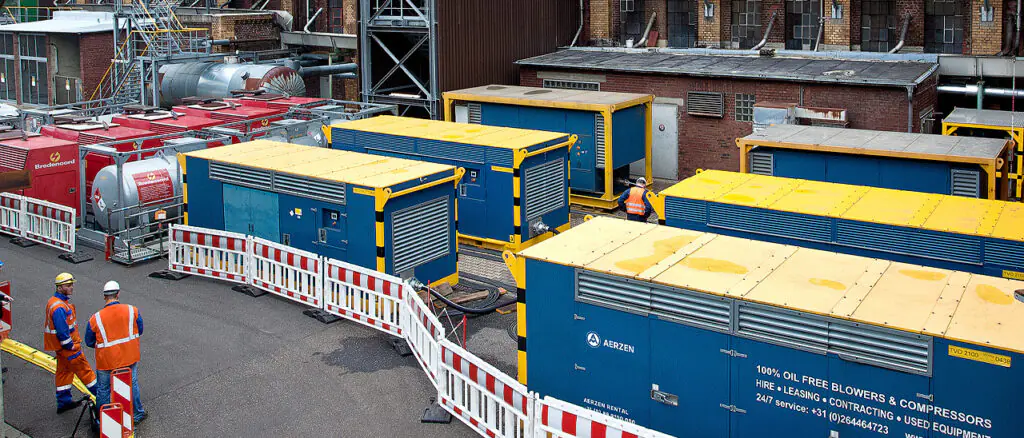
- All-Inclusive Service ครอบคลุม scheduled + breakdown maintenance — ทีมวิศวกร AERZEN Rental Thailand ดูแลทั้ง AT (magnetic bearing, IGV actuator) และ DVO (rotor clearance, VSD service) โดยไม่มีค่าใช้จ่ายเพิ่มเติม
- 24/7 Emergency response — เมื่อระบบ blower หลักขัดข้องกลางดึก ทีม standby ของ AERZEN พร้อมจัดส่ง replacement unit ภายใน 24 ชั่วโมง เพื่อไม่ให้กระบวนการบำบัดน้ำเสียหยุดชะงัก
- Zero CAPEX — ไม่มีเงินลงทุนล่วงหน้าในเครื่องจักรมูลค่าหลายล้านบาท ค่าใช้จ่ายรายเดือนเป็น OPEX ที่วางแผนได้
- ISO 8573-1 Class 0 Oil-Free Air — ทั้ง AT และ DVO ของ AERZEN ผลิต oil-free air ตามมาตรฐาน ISO 8573-1:2010 Class 0 ซึ่งเป็นข้อกำหนดที่ WWTP หลายแห่งต้องการเพื่อป้องกัน contamination ในกระบวนการ tertiary treatment
สำหรับข้อมูลเพิ่มเติมเกี่ยวกับสินค้า DVO Screw Blower ที่พร้อมให้เช่า โปรดดู DVO Oil-Free Screw Blower — รายละเอียดสินค้าและการเช่า
FAQ: คำถามที่วิศวกร WWTP ถามบ่อยเกี่ยวกับ AT กับ DVO
AT Centrifugal ประหยัดไฟกว่า DVO จริงไหม?
ที่ design point (100% flow) AT มี specific energy ดีกว่าเล็กน้อย — แต่เมื่อ system ทำงานที่ part-load (<80% flow) DVO ที่ใช้ VSD มักมี specific energy ต่ำกว่าเพราะไม่มีการสูญเสีย energy จาก throttling หรือ anti-surge bypass การตอบคำถามนี้อย่างถูกต้องต้องคำนวณ weighted average specific energy โดยใช้ load duration curve จริงของ WWTP ร่วมกับ performance curve ของแต่ละ technology
ถ้าต้องการ flow สูงมาก เช่น 20,000 Nm³/h ต่อ aeration tank จะเลือก technology อะไร?
AT เป็นตัวเลือกที่ดีที่ flow สูงมาก เพราะ centrifugal technology scale ได้ดีในขนาดใหญ่ — single AT unit สามารถ deliver 10,000–50,000+ Nm³/h DVO ที่ flow สูงระดับนี้จะต้องใช้หลาย unit ซึ่งเพิ่ม installation complexity อย่างไรก็ตาม ควรพิจารณา load profile ร่วมด้วย — ถ้า flow สูงนั้นเป็น design peak แต่ average flow อยู่ที่ 50–60% อาจใช้ 1 AT + 1 DVO เป็น base load + trim combination
AT ต้องการ oil สำหรับ bearing หรือเปล่า? เทียบกับ DVO?
AT AerzenTurbo ใช้ magnetic bearing — oil-free by design ไม่มีน้ำมันหล่อลื่น bearing เลย ทำให้ไม่มีความเสี่ยงที่ oil จะปนเปื้อนอากาศ DVO ใช้ seal และ timing gear ที่มีการ lubrication ในส่วนที่แยกออกจาก air path อย่างสมบูรณ์ ทำให้ process air ที่ออกมาเป็น oil-free ISO 8573-1 Class 0 เช่นกัน ทั้งสอง technology ไม่มี oil ใน compression chamber
Surge ของ AT Centrifugal เกิดขึ้นได้บ่อยแค่ไหน? อันตรายมากแค่ไหน?
หาก control system ทำงานถูกต้อง surge ไม่ควรเกิดขึ้นในการทำงานปกติ แต่ถ้า anti-surge control ล้มเหลว (เช่น sensor drift, actuator fault) หรือ system pressure เพิ่มขึ้นกะทันหัน (valve close เร็ว, pipe blockage) surge อาจเกิดได้ Surge ทำให้ impeller และ bearing รับแรงกระแทก reverse flow ซ้ำๆ ซึ่งนำไปสู่ fatigue damage ในระยะสั้น–กลาง AERZEN AT มี integrated protection แต่ preventive practice ที่สำคัญคือ calibrate anti-surge controller ทุกปีและทดสอบ safety trip ทุก 6 เดือน
การเช่า AT หรือ DVO จาก AERZEN แตกต่างกันในแง่สัญญาอย่างไร?
ทั้ง AT และ DVO ให้เช่าได้ภายใต้โครงสร้างสัญญาเดียวกัน — short-term, long-term และ Subscription Plan All-Inclusive ซึ่งรวม delivery, installation, commissioning, scheduled maintenance, breakdown support และ 24/7 hotline ในค่าเช่ารายเดือนเดียว ความต่างคือ inventory: DVO มี availability กว้างกว่าสำหรับขนาด 500–5,000 Nm³/h ส่วน AT สำหรับ high-flow application ควรนัด consultation ล่วงหน้าเพื่อ confirm unit availability ติดต่อทีม AERZEN Rental Thailand เพื่อ check availability และ get a quote
มาตรฐาน ISO 8573-1 Class 0 ที่ AERZEN อ้างถึง คืออะไร และ WWTP ต้องการไหม?
ISO 8573-1:2010 เป็น International Standard ที่กำหนดระดับความบริสุทธิ์ของ compressed air Class 0 คือระดับสูงสุด — oil content <0.01 mg/m³, มีนัยยะคือ “oil-free” ในทางปฏิบัติ สำหรับ WWTP ทั่วไปมาตรฐานนี้อาจเกินความจำเป็นของ activated sludge aeration แต่สำหรับ WWTP ที่ต้องทำ tertiary treatment เพื่อ reuse หรือ discharge มาตรฐานน้ำสูง (เช่น ระบบ MBR, UV disinfection) Class 0 มีประโยชน์ในการป้องกัน membrane fouling จาก oil contamination
ปรึกษาวิศวกร AERZEN — เลือก AT หรือ DVO ที่เหมาะกับโรงบำบัดของคุณ
Rent a solution. Expect performance.
ทีมวิศวกร AERZEN Rental Thailand วิเคราะห์ load profile และ recommend technology ที่ให้ lifetime energy cost ต่ำสุดสำหรับระบบของคุณ — ฟรี ไม่มีข้อผูกมัด
แหล่งข้อมูลอ้างอิง: AERZEN Technical Reference Manual (AT / DVO series) · CAGI ADF100 · ISO 8573-1:2010 · Water Research Foundation WRF-4324

✍️ เกี่ยวกับผู้เขียน
ภราดร วรรณสังข์ (Paradorn Wannasung)
Marketing Communication Specialist · นิเทศศาสตรมหาบัณฑิต (การสื่อสารการตลาดและแบรนด์)
ภราดร (Paradorn) เป็นผู้ดูแลด้านการสื่อสารการตลาดของ AERZEN Rental Thailand จบนิเทศศาสตรมหาบัณฑิต (การสื่อสารการตลาดและแบรนด์) เชี่ยวชาญด้านอุตสาหกรรม B2B ในประเทศไทย มีประสบการณ์การสร้างแบรนด์และคอนเทนต์ในกลุ่มอุตสาหกรรมของไทย
ติดต่อ: pwa@aerzenrental.com · LinkedIn
บทความที่เกี่ยวข้อง
Emergency Rental Playbook — How to Bridge Unplanned Blower Downtime in 24 Hours
Emergency Rental Pla...
อ่านต่อ →
Case Study — โรงงานเยื่อกระดาษเช่า Aeration Blower แก้ BOD ใน 10 วัน
Case Anon Pulp Paper...
อ่านต่อ →
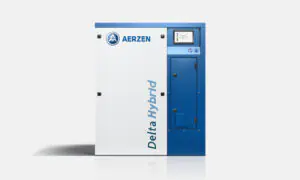
หัวข้อหลัก: เช่าโบลเวอร์สกรู (Screw Blower) ออยล์ฟรี