Compressed Air ในฐานะ Carrier Gas และ Diluent สำหรับ Specialty Gas Blending: ISO 8573-1 Class 0 และ Oil-Free Compressor สำหรับ Cylinder Fill Station
- Compressed air ที่ใช้เป็น carrier gas หรือ diluent ใน specialty gas blending ต้องเป็น ISO 8573-1 Class 0 เพราะน้ำมันปนเปื้อนแม้ระดับ ppb จะเปลี่ยน composition จนทำให้ certificate concentration ผิดพลาด
- สำหรับ high-pressure cylinder fill station (150–300 bar) การใช้ oil-free booster compressor คือมาตรการป้องกัน cross-contamination ที่ระบบ downstream filtration เพียงอย่างเดียวไม่สามารถทดแทนได้
- AERZEN TVO oil-free screw compressor และ Subscription Plan รองรับทั้ง source air compression และการขยาย fill station capacity ชั่วคราว — ปรึกษาทีมวิศวกร: 038-015-488 หรือ 098-323-2626
- บทบาทของ Compressed Air ใน Specialty Gas Blending
- Oil Contamination Chain: ผลกระทบต่อ Blend Accuracy
- ISO 8573-1 Class 0 — ข้อกำหนดและความหมายเชิงปฏิบัติ
- Cylinder Fill Station: Architecture และ Compressor Selection
- AERZEN TVO Oil-Free Screw Compressor — Application Fit
- Rental vs. Purchase: ทำไม Fill Station Capacity จึงเหมาะกับ Subscription
- FAQ: คำถามพบบ่อย
ในอุตสาหกรรม specialty gas — ตั้งแต่ calibration gas สำหรับ continuous emission monitoring (CEMS) ไปจนถึง mixed-gas cylinder ที่ใช้ใน chromatography, welding shield, และ detector testing — compressed air ไม่ใช่เพียง utility แต่คือ raw material ที่มีสัดส่วนที่กำหนดไว้ใน certificate ของ mixture นั้นๆ
นั่นหมายความว่า purity ของ compressed air ที่เข้าสู่กระบวนการ blending ส่งผลโดยตรงต่อ accuracy ของ concentration ที่ระบุบน label cylinder และเอกสาร certificate of analysis (CoA) การปนเปื้อนจาก oil aerosol, oil vapor, หรือ hydrocarbon trace จะไม่เพียงแต่ทำให้ผลวิเคราะห์ทาง GC/MS คลาดเคลื่อน แต่ยังทำให้ cylinder ล็อต complete ต้องถูก rework ซึ่งมีต้นทุนสูงและกระทบต่อ delivery schedule
บทความนี้เจาะเฉพาะ sub-application ที่มักถูกมองข้ามใน industrial compressed air planning: compressed air ในฐานะ carrier gas และ diluent สำหรับ specialty gas blending พร้อมข้อกำหนด compressor technology ที่เกี่ยวข้อง
Oil aerosol < 0.01 mg/m³
AERZEN German Engineering (since 1864)
target สำหรับ cylinder บางประเภท
AERZEN Rental Thailand
1. บทบาทของ Compressed Air ใน Specialty Gas Blending
Specialty gas blending operation มีรูปแบบ compressed air involvement อยู่ 3 ประเภทหลัก ซึ่งแต่ละประเภทมีระดับความเสี่ยงจาก contamination ต่างกัน:
1.1 Air เป็น Component ของ Mixture (Direct Blending)
ในกรณีที่ air เป็นส่วนประกอบของ gas mixture จริงๆ เช่น calibration gas สำหรับ CEMS ที่ต้องการ N₂, CO₂, SO₂, NO, และ balance gas ที่เป็น air — หรือ breathing air mixture สำหรับ confined space entry — compressed air ในขั้นนี้คือ raw material โดยตรง ความบริสุทธิ์ของ air ส่งผลต่อ stoichiometry ของ mixture ทั้ง cylinder
มาตรฐาน ISO 6144:2003 (Preparation of calibration gas mixtures — Static volumetric method) กำหนดว่า component gases ที่ใช้ใน gravimetric blending ต้องมี purity ที่ documented และ traceable ต่อ national standard การนำ oil-contaminated compressed air เข้าสู่กระบวนการนี้ถือเป็น violation ของ traceability chain ซึ่งทำให้ certificate ไม่ valid ตาม OIML R 12
1.2 Air เป็น Diluent Gas สำหรับ High-Concentration Component
Specialty gas บางชนิดมี concentration สูงเกิน safe handling limit และต้องถูก dilute ด้วย balance gas ก่อน cylinder fill เช่น CO concentration 5,000 ppm ใน air, หรือ NH₃ concentration ที่ระดับ 100–500 ppm ใน nitrogen หรือ air compressed air ในฐานะ diluent ต้องมี hydrocarbon และ oil content ต่ำพอที่จะไม่รบกวน GC column ที่ analyze mixture นั้น
1.3 Instrument Air สำหรับ Blending Equipment Control
แม้ air ในกรณีนี้จะไม่ได้เป็น component ของ mixture โดยตรง แต่ instrument air ที่ขับ pneumatic valve, mass flow controller (MFC), และ pressure regulator ในระบบ blending manifold หากมี oil ปนเปื้อน อาจ migrate ผ่าน seal เข้าสู่ process stream ได้ในกรณีที่ diaphragm หรือ piston seal เกิด micro-leak — ดู บทความ Instrument Air สำหรับ Petrochemical ของเรา สำหรับรายละเอียด instrument air Class specification
Compressed Air
Compressor
Station
2. Oil Contamination Chain: ผลกระทบต่อ Blend Accuracy
Oil contamination ใน specialty gas blending ไม่ได้เกิดจากการที่เห็น oil ไหลออกมาจากท่อ แต่เกิดจาก oil aerosol และ oil vapor ระดับ sub-microgram ที่สะสมและเปลี่ยน matrix ของ gas mixture ในลักษณะที่มองไม่เห็น
กลไก Contamination 4 ระดับ
| ระดับ | กลไก | ผลกระทบ | ISO 8573-1 Class ที่รับมือได้ |
|---|---|---|---|
| Bulk Oil Carry-Over | Oil flooding จาก oil-lubricated compressor ที่ separator ล้มเหลว | Cylinder contamination ชัดเจน, ต้อง purge ทั้งระบบ | Class 0 เท่านั้น |
| Oil Aerosol | Droplets 0.01–5 µm ผ่าน coalescing filter | เปลี่ยน gas composition, รบกวน GC column | Class 0 (<0.01 mg/m³) |
| Oil Vapor | Vaporized hydrocarbon dissolved ใน compressed air stream | Interference กับ FID/PID detector ใน QC analysis | Class 0 (<0.003 mg/m³) |
| Residual Hydrocarbon Adsorption | Oil deposit ที่ผนัง cylinder, tube, valve seat จาก historical contamination | Baseline shift ใน GC chromatogram, false positive | ต้องการ decontamination + Class 0 prevention |
| แหล่งอ้างอิง: ISO 8573-1:2010 (Compressed air — Part 1: Contaminants and purity classes); CAGI Data Sheet for Oil-Free Compressors | |||
ทำไม Downstream Filtration ไม่เพียงพอ
คำถามที่ plant engineer มักถามคือ “ทำไมไม่ใช้ oil-lubricated compressor แล้วเพิ่ม coalescing + activated carbon filter หลาย stage ?” คำตอบมีสองระดับ:
- ระดับ technical: Activated carbon filter มี saturation limit และ breakthrough characteristic ที่ขึ้นอยู่กับ humidity, temperature, และ oil loading — ไม่มี real-time indicator ที่บอกว่า filter breakthrough กำลังจะเกิด ณ เวลาใด ทำให้ไม่สามารถ guarantee Class 0 ได้ตลอดเวลา
- ระดับ regulatory: ISO 8573-1 Class 0 สำหรับ compressed air ที่เป็น component ของ specialty gas mixture ต้องมาจาก verified oil-free source — การ certify ด้วย oil-lubricated + filter combination ต้องมี continuous monitoring และ audit trail ที่ซับซ้อนกว่าการใช้ oil-free compressor ตั้งแต่ต้น
3. ISO 8573-1 Class 0 — ข้อกำหนดและความหมายเชิงปฏิบัติ
ISO 8573-1:2010 คือมาตรฐานหลักที่กำหนด purity class สำหรับ compressed air โดยครอบคลุม 3 ประเภทของ contaminant:
| Class | Particles (mg/m³) | Water (Pressure Dew Point, °C) | Oil Total (mg/m³) | Application fit |
|---|---|---|---|---|
| Class 0 | <0.1 (0.1–0.5 µm) | ระบุตาม specific requirement | <0.01 aerosol; <0.003 vapor | Specialty gas blending, calibration gas, cylinder fill |
| Class 1 | <0.1 | ≤ −70°C | <0.01 | Semiconductor, food contact |
| Class 2 | <1.0 | ≤ −40°C | <0.1 | General industrial spray painting |
| Class 3 | <5.0 | ≤ −20°C | <1.0 | General manufacturing tools |
| Class 0 กำหนดโดยผู้ใช้งานร่วมกับผู้ผลิตตาม specific application requirement — stricter กว่า Class 1 ใน every contaminant category. Source: ISO 8573-1:2010 | ||||
Class 0 ในบริบทของ Specialty Gas
สำหรับ specialty gas industry โดยเฉพาะ calibration gas สำหรับ reference standards — requirement มักจะกำหนดเป็น total non-methane hydrocarbon (NMHC) < 0.1 ppm ใน balance air ซึ่งเทียบเท่ากับ oil vapor concentration ระดับ sub-ppb เมื่อแปลงเป็น carbon equivalent Class 0 คือ lower bound ที่ทำให้ compliance กับ requirement นี้ทำได้จริงในเชิง engineered solution
ข้อสำคัญที่ต้องเข้าใจ: Class 0 ไม่ได้หมายความว่า “zero contamination” แต่หมายความว่า application-specific specification ถูกกำหนดระหว่างผู้ใช้งานและผู้ผลิตเครื่องอัดอากาศ และเข้มงวดกว่า Class 1 ในทุก axis การ specify Class 0 จึงต้องระบุ target values ใน purchase/rental agreement อย่างชัดเจน — AERZEN TVO series สามารถให้ข้อมูล verified Class 0 performance data สำหรับการ specify ได้
4. Cylinder Fill Station: Architecture และ Compressor Selection
Cylinder fill station สำหรับ specialty gas ในประเทศไทยส่วนใหญ่อยู่ใน industrial estate ภาคตะวันออก (EEC) เช่น Map Ta Phut, Amata City, WHA Eastern Seaboard — ซึ่งให้บริการทั้ง captive production (ใช้เองในโรงงาน) และ commercial distribution ให้โรงงานอื่น
4.1 Architecture ของ Fill Station สำหรับ Air-Containing Mixtures
ระบบ fill station ที่รองรับ air-containing specialty gas มีองค์ประกอบหลัก 5 ส่วน:
- Source Air Compressor (Oil-Free): อัดอากาศจาก atmosphere ขึ้นไปที่ 8–13 bar(g) สำหรับ blending manifold inlet — ต้องเป็น Class 0
- Purification Train: Refrigeration dryer + coalescing filter + activated carbon filter + sterile filter — ลด moisture, particles, และ residual trace contaminants
- Blending Manifold: Mass flow controller (MFC) หรือ pressure-method manifold สำหรับ ratio control ของ component gases ตาม blend recipe
- Oil-Free Booster Compressor: อัด pre-mixed gas จาก ~10 bar ขึ้นไปที่ 150–300 bar สำหรับ cylinder fill — ต้องเป็น oil-free เพื่อไม่ให้ contaminate mixture ที่เตรียมมาแล้ว
- Cylinder Fill Manifold + QC Sampling: Station สำหรับ fill + GC sampling point สำหรับ CoA verification
— Engineering principle ที่ AERZEN Application Team ใช้ educate specialty gas customers
4.2 Pressure Considerations: ทำไม Booster Stage ถึงสำคัญ
High-pressure specialty gas cylinder (standard T-cylinder, 50L, 200 bar working pressure) ต้องการ fill pressure สูงถึง 150–230 bar ขึ้นอยู่กับ target fill pressure และ temperature ณ เวลา fill ไม่มี source air compressor ทั่วไปที่สามารถอัดถึงระดับนี้ได้โดยตรง — จึงต้องการ booster compressor แยกต่างหาก
ข้อพิจารณา critical สำหรับ booster ในบริบทนี้:
- Oil-free compression chamber: ต้องไม่มีน้ำมันสัมผัส gas stream ในทุก stage
- Inter-stage cooling: ลด temperature เพื่อควบคุม volumetric efficiency และป้องกัน gas degradation
- Material compatibility: Seals และ valve materials ต้องเข้ากันได้กับ specialty gas components ใน mixture (เช่น CO, H₂S, halogenated gases ในบางกรณี)
- Pressure rating: Cylinder pressure vessel และ piping ต้องผ่าน third-party inspection ตาม Pressure Equipment Directive (PED) หรือ equivalent standard
AERZEN TVO · 8–13 bar(g)
ISO 8573-1 Class 0
Oil aerosol < 0.01 mg/m³
Dryer + Coalescing + Carbon
Sterile filter
PDP ≤ −70°C
Air + component gases → pre-mixed stream · Recipe control per ISO 6144
10 bar → 150–300 bar
Zero oil contact
Critical: oil-free mandatory
Certificate of Analysis
GC verification
OIML R 12 traceability
5. AERZEN TVO Oil-Free Screw Compressor — Application Fit สำหรับ Specialty Gas
AERZEN พัฒนา oil-free compression technology มาตั้งแต่ทศวรรษที่ผ่านมา โดย TVO series คือ oil-free screw compressor ที่ compression rotor ทำงานโดยไม่มีน้ำมันสัมผัสก๊าซใน compression chamber เลย — ต่างจาก oil-flooded screw ที่อาศัย oil film เป็น seal และ coolant
5.1 หลักการทำงาน Oil-Free Screw Compression
ใน TVO series การ seal ระหว่าง male rotor กับ female rotor ทำโดยระยะห่าง (clearance seal) ที่ควบคุมด้วยความแม่นยำในการผลิต ไม่ใช่ oil film — ทำให้ oil ที่ใช้หล่อลื่น bearing และ gearbox ถูกแยกออกจาก compression chamber โดย mechanical seal และ labyrinth seal system ผลคือ gas ที่ออกจาก compressor ไม่มีน้ำมันปนเปื้อนในเชิงโครงสร้าง
5.2 TVO Specification สำหรับ Source Air Application
| Parameter | TVO Series (Indicative) | Relevance สำหรับ Specialty Gas |
|---|---|---|
| Compression type | Oil-free twin-screw (positive displacement) | ไม่มี oil contact ใน compression chamber |
| Discharge pressure | ถึง ~10–13 bar(g) (ขึ้นอยู่กับ series size) | เหมาะกับ blending manifold inlet pressure |
| Oil contamination | Class 0 per ISO 8573-1:2010 (verified) | Meet specialty gas carrier air requirement |
| Drive | Variable-speed drive (VSD) option | ควบคุม flow rate ตาม blending recipe demand |
| Cooling | Air-cooled / water-cooled options | ยืดหยุ่นสำหรับ plant layout ใน EEC industrial estate |
| Noise level | ~75–80 dB(A) (typical — ขึ้นอยู่กับ size) | ต่ำกว่า reciprocating booster ทั่วไป |
| Indicative specs — ยืนยัน spec ที่ตรงกับ process requirement กับ AERZEN Engineering Team ก่อนการ commit ขอใบเสนอราคา: 038-015-488 | ||
5.3 เปรียบเทียบ Technology Options สำหรับ Fill Station Source Air
| Technology | Class 0 Guarantee | Maintenance Complexity | Fit สำหรับ Specialty Gas |
|---|---|---|---|
| Oil-free screw (TVO) | Inherent — by design | PM ทุก 4,000–8,000 ชม. (VSD) | แนะนำ |
| Oil-lubricated screw + multi-stage filter | Conditional — ขึ้นอยู่กับ filter condition | PM filter + monitoring + audit trail | ยอมรับได้ในบางกรณีพร้อม continuous monitoring |
| Reciprocating (oil-free) | Inherent — by design | Piston/ring wear — PM บ่อยกว่า screw | เหมาะกับ high-pressure booster stage |
| Centrifugal (turbo) | Oil-free by design | ต่ำ แต่ minimum flow requirement สูง | เหมาะกับ high-volume, low-pressure เท่านั้น |
| Source: CAGI (Compressed Air & Gas Institute) — cagi.org · AERZEN Application Engineering Technical Notes | |||
6. Rental vs. Purchase: ทำไม Fill Station Capacity จึงเหมาะกับ Subscription Plan
Specialty gas blending operation มีลักษณะ demand pattern ที่ไม่ linear — cylinder order เพิ่มขึ้นตาม EPC project activity, regulatory requirement, และ calibration cycle ของลูกค้า ในบางช่วงต้องการ fill capacity เพิ่มขึ้น 2–3 เท่าจาก baseline
6.1 สถานการณ์ที่ AERZEN Rental Subscription Plan เหมาะสม
- Capacity surge: Calibration gas demand เพิ่มขึ้นชั่วคราว เช่น ช่วง annual plant shutdown ของลูกค้า petrochemical ที่ต้องการ CEMS calibration gas จำนวนมาก — เช่าเครื่องเพิ่มชั่วคราว ไม่ต้องซื้อ
- New blend qualification: ทดสอบ fill station สำหรับ gas mixture recipe ใหม่ก่อน CAPEX commitment สำหรับ dedicated equipment
- Backup compressor: Redundancy สำหรับ mission-critical fill station ที่ไม่สามารถ downtime ได้ — rental unit เป็น hot standby
- Greenfield fill station: เริ่มต้น operation ด้วย rental แล้วค่อย decide CAPEX หลังจาก validate demand curve ครบ 6–12 เดือน (Zero CAPEX model)
6.2 All-Inclusive Subscription Plan คือ Risk Transfer สำหรับ Specialty Gas Operation
สำหรับ specialty gas blending ซึ่ง compressor reliability ส่งผลโดยตรงต่อ production throughput และ CoA issuance schedule — การที่ maintenance, PM, และ emergency support รวมอยู่ใน Subscription Plan ทำให้ operation team ไม่ต้องจัดการ compressor technical issue เอง และ AERZEN รับผิดชอบ uptime ตามเงื่อนไข SLA
| Differentiator | AERZEN Rental Subscription | ความหมายสำหรับ Fill Station |
|---|---|---|
| Zero CAPEX | ไม่ต้องลงทุน compressor equipment | ลด capital lock-in สำหรับ equipment ที่ demand ไม่แน่นอน |
| 24-hour Mobilization | Deploy ภายใน 24 ชม. หลัง order confirm | รองรับ urgent capacity demand จาก customer order surge |
| All-Inclusive Service | PM + corrective maintenance + parts รวมใน plan | ทีม operation ไม่ต้อง maintain compressor เอง |
| 160 ปี German Engineering DNA | AERZEN since 1864 — verified oil-free technology | Reliability ที่สามารถ reference ใน QMS documentation |
| Scalable Capacity | เพิ่ม/ลด unit ตาม fill station demand | ไม่ oversized ช่วง low season ไม่ bottleneck ช่วง peak |
| 24/7 Emergency Support | On-call engineer ตลอด 24 ชม. | Production protection สำหรับ time-sensitive order |
สำหรับข้อมูลเพิ่มเติมเกี่ยวกับ oil-free compressor และ blower applications ในงาน petrochemical และ specialty gas อ่านต่อที่ คู่มือ Oil-Free Air สำหรับโรงงานปิโตรเคมีและเคมีภัณฑ์ไทย
สำหรับ specialty gas blending, calibration gas, และ cylinder fill station
7. FAQ: คำถามพบบ่อยเกี่ยวกับ Compressed Air ใน Specialty Gas Blending
ทำไม compressed air ที่ใช้ใน specialty gas blending ต้องเป็น ISO 8573-1 Class 0
เมื่อ compressed air เป็นส่วนประกอบของ gas mixture — เช่น calibration gas balance air หรือ dilution air สำหรับ high-concentration component — oil aerosol แม้เพียง 0.01 mg/m³ จะเปลี่ยน composition ของ mixture ทำให้ความแม่นยำของ concentration ต่ำกว่าเกณฑ์ที่ระบุไว้ใน certificate นอกจากนี้ oil vapor (hydrocarbons) จะรบกวน GC/FID analysis ที่ใช้ verify blend accuracy ก่อน issue Certificate of Analysis
Class 0 ตาม ISO 8573-1:2010 คือระดับที่กำหนดร่วมกันระหว่างผู้ใช้และผู้ผลิต โดยเข้มงวดกว่า Class 1 ในทุก axis — เหมาะสำหรับ application ที่ compressed air เป็น raw material โดยตรง
Oil-free booster compressor ทำงานอย่างไรใน high-pressure cylinder fill station
Booster compressor รับ pre-mixed gas จาก blending manifold (ประมาณ 8–15 bar) แล้วอัดเพิ่มขึ้นไปที่ fill pressure ที่ 150–300 bar สำหรับบรรจุลง high-pressure cylinder เช่น T-cylinder หรือ K-cylinder ขนาดมาตรฐาน
สำหรับ specialty gas ที่มี air เป็น component การใช้ oil-free booster คือการป้องกัน contamination ขั้นสุดท้าย เพราะหาก booster เป็น oil-lubricated แม้ source air จะเป็น Class 0 แล้ว oil จาก booster stage ก็จะ contaminate mixture ที่เตรียมมาอย่างพิถีพิถันในขั้นตอน blending
AERZEN TVO เหมาะสำหรับ specialty gas fill station หรือไม่ ต้องดู spec อะไรบ้าง
TVO เป็น oil-free screw compressor ที่เหมาะสำหรับ source air compression ก่อนเข้า blending manifold (ขั้นตอนแรก ไม่ใช่ high-pressure booster) โดย discharge pressure อยู่ที่ ~8–13 bar(g) ขึ้นอยู่กับ series size
Parameters ที่ต้องยืนยันกับ AERZEN Engineering Team ก่อน commit:
- Flow rate ที่ต้องการ (Nm³/hr หรือ m³/min) ตาม fill station throughput
- Inlet conditions (altitude, temperature, humidity)
- Discharge pressure requirement ของ blending manifold
- Gas compatibility หาก TVO ต้องอัดก๊าซอื่นนอกจาก air (เช่น nitrogen)
- Utility availability (power phase, cooling water)
ติดต่อทีมวิศวกร: 038-015-488 หรือ thai@aerzenrental.com
Rental model เหมาะกับ specialty gas fill station operation หรือไม่
เหมาะอย่างยิ่งใน 3 สถานการณ์หลัก:
- Demand surge: Calibration gas order เพิ่มช่วง annual plant shutdown ของ petrochemical customers — เพิ่ม fill capacity ชั่วคราวด้วย rental unit
- Backup redundancy: Fill station mission-critical ที่ต้องการ hot standby compressor โดยไม่ต้องซื้อ dedicated backup
- New operation: เริ่มต้น fill station ด้วย rental เพื่อ validate demand ก่อน CAPEX decision
AERZEN Subscription Plan รวม PM, corrective maintenance, และ emergency support — ทีม operation ไม่ต้องจัดการ compressor technical issue เอง
ISO 8573-1 Class 0 กับ Class 1 ต่างกันอย่างไร ทำไมต้องใช้ Class 0 สำหรับ calibration gas
Class 1 กำหนด oil total content ที่ <0.01 mg/m³ สำหรับ aerosol เท่านั้น ในขณะที่ Class 0 เป็น user-specified class ที่กำหนดขีดจำกัดให้เข้มงวดกว่า Class 1 ทุก contaminant axis โดย application requirement กำหนด
สำหรับ calibration gas ที่ต้องการ NMHC <0.1 ppm ใน balance air — Class 1 oil aerosol limit อาจยังไม่เพียงพอเมื่อรวม oil vapor contribution ดังนั้น Class 0 ที่ระบุ total hydrocarbon limit ไว้ชัดเจนตาม application จึงเป็นมาตรฐานที่ specialty gas industry ใช้อ้างอิง
specialty gas blending และ cylinder fill station ของคุณ — ไม่มีค่าใช้จ่ายในการปรึกษา
สำนักงาน: 038-015-488 |
สายด่วน 24/7: 098-323-2626 |
www.aerzenrentalth.com
Sources: ISO 8573-1:2010 · ISO 6144:2003 · OIML R 12 · CAGI Technical Resources · AERZEN Application Engineering Notes

✍️ เกี่ยวกับผู้เขียน
ภราดร วรรณสังข์ (Paradorn Wannasung)
Marketing Communication Specialist · นิเทศศาสตรมหาบัณฑิต (การสื่อสารการตลาดและแบรนด์)
ภราดร (Paradorn) เป็นผู้ดูแลด้านการสื่อสารการตลาดของ AERZEN Rental Thailand จบนิเทศศาสตรมหาบัณฑิต (การสื่อสารการตลาดและแบรนด์) เชี่ยวชาญด้านอุตสาหกรรม B2B ในประเทศไทย มีประสบการณ์การสร้างแบรนด์และคอนเทนต์ในกลุ่มอุตสาหกรรมของไทย
ติดต่อ: pwa@aerzenrental.com · LinkedIn
บทความที่เกี่ยวข้อง

โรงงานน้ำตาล — อากาศอัดปลอดน้ำมันสำหรับหม้อเคี่ยว เครื่องปั่นแยก และสถานีระเหย
โรงงานน้ำตาล: อากาศอ...
อ่านต่อ →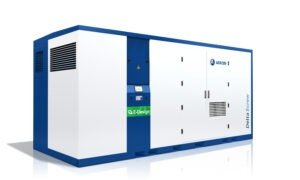

ข้อกำหนดอากาศสำหรับสายการประกอบ SMT: ความบริสุทธิ์ที่ช่างวิศวกรต้องรู้
สายการประกอบ SMT ต้อ...
อ่านต่อ →หัวข้อหลัก: ISO 8573-1 และมาตรฐานคุณภาพอากาศอัด Class 0