การเลือกขนาด Combustion Air Blower สำหรับ Reheat Furnace ที่ Firing Rate แปรผัน
- Reheat furnace ที่ firing rate แปรผันบังคับให้ combustion air blower ต้อง modulate flow ตาม fuel แบบ real-time การ sizing ที่ผิดทำให้ air-fuel ratio เพี้ยนที่ low fire
- หัวใจของ sizing คือ 3 ตัวเลข — stoichiometric air demand ต่อเชื้อเพลิง, turndown ratio ที่ต้องครอบคลุม burner, และ pre-purge volume ตาม NFPA 86 (อย่างน้อย 4 air changes)
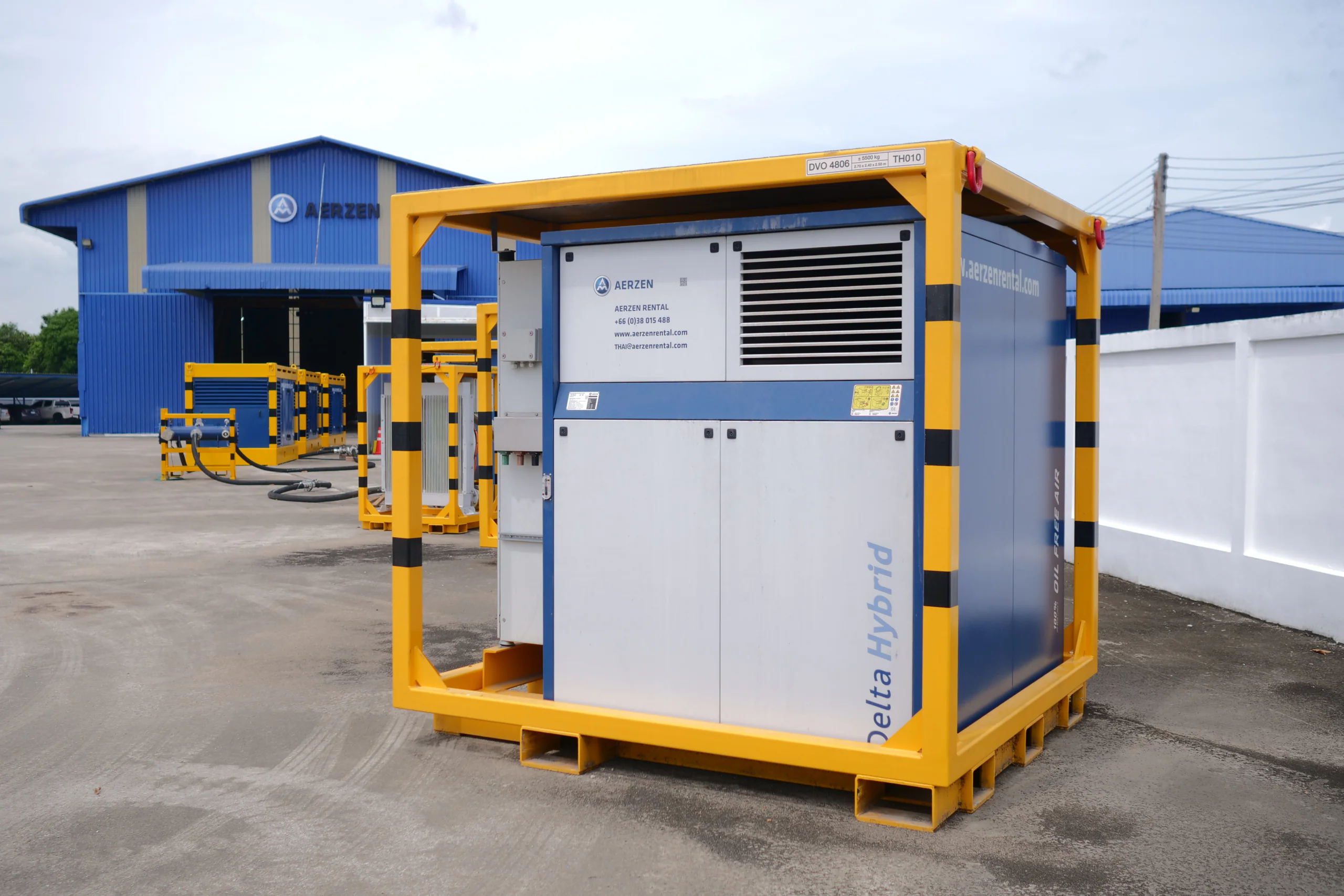
- Cold-side blower แบบ VFD-ready ให้ turndown กว้างโดยรักษา air-fuel accuracy ดีกว่า damper-throttled fixed-speed blower — และเช่าได้จาก AERZEN Rental Thailand สำหรับช่วง commissioning หรือ peak-shaving
Cold-side combustion air blower คืออุปกรณ์ที่กำหนดว่ากระบวนการเผาไหม้ใน reheat furnace จะแม่นยำแค่ไหนเมื่อ firing rate ขึ้นลงตลอดกะการผลิต บทความนี้เจาะลึกเฉพาะ การคำนวณขนาดและเลือก turndown ของ blower สำหรับเตาที่ load ไม่คงที่ ซึ่งเป็นจุดที่แตกต่างจากการออกแบบ recuperator หรือ heat-recovery ในภาพรวม โดยให้ตารางคำนวณ stoichiometric air demand ต่อชนิดเชื้อเพลิง, สมการ turndown matching, และ pre-purge volume ตาม NFPA 86 ที่นำไปใช้ specify unit ได้จริง หากต้องการดูภาพรวมของระบบทั้งหมดก่อน อ่านได้ที่ การออกแบบ Preheated Combustion Air System สำหรับเตาเผาอุตสาหกรรม.
1. ทำไม Firing Rate แปรผันถึงเป็นโจทย์เฉพาะของ Blower
Reheat furnace ในโรงรีดเหล็ก งาน forging หรือ heat treatment แทบไม่เคยทำงานที่ firing rate คงที่ — billet เข้าออกเป็นจังหวะ, recipe เปลี่ยนตามเกรดวัสดุ, และช่วง warm-up ต้องการ firing สูงกว่าช่วง holding มาก ผลคือ blower ต้องจ่ายอากาศตั้งแต่ minimum fire ถึง maximum fire โดยรักษา air-fuel ratio ให้คงที่ตลอด
ปัญหาที่พบบ่อยเมื่อ sizing ผิด: blower ที่ใหญ่เกินจะ throttle ลึกจน operating point ตกไปอยู่บริเวณ unstable ของ characteristic curve ที่ low fire ทำให้ air flow แกว่ง ค่า O₂ ใน flue gas แกว่งตาม และ combustion control ไล่ตามไม่ทัน เกิดทั้ง CO ที่ rich excursion และ flue gas loss ที่ lean excursion
2. คำนวณ Combustion Air Demand จาก Firing Rate
จุดเริ่มต้นของ sizing คือแปลง firing rate เป็น fuel flow แล้วคูณด้วย stoichiometric air requirement ของเชื้อเพลิงนั้น ตารางต่อไปนี้สรุปค่าทางวิศวกรรมที่ใช้เป็น first-pass design สำหรับเชื้อเพลิงที่พบในโรงงานไทย
| เชื้อเพลิง | LHV โดยประมาณ | Stoichiometric air (มวล) | Stoichiometric air ต่อพลังงาน |
|---|---|---|---|
| Natural gas (CH₄ เป็นหลัก) | ~50 MJ/kg | ~17.2 kg air / kg fuel | ~0.34 kg air / MJ |
| LPG (propane/butane mix) | ~46 MJ/kg | ~15.6 kg air / kg fuel | ~0.34 kg air / MJ |
| Light fuel oil (diesel-grade) | ~42 MJ/kg | ~14.5 kg air / kg fuel | ~0.35 kg air / MJ |
สังเกตว่าค่า air ต่อพลังงาน ของเชื้อเพลิง hydrocarbon ทั่วไปอยู่ใกล้กันที่ราว 0.34–0.35 kg air/MJ ที่ stoichiometric ทำให้ประมาณ air demand จาก firing rate (kW = MJ/s) ได้รวดเร็วก่อนคำนวณละเอียด
- firing rate สูงสุด (kW) → fuel flow (kg/s) = firing rate ÷ LHV
- stoichiometric air mass = fuel flow × stoichiometric air ratio
- actual air = stoichiometric × (1 + excess air fraction) — เริ่มที่ excess air 10–15% สำหรับ natural gas burner
- แปลงเป็น volumetric flow ที่ blower inlet (ambient): หาร density อากาศ ≈ 1.2 kg/m³ ที่ 20°C
- เผื่อ margin design 10–15% สำหรับ control headroom และ filter loading
แหล่งอ้างอิงทางวิศวกรรม: ISO 13577-1:2014 — Industrial furnaces and associated processing equipment — Safety, Part 1 และหลัก stoichiometry ตาม North American Combustion Handbook (ISBN 978-0-9745028-0-2)
3. Turndown Matching — Blower ต้องตามได้แค่ไหน
Turndown ratio คืออัตราส่วนระหว่าง maximum กับ minimum flow ที่อุปกรณ์ทำงานได้อย่างเสถียร ในระบบ combustion air มี turndown สามชั้นที่ต้อง match กัน — burner, fuel train และ blower
| องค์ประกอบ | Turndown ทั่วไป | ข้อจำกัด |
|---|---|---|
| Burner (nozzle-mix) | 3:1 ถึง 10:1 | flame stability ที่ low fire |
| Fuel control valve | 20:1 ขึ้นไป | valve rangeability (equal-percentage) |
| Fixed-speed blower + damper | ~3:1 ปฏิบัติได้ | efficiency ตกและ instability ที่ damper ปิดลึก |
| VFD blower (Roots / screw / centrifugal) | 5:1 ถึง 10:1+ | motor cooling และ minimum speed ของ unit |
ข้อสรุปเชิงวิศวกรรม: ถ้า burner turndown คือ 5:1 แต่ blower throttle ด้วย damper ได้จริงแค่ 3:1 ระบบจะ ไม่สามารถรักษา air-fuel ratio ที่ปลาย low fire — ต้องเลือก blower ที่ใช้ VFD เพื่อยืด turndown หรือใช้ multiple-blower staging แทน
4. Air-Fuel Cross-Limiting Control
เมื่อ firing rate แปรผันเร็ว control strategy แบบ parallel positioning ธรรมดาเสี่ยงต่อ transient ที่ air กับ fuel ไม่ขึ้นลงพร้อมกัน cross-limiting control (lead-lag) แก้ปัญหานี้โดย:
- เมื่อ firing เพิ่ม — เพิ่ม air ก่อน แล้วจึงให้ fuel ตาม (air leads) ป้องกัน rich excursion ชั่วขณะ
- เมื่อ firing ลด — ลด fuel ก่อน แล้วจึงลด air (fuel leads) ป้องกัน rich excursion เช่นกัน
กลไกนี้บังคับให้ระบบ ไม่มีวินาทีไหนที่อยู่ฝั่ง fuel-rich ระหว่าง transient ซึ่งสำคัญต่อความปลอดภัยและการควบคุม CO blower ที่ตอบสนองได้เร็ว (VFD response time ต่ำ) จึงเป็นองค์ประกอบที่ทำให้ cross-limiting ทำงานได้จริง — fixed-speed blower ที่อาศัย damper actuator ช้ากว่าจะทำให้ลูป air ตามไม่ทัน
5. Pre-Purge Volume ตาม NFPA 86
ก่อน ignition ทุกครั้ง combustion chamber และ ductwork ต้องถูก purge ด้วยอากาศเพื่อไล่ก๊าซเชื้อเพลิงที่อาจค้างอยู่ — เป็นข้อกำหนดความปลอดภัยที่ blower ต้องจ่ายได้ NFPA 86 — Standard for Ovens and Furnaces กำหนด pre-purge อย่างน้อย 4 volume air changes ของปริมาตรรวม (combustion chamber + ductwork + recuperator passage)
ตัวอย่างเชิงหลักการ: เตาที่มีปริมาตรรวม system 30 m³ ต้องการ purge 4 changes = 120 m³ ถ้ากำหนด purge time 5 นาที → ต้องการ ≈ 1,440 m³/h ระหว่าง purge ค่านี้นำไปเทียบกับ combustion air ที่ maximum/minimum fire เพื่อยืนยันว่า blower ครอบคลุมทุก operating mode
6. ตารางเลือก Blower สำหรับ Reheat Furnace
สำหรับ cold-side combustion air supply ของ reheat furnace ที่ load แปรผัน การเลือกประเภท blower ขึ้นกับ flow, pressure และความต้องการ turndown ตารางนี้สรุปแนวทางตาม nomenclature ของ AERZEN
| สถานการณ์ | ประเภทที่เหมาะ (AERZEN) | เหตุผลทางวิศวกรรม |
|---|---|---|
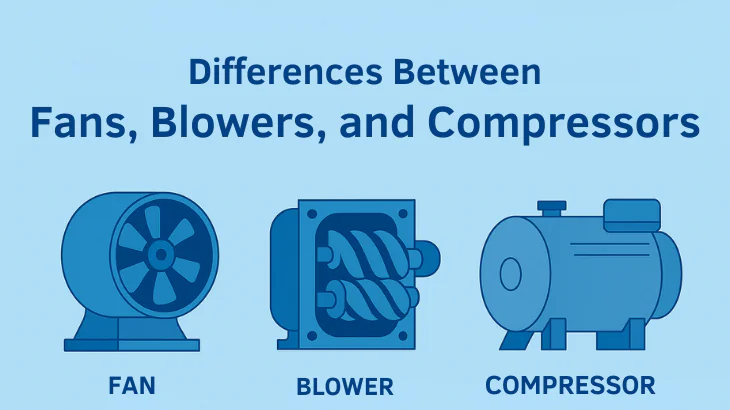
| flow สูง (>10,000 m³/h), pressure ต่ำ (<0.3 bar) | AT (AerzenTurbo centrifugal blower) | efficiency สูงที่ flow ใหญ่ ใช้ IGV/VFD modulate |
| flow กลาง ต้องการ flow accuracy ดีที่ partial load | GM (Roots blower) แบบ VFD | positive displacement → flow แปรตามรอบเชิงเส้น turndown ดี |
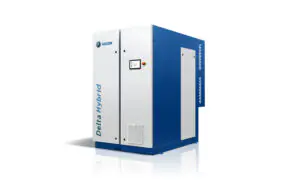
| pressure กลาง-สูง (ถึง ~1 bar) ต้องการ efficiency | BVS (screw blower / Delta Hybrid) | internal compression → ประหยัดพลังงานที่ pressure สูงกว่า Roots |
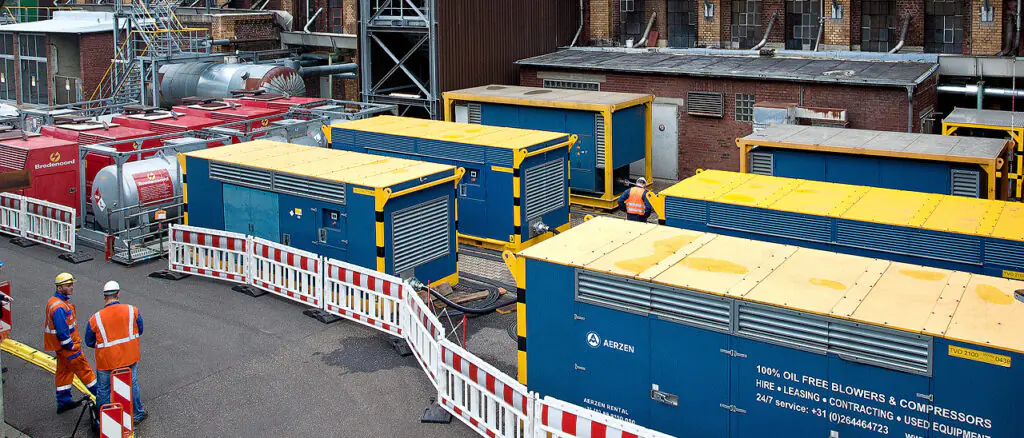
| ช่วง commissioning / standby / peak-shaving | หน่วยเช่า AERZEN Rental | oil-free, VFD-ready, ติดตั้งเร็ว ไม่ต้อง CAPEX |
คำถามที่พบบ่อย (FAQ)
ควรเลือก blower ที่ flow เท่าไหร่ ถ้ารู้แค่ firing rate ของ burner เป็น kW?
แปลง firing rate (kW) เป็น fuel flow ก่อน (หารด้วย LHV ของเชื้อเพลิง) แล้วคูณด้วย stoichiometric air ของเชื้อเพลิงนั้น จากนั้นบวก excess air ที่ออกแบบ สำหรับ natural gas ใช้ ≈ 0.34 kg air/MJ ที่ stoichiometric แล้วบวก excess air 10–15% เป็นจุดเริ่มต้น sizing ที่ปลอดภัย ก่อนแปลงเป็น volumetric flow ที่ blower inlet
turndown ratio ของ blower ต้องสูงเท่ากับ turndown ของ burner เสมอหรือไม่?
ต้องครอบคลุมอย่างน้อยเท่ากับ burner turndown ที่ design air-fuel ratio ถ้า burner turndown 5:1 blower ต้อง modulate flow ได้ 5:1 ที่ pressure ยังเพียงพอ โดยทั่วไปใช้ VFD เพื่อให้ได้ turndown กว้างโดยรักษา efficiency ที่ partial load — damper-throttled fixed-speed blower มักทำได้จริงเพียง ~3:1
purge flow หรือ minimum fire เป็นตัวกำหนด minimum capacity ของ blower?
ขึ้นกับกรณี ถ้า pre-purge ตาม NFPA 86 (≥4 air changes ในเวลาที่กำหนด) ต้องการ flow สูงกว่า combustion air ที่ minimum fire purge flow จะกลายเป็นตัวกำหนด ต้องคำนวณทั้งสองค่าแล้วเลือกค่าที่บังคับ design
rental blower เหมาะกับ combustion air application หรือไม่?
เหมาะในกรณี cold-side configuration ที่ blower ดูดอากาศ ambient ก่อนเข้า recuperator AERZEN Rental Thailand จัดหา oil-free blower แบบ VFD-ready ที่ match flow และ pressure ของ combustion air system สำหรับช่วง commissioning, standby หรือ peak-shaving โดยไม่ต้องลงทุน CAPEX
ต้องการ Blower สำหรับ Combustion Air ที่ Firing Rate แปรผัน
ทีมวิศวกรของ AERZEN Rental Thailand ช่วย specify หน่วย oil-free blower ที่ครอบคลุม turndown และ purge requirement ของ reheat furnace ของโรงงานคุณ
- ขอใบเสนอราคา (Request a Quote)
- สายด่วน 24/7: 098-323-2626
- ออฟฟิศ: 038-015-488
- อีเมล: thai@aerzenrental.com
Rent a solution. Expect performance.
Last technical review: 2026-06-04 — AERZEN Rental Thailand editorial team

✍️ เกี่ยวกับผู้เขียน
ภราดร วรรณสังข์ (Paradorn Wannasung)
Marketing Communication Specialist · นิเทศศาสตรมหาบัณฑิต (การสื่อสารการตลาดและแบรนด์)
ภราดร (Paradorn) เป็นผู้ดูแลด้านการสื่อสารการตลาดของ AERZEN Rental Thailand จบนิเทศศาสตรมหาบัณฑิต (การสื่อสารการตลาดและแบรนด์) เชี่ยวชาญด้านอุตสาหกรรม B2B ในประเทศไทย มีประสบการณ์การสร้างแบรนด์และคอนเทนต์ในกลุ่มอุตสาหกรรมของไทย
ติดต่อ: pwa@aerzenrental.com · LinkedIn
บทความที่เกี่ยวข้อง
VFD Variable Frequency Drive Blower Rental Energy Savings AERZEN Thailand
Vfd Variable Frequen...
อ่านต่อ →