ตามที่ AERZEN ออกแบบมาตั้งแต่ปี 1864 ระบบอากาศที่ใช้ในกระบวนการผลิตที่สัมผัสกับผลิตภัณฑ์ทางการแพทย์ต้องเข้มงวดยิ่งกว่าอุตสาหกรรมทั่วไป เพราะความล้มเหลวของคุณภาพอากาศส่งผลโดยตรงต่อความปลอดภัยของผู้ใช้ปลายทาง
ประเทศไทยเป็นหนึ่งในผู้ผลิตถุงมือยางรายใหญ่ในภูมิภาคเอเชียตะวันออกเฉียงใต้ โดยเฉพาะถุงมือยาง medical grade ที่ต้องผ่านมาตรฐาน FDA (สหรัฐอเมริกา) และ CE Marking (ยุโรป) กระบวนการผลิตถุงมือยางใช้อากาศอัดในหลายจุด ตั้งแต่ระบบ conveying latex concentrate ไปถึงระบบ drying และ stripping ถุงมือออกจาก former
คุณภาพอากาศที่ไม่ถูกต้อง — โดยเฉพาะการปนเปื้อนน้ำมัน — ไม่เพียงทำให้ผลิตภัณฑ์ไม่ผ่านมาตรฐาน แต่อาจทำให้สูญเสีย export license ทั้งหมดที่ใช้เวลาหลายปีในการสร้าง
กระบวนการผลิตถุงมือยาง Medical Grade และจุดใช้อากาศ
กระบวนการผลิตถุงมือยางจากธรรมชาติ (natural rubber latex) หรือ nitrile (synthetic) ประกอบด้วยขั้นตอนหลักดังนี้:
1. Former Preparation — Coagulant Dipping
Former (แม่พิมพ์เซรามิกหรืออะลูมิเนียมรูปมือ) ถูก dip ใน coagulant solution เพื่อสร้างชั้นที่ latex จะ coagulate ติด กระบวนการนี้ใช้ compressed air ในระบบ conveying และ agitation ของ coagulant tank
Air quality requirement: Particulate Class 2-3, Oil Class 0 (user-defined) — เพราะ coagulant solution ไวต่อการปนเปื้อนที่ส่งผลต่อ film uniformity
2. Latex Dipping — กระบวนการหลัก
Former ผ่านถัง latex concentrate หลายครั้ง (typically 3–5 dips) compressed air ใช้ใน:
- Conveyor system ที่ขนย้าย former
- Air knife ที่ตัดหยดน้ำยาง excess ระหว่าง dip
- Agitation ของ latex tank เพื่อป้องกัน settling
Air quality requirement at air knife: นี่คือจุดวิกฤต — อากาศจาก air knife สัมผัสโดยตรงกับพื้นผิว latex ที่จะกลายเป็นถุงมือ น้ำมันจาก oil-lubricated compressor ที่หลุดผ่าน filter จะฝังตัวใน latex film ทำให้เกิด pinhole หรือ weakness ที่มองไม่เห็น
Minimum requirement: ISO 8573-1 Class 1 สำหรับ solid particle และ Class 0 (user-defined) สำหรับ total oil — ตรงตำแหน่งนี้ oil-free compressor เป็นข้อกำหนดที่ไม่มีทางเลือก
3. Vulcanization — Curing Oven
ถุงมือผ่านเตาอบ vulcanization ที่อุณหภูมิ 100–130°C เพื่อ cross-link polymer chains กระบวนการนี้ใช้ compressed air น้อยกว่าขั้นตอนอื่น แต่ระบบ cooling ที่ outlet ของ oven ใช้ instrument air สำหรับ control valve
4. Stripping — ดึงถุงมือออกจาก Former
ขั้นตอนที่ใช้อากาศอัดมากที่สุดในกระบวนการ — compressed air pressure เป่าเข้าที่ขอบถุงมือเพื่อ assist การดึงออกจาก former อย่างรวดเร็วโดยไม่ฉีกขาด
Air quality requirement: Particle Class 2, Oil Class 1 ขั้นต่ำ — ถ้า oil-contaminated air เข้าไปในถุงมือ ณ จุดนี้ อาจทำให้ residual oil ค้างในถุงมือสำเร็จรูป
5. Chlorination / Polymer Coating
ถุงมือ latex ผ่านกระบวนการ chlorination หรือ polymer coating เพื่อลด tackiness compressed air ใช้ใน conveying และ rinsing
Air quality requirement: Class 1 solid particle, Class 0 oil — เพราะ surface treatment ไวต่อสารปนเปื้อน
6. QC Testing — Pinhole Testing
Air inflation test ที่พองถุงมือด้วยอากาศอัดเพื่อ detect pinhole ตาม ASTM D5151 compressed air ที่ปนเปื้อนอาจทำให้ผล test ผิดพลาด หรือในกรณีที่ถุงมือผ่าน test แล้วส่งออก อาจมีสารตกค้างจากอากาศ contaminated
มาตรฐานที่เกี่ยวข้องกับการผลิตถุงมือ Medical Grade
ISO 13485:2016 — Quality Management for Medical Devices
ISO 13485 (available at: https://www.iso.org/ — verified 2026-05-08) กำหนด QMS framework สำหรับผู้ผลิตอุปกรณ์การแพทย์รวมถึงถุงมือ section 6.4 ระบุ work environment ต้องควบคุมให้เหมาะสมกับการผลิต compressed air ที่ใช้ในกระบวนการผลิตถือเป็นส่วนหนึ่งของ work environment ที่ต้องมีเอกสาร specification และ monitoring record
ASTM D3578 / D6319 — Standard Specification for Rubber Examination Gloves
มาตรฐาน ASTM (American Society for Testing and Materials) กำหนด physical properties ของถุงมือ รวมถึง pinhole rate, tensile strength, และ elongation การปนเปื้อนจาก compressed air สามารถส่งผลต่อ tensile strength ของ latex film ได้
FDA 21 CFR Part 820 — Quality System Regulation
สำหรับผู้ผลิตที่ export ไปสหรัฐอเมริกา FDA 21 CFR Part 820 (Quality System Regulation) กำหนดให้มีการควบคุม environment รวมถึง utilities ที่ใช้ใน production กระบวนการใดก็ตามที่ compressed air สัมผัสกับผลิตภัณฑ์ต้องมีหลักฐานว่าอากาศนั้นสะอาดตาม specification
ISO 8573-1:2010 — Compressed Air Quality Classes
ตาม ISO 8573-1 (available at: https://www.iso.org/ — verified 2026-05-08) การผลิตถุงมือ medical grade ต้องการ:
| จุดใช้งาน | Solid Particle | Oil (Total) | Water/Dew Point |
|---|---|---|---|
| Air knife (latex dipping) | Class 1 | Class 0 (user-defined) | Class 2 (≤ -40°C PDP) |
| Conveyor/Instrument air | Class 2 | Class 1 | Class 3 |
| Stripping air | Class 2 | Class 1 | Class 3 |
| QC inflation test | Class 1 | Class 0 | Class 2 |
Class 0 total oil ตามมาตรฐาน ISO 8573-1 เป็น user-defined class ที่เข้มงวดกว่า Class 1 (≤ 0.01 mg/m³) — ผู้ผลิตต้องกำหนด specification เองว่า Class 0 ของตนหมายถึงอะไร (เช่น “total oil ≤ 0.003 mg/m³”) และ document ใน QMS
ทำไม Oil-Free Compressor จึงไม่ใช่ตัวเลือก — แต่เป็นข้อกำหนด
ในการผลิตถุงมือ medical grade มักมีคำถามว่า “ใช้ oil-lubricated compressor แล้วกรองด้วย high-efficiency filter ได้ไหม”
คำตอบทางเทคนิค: การใช้ downstream filtration เพื่อ achieve Class 0 oil จาก oil-lubricated compressor มีความเสี่ยงเชิงระบบ ดังนี้:
- Filter bypass risk: Filter housing มี bypass cracking pressure ถ้า filter element fouled เกินกำหนดโดยไม่มีการ monitor DP oil-laden air จะ bypass ผ่านโดยตรง
- Oil aerosol particle size: น้ำมันจาก oil-lubricated compressor มีขนาด aerosol particle บางส่วนที่เล็กกว่า 0.01 µm — ซึ่งผ่านแม้แต่ coalescing filter ที่ rated สูง
- Temperature dependency: Filter efficiency ของ coalescing element ลดลงที่อุณหภูมิสูง ในประเทศไทยที่อุณหภูมิ aftercooler outlet สูงถึง 40-45°C efficiency จะลดลงเมื่อเทียบกับ rating ที่ 20°C
- Regulatory audit: FDA และ MHRA (UK) auditor มักถามถึง compressor type โดยตรง Oil-free machine สามารถ demonstrate ด้วย OEM certificate ส่วน oil-lubricated + downstream filter ต้องการ in-process testing records เพิ่มเติม
Oil-free compressor/blower จาก AERZEN เช่น:
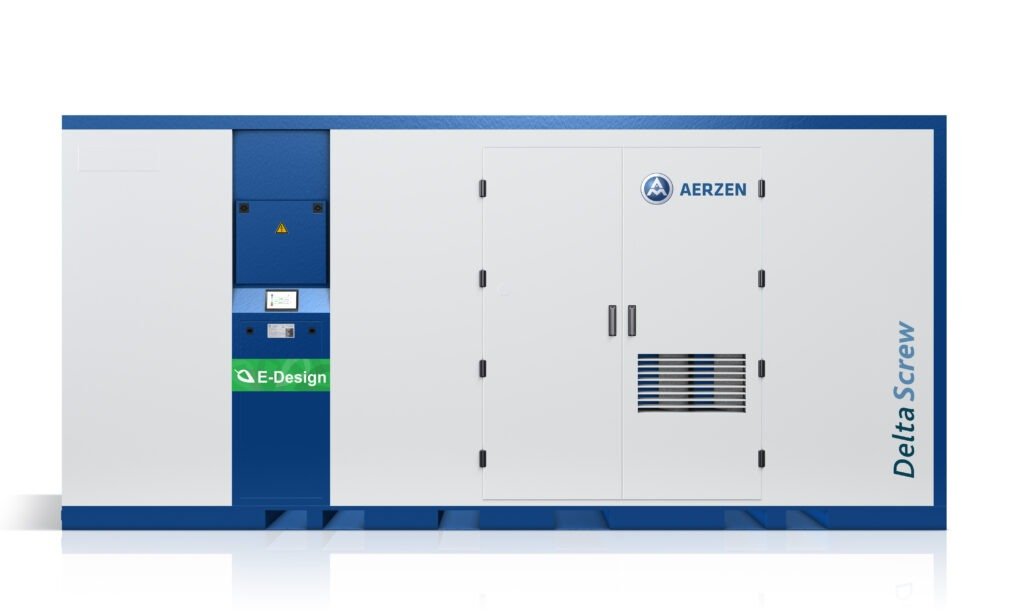
- DVO (Delta Hybrid Screw Blower) — oil-free two-lobe screw, สำหรับ lower pressure applications (0.1–1.5 bar(g))
- BVS (Delta Screw) — oil-free single-stage screw blower, สำหรับ medium pressure
- BVO (Delta Screw) — oil-free screw compressor ที่แรงดันสูงขึ้น
ทุก unit เหล่านี้ไม่มีน้ำมันในห้อง compression ทำให้อากาศที่ออกมาปราศจากน้ำมัน (oil-free at source) ตรง certified ตาม ISO 8573-1 Class 0 ที่ unit outlet
เคส AERZEN: โรงงานผลิตถุงมือ Nitrile ในภาคตะวันออก (ตัวอย่างประกอบ)
บริบท (anonymized): โรงงานผลิตถุงมือ nitrile สำหรับส่งออก EU/US ในเขต EEC ใช้ oil-lubricated screw compressor เดิมพร้อม filtration chain สี่ชั้น เมื่อ auditor จาก EU buyer เข้าตรวจ พบว่า:
ปัญหาที่พบ:
- DP across coalescing filter ที่ 3 ใน 6 station สูงเกิน replacement threshold (แต่ไม่มี alarm)
- Air quality test record ที่ process point ทำล่าสุดเมื่อ 14 เดือนก่อน (ไม่ครบ requirement ที่กำหนดทุก 6 เดือน)
- Total oil content ที่ air knife station วัดได้ 0.043 mg/m³ (เกิน Class 1 ที่กำหนด 0.01 mg/m³)
ผลกระทบ:
- EU buyer ออก corrective action request
- Production line สำหรับ medical grade ต้องหยุด pending corrective action
- Timeline corrective action 90 วัน
โซลูชันที่ใช้ร่วมกับ AERZEN:
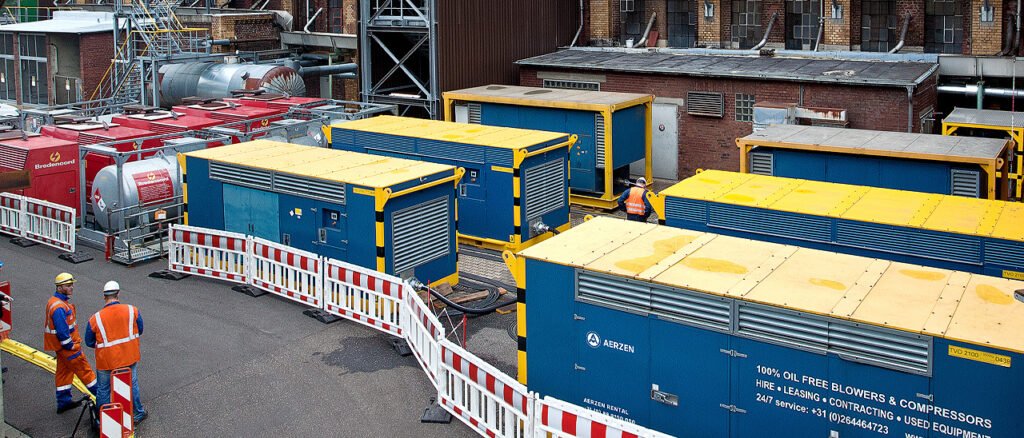
- เช่า AERZEN oil-free unit เป็น emergency rental ภายใน 5 วันทำการ เพื่อรักษา production
- ออกแบบ compressed air system ใหม่ โดยแยก oil-free supply สำหรับ process-contact points ออกจาก utility air
- จัดทำ air quality monitoring protocol พร้อม logging ทุก 6 เดือนตาม ISO 13485
ผลลัพธ์: EU buyer ยืนยัน corrective action สมบูรณ์ภายใน 75 วัน (15 วันก่อน deadline)
แนวทางการออกแบบระบบ Compressed Air สำหรับโรงงาน Medical Grade Glove
- แยก air header — process air (สัมผัสผลิตภัณฑ์) และ utility air (actuator, conveyor ที่ไม่สัมผัส) ออกจากกัน — ใช้ oil-free source สำหรับ process เท่านั้น
- ติดตั้ง DP monitor ที่ทุก filter stage พร้อม alarm ที่ระดับ 2× clean ΔP — ไม่ใช้ calendar-based replacement เพียงอย่างเดียว
- Air quality testing ตาม ISO 8573-7 (particle counting) ที่ process point ทุก 6 เดือน — document ใน QMS
- Qualification ของ air supply system — ทำ IQ/OQ/PQ (Installation/Operational/Performance Qualification) สำหรับ compressed air system เช่นเดียวกับ equipment อื่นในกระบวนการ
- Contingency plan — กำหนดว่าถ้า oil-free compressor breakdown จะมี backup source อะไร เช่น emergency rental agreement กับ AERZEN ที่ guarantee delivery ภายใน 48–72 ชั่วโมง
คำถามที่พบบ่อย (FAQ)
Q1: ถุงมือ nitrile กับ latex ต้องการคุณภาพอากาศต่างกันไหม?
โดยหลักการ requirement เหมือนกันสำหรับ process-contact air เพราะทั้ง natural rubber latex และ nitrile compound ไวต่อ oil contamination ที่ส่งผลต่อ film properties Nitrile อาจมี tolerance ต่างกันเล็กน้อยขึ้นกับ formulation แต่ Class 0 oil ที่ air knife ยังคงเป็น best practice
Q2: ถ้าโรงงานผลิตทั้ง medical และ industrial glove สายเดียวกัน จัดการอย่างไร?
แนะนำให้ใช้ oil-free air ตลอดทั้งสาย แม้ industrial glove จะไม่ required ISO Class 0 เพราะการสลับ air source ตาม production run มี risk ของ cross-contamination และทำให้ QMS ซับซ้อนโดยไม่จำเป็น
Q3: อุณหภูมิ dew point สำคัญแค่ไหนสำหรับ latex process?
สำคัญมาก ความชื้นที่ควบแน่นใน air line จะ carry over เข้ากระบวนการ สำหรับ air knife ที่ dew point สูงเกินไปอาจทำให้เกิดหยดน้ำเล็ก ๆ บนพื้นผิว latex ที่ยังเปียก ทำให้เกิด defect ในฟิล์ม ระบบ air dryer ที่ maintain PDP ≤ -40°C ที่ process pressure เป็น standard requirement สำหรับ medical grade
Q4: Instrument air สำหรับ control valve ต้องเป็น oil-free ด้วยไหม?
ถ้า instrument air ไม่สัมผัสผลิตภัณฑ์โดยตรง อาจใช้ Class 1 oil แทน Class 0 ได้ แต่ต้องมั่นใจว่า control valve actuator air ไม่มีทาง leak เข้าไปใน process stream ถ้าไม่แน่ใจ การใช้ oil-free source สำหรับ instrument air ด้วยเป็น safest approach
Q5: AERZEN มี rental unit ที่เหมาะกับ latex glove production capacity เฉลี่ยไหม?
AERZEN มี range ของ oil-free blower และ compressor ตั้งแต่ขนาด 2,500 Nm³/h จนถึงหลัก 10,000+ Nm³/h ซึ่งครอบคลุม production capacity ของโรงงานถุงมือ medical grade ส่วนใหญ่ในไทย สามารถส่งข้อมูล production capacity และ air demand ให้ทีม AERZEN คำนวณ unit ที่เหมาะสมได้
ขั้นตอนถัดไป
คุณภาพอากาศในการผลิตถุงมือ medical grade ไม่ใช่แค่เรื่อง compliance — มันคือการรักษา certification ที่ใช้เวลาและทรัพยากรสูงในการสร้าง การใช้ oil-free air ตั้งแต่ source ลดความเสี่ยงที่ upstream filtration จะล้มเหลวอย่างเงียบ ๆ
ติดต่อทีม AERZEN เพื่อขอคำปรึกษาเรื่อง oil-free air system สำหรับการผลิต medical-grade glove หรือขอข้อมูล emergency rental สำหรับ backup contingency:
AERZEN Rental Thailand
- โทร (ออฟฟิศ): 038-015-488
- สายด่วน 24/7: 098-323-2626
- อีเมล: thai@aerzenrental.com
- เว็บไซต์: www.aerzenrentalth.com
Rent a solution. Expect performance.
แหล่งอ้างอิง
- ISO 8573-1:2010 Compressed air — Part 1: Contaminants and purity classes. International Organization for Standardization. Available at: https://www.iso.org/ (verified 2026-05-08)
- ISO 13485:2016 Medical devices — Quality management systems — Requirements for regulatory purposes. International Organization for Standardization. Available at: https://www.iso.org/ (verified 2026-05-08)

✍️ เกี่ยวกับผู้เขียน
ภราดร วรรณสังข์ (Paradorn Wannasung)
Marketing Communication Specialist · นิเทศศาสตรมหาบัณฑิต (การสื่อสารการตลาดและแบรนด์)
ภราดร (Paradorn) เป็นผู้ดูแลด้านการสื่อสารการตลาดของ AERZEN Rental Thailand จบนิเทศศาสตรมหาบัณฑิต (การสื่อสารการตลาดและแบรนด์) เชี่ยวชาญด้านอุตสาหกรรม B2B ในประเทศไทย มีประสบการณ์การสร้างแบรนด์และคอนเทนต์ในกลุ่มอุตสาหกรรมของไทย
ติดต่อ: pwa@aerzenrental.com · LinkedIn
บทความที่เกี่ยวข้อง
สเปก Compressed Air สำหรับกี่ Air-Jet Loom — ความดัน, Dew Point, Oil-Free
สเปคีฟิเคชัน compres...
อ่านต่อ →
อากาศอัดปลอดน้ำมัน ISO 8573-1 Class 0 สำหรับโรงงานอิเล็กทรอนิกส์และเซมิคอนดักเตอร์
คู่มือ Clean Dry Air...
อ่านต่อ →
ESD-Sensitive Assembly Line: ความเสี่ยงจาก Oil Contamination และการเลือก Oil-Free Air
TL;DR สายการผลิต ESD...
อ่านต่อ →
Subscription Plan Blower Compressor FAQ — 15 คำถามพบบ่อยจากโรงงานอุตสาหกรรมไทย
Subscription Plan Bl...
อ่านต่อ →หัวข้อหลัก: อากาศอัดสำหรับปิโตรเคมีและพลังงาน