Blower Room Cooling ในสภาพอากาศร้อนของไทย:
เปรียบ Air-Cooled, Water-Cooled และ Chiller — ROI Guide และการชดเชย Derating
- อุณหภูมิแวดล้อมเกิน 38°C ทำให้ BVO และ DVO สูญเสียกำลังส่งลมจริงได้ถึง 5–12% เทียบกับค่า Rated Capacity ที่ ISO 1217 อ้างอิงที่ 20°C — วิศวกรต้องนับ Derating Factor ทุกครั้งก่อนเลือกขนาดเครื่อง
- ตัวเลือกการระบายความร้อน blower room มี 3 ทาง: air-cooled skid (ต้นทุนต่ำ, ใช้งานง่าย), closed-loop water cooler (สมดุลระหว่าง CAPEX กับประสิทธิภาพ), และ chiller (ควบคุมอุณหภูมิแม่นยำ แต่ OPEX สูง) — แต่ละทางเหมาะกับโหลดและงบประมาณต่างกัน
- การเช่าเครื่อง AERZEN พร้อม Upsizing 1 ขนาด เป็นกลยุทธ์ที่คุ้มค่ากว่าการติดตั้งระบบ chiller เต็มรูปแบบสำหรับงานระยะสั้นหรือ seasonal peak ในสภาพอากาศร้อนของไทย
ทุกโรงงานในไทยเผชิญกับความท้าทายเดียวกัน: blower หรือ compressor ที่ผลิตในยุโรปถูก rate ที่ 20°C / 1 bar abs
ตาม ISO 1217:2009
แต่ห้อง blower ในนิคมอุตสาหกรรม EEC ช่วง เมษายน–พฤษภาคม อาจร้อนถึง 38–42°C
ความแตกต่าง 18–22°C นั้นไม่ได้แค่ทำให้เครื่องร้อน — มันลดกำลังส่งลมจริงอย่างวัดได้และควรคำนวณไว้ตั้งแต่ขั้นตอน Sizing
บทความนี้เจาะลึกสามสิ่งที่วิศวกร Process และ Utility ต้องรู้: (1) ปริมาณ Derating จริงที่ BVO และ DVO ของ AERZEN
สูญเสียไปในสภาพอากาศร้อนชื้นของไทย, (2) การเปรียบเทียบเชิงวิศวกรรมและ ROI ของ 3 วิธี Cooling Infrastructure
สำหรับ blower room, และ (3) กลยุทธ์ Rental Upsizing ที่ใช้งานได้จริงเมื่อไม่มี Budget สำหรับระบบ Cooling เต็มรูปแบบ
ช่องว่างระหว่าง ISO Test Condition (20°C) กับ Peak Ambient ในไทย (40°C)
Estimated capacity shortfall ที่ Ambient 38–42°C เทียบกับ Nameplate
ตัวเลือก Cooling Infrastructure: Air-Cooled · Water-Cooled · Chiller
Rental Upsizing = วิธีชดเชย Derating โดยไม่ใช้ CAPEX ด้าน Cooling
1. ทำไมอุณหภูมิสูงถึงลดกำลังส่งลม — Physics ของ Derating
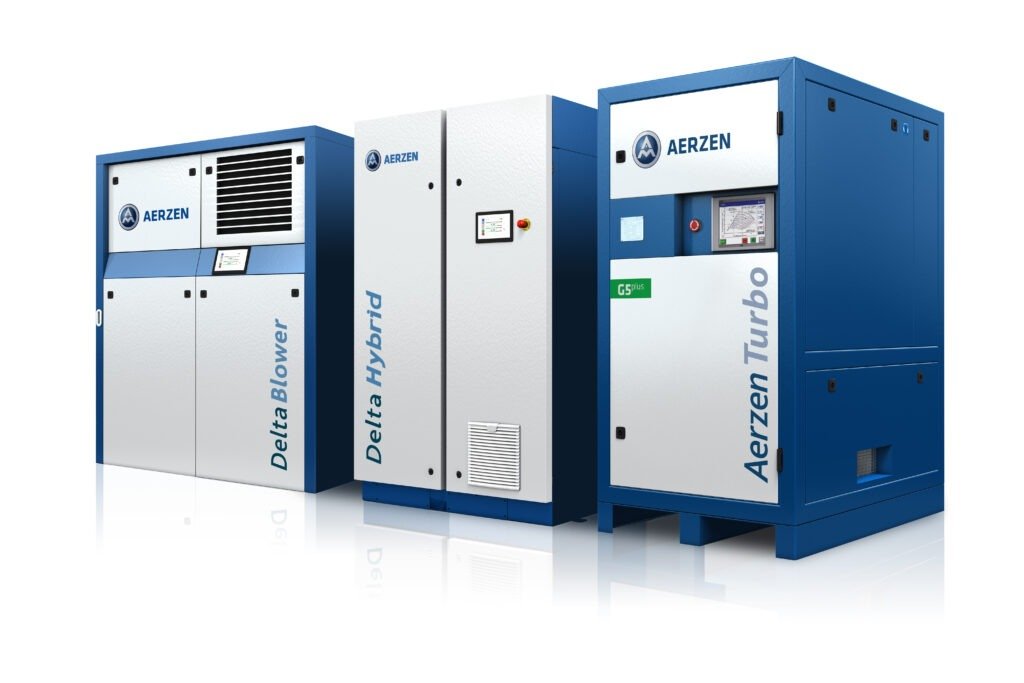
Blower ทุกประเภท ไม่ว่าจะเป็น Roots-type BVO, Delta Screw BVS หรือ Delta Hybrid DVO ล้วนส่งลม
ในเชิงปริมาตร (volumetric flow, m³/min หรือ Nm³/h) แต่สิ่งที่โรงงานต้องการคือ มวลอากาศ
(mass flow, kg/h) ไม่ใช่แค่ปริมาตร อากาศร้อนมีความหนาแน่นต่ำกว่าอากาศเย็น ตามกฎแก๊สอุดมคติ (Ideal Gas Law):
ρ = P / (Rspecific × T)
→
ρ40°C / ρ20°C = (273.15 + 20) / (273.15 + 40) ≈ 0.936
ดังนั้น ที่ Ambient 40°C ความหนาแน่นของอากาศลดลงประมาณ 6.4% เทียบกับ 20°C หมายความว่า
แม้ blower ส่งปริมาตรเท่าเดิม แต่มวลอากาศที่ได้รับน้อยลงในสัดส่วนนั้น
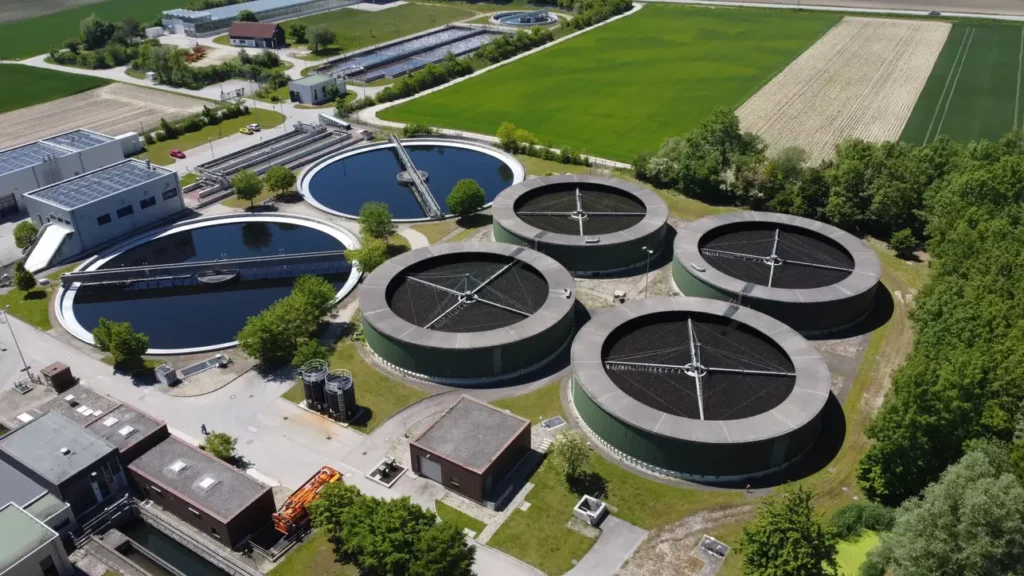
สำหรับกระบวนการที่ต้องการ mass flow เช่น การเติมอากาศในบ่อบำบัดน้ำเสีย (aeration)
หรือ pneumatic conveying ที่อาศัยแรงเสียดทานของอนุภาค ผลกระทบนี้วัดได้ชัดเจน
นอกจากความหนาแน่นของอากาศขาเข้าที่ลดลงแล้ว ยังมีปัจจัยทางอ้อมอีกสองตัว:
- น้ำมันหล่อลื่นหนืดน้อยลง — ที่อุณหภูมิสูง viscosity ของน้ำมันลดลง ส่งผลต่อประสิทธิภาพซีลในกรณี oil-injected; สำหรับ oil-free อย่าง DVO และ BVO ผลกระทบนี้ต่ำกว่าแต่ยังมีอยู่ในระบบ gear หรือ bearing lubrication
- Temperature rise ของอากาศอัด — อากาศขาเข้าที่ร้อนกว่าจะอัดตัวถึงอุณหภูมิสูงกว่าเดิม ทำให้ stage efficiency ลดลงและ inter-cooling ต้องทำงานหนักขึ้นในเครื่องหลายสเตจ
- Motor winding temperature — อุณหภูมิแวดล้อมสูงส่งผลต่อ motor de-rating ตามมาตรฐาน NEMA MG-1 และ IEC 60034 (Class F/H insulation มี margin แต่ไม่จำกัด)
ควรใช้อุณหภูมิอ้างอิงที่ 35°C เป็น base case และ 40°C เป็น worst-case (April–May peak)
ไม่ใช่ 20°C ของ ISO nameplate — แนวทางนี้สอดคล้องกับข้อมูลอุณหภูมิเฉลี่ยจาก
กรมอุตุนิยมวิทยา (TMD)
ที่บันทึก Peak Daily Temperature ในภาคตะวันออกสูงถึง 39.5–41.2°C ในช่วงเดือนเมษายน
2. ตัวเลข Derating จริง: BVO และ DVO ที่อุณหภูมิ 35–42°C
ตารางด้านล่างแสดง Estimated Capacity Correction Factor สำหรับ
AERZEN BVO (Roots Blower)
และ DVO (Delta Hybrid)
โดยประมาณการจาก ISO 1217 Annex E correction methodology และ CAGI data sheet framework
ทีม Application Engineering ของ AERZEN ใช้ตัวเลขเหล่านี้เป็น reference ในการ size unit สำหรับลูกค้าในไทย1
| Ambient Temp (°C) | Approx Air Density Ratio vs 20°C | Volumetric Flow Preserved | Effective Mass Flow (% of nameplate) | Practical Derating Rangea |
|---|---|---|---|---|
| 20°C (ISO Reference) | 1.000 | 100% | 100% | 0% |
| 28°C (Thai mild season) | 0.973 | 100% | 97.3% | ~2.7% |
| 33°C (Bangkok annual avg) | 0.955 | 100% | 95.5% | ~4.5% |
| 38°C (EEC hot season) | 0.936 | 100% | 93.6% | ~5–7% totalb |
| 40°C (April/May peak) | 0.929 | 100% | 92.9% | ~7–9% totalb |
| 42°C (worst-case enclosed room) | 0.922 | 100% | 92.2% | ~9–12% totalb |
a Volumetric flow ของ Roots/Screw blower เป็น positive displacement — ปริมาตรต่อรอบคงที่ แต่ mass flow ลดตามความหนาแน่น.
b “Total derating” รวมผลของ inlet air density + motor thermal margin + lubricant efficiency; ขึ้นอยู่กับรุ่นและ ventilation ของ blower room.
สอบถาม specification จริงของแต่ละรุ่นกับทีมวิศวกรรมของ AERZEN Rental Thailand
ตัวเลขสำคัญที่ควรจำ: ที่ 40°C ในห้อง blower ที่ระบายอากาศไม่เพียงพอ คุณอาจสูญเสีย
Effective Capacity ไปมากถึง 7–9% ของ nameplate สำหรับเครื่องขนาด 110 kW ที่ส่งลม 200 m³/min
นั่นหมายถึงลม ~14–18 m³/min ที่หายไป ซึ่งอาจส่งผลกระทบต่อกระบวนการที่ใช้งาน buffer น้อย
เช่น aeration ในบ่อ Activated Sludge ที่ต้องการ dissolved oxygen (DO) แม่นยำ
“การ size blower ตาม ISO nameplate โดยไม่คำนึงถึง site ambient คือความผิดพลาดที่พบบ่อยมากในการออกแบบ utility system ในไทย
วิศวกรมักพบว่าเครื่องทำงานหนักตลอดเวลาในฤดูร้อนและต้องเพิ่มเครื่องสำรองเมื่อ peak demand มาถึง”
— AERZEN Application Engineering Reference, Thailand Site Survey Findings (internal benchmark, anonymized)
3. ตัวเลือก Blower Room Cooling ในสภาพอากาศไทย: เปรียบเทียบ 3 วิธี
เมื่อทราบขนาดของ Derating แล้ว คำถามต่อมาคือจะจัดการกับมันอย่างไร วิธีที่ถูกกว่าและตรงไปตรงมากว่า
การ upsizing (ดูหัวข้อ 5) คือการควบคุมอุณหภูมิใน blower room เอง ซึ่งมี 3 approach หลักดังนี้
3.1 Air-Cooled Skid — การระบายความร้อนด้วยลม
แนวทางพื้นฐาน: ออกแบบ blower skid ให้มี fan-forced cooling บน heat exchanger ภายใน
หรือติดตั้ง louver + exhaust fan ใน blower room เพื่อให้อากาศร้อนไหลออกได้
โดยอาศัยอากาศภายนอก (ambient air) เป็น heat sink ทำให้ประสิทธิภาพขึ้นอยู่กับอุณหภูมิแวดล้อมโดยตรง
- ข้อดี: CAPEX ต่ำ, ติดตั้งง่าย, ไม่ต้องการระบบ water/chilled water supply
- ข้อจำกัด: ที่ ambient สูง (≥38°C) ประสิทธิภาพลดลงตามอุณหภูมิ — ไม่สามารถ “ลด” อุณหภูมิ intake ให้ต่ำกว่า ambient ได้ จึงไม่แก้ปัญหา derating ในช่วง peak summer
- เหมาะกับ: โรงงานในพื้นที่มีลมระบาย, งานที่ Derating 3–5% ยังยอมรับได้ตามกระบวนการ, location ที่ไม่มี water supply
3.2 Closed-Loop Water Cooler — การระบายความร้อนด้วยน้ำในระบบปิด
ระบบ closed-loop ใช้ water-cooled heat exchanger บนตัวเครื่อง โดยน้ำหล่อเย็นในระบบปิดวนซ้ำผ่าน
dry cooler หรือ evaporative cooler ภายนอกอาคาร ทำให้ coolant temperature อยู่ที่ประมาณ 30–35°C
แม้ ambient จะสูงถึง 40°C (อาศัยการระบาย latent heat ผ่าน evaporation)
- ข้อดี: ลดอุณหภูมิ coolant ให้ต่ำกว่า ambient ได้ 5–8°C ด้วย evaporative cooling, ไม่ต้องการ chiller compressor, OPEX ต่ำกว่า chiller ระหว่าง 40–60%
- ข้อจำกัด: ต้องการ water makeup สำหรับ evaporation (ประมาณ 3–5% ของ circulation rate), water quality management, ประสิทธิภาพลดลงที่ humidity สูงมาก (>90% RH) เนื่องจาก wet-bulb temperature สูงขึ้น
- เหมาะกับ: โรงงานที่มี cooling tower หรือ water supply พร้อม, งานที่ต้องการลด Derating 50–70% อย่างประหยัดค่าไฟ
3.3 Chiller System — การระบายความร้อนด้วยระบบทำความเย็น
การใช้ chiller (vapor-compression refrigeration) เพื่อผลิต chilled water ที่ 7–12°C
แล้วป้อนเข้า water-cooled heat exchanger บน blower ทำให้ inlet air temperature
หรือ coolant temperature คงที่โดยไม่ขึ้นกับ ambient เลย
เป็น approach เดียวที่สามารถ override ผลกระทบของ ambient temperature ได้อย่างสมบูรณ์
- ข้อดี: Inlet / coolant temperature คงที่ตลอดทั้งปี, แก้ปัญหา derating ได้อย่างสมบูรณ์, เหมาะกับกระบวนการที่ tolerance ต่อ capacity variation แคบ
- ข้อจำกัด: CAPEX สูง (chiller unit + piping + electrical), OPEX ค่าไฟเพิ่มขึ้น 30–60% เทียบกับ air-cooled, ต้องการ maintenance program ของ chiller system เพิ่มเติม
- เหมาะกับ: โรงงานที่มี District Cooling หรือ process chiller อยู่แล้ว, งานที่ process tolerance ต่อ flow variation คับแคบ เช่น precision fermentation, semiconductor process cooling
4. ROI Comparison: เมื่อไรแต่ละตัวเลือกถึงคุ้มค่า
การเลือก cooling strategy ไม่ใช่แค่เทคนิค — เป็นการตัดสินใจด้าน economics ตารางด้านล่างแสดง
framework เปรียบเทียบเชิงปริมาณสำหรับ blower room ขนาดกลาง (150–300 kW motor load รวม)
ในสภาพอากาศ EEC โดยใช้ peak ambient 40°C 4 เดือน/ปี (มีนาคม–มิถุนายน)
| ปัจจัย | Air-Cooled Skid | Closed-Loop Water Cooler | Chiller System |
|---|---|---|---|
| Estimated CAPEX Incrementc | ต่ำ (baseline) | กลาง (+15–30% vs air-cooled) | สูง (+80–150% vs air-cooled) |
| Annual OPEX (energy) | ต่ำ (fan only) | กลาง (pump + makeup water + fan) | สูง (chiller compressor = dominant load) |
| Residual Derating @ 40°C ambient | ~7–9% (ไม่บรรเทา) | ~3–5% (บรรเทาบางส่วน) | ~0–1% (บรรเทาเกือบสมบูรณ์) |
| Payback Period (vs ไม่ทำอะไร) | N/A — base | 3–5 ปี (ขึ้นอยู่กับ capacity value) | 6–10+ ปี (ขึ้นอยู่กับ process criticality) |
| Maintenance Complexity | ต่ำ | ปานกลาง (water treatment) | สูง (refrigeration system) |
| เหมาะกับการเช่าระยะสั้น | ใช่ (มาพร้อม rental skid) | ปานกลาง (ต้องการ water connection) | ไม่ (CAPEX สูงเกินสำหรับ rental) |
| Process Criticality ที่เหมาะสม | ต่ำ–ปานกลาง (±5% tolerance OK) | ปานกลาง (±3% tolerance) | สูงมาก (±1% tolerance) |
c ตัวเลข CAPEX/OPEX เป็น relative framework เพื่อการเปรียบเทียบโครงสร้าง ไม่ใช่ราคาเสนอ
สำหรับการประเมินต้นทุนจริงสำหรับโครงการของคุณ ติดต่อทีมวิศวกรรม AERZEN Rental Thailand
หากกระบวนการของคุณมี batch cycle ที่ไม่สามารถยอมรับ capacity swing แม้เพียง 3–4%
เช่น precision fermentation, certain wastewater nutrient removal (denitrification phase timing),
หรือ pneumatic conveying ของวัสดุที่ flow velocity มี operating window แคบ — chiller
อาจเป็นตัวเลือกที่ถูกต้องแม้ payback period ยาว
แต่สำหรับ aeration ทั่วไป, conveying แบบ dilute phase, หรือ instrument air
— water-cooled หรือ rental upsizing มักให้ ROI ดีกว่า
5. Rental Upsizing: กลยุทธ์ชดเชย Derating โดยไม่ลงทุน Cooling Infrastructure
สำหรับโรงงานที่เช่าเครื่องจาก AERZEN Rental Thailand หรือกำลังพิจารณา Subscription Plan
มีทางเลือกที่ตรงไปตรงมากว่าการลงทุนระบบ cooling: Upsizing 1 model size
Logic ง่ายๆ: แทนที่จะ size unit ตาม nominal demand แล้วค่อย build cooling infrastructure
เพื่อรักษา full capacity — เช่า unit ที่ขนาดใหญ่กว่า 1 ระดับ ซึ่ง rated capacity
ที่อุณหภูมิ 40°C ยังคงเกินความต้องการจริง ไม่ว่า ambient จะอยู่ที่ระดับใดในช่วงปีนั้น
ตัวอย่างการคำนวณ Upsizing
สมมติโรงงาน wastewater treatment ต้องการ 150 Nm³/min ที่ 0.5 bar(g) ตลอดทั้งปี
วิศวกรเลือก BVO ที่ rated 165 Nm³/min @ 20°C (margin 10%)
แต่ที่ 40°C ambient ตัวเครื่องส่งได้จริงประมาณ 153–155 Nm³/min — margin เหลือเพียง 2–3%
ซึ่งหมายความว่า peak summer ด้วย surge demand + derating พร้อมกัน อาจขาดลม
- ทางเลือก A — ติดตั้ง Closed-Loop Water Cooler: CAPEX เพิ่ม, commissioning time 3–4 สัปดาห์, ต้องการ water infrastructure
- ทางเลือก B — Rental Upsizing 1 Size: เช่า BVO รุ่น rated 185–200 Nm³/min @ 20°C แทน — ที่ 40°C ยังส่งได้ 172–185 Nm³/min, margin ≥15% ตลอดปี ไม่ต้องการ cooling infrastructure เพิ่ม
| ปัจจัย | Cooling Infrastructure (Water Cooler) | Rental Upsizing (1 Size Up) |
|---|---|---|
| Time-to-operational | 3–6 สัปดาห์ (civil + piping + commissioning) | 24–72 ชั่วโมง (AERZEN 24h mobilization SLA) |
| CAPEX required | สูง (infrastructure permanent) | ไม่มี (รวมอยู่ใน rental rate) |
| ความยืดหยุ่น | ต่ำ (infrastructure fixed) | สูง (ปรับลดได้หลัง peak season) |
| Maintenance รับผิดชอบ | ลูกค้า (cooling system + blower) | AERZEN ทั้งหมด (All-Inclusive Rental) |
| เหมาะกับงาน | Permanent installation, process ที่ tolerance แคบ | Rental, seasonal peak, emergency, project-based |
หาก load profile ของกระบวนการมี turndown ratio กว้าง (เช่น 30–100% variable)
การ upsize unit อาจทำให้เครื่องทำงานต่ำกว่า surge margin ในช่วง part-load
ซึ่งเป็นปัญหาสำหรับ centrifugal type (Aerzen Turbo AT) มากกว่า positive displacement (BVO/BVS/DVO)
ปรึกษาทีม Application Engineering ก่อน size ขนาดใหม่เสมอ
สำหรับมุมมองที่กว้างขึ้นเกี่ยวกับผลกระทบของสภาพอากาศร้อนชื้นต่อระบบอากาศอัด —
รวมถึงการจัดการ humidity ที่ inlet, pressure dew point, และ filtration — ดูบทความ pillar:
อากาศอัดในสภาพอากาศร้อนชื้นของไทย: Inlet Conditions, ความชื้น และ Pressure Dew Point
.
และสำหรับหลักการ Derating ทั่วไปตาม ISO 1217 ทั้งในมิติ altitude และ temperature พร้อม correction factor table ครบชุด ดูได้ที่
การปรับสมรรถนะตามระดับความสูงและอุณหภูมิสำหรับ Blower และ Compressor
.
6. FAQ — คำถามจากวิศวกรในสนาม
BVO vs DVO — ตัวไหน sensitive ต่ออุณหภูมิสูงกว่ากัน?
ทั้งสองเป็น positive displacement blower ที่มีหลักการ derating ตาม air density เหมือนกัน
ความแตกต่างหลักอยู่ที่ internal efficiency และ heat generation ต่อ stage:
- BVO (Roots blower): compression process เป็นแบบ “back-flow” — อากาศถูก compressed by back-pressure ไม่ใช่ internal compression ทำให้ temperature rise สูงกว่า screw type ที่ pressure differential เดียวกัน
- DVO (Delta Hybrid): มี internal compression ทำให้ temperature rise น้อยกว่าต่อ unit of pressure ratio — sensitive ต่อ ambient temperature น้อยกว่าในเชิง thermal stress แต่ derating ตาม air density ยังคงมีในสัดส่วนเดียวกัน
สรุป: สำหรับ derating คำนวณ เหมือนกัน สำหรับ thermal stress management — DVO ทนร้อนได้ดีกว่า BVO
ห้อง blower ที่ปรับอากาศด้วย split unit ธรรมดา ช่วย Derating ได้ไหม?
ช่วยได้บางส่วน แต่มีข้อจำกัดสำคัญ: blower 110 kW หนึ่งตัวปล่อยความร้อนออกมาประมาณ
80–100 kW ของ heat rejection (motor + compression inefficiency) เข้าสู่ห้อง
Split unit ที่มี cooling capacity เพียง 10–20 kW จะแพ้ heat load ของเครื่องชัดเจน
ทำให้ห้องยังร้อน เพียงแต่ร้อนช้าลง
หากใช้ split unit ต้องคำนวณ cooling load ให้ครอบคลุม full heat rejection
ของเครื่อง (คำนวณจาก shaft power × (1 – isothermal efficiency)) ซึ่งมักต้องใช้
chiller หรือ precision air conditioning unit ขนาดเทียบเคียงกับ motor power
Subscription Plan ของ AERZEN รองรับ Upsizing ระหว่างสัญญาได้ไหม?
AERZEN Rental Thailand ออกแบบ
Subscription Plan
ให้รองรับ flexibility ในการปรับขนาดเครื่องตาม operational need ของลูกค้า
สำหรับ peak season upsizing สามารถหารือเงื่อนไขกับทีมได้ตั้งแต่ขั้นตอนทำสัญญา
ติดต่อ 098-323-2626 หรือ
thai@aerzenrental.com
เพื่อรับการประเมิน load profile และ cooling strategy สำหรับโครงการของคุณ
ถ้า blower room อยู่ outdoor (open-air) Derating ยังมีอยู่ไหม?
ใช่ — derating จาก air density ยังมีอยู่เพราะขึ้นอยู่กับ ambient temperature โดยตรง
ไม่ขึ้นอยู่กับว่าเครื่องอยู่ใน room หรือไม่
สิ่งที่ ambient installation ช่วยได้คือ motor cooling — อากาศไหลเวียนได้ดีขึ้นทำให้
motor winding temperature ต่ำกว่าการติดตั้งในห้องปิด ซึ่งลด thermal derating component
แต่ air density derating ยังเต็มอยู่ตาม ambient temperature
ข้อควรระวังเพิ่มเติมของ outdoor installation ในไทย: ความชื้นสูงและฝนตรง
ต้องการ IP rating ที่เหมาะสม และ inlet filter ต้องรองรับ humidity surge —
ดูรายละเอียดใน
บทความ Inlet Management ในสภาพอากาศร้อนชื้น
Derating มีผลต่อ ISO 8573-1 Class 0 certification ของอากาศอัดหรือไม่?
ไม่ — Class 0 ของ ISO 8573-1:2010 เป็น specification ของ ความบริสุทธิ์ของอากาศ
(oil aerosol, particle, water content) ไม่ใช่ capacity specification
AERZEN BVO และ DVO ยังคงส่ง Class 0 oil-free air แม้ที่ capacity ที่ลดลงจาก derating
เพราะ oil-free design ไม่ใช้น้ำมันในกระบวนการ compression เลย ไม่ว่าอุณหภูมิจะเป็นเท่าไร
Class 0 (zero detected oil) ยังคงได้รับการรับรองจาก TÜV Rheinland สำหรับ series เหล่านี้
สิ่งที่เปลี่ยนแปลงตาม temperature คือ capacity — ไม่ใช่ quality
ปรึกษา Cooling Strategy และ Sizing สำหรับสภาพอากาศไทย
ทีม Application Engineering ของ AERZEN Rental Thailand พร้อมประเมิน Derating Factor
สำหรับ site condition ของคุณ และเสนอ Rental + Upsizing Strategy ที่คุ้มค่า
— ไม่มีค่าใช้จ่ายในการประเมินเบื้องต้น
“Rent a solution. Expect performance.” — AERZEN Rental Thailand
· 36/60 Phlu Ta Luang, Sattahip District, Chon Buri 20180
Last technical review: 2026-06-03 · อ้างอิง: ISO 1217:2009, ASHRAE Fundamentals 2021,
TMD climate data, AERZEN BVO/DVO product specifications
-
AERZEN Application Engineering Reference — Thailand Site Survey Findings (internal benchmark, anonymized composite of EEC site data, not attributable to a single installation).
Correction methodology follows ISO 1217:2009 Annex E (Inlet conditions correction for compressors and blowers). -
ASHRAE Fundamentals Handbook 2021, Chapter 1 — Psychrometrics.
Air density calculation reference: ρ = Pabs / (Rdry × Tabs)
where Rdry = 287.058 J/(kg·K). -
กรมอุตุนิยมวิทยา (Thai Meteorological Department) — สถิติอุณหภูมิภาคตะวันออก (Chonburi/Rayong stations).
Peak daily temperature data, April 2020–2024 average.
tmd.go.th -
CAGI (Compressed Air and Gas Institute) — Data Sheet Standards for Positive Displacement Blowers.
Performance rating methodology at reference conditions.
cagi.org

✍️ เกี่ยวกับผู้เขียน
ภราดร วรรณสังข์ (Paradorn Wannasung)
Marketing Communication Specialist · นิเทศศาสตรมหาบัณฑิต (การสื่อสารการตลาดและแบรนด์)
ภราดร (Paradorn) เป็นผู้ดูแลด้านการสื่อสารการตลาดของ AERZEN Rental Thailand จบนิเทศศาสตรมหาบัณฑิต (การสื่อสารการตลาดและแบรนด์) เชี่ยวชาญด้านอุตสาหกรรม B2B ในประเทศไทย มีประสบการณ์การสร้างแบรนด์และคอนเทนต์ในกลุ่มอุตสาหกรรมของไทย
ติดต่อ: pwa@aerzenrental.com · LinkedIn
บทความที่เกี่ยวข้อง
Roots Blower vs Screw Blower — คู่มือฉบับวิศวกรสำหรับเลือกเทคโนโลยีที่ใช่
เปรียบเทียบ Roots Bl...
อ่านต่อ →