การ Surge และ Stall ในเครื่องเป่าลมแบบ Centrifugal — แผนที่เสถียรภาพและวิธีป้องกัน
- Surge เกิดเมื่อ flow rate ต่ำกว่าจุด minimum stable flow — impeller หยุดส่ง head, ความดันพังทลาย, กระแสลมไหลย้อน ซ้ำเป็นรอบ ภายในไม่กี่นาทีทำลาย bearing และ seal
- Stability map (performance map) แสดง surge line บน head-vs-flow plot — operating point ต้องอยู่ทางขวาของเส้นนี้เสมอ โดยมี surge margin 10–15%
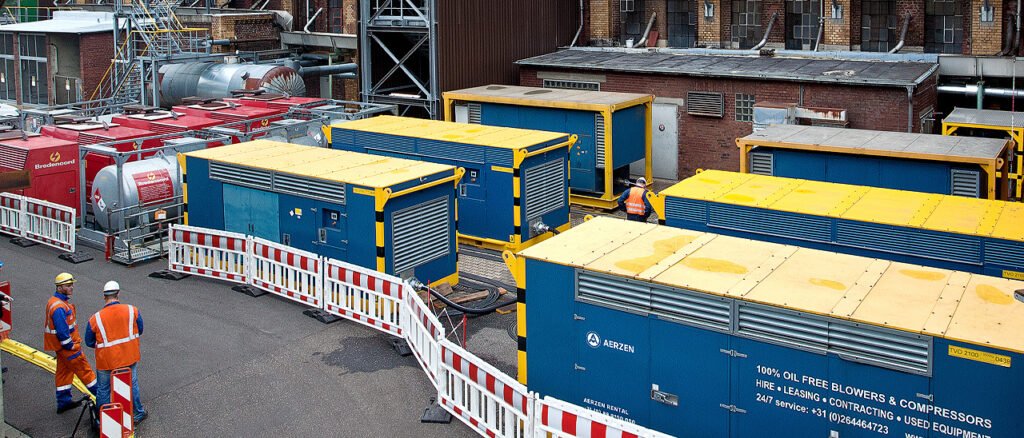
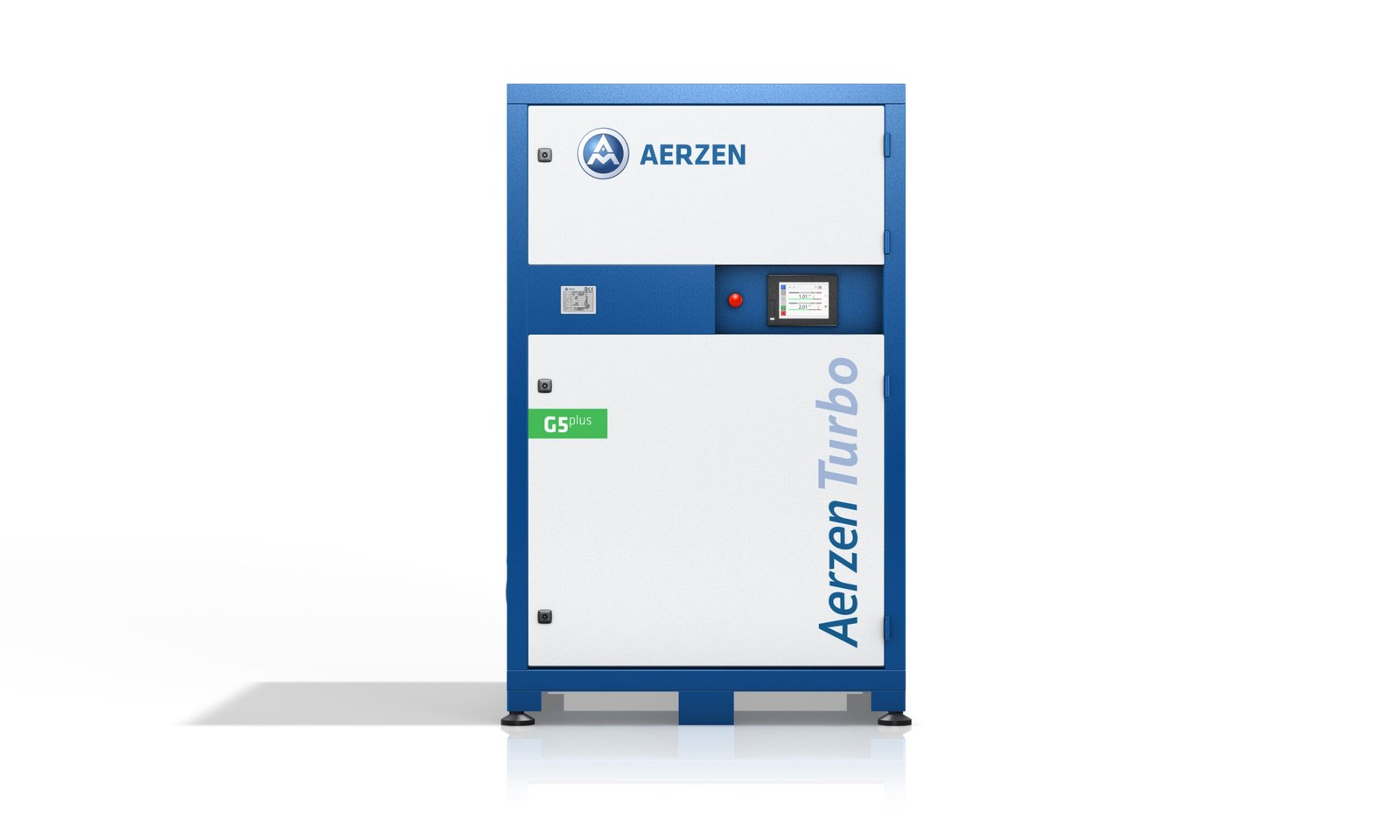
- AerzenTurbo AT มี built-in anti-surge algorithm + AERConnect remote monitoring — rental unit พร้อมใช้งานพร้อม safety logic ล่วงหน้า ลดภาระ commissioning ของวิศวกร
Surge ในเครื่องเป่าลม centrifugal คือภาวะที่อัตราการไหลลดลงต่ำกว่า minimum stable flow — impeller สูญเสียความสามารถในการส่ง head, ความดันพังทลายทันที และกระแสลมไหลย้อนกลับเป็นรอบซ้ำ เรียกว่า surge cycle แรงกระแทกจากการไหลย้อนทำลาย bearing, seal, และ impeller ได้ในเวลาไม่กี่นาที การป้องกันต้องอาศัยการออกแบบ surge margin ≥ 10–15% ร่วมกับระบบควบคุม anti-surge (recirculation valve, IGV, หรือ VSD) — โดยต้องอ่าน stability map ให้ชัดก่อนเดินเครื่องทุกครั้ง
Surge คืออะไร — กลไกระดับ Impeller
AERZEN พัฒนา centrifugal blower มาตั้งแต่ยุคก่อตั้งในปี 1864 — และหนึ่งในบทเรียนที่วิศวกรเรียนรู้มาตลอด 160 ปีคือ: centrifugal machine ทุกตัว ไม่ว่าจะขนาดเล็กหรือขนาดใหญ่ มีขีดจำกัดการไหลต่ำสุดที่เครื่องยังทำงานได้เสถียร เรียกว่า minimum stable flow (MSF)
เมื่อ process ดึงลมน้อยลงจนต่ำกว่า MSF จะเกิดกลไก 3 ขั้นตอนที่เรียกรวมว่า surge:
- Flow separation — ชั้น boundary layer ที่ blade ของ impeller แยกตัวออก ทำให้แรงยก (head) ลดลงอย่างกะทันหัน
- Pressure collapse — ความดันที่ discharge ตกลงต่ำกว่าความดันใน downstream system ทันที สร้างแรงดันผิดทาง
- Flow reversal — กระแสลมไหลย้อนกลับผ่าน impeller รุนแรง จากนั้น pressure ใน casing ลดลงอีกครั้ง impeller ดึง flow กลับมาได้ชั่วคราว แล้ววนซ้ำ — นี่คือ surge cycle
Surge cycle ที่ความถี่ 1–5 Hz สร้างแรงกระแทกต่อ bearing และ seal ซ้ำหลายสิบครั้งต่อนาที การศึกษาจาก ASME Turbo Expo บันทึกว่าเครื่องที่ไม่มีการป้องกันสามารถเกิดความเสียหายถาวรได้ภายใน 2–5 นาทีหลังเข้าสู่ deep surge1
Rotating Stall — สัญญาณเตือนก่อน Surge
ก่อนที่ surge เต็มรูปแบบจะเกิดขึ้น มักมีสภาวะเปลี่ยนผ่านที่เรียกว่า rotating stall หรือ stall cell — โซนที่ flow separation เกิดขึ้นใน blade passage บางจุดก่อน แต่ไม่ทั่วทั้ง impeller แรงเหวี่ยงจากการหมุนทำให้ stall cell วนรอบ impeller ด้วยความเร็วประมาณ 50–80% ของความเร็วรอบ
วิศวกรที่รู้จัก signature นี้สามารถตรวจพบ rotating stall ก่อน surge ได้จาก 2 ช่องทาง:
- Vibration spectrum — ปรากฏ sub-synchronous frequency component ที่ประมาณ 0.5× rotational speed หรือชัดเจนกว่าที่ 0.6–0.8× ขึ้นอยู่กับรูปแบบ stall cell
- Pressure fluctuation — ความดัน discharge เริ่มสั่นเป็นจังหวะไม่สม่ำเสมอ ก่อนที่จะพังทลายอย่างสมบูรณ์
Rotating stall อาจคงตัวและไม่ลุกลามเป็น surge ได้ในบางกรณี แต่ถ้าโหลดเพิ่มขึ้นหรือ flow ลดลงต่อเนื่อง — transition เกิดขึ้นเร็วมาก ระบบ condition monitoring ที่ดีจะตรวจ stall ได้ก่อนที่ surge จะเริ่ม
Stability Map — แผนที่เสถียรภาพและ Surge Line
ทุก centrifugal blower และ compressor มาพร้อม performance map (หรือที่เรียกกันในวงการว่า stability map) — กราฟ head (หรือ pressure ratio) เทียบกับ volumetric flow rate ที่ความเร็วรอบต่างๆ เส้นที่สำคัญที่สุดคือ surge line: เส้นโค้งที่เชื่อมจุด MSF ของแต่ละ speed line เข้าหากัน
วิธีอ่าน Stability Map
| องค์ประกอบบนแผนที่ | ความหมาย | การตัดสินใจเชิงปฏิบัติ |
|---|---|---|
| Surge line | เส้นขีดจำกัดทางซ้าย — operating point ต้องไม่แตะ | ห้ามให้ operating point ผ่านเส้นนี้ไปทางซ้ายเด็ดขาด |
| Speed lines | เส้นโค้ง head-vs-flow ที่ความเร็วรอบแต่ละระดับ | ลด speed เพื่อลด head และ shift surge line ไปทางซ้ายพร้อมกัน |
| Surge margin | ระยะห่างระหว่าง operating point กับ surge line (หน่วย % flow) | ตั้งเป้า ≥ 10–15% margin ทุกขณะ รวมถึง transient state |
| Choke line | ขีดจำกัดทางขวา — flow สูงจนเกิด choking ใน diffuser | หลีกเลี่ยงเช่นกัน แต่ความเสียหายรุนแรงน้อยกว่า surge |
| Operating point | จุดที่ machine ทำงานจริง ณ เวลาใดเวลาหนึ่ง | ต้องอยู่ใน safe operating zone ห่างจาก surge line เพียงพอ |
กลยุทธ์ Anti-Surge 3 แนวทาง
เมื่อ process demand ลดลง (เช่น demand น้ำ/ลม drop ในช่วงกลางคืน หรือ bypass valve เปิด) operating point เคลื่อนไปทางซ้ายบน stability map ระบบ anti-surge ทำหน้าที่ “ดัน” operating point กลับมาทางขวา — ห่างจาก surge line — โดยมี 3 แนวทางหลัก:
1. Minimum Flow Recirculation Valve (Blow-off / Recycle Valve)
วิธีง่ายและตอบสนองเร็ว — เมื่อ flow ลดลงใกล้ surge line ระบบควบคุมจะเปิด recirculation valve เพื่อ recycle ลมส่วนหนึ่งกลับเข้า inlet ทำให้ flow ผ่าน impeller รวมสูงกว่า minimum stable flow แม้ process demand จะต่ำกว่านั้น
- ข้อดี: ตอบสนองเร็ว (<1 วินาที), ต้นทุนอุปกรณ์ต่ำ, reliable
- ข้อเสีย: พลังงานสูญเสียเพิ่มขึ้นขณะ recirculate — ลมที่ compress แล้วถูกดึงกลับมา compress ซ้ำ
- เหมาะกับ: ระบบที่ต้องการ response เร็ว หรือ transient demand บ่อย
2. Variable Inlet Guide Vanes (IGV)
IGV คือชุด vane ที่ติดตั้งก่อน inlet ของ impeller สามารถหมุนเพื่อเปลี่ยน pre-swirl angle ของกระแสลม — เปลี่ยน shape ของ speed line และ shift surge line ไปทางซ้ายบน stability map ทำให้ safe operating zone กว้างขึ้น
- ข้อดี: ประหยัดพลังงานสูงกว่า recirculation valve — ลด capacity โดยแทบไม่เสีย energy เปล่า
- ข้อเสีย: กลไกซับซ้อน ต้องการการบำรุงรักษาสม่ำเสมอ ราคาสูงกว่า
- เหมาะกับ: ระบบที่ต้องการ turndown ratio กว้าง (โรงกรองน้ำ, กระบวนการที่ demand เปลี่ยนแปลงมาก)
3. Variable Speed Drive (VSD)
VSD ควบคุมความเร็วรอบของ motor โดยตรง — ลด speed เมื่อ demand ลดลง ทำให้ทั้ง speed line และ surge line เลื่อนลงพร้อมกัน โดย operating point ยังคงห่างจาก surge line ในสัดส่วนที่ใกล้เคียงเดิม
- ข้อดี: ประหยัดพลังงานสูงสุดในสามวิธี — ตาม Affinity Laws กำลังไฟฟ้า ∝ (speed)³ ลด speed 20% = ลดพลังงานประมาณ 49%
- ข้อเสีย: ช่วงความเร็วมีขีดจำกัด (ต่ำกว่าระดับหนึ่งเกิด resonance ได้); ต้นทุน VSD สูง
- เหมาะกับ: ระบบที่ต้องการประสิทธิภาพพลังงานสูง ทำงานต่อเนื่อง demand เปลี่ยนช้า
ผลกระทบด้านพลังงาน — เปรียบเทียบแต่ละวิธี
การเลือก anti-surge strategy ไม่ใช่แค่เรื่องความปลอดภัย แต่กระทบ OPEX โดยตรง ตารางด้านล่างสรุป trade-off หลักตามหลักการของ Compressed Air and Gas Institute (CAGI) และ ASME PTC-102:
| วิธี | Response Time | Energy Impact ที่ Part-Load | ความซับซ้อน | เหมาะสำหรับ |
|---|---|---|---|---|
| Recirculation Valve | <1 วินาที | สูง — ลม compress ซ้ำ | ต่ำ — valve + controller | Transient load บ่อย, emergency response |
| IGV | 1–3 วินาที | ต่ำ–ปานกลาง — pre-swirl ลด work input | ปานกลาง — mechanical actuator | Turndown กว้าง, demand เปลี่ยนบ่อย |
| VSD | 2–5 วินาที | ต่ำ — Affinity Laws ∝ N³ | ปานกลาง–สูง — drive + control | Continuous duty, OPEX สำคัญ, demand เปลี่ยนช้า |
| ผสม (IGV + VSD) | 1–3 วินาที | ต่ำสุด | สูง — integration ซับซ้อน | plants, large-scale continuous process |
“Surge protection is not a luxury — it is a minimum viable operating condition for any centrifugal machine connected to a variable-demand process. The question is not whether to protect, but which strategy best matches your load profile.”
— ASME Turbo Expo 2019, Technical Paper GT2019-90987 (paraphrased)
AerzenTurbo AT — Anti-Surge Logic และ AERConnect
AerzenTurbo (AT) คือ centrifugal blower series ของ AERZEN — ใช้เทคโนโลยี magnetic bearing ไร้การสัมผัสและไร้น้ำมัน เหมาะสำหรับ process ที่ต้องการ oil-free air ตามมาตรฐาน ISO 8573-1 Class 0 ในกลุ่มน้ำเสีย, อาหารและเครื่องดื่ม, อิเล็กทรอนิกส์ และปิโตรเคมี
Built-in Anti-Surge Algorithm
AT series มี anti-surge protection ที่ฝังอยู่ใน controller ตั้งแต่จากโรงงาน — ไม่ใช่ add-on แยก algorithm ทำงาน 3 layer:
- Continuous monitoring — controller อ่าน flow, pressure ratio, และ speed ทุก 20 ms เทียบกับ surge line ที่ map ไว้ใน firmware
- Pre-emptive action — เมื่อ operating point เข้าใกล้ surge margin ที่ตั้งค่าไว้ controller ปรับ speed หรือเปิด recirculation valve ก่อนที่ surge จะเกิดจริง
- Emergency shutdown — ถ้า operating point ผ่าน surge line จริง ระบบ trip ทันทีเพื่อป้องกันความเสียหาย บันทึก event log พร้อม timestamp
AERConnect Remote Monitoring
AERConnect คือ IoT platform ของ AERZEN Group ที่ช่วยให้วิศวกรตรวจสอบสถานะเครื่องแบบ real-time ผ่าน web dashboard และ mobile app โดยไม่ต้องเดินทางไปหน้าเครื่อง สำหรับ rental unit ที่ deploy ที่โรงงานในพื้นที่ EEC หรือทั่วประเทศไทย — AERConnect ทำให้ทีม AERZEN Rental Thailand จากฐาน Sattahip, Chonburi สามารถตรวจจับ surge event หรือ stall precursor ได้แบบ proactive
- Dashboard แสดง vibration trend, pressure ratio, temperature, และ surge margin แบบ real-time
- Alert ส่งผ่าน email / SMS เมื่อ surge margin ต่ำกว่า threshold ที่กำหนด
- Historical log ช่วย root-cause analysis หลัง event
- Rental unit arrive pre-configured — ลด commissioning time และความเสี่ยงการตั้งค่าผิด
Source: AERZEN HQ Marketing Library
Source: youtube.com/@aerzen
Condition Monitoring — ตรวจสอบก่อนถึง Surge
การรอให้ surge เกิดแล้วค่อยตอบสนองเป็นแนวทางที่ยอมรับไม่ได้ใน production environment วิธีที่เหมาะกว่าคือ continuous condition monitoring ที่ตรวจ 4 parameter พร้อมกัน:
| Parameter | สัญญาณเตือน Stall | สัญญาณเตือน Surge | เครื่องมือที่ใช้ |
|---|---|---|---|
| Vibration (radial) | Sub-synchronous component เพิ่มขึ้น (0.5–0.8×) | Broadband vibration พุ่งสูงกะทันหัน | Online vibration monitor (เช่น bearing proximity probe) |
| Discharge pressure | Pressure oscillation ไม่สม่ำเสมอ (±2–5%) | Pressure drop และ spike ซ้ำตาม surge cycle | High-speed pressure transducer |
| Inlet flow | Flow เข้าใกล้ surge line (<15% margin) | Flow fluctuation รุนแรง / ค่าลบ | Mass flow meter (Coriolis / ultrasonic) |
| Bearing temperature | Temperature เพิ่มขึ้นเกิน trend | Temperature พุ่งสูงหลัง surge cycle | Thermocouple / RTD บน bearing housing |
สำหรับ rental unit จาก AERZEN Rental Thailand ทีมวิศวกรจะ set alarm threshold ให้เหมาะสมกับ process ของลูกค้าก่อน commission — ลดภาระของ plant engineer ในการตั้งค่าระบบตั้งแต่ต้น สำหรับกรณีที่ต้องการ เช่าเครื่องเป่าลมฉุกเฉิน 24 ชั่วโมง ทีมมีสายด่วนให้บริการตลอดเวลา
Surge กับ stall ต่างกันอย่างไร?
Rotating stall คือสภาวะที่ stall cell (โซน flow separation) เกิดขึ้นใน blade passage บางจุดและวนรอบ impeller — machine ยังทำงานได้แต่ประสิทธิภาพลดลงและมี vibration เพิ่มขึ้น
Surge คือสภาวะที่ flow collapse ทั่วทั้ง impeller และเกิดการไหลย้อนรุนแรง — รุนแรงกว่า stall มาก และสร้างความเสียหายได้ภายในนาที Stall บ่อยครั้งเป็น precursor ของ surge
Surge margin 10–15% หมายความว่าอย่างไรในทางปฏิบัติ?
หมายความว่า ณ ทุกขณะที่เครื่องทำงาน อัตราการไหล (flow rate) จริงต้องสูงกว่า minimum stable flow อย่างน้อย 10–15% ตัวอย่างเช่น ถ้า surge line อยู่ที่ 1,000 Nm³/h ที่ speed นั้น — operating point ต้องไม่ต่ำกว่า 1,100–1,150 Nm³/h
ค่า margin ที่ต้องการขึ้นกับ dynamic ของ system: ระบบที่มี demand เปลี่ยนเร็ว (transient) ต้องการ margin สูงกว่า ระบบ steady-state สามารถใช้ margin ต่ำกว่าได้โดยไม่เสี่ยง
AERZEN Rental Thailand ให้เช่า AerzenTurbo AT พร้อม anti-surge control หรือต้องติดตั้งเพิ่ม?
AT series rental unit มาพร้อม built-in anti-surge algorithm ใน controller ตั้งแต่จากโรงงาน ไม่ต้องติดตั้งระบบควบคุมแยก ทีม AERZEN Rental Thailand จะ pre-configure surge margin และ alarm threshold ให้ตรงกับ process ของลูกค้าก่อน deliver — ลดเวลา commissioning และความเสี่ยงของการตั้งค่าผิดพลาด
สนใจรายละเอียดสเปคและ rental term สำหรับโรงงานของคุณ ติดต่อทีมวิศวกรได้ที่ 098-323-2626 หรือ thai@aerzenrental.com
หากเกิด surge กับเครื่องที่เช่าจาก AERZEN ต้องทำอย่างไร?
ขั้นตอนที่แนะนำ: (1) ตรวจสอบ event log ใน controller หรือ AERConnect dashboard ว่า surge จริงหรือ false alarm (2) ตรวจสอบ process condition — demand ลดลงกะทันหันหรือไม่? valve ปิดหรือไม่? (3) โทรสายด่วน 098-323-2626 ทีม AERZEN Rental Thailand ให้บริการ 24/7 จากฐาน Sattahip, Chonburi
ทีมสามารถ remote access ผ่าน AERConnect เพื่อวิเคราะห์ event log ได้ทันที ก่อนส่งช่างออกพื้นที่หากจำเป็น
Centrifugal blower เหมาะกับงานประเภทใด เทียบกับ roots blower หรือ screw blower?
Centrifugal blower (AT series) เหมาะกับ flow สูง (เช่น >5,000 Nm³/h), pressure ปานกลาง, ต้องการ oil-free air, และ noise level ต่ำ — พบมากในระบบ aeration โรงบำบัดน้ำเสียขนาดใหญ่ และกระบวนการผลิตอาหาร/อิเล็กทรอนิกส์
สำหรับ flow ต่ำถึงปานกลางหรือต้องการ pressure ratio สูง — BVS screw blower หรือ BVO blower มักเหมาะกว่า ทีมวิศวกร AERZEN จะช่วยเลือก machine ที่ตรงกับ process โดยไม่มีค่าใช้จ่ายในการปรึกษา
อ้างอิงและแหล่งข้อมูล
- ASME Turbo Expo — Gas Turbine Technical Congress and Exposition. “Centrifugal Compressor Surge: Mechanisms and Control.” ASME Journal of Turbomachinery, various years. asme.org
- Compressed Air and Gas Institute (CAGI). “Centrifugal Air Compressor Performance Standards and Application Guidelines.” cagi.org
- International Organization for Standardization. ISO 8573-1:2010 — Compressed air Part 1: Contaminants and purity classes. iso.org/standard/54426.html
- AERZEN Group. AerzenTurbo AT Series — Product Brochure. Aerzener Maschinenfabrik GmbH, Aerzen, Germany. Available via AERZEN HQ Marketing Library,
- Japikse, D. & Baines, N.C. Introduction to Turbomachinery. Concepts NREC, 1994. (Reference for surge mechanisms and stability map fundamentals.)
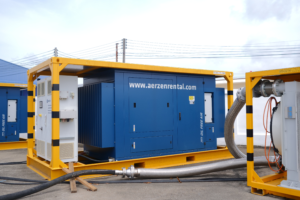
AerzenTurbo AT rental unit พร้อม built-in anti-surge control และ AERConnect monitoring — ส่งมอบ pre-configured
Rent a solution. Expect performance.