Combustion Air สำหรับ Cement Precalciner — Process Air ในเตาเผา
TL;DR — สรุป 3 ประเด็นหลัก
- Precalciner ต้องการ combustion air ปริมาณสูง ผ่าน tertiary air duct (TAD) จาก clinker cooler — blower ขนาดใหญ่ high-flow low-pressure คือหัวใจของระบบ
- Instrument air ISO 8573-1 Class 0 ป้องกัน oil contamination ใน DCS/BMS control valves, kiln shell scanner และ CEMS analyzers — TVO oil-free screw compressor ครอบคลุมทุก demand point
- Kiln downtime ทุกชั่วโมงคือต้นทุน production loss มหาศาล — rental backup strategy จาก AERZEN ช่วยให้โรงงานปูนซีเมนต์ EEC, Saraburi และ Tak กลับสู่ production ได้ภายใน 24 ชั่วโมง
AERZEN ออกแบบและผลิต blower และ compressor มาตั้งแต่ปี 1864 — ความเชี่ยวชาญ 160 ปีในการจัดการ process air สำหรับอุตสาหกรรมหนักทำให้ทีมวิศวกรของเราเข้าใจ demand profile ของโรงงานปูนซีเมนต์อย่างละเอียด ทั้งด้าน high-flow combustion air ใน tertiary air duct (TAD) และ high-purity instrument air ที่ต้องสอดคล้อง ISO 8573-1 Class 0 สำหรับระบบควบคุม DCS และ CEMS analyzers บทความนี้อธิบาย process requirements ทั้งสองระบบ พร้อมแนวทางการออกแบบ blower sizing และ rental backup strategy ที่เหมาะกับโรงงานปูนซีเมนต์ในประเทศไทย
60–65%
สัดส่วน combustion air ที่ป้อนผ่าน TAD ใน precalciner ทั่วไป
สัดส่วน combustion air ที่ป้อนผ่าน TAD ใน precalciner ทั่วไป
900–1,000°C
อุณหภูมิ tertiary air ขาออกจาก clinker cooler (inlet temp ต่างกัน)
อุณหภูมิ tertiary air ขาออกจาก clinker cooler (inlet temp ต่างกัน)
Class 0
มาตรฐาน ISO 8573-1 สำหรับ instrument air ที่เข้มงวดกว่า Class 1
มาตรฐาน ISO 8573-1 สำหรับ instrument air ที่เข้มงวดกว่า Class 1
24 ชม.
AERZEN mobilize rental backup ถึงหน้างานทั่วประเทศไทย
AERZEN mobilize rental backup ถึงหน้างานทั่วประเทศไทย
1. Precalciner คืออะไร — Calcination ก่อนเข้า Rotary Kiln
กระบวนการผลิตปูนซีเมนต์แบบ dry process สมัยใหม่แบ่งการเผา calcium carbonate (CaCO₃) ออกเป็นสองขั้นตอนหลัก ขั้นแรกคือ precalcination ซึ่งเกิดขึ้นใน precalciner (หรือ calciner) ก่อนที่วัตถุดิบจะเข้าสู่ rotary kiln ขั้นที่สอง
ใน precalciner อุณหภูมิประมาณ 850–900°C จะสลาย CaCO₃ ให้กลายเป็น CaO (quicklime) และ CO₂ ปฏิกิริยา endothermic นี้ต้องการพลังงานความร้อนปริมาณมาก ซึ่งได้มาจากการเผาเชื้อเพลิง (ถ่านหิน, น้ำมัน, alternative fuel เช่น tire-derived fuel หรือ biomass) ภายใน calciner โดยตรง กระบวนการ precalcination สมัยใหม่สามารถเปลี่ยน CaCO₃ เป็น CaO ได้ถึง 90–95% ก่อนเข้า kiln ทำให้ rotary kiln รับภาระเฉพาะ clinkering zone (1,400–1,450°C) เพียงอย่างเดียว ส่งผลให้ capacity และ fuel efficiency ของระบบโดยรวมดีขึ้นอย่างมีนัยสำคัญ
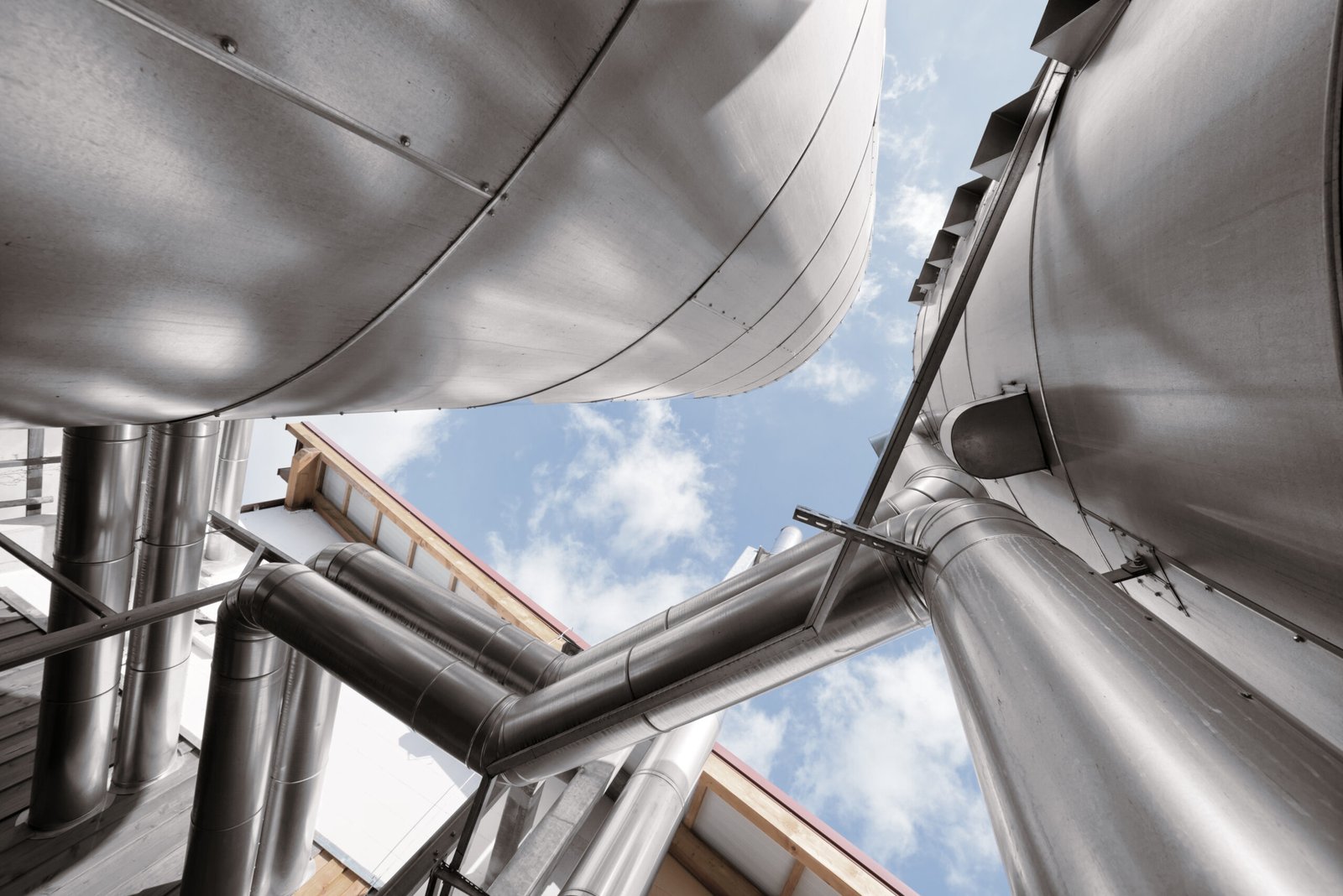
Precalciner (850–900°C) → Rotary Kiln (1,450°C) → Clinker Cooler →
Tertiary Air Duct (TAD) → Combustion Air กลับเข้า Precalciner ·
ภาพ: AERZEN Rental Thailand / AERZEN Maschinenfabrik GmbH
Tertiary Air Duct (TAD) — Combustion Air จาก Clinker Cooler
หัวใจของ combustion air supply ใน precalciner คือ tertiary air duct (TAD) ท่อขนาดใหญ่ที่นำ hot air อุณหภูมิสูง (900–1,000°C โดยประมาณ ณ จุดออกจาก grate cooler) กลับขึ้นไปยัง calciner ในฐานะ oxidizer สำหรับการเผาเชื้อเพลิง การ recover heat จาก clinker cooler ผ่าน TAD คือหนึ่งในกลไกประหยัดพลังงานหลักของ modern cement kiln — เพราะลดปริมาณ cold air ที่ต้องทำให้ร้อนจาก ambient temperature
สิ่งสำคัญที่วิศวกรต้องเข้าใจ: อุณหภูมิ 900–1,000°C คือ temperature ของ air ณ จุด origin (clinker cooler discharge) อุณหภูมินี้ไม่ใช่ blower inlet temperature เพราะ air จะเย็นลงตลอด TAD ก่อนถึง calciner inlet — แต่ temperature ตามจุดต่างๆ ของ TAD ยังคงสูงกว่า 500°C ขึ้นไป ดังนั้น blower หรือ fan ที่ทำงานใน TAD ต้องเป็น equipment ที่ออกแบบมาสำหรับ high-temperature gas handling โดยเฉพาะ ไม่ใช่ general-purpose industrial blower
2. Tertiary Air Duct (TAD) — Flow Rate, Pressure Drop และ Temperature Considerations
การออกแบบ TAD system และ combustion air handling ใน precalciner มีพารามิเตอร์หลักสามกลุ่มที่ต้องพิจารณาร่วมกัน
2.1 Flow Rate — Nm³/h ที่ต้องการ
Flow rate ของ tertiary air ขึ้นกับ fuel firing rate ใน calciner และ stoichiometric oxygen demand ของเชื้อเพลิงที่ใช้ สำหรับ cement plant ขนาดกลาง-ใหญ่ (clinker capacity 3,000–5,000 tpd) tertiary air flow มักอยู่ในช่วง 80,000–200,000 Nm³/h ที่ inlet conditions ปริมาณนี้ต้องระบุเป็น Normal cubic meters per hour (Nm³/h ที่ 0°C, 1 atm) เพื่อให้สามารถ normalize ได้เมื่ออุณหภูมิจริงเปลี่ยนแปลง — เนื่องจาก actual volumetric flow ณ อุณหภูมิสูงจะสูงกว่า Nm³/h หลายเท่า ตามกฎก๊าซในอุดมคติ
ข้อควรระวัง — Nm³/h vs Actual m³/h
วิศวกรหลายท่านสับสนระหว่าง Nm³/h (normalized) กับ actual m³/h ที่ operating temperature เมื่อ air อยู่ที่ 300°C actual volume จะสูงกว่า normalized ประมาณ 2.1 เท่า (T[K] = 573 / 273 ≈ 2.1) การเลือก blower โดยอิงจาก Nm³/h โดยตรงโดยไม่แปลงเป็น actual m³/h ที่ inlet condition จะทำให้ blower under-sized อย่างมาก
2.2 Pressure Drop ใน TAD System
แรงดันที่ required เพื่อขับเคลื่อน tertiary air ผ่าน TAD ประกอบด้วย friction loss ตลอดท่อ, ความต้านทานของ dampers และ flow control devices, รวมถึง static head จากระดับความสูงระหว่าง cooler กับ calciner inlet pressure drop รวมใน TAD system ทั่วไปอยู่ในช่วง 3–12 kPa ขึ้นกับ layout และ duct length ซึ่งตรงกับ pressure range ที่ blower แบบ low-pressure high-flow ทำงานได้ดี (ต่างจาก compressor ที่ออกแบบมาสำหรับ pressure > 1 bar)
2.3 Temperature Management — Ambient ≠ Blower Inlet
แม้ tertiary air จะมีอุณหภูมิ origin สูงถึง 900–1,000°C แต่ในบางระบบ additional cold air dilution หรือ bypass damper จะลดอุณหภูมิ ณ จุดที่อุปกรณ์ draft fan/blower ตั้งอยู่ลงมาในช่วงที่เครื่องรับได้ อย่างไรก็ตาม วิศวกรออกแบบระบบต้องระบุ actual inlet temperature ณ blower suction flange อย่างชัดเจน — ไม่ใช่อุณหภูมิ ambient หน้าโรงงาน เพราะค่านี้ส่งผลต่อ material selection, bearing specification, seal design และ motor power calculation โดยตรง
3. Blower Sizing สำหรับ Tertiary Air — BVO/BVS Series
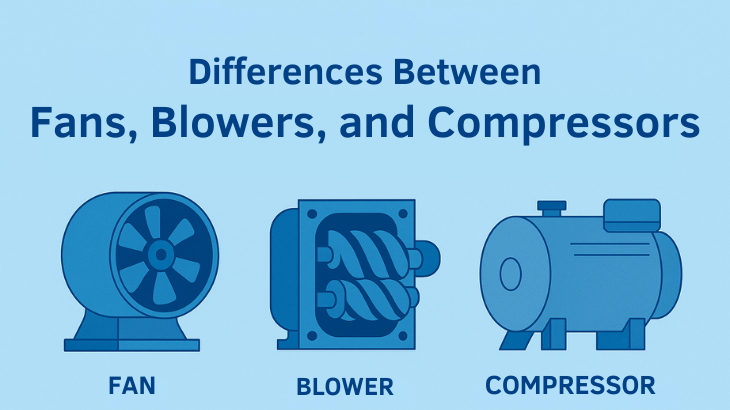
สำหรับ combustion air supply ใน secondary และ tertiary circuits ของ cement plant ที่ต้องการ low-pressure high-volume flow ตัวเลือกหลักคือ positive displacement blower (Roots/screw type) หรือ centrifugal fan ขึ้นกับ operating point AERZEN มีผลิตภัณฑ์ใน rental fleet ที่ครอบคลุม cement application ในส่วน lower-pressure process air support เช่น:
- BVO series (Delta Blower) — Roots-type blower สำหรับ low-to-medium pressure, flow range ครอบคลุม process air support systems
- BVS series (Delta Screw Blower) — screw blower ที่มี energy efficiency สูงกว่า Roots type ในช่วง medium flow, เหมาะกับ continuous-duty process air support
ส่วน combustion air หลักใน TAD ที่ต้องการ flow rate ระดับ 100,000+ Nm³/h นั้น มักใช้ heavy-duty centrifugal fan ที่ manufacturer ออกแบบพร้อมกับ kiln system — อย่างไรก็ตาม rental blower มีบทบาทสำคัญในฐานะ backup / standby unit เมื่อ main draft fan เกิด unplanned breakdown และทีมวิศวกร maintenance ต้องการเวลาในการซ่อมหรือรอ spare parts
| Air Stream | Function | Typical Pressure Range | AERZEN Product Match |
|---|---|---|---|
| Tertiary Air (TAD) | Combustion oxidizer สำหรับ calciner burner | 3–12 kPa | BVO / BVS (backup/standby) |
| Secondary Air | Cooling + combustion air เข้า rotary kiln | 2–8 kPa | BVO / BVS (backup/standby) |
| Instrument Air | DCS valves, kiln scanner, CEMS | 6–8 bar(g) | TVO oil-free screw compressor |
| Pneumatic Conveying Air | Raw meal, coal powder, cement to silo | 1.5–3.5 bar(g) | BVS / TVO (depending on pressure) |
| Aeration / Fluidization | Cement silo, blending silo bottom aeration | 0.5–1.5 bar(g) | BVO / BVS |
4. Instrument Air Class 0 — DCS/BMS Control Valves, Kiln Scanner และ CEMS
นอกจาก combustion air flow ขนาดใหญ่ใน TAD โรงงานปูนซีเมนต์ยังมีความต้องการ instrument air คุณภาพสูง ที่แตกต่างจาก process air อย่างสิ้นเชิง ทั้งด้านความดันและความบริสุทธิ์
4.1 DCS/BMS Control Valves
ระบบ Distributed Control System (DCS) และ Burner Management System (BMS) ของ cement kiln พึ่งพา pneumatic actuators สำหรับ control valves ทั้ง fuel control, damper positioning และ kiln burner adjustment instrument air ที่มี oil contamination แม้เพียง 0.01–0.1 mg/m³ สามารถสะสมใน valve seats, seals และ positioners ทำให้ response time เปลี่ยน, calibration drift และในที่สุดทำให้ valve fail-in-place — ความเสียหายที่ตามมาจาก BMS valve failure ใน cement kiln มีระดับ severity สูงมาก ISO 8573-1 Class 1 กำหนด oil content ≤ 0.01 mg/m³; Class 0 กำหนดให้ oil content ต้องต่ำกว่าค่า Class 1 โดยผู้ผลิตต้องประกาศค่าที่แน่นอนและพิสูจน์ผ่าน independent testing เช่น TÜV Rheinland — จึงเป็นมาตรฐานที่เข้มงวดที่สุดในมาตรฐาน ISO 8573-1 และป้องกัน contamination pathway นี้ได้อย่างสมบูรณ์
“ISO 8573-1 Class 0 กำหนดว่า oil content ใน compressed air ต้องต่ำกว่าที่ Class 1 กำหนดไว้ที่ 0.01 mg/m³ — นั่นหมายความว่า Class 0 เป็น specification ที่ผู้ผลิต equipment ต้องประกาศและ verify ผ่านการทดสอบอิสระ ไม่ใช่แค่เรียกว่า ‘oil-free’ เอง”
ISO 8573-1:2010 — Compressed Air Quality Standards, International Organization for Standardization
4.2 Kiln Shell Scanner
Rotary kiln shell scanner (thermal imaging system) ใช้สำหรับตรวจสอบอุณหภูมิ kiln shell แบบต่อเนื่องเพื่อ detect refractory brick wear ก่อนที่จะเกิด “red spot” (shell overheating) scanner unit ต้องการ clean dry instrument air สำหรับ air-purging lens system เพื่อป้องกัน dust deposition บน optical elements oil หรือ moisture ใน instrument air จะทิ้ง residue บน lens ทำให้ image quality ลดลงและ alarm threshold drift ไป — ใน worst case คือ scanner ไม่สามารถ detect early-warning red spot ได้ ซึ่งอาจนำไปสู่ catastrophic shell failure
4.3 CEMS Analyzers (Continuous Emission Monitoring System)
โรงงานปูนซีเมนต์ในประเทศไทยอยู่ภายใต้การกำกับดูแลของ กรมโรงงานอุตสาหกรรม (DIW) และมาตรฐานการระบาย NOₓ, SO₂, PM, CO จากกระบวนการเผา CEMS analyzer ที่ติดตั้งที่ stack ต้องใช้ instrument air สำหรับ purging, zero-span calibration และ sample handling pneumatics ความบริสุทธิ์ของ instrument air ส่งผลโดยตรงต่อ measurement accuracy และความน่าเชื่อถือของ emission data ที่รายงานต่อหน่วยงานกำกับ
Engineering Reference — ISO + AERZEN HQ
ISO 8573-1:2010 กำหนดคลาสคุณภาพ compressed air แยกตาม 3 contaminant: solid particles (Class 0–9), water (Class 0–9) และ total oil (Class 0–4) Class 0 ทั้งสามพารามิเตอร์คือมาตรฐานสูงสุดในมาตรฐาน ISO ดู ISO 8573-1:2010 ที่ iso.org · ข้อมูลผลิตภัณฑ์ TVO oil-free screw compressor และ BVO/BVS blower series: AERZEN Oil-Free Compressors ที่ aerzen.com · เกี่ยวกับ AERZEN Rental Thailand: ทีมและบริการ
5. Availability Requirement — Unplanned Stop เท่ากับ Kiln Shutdown
Cement kiln คือ continuous process ที่ไม่สามารถหยุดกลางคันได้โดยไม่มีต้นทุนสูง การหยุด kiln โดยไม่ได้วางแผน (unplanned stop หรือ forced outage) มีผลกระทบหลายชั้น
- Production loss — kiln ขนาด 4,000 tpd ที่หยุด 24 ชั่วโมง สูญเสีย clinker production ไป 4,000 ตัน ซึ่งแปลตรงเป็น cement ที่ขายไม่ได้และ revenue ที่หายไป
- Thermal cycling damage — การ heat up และ cool down refractory lining ซ้ำๆ เร่งการเสื่อมสภาพของ brick ทำให้ planned maintenance interval สั้นลงและ refractory cost สูงขึ้น
- Clinker cooler disruption — material ที่ค้างใน kiln ระหว่าง shutdown อาจเกิด coating หรือ ring formation เมื่อ restart
- Regulatory compliance — หาก CEMS instrument air หยุด ระบบ emission monitoring offline ซึ่งอาจกระทบ compliance reporting ต่อ DIW
Critical — Production Loss Context
สำหรับ cement plant ที่มี capacity สูง ต้นทุน unplanned downtime ไม่ใช่แค่ค่าซ่อมแซมอุปกรณ์ แต่รวม production loss, refractory stress, และ restart cost ซึ่งทำให้ rental backup strategy มี ROI ที่ชัดเจนแม้จะไม่เคยต้องใช้งานจริงในปีนั้น — เพราะมันคือ insurance ที่วัดค่าได้
Rental Backup Strategy สำหรับ Cement Plant
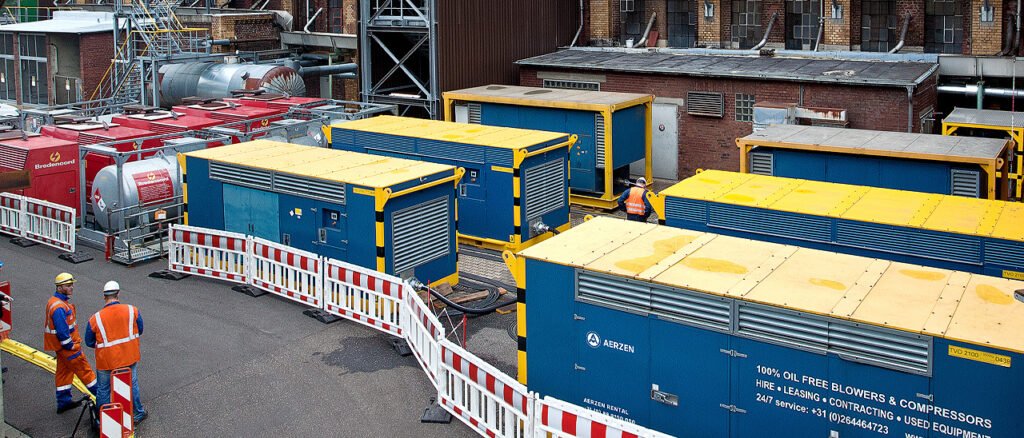
AERZEN Rental Thailand ออกแบบ rental backup plan สำหรับ mission-critical industries เช่น cement โดยแบ่งเป็นสองระดับ
- Standby Rental Contract (ผูกมัดล่วงหน้า) — ทำ contract ล่วงหน้ากับ AERZEN เพื่อ guarantee unit availability เมื่อต้องการ unit จะ staged ที่ depot หรือ pre-positioned ใกล้ site ตามข้อตกลง พร้อม mobilize ภายใน 24 ชั่วโมง เหมาะสำหรับ instrument air compressor (TVO) เพราะ instrument air หยุดกระทบทั้ง DCS, BMS และ CEMS พร้อมกัน
- Emergency Rental on Demand — เรียกใช้เมื่อ main unit breakdown โดยไม่มี prior contract ทีม AERZEN จะ dispatch จาก base ที่ Sattahip, Chonburi ครอบคลุม EEC และประสาน logistics ไปยัง upcountry sites (Saraburi, Tak) ได้ — mobilization time อาจยาวกว่า 24 ชั่วโมงสำหรับ sites ที่อยู่ไกล
6. AERZEN BVO/BVS สำหรับ Low-Pressure High-Flow และ TVO สำหรับ Instrument Air
6.1 BVO Series — Delta Blower (Roots Principle)
BVO คือ positive displacement blower ที่ทำงานตาม Roots principle (positive displacement, non-contacting rotors) เหมาะสำหรับ low-to-medium pressure applications ใน cement plant เช่น silo aeration, pneumatic conveying pressure stage และ process air support ใน secondary circuits จุดเด่นของ BVO คือ robustness และ ability to handle dusty air conditions ที่พบใน cement environment ได้ดีกว่า oil-lubricated compressor
6.2 BVS Series — Delta Screw Blower
BVS เป็น screw blower ที่ผสาน technology ของ screw compressor เข้ากับ operating range ของ blower — ให้ energy efficiency สูงกว่า BVO ในช่วง medium flow continuous duty ด้วย internal compression ratio ที่ดีกว่า Roots principle เหมาะสำหรับ applications ที่ต้องการ continuous operation หลายพันชั่วโมงต่อปี เช่น silo bottom aeration และ fluidization ที่ต้องทำงานตลอด 24/7
6.3 TVO — Oil-Free Screw Compressor สำหรับ Instrument Air
TVO คือ oil-free screw compressor (ไม่ใช่ turbo blower และไม่ใช่ rotary lobe compressor) ที่ผลิต compressed air ที่ปราศจาก oil contamination ตั้งแต่ต้นทาง — ไม่มี oil ใน compression chamber เลย ทำให้ไม่ต้องพึ่ง downstream oil filter หรือ activated carbon adsorber เพื่อให้ได้ Class 0 air สำหรับ cement plant TVO ตอบสนอง instrument air requirements ทุกจุดได้จาก single unit หรือ redundant pair ขึ้นกับ criticality ของระบบ
| Product | Type | Pressure Range | Oil-Free | Cement Application |
|---|---|---|---|---|
| BVO (Delta Blower) | Roots blower | 0.2–1.0 bar(g) | ใช่ (oil-free compression chamber) | Silo aeration, secondary air support, conveying |
| BVS (Delta Screw Blower) | Screw blower | 0.3–1.5 bar(g) | ใช่ | Continuous silo/fluidization, conveying air |
| TVO (Oil-Free Screw Compressor) | Screw compressor — oil-free | 3–10 bar(g) | ใช่ — ISO 8573-1 Class 0 | Instrument air: DCS, BMS, CEMS, kiln scanner |
ปรึกษาทีมวิศวกร AERZEN — ฟรี
แจ้ง flow rate (Nm³/h), pressure requirement, inlet temperature และ application — ทีมเราช่วย spec unit ที่เหมาะสมให้คุณ
7. Thai Cement Industry — EEC, Saraburi และ Tak Production Clusters
อุตสาหกรรมปูนซีเมนต์ในประเทศไทยมี production cluster หลักอยู่สามพื้นที่ ซึ่ง AERZEN Rental Thailand สามารถให้บริการได้จากฐาน Sattahip, Chonburi
7.1 Eastern Economic Corridor (EEC) — ชลบุรี / ระยอง
EEC เป็นฐาน operations หลักของ AERZEN Rental Thailand ตั้งอยู่ที่ 36/60 Phlu Ta Luang, Sattahip, Chon Buri สำหรับโรงงานปูนซีเมนต์และวัสดุก่อสร้างที่ตั้งอยู่ในพื้นที่ EEC หรือนิคมอุตสาหกรรม Map Ta Phut-Rayong การ mobilize rental unit ทำได้รวดเร็วที่สุด ด้วย transport logistics ที่สั้นและทีม on-call engineer พร้อมที่ base
7.2 Saraburi Cluster
จังหวัดสระบุรีเป็นที่ตั้งของโรงงานปูนซีเมนต์รายใหญ่ในประเทศไทยหลายแห่ง เนื่องจากมีแหล่งหินปูน (limestone) คุณภาพดีในพื้นที่ AERZEN Rental Thailand สามารถ mobilize unit ไปยัง Saraburi ได้ภายใน timeline ที่ตกลงกับลูกค้า ผ่าน logistics route ทางหลวงและ trailer transport การวางแผน standby rental contract ล่วงหน้าสำหรับ Saraburi plants จึงเป็นกลยุทธ์ที่เหมาะสมกว่า emergency-only approach
7.3 Tak Cluster
จังหวัดตากและพื้นที่ภาคเหนือตอนล่างมีโรงงานผลิตปูนซีเมนต์ขนาดใหญ่ที่ใช้แหล่ง limestone จากเทือกเขาในพื้นที่ สำหรับ Tak cluster ระยะทางจาก Sattahip base ยาวกว่า ดังนั้น standby rental contract พร้อม pre-positioning unit ใน Northern Thailand หรือการวาง standby depot agreement ล่วงหน้าจึงเป็นสิ่งที่ AERZEN แนะนำ เพื่อให้ 24-hour mobilization เป็น target ที่ทำได้จริง
| Cluster | Geography | Distance จาก Base | Recommended Strategy |
|---|---|---|---|
| EEC (Chonburi/Rayong) | Eastern Seaboard | ใกล้ — ภายใน 100 km | Emergency on demand หรือ standby contract |
| Saraburi | Central Thailand | ~200 km | Standby contract แนะนำ — mobilize 12–24 ชม. |
| Tak / Northern Thailand | North / Lower North | 500+ km | Standby contract + pre-positioning สำหรับ critical units |
8. FAQ — คำถามที่พบบ่อยจากทีมวิศวกร Cement Plant
คำถามและคำตอบ
BVO/BVS rental unit สามารถใช้งาน backup สำหรับ tertiary air fan หลักได้จริงหรือ?
ขึ้นกับ flow requirement และ pressure drop ของระบบ TAD นั้นๆ BVO/BVS ใน rental fleet ครอบคลุม flow range ที่หลากหลาย อย่างไรก็ตาม สำหรับ main tertiary air fan ขนาดใหญ่มาก (flow >100,000 Nm³/h) อาจต้องใช้หลาย rental unit แบบ parallel หรือ consult ทีม AERZEN เพื่อ sizing ที่ถูกต้อง สิ่งสำคัญคือต้องระบุ actual m³/h ที่ operating temperature (ไม่ใช่แค่ Nm³/h) และ required pressure differential ให้ครบก่อน
Instrument air TVO สำหรับ cement plant ต้องการ flow rate เท่าไร?
Instrument air demand ใน cement plant ทั่วไปขึ้นกับจำนวน pneumatic actuators (control valves, dampers), kiln scanner purge flow และ CEMS sample handling แต่ละ plant ต่างกัน โดยทั่วไป instrument air package สำหรับ cement plant mid-size อยู่ที่ 500–2,000 Nm³/h ที่ 6–8 bar(g) ทีม AERZEN สามารถช่วย survey demand point และ spec TVO ขนาดที่เหมาะสมพร้อม redundancy ให้ได้
Class 0 กับ Class 1 ต่างกันอย่างไรในทางปฏิบัติสำหรับ cement plant?
ISO 8573-1 Class 1 กำหนด total oil content ≤ 0.01 mg/m³ ส่วน Class 0 กำหนดว่า oil content ต้องต่ำกว่าค่าที่ระบุใน Class 1 — ซึ่งผู้ผลิตต้องประกาศและพิสูจน์ผ่าน independent testing สำหรับ cement plant การใช้ Class 0 air ใน BMS และ kiln scanner ป้องกัน valve seat contamination และ lens fouling ซึ่งมีต้นทุน failure สูงมากเมื่อเทียบกับค่า Class 0 compressor rental
Rental blower มี response time เท่าไรหลังจาก main fan breakdown?
สำหรับ standby rental contract: AERZEN มุ่งหมาย mobilize ภายใน 24 ชั่วโมงสำหรับ EEC และ Central Thailand สำหรับ emergency on-demand (ไม่มี prior contract) timeline ขึ้นกับ fleet availability และ logistics ณ เวลานั้น Hotline 24/7: 098-323-2626 ตอบรับตลอด เพื่อให้ทราบ availability ทันที
AERZEN rental unit สำหรับ cement application มี commissioning support หรือไม่?
ใช่ — All-Inclusive Service ของ AERZEN รวม on-site commissioning, parameter setting, performance verification และ team training ให้กับ plant maintenance crew ทุกครั้งที่ deploy rental unit ทีมวิศวกร AERZEN จะ verify operating point ว่าตรงกับ design specification ก่อน handover ให้กับ plant ทั้งนี้รวมอยู่ในค่าเช่าโดยไม่มีค่าใช้จ่ายเพิ่มเติมแบบ hidden cost
หากโรงงานตั้งอยู่ใน Saraburi ควรเตรียม standby contract อย่างไร?
แนะนำให้ติดต่อทีม AERZEN ล่วงหน้าเพื่อทำ site assessment และระบุ critical equipment ที่ต้องการ backup (เช่น instrument air compressor และ silo aeration blower) จากนั้น AERZEN จะออกแบบ standby rental package ที่ระบุ unit model, mobilization commitment time และ service level agreement (SLA) ที่ชัดเจน ติดต่อที่ thai@aerzenrental.com หรือโทร 038-015-488
บทความที่เกี่ยวข้อง
- Combustion Air & Instrument Air ใน Cement Plant — บทความนี้
- Process Air สำหรับอุตสาหกรรม Petrochemical — Oil-Free Blower Rental Thailand
- Instrument Air ISO 8573-1 Class 0 — TVO Oil-Free Screw Compressor
- Emergency Blower Rental Thailand — 24-Hour Mobilization
- Subscription Plan — All-Inclusive Rental สำหรับ Continuous Process Plants
- ISO 8573-1 Class 0 — คู่มือฉบับสมบูรณ์สำหรับวิศวกรไทย
Rent a solution. Expect performance.
ทีมวิศวกร AERZEN พร้อมช่วย spec BVO/BVS สำหรับ process air และ TVO สำหรับ instrument air ของโรงงานปูนซีเมนต์ของคุณ — ไม่ว่าจะเป็นการวางแผน standby contract หรือ emergency mobilization
Last technical review: 2026-06-01 · AERZEN Rental Thailand Application Engineering Team ·
ข้อมูล process air specifications อ้างอิงจาก ISO 8573-1:2010 (compressed air quality) และ AERZEN product documentation
ข้อมูล process air specifications อ้างอิงจาก ISO 8573-1:2010 (compressed air quality) และ AERZEN product documentation

✍️ เกี่ยวกับผู้เขียน
ภราดร วรรณสังข์ (Paradorn Wannasung)
Marketing Communication Specialist · นิเทศศาสตรมหาบัณฑิต (การสื่อสารการตลาดและแบรนด์)
ภราดร (Paradorn) เป็นผู้ดูแลด้านการสื่อสารการตลาดของ AERZEN Rental Thailand จบนิเทศศาสตรมหาบัณฑิต (การสื่อสารการตลาดและแบรนด์) เชี่ยวชาญด้านอุตสาหกรรม B2B ในประเทศไทย มีประสบการณ์การสร้างแบรนด์และคอนเทนต์ในกลุ่มอุตสาหกรรมของไทย
ติดต่อ: pwa@aerzenrental.com · LinkedIn
บทความที่เกี่ยวข้อง

Air Pressure Spec สำหรับ CIP โรงงานเครื่องดื่ม — ทำไม Class 0 จำเป็น
Beverage Cip Circuit...
อ่านต่อ →

System Resistance Curve (H-Q) คืออะไร: วิธีคำนวณเส้น System Curve จากท่อและ Fitting เพื่อหา Operating Point ของ Blower
อธิบาย System Resist...
อ่านต่อ →
Checklist ตรวจ Blower Rental ก่อนหน้าฝน — 12 จุดวิกฤต Outdoor & Skid
.aerzen-industry-pag...
อ่านต่อ →หัวข้อหลัก: Instrument Air กับ Process Air ต่างกันอย่างไร