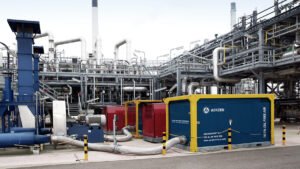
ตามที่ AERZEN ออกแบบระบบ blower สำหรับงาน pneumatic conveying มาตั้งแต่ปี 1864 ประสบการณ์ข้ามศตวรรษชี้ให้เห็นว่า ปัญหาที่พบบ่อยในระบบ conveying ของโรงงานปูนซีเมนต์ไม่ใช่แค่เรื่อง blower pressure ไม่พอหรือ pipe sizing ผิด — แต่มาจากการเลือกประเภท blower ที่ไม่เหมาะกับ process requirement โดยเฉพาะประเด็น oil contamination ที่ส่งผลต่อคุณภาพผลิตภัณฑ์โดยตรง
สำหรับวิศวกรที่ดูแลระบบ pneumatic conveying ในโรงงานปูนซีเมนต์ บทความนี้ให้กรอบการวิเคราะห์เรื่อง oil-free air requirements ตั้งแต่ระดับ process chemistry ลงไปถึงการเลือก blower specification
ทำไม Oil Contamination ถึงเป็นปัญหาในอุตสาหกรรมปูนซีเมนต์
ปูนซีเมนต์เป็นผลิตภัณฑ์ที่มีความไวต่อสารปนเปื้อนในระดับที่หลายคนไม่ได้นึกถึงทันที กระบวนการ hydration ของ cement — ปฏิกิริยาระหว่าง clinker กับน้ำที่ทำให้คอนกรีตแข็งตัว — อาศัยพื้นผิวของ cement particle ที่สะอาดและ reactive
น้ำมันแร่หรือน้ำมันสังเคราะห์จาก oil-lubricated blower เมื่อปนเปื้อนในสายอากาศ conveying จะเกิดปัญหาดังนี้:
1. Surface passivation ของ cement particle น้ำมันเคลือบผิว cement particle ลด reactivity ต่อ hydration ทำให้กำลังอัด (compressive strength) ของคอนกรีตสุดท้ายลดลง ซึ่งเป็นปัญหาร้ายแรงสำหรับผู้ผลิตที่มีข้อกำหนดมาตรฐาน TIS 2594-2556 หรือ ASTM C150/C150M
2. Setting time disruption น้ำมันบางชนิดทำหน้าที่เป็น retarder ทำให้ initial set time ยืดออก หรือในบางกรณีทำให้ false set ซึ่งควบคุมได้ยาก
3. Color inconsistency สำหรับ white cement หรือ colored cement การปนเปื้อนน้ำมันส่งผลโดยตรงต่อ color consistency ซึ่งเป็น quality parameter หลัก
4. Equipment contamination cascade น้ำมันที่ตกค้างใน conveying pipe, silo, และ packing machine สะสมและยากในการ clean โดยเฉพาะในจุดที่ cement เกาะตัวหนาแน่น
Oil-Free Air: ความหมายและระดับการควบคุม
“Oil-free air” ไม่ใช่ binary concept ที่มีหรือไม่มีน้ำมันเพียงอย่างเดียว มาตรฐาน ISO 8573-1 กำหนดระดับความบริสุทธิ์ของ compressed air และ process gas เป็น classes โดยพิจารณา 3 contaminant หลัก: particulate, water/moisture, และ oil
ISO 8573-1 Oil Content Classes (อ้างอิงจาก ISO 8573-1:2010):
| Class | Total Oil Content (mg/m³) |
|—|—|
| Class 0 | ≤ 0.01 (user-defined, more stringent than Class 1) |
| Class 1 | ≤ 0.01 |
| Class 2 | ≤ 0.1 |
| Class 3 | ≤ 1.0 |
| Class 4 | ≤ 5.0 |
สำหรับ pneumatic conveying ของ cement ในกระบวนการผลิตทั่วไป requirement มักอยู่ที่ Class 2-3 ขึ้นกับ product specification ของโรงงาน สำหรับ white cement หรือ cement additive ที่มี strict quality requirement อาจต้องการ Class 1 หรือ Class 0
อย่างไรก็ตาม requirement ที่แน่นอนต้องกำหนดโดยทีม process engineer ของโรงงานร่วมกับ quality standard ที่ต้องการบรรลุ ไม่ใช่ตัวเลขที่ AERZEN กำหนดให้ฝ่ายเดียว
อ้างอิง: ISO 8573-1:2010 — Compressed air Part 1: Contaminants and purity classes. https://www.iso.org/
Blower Technology: ทางเลือกสำหรับงาน Cement Conveying
Option 1: Positive Displacement Blower (Roots-type) — Oil-Free Design
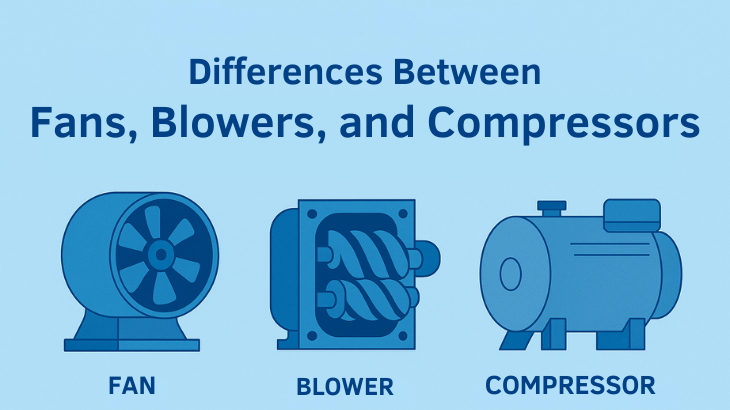
Roots-type blower ที่ออกแบบ oil-free ทำงานโดย rotor ไม่สัมผัสกันและไม่มีน้ำมันในช่อง compression นี่คือ solution หลักสำหรับงาน cement conveying ที่ต้องการ high flow rate ที่ pressure ปานกลาง (typically 0.5 – 1.0 bar g)
ข้อได้เปรียบ:
ข้อพิจารณา:
Option 2: Rotary Screw Blower — Oil-Free Design
Screw blower ใช้ screw rotor สองตัวที่มี clearance เล็กน้อย (non-contact) ทำงานในลักษณะ internal compression ให้ประสิทธิภาพสูงกว่าในช่วง pressure สูงกว่า (typically 0.8 – 2.5 bar g) เหมาะกับ dense phase conveying หรือ system ที่มี conveying distance ยาว
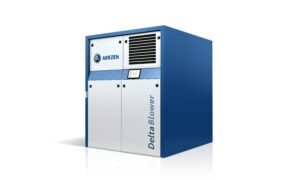
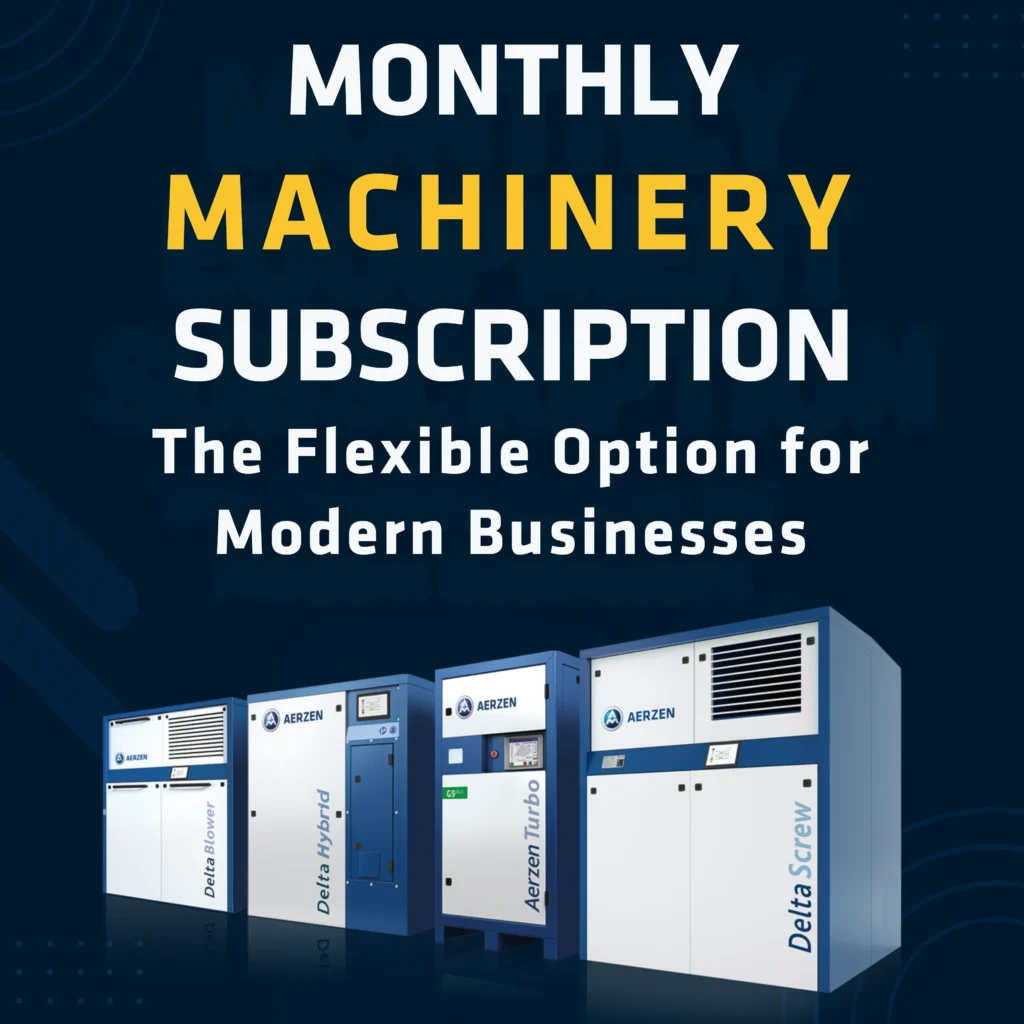
AERZEN Delta Screw Blower เป็นตัวอย่างของ technology นี้ ที่ออกแบบมาเพื่อ oil-free operation โดยมี timing gear ป้องกันการสัมผัสระหว่าง rotor
Option 3: Centrifugal Blower — สำหรับ High-Volume Low-Pressure
Centrifugal blower เหมาะกับ application ที่ต้องการ very high flow rate ที่ low pressure แต่มีข้อจำกัดคือ flow rate จะลดลงเมื่อ system backpressure เพิ่มขึ้น (surge condition) ซึ่งอาจเกิดขึ้นในระบบ conveying ที่มี pipe length หรือ product density แปรผัน ต้องออกแบบ anti-surge protection ให้เหมาะสม
System Design Consideration สำหรับวิศวกร
Dilute Phase vs. Dense Phase: เลือกให้ถูก
Dilute phase conveying (suspended flow):
ปูนซีเมนต์ในระบบ dilute phase มักใช้ Roots-type หรือ screw blower ที่ pressure range 0.5 – 1.0 bar g
Dense phase conveying (moving bed หรือ slug flow):
Dense phase มักใช้ screw compressor หรือ screw blower pressure range สูงกว่า หรืออาจใช้ nitrogen หรือ compressed air จาก plant air ขึ้นกับ process
Air Quality Chain — ไม่ใช่แค่ Blower เท่านั้น
Oil-free blower เป็นจุดเริ่มต้น แต่ air quality chain ต้องพิจารณาทั้งระบบ:
การออกแบบที่ดีต้อง map air quality requirement ตลอด chain ไม่ใช่แค่ spec ที่ blower outlet
Pressure Drop Calculation
ก่อนเลือก blower ต้องคำนวณ total pressure drop ของ system:
“ Total pressure = Static pressure ที่ปลายทาง (e.g., silo counter-pressure) + Pressure drop ใน conveying pipe (friction + acceleration + vertical lift) + Pressure drop ใน inlet filter + Safety margin (typically 10-15% ของ calculated total) `
การ underestimate pressure ทำให้ blower ทำงานในช่วง stall หรือ surge ซึ่งอาจทำให้ system unstable
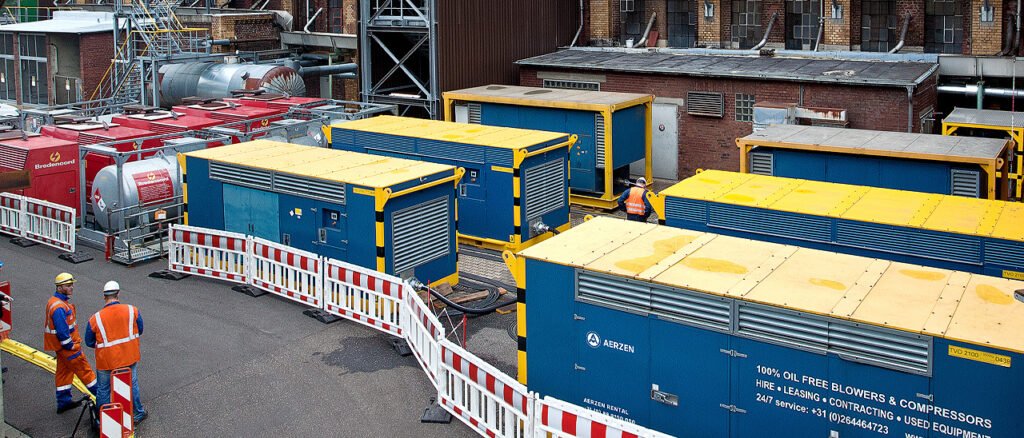
AERZEN Rental: ทางเลือกสำหรับ Cement Plant ที่ต้องการความยืดหยุ่น
สำหรับโรงงานปูนซีเมนต์ที่:
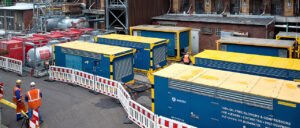
AERZEN Rental Thailand มี oil-free blower และ screw blower ในรูปแบบ rental ทั้งระยะสั้นและระยะยาว พร้อม:
FAQ สำหรับวิศวกร
Q1: Roots-type blower สามารถใช้กับ abrasive cement dust ที่ไม่ได้กรองได้หรือไม่? ไม่แนะนำ แม้ rotor จะไม่สัมผัสกัน แต่ abrasive particles ที่ผ่าน clearance ระหว่าง rotor กับ housing จะทำให้ volumetric efficiency ลดลงอย่างรวดเร็ว และอาจทำให้ rotor สึกหรอถ้า particle size ใหญ่พอ ต้องมี inlet filter ที่ออกแบบให้เหมาะสมเสมอ
Q2: ควรติดตั้ง check valve ที่ outlet ของ blower หรือไม่? สำหรับ positive displacement blower แนะนำให้มี check valve (non-return valve) ที่ outlet เพื่อป้องกัน backflow เมื่อ blower หยุด โดยเฉพาะในระบบที่มีหลาย blower parallel กัน การ backflow อาจทำให้ rotor หมุนสวนทางและทำความเสียหายต่อ timing gear
Q3: VFD drive ช่วย optimize system อย่างไรในงาน cement conveying? VFD ช่วยปรับ flow rate ให้ตรงกับ demand จริงโดยไม่ต้องใช้ throttling valve (ซึ่งสิ้นเปลืองพลังงาน) ในระบบที่มี variable demand เช่น การ feed cement หลาย conveying line สลับกัน VFD สามารถลดการสิ้นเปลืองพลังงานได้อย่างมีนัยสำคัญ อย่างไรก็ตาม VFD มี upfront cost สูงกว่า ต้องวิเคราะห์ load profile ก่อนตัดสินใจ
Q4: Blower rental สำหรับงาน cement conveying ต้องมี ATEX certification หรือไม่? Cement dust (CaCO3, silica) มีความเป็นไปได้ที่จะเกิด dust explosion ในความเข้มข้นสูงในพื้นที่ confined โดยทั่วไป cement handling area อาจอยู่ใน ATEX zone ขึ้นกับการวิเคราะห์ hazardous area ของโรงงาน ถ้า installation area อยู่ใน ATEX zone ต้องใช้ equipment ที่มี ATEX certification ที่เหมาะสม ปรึกษาทีม AERZEN Rental เพื่อ verify unit specification
Q5: ความแตกต่างระหว่าง conveying cement กับ conveying fly ash คืออะไรในแง่ blower selection? Fly ash มักมี particle size เล็กกว่า bulk density ต่ำกว่า และ abrasiveness แตกต่างกัน ทำให้ air-to-solids ratio และ conveying velocity ที่เหมาะสมต่างกัน โดยทั่วไป fly ash conveying ทำได้ที่ velocity ต่ำกว่า cement ทำให้ pressure requirement อาจต่ำกว่า ทีมวิศวกรต้องระบุ material property ให้ครบก่อน sizing
Q6: ทดสอบ oil-free air quality ของ blower rental unit ได้อย่างไร? สามารถใช้ oil vapour detector tube (Dräger tube หรือเทียบเท่า) หรือ online oil monitoring ที่ blower outlet เพื่อ verify oil content class ตาม ISO 8573-1 สำหรับงาน critical ที่ต้องการ documentation ทีม AERZEN Rental สามารถให้ข้อมูล test methodology ที่เหมาะสม
ขอใบเสนอราคาและคำปรึกษาทางวิศวกรรม
ทีมวิศวกร AERZEN Rental Thailand มีประสบการณ์ด้าน pneumatic conveying application และพร้อมให้คำปรึกษาเรื่อง blower sizing, air quality chain design, และ rental configuration ที่เหมาะกับ process ของคุณ
ติดต่อทีมวิศวกร:
*Rent a solution. Expect performance.*
แหล่งอ้างอิง

✍️ เกี่ยวกับผู้เขียน
ภราดร วรรณสังข์ (Paradorn Wannasung)
Marketing Communication Specialist · นิเทศศาสตรมหาบัณฑิต (การสื่อสารการตลาดและแบรนด์)
ภราดร (Paradorn) เป็นผู้ดูแลด้านการสื่อสารการตลาดของ AERZEN Rental Thailand จบนิเทศศาสตรมหาบัณฑิต (การสื่อสารการตลาดและแบรนด์) เชี่ยวชาญด้านอุตสาหกรรม B2B ในประเทศไทย มีประสบการณ์การสร้างแบรนด์และคอนเทนต์ในกลุ่มอุตสาหกรรมของไทย
ติดต่อ: pwa@aerzenrental.com · LinkedIn