ตามที่ AERZEN สะสมประสบการณ์วิศวกรรมอากาศอัดมาตั้งแต่ปี 1864 — ข้อผิดพลาดแรกที่ Plant Engineer พบบ่อยในการจัดซื้อเครื่องจักรใหม่ คือการเลือกประเภทเครื่องก่อนกำหนด process requirement ให้ชัดเจน
การเลือกระหว่าง Blower (โบลเวอร์) กับ Compressor (คอมเพรสเซอร์) ไม่ใช่แค่เรื่องแรงดัน — มีเกณฑ์อย่างน้อย 5 ข้อที่ต้องประเมินพร้อมกัน ก่อนที่ทีมจัดซื้อจะออก specification จริง บทความนี้นำเสนอกรอบการประเมินที่ใช้งานได้จริงในสภาพแวดล้อมอุตสาหกรรมไทย
ทำไมการเลือกผิดประเภทจึงมีผลกระทบระยะยาว
Plant Engineer หลายท่านเคยพบสถานการณ์นี้: ติดตั้งเครื่องแล้วพบว่า pressure ไม่พอ หรือใช้ compressor ราคาสูงในจุดที่ blower เพียงพอ ความผิดพลาดในขั้นนี้มีต้นทุนหลายรูปแบบ ได้แก่:
- OPEX สูงเกินความจำเป็น — เครื่องขนาดใหญ่เกิน process requirement กินไฟเกินกำลัง
- Maintenance cycle ถี่ขึ้น — เครื่องทำงานใกล้ขีดจำกัดตลอดเวลา
- Product contamination risk — เลือกประเภทเครื่องที่ไม่ได้รับการรับรองสำหรับ process นั้น
ตาม Compressed Air & Gas Institute (CAGI) การประเมิน application requirement ก่อนเลือกเครื่อง ช่วยลดโอกาสเกิด premature failure ได้อย่างมีนัยสำคัญ
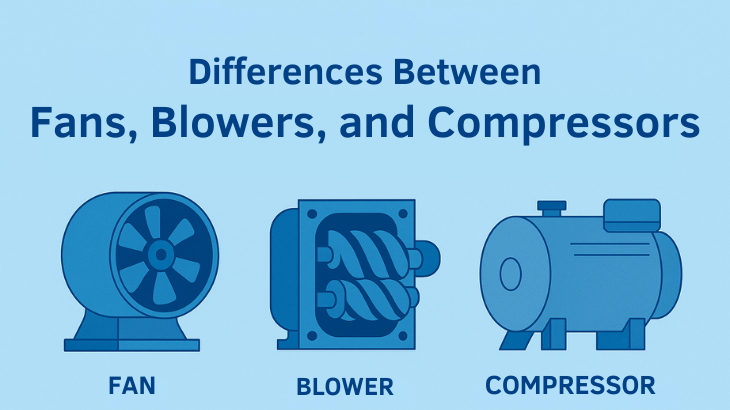
ความแตกต่างพื้นฐาน: Blower คืออะไร, Compressor คืออะไร
Blower คืออุปกรณ์ที่เคลื่อนที่อากาศปริมาณมากในแรงดันต่ำ โดยทั่วไปอยู่ในช่วง 0.1–1.0 bar(g) เหมาะกับ process ที่ต้องการ airflow สูงแต่ไม่ต้องการแรงดันสูง เช่น aeration, pneumatic conveying ระยะสั้น และ biogas mixing
Compressor คืออุปกรณ์ที่บีบอัดอากาศให้แรงดันสูง ตั้งแต่ 5–40 bar(g) ขึ้นไป เหมาะกับ process ที่ต้องการแรงดันสูง เช่น instrumentation air, actuator control, spray coating และ industrial tool operation
ทั้งสองประเภทมี subcategory ที่หลากหลาย เช่น Roots Blower, Screw Blower, Turbo Blower สำหรับฝั่ง blower และ Reciprocating, Rotary Screw, Centrifugal Compressor สำหรับฝั่ง compressor
เกณฑ์ที่ 1: แรงดันที่ process ต้องการ (Operating Pressure)
เกณฑ์แรกและชัดเจนที่สุดคือแรงดันที่ process ต้องการจริง ไม่ใช่แรงดันที่ system line ออกแบบไว้
| ช่วงแรงดัน | เครื่องที่เหมาะสม | ตัวอย่าง Application |
|---|---|---|
| < 0.5 bar(g) | Roots / Screw Blower | Aeration tank, biogas mixing |
| 0.5–1.0 bar(g) | Screw Blower / Turbo Blower | Pneumatic conveying (ระยะใกล้), oxidation process |
| 1.0–4.0 bar(g) | Low-pressure Compressor | Purging, CIP system, light industrial |
| 4.0 bar(g) ขึ้นไป | Rotary Screw / Centrifugal Compressor | Instrumentation, spray, actuator |
สิ่งที่ต้องระวัง: ให้ใช้ pressure ณ จุดใช้งาน (point of use) ไม่ใช่ rated pressure ของ header line เพราะ pressure drop ในท่อ (line loss) อาจสูงถึง 0.3–0.5 bar ขึ้นกับระยะทางและขนาดท่อ
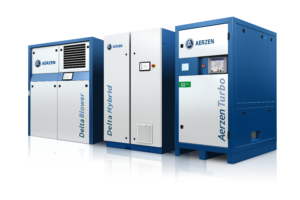
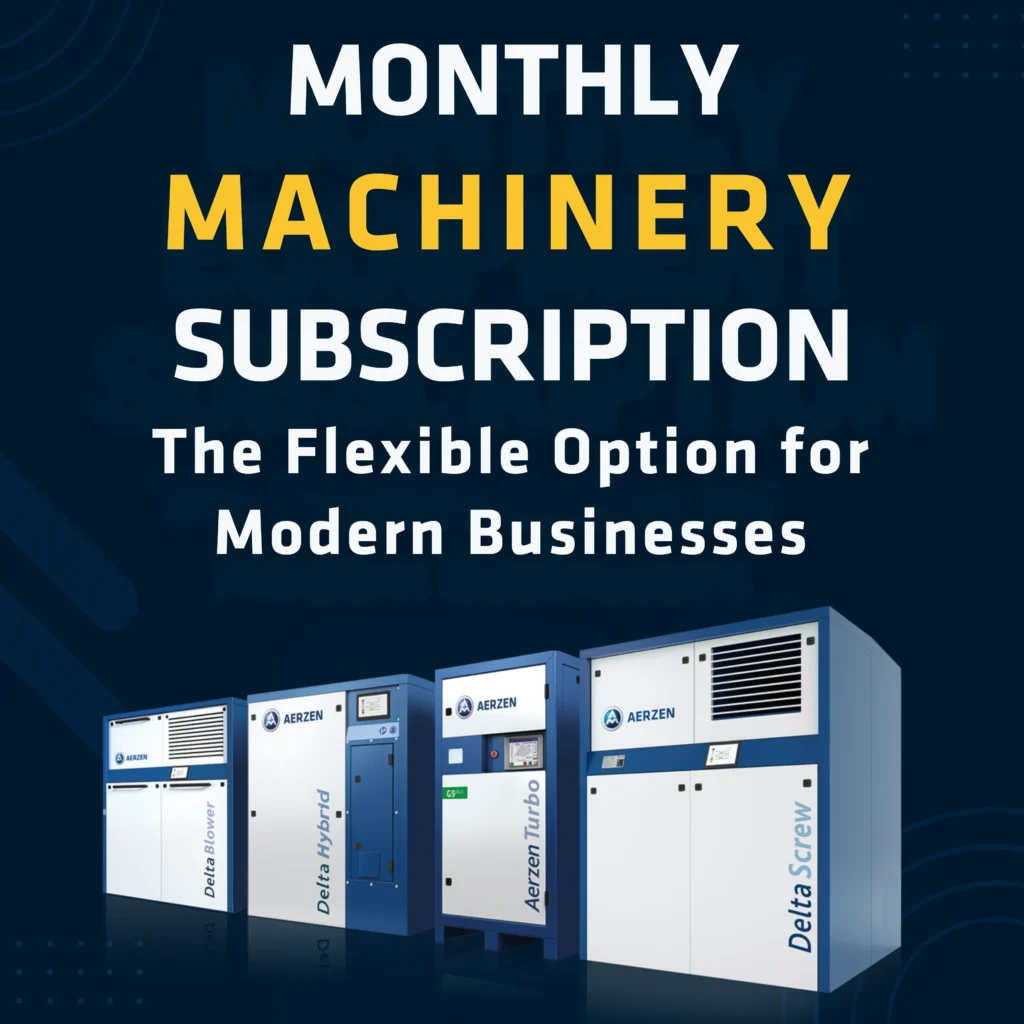
AERZEN ผลิต Delta Screw Blower รุ่น BVO และ Delta Hybrid Screw Blower รุ่น DVO ซึ่งครอบคลุมช่วง 0.3–1.1 bar(g) — เหมาะกับ wastewater aeration, food processing และ chemical mixing ที่ต้องการ oil-free air ตามมาตรฐาน ISO 8573-1 Class 0
เกณฑ์ที่ 2: อัตราการไหลที่ต้องการ (Volume Flow Rate)
Volume flow rate วัดใน Nm³/h หรือ m³/min เป็นตัวกำหนดขนาดเครื่องโดยตรง
- Blower: เหมาะกับ flow rate สูงในช่วง 100–50,000 Nm³/h ขึ้นกับรุ่น เนื่องจาก internal geometry ออกแบบให้เคลื่อนอากาศปริมาณมากในแรงดันต่ำ
- Compressor: flow rate ต่อหน่วยน้อยกว่า แต่ deliver pressure ได้สูงกว่า — เหมาะกับ process ที่ต้องการ pressure ต่อ unit สูง
ข้อสำคัญสำหรับ Plant Engineer: ให้คำนวณ peak demand และ average demand แยกกัน process บางอย่างมี demand สูงเป็นช่วง (batch process) ซึ่งอาจต้องวางแผน standby unit แทนที่จะ oversize เครื่องหลัก
เกณฑ์ที่ 3: คุณภาพอากาศที่ process กำหนด (Air Quality Requirement)
เกณฑ์นี้มักถูกมองข้ามในขั้นเลือกประเภทเครื่อง แต่กลับเป็นตัวตัดสิน category ที่ชัดเจน
มาตรฐาน ISO 8573-1 กำหนด class ของอากาศอัดตามปริมาณฝุ่น ความชื้น และน้ำมัน:
- Class 0: Oil-free สมบูรณ์ — บังคับสำหรับ petrochemical, food & beverage, electronics
- Class 1: Oil content < 0.01 mg/m³
- Class 2: Oil content < 0.1 mg/m³ — เพียงพอสำหรับ general manufacturing บางประเภท
หาก process ต้องการ Class 0 ต้องเลือกเครื่องที่ได้รับการรับรอง oil-free จาก design ไม่ใช่เพียงใส่ filter ภายหลัง เพราะ filter เสื่อมสภาพและมี bypass risk
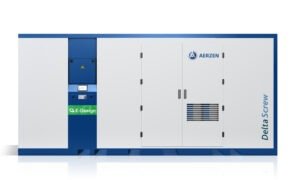
AERZEN Blower ซีรีส์ Delta (BVO, DVO) และ Delta Screw E-Compressor ซีรีส์ BVS ได้รับการออกแบบให้ oil-free ตั้งแต่ต้น สอดคล้อง ISO 8573-1 Class 0 — โดยไม่ใช้น้ำมันในห้องอัด (oil-free compression chamber)
เกณฑ์ที่ 4: รูปแบบการดูแลรักษาที่โรงงานรองรับได้ (Maintenance Requirement)
Plant Engineer ต้องประเมินทั้ง planned maintenance และ unplanned downtime risk
| ปัจจัย | Blower | Compressor |
|---|---|---|
| ชิ้นส่วนสึกหรอหลัก | Bearing, timing gear, rotor coating | Piston ring, valve, bearing, oil seal |
| PM interval ทั่วไป | 4,000–8,000 ชั่วโมง | 2,000–4,000 ชั่วโมง (แบบ oil-injected) |
| ความซับซ้อนของระบบ | ต่ำ–ปานกลาง | ปานกลาง–สูง |
| Oil management | ไม่มี (oil-free design) | มีระบบ lubrication circuit |
| Vibration footprint | ต่ำ (Screw / Turbo) | ต่ำ–ปานกลาง |
หากโรงงานมีทีมช่างขนาดเล็กหรือ maintenance window จำกัด การเลือก Screw Blower oil-free แบบ low-maintenance มักลด total maintenance burden ได้
เกณฑ์ที่ 5: โครงสร้างต้นทุน OPEX ตลอดอายุการใช้งาน (Lifecycle OPEX)
เกณฑ์สุดท้ายที่ Plant Engineer ต้องนำเสนอต่อฝ่ายการเงิน คือ OPEX ตลอดอายุการใช้งาน ไม่ใช่เพียง CAPEX ราคาเครื่อง
ตัวแปรหลักใน lifecycle OPEX ประกอบด้วย:
- ค่าไฟฟ้า — motor efficiency กำหนดโดย IE3 / IE4 standard และการใช้ Variable Speed Drive (VSD)
- ค่า consumable — filter, oil (ถ้ามี), coupling
- ค่า downtime — รวม lost production หาก process หยุดตามเครื่อง
- ค่า service contract
กรอบเปรียบเทียบ: สำหรับ process ที่ต้องการ flow rate สูง แรงดันต่ำ (< 1 bar) และ oil-free — Screw Blower มักมี lifecycle OPEX ต่ำกว่า Oil-injected Compressor + downstream filtration เนื่องจากไม่มีค่า oil disposal, filter replacement ที่ high-frequency และ risk ของ oil contamination ที่นำไปสู่ product recall
หากต้องการเปรียบเทียบ OPEX ระหว่างสองตัวเลือกสำหรับ application จริงของโรงงาน ทีมวิศวกร AERZEN พร้อม consult โดยไม่คิดค่าใช้จ่ายเบื้องต้น
กรณีศึกษา (ตัวอย่างประกอบ): โรงบำบัดน้ำเสียในพื้นที่ EEC
หมายเหตุ: กรณีศึกษาต่อไปนี้เป็นตัวอย่างประกอบ เพื่อวัตถุประสงค์ด้านการศึกษา ข้อมูลได้รับการทำให้ไม่ระบุตัวตน
โรงบำบัดน้ำเสียแห่งหนึ่งในพื้นที่ EEC เดิมใช้ Reciprocating Compressor ขนาด 75 kW สำหรับ aeration process ในบ่อ activated sludge เมื่อวิศวกรประเมิน process requirement จริงพบว่า:
- แรงดันที่ต้องการจริง: 0.6 bar(g)
- Flow rate requirement: 3,200 Nm³/h
- Air quality: ไม่มีข้อกำหนด oil-free (process ไม่สัมผัสอาหาร)
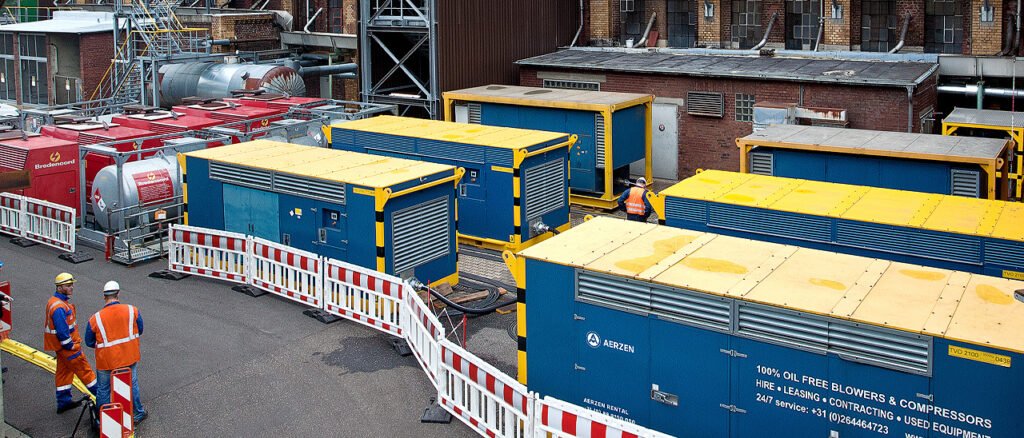
หลังจากปรับมาใช้ AERZEN Screw Blower ขนาดใกล้เคียง (เช่าระยะ 12 เดือน เพื่อ validate performance ก่อนตัดสินใจซื้อ):
- Specific Power Consumption ลดลงจากการ match pressure กับ requirement จริง
- PM interval ยาวขึ้น เนื่องจากเครื่องไม่ทำงาน over-pressure อีกต่อไป
- ทีมช่างสามารถ handle preventive maintenance เองได้โดยไม่ต้องเรียก specialist บ่อย
การเช่าในช่วงแรกช่วยให้ทีมวิศวกรได้ข้อมูล actual performance ก่อน CAPEX commitment ซึ่งเป็นแนวทางที่ AERZEN แนะนำสำหรับ process ที่ยังไม่เคย baseline
สรุปเกณฑ์ 5 ข้อ: ตารางการตัดสินใจ
| เกณฑ์ | สัญญาณที่ชี้ไปที่ Blower | สัญญาณที่ชี้ไปที่ Compressor |
|---|---|---|
| Operating Pressure | < 1.0 bar(g) | > 4.0 bar(g) |
| Volume Flow Rate | สูง (> 500 Nm³/h) ที่แรงดันต่ำ | ต่ำ–ปานกลาง ที่แรงดันสูง |
| Air Quality | Class 0 oil-free, flow ต้องการ aeration | Class 0 + high pressure ใน food/electronics |
| Maintenance Readiness | ทีมเล็ก, PM window สั้น | ทีมครบ, infrastructure ดูแล oil circuit |
| OPEX Priority | ค่าไฟ + downtime คือ driver หลัก | แรงดันสูงคือข้อกำหนดหลัก ไม่มีทางอ้อม |
คำถามที่พบบ่อย (FAQ)
Q1: Blower กับ Air Mover ต่างกันอย่างไร? A: “Air Mover” เป็น commercial term ที่ใช้ได้กว้าง โดยทั่วไปหมายถึง Low-pressure fan หรือ blower ที่ pressure ratio ต่ำมาก (< 0.1 bar) ในขณะที่ Industrial Blower ตามนิยาม CAGI/ISO หมายถึงอุปกรณ์ที่ pressure ratio อยู่ในช่วง 0.1–1.0 bar(g)
Q2: สามารถใช้ Blower แทน Compressor ในระบบ instrumentation air ได้หรือไม่? A: ไม่แนะนำ Instrumentation air ต้องการแรงดันปกติ 5.5–7 bar(g) เพื่อ operate pneumatic valve และ actuator อย่างเสถียร Blower ไม่สามารถ deliver pressure ในช่วงนี้ได้
Q3: Delta Screw Blower ของ AERZEN รุ่น BVO ใช้งาน application อะไรได้บ้าง? A: BVO ออกแบบสำหรับ wastewater aeration, biogas processing, pneumatic conveying ระยะสั้น และ chemical mixing — ทำงานในช่วง 0.3–1.0 bar(g) flow rate ตั้งแต่ 350 Nm³/h ขึ้นไป พร้อม oil-free design ตามมาตรฐาน ISO 8573-1 Class 0
Q4: การเช่า Blower หรือ Compressor มีข้อดีกว่าการซื้อในแง่ OPEX อย่างไร? A: การเช่าแปลง CAPEX ก้อนใหญ่เป็น OPEX รายเดือนที่คาดการณ์ได้ ช่วยให้โรงงานสามารถ scale up/down ตาม production demand โดยไม่ต้องแบกรับ asset depreciation — เป็นแนวทางที่สอดคล้องกับ IFRS 16 สำหรับบริษัทที่ต้องรายงานงบการเงินตามมาตรฐานสากล
Q5: ถ้าต้องการ oil-free air ใน Food & Beverage process ควรเลือกประเภทไหน? A: ต้องการทั้ง oil-free design และแรงดันที่เหมาะกับ process จริง หาก pressure < 1 bar AERZEN Screw Blower (BVO/DVO) เป็นตัวเลือกที่ verified oil-free จาก design หาก pressure > 4 bar AERZEN Delta Screw E-Compressor (BVS) เป็นทางเลือกที่ตอบโจทย์
Q6: ต้องเตรียมข้อมูลอะไรก่อนปรึกษาวิศวกร AERZEN? A: ข้อมูลหลักที่ต้องใช้ได้แก่: (1) Required pressure ณ point of use (bar(g)), (2) Required flow rate (Nm³/h หรือ m³/min), (3) Air quality requirement (ISO class หรือ process description), (4) Duty cycle (continuous / intermittent / seasonal), (5) Utility ที่มี (electrical supply, cooling water, compressed air header ที่มีอยู่)
ปรึกษาทีมวิศวกร AERZEN เพื่อ Application Assessment
AERZEN Rental Thailand พร้อมช่วย Plant Engineer ประเมิน application requirement และแนะนำ machine type ที่เหมาะสมกับ process จริง — ไม่ใช่แค่ catalog
ติดต่อทีมวิศวกร AERZEN:
- โทรสำนักงาน: 038-015-488
- สายด่วน 24/7: 098-323-2626
- อีเมล: thai@aerzenrental.com
- เว็บไซต์: www.aerzenrentalth.com
Rent a solution. Expect performance.
uthority Citations
- Compressed Air & Gas Institute (CAGI) — Compressed Air & Gas Handbook, 7th Edition — Application selection guidelines: https://www.cagi.org/
- ISO 8573-1:2010 — Compressed air — Part 1: Contaminants and purity classes: https://www.iso.org/

✍️ เกี่ยวกับผู้เขียน
ภราดร วรรณสังข์ (Paradorn Wannasung)
Marketing Communication Specialist · นิเทศศาสตรมหาบัณฑิต (การสื่อสารการตลาดและแบรนด์)
ภราดร (Paradorn) เป็นผู้ดูแลด้านการสื่อสารการตลาดของ AERZEN Rental Thailand จบนิเทศศาสตรมหาบัณฑิต (การสื่อสารการตลาดและแบรนด์) เชี่ยวชาญด้านอุตสาหกรรม B2B ในประเทศไทย มีประสบการณ์การสร้างแบรนด์และคอนเทนต์ในกลุ่มอุตสาหกรรมของไทย
ติดต่อ: pwa@aerzenrental.com · LinkedIn