API 670 vs Pressure Switch: ระดับ Condition Monitoring สำหรับ Instrument Air ในโรงงานปิโตรเคมี
- Condition monitoring ของ instrument air compressor แบ่งได้เป็น 3 ระดับ — ตั้งแต่ pressure switch พื้นฐาน (Tier 1) จนถึง API 670 proximity probe (Tier 3) — แต่ละระดับมีต้นทุนและ scope ที่แตกต่างกันอย่างมีนัยสำคัญ
- API 670 full compliance จำเป็นสำหรับ critical SIS loop feed และ turbine seal air เท่านั้น — การ over-specify ทุก instrument air point ด้วย API 670 เพิ่มต้นทุนโดยไม่ได้ลด risk อย่างสมดุล
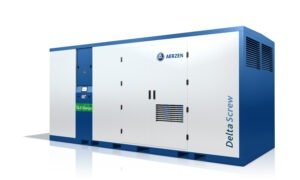
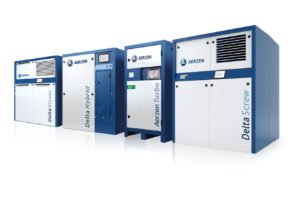
- AERZEN rental unit มาพร้อม Tier 2 built-in monitoring (online pressure/temperature + vibration alert) — เพียงพอสำหรับ non-SIS instrument air และพร้อมใช้งานทันทีในสถานการณ์ emergency rental หรือ TAR standby โดยไม่ต้องติดตั้ง external rig
ไม่ใช่ทุก instrument air point ในโรงงานปิโตรเคมีที่ต้องการ API 670 — มาตรฐานนี้ออกแบบมาสำหรับ
rotating machinery ระดับ critical ที่ failure หนึ่งครั้งสามารถ trigger process trip หรือ personnel hazard ทันที
สำหรับ instrument air compressor ส่วนใหญ่ที่ป้อน pneumatic control valve, actuator และ SCADA interface —
Tier 2 monitoring (online pressure/temperature + vibration alert) ที่มาพร้อม AERZEN rental unit
คือระดับที่เหมาะสมและคุ้มค่าที่สุด ทีม procurement ควรระบุ monitoring tier ที่ต้องการในเอกสาร RFQ
ตาม criticality ของ loop ที่ unit นั้นรับผิดชอบ — ไม่ใช่ใช้ API 670 เป็น default สำหรับทุก point
ทำไม Condition Monitoring ของ Instrument Air ถึงสำคัญในโรงงานปิโตรเคมี
AERZEN ออกแบบและผลิต compressor และ blower มาตั้งแต่ปี 1864 — และหนึ่งในบทเรียนที่สะสมมาตลอด 160 ปีคือ
failure ของ instrument air supply ในโรงงานปิโตรเคมีไม่ใช่เรื่องของ compressor เพียงอย่างเดียว
มันคือ systemic risk ที่กระทบทุก pneumatic control valve, actuator และ safety interlock ที่ใช้อากาศอัดเป็น motive force
ในโรงงาน continuous process plant ที่ Map Ta Phut, Laem Chabang หรือ EEC — instrument air compressor
ป้อนอากาศให้กับ loop นับร้อยพร้อมกัน ตั้งแต่ control valve ที่ควบคุม flow ของ feedstock
ไปจนถึง fail-safe actuator บน emergency shutdown valve (ESDV) ที่เชื่อมกับ SIS (Safety Instrumented System)
ถ้า compressor หยุดทำงานโดยไม่มี warning — เวลาที่ operator จะรับรู้และ switch ไป standby unit
อาจช้าพอที่จะทำให้เกิด process upset หรือ emergency shutdown ทั้งโรงงาน
แต่ปัญหาที่พบในทางปฏิบัติมักเป็นฝั่งตรงข้าม: การ over-specify monitoring —
ทีม procurement กำหนด API 670 ให้กับ instrument air compressor ทุกตัวในโรงงาน โดยไม่พิจารณา criticality tier ของ loop ที่แต่ละตัวรับผิดชอบ
ผลคือต้นทุน monitoring ที่สูงกว่าความจำเป็น ความซับซ้อนในการ commission และ maintain
และในบางกรณี — lead time ที่ยาวขึ้นสำหรับ emergency rental เพราะ unit ต้องมี external proximity probe rig ที่ต้องติดตั้งก่อนใช้งาน
packaged, integrally geared centrifugal air compressors — มาตรฐานระบุว่า minimum protection requirements
สำหรับ instrument air compressor ทั่วไปนั้นต่ำกว่า API 670 level อย่างมีนัยสำคัญ
API 670 ถูก reference ใน API 672 เฉพาะในกรณีที่ผู้ซื้อระบุไว้อย่างชัดเจน (purchaser-specified) เท่านั้น1
3 ระดับ Condition Monitoring: Tier 1 ถึง Tier 3
เพื่อให้ทีม procurement, process engineer และ reliability engineer มีกรอบอ้างอิงเดียวกัน
บทความนี้แบ่ง condition monitoring ของ instrument air compressor ออกเป็น 3 ระดับตามความครอบคลุม ต้นทุน และ applicability:
- Pressure switch (outlet / differential)
- High-temperature cutout (discharge air)
- Oil pressure switch (สำหรับ oil-lubricated types)
- Motor overload relay
AERZEN rental unit มาพร้อมระดับนี้ built-in
- Online pressure transmitter (4-20 mA / digital)
- Online temperature sensor (discharge + bearing)
- Vibration switch / velocity transducer (overall level)
- Hour meter + load monitoring
- Remote alert / MODBUS output (optional)
และ rotor dynamics ได้แบบ real-time
- Radial shaft vibration (proximity probes — X/Y per bearing)
- Axial shaft position (thrust probe)
- Phase reference (Keyphasor)
- Machinery protection system (MPS) — e.g. Bently Nevada 3500
- Speed monitoring
- Bearing temperature (RTD)
| ลักษณะเปรียบเทียบ | Tier 1 — Basic | Tier 2 — Intermediate | Tier 3 — API 670 |
|---|---|---|---|
| Early warning capability | ไม่มี | วัน-สัปดาห์ล่วงหน้า | ชั่วโมง-วันล่วงหน้า (rotor) |
| Parameters monitored | Pressure, temp, OL | + Vibration level, continuous P/T logging | + Shaft orbit, axial position, phase, spectrum |
| Response type | Shutdown only | Alert + shutdown | Alert + shutdown + diagnostics |
| Relevant standard | IEC 60034, manufacturer spec | ISO 10816 / ISO 20816 (vibration velocity) | API 670 (5th Ed. 2014) — proximity probes |
| Installation complexity | Low — factory-installed | Low–Medium — factory-installed standard | High — requires field installation, calibration, probe routing, system integration |
| Suitable for emergency / TAR rental | ได้ — แต่ blind spot สูง | เหมาะสม — พร้อมทันที | ใช้ได้ — แต่ต้องติดตั้งก่อน |
| Typical AERZEN rental unit | ไม่ใช่ standard | Built-in standard | Purchaser-specified, site-installed |
สิ่งที่ตารางข้างต้นไม่ได้บอกคือ cost-risk tradeoff ที่ซ่อนอยู่ภายใน —
ซึ่ง section ถัดไปจะอธิบายในรูปแบบ matrix ที่ทีม procurement สามารถนำไปใช้ใน decision process ได้จริง
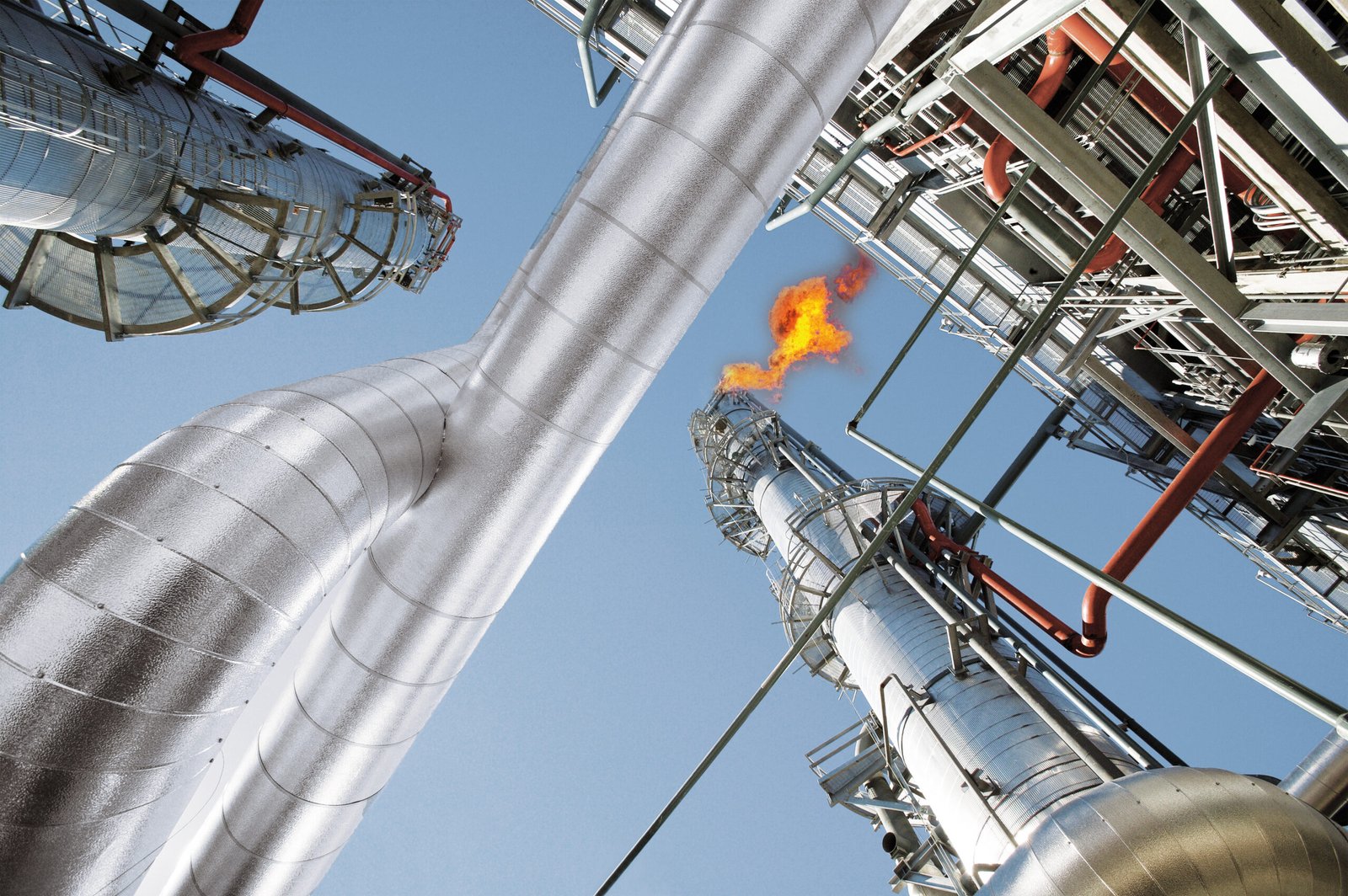
มาพร้อมกับ unit ทุกตัวในกอง rental สำหรับ instrument air applications ใน Map Ta Phut และ EEC
ที่มา: AERZEN Rental Thailand / AERZEN HQ Marketing Library
API 670 คืออะไร และใช้กับ Instrument Air เมื่อไร
API Standard 670: Machinery Protection Systems (5th Edition, 2014) คือมาตรฐานที่ออกแบบมาสำหรับ
rotating machinery ระดับ critical ในอุตสาหกรรม oil & gas และ petrochemical
โดยเฉพาะ large turbomachinery ได้แก่ gas turbines, centrifugal compressors ขนาดใหญ่, steam turbines และ expanders
API 670 กำหนด requirement สำหรับ:
- Radial shaft vibration measurement — ใช้ proximity (eddy-current) probe ติดตั้งที่แต่ละ bearing housing วัด relative shaft-to-bearing motion (μm pk-pk หรือ mils pk-pk)
- Axial (thrust) position measurement — วัดการเคลื่อนที่ของ rotor ในแนวแกน เตือนก่อนที่ thrust bearing จะ fail
- Phase reference (Keyphasor) — สัญญาณ reference สำหรับ synchronous signal analysis และ balancing
- Speed monitoring — overspeed protection
- Bearing temperature — RTD หรือ thermocouple ที่ bearing
- Machinery Protection System (MPS) — dedicated hardware (เช่น Bently Nevada 3500 series) ที่ประมวลผลสัญญาณทั้งหมดและ trigger shutdown
เทคนิคนี้เหมาะสำหรับ fluid-film (hydrodynamic) bearing ที่ใช้ใน large turbomachinery
Instrument air compressor ส่วนใหญ่ที่มีขนาดเล็กถึงกลาง (ใช้ใน rental applications) มักใช้ rolling-element bearing
ซึ่งการวัด shaft vibration ด้วย velocity transducer หรือ accelerometer (ISO 10816 / ISO 20816) เหมาะสมกว่า proximity probe ในแง่เทคนิค
กรณีที่ API 670 จำเป็นสำหรับ Instrument Air
API 670 หรือ equivalent level ของ machinery protection จำเป็นสำหรับ instrument air compressor ใน 3 สถานการณ์หลัก:
-
SIS Loop Feed (Safety Instrumented System) — instrument air ที่ป้อน actuator ซึ่งเป็นส่วนหนึ่งของ Safety Instrumented Function (SIF)
ที่มี Safety Integrity Level (SIL) สูง (SIL 2 หรือ SIL 3) compressor ที่ป้อน SIS loop
มักถูก classify เป็น critical machinery และ site safety philosophy อาจกำหนด Tier 3 monitoring ไว้ใน Safety Requirements Specification (SRS) -
Turbine Seal Air (Dry Gas Seal / Labyrinth Seal Buffer) — seal air สำหรับ large centrifugal compressor หรือ gas turbine
มี zero tolerance ต่อ pressure interruption — failure ของ seal air compressor อาจทำให้ process gas leak เข้า seal housing ได้ทันที
ในกรณีนี้ API 670 level protection สำหรับ seal air compressor เป็น standard practice -
Solitary Non-Redundant Supply (NCSS — Non-Continuous Standby System) — compressor ตัวเดียวที่ไม่มี standby unit
ป้อน critical process โดยตรง โดยไม่มี buffer receiver ขนาดเพียงพอ — ในสถานการณ์นี้
การตรวจจับ failure ก่อนเกิดเหตุมีมูลค่าสูงมาก และ Tier 3 monitoring อาจ justify ได้
consequence analysis ของ loop ที่ unit นั้นรับผิดชอบ ไม่ใช่จาก default specification ที่ copy มาจากโครงการอื่น
— แนวปฏิบัติตาม API RP 554 Part 2: Process Control Systems Field Instruments7
Cost-Risk Matrix: Under-monitoring vs Over-monitoring
ทีม reliability engineer และ procurement ใน petrochemical plant มักเผชิญกับ tension ระหว่าง 2 ความเสี่ยงที่อยู่ตรงข้ามกัน:
under-monitoring (ประหยัดต้นทุนแต่เสี่ยง missed failure)
และ over-monitoring (ต้นทุนสูงเกินความจำเป็น complexity สูง maintenance overhead สูง)
Matrix ด้านล่างแสดงผลลัพธ์ของ 4 quadrant ที่เกิดจากการ cross criticality กับ monitoring tier:
(Tier 1 — Pressure Switch only)
(Tier 3 — API 670)
⚠ Under-Monitoring Risk
- Missed bearing failure → process trip ทันที
- SIL degradation หาก SIS actuator ขาด air pressure
- Potential safety incident (HAZOP finding)
- Insurance / regulatory non-compliance
✓ Appropriate Match
- Early warning → planned intervention
- SIS integrity maintained
- Compliant with API 670 / site safety philosophy
- Higher cost — justified by consequence
✓ Appropriate Match
- Tier 1 หรือ Tier 2 เพียงพอสำหรับ non-SIS point
- ต้นทุนต่ำ, complexity ต่ำ
- เหมาะสำหรับ TAR rental / emergency rental
- AERZEN built-in Tier 2 ครอบคลุม scenario นี้
⚠ Over-Monitoring Cost
- API 670 installation cost สูงเกินจำเป็น
- Field installation + commissioning time เพิ่ม
- Calibration + maintenance overhead
- Emergency rental lead time นานขึ้น
- Risk reduction ที่ได้ไม่คุ้มค่า investment
กรอบ matrix นี้ช่วยให้ทีม procurement สามารถ justify การเลือก tier ได้อย่างมีเหตุผลทางวิศวกรรม
แทนที่จะ default ไปที่ API 670 ทุกตัว ซึ่งไม่เพียงแต่เพิ่มต้นทุนโดยไม่จำเป็น
แต่ยังเพิ่ม lead time ในสถานการณ์ emergency rental ซึ่งเวลาคือมูลค่าที่แท้จริง
วิธีตัดสินใจ Tier ตาม Criticality ของ Loop
กระบวนการตัดสินใจ monitoring tier ที่ถูกต้องควรเริ่มจาก criticality classification
ของ application ที่ instrument air compressor unit นั้นรับผิดชอบ ไม่ใช่จาก machine specification เพียงอย่างเดียว
แนวปฏิบัติที่สอดคล้องกับ API RP 554 และ IEC 61511 แนะนำ 4 ขั้นตอนดังนี้:
-
ระบุ End-Use Application ของ Instrument Air Supply
จัดกลุ่ม consumer ทุกตัวที่ compressor unit นั้นป้อน: เป็น SIS actuator, non-SIS control valve หรือ utility air?
ถ้า supply เดียวป้อนทั้ง SIS และ non-SIS — ควร consider แยก header และ compressor ออกจากกัน -
ดำเนินการ Consequence Analysis (หรือ reference HAZOP report ที่มีอยู่)
ถ้า compressor unit หยุดทำงาน — consequence ทันทีคืออะไร?
Process trip → ประเมิน production loss; Safety incident → ประเมิน severity และ frequency; Equipment damage → ประเมิน repair cost -
กำหนด Criticality Tier ตาม Risk Matrix ของโรงงาน
ส่วนใหญ่ site risk matrix แบ่งเป็น Critical / Essential / General Service
โดยทั่วไป: SIS feed = Critical; main instrument air header = Essential; local utility = General Service -
Map Criticality Tier → Monitoring Requirement ใน RFQ
Critical → specify Tier 3 (API 670 or equivalent) ใน RFQ; Essential → Tier 2 (online continuous + vibration alert);
General Service → Tier 1 หรือ Tier 2 ขึ้นกับ site standard
| Application / Loop Type | Criticality Class | Minimum Monitoring Tier | API 670 Required? |
|---|---|---|---|
| SIS actuator feed (SIL 2–3 loop) | Critical | Tier 3 หรือตาม SRS | Yes / Site-specific SRS |
| Turbine seal air (dry gas seal buffer) | Critical | Tier 3 | Yes |
| Main instrument air header (non-SIS, with redundancy) | Essential | Tier 2 | Not mandatory — purchaser option |
| Emergency / TAR standby instrument air (non-SIS) | Essential | Tier 2 | No — Tier 2 sufficient |
| Local utility air / non-critical pneumatic tools | General Service | Tier 1 | No |
| Catalyst purge air / blanketing (non-pressure-critical) | General Service | Tier 1–2 ตาม process requirement | No |
AERZEN Rental Unit: Built-in Tier 2 Monitoring พร้อมใช้ทันที
AERZEN ออกแบบ rental unit ทุกตัวให้มี Tier 2 equivalent monitoring built-in เป็น standard —
ไม่ใช่ optional add-on ที่ต้องระบุใน RFQ เพิ่มเติม
หลักการออกแบบนี้สะท้อนความเข้าใจที่สะสมมาตลอด 160 ปีว่า
ทีมวิศวกรรมใน petrochemical plant ไม่ต้องการ “bare minimum” unit —
พวกเขาต้องการ unit ที่ บอกได้ว่ากำลังจะเกิดอะไรขึ้น ก่อนที่มันจะเกิดขึ้นจริง
สิ่งที่ Built-in Tier 2 ครอบคลุม
- Online pressure monitoring — transmitter 4-20 mA ที่ discharge outlet ติดตามค่า system pressure แบบ continuous พร้อม high/low alarm setpoint ที่ตั้งล่วงหน้า
- Discharge temperature monitoring — sensor ที่ discharge port และ bearing zone ให้ early warning ก่อนที่ high-temp cutout จะ trigger shutdown
- Vibration alert — velocity transducer วัด overall vibration level ตาม ISO 10816/20816 — alert ที่ threshold สองระดับก่อน shutdown
- Integrated controller / HMI — แสดงผลแบบ real-time พร้อม fault history log สำหรับ root-cause analysis หลัง event
- Remote output (optional) — MODBUS RTU / TCP สำหรับ integration เข้า DCS หรือ SCADA ของโรงงาน ถ้า site ต้องการ centralised monitoring
Tier 2 monitoring พร้อมใช้งานทันทีที่ unit ถึงหน้างาน commissioning ใช้เวลาไม่กี่ชั่วโมง
ไม่กี่วัน ทำให้ AERZEN rental unit เหมาะสำหรับ 24-hour mobilization
ที่โรงงาน Map Ta Phut และ EEC ต้องการในสถานการณ์ unplanned downtime
ขีดจำกัดของ Built-in Tier 2 และเมื่อไรต้องการ Tier 3 เพิ่มเติม
Built-in Tier 2 monitoring ของ AERZEN rental unit ไม่ครอบคลุม:
- Shaft orbit / waveform analysis — ไม่มี proximity probe → ไม่สามารถวิเคราะห์ rotor dynamics หรือตรวจจับ rub / misalignment ในระดับ shaft ได้
- Axial thrust position — ไม่มี thrust probe → ไม่สามารถ detect impending thrust bearing failure ก่อนที่ vibration level รวมจะเพิ่มขึ้น
- API 670 MPS integration — ไม่มี certified machinery protection system → ไม่สามารถใช้ใน SIS loop ที่กำหนด API 670 ไว้ใน SRS
ถ้า application ของท่านต้องการ Tier 3 — ทีม AERZEN Rental Thailand พร้อม coordinate site-level protection layer
ร่วมกับ instrumentation contractor ของโรงงาน เพื่อให้ระบบโดยรวมเป็นไปตาม
specification ที่กำหนดใน engineering package ของโครงการ
วิธีระบุ Monitoring Requirement ใน RFQ ให้ถูกต้อง
หนึ่งในสาเหตุหลักของ over-specification และ under-specification ใน instrument air rental คือ
การเขียน RFQ ที่ไม่ระบุ monitoring tier อย่างชัดเจน ทำให้ vendor ต้องตีความเอง — หรือ worse,
vendor default ไปที่ Tier 1 เพื่อชนะด้าน price ขณะที่ buyer expect Tier 2 หรือ Tier 3
แนวทางการเขียน RFQ ที่ถูกต้องควรระบุ:
-
Application description — ระบุว่า unit จะป้อน SIS loop, non-SIS instrument air,
TAR standby หรือ utility application อย่างชัดเจน - Monitoring tier requirement — ระบุ Tier 1 / Tier 2 / Tier 3 (หรือ “API 670 compliant”) พร้อม specific parameters ที่ต้องการ
- Data output interface — ระบุว่าต้องการ local HMI เท่านั้น หรือต้องการ MODBUS / 4-20 mA output เข้า DCS/SCADA
- Alarm setpoints — กำหนดหรือ ask vendor to propose alarm setpoints พร้อม rationale ตาม ISO 10816 Class ของ machine
- Documentation requirement — ระบุว่าต้องการ monitoring system datasheet, calibration certificate และ as-built wiring diagram หรือไม่
ทำ free pre-rental application review เพื่อ recommend monitoring tier ที่เหมาะสม
โดยพิจารณาจาก P&ID ของ system, criticality classification และ turnaround schedule
ก่อนที่จะออก rental quotation
คำถามที่พบบ่อย (FAQ)
API 670 กับ ISO 10816 ต่างกันอย่างไรในการวัด vibration ของ instrument air compressor?
API 670 ใช้ proximity probe (eddy-current) วัด relative displacement ของ shaft เทียบกับ bearing housing —
เหมาะสำหรับ fluid-film (hydrodynamic) bearing ใน large turbomachinery
มาตรฐานกำหนด alert และ danger trip setpoints เป็น μm pk-pk (หรือ mils pk-pk ใน Imperial)
ISO 10816 / ISO 20816 วัด absolute vibration velocity ของ machine casing ด้วย velocity transducer หรือ accelerometer —
เหมาะสำหรับ rolling-element bearing machines ซึ่งรวมถึง instrument air compressor ขนาดกลาง-เล็กส่วนใหญ่
หน่วยวัดเป็น mm/s RMS (root mean square)
สำหรับ AERZEN rental unit ที่ใช้ rolling-element bearing — ISO 10816/20816 คือ standard ที่ถูกต้องสำหรับ vibration monitoring
ไม่ใช่ proximity probe แบบ API 670
ถ้าโรงงานกำหนด API 672 สำหรับ instrument air compressor — ต้องการ API 670 ด้วยหรือไม่?
ไม่จำเป็นโดยอัตโนมัติ API 672 (5th Edition, 2019 — Packaged, Integrally Geared Centrifugal Air Compressors)
กำหนด protection requirements ของตัวเองสำหรับ instrument air centrifugal compressor
โดย Section 6.9 ของ API 672 ระบุ instrumentation requirements ที่ครอบคลุม vibration switch, pressure transmitter และ temperature sensor
เป็น standard equipment
API 670 level protection ถูก reference ใน API 672 เฉพาะเมื่อ purchaser specifies ไว้ใน datasheet เท่านั้น
ดังนั้น ถ้า RFQ กำหนดแค่ “API 672 compliant” โดยไม่ระบุ “API 670 instrumentation” —
vendor ไม่มี obligation ต้องจัด API 670 MPS
สำหรับ TAR (Turnaround) standby rental ที่ใช้แค่ 3-6 สัปดาห์ — Tier 2 เพียงพอหรือไม่?
สำหรับ non-SIS instrument air ในช่วง TAR — Tier 2 เพียงพอในทางวิศวกรรม
เหตุผลหลักคือ: (1) unit มาจาก fleet ที่ผ่าน pre-dispatch inspection แล้ว — bearing condition ดีก่อนส่ง;
(2) Tier 2 monitoring ให้ early warning 24-48 ชั่วโมงล่วงหน้าสำหรับ deteriorating conditions ส่วนใหญ่;
(3) ระยะเวลา rental สั้น — probability ของ catastrophic bearing failure ในช่วง 3-6 สัปดาห์นั้นต่ำมาก
ถ้า application เป็น SIS feed — ให้ assess ตาม SRS ของ site โดยเฉพาะ
AERZEN rental unit สามารถ connect เข้า DCS ของโรงงานได้หรือไม่?
ได้ — AERZEN rental unit รองรับ MODBUS RTU / MODBUS TCP output
ซึ่งสามารถ integrate เข้า DCS หรือ SCADA ของโรงงานผ่าน protocol converter หรือ I/O card ที่มีอยู่แล้ว
สำหรับ 4-20 mA analog output สำหรับ pressure และ temperature — สามารถ wire เข้า marshalling cabinet ของโรงงานได้โดยตรง
ทีม AERZEN จะ provide loop diagram และ signal specification เพื่อประกอบการ engineering ของ site
ISO 8573-1 Class 0 ของ AERZEN rental unit เกี่ยวข้องกับ Condition Monitoring อย่างไร?
ISO 8573-1 Class 0 กำหนด purity ของอากาศอัดที่ outlet — ไม่ใช่ monitoring requirement ของ machine
แต่มีความเชื่อมโยงกันในแง่ว่า: Tier 2 monitoring ที่ดี (temperature monitoring โดยเฉพาะ)
ช่วย detect anomalies ที่อาจกระทบ air quality ได้ล่วงหน้า เช่น excessive discharge temperature
ที่อาจเป็น indicator ของ leaking seals หรือ carbon carry-over ใน oil-free compressor ที่ seal ชำรุด
AERZEN TVO oil-free screw compressor ทุกตัวในกอง rental ผ่านการรับรอง ISO 8573-1 Class 0 โดย TÜV Rheinland —
การรับรองนี้ครอบคลุม oil aerosol, oil vapor และ particulate ที่ outlet ภายใต้ operating conditions มาตรฐาน
ปรึกษา Monitoring Tier ที่เหมาะสมสำหรับ Application ของท่าน
ทีม application engineer ของ AERZEN Rental Thailand พร้อมช่วย review P&ID, criticality classification
และ recommend monitoring tier ที่เหมาะสม — ก่อนออก rental quotation
ไม่ว่าจะเป็น emergency rental, TAR bridging หรือ long-term subscription plan
สายด่วน 24/7: 098-323-2626 |
ออฟฟิศ EEC: 038-015-488 |
อีเมล: thai@aerzenrental.com
แหล่งอ้างอิง
-
American Petroleum Institute. API Standard 672: Packaged, Integrally Geared Centrifugal Air Compressors for Petroleum, Chemical, and Gas Industry Services, 5th Edition. Washington, DC: API, 2019.
api.org — API 672 -
American Petroleum Institute. API Standard 670: Machinery Protection Systems, 5th Edition. Washington, DC: API, 2014.
api.org — API 670 -
International Organization for Standardization. ISO 20816-3: Mechanical vibration — Measurement and evaluation of machine vibration — Part 3: Industrial machines with nominal power above 15 kW and nominal speeds between 120 r/min and 30 000 r/min when measured in situ. Geneva: ISO, 2022.
iso.org — ISO 20816-3 -
International Organization for Standardization. ISO 8573-1: Compressed air — Part 1: Contaminants and purity classes. Geneva: ISO, 2010.
iso.org — ISO 8573-1 - AERZEN Aerzener Maschinenfabrik GmbH. AERZEN Rental Solutions — Brochure ARD-002-04. Aerzen, Germany: AERZEN, 2023.
- AERZEN Aerzener Maschinenfabrik GmbH. AERZEN Delta Hybrid Screw Blower — Product Brochure D1-010-13. Aerzen, Germany: AERZEN, 2023.
-
American Petroleum Institute. API RP 554 Part 2: Process Control Systems — Field Instruments. Washington, DC: API. (Referenced for criticality-based monitoring tier selection practice.)
api.org — API RP 554