บทความโดยภราดร วรรณสังข์ (Paradorn Wannasung)Marketing Communication Specialist · นิเทศศาสตรมหาบัณฑิต (การสื่อสารการตลาดและแบรนด์)
Palm Oil Mill Pneumatic Conveying Blower Rental Thailand — Surat Thani & Krabi
TL;DR — สรุปสำคัญ
- EFB fibre, kernel shell และ PKE มีสมบัติทางกายภาพต่างจากผงซีเมนต์หรือเมล็ดธัญพืชอย่างมีนัย — ความชื้นสูง (30–60% w.b. สำหรับ EFB สด), bulk density ต่ำ, และเส้นใยยาวที่ก่อให้เกิด particle erosion — ต้องระบุ blower ที่ทนการสึกหรอและออกแบบ cyclone separator อย่างถูกต้อง
- Dilute-phase conveying ที่ 4–6 t/h ต้องการ air volume 1,800–3,200 Nm³/h และแรงดัน 0.55–0.85 bar(g) ขึ้นกับวัสดุและระยะท่อ — BVS Delta Screw Blower หรือ BVO Delta Blower Series (AERZEN) เหมาะกับช่วง capacity นี้ในสภาพอากาศเขตร้อน 80% RH
- ฤดูกาล Crushing Season (ต.ค.–ม.ค.) คือจุดสูงสุดของ throughput — เช่า AERZEN แบบ Subscription Plan หรือ short-term rental ช่วย Peak Season โดยไม่ต้องลง CAPEX บนเครื่องที่จะไม่ถูกใช้ตลอดปี; ขอใบเสนอราคา: aerzenrentalth.com/get-quote
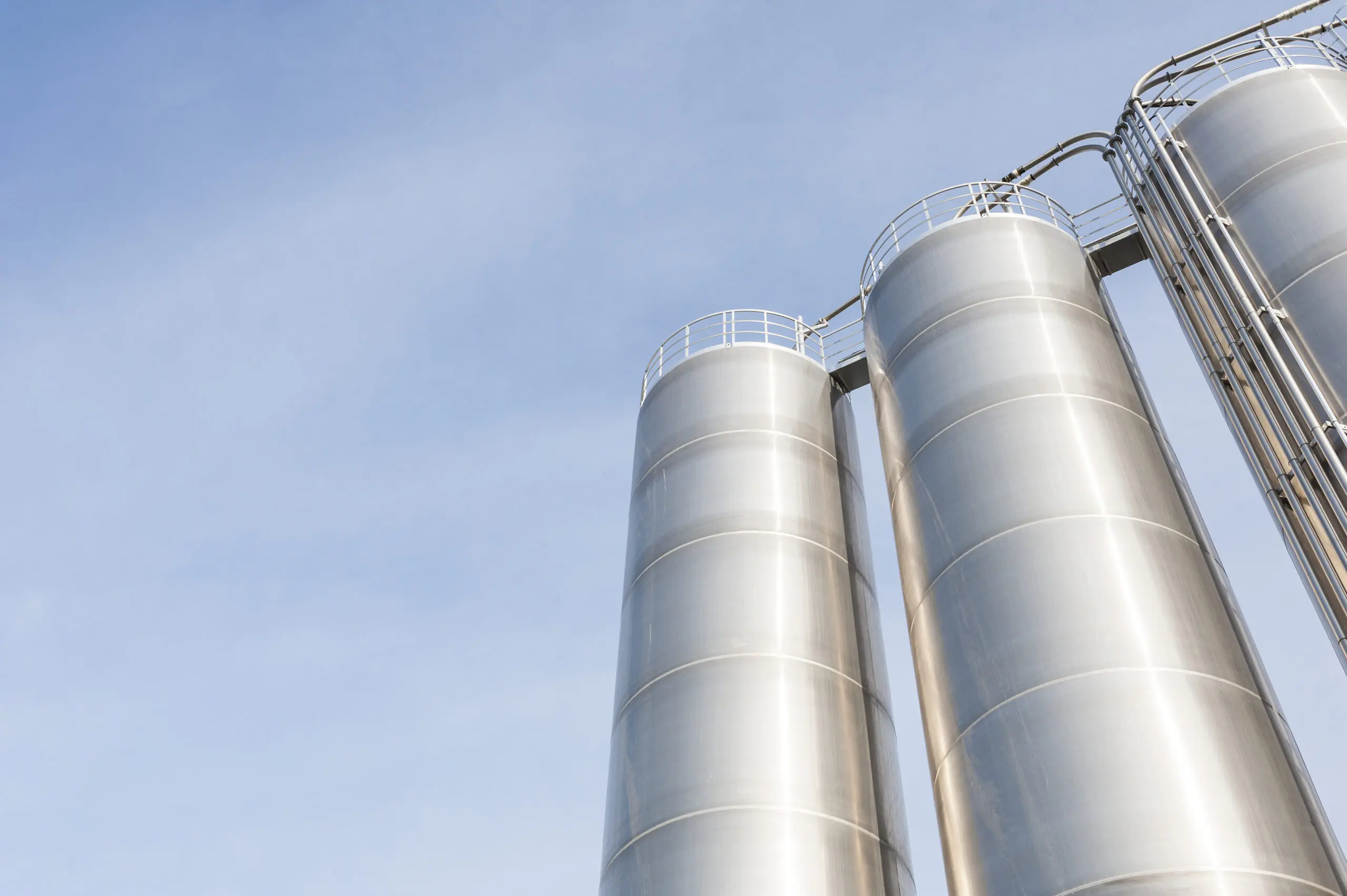
AERZEN วิศวกรรม blower และ compressor มาตั้งแต่ปี ค.ศ. 1864 — ในช่วง 160 ปีที่ผ่านมา วัสดุที่ท้าทายที่สุดสำหรับระบบลำเลียงนิวเมติกไม่ใช่ผงซีเมนต์หรือเรซินพลาสติก แต่คือ เส้นใยชีวมวลชุ่มน้ำจากอุตสาหกรรมปาล์มน้ำมัน โดยเฉพาะ Empty Fruit Bunch fibre (EFB), Kernel Shell และ Palm Kernel Expeller (PKE) ซึ่งมีสมบัติทางกายภาพที่แตกต่างจากวัสดุผงแห้งทุกชนิดอย่างมีนัยสำคัญ
บทความนี้เป็นคู่มือเทคนิคเฉพาะสำหรับ วิศวกรกระบวนการ (Process Engineer) และวิศวกรโรงงาน (Plant Engineer) ที่ดูแลระบบ pneumatic conveying ในโรงงาน Crude Palm Oil (CPO) ทั้งการคำนวณขนาด blower สำหรับ dilute-phase ที่ throughput 4–6 t/h การชดเชยความชื้น 80% RH ในสภาพอากาศเขตร้อนของไทย และกลยุทธ์การเช่าเครื่องแบบ Seasonal Rental เพื่อรองรับ Crushing Season ตุลาคม–มกราคม โดยไม่ต้องลงทุน CAPEX บนเครื่องจักรที่จะนิ่งตลอดออกซีซัน
บทความนี้ต่างจาก คู่มือเลือก Blower สำหรับ Pneumatic Conveying (ทั่วไป) ในประเด็นสำคัญหนึ่ง: วัสดุชีวมวลจากปาล์มน้ำมันมีคุณสมบัติที่บังคับให้ต้องปรับ logic การออกแบบ ทั้งในด้าน moisture correction, velocity selection, rotor material specification และ separator design — ไม่สามารถใช้ sizing guide ทั่วไปได้โดยตรง
80%
ความชื้นสัมพัทธ์ (RH) ในโรงงาน CPO ภาคใต้ ช่วง Crushing Season
4–6 t/h
Throughput EFB fibre ทั่วไปสำหรับ dilute-phase conveying ไปยัง boiler หรือ composting
30–60%
ความชื้นของ EFB สด (Wet Basis) ก่อนผ่านกระบวนการ threshing
4 เดือน
ระยะเวลา Peak Crushing Season (ต.ค.–ม.ค.) ที่ throughput สูงกว่าออกซีซัน 40–60%
1. สมบัติของวัสดุ EFB, Kernel Shell และ PKE ที่กำหนดการออกแบบระบบ
การออกแบบระบบ pneumatic conveying เริ่มจากความเข้าใจสมบัติทางกายภาพและกลไกของวัสดุที่จะลำเลียง — สำหรับโรงงาน CPO มีวัสดุหลักสามชนิดที่วิศวกรต้องพิจารณา:
Empty Fruit Bunch Fibre (EFB Fibre)
EFB คือ ทะลายปาล์มเปล่าหลังจากแยก Fresh Fruit Bunch (FFB) ออกจากก้านผล ในโรงงาน CPO หนึ่งตัน FFB จะผลิต EFB ประมาณ 220–230 กก. (ประมาณ 22–23% ของ FFB weight) EFB ที่ผ่าน shredder แล้วจะกลายเป็นเส้นใยยาว 5–50 mm มีลักษณะพิเศษดังนี้:
- Bulk density: 80–130 kg/m³ (เมื่อแห้ง), 100–160 kg/m³ (เมื่อชื้น) — ต่ำกว่าแป้งข้าวโพด (~650 kg/m³) อย่างมาก
- Moisture content: 30–60% w.b. สำหรับ EFB สด; 15–25% หลัง steam sterilisation; ต่ำกว่า 15% หลัง partial drying
- Particle shape: เส้นใยยาว anisotropic — มี aspect ratio สูง ทำให้ค่า drag coefficient (Cd) สูงกว่า spherical particle; ต้องใช้ air velocity สูงขึ้น 15–25% จาก pickup velocity ที่คาดการณ์จาก correlation มาตรฐาน
- Abrasiveness: ปานกลาง — silica content ใน EFB อยู่ที่ 1–4% SiO₂ ซึ่งสามารถก่อให้เกิด abrasive wear บน rotor vane และ casing bend โดยเฉพาะเมื่อ EFB ชื้นและเหนียว
- Stickiness: EFB ชื้นมีแนวโน้มติดผนังท่อและ cyclone separator — ต้อง purge cycle หรือ air sweep ใน system design
Kernel Shell (Palm Kernel Shell — PKS)
Kernel shell คือเปลือกแข็งของ palm kernel หลังจากแยก palm kernel oil (PKO) ออกแล้ว มีสมบัติที่แตกต่างจาก EFB อย่างมาก:
- Bulk density: 550–680 kg/m³ — สูงกว่า EFB ถึง 4–6 เท่า ทำให้ต้องใช้ air velocity ที่สูงกว่าเพื่อ suspension
- Moisture content: 8–18% w.b. — ต่ำกว่า EFB สด แต่ยังคงผันแปรตาม ambient humidity ในฤดูฝน
- Hardness: Mohs ~3.5–4.5 — แข็งกว่า EFB อย่างมีนัย ก่อให้เกิด particle impact erosion บน bend, elbow และ rotor ที่สัมผัสอนุภาค
- Particle size: 5–25 mm fragments — ต้องระวัง bridging และ blockage ที่ท่อขนาดเล็ก; ขนาดท่อต่ำสุดแนะนำ 100 mm (4 นิ้ว)
Palm Kernel Expeller (PKE)
PKE คือ by-product หลังจากสกัด PKO ด้วยวิธี mechanical expeller มีลักษณะเป็นเม็ดแข็ง-กึ่งนิ่มขึ้นอยู่กับ moisture และ temperature ระหว่างกระบวนการ:
- Bulk density: 600–750 kg/m³ — ใกล้เคียง kernel shell
- Moisture: 10–22% w.b. — PKE ร้อนที่ออกจาก expeller อาจมีอุณหภูมิ 60–80°C ซึ่งส่งผล inlet air density ต่อการ sizing blower
- Oil content: 6–12% residual oil — PKE อาจมีน้ำมันตกค้างซึ่งทำให้เม็ดเหนียว; ตรวจสอบว่า conveying air ไม่ก่อให้เกิด oxidation หรือ spontaneous combustion risk ในท่อที่อุณหภูมิสูง
- Abrasiveness: ต่ำ–ปานกลาง; ข้อกังวลหลักคือ stickiness มากกว่า hardness
ข้อควรระวัง: PKE ที่ยังร้อน (>60°C) รวมกับ residual oil สามารถก่อให้เกิด dust cloud ที่ติดไฟได้ในระบบท่อที่มี oxygen ครบ — ก่อนออกแบบระบบ pneumatic conveying PKE จำเป็นต้องทำ dust explosion risk assessment ตาม ATEX Directive 2014/34/EU หรือ NFPA 68/69 เพื่อพิจารณาความจำเป็นของ inert gas purge หรือ explosion vent
2. การชดเชยความชื้น 80% RH ในสภาพแวดล้อมโรงงานปาล์มเขตร้อน
โรงงาน CPO ในภาคใต้และภาคกลางของไทย (สุราษฎร์ธานี กระบี่ ชุมพร ปัตตานี นครศรีธรรมราช) มีค่าความชื้นสัมพัทธ์ (Relative Humidity — RH) เฉลี่ยทั้งปีที่ 75–85% โดยในช่วง Crushing Season ตุลาคม–มกราคมซึ่งตรงกับปลายฝน ค่า RH ในพื้นที่หลายแห่งสูงถึง 82–90% ในช่วงกลางคืนและเช้าตรู่
ความชื้นในอากาศ inlet มีผลต่อการ sizing blower ใน 3 มิติหลัก:
2.1 Air Density Correction
อากาศชื้น (moist air) มีความหนาแน่นต่ำกว่าอากาศแห้ง เนื่องจาก water vapour (M = 18 g/mol) เบากว่า N₂ (M = 28 g/mol) และ O₂ (M = 32 g/mol) ที่อุณหภูมิ 35°C และ RH 80% ค่า air density อยู่ที่ประมาณ 1.116 kg/m³ เทียบกับ 1.164 kg/m³ ในสภาวะมาตรฐาน ISO (20°C, 0% RH, 1 atm)
ผลที่ตามมา: blower ที่ rated ที่ 1,200 Nm³/h ในสภาวะ ISO จะส่ง mass flow ต่ำกว่าเมื่อดูดอากาศ inlet ที่ 35°C/80% RH โดยประมาณ — ต้องใช้ Correction Factor ≈ 1.04–1.07 ต่อ rated volume เพื่อชดเชย density loss ให้ได้ mass flow เท่าเดิม
2.2 Condensation Risk ในท่อ Conveying
เมื่ออากาศ inlet ที่ RH 80% ถูกอัดในโรตารี blower อุณหภูมิ discharge จะเพิ่มขึ้น 40–80°C ขึ้นกับ pressure ratio — แต่เมื่อ compressed air เดินทางผ่านท่อโลหะที่อุณหภูมิแวดล้อม จะเกิดการคายความร้อนและ condensation ซึ่งเป็นปัญหาร้ายแรงสำหรับ EFB fibre เพราะน้ำที่ condensed จะทำให้ EFB เปียกและเกาะติดผนังท่อ
ข้อแนะนำจาก AERZEN Engineering สำหรับ tropical palm oil mill application:
- ใช้ after-cooler ร่วมกับ moisture separator (cyclone type) ก่อน conveying line สำหรับระบบที่ใช้ BVS หรือ BVO ซีรีส์
- ออกแบบ pipe slope ≥ 1° downward ในทิศทางการไหล เพื่อระบาย condensate ออกจากระบบ
- ติดตั้ง automatic drain valve ที่จุดต่ำสุดของระบบท่อทุก 15–20 เมตร
- เลือก minimum conveying velocity ที่สูงกว่า design minimum 20% เพื่อป้องกัน saltation ในสภาพ EFB ชื้น
2.3 Motor Derating ในสภาพอากาศร้อนชื้น
มาตรฐาน IEC 60034-1 กำหนดว่า motor rated power ใช้ที่ ambient 40°C — ในโรงงาน CPO ที่มีความร้อนจาก steriliser และ boiler อุณหภูมิ ambient ใกล้ motor อาจสูงถึง 45–52°C ต้อง apply motor derating factor 0.88–0.93 ต่อ nameplate rating เพื่อป้องกัน thermal overload ระยะยาว
“ในโรงงาน CPO บนพื้นที่ราบต่ำ (ระดับน้ำทะเล) อุณหภูมิ 35°C และ RH 80% รวมกัน หมายความว่าคุณต้องเผื่อ blower ขึ้น 10–15% จาก theoretical air requirement ที่คำนวณในสภาวะ ISO — ถ้าไม่ทำ คุณจะเจอปัญหา material hang-up ในท่อช่วงฤดูฝน” — แนวปฏิบัติจาก AERZEN Application Engineering
3. หลักการคำนวณขนาด Blower สำหรับ Dilute-Phase 4–6 t/h
สำหรับ dilute-phase positive-pressure conveying ซึ่งเป็น mode ที่ใช้บ่อยที่สุดสำหรับ EFB fibre ในโรงงาน CPO (เนื่องจาก fibrous material ไม่เหมาะกับ dense-phase ที่ต้องการ plug formation ที่สม่ำเสมอ) กระบวนการ sizing เริ่มจาก:
ขั้นตอนที่ 1 — กำหนด Minimum Conveying Velocity (Vmin)
Pickup velocity (Vp) ของ EFB fibre แห้งอยู่ที่ประมาณ 12–16 m/s ขึ้นกับ aspect ratio ของเส้นใย สำหรับ EFB ชื้น (moisture > 20%) ต้องเพิ่ม Vp เป็น 16–22 m/s เพื่อรักษา suspension โดย design conveying velocity ควรอยู่ที่ Vmin × 1.25–1.35 = โดยทั่วไป 20–28 m/s สำหรับ EFB
สำหรับ Kernel Shell (heavier, denser) ค่า Vp สูงกว่าอยู่ที่ 18–24 m/s และ design velocity ควรอยู่ที่ 25–32 m/s
ขั้นตอนที่ 2 — คำนวณ Air Volume ที่ต้องการ
สำหรับ throughput 5 t/h EFB fibre (bulk density ≈ 100 kg/m³ เมื่อชื้น) กับท่อ conveying ขนาด 150 mm (6 นิ้ว) และ design velocity 24 m/s:
Cross-sectional area = π × (0.075)² = 0.01767 m²
Volumetric air flow = V × A = 24 × 0.01767 = 0.424 m³/s = 1,527 Nm³/h (ที่ 20°C, 1 atm)
ปรับ tropical correction (35°C, 80% RH): +10% = 1,680 Nm³/h
สำหรับ EFB ที่ 6 t/h กับท่อ 200 mm และ velocity 22 m/s: air volume ≈ 2,640 Nm³/h หลัง correction
ขั้นตอนที่ 3 — กำหนด Operating Pressure
Pressure drop ในระบบ dilute-phase ประกอบด้วย:
- Acceleration pressure drop ในช่วง pick-up: 0.03–0.06 bar(g)
- Pipe friction (horizontal): ≈ 0.008–0.012 bar/10m สำหรับ EFB
- Pipe friction (vertical): × 2.5–3.0 เทียบกับ horizontal สำหรับ dense material
- Bend losses: แต่ละ 90° bend ≈ 0.02–0.04 bar(g) ขึ้นกับ radius ratio
- Cyclone separator pressure drop: 0.05–0.12 bar(g) ขึ้นกับ design
สำหรับระบบทั่วไปในโรงงาน CPO ที่ระยะท่อรวม 80–120 m และ lift 12–18 m ค่า total system pressure drop อยู่ที่ 0.55–0.85 bar(g) — ช่วงนี้เหมาะกับ BVS Delta Screw Blower หรือ BVO Delta Blower Series ของ AERZEN
4. การระบุ Blower ที่ทนอนุภาคและเส้นใยสำหรับ EFB และ Kernel Shell
Particle erosion เป็นปัญหาหลักที่แยก blower spec สำหรับโรงงานปาล์มออกจาก blower ทั่วไป — เส้นใย EFB ที่มี SiO₂ 1–4% และ kernel shell ที่มีความแข็ง Mohs ~4 จะก่อให้เกิดการสึกหรอที่ rotor vane tip clearance และ casing internal surface เมื่อ air-particle mixture ผ่าน blower
ทำไมต้องระวัง Tip Clearance Erosion
ใน positive-displacement rotary lobe blower (เช่น GM series) และ screw blower (เช่น BVS Delta Screw) ช่องว่างระหว่าง rotor tip และ casing (tip clearance) มักอยู่ที่ 0.15–0.35 mm ในสภาพใหม่ — เมื่อเกิด erosion clearance จะขยายขึ้น ทำให้ internal slip (back-leakage) เพิ่มขึ้น volumetric efficiency ลดลง และ pressure capability ตก
สำหรับ clean-air application erosion ไม่ใช่ปัจจัยหลัก แต่สำหรับ EFB conveying ซึ่ง air-particle mixture ผ่านหรือสัมผัส blower (กรณี pressure blower ที่ material อยู่ downstream ของ blower outlet) ต้องระบุ:
- Hardened casing lining หรือ wear-resistant coating บน rotor housing สำหรับ kernel shell service
- Pre-separation cyclone ก่อน blower inlet สำหรับระบบที่ใช้ vacuum conveying (ซึ่งพบน้อยกว่าในโรงงาน CPO)
- 300-series stainless steel หรือ ductile iron casing สำหรับ EFB fibre ชื้นเพื่อป้องกัน corrosion จาก organic acid ใน EFB
- IP55 หรือสูงกว่า สำหรับ motor enclosure เนื่องจาก EFB dust และ moisture ในสภาพแวดล้อมโรงงาน CPO
ข้อกำหนดสำหรับ AERZEN BVS Delta Screw ในโรงงาน CPO
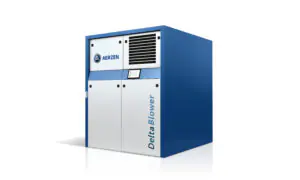
BVS Delta Screw E-Blower ของ AERZEN เป็น screw-type positive displacement blower ที่ลงตัวสำหรับ palm oil mill conveying application เนื่องจาก:
- Discharge air temperature ต่ำกว่า rotary lobe type ที่ pressure ratio เดียวกัน — ลดความเสี่ยง condensation ใน downstream pipe
- Operating range กว้าง (turndown ได้ 40–100% ของ rated capacity) — รองรับ throughput variation ระหว่าง off-peak และ crushing peak
- Oil-free dry compression — ไม่มีความเสี่ยง oil contamination บน EFB หรือ PKE ที่จะนำไปใช้เป็น boiler fuel หรือ animal feed supplement
- Vibration level ต่ำ — ลด fatigue stress บน mounting structure ของโรงงานที่มักเป็น concrete slab ไม่แยกส่วน
5. ตารางเปรียบเทียบ: EFB vs Kernel Shell vs PKE — ผลต่อการเลือก Blower
| พารามิเตอร์ | EFB Fibre | Kernel Shell (PKS) | PKE (Palm Kernel Expeller) |
|---|---|---|---|
| Bulk density (kg/m³) | 80–160 (ขึ้นกับ moisture) | 550–680 | 600–750 |
| Moisture content (% w.b.) | 15–60% (สูงมาก) | 8–18% | 10–22% (+ residual oil 6–12%) |
| Particle shape | Fibrous, anisotropic (5–50 mm) | Angular fragments (5–25 mm) | Pellet/crumble (3–15 mm) |
| Abrasiveness | ปานกลาง (SiO₂ 1–4%) | สูง (Mohs ~3.5–4.5) | ต่ำ |
| Stickiness (wet) | สูง — ต้องการ purge cycle | ต่ำ–ปานกลาง | ปานกลาง–สูง (oil residue) |
| Conveying mode แนะนำ | Dilute-phase positive pressure | Dilute-phase positive pressure | Dilute-phase positive pressure |
| Design conveying velocity | 20–28 m/s | 25–32 m/s | 18–24 m/s |
| Operating pressure (4–6 t/h, 80–120 m pipe) | 0.45–0.75 bar(g) | 0.65–0.90 bar(g) | 0.50–0.80 bar(g) |
| AERZEN model เหมาะสม | BVS Delta Screw / BVO Delta | BVS Delta Screw (higher ΔP) | BVO Delta / BVS Delta Screw |
| ความกังวลพิเศษ | Condensation + wall adhesion | Impact erosion บน bend + rotor | Dust explosion risk (ATEX review) |
| Tropical RH correction | +10–15% air volume | +8–12% air volume | +8–12% air volume |
อ้างอิง: แนวทาง sizing อิงตาม CAGI (Compressed Air and Gas Institute) — Technical Resources และ AERZEN Application Engineering data sheet สำหรับ fibrous biomass applications; MPOB (Malaysian Palm Oil Board) technical circulars on EFB fibre properties.
6. กลยุทธ์เช่าตามฤดูกาล Crushing Season ต.ค.–ม.ค.
อุตสาหกรรมปาล์มน้ำมันไทย — ซึ่งมีกำลังการผลิตรวมกว่า 6 ล้านตัน FFB/ปี กระจายตัวหลักใน 8 จังหวัดภาคใต้และชุมพร — มี seasonality ชัดเจน ผลผลิต FFB สูงสุดในเดือนตุลาคม–มกราคม ซึ่งตรงกับปลายมรสุมตะวันออกเฉียงเหนือ throughput ในช่วง Crushing Peak สูงกว่า Low Season (มีนาคม–มิถุนายน) ประมาณ 40–65% ขึ้นกับพื้นที่
นัยต่อการวางแผนระบบ pneumatic conveying คือ: ถ้าออกแบบระบบให้รองรับ Peak Throughput 6 t/h ตลอดทั้งปี จะมีกำลังการผลิต installed ที่นิ่งอยู่ 4–5 เดือน/ปี — สิ้นเปลืองทั้งเงินทุน การบำรุงรักษา และพื้นที่ติดตั้ง
แนวทาง Seasonal Rental เพื่อตอบ Crushing Peak
| กลยุทธ์ | ข้อดี | ข้อจำกัด | เหมาะกับ |
|---|---|---|---|
| ซื้อ Blower สำหรับ Peak Capacity ทั้งหมด | ควบคุมได้เต็มที่ | CAPEX สูง; เครื่องนิ่ง 4–5 เดือน/ปี; ต้องทำ PM เอง; obsolescence risk | โรงงานขนาดใหญ่ที่มีงบ CAPEX และทีมวิศวกรพร้อม |
| ซื้อ Base Load + เช่า Top-Up ช่วง Peak | CAPEX ลด 30–50%; เช่าเฉพาะเมื่อต้องการ; AERZEN mobilise ภายใน 24 ชม. | ต้องวางแผน lead time ล่วงหน้า; ค่าเช่า Peak Season สูงกว่า Low Season | โรงงานขนาดกลาง (5,000–15,000 tFFB/เดือน) — แนะนำ |
| เช่าทั้งหมด (Full Rental / Subscription Plan) | CAPEX = 0; ครอบคลุม PM + อะไหล่ + วิศวกร; Scalable ขึ้น-ลงตามฤดูกาล | OPEX สูงกว่าถ้าใช้ตลอดปี (แต่ต่ำกว่า TCO รวมเมื่อเทียบกับ CAPEX + depreciation) | โรงงานใหม่ที่ไม่ต้องการผูก capital; โรงงานที่ขาดทีม maintenance — แนะนำ |
| Short-term Rental เฉพาะ Crushing Season | จ่ายเฉพาะ 4 เดือน; ไม่มีภาระ depreciation ตลอดปี; AERZEN ดูแล PM ระหว่างเช่า | ต้องจอง/แจ้ง AERZEN ล่วงหน้า ≥ 4–6 สัปดาห์ก่อน Crushing เริ่ม; ราคาต่อเดือนสูงกว่า long-term | โรงงานที่มี Blower base อยู่แล้วแต่ต้องการ redundancy หรือ capacity boost — แนะนำ |
ตัวอย่างการวางแผน Seasonal Rental
โรงงาน CPO ขนาดกลางที่ throughput peak 6 t/h EFB (ต.ค.–ม.ค.) และ base load 3.5 t/h (ก.พ.–ก.ย.) สามารถวางแผนได้ดังนี้:
- Permanent installation: BVS Delta Screw Blower ขนาดรองรับ 3.5–4 t/h (own equipment)
- Seasonal Rental (AERZEN): BVS หรือ BVO เพิ่มเติม 1 ชุด เช่าเดือนกันยายน–กุมภาพันธ์ (6 เดือน) — รวม Pre-season commissioning และ Post-season decommissioning ในแพ็กเกจ
- Subscription Plan option: หากต้องการให้ AERZEN ดูแล PM ของเครื่อง permanent ด้วย สามารถรวม Subscription Plan ครอบคลุม PM 500h/2000h และ rapid response ภายใน 4 ชั่วโมงสำหรับ critical breakdown
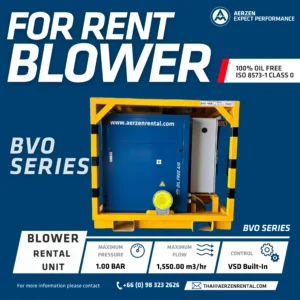
AERZEN ส่ง blower rental unit พร้อมติดตั้งและ commission ไปยังพื้นที่ภาคใต้ได้ภายใน 24–48 ชั่วโมงหลังยืนยัน order — ทีมวิศวกร AERZEN Rental Thailand ตั้งอยู่ที่ 36/60 พลูตาหลวง อำเภอสัตหีบ ชลบุรี พร้อมประสานงาน logistics กับ partner network ในพื้นที่ภาคใต้
7. Case Scenario: โรงงาน CPO ภาคใต้ — ระบบลำเลียง EFB 5 t/h
Illustrative Scenario — Anonymised CPO Mill, South Thailand
โรงงาน CPO ขนาดกลาง กำลังผลิต 60 ตัน FFB/ชั่วโมง — ปัญหาระบบ EFB Conveying
- ขนาดโรงงาน
- กำลังการผลิต 60 t FFB/h (Crushing Season Peak), 35 t FFB/h (Low Season)
- วัสดุที่ลำเลียง
- EFB Fibre หลัง shredder — moisture ≈ 35% w.b. ในฤดูฝน, ≈ 22% w.b. ในฤดูแล้ง
- Throughput ที่ต้องการ
- 5 t/h EFB ต่อ conveying line ไปยัง EFB Composting Area (ระยะ 110 m, vertical lift 8 m)
- ปัญหาที่พบ
- ระบบเดิมใช้ rotary lobe blower ขนาด 1,100 Nm³/h rated ที่ ISO conditions — ในช่วง Crushing Season ที่ ambient 34°C/82% RH พบ: (1) material saltation และ hang-up ในท่อ horizontal ทุก 2–3 ชั่วโมง ต้องหยุด purge; (2) condensation ในท่อช่วง 0–6 โมงเช้า ทำให้ EFB เปียกและติดผนัง; (3) blower overload trip เนื่องจาก motor derating ไม่ถูก apply ในการออกแบบ
- การวิเคราะห์สาเหตุ
- Air volume ที่ actual (35°C/82% RH) ต่ำกว่า rated ประมาณ 11% — ทำให้ conveying velocity ตกต่ำกว่า saltation velocity ของ EFB ชื้น; ไม่มี after-cooler/moisture separator ใน system; motor rated ที่ 40°C แต่ ambient จริง 47°C ทำให้ thermal protection trip
- แนวทางแก้ไข (AERZEN Rental Solution)
- เช่า BVS Delta Screw E-Blower ขนาด 1,800 Nm³/h ที่ operating condition จริง (35°C, 82% RH, 0.72 bar(g)) — พร้อม after-cooler + automatic moisture drain; motor พร้อม thermal derating factor 0.92 ณ ambient 47°C; commissioning ภายใน 36 ชั่วโมงจาก order confirm
- ผลลัพธ์ที่คาดหวัง
- Elimination ของ hang-up events; continuous conveying ตลอด Crushing Season; CAPEX avoided เนื่องจากเป็น seasonal rental 4 เดือน/ปี
หมายเหตุ: Scenario ข้างต้นเป็นการสมมติโดย AERZEN Rental Thailand เพื่อแสดงแนวทางการแก้ปัญหาเชิงวิศวกรรม ตัวเลขอิงจาก AERZEN Application Engineering principles และ published EFB material data — ไม่ใช่ข้อมูลจากโรงงานจริงรายใดรายหนึ่ง
8. FAQ — คำถามที่วิศวกรโรงงานปาล์มถามบ่อย
EFB fibre และ kernel shell ลำเลียงในท่อเดียวกันได้ไหม?
ในทางเทคนิคทำได้แต่ไม่แนะนำเนื่องจาก conveying velocity ที่ optimal ต่างกัน — EFB ต้องการ 20–28 m/s ในขณะที่ kernel shell ต้องการ 25–32 m/s การประนีประนอมที่ velocity กลางจะทำให้ EFB มีความเสี่ยง saltation หรือ kernel shell ได้รับ impact erosion สูงเกินไปที่ bend โรงงาน CPO สมัยใหม่มักแยก EFB conveying line และ kernel shell conveying line เป็น 2 วงจรอิสระ พร้อม blower แยกต่างหากสำหรับแต่ละ material
ต้องใช้ oil-free blower สำหรับ EFB/kernel shell ไหม หรือ oil-injected ก็พอ?
สำหรับ EFB ที่นำไปใช้เป็น biomass boiler fuel หรือ compost raw material การ contamination จาก oil aerosol ในอากาศ conveying มีนัยต่อ burn quality (oil เพิ่ม incomplete combustion) และ compost certification ในบางมาตรฐาน อย่างไรก็ตามข้อกำหนด Class 0 ตาม ISO 8573-1 ไม่ได้ mandatory สำหรับ conveying application ทั่วไปเหมือน food — วิศวกรควรตรวจสอบ downstream process requirement และ permit conditions ของ boiler ก่อน โดยทั่วไป AERZEN แนะนำ oil-free series (BVS / BVO) เพื่อ future-proof และ eliminate PM cost สำหรับ oil separator เติม
ระยะเวลา lead time สำหรับ seasonal rental blower ก่อน Crushing Season เริ่ม?
AERZEN Rental Thailand แนะนำ book rental unit ล่วงหน้า 4–6 สัปดาห์ ก่อน Crushing Season เริ่ม (เดือนตุลาคม) เพื่อให้ทีม logistics สำรอง unit และวางแผน delivery ไปยังพื้นที่ภาคใต้ได้ทัน สำหรับ emergency replacement ระหว่าง season AERZEN มี hotline 24/7: 098-323-2626 พร้อม mobilise unit ภายใน 24–48 ชั่วโมง
PKE มีความเสี่ยง ATEX จริงไหม และต้องทำอะไรบ้างก่อนติดตั้งระบบ?
PKE ที่มี residual oil >8% และ particle size ต่ำกว่า 500 µm สามารถก่อ explosive dust cloud ได้ภายใต้เงื่อนไขที่เหมาะสม ATEX Directive 2014/34/EU กำหนดให้ผู้ประกอบการทำ dust explosion risk assessment (DERA) ก่อนออกแบบระบบ conveying สำหรับวัสดุชนิดนี้ ในทางปฏิบัติสำหรับโรงงาน CPO ในไทย ให้ปรึกษา กรมโรงงานอุตสาหกรรม (DIW) ซึ่งออกใบอนุญาต รง.4 และมีข้อกำหนดเรื่อง dust handling system ตาม พรบ.โรงงาน พ.ศ. 2535 และประกาศกระทรวงอุตสาหกรรมที่เกี่ยวข้อง
Subscription Plan ของ AERZEN ครอบคลุมอะไรบ้างสำหรับ palm oil mill application?
Subscription Plan ของ AERZEN Rental Thailand เป็น all-inclusive rental package ที่ครอบคลุม: rental unit (blower/compressor), การ deliver และ commissioning, PM ทุก 500h/2000h ตาม AERZEN schedule, อะไหล่ consumable (filters, seals, belts), วิศวกร on-site response ภายใน 4–8 ชั่วโมงสำหรับ breakdown critical, การ decommission และ return เมื่อหมดสัญญา — ออกแบบมาให้ OPEX เดียวต่อเดือน ไม่มีค่าใช้จ่ายแอบแฝง ขอรายละเอียดและใบเสนอราคาได้ที่ 038-015-488 หรือ thai@aerzenrental.com
ต่างจากบทความ “Pneumatic Conveying Blower Selection Guide” อย่างไร?
คู่มือ Pneumatic Conveying Blower Selection Guide ครอบคลุม selection logic ทั่วไปสำหรับ dilute-phase vs dense-phase, pressure range, material category (coarse/fine/abrasive) และการเลือก AERZEN series ตาม application — เป็น general guide สำหรับทุกอุตสาหกรรม บทความนี้ต่างกันในเชิง deep-dive เฉพาะสำหรับ fibrous biomass จากโรงงาน CPO ครอบคลุมการชดเชยความชื้น tropical RH correction, EFB-specific velocity selection, particle erosion spec สำหรับ kernel shell, กลยุทธ์ seasonal rental และ PKE safety consideration — เนื้อหาที่ไม่ครอบคลุมใน general guide
ออกแบบระบบ EFB Pneumatic Conveying สำหรับโรงงาน CPO ของคุณ
ทีมวิศวกร AERZEN Rental Thailand พร้อมช่วยคำนวณ blower sizing สำหรับ EFB, kernel shell หรือ PKE โดยเฉพาะ — พร้อม tropical moisture correction และวางแผน Seasonal Rental ให้เหมาะกับ Crushing Schedule ของโรงงานคุณ
โทรออฟฟิศ: 038-015-488 |
Hotline 24/7: 098-323-2626 |
อีเมล: thai@aerzenrental.com |
www.aerzenrentalth.com
Hotline 24/7: 098-323-2626 |
อีเมล: thai@aerzenrental.com |
www.aerzenrentalth.com
อ้างอิงและแหล่งข้อมูล
- AERZEN Group — Delta Screw E-Blower BVS Series: Technical Data & Application Guide. Aerzen, Germany. Available via aerzen.com/products
- CAGI (Compressed Air and Gas Institute) — Compressed Air System Guide. cagi.org/technical-resources
- MPOB (Malaysian Palm Oil Board) — Oil Palm Biomass: Chemical Composition and Physical Properties of Empty Fruit Bunches. MPOB Technical Paper. mpob.gov.my
- ISO 8573-1:2010 — Compressed air — Part 1: Contaminants and purity classes. International Organization for Standardization. iso.org
- IEC 60034-1:2022 — Rotating electrical machines — Part 1: Rating and performance. International Electrotechnical Commission.
- ATEX Directive 2014/34/EU — Equipment and protective systems intended for use in potentially explosive atmospheres. European Commission.
- กรมส่งเสริมการเกษตร, กระทรวงเกษตรและสหกรณ์ — ข้อมูลการผลิตปาล์มน้ำมันของประเทศไทย (Thai Palm Oil Production Statistics).
Last technical review: 2026-06-03 | Reviewed by: AERZEN Rental Thailand — Application Engineering & Content Team