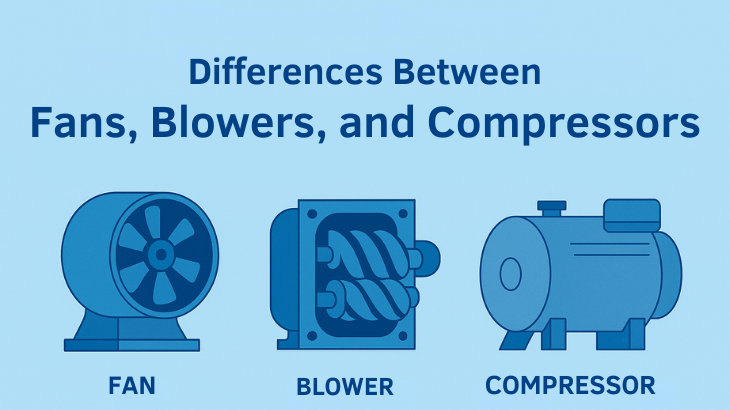
Float Glass Tin Bath Instrument Air: ทำไม Class 0 Oil-Free ถึงเป็นข้อกำหนดที่ไม่มีทางหลีกเลี่ยงได้
- บรรยากาศป้องกัน (N2/H2) ไม่ใช่ compressed air — ก๊าซ reducing atmosphere เหนือ tin bath คือ nitrogen/hydrogen mix ที่จ่ายจากระบบ gas แยกต่างหาก ไม่เกี่ยวกับ blower หรือ compressor ใดๆ
- Instrument air, actuator air และ access-hatch air คือ compressed air ที่ต้องเป็น Class 0 — loop เหล่านี้สัมผัสกับ pneumatic valve, positioner, sensor purge และ pressure interlock โดยตรง น้ำมันแม้เพียง 0.01 mg/m³ ก็ปนเปื้อน tin bath ได้
- AERZEN BVO/BVS oil-free blower ให้เช่าแก้โจทย์ได้ทันที — รองรับทั้ง shutdown maintenance air และ continuous instrument loop backup โดยไม่มี CAPEX และสามารถส่งถึงไซต์ภายใน 24 ชั่วโมง
โรงงาน float glass ทุกแห่งใช้บรรยากาศป้องกัน (protective atmosphere) ซึ่งเป็น nitrogen/hydrogen mixture (N2/H2) เหนือ tin bath เพื่อป้องกันการออกซิไดซ์ของดีบุก — แต่ก๊าซนี้ไม่ใช่ compressed air และไม่ได้มาจาก blower หรือ compressor ใดๆ ที่เราจัดหา ประเด็นสำคัญที่มักถูกมองข้ามในการจัดหาอุปกรณ์คือ instrument air, actuator air, และ access-hatch pressure interlock — ระบบ compressed air เหล่านี้วิ่งคู่ขนานกับ N2/H2 loop ตลอดความยาว float bath ถึง 50–60 เมตร และหากอากาศอัดนี้มีน้ำมันปนเปื้อน แม้ในระดับไมโครกรัมต่อลูกบาศก์เมตร ก็สามารถเข้าสู่ atmosphere ของ bath ได้ผ่าน pneumatic valve leakage และ seal สึกหรอ ส่งผลให้ผิวกระจกเกิด defect ได้ในท้ายที่สุด
1. กระบวนการ Float Glass และระบบบรรยากาศ Tin Bath
AERZEN ออกแบบ blower มาตั้งแต่ปี 1864 — และตลอด 160 ปีของการทำงานร่วมกับอุตสาหกรรมกระจกในยุโรป เราเข้าใจว่า float line คือหนึ่งในกระบวนการที่ความต่อเนื่องของระบบ utility มีผลโดยตรงต่อคุณภาพผลิตภัณฑ์มากที่สุด
กระบวนการ float glass (Pilkington process1) เริ่มจากการหลอมวัตถุดิบในเตาหลอมที่อุณหภูมิ ~1,600°C จากนั้น molten glass จะไหลออกผ่าน spout เข้าสู่ tin bath chamber ซึ่งมีดีบุกหลอมเหลว (molten tin) เป็นฐานรับ กระจกจะลอยบนผิวดีบุกเนื่องจากความหนาแน่นต่างกัน และค่อยๆ แผ่เป็นแผ่นราบอุณหภูมิประมาณ 600–1,050°C ก่อนออกจาก bath เข้า lehr (annealing oven)
สิ่งที่ทำให้ tin bath แตกต่างจากกระบวนการอุตสาหกรรมอื่นคือ ดีบุกหลอมเหลวมีความไวสูงมากต่อการออกซิไดซ์ — แม้ปริมาณออกซิเจนเพียง 10–20 ppm ก็เพียงพอที่จะก่อให้เกิด tin oxide (SnO2) บนผิว bath ได้ ซึ่งจะส่งผลต่อความสม่ำเสมอของผิวกระจก ดังนั้น บรรยากาศเหนือ bath จึงต้องถูกควบคุมด้วย protective gas อย่างเข้มงวด
2. ความแตกต่างระหว่าง Protective Gas กับ Instrument Air
Protective gas (N2/H2) คือ reducing atmosphere ที่ฉีดเข้าไปภายใน tin bath chamber โดยตรง — จัดหาจากระบบ gas supply แยกต่างหาก เช่น nitrogen generator หรือ liquid N2 vaporizer ร่วมกับ H2 cylinder manifold ระบบนี้ไม่มีความเกี่ยวข้องกับ compressed air blower ใดๆ
Instrument air & actuator air คือ compressed air ที่จ่ายจาก compressor หรือ blower ภายนอก bath — ใช้ขับเคลื่อน pneumatic valve, positioner, actuator, sensor purge, และ pressure lock ของ access hatch ทั่วทั้ง float line ระบบนี้ต้องเป็น ISO 8573-1 Class 0 เพราะหากมีน้ำมันรั่วซึมเข้า bath ผ่าน seal หรือ valve stem leakage จะปนเปื้อนบรรยากาศและผิวกระจกได้
ความเข้าใจผิดที่พบบ่อยในการระบุ specification ของ utility air สำหรับ float glass คือการมองว่า “tin bath ใช้ N2/H2 อยู่แล้ว ดังนั้น air quality ไม่สำคัญ” ในความเป็นจริง pneumatic instrument loop วิ่งขนานกับ bath ตลอดความยาว และมีจุดต่อกับ atmosphere ของ bath ในหลายตำแหน่ง
“In a float bath operating at 6–8 mbar positive pressure, a single pneumatic valve stem leak of 0.3 NL/min can introduce sufficient oil vapor to generate haze defects on glass ribbon within 4–6 hours of continuous operation.”
— Technical reference: Glass Technology Journal, float line atmosphere management, industrial practice documentation.
3. Air Loop ทั้ง 4 ใน Float Line ที่ต้องใช้ Class 0
3.1 Instrument Air Loop
Instrument air เป็น compressed air ที่ใช้ขับ pneumatic transmitter, control valve positioner และ level sensor ตลอด float line ตั้งแต่ forehearth (ก่อนเข้า bath) จนถึง lehr exit แรงดันทำงานทั่วไปอยู่ที่ 5–7 bar(g) ความต้องการ flow อยู่ที่ 50–200 Nm³/h ขึ้นกับจำนวน loop ในสาย การปนเปื้อนน้ำมันใน instrument air จะสะสมใน valve seat, diaphragm actuator และ tubing ทำให้ control response ผิดพลาดและลดอายุการใช้งานอุปกรณ์
3.2 Pneumatic Actuator Air
Actuator air ขับเคลื่อน on/off valve และ modulating valve ขนาดใหญ่กว่า เช่น N2 supply valve, glass thickness control actuator และ ribbon width adjustment mechanism แรงดันใช้งาน 4–8 bar(g) flow demand 100–400 Nm³/h และมักต้องการ pressure reliability ระดับสูงเพราะ valve response failure อาจทำให้ glass ribbon หลุดออกจาก bath edge ได้
3.3 Access Hatch Pressure Interlock Air
Float bath chamber มี access hatch หลายจุดสำหรับ maintenance และ inspection ระหว่าง hatch เปิด จะต้องมี air purge pressure interlock ที่ใช้ compressed air ดัน positive pressure ป้องกันไม่ให้ reducing atmosphere ใน bath ไหลออกสู่สภาพแวดล้อมการทำงาน (safety requirement ตาม IEC 60079 Class II Zone 2 เนื่องจาก H2 ในระดับ 2–5%) ระบบนี้ต้องการ flow สูงเฉพาะช่วง hatch operation แต่ต้องมี oil-free specification เพราะ air จะสัมผัสกับ bath atmosphere ชั่วคราว
3.4 Lehr Cooling Air และ Sensor Purge Air
ปลาย float line เข้าสู่ lehr (annealing oven) ซึ่งต้องการ cooling air flow จำนวนมาก (~500–2,000 Nm³/h) ที่ pressure ต่ำ (50–200 mbar) เพื่อควบคุม temperature gradient ใน glass ribbon — งานนี้เหมาะสำหรับ oil-free blower มากกว่า compressor นอกจากนี้ยังมี sensor purge air สำหรับ thickness gauge, flatness scanner และ defect detection camera ซึ่งต้องการ ultra-dry Class 0 air เพื่อป้องกัน optical contamination
ใน float line ขนาด 600 ตัน/วัน จะมี pneumatic instrument loop มากกว่า 150 จุด — instrument air reliability กับ oil-free specification ไม่ใช่ “nice to have” แต่คือ process integrity requirement ที่ส่งผลตรงต่อ glass yield และ surface quality grade
4. กลไกการปนเปื้อน: น้ำมันใน Instrument Air กับ Tin Bath
การทำความเข้าใจ contamination pathway ช่วยให้ plant engineer ตัดสินใจเรื่อง air quality specification ได้แม่นยำขึ้น มีกลไกหลัก 3 เส้นทาง:
- Valve Stem Leakage — pneumatic control valve ใน float line มี stem seal ที่ต้องทนอุณหภูมิสูงและ pressure cycling ซ้ำๆ เมื่อ oil ใน instrument air สะสมใน seal groove, seal จะเสื่อมสภาพเร็วขึ้น และ oil vapor จะรั่วผ่าน stem เข้าสู่ piping ที่สัมผัส bath atmosphere
- Diaphragm Actuator Failure — actuator ที่ใช้ diaphragm flexible membrane จะเสื่อมสภาพเมื่อสัมผัส oil aerosol เป็นเวลานาน diaphragm แตกทำให้ compressed air (รวม oil vapor) ผสมกับสัญญาณ process โดยตรง
- Purge Air Carry-Over — sensor purge air ที่มี oil ปนเปื้อนจะฉีดเข้าไปใกล้ optical sensor window บน bath cover — oil film จะ deposit บน lens และ scattered light จาก deposit นี้ทำให้ defect detection algorithm ตรวจพบ “false positive” surface defect หรือพลาด “true defect” ที่แท้จริง
มาตรฐาน ISO 8573-1:2010 Class 0 กำหนดว่า oil aerosol concentration ต้องต่ำกว่าที่ instrument ใดๆ สามารถวัดได้ ซึ่งในทางปฏิบัติหมายความว่า < 0.01 mg/m³ ตัวเลขนี้ต่ำกว่า Class 1 ถึง 10 เท่า — และนี่คือเหตุผลว่าทำไมการใช้ oil-lubricated compressor แม้จะมี coalescing filter ก็ยังมีความเสี่ยงเชิงกระบวนการ2
5. ตาราง Air Quality Specification สำหรับแต่ละจุดใช้งานใน Float Line
| จุดใช้งาน (Application Point) | ประเภทของ Air/Gas | ISO 8573-1 Class | แรงดัน (Pressure) | Flow ทั่วไป | หมายเหตุ |
|---|---|---|---|---|---|
| Tin Bath — Protective Atmosphere | N₂/H₂ Gas | ไม่ใช่ Air | 5–8 mbar(g) บน bath | 200–500 Nm³/h | จาก N₂ generator / liquid N₂ แยกต่างหาก ไม่ใช่ compressor |
| Instrument Air (control loop) | Class 0 Air | ISO 8573-1 Class 0:1:1 | 5–7 bar(g) | 50–200 Nm³/h | Oil aerosol < 0.01 mg/m³ — TVO screw compressor หรือ BVO oil-free blower (low-pressure loop) |
| Pneumatic Actuator Air | Class 0 Air | ISO 8573-1 Class 0:1:1 | 4–8 bar(g) | 100–400 Nm³/h | High-cycle valve — reliability-critical; oil accumulation ใน actuator cylinder = วิกฤต |
| Access Hatch Pressure Interlock | Class 0 Air | ISO 8573-1 Class 0:1:1 | 50–200 mbar(g) | 20–100 Nm³/h (intermittent) | IEC 60079 H₂ Zone 2 safety — oil-free mandatory เพราะ air สัมผัส bath atmosphere ชั่วคราว |
| Lehr Cooling Air | Class 0 Air | ISO 8573-1 Class 0:2:1 | 50–200 mbar(g) | 500–2,000 Nm³/h | Low pressure, high flow — งาน AT AerzenTurbo หรือ BVS Screw Blower |
| Sensor Purge Air (optical inspection) | Class 0 Air | ISO 8573-1 Class 0:1:1 | 1–3 bar(g) | 10–50 Nm³/h | Ultra-dry + ultra-clean — oil film บน optical window ทำลาย defect detection accuracy |
| General Maintenance Air (shutdown) | Class 1 ขั้นต่ำ / Class 0 preferred | ISO 8573-1 Class 0 preferred | 6–8 bar(g) | 200–800 Nm³/h (batch) | เช่า rental blower/compressor ช่วง planned shutdown — ไม่ต้องลงทุน CAPEX |
หมายเหตุ: Class notation ตาม ISO 8573-1:2010 ในรูปแบบ Class X:Y:Z หมายถึง Particle Class : Water Class : Oil Class ตามลำดับ — Class 0 สำหรับ Oil (Z=0) คือ specification ระดับสูงกว่า Class 1 (oil aerosol < 0.1 mg/m³)2
6. การ Sizing Rental Blower สำหรับ Glass Plant Shutdown Maintenance Air
Float glass plant มี planned shutdown (cold repair หรือ hot repair) ทุก 8–15 ปีขึ้นกับ furnace campaign — แต่ยังมี partial shutdown สำหรับ lehr maintenance, bath cover replacement และ instrumentation upgrade ทุกๆ 12–18 เดือน ในช่วง shutdown เหล่านี้ demand ของ compressed air จะเพิ่มขึ้นอย่างมีนัยสำคัญจาก normal operation เนื่องจาก:
- Pneumatic tools สำหรับ refractory brick replacement (demand surge 3–5x normal)
- Pressure test ของ N2/H2 distribution piping หลัง repair
- Purge ระบบ before recommissioning
- Cooling air ระหว่าง controlled temperature-down campaign
- Instrument loop testing (individual valve stroke test)
การซื้อ compressor เพิ่มเพื่อรองรับ shutdown peak demand ที่เกิดทุก 1–2 ปีไม่คุ้มทุน — นี่คือจุดที่ rental blower solution สร้างมูลค่าได้ชัดเจนที่สุด
ตัวอย่างการ Sizing สำหรับ Float Line 600 ตัน/วัน
| Shutdown Scenario | Duration | Peak Air Demand | Pressure Requirement | Suggested AERZEN Rental Unit |
|---|---|---|---|---|
| Lehr Maintenance (partial) | 3–5 วัน | 300–500 Nm³/h | 100–200 mbar(g) | BVS Delta Screw Blower (low-pressure, high-flow) |
| Bath Cover Replacement | 7–10 วัน | 400–800 Nm³/h | 4–7 bar(g) | BVO Oil-Free Blower + TVO Screw Compressor (dual unit) |
| Full Cold Repair (furnace + bath) | 30–60 วัน | 800–1,500 Nm³/h | 6–8 bar(g) | TVO Series + BVO backup, Subscription Plan |
| Instrumentation Upgrade Outage | 2–3 วัน | 100–200 Nm³/h | 5–7 bar(g) | BVO 4.62 / 4.64 single unit |
Bath chamber access hatch ต้องการ positive pressure interlock ที่แม่นยำมาก — ความดันเกินอาจทำให้ glass ribbon เคลื่อนตัวผิด ความดันต่ำเกินทำให้ reducing atmosphere รั่ว AERZEN BVO/BVS มาพร้อม precision pressure regulation ที่ ±0.5 mbar accuracy และ flow stability สูง เหมาะกับงาน pressure-critical นี้
การเช่าแบบ AERZEN Subscription Plan ครอบคลุมทั้ง preventive maintenance, emergency replacement parts และ 24/7 technical support ภายใต้ค่าใช้จ่ายรายเดือนคงที่ ซึ่งเหมาะกับโรงงานที่มีแผน shutdown cycle ระยะยาว สำหรับรายละเอียดโปรแกรมเช่า ดูได้ที่ หน้าหลักอุตสาหกรรมกระจก Float Line
7. AERZEN Equipment สำหรับ Float Glass Instrument Air และ Lehr Air
AERZEN ผลิต oil-free rotary blower และ screw compressor มาตั้งแต่ยุคเริ่มต้นของอุตสาหกรรมกระจกสมัยใหม่ ทุก unit ที่เราให้เช่าผ่านการรับรอง ISO 8573-1 Class 0 โดย TÜV Rheinland — ไม่ใช่แค่ lab test แต่เป็น field-verified performance
BVO Oil-Free Blower Series
- Oil-free by design — ไม่มี oil ในช่อง compression
- Flow range: 60–5,000 Nm³/h
- Pressure: ถึง 1.0 bar(g)
- เหมาะกับ instrument air loop ที่ pressure ต่ำ
- Class 0 certified — ISO 8573-1
- Continuous duty — 24/7 operation
BVS Delta Screw Blower
- Screw rotor design — quieter than lobe
- Flow range: 100–3,500 Nm³/h
- Pressure: 0.2–1.0 bar(g)
- เหมาะกับ lehr cooling และ forehearth cooling
- Low noise (<75 dB(A) ที่ rated conditions)
- Class 0 oil-free by design
TVO Oil-Free Screw Compressor
- Oil-free screw compressor (ไม่ใช่ turbo blower)
- Pressure: 3–10 bar(g)
- Flow range: 200–2,000 Nm³/h
- เหมาะกับ actuator air, maintenance air
- Water-injected หรือ dry-screw — Class 0
- Containerized — ส่งได้ทันทีไม่ต้องติดตั้งถาวร
AT AerzenTurbo Centrifugal Blower
- Centrifugal design — oil-free หลักการทำงาน
- Flow range: 1,000–20,000 Nm³/h
- Pressure: 0.1–0.5 bar(g)
- เหมาะกับ lehr cooling ขนาดใหญ่ใน float line >600 ตัน/วัน
- Magnetic bearing — maintenance interval ยาว
- Class 0 inherent (no oil contact)
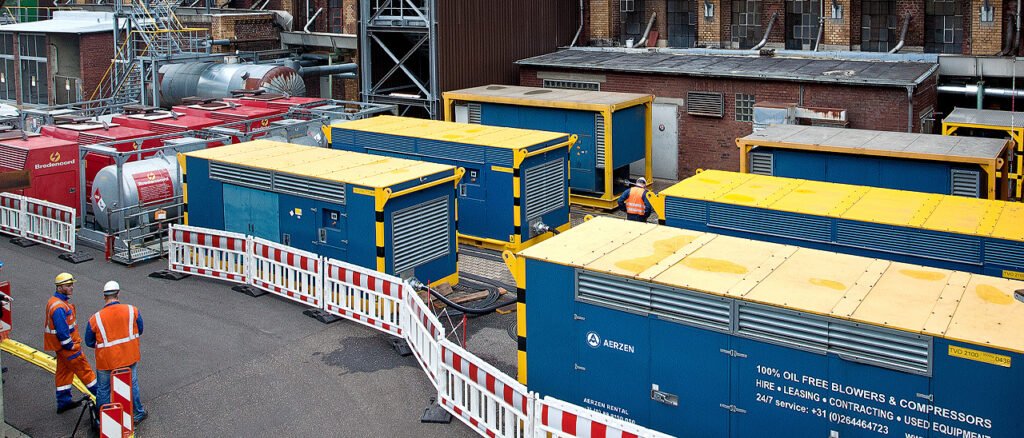
สำหรับโรงงาน float glass ในไทยโดยเฉพาะในแถบ EEC (Eastern Economic Corridor — ชลบุรี, ระยอง, ฉะเชิงเทรา) AERZEN Rental Thailand ตั้งอยู่ที่ Sattahip, Chon Buri — สามารถส่ง rental unit ถึงไซต์ภายใน 24 ชั่วโมง สำหรับกรณี emergency และภายใน 3–5 วันทำการสำหรับ planned rental
8. FAQ — คำถามที่พบบ่อยจากวิศวกร Float Glass Plant
Q: N₂/H₂ ใน tin bath กับ instrument air มีความเกี่ยวข้องกันอย่างไร?
N2/H2 คือ reducing atmosphere ที่ฉีดเข้า bath chamber โดยตรง ผ่านระบบ gas supply แยก — ไม่มีส่วนเกี่ยวข้องกับ compressed air ระบบใดๆ Instrument air ใช้สำหรับขับ pneumatic device ภายนอกหรือรอบๆ bath cover แต่ทั้งสองระบบมีจุดสัมผัส (interface) ที่ pneumatic valve ซึ่งเชื่อมต่อกับท่อที่ผ่าน bath cover — หาก valve stem leak, oil vapor จาก instrument air สามารถเข้าสู่ reducing atmosphere ได้
Q: ถ้าใช้ coalescing filter ก่อน instrument air loop จะเพียงพอไหม?
Filter แบบ coalescing ลด oil aerosol ได้ถึง Class 1 (~0.1 mg/m³) แต่ไม่สามารถรับประกัน Class 0 (<0.01 mg/m³) ได้อย่างน่าเชื่อถือเมื่อ source compressor มี oil ในระบบ เพราะ oil vapor ที่ขนาด molecular มักผ่าน coalescing media ไปได้ นอกจากนี้ filter ต้องการ maintenance และเมื่อ saturated จะปล่อย oil กลับเข้าระบบ ใน critical application เช่น float glass, oil-free compressor/blower by design คือ approach ที่ถูกต้องตาม engineering first-principles
Q: Shutdown maintenance air ต้องการ flow เท่าไรและใช้ unit ขนาดไหน?
ขึ้นกับ scope ของ shutdown ดูตารางใน Section 6 ของบทความนี้ โดยทั่วไป bath cover replacement ต้องการ 400–800 Nm³/h ที่ 4–7 bar(g) ซึ่ง AERZEN BVO หรือ TVO สามารถรองรับได้ หากต้องการ sizing ที่แม่นยำ ทีมวิศวกรของ AERZEN Rental Thailand ยินดีทำ free pre-shutdown air audit โทร 098-323-2626
Q: สามารถเช่า blower แบบ long-term สำหรับ permanent instrument air backup ได้ไหม?
ได้ — AERZEN Subscription Plan ครอบคลุม rental ระยะยาวพร้อม preventive maintenance ทั้งหมด รวม parts และ 24/7 support ภายใต้ค่าใช้จ่ายคงที่รายเดือน เหมาะกับการใช้เป็น N+1 redundancy backup สำหรับ instrument air compressor หลักของโรงงาน ติดต่อ thai@aerzenrental.com เพื่อรับ proposal
Q: AERZEN มีประสบการณ์กับ float glass plant โดยตรงหรือไม่?
AERZEN Group (Germany) มีประสบการณ์กับ glass industry ในยุโรปและ APAC มาตั้งแต่ทศวรรษ 1980 สำหรับ AERZEN Rental Thailand มีการให้บริการ utility air สำหรับ glass-related application ในพื้นที่ EEC รายละเอียด case study พร้อมให้ภายใต้ NDA สอบถามได้ที่ thai@aerzenrental.com
Q: ความต่างระหว่าง Class 0 และ Class 1 สำคัญแค่ไหนในทางปฏิบัติสำหรับ float glass?
Class 1 อนุญาต oil aerosol ถึง 0.1 mg/m³ ส่วน Class 0 กำหนดว่าต้องต่ำกว่าที่ instrument สามารถวัดได้ (ต่ำกว่า 0.01 mg/m³) ในสภาพแวดล้อม float bath ที่อุณหภูมิสูง oil ที่ 0.1 mg/m³ จะ volatilize และกลายเป็น oil vapor ที่ diffuse ผ่าน seal ได้ง่าย ระยะเวลาหลายเดือนของการสะสม oil film บน valve seat ทำให้ valve response ช้าลงจนออก control spec ซึ่งส่งผลต่อ glass thickness uniformity โดยตรง
ปรึกษาวิศวกรเรื่อง Float Glass Instrument Air Class 0 — ไม่มีค่าใช้จ่าย
AERZEN Rental Thailand พร้อมทำ air system audit และ sizing recommendation สำหรับ instrument air, actuator air และ shutdown maintenance air ในโรงงาน float glass ของท่าน ทีมวิศวกรเราเข้าใจ process requirement ของ float line จาก forehearth ถึง lehr exit
Rent a solution. Expect performance.
AERZEN Rental Solutions is always close at hand.
- Request a Quote: www.aerzenrentalth.com/get-quote
- Hotline 24/7: 098-323-2626
- Office (Chonburi/EEC): 038-015-488
- Email: thai@aerzenrental.com
- Website: www.aerzenrentalth.com
- Float glass industry hub: อุตสาหกรรมกระจก Float Line — Class 0 Air
36/60 Phlu Ta Luang, Sattahip District, Chon Buri 20180 · ตั้งแต่ปี 1864 · 160+ ปีแห่งวิศวกรรมเยอรมัน
- Pilkington process (float glass): กระบวนการผลิตกระจกแบบลอยบนดีบุก พัฒนาโดย Sir Alastair Pilkington, 1952–1959. อ้างอิง: Pilkington, A. (1969). “The float glass process.” Proceedings of the Royal Society of London, Series A, 314(1516), 1–25. — royalsocietypublishing.org
- ISO 8573-1:2010 — Compressed air: Contaminants and purity classes. Oil aerosol Class 0: class stated by the equipment user/manufacturer and more stringent than Class 1 (0.1 mg/m³). Official standard: ISO 8573-1:2010 (iso.org)

✍️ เกี่ยวกับผู้เขียน
ภราดร วรรณสังข์ (Paradorn Wannasung)
Marketing Communication Specialist · นิเทศศาสตรมหาบัณฑิต (การสื่อสารการตลาดและแบรนด์)
ภราดร (Paradorn) เป็นผู้ดูแลด้านการสื่อสารการตลาดของ AERZEN Rental Thailand จบนิเทศศาสตรมหาบัณฑิต (การสื่อสารการตลาดและแบรนด์) เชี่ยวชาญด้านอุตสาหกรรม B2B ในประเทศไทย มีประสบการณ์การสร้างแบรนด์และคอนเทนต์ในกลุ่มอุตสาหกรรมของไทย
ติดต่อ: pwa@aerzenrental.com · LinkedIn
บทความที่เกี่ยวข้อง
หัวข้อหลัก: ISO 8573-1 และมาตรฐานคุณภาพอากาศอัด Class 0