Blower สำหรับระบบ Dust Suppression ในเหมืองหินและเหมืองเปิด — การออกแบบ Venturi Atomizer และ Fog Cannon สำหรับควบคุม PM10 และ Respirable Silica ตาม DIW Factory Act ประเทศไทย
- ระบบ fog cannon และ venturi atomizer ต้องการ compressed air ที่ความดัน 4–7 bar(g) และอัตราการไหล 50–400 Nm³/h ต่อหัวฉีด-กลุ่ม — blower ทั่วไปที่ใช้ใน wastewater (ความดัน <1 bar) ไม่เพียงพอ
- กรมโรงงานอุตสาหกรรม (DIW) กำหนดค่า TSP ไม่เกิน 330 µg/m³ และ PM10 ไม่เกิน 120 µg/m³ (ค่าเฉลี่ย 24 ชั่วโมง) ตามประกาศกระทรวงอุตสาหกรรม พ.ศ. 2549 — การละเมิดมีโทษระงับการผลิต
- สำหรับ dust suppression ISO 8573-1 Class 1 หรือ Class 2 เพียงพอ — ไม่จำเป็นต้องใช้ Class 0 (oil-free absolute) ที่ออกแบบสำหรับ process air สัมผัสผลิตภัณฑ์อาหาร/ยา ทำให้ตัวเลือก rental blower กว้างขึ้นและต้นทุนต่ำลง
สารบัญ — Table of Contents
- ปัญหาฝุ่นในเหมืองหินและเหมืองเปิด: ทำไม Respirable Silica ถึงเป็นความเสี่ยงสูงสุด
- ข้อกำหนด DIW Factory Act: ค่า TSP, PM10 และบทลงโทษ
- เทคโนโลยี Dust Suppression: Fog Cannon vs Venturi Atomizer Network
- การ Sizing Blower สำหรับ Atomizer Array และ Fog Cannon Duty Cycle
- ระดับคุณภาพ Air สำหรับ Dust Suppression: Class 1 vs Class 2 เพียงพอแล้ว
- Rental Blower สำหรับ Blasting Season และ Dry-Season Quarrying
- การเลือก AERZEN Unit สำหรับ Dust Suppression Duty
- คำถามที่พบบ่อย
เหมืองหิน (quarry) และเหมืองเปิด (open-pit mine) ในประเทศไทย — โดยเฉพาะบริเวณภาคกลาง ภาคตะวันออก และภาคเหนือที่มีการทำเหมืองหินปูน (limestone) หินแกรนิต และหินบะซอลต์ — เผชิญกับปัญหาฝุ่นฟุ้งกระจายจาก 3 แหล่งหลัก ได้แก่ การเจาะระเบิด (blasting) การบด-ร่อน (crushing and screening) และการขนส่งวัสดุ (haul road) ระบบ dust suppression ที่ใช้ fog cannon หรือ venturi atomizer ล้วนต้องการ compressed air เป็น energy carrier ในการสร้างละอองน้ำ (water mist) ที่มีขนาดอนุภาคเล็กพอที่จะจับฝุ่น PM10 และ respirable silica ได้ก่อนที่จะฟุ้งกระจายออกนอกพื้นที่ บทความนี้เจาะลึกการเลือกและ sizing blower สำหรับงาน dust suppression โดยเฉพาะ ครอบคลุมทั้งข้อกำหนด DIW ตาม พ.ร.บ.โรงงาน พ.ศ. 2562 และทางเลือกการเช่า blower เป็น rental unit ในช่วงฤดูกาลที่มีฝุ่นสูง
ปัญหาฝุ่นในเหมืองหินและเหมืองเปิด: ทำไม Respirable Silica ถึงเป็นความเสี่ยงสูงสุด
ฝุ่นในเหมืองไม่ได้อันตรายเท่ากันทุกอนุภาค — ขนาดฝุ่นคือตัวแปรชี้ขาด อนุภาคขนาดใหญ่กว่า 100 ไมโครเมตร (µm) ตกตะกอนเร็วและไม่เข้าสู่ระบบทางเดินหายใจ แต่อนุภาค PM10 (≤10 µm) เข้าสู่โพรงจมูกและหลอดลม ขณะที่ PM2.5 (≤2.5 µm) และ respirable fraction (≤4 µm) ทะลุถึงถุงลม (alveoli) ได้โดยตรง
ในเหมืองหินปูนและ silica-bearing rock เช่น หินควอตไซต์หรือหินทรายที่มี free crystalline silica (SiO₂) สูง อนุภาค respirable silica ก่อให้เกิด Silicosis ซึ่งเป็นโรคปอดเรื้อรังที่ไม่สามารถรักษาให้หายได้ องค์การแรงงานระหว่างประเทศ (ILO) และองค์การอนามัยโลก (WHO) จัดอนุภาค crystalline silica เป็น Group 1 carcinogen ตาม IARC (International Agency for Research on Cancer) มาตั้งแต่ปี 1997 ข้อกำหนดของกรมควบคุมโรค กระทรวงสาธารณสุข ไทย กำหนด occupational exposure limit (OEL) สำหรับ respirable crystalline silica ที่ 0.1 mg/m³ (8-hour TWA) ซึ่งต่ำมากเมื่อเทียบกับขีดจำกัดฝุ่นรวม
แหล่งกำเนิดฝุ่นหลักในเหมืองเปิด
การออกแบบ suppression system เริ่มจากการทำ dust source inventory ซึ่งโดยทั่วไปในเหมืองหินจะระบุแหล่งหลัก 5 จุด:
- Drill-and-blast operations — การเจาะและระเบิดสร้างฝุ่นปริมาณสูงมากในช่วงเวลาสั้น (peak event) อนุภาค fine silica ถูกปลดปล่อยในช่วง 30–120 วินาทีหลังระเบิด
- Primary crusher รับหิน — การป้อนหินก้อนใหญ่ลง jaw crusher หรือ gyratory crusher สร้างฝุ่น continuous ตลอดเวลาการผลิต
- Secondary / tertiary crushing และ screening — cone crusher, impact crusher, และ vibrating screen สร้าง fine dust ตลอดกระบวนการ
- Haul road — ทางวิ่งรถบรรทุก — ฝุ่นจากล้อรถ haul truck ที่วิ่งบนพื้น unpaved สร้าง PM10 ระดับสูงแบบ diffuse และต่อเนื่อง
- Conveyor transfer points — จุด drop ระหว่าง conveyor belt สร้างฝุ่นจากแรงกระแทกและ air turbulence
ข้อกำหนด DIW Factory Act: ค่า TSP, PM10 และบทลงโทษ
AERZEN ทำงานร่วมกับผู้ประกอบการเหมืองและโรงงานแปรรูปแร่มานานกว่า 160 ปีนับตั้งแต่ก่อตั้งในปี 1864 ประสบการณ์นั้นทำให้เราเข้าใจว่าการปฏิบัติตามกฎหมายสิ่งแวดล้อมในอุตสาหกรรมเหมืองไม่ใช่เรื่องตัวเลขบนกระดาษ — มันคือเงื่อนไขการต่อใบอนุญาตประกอบการ
กรมโรงงานอุตสาหกรรม (DIW — Department of Industrial Works) ภายใต้กระทรวงอุตสาหกรรม กำหนดค่ามาตรฐานคุณภาพอากาศในบรรยากาศที่ปล่อยออกจากโรงงานตามประกาศกระทรวงอุตสาหกรรม เรื่อง กำหนดค่าปริมาณของสารเจือปนในอากาศที่ระบายออกจากโรงงาน พ.ศ. 2549 (Ministry of Industry Notification on Air Pollution Standards from Factories, 2006) และที่แก้ไขเพิ่มเติม ค่าที่เกี่ยวข้องกับการควบคุมฝุ่นโดยตรงมีดังนี้:
| พารามิเตอร์ | ค่ามาตรฐาน DIW | ช่วงเวลาวัด | หมายเหตุ |
|---|---|---|---|
| TSP (Total Suspended Particulates) | 330 µg/m³ | ค่าเฉลี่ย 24 ชั่วโมง | ฝุ่นรวมทุกขนาด ≤ 100 µm |
| PM10 | 120 µg/m³ | ค่าเฉลี่ย 24 ชั่วโมง | อนุภาค ≤ 10 µm — เข้าระบบทางเดินหายใจ |
| PM2.5 | 37.5 µg/m³ | ค่าเฉลี่ย 24 ชั่วโมง | มาตรฐาน WHO 2021 guideline ต่ำกว่านี้ที่ 15 µg/m³ |
| Dust Fallout | ไม่เกิน 1.0 g/m²/day | ค่าเฉลี่ยรายเดือน | วัดที่ boundary ของโรงงาน |
สำหรับเหมืองหินที่มีใบอนุญาตประกอบกิจการโรงงาน (รง.4) หรือที่อยู่ในข่าย EIA (Environmental Impact Assessment) โดย EIA ของเหมืองที่เริ่มต้นหลังปี พ.ศ. 2560 มักมีเงื่อนไขการตรวจวัดฝุ่นต่อเนื่อง (continuous ambient monitoring) ที่ boundary stack และรายงานต่อ Office of Natural Resources and Environmental Policy and Planning (ONEP) ตามรอบ 6 เดือน การละเมิดค่ามาตรฐานมีผลทางกฎหมาย ได้แก่ คำสั่งแก้ไข (Notice of Correction), การระงับการผลิตชั่วคราว, และในกรณีซ้ำซากอาจถูกเพิกถอนใบอนุญาต (License Revocation)
— AERZEN Engineering Technical Brief: Quarry Dust Management, 2025
ข้อกำหนดพิเศษสำหรับ Blasting Operations
การระเบิดหิน (blasting) ในเหมืองที่อยู่ใกล้ชุมชนอยู่ภายใต้การกำกับดูแลของกรมทรัพยากรธรณี (DMR) ตามพระราชบัญญัติแร่ พ.ศ. 2560 โดยเงื่อนไขในใบอนุญาตมักระบุ:
- การ blasting ต้องทำในช่วงเวลาที่กำหนด (โดยทั่วไป 08:00–17:00 วันทำงาน)
- ต้องมีระบบ water-based dust suppression ทำงานก่อน-ระหว่าง-หลัง blasting
- เหมืองที่มีบ้านเรือนภายในรัศมี 500 ม. อาจมีเงื่อนไขเพิ่มเติมเรื่อง real-time dust monitoring และ automatic suppression trigger
เทคโนโลยี Dust Suppression: Fog Cannon vs Venturi Atomizer Network
ระบบควบคุมฝุ่นแบบ water mist มีสองสถาปัตยกรรมหลักที่ใช้ใน quarry และ mining context และทั้งสองต้องการ compressed air ที่มี specification ต่างกัน
Fog Cannon (ปืนหมอกน้ำ)
Fog Cannon คืออุปกรณ์ที่รวม high-pressure water pump, axial fan, และ atomizing nozzle array ไว้ในหน่วยเดียวบน rotating turret สามารถฉีด water mist ไปในระยะ 30–150 เมตรขึ้นอยู่กับรุ่น หน่วยพลังงานใน fog cannon มีสองแบบ:
- Hydraulic-fan type — ใช้ motor-driven axial fan ดูดอากาศและพ่น water mist ออกไป — ต้องการ compressed air สำหรับ nozzle atomization เท่านั้น (ความดันต่ำ 2–4 bar เพื่อ break-up droplet)
- Air-assisted two-fluid nozzle type — compressed air เป็น primary atomization medium ผสมกับน้ำที่หัวฉีด ใช้ pressure สูงกว่า (4–7 bar) และต้องการ flow rate ต่อเนื่อง — ประสิทธิภาพการจับฝุ่น PM2.5–PM10 สูงกว่าเพราะ droplet size เล็กกว่า (10–50 µm median)
Venturi Atomizer Network
Venturi atomizer ทำงานโดยอาศัย Bernoulli effect — compressed air ความเร็วสูงผ่าน venturi throat สร้าง low-pressure zone ที่ดูดน้ำเข้าและแตกเป็น fine mist ข้อดีของ network design คือสามารถวาง nozzle ได้หลายจุดพร้อมกันครอบคลุม conveyor transfer point, crusher enclosure, และ screen deck ด้วยท่อ manifold จาก air supply header เดียว
Venturi atomizer มาตรฐานทางอุตสาหกรรม (เช่นรุ่นที่ผ่านการรับรองตาม CE marking) ใช้ compressed air ที่ 5–7 bar(g) และ air consumption โดยทั่วไปอยู่ที่ 30–80 Nm³/h ต่อหัวฉีด สำหรับ flow-through nozzle ขนาด 3–8 mm orifice
ขนาด droplet เฉลี่ย
ของ air-assisted atomizer
Air pressure ที่ต้องการ
สำหรับ fog cannon / atomizer
ประสิทธิภาพจับ PM10
ของ mist suppression ที่ออกแบบถูกต้อง*
ค่า PM10 ขีดจำกัด DIW
(ค่าเฉลี่ย 24 ชั่วโมง)
* อ้างอิง: National Institute for Occupational Safety and Health (NIOSH) Report RI 9701, “Water Spray Systems for Dust Control at Mining Operations”, U.S. Department of Labor / U.S. Bureau of Mines.
cdc.gov/niosh ↗
| พารามิเตอร์ | Fog Cannon (Air-Assisted) | Venturi Atomizer Network |
|---|---|---|
| Air Pressure ที่ต้องการ | 4–7 bar(g) | 5–7 bar(g) |
| Air Flow (Nm³/h) ต่อหน่วย | 80–400 Nm³/h ต่อ cannon | 30–80 Nm³/h ต่อ nozzle |
| Droplet size (median) | 50–100 µm | 30–80 µm (ขึ้นกับรุ่น) |
| Coverage area | Wide-area mobile: 30–150 m range | Fixed-point: ครอบคลุม 5–20 m ต่อ nozzle |
| เหมาะสมกับ | Blast area, open stockpile, haul road | Crusher enclosure, conveyor transfer, screen deck |
| Duty cycle | Intermittent (blasting event) | Continuous (production hours) |
| Air consumption pattern | Peak demand — high flow short duration | Steady-state — continuous moderate flow |
การ Sizing Blower สำหรับ Atomizer Array และ Fog Cannon Duty Cycle
การเลือกขนาด compressor หรือ blower สำหรับ dust suppression เป็นจุดที่ plant engineer มักเผชิญกับ error สองด้านตรงข้ามกัน: undersizing (เครื่องเล็กเกินไป ทำให้ pressure ตก atomization คุณภาพต่ำ) หรือ oversizing (เครื่องใหญ่เกินไป ทุนสูง operation cost เกิน)
ขั้นตอนการ Size Blower สำหรับ Venturi Atomizer Network
Step 1 — นับจำนวนหัวฉีดและ air consumption ต่อหัว:
ตรวจสอบ datasheet ของ atomizer nozzle ที่เลือกใช้ — manufacturer จะระบุ air consumption ที่ working pressure เฉพาะ เช่น “75 Nm³/h ที่ 6.0 bar(g)” จากนั้นคำนวณ simultaneous air demand โดยสมมติว่าทุก nozzle ทำงานพร้อมกัน (worst-case design)
Step 2 — เพิ่ม system losses และ safety margin:
- Pressure drop ในท่อ: คำนวณตาม Darcy-Weisbach equation สำหรับ compressed air piping — โดยทั่วไป allow 0.3–0.5 bar loss ในระบบท่อที่ออกแบบดี
- Safety factor: ×1.15–1.25 บน total demand เพื่อรองรับ wear และ future expansion
- Inlet conditions: ปรับ capacity ตาม altitude ของ site (derating 3–4% ต่อ 300 m ระดับความสูง) และ ambient temperature สูงสุด
Step 3 — คำนวณ Delivered Flow ที่ compressor outlet:
Flow ที่ต้องการในหน่วย Nm³/h ที่ nozzle working pressure แปลงกลับเป็น FAD (Free Air Delivery) ที่ inlet โดยใช้: FAD = Nm³/h × (P_absolute_outlet / P_atm_inlet) สำหรับ site ที่ระดับน้ำทะเลและ outlet pressure 6 bar(g): FAD = Nm³/h × (7.0 / 1.013) ≈ 6.9 × Nm³/h
Step 4 — เลือก compressor type ตาม pressure requirement:
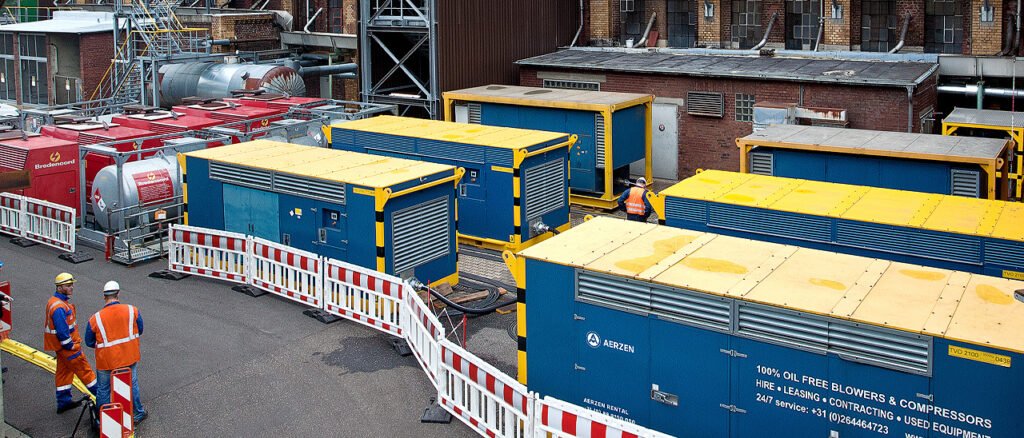
ที่ 5–7 bar(g) ออก range ของ roots blower (ทั่วไปทำได้ถึง 1.0–1.2 bar differential ต่อ stage) โดยตรง — ต้องใช้ screw compressor หรือ oil-free piston compressor ที่ออกแบบสำหรับ medium pressure duty AERZEN TVO Series (oil-free screw compressor) เหมาะสมอย่างยิ่งเพราะออกแบบสำหรับ 5–13 bar(g) และมี skid-mounted package ที่ deploy ได้ภายใน 24–48 ชั่วโมง
| กรณีตัวอย่าง | รายละเอียด | ผล sizing |
|---|---|---|
| Crusher Building — 12 Nozzles | 12 × 75 Nm³/h @ 6 bar(g) = 900 Nm³/h + pipe loss 0.4 bar → outlet 6.4 bar + safety ×1.2 = 1,080 Nm³/h | TVO screw compressor ~160–200 kW FAD ~1,100 Nm³/h @ 6.5 bar |
| Open Stockpile — 2 Fog Cannons | 2 × 200 Nm³/h @ 5.5 bar(g) = 400 Nm³/h + safety ×1.2 = 480 Nm³/h Intermittent duty (50% DC) | TVO ~75–90 kW พร้อม receiver tank 2,000 L สำหรับ buffer duty-cycle peaks |
| Combined: Crusher + 1 Fog Cannon | 900 + 200 = 1,100 Nm³/h fog cannon intermittent → diversified peak ~1,050 Nm³/h + safety ×1.2 = 1,260 Nm³/h | TVO ~185–220 kW หรือ rental 2× TVO 75 kW parallel |
ระดับคุณภาพ Air สำหรับ Dust Suppression: Class 1 vs Class 2 เพียงพอแล้ว
คำถามที่วิศวกรเหมืองถามบ่อยคือ “ต้องใช้ oil-free compressor ระดับ Class 0 ไหม?” คำตอบที่ชัดเจนคือ ไม่จำเป็น สำหรับงาน dust suppression — และการเข้าใจเหตุผลนี้ช่วยให้เลือก rental unit ที่เหมาะสมกว่าได้
มาตรฐาน ISO 8573-1:2010 กำหนดระดับคุณภาพอากาศอัดแบ่งตามปริมาณน้ำมัน (oil aerosol + vapor), ฝุ่น, และความชื้น Class 0 (Purity Class 0) คือระดับที่มี oil content ไม่ตรวจพบได้ (effectively zero) และถูกออกแบบมาสำหรับ applications ที่ compressed air สัมผัสโดยตรงกับผลิตภัณฑ์อาหาร ยา หรือ electronic component
สำหรับ dust suppression:
- Compressed air ถูกใช้เป็น energy carrier เพื่อ atomize น้ำ ไม่ได้สัมผัสกับผลิตภัณฑ์ใดๆ
- น้ำที่ถูก atomize กลายเป็น mist และตกลงบนฝุ่น — oil trace ที่ต่ำมากใน compressed air จะถูก dilute และไม่มีนัยสำคัญในบริบทนี้
- ISO 8573-1 Class 1 (oil ≤ 0.01 mg/m³) หรือ Class 2 (oil ≤ 0.1 mg/m³) เพียงพอ และเปิดทางให้ใช้ oil-injected screw compressor ที่ผ่าน high-efficiency downstream filtration แทน oil-free machine ได้ ซึ่งลดต้นทุน capital และ maintenance ลงได้มาก
| ISO 8573-1 Class | Oil Content (Aerosol+Vapor) | เหมาะสมกับ Dust Suppression | หมายเหตุ |
|---|---|---|---|
| Class 0 | ต่ำกว่าที่กำหนดไว้ใน Class 1 (per supplier spec) | Over-specified — ไม่จำเป็น | สำหรับ food direct contact, semiconductor |
| Class 1 | ≤ 0.01 mg/m³ | เพียงพอ (เผื่อ margin) | ใช้กับ TVO oil-free screw compressor — zero oil carryover |
| Class 2 | ≤ 0.1 mg/m³ | เพียงพอสำหรับ dust suppression | ใช้กับ oil-injected + high-eff filter ได้ |
| Class 3 | ≤ 1.0 mg/m³ | ยอมรับได้สำหรับ haul road cannon | ตรวจสอบกับ nozzle manufacturer ก่อนใช้ |
อย่างไรก็ตาม AERZEN แนะนำให้ใช้ TVO oil-free screw compressor แม้ว่า Class 1 จะ “over-specified” สำหรับ dust suppression เพราะในสภาพแวดล้อม quarry ที่มีฝุ่นหิน silica ปริมาณสูง การรั่วไหลของ oil ในระบบ air เพิ่มความเสี่ยงต่อการอุดตันของ atomizer nozzle (nozzle fouling) และเพิ่มภาระการบำรุงรักษา TVO เป็นทางเลือกที่คุ้มค่าในระยะยาว โดยเฉพาะสำหรับ rental contract ระยะ 3–12 เดือนที่ตลอด blasting season
เหมืองหินปูน ภาคตะวันออก — Seasonal Rental สำหรับ Blasting Season
เหมืองหินปูนแห่งหนึ่งในจังหวัดสระบุรี (รายละเอียดถูก anonymize) ขยาย blasting operation ในช่วงฤดูแล้ง (พฤศจิกายน–มีนาคม) เพื่อตอบสนองความต้องการหินปูนของโรงปูนซีเมนต์ ซึ่งทำให้ค่า PM10 ที่ boundary monitoring point ตรวจพบเกิน 120 µg/m³ ในช่วงเวลาดังกล่าว
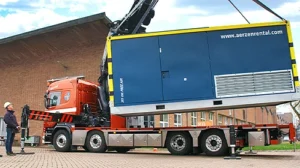
วิศวกรเหมืองติดตั้ง venturi atomizer network ครอบคลุม primary crusher และ conveyor transfer 4 จุด พร้อม fog cannon 1 คัน สำหรับ blast area open suppression ระบบต้องการ compressed air ที่ 6 bar(g) และ FAD รวม ~850 Nm³/h AERZEN Rental Thailand จัดส่ง TVO rental unit ขนาด 132 kW ภายใน 48 ชั่วโมง พร้อมสัญญาเช่าแบบ Subscription Plan ที่ครอบคลุม preventive maintenance และ emergency response ตลอดสัญญา 5 เดือน
Mobilization time
Rental duration
(Blasting season)
µg/m³ เฉลี่ย 24 ชม.
หลังติดตั้งระบบ
DIW enforcement notice
ตลอด season
Rental Blower สำหรับ Blasting Season และ Dry-Season Quarrying
ปัญหาฝุ่นในเหมืองหินของไทยมีลักษณะ seasonal peak ที่ชัดเจน — ฤดูแล้ง (พฤศจิกายน–เมษายน) คือช่วงที่ความชื้นต่ำ ลมพัดแรง และ haul road แห้ง ทำให้ค่า TSP/PM10 พุ่งสูงที่สุด ในขณะที่ช่วงมรสุม (พฤษภาคม–ตุลาคม) ฝนตามธรรมชาติช่วย suppress ฝุ่นได้บางส่วน pattern นี้ทำให้ rental model ตรงกับความต้องการของเหมืองมากกว่าการซื้อ
เหตุผลที่ Rental คุ้มค่ากว่าสำหรับ Dust Suppression Duty
- Utilization rate ต่ำ — compressor ที่ซื้อมาสำหรับ dust suppression ถูกใช้เพียง 5–6 เดือน/ปี ในขณะที่ rental จ่ายเฉพาะช่วงที่ต้องการ
- ไม่มี capital lock-in — ตาม TFRS 16 (Thai Financial Reporting Standard 16 — Leases) rental expense บันทึกเป็น operating cost ไม่เพิ่ม asset base — อ่านเพิ่มเติมใน คู่มือ Rent vs Buy TCO Analysis
- Scalable ตาม demand — หาก blasting plan ขยายตัว สามารถ add rental unit ได้ภายใน 24–48 ชั่วโมงโดยไม่ต้องรอ procurement cycle
- All-inclusive maintenance — AERZEN Subscription Plan ครอบคลุม PM, emergency call-out, และ spare parts — ไม่มีค่าใช้จ่าย surprise ที่อาจเกิดขึ้นกับ owned equipment
Rental Timeline ที่แนะนำสำหรับ Quarry Operations
| เดือน | สภาพอากาศ | Dust Risk | คำแนะนำ |
|---|---|---|---|
| พ.ย. – ม.ค. | แล้ง, หนาว, RH 35–55% | สูงมาก | Rental ON — full suppression system ทำงาน 100% |
| ก.พ. – เม.ย. | แล้ง, ร้อน, RH ต่ำสุด | สูงสุด (peak) | Rental ON — consider second unit สำหรับ haul road |
| พ.ค. | เริ่มต้นฤดูฝน | ปานกลาง | ประเมินสภาพอากาศ — อาจลดลงจาก 2 เป็น 1 unit |
| มิ.ย. – ต.ค. | ฤดูฝน, RH 70–90% | ต่ำ (ฝนช่วย suppress) | Standby mode หรือ return rental unit |
การเลือก AERZEN Unit สำหรับ Dust Suppression Duty
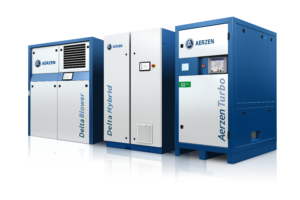
AERZEN มีผลิตภัณฑ์หลากหลายที่ครอบคลุม pressure range ที่ใช้ใน dust suppression application สำหรับ quarry และ mining แต่ละ series มี operating envelope ที่แตกต่างกัน:
| AERZEN Series | Type | Pressure Range | Flow Range (FAD) | เหมาะกับ Dust Suppression? |
|---|---|---|---|---|
| BVO / BVS Delta Screw Blower | Oil-free screw blower | 0.3–1.0 bar(g) | 50–5,000 Nm³/h | ไม่เหมาะ — pressure ต่ำเกินไปสำหรับ atomizer (ต้องการ >4 bar) |
| DVO Delta Screw Blower | Oil-free screw blower | 0.4–1.5 bar(g) | 100–10,000 Nm³/h | ไม่เหมาะ — pressure ต่ำเกินไป |
| TVO Oil-Free Screw Compressor | Oil-free screw compressor | 5–13 bar(g) | 200–5,500 Nm³/h | เหมาะอย่างยิ่ง — designed for medium-pressure process air |
| AT AerzenTurbo | Oil-free centrifugal blower | 0.2–0.9 bar(g) | 1,000–20,000 Nm³/h | ไม่เหมาะ — pressure ต่ำเกินไป |
สำหรับเหมืองที่ต้องการ air supply ทั้ง dust suppression (5–7 bar) และ instrument air สำหรับ pneumatic tools (7–10 bar) พร้อมกัน AERZEN แนะนำให้ใช้ TVO unit เดียวที่ครอบคลุม pressure range สูงสุด โดยลด pressure ผ่าน pressure regulator สำหรับ suppression circuit — efficient กว่าการมี two separate compressor จาก different pressure classes
สนใจทราบข้อมูล TVO series และ rental options เพิ่มเติม อ่านได้ที่ คู่มือ TVO Oil-Free Screw Compressor Selection Guide หรือ Oil-Free Air สำหรับอุตสาหกรรมเหมืองแร่และโลหะในไทย — Pillar Guide
คำถามที่พบบ่อย — Dust Suppression Blower สำหรับ Quarry
Blower ทั่วไปสำหรับ wastewater aeration ใช้กับ venturi atomizer ได้ไหม?
ไม่ได้ — blower สำหรับ wastewater aeration เช่น BVO หรือ DVO series ออกแบบสำหรับ low-pressure duty ที่ 0.3–1.5 bar(g) ซึ่งต่ำกว่า minimum operating pressure ของ venturi atomizer (5–7 bar) มาก การพยายามใช้ blower ที่ผิด type จะทำให้ atomization ไม่เกิด น้ำไม่แตกเป็น fine mist และระบบ dust suppression จะไม่มีประสิทธิภาพ ต้องใช้ screw compressor ที่ออกแบบสำหรับ medium-pressure range
ต้องการ air quality Class 0 สำหรับ fog cannon หรือไม่?
ไม่จำเป็น — ISO 8573-1 Class 0 ออกแบบสำหรับ application ที่ compressed air สัมผัสโดยตรงกับผลิตภัณฑ์ food หรือ electronics สำหรับ fog cannon และ venturi atomizer ใน dust suppression context อากาศอัดเป็นแค่ energy carrier ในการ atomize น้ำ ไม่สัมผัสผลิตภัณฑ์ Class 1 (≤ 0.01 mg/m³ oil) หรือ Class 2 (≤ 0.1 mg/m³) เพียงพอ อย่างไรก็ตาม AERZEN TVO ซึ่งเป็น oil-free design ให้ Class 1 โดยพื้นฐานและลด maintenance burden จาก nozzle fouling ได้
ค่า DIW สำหรับ PM10 มีขอบเขตบังคับที่ boundary ของโรงงานใช่ไหม หรือมีข้อกำหนดอื่นด้วย?
ค่า PM10 120 µg/m³ ตามประกาศกระทรวงอุตสาหกรรม พ.ศ. 2549 วัดที่ boundary (fence line) ของโรงงาน/เหมือง แต่นอกจากนั้นยังมีข้อกำหนดจาก: (1) EIA conditions ที่อาจกำหนดค่าเฉพาะสำหรับโครงการนั้นๆ ให้เข้มงวดกว่ามาตรฐานทั่วไป (2) กรมควบคุมมลพิษ (PCD) มาตรฐานอากาศในบรรยากาศทั่วไป PM10 ≤ 50 µg/m³ (ค่าเฉลี่ยรายปี) ซึ่ง ambient standard ต่างจาก stack standard และ (3) ข้อกำหนด OEL สำหรับพนักงานตามกรมสวัสดิการและคุ้มครองแรงงาน แนะนำให้ตรวจสอบ EIA conditions เฉพาะโครงการกับ ONEP เสมอ
สามารถเช่า compressor สำหรับเฉพาะช่วง blasting season ได้กี่เดือนขั้นต่ำ?
AERZEN Rental Thailand รองรับ short-term rental ตั้งแต่ 1 เดือนขึ้นไป สำหรับ blasting season ที่โดยทั่วไปครอบคลุม 3–6 เดือน Subscription Plan ของ AERZEN เหมาะอย่างยิ่งเพราะรวม preventive maintenance, emergency call-out response (24/7), และ spare parts ไว้ในค่าเช่าเดียว ทำให้ total cost ของ dust suppression operation ในช่วง season นั้นคาดเดาได้ชัดเจน ติดต่อทีมวิศวกรเราเพื่อขอ proposal ที่เหมาะกับ operational calendar ของคุณ
Fog cannon ต้องการ dedicated compressor หรือใช้ร่วมกับ compressed air header ในเหมืองได้?
ใช้ร่วมกับ plant air header ได้ถ้า header มีความดันและ flow capacity เพียงพอ แต่ต้องระวัง pressure drop ใน header เมื่อ fog cannon ทำงาน peak load — ถ้า fog cannon demand สูงกว่า 30% ของ total header capacity อาจส่งผลกระทบต่อ instrument air และ pneumatic tools อื่นในเหมือง ทางเลือกที่ดีกว่าคือ dedicated air supply circuit สำหรับ fog cannon พร้อม receiver tank เพื่อ buffer demand peaks โดยเฉพาะสำหรับ blast-event suppression ที่มี high instantaneous demand
ขอคำปรึกษาวิศวกรรมสำหรับ Dust Suppression Air System
ทีมวิศวกร AERZEN Rental Thailand พร้อมช่วย size compressor สำหรับ atomizer network ของคุณ — ส่งข้อมูล จำนวนหัวฉีด, working pressure, และ site elevation มาได้เลย จัดส่ง rental unit ภายใน 24–48 ชั่วโมง