> TL;DR > – โรงงานที่ต้อง decarbonize ไม่จำเป็นต้องซื้ออุปกรณ์ไฟฟ้าใหม่ทั้งหมดในคราวเดียว — rental unit ช่วย bridge gap ระหว่าง gas-era machine กับ electric-era investment > – Rental blower ที่ใช้ไฟฟ้า 100% เป็น Scope 1 emission zero ตัวเอง — ลดการปล่อยก๊าซเรือนกระจกจากระบบลมอัดได้ทันทีโดยไม่ต้องลงทุน CAPEX > – แนวทาง phased approach: ใช้ rental ในช่วง “transition window” ขณะประเมิน grid capacity, renewable tariff, และ technology maturity ก่อน commit ระยะยาว > *(TL;DR สำหรับบทความที่มีความยาวมากกว่า 500 คำ)*
ความกดดันด้าน decarbonization บนภาคอุตสาหกรรมไทยเพิ่มขึ้นอย่างชัดเจนในช่วง 2–3 ปีที่ผ่านมา ทั้งจาก EU Carbon Border Adjustment Mechanism (CBAM) ที่ส่งผลต่อ supply chain ของ exporter, National GHG Target ภายใต้ NDC ของไทย, และ customer ESG requirements จาก MNC buyers แต่สำหรับ Plant Manager และ CFO ที่ต้องตัดสินใจด้านงบประมาณจริง คำถามที่ซับซ้อนที่สุดมักไม่ใช่ “จะ decarbonize หรือไม่” — มันคือ “จะ decarbonize อย่างไรโดยไม่ disrupt operations และไม่ burn CAPEX ก่อนเวลา” AERZEN ให้บริการ oil-free blower และ compressor มาตั้งแต่ปี 1864 และ portfolio ปัจจุบันรวม Delta Screw E-Compressor ที่ออกแบบมาสำหรับ high-efficiency electric operation โดยเฉพาะ
—
สารบัญ
—
1. ทำไม Decarbonization ของระบบ Compressed Air ถึงซับซ้อน
ระบบ compressed air เป็นหนึ่งใน utilities ที่มีสัดส่วน energy consumption สูงในโรงงานอุตสาหกรรมทั่วไป ตามการประมาณการในอุตสาหกรรม ระบบ compressed air อาจคิดเป็น 10–15% ของ industrial electricity consumption ทั่วโลก ซึ่งหมายความว่า การ decarbonize ระบบนี้มี impact จริง
แต่ความซับซ้อนอยู่ที่ไหน?
สำหรับโรงงานที่ใช้ gas-driven compressor (natural gas engine หรือ diesel engine) การเปลี่ยนมาใช้ electric-driven compressor ไม่ใช่แค่ swap equipment — มันต้องการการพิจารณาหลายมิติพร้อมกัน:
Grid capacity constraint: โรงงานหลายแห่งในนิคมอุตสาหกรรมไทย (โดยเฉพาะในพื้นที่ EEC) อาจต้องการ upgrade transformer หรือ distribution panel ก่อนที่จะรับ load จาก large electric compressor ได้ การ upgrade นี้ใช้เวลาและงบประมาณ
Technology lock-in risk: Industrial equipment มี useful life 15–25 ปี การซื้อ equipment วันนี้หมายถึงการ lock-in technology ที่อาจไม่ใช่ optimal solution ในปี 2030 หรือ 2035 (เมื่อ grid carbon intensity ต่ำลง, hydrogen-ready equipment available, หรือ demand response capability กลายเป็น standard)
CAPEX timing vs. uncertainty: Decarbonization roadmap ของโรงงานส่วนใหญ่ยังอยู่ระหว่าง development สำหรับผู้บริหารที่มีหน้าที่ดูแล balance sheet การ commit CAPEX ขนาดใหญ่กับ equipment ที่ยังไม่แน่ใจเรื่อง technology direction เป็น risk ที่ชัดเจน
—
2. Gas-Powered vs Electric Blower: ความแตกต่างด้านการปล่อย Emissions
ก่อนจะพูดถึง transition strategy ต้องทำความเข้าใจก่อนว่า “electric” ไม่ได้หมายถึง “zero carbon” เสมอไป — มันขึ้นอยู่กับ carbon intensity ของ electricity source
Scope 1 vs Scope 2 — ความแตกต่างที่สำคัญ
Gas-driven compressor (onsite combustion):
Electric compressor (grid power):
Implication สำหรับ CDM/CBAM/ESG Reporting
สำหรับโรงงานที่ต้องรายงาน emissions ต่อ supply chain หรือ investor ตาม GHG Protocol: การเปลี่ยนจาก gas-driven มา electric-driven compressor ลด Scope 1 ได้ทันที ซึ่งมักเป็น target ที่ commitment ของ net-zero ส่วนใหญ่ focus ใน phase แรก Scope 2 reduction ตามมาเมื่อ grid decarbonizes หรือเมื่อโรงงาน procure renewable energy certificate (REC)
—
3. Rental เป็น Transition Asset: Logic ที่ CFO และ Plant Manager เห็นด้วยได้
แนวคิด “transition asset” ในบริบทนี้คือ asset ที่ถูกเลือกเพราะมัน fit ตอนนี้ ไม่ใช่เพราะมันจะเป็น final solution — และ rental model เหมาะกับบทบาทนี้โดยธรรมชาติ
เหตุผลที่ Rental ทำงานเป็น Transition Asset:
1. ไม่มีการ lock-in technology: Rental contract สิ้นสุดได้ — เมื่อ technology landscape เปลี่ยน (เช่น hydrogen-compatible compressor ราคาถูกลง, หรือ grid capacity เพิ่มพอให้ใช้ larger electric unit) โรงงานสามารถ return rental unit และ upgrade ได้โดยไม่มี stranded asset
2. CAPEX สงวนไว้สำหรับ permanent investment: ระหว่างที่โรงงานกำลัง evaluate grid upgrade, เจรจา renewable energy contract, หรือรอ subsidy program จากภาครัฐ — CAPEX ที่ไม่ถูกใช้ไปกับ equipment ชั่วคราวสามารถ reserve ไว้สำหรับ strategic investment ที่คุ้มค่ากว่า
3. Scope 1 reduction ทันที: Electric rental blower ไม่มี onsite combustion → Scope 1 = 0 จากวันแรกที่ติดตั้ง โรงงานสามารถแสดง emission reduction ใน GHG report รอบถัดไปได้ทันที โดยไม่ต้องรอ CAPEX approval cycle หลายปี
4. Scalability ตาม Production Plan: Decarbonization roadmap ในหลายโรงงานมาพร้อมกับ production line restructuring โรงงานที่กำลัง scale down บาง line หรือ plan migration ไปยัง product mix ใหม่ อาจไม่ต้องการ permanent large-capacity compressor ระหว่างช่วง transition — rental ช่วย match capacity กับ actual need
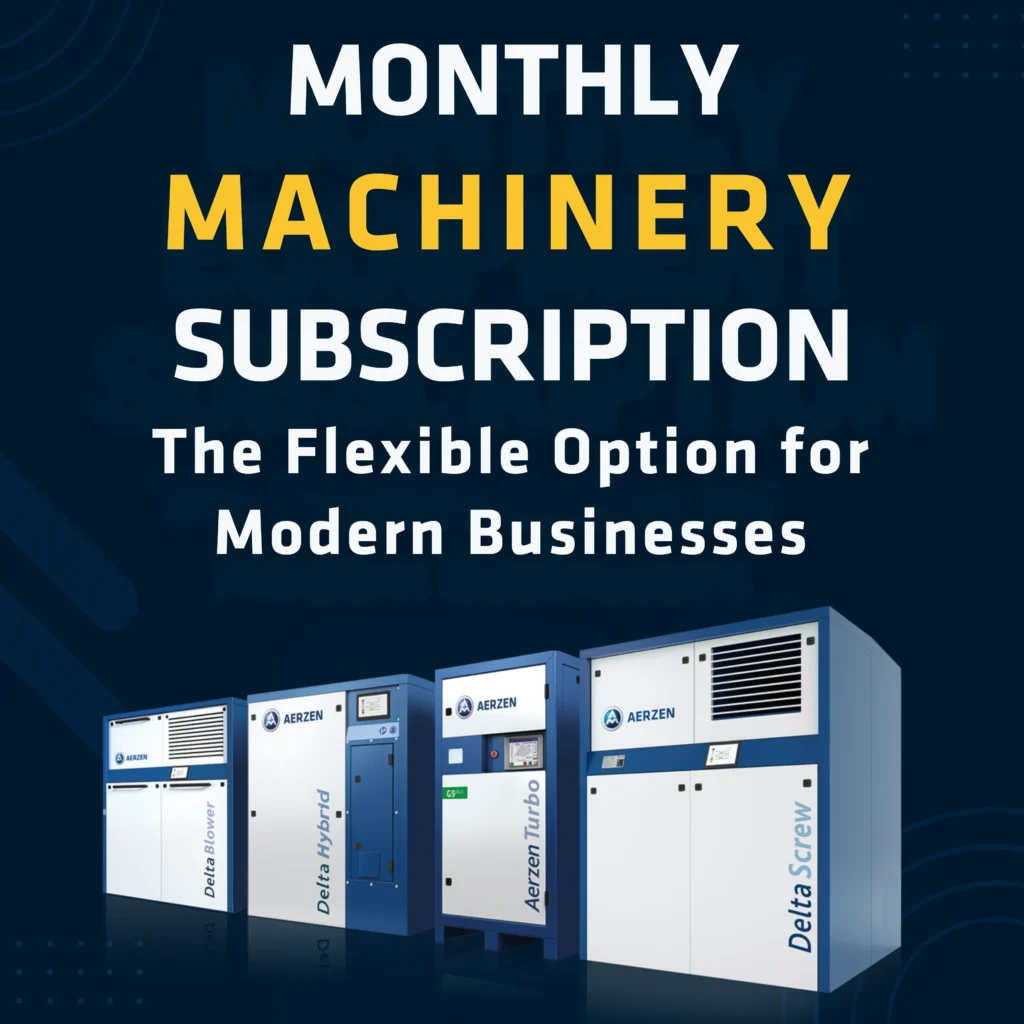
5. All-Inclusive Service eliminates hidden cost: Subscription Plan ของ AERZEN รวม maintenance, service, และ spare parts ไว้ในค่าเช่า ทำให้ OPEX ของระบบ compressed air ในช่วง transition period นั้น predictable — ไม่มี surprise cost ที่รบกวน decarbonization budget
—
4. Phased Decarbonization Pathway: 3 ระยะที่โรงงานทำได้จริง
ไม่มี one-size-fits-all pathway สำหรับ decarbonization แต่โรงงานส่วนใหญ่เดินตาม 3 ระยะนี้ในรูปแบบใดรูปแบบหนึ่ง:
ระยะที่ 1 — Immediate Scope 1 Elimination (0–2 ปี)
เป้าหมาย: หยุด direct combustion ที่ compressed air system ทันที วิธี: Replace gas-driven compressor/blower ด้วย electric-driven unit — โดยใช้ rental เป็นหลักในระยะนี้ ทำไม rental: Grid upgrade และ permanent equipment decision ยังอยู่ระหว่าง evaluation; การซื้อถาวรก่อนมี plan ที่ชัดเจนเสี่ยงสูงเกินไป Output: Scope 1 ลดเป็นศูนย์จากระบบนี้; Scope 2 ปรากฏขึ้น แต่สามารถ address ได้ใน Phase 2
ระยะที่ 2 — Grid-Powered Electric Optimization (2–5 ปี)
เป้าหมาย: Optimize efficiency ของ electric system + ลด Scope 2 intensity วิธี:
Role ของ rental: Long-term Subscription Plan (12–36 เดือน) ขณะยังไม่ได้ CAPEX approval สำหรับ permanent unit หรือใช้เป็น peak shaving capacity ควบคู่กับ baseload permanent equipment
ระยะที่ 3 — Permanent Net-Zero Infrastructure (5–10 ปี)
เป้าหมาย: Permanent equipment decision โดยมี full picture ของ technology landscape วิธี: ซื้อ/lease ระยะยาวอุปกรณ์ที่ตอบโจทย์ technology generation ที่ mature แล้ว พร้อม grid ที่ decarbonized มากขึ้น Role ของ rental: ยังคงทำหน้าที่ emergency backup, peak capacity, และ maintenance window replacement
—
5. กรณีศึกษา: Petrochemical Plant เปลี่ยนจาก Gas-Driven Compressor ด้วย Rental Bridge
*กรณีศึกษาต่อไปนี้เป็น anonymized composite จากประสบการณ์การให้คำปรึกษาของทีม AERZEN Rental Thailand — ตัวเลขเป็น representative ไม่ใช่ข้อมูลลูกค้าเฉพาะราย*
โรงงาน petrochemical ขนาดกลางในพื้นที่ EEC ต้องการ decarbonize ระบบ instrument air ที่ใช้ gas-driven reciprocating compressor 2 ชุดเป็น primary supply เนื่องจาก ESG commitment ต่อ global holding company ที่ set target Scope 1 reduction 40% ภายในปี 2027
ปัญหา: Grid capacity ณ เวลานั้นไม่เพียงพอสำหรับ electric compressor ขนาดเดียวกัน การ upgrade transformer ใช้เวลา 14–18 เดือนและต้องผ่านกระบวนการ permit กับ MEA/PEA
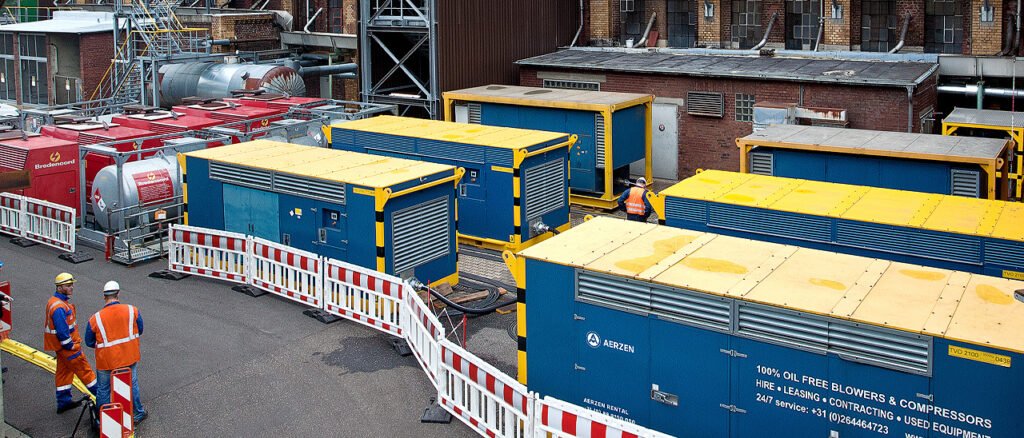
Solution — Rental Bridge:
ผลลัพธ์หลังปีแรก:
—
6. คำถามที่ต้องถามก่อน Commit ระยะยาว
ก่อนที่ Plant Manager หรือ CFO จะ commit permanent CAPEX สำหรับ electric compressor ใน decarbonization program คำถามต่อไปนี้ควรได้รับคำตอบที่ชัดเจน:
| คำถาม | ความสำคัญ | สิ่งที่ rental ช่วยระหว่างรอคำตอบ |
|—|—|—|
| Grid capacity พร้อมรับ load เพิ่มได้เท่าไหร่? | สูง — กำหนด spec ของ electric unit ที่ซื้อได้ | Rental ใช้ capacity ที่มีอยู่แล้วในขณะ grid upgrade กำลังดำเนินการ |
| Technology generation ใดที่ mature พอสำหรับ 15–20 ปี? | สูง — ป้องกัน technology lock-in ก่อนเวลา | Rental ให้ใช้ current-gen technology โดยไม่ lock-in |
| Renewable energy tariff/PPA มีทางเลือกอะไรบ้าง? | กลาง — ส่งผล Scope 2 intensity ของ electric unit | Rental period ใช้เพื่อเจรจา PPA ในขณะที่ emissions ยังลดลงจาก Scope 1 |
| Production plan 5 ปีข้างหน้าต้องการ capacity เท่าไหร่? | กลาง — กำหนด sizing ที่ถูกต้อง | Rental ช่วย size-on-demand ระหว่างที่ demand ยังไม่ชัดเจน |
| ESG reporting deadline ถัดไปคือเมื่อไหร่? | สูงสำหรับบาง sector — กำหนด urgency ของ Scope 1 action | Rental ลด Scope 1 ได้ก่อน deadline โดยไม่รอ CAPEX |
—
7. FAQ
Q: Rental compressor ที่ใช้ไฟฟ้านับเป็น Scope 1 zero จริงหรือ แม้จะไม่ใช่ asset ของโรงงาน?
A: ใช่ — ตาม GHG Protocol Scope 1 คือ direct emissions จาก sources ที่โรงงานเป็นเจ้าของหรือควบคุม สำหรับ electric equipment ไม่มีการเผาไหม้ที่ site → Scope 1 = 0 ไม่ว่า equipment นั้นจะเป็น owned หรือ rented ความแตกต่างของ rental vs. owned ส่งผลต่อ balance sheet (TFRS 16) ไม่ใช่ GHG accounting category
Q: Subscription Plan ของ AERZEN ช่วยเรื่อง ESG reporting ได้อย่างไร?
A: AERZEN Rental Thailand สามารถ provide ข้อมูล kWh consumption ของ rental unit สำหรับ Scope 2 electricity reporting ทีมวิศวกรสามารถ coordinate กับฝ่าย sustainability ของลูกค้าเพื่อ deliver metering data ในรูปแบบที่ต้องการ ติดต่อทีมเพื่อหารือ data requirement ที่เฉพาะเจาะจง
Q: Delta Screw E-Compressor ต่างจาก DVO อย่างไรในบริบท decarbonization?
A: ทั้งสองเป็น oil-free, electric-driven units — Scope 1 = 0 ทั้งคู่ ความแตกต่างหลักอยู่ที่ pressure range และ application: DVO เหมาะสำหรับ medium-pressure (3–10 bar) applications; Delta Screw E-Compressor ถูก optimize สำหรับ higher efficiency ที่ part-load operation ด้วย VSD integration — เหมาะสำหรับ facility ที่ต้องการ maximize kWh efficiency เพื่อลด Scope 2 ด้วย สำหรับ application เฉพาะ ทีม AERZEN Rental Thailand จะ recommend unit ที่เหมาะสมหลังจาก site survey
Q: ถ้าใช้ rental ตลอด 3–5 ปี รวม OPEX แล้วคุ้มกว่าซื้อหรือเปล่า?
A: คำตอบขึ้นอยู่กับ operating hours, financing cost, maintenance cost ของ owned unit, และ option value ของการไม่ lock-in technology ในช่วง transition AERZEN Rental Thailand จะ walk through TCO comparison (Subscription Plan OPEX vs. purchase CAPEX+OPEX) ตามข้อมูลจริงของคุณ ติดต่อเพื่อนัด technical briefing
—
*Last technical review: 2026-05-14*
—
ปรึกษาทีม AERZEN Rental Thailand เรื่อง Decarbonization Roadmap
AERZEN Rental Thailand ให้บริการ oil-free blower และ compressor rental ที่ใช้ไฟฟ้า 100% — zero Scope 1 emissions ตั้งแต่วันแรกที่ติดตั้ง พร้อม Subscription Plan แบบ all-inclusive ที่รวม maintenance และ service ไว้ในค่าเช่าเดียว เหมาะสำหรับเป็น transition asset ระหว่างการ decarbonize ระบบ compressed air ของโรงงาน
AERZEN ออกแบบ blower technology มาตั้งแต่ปี 1864 ประสบการณ์ด้าน engineering ของ AERZEN Group Germany รองรับโรงงานในหลาย sector และหลาย decarbonization stage — ตั้งแต่ immediate Scope 1 elimination ไปจนถึง net-zero infrastructure planning
ติดต่อขอใบเสนอราคาและ technical briefing:
*Rent a solution. Expect performance.*
—
—
—

✍️ เกี่ยวกับผู้เขียน
ภราดร วรรณสังข์ (Paradorn Wannasung)
Marketing Communication Specialist · นิเทศศาสตรมหาบัณฑิต (การสื่อสารการตลาดและแบรนด์)
ภราดร (Paradorn) เป็นผู้ดูแลด้านการสื่อสารการตลาดของ AERZEN Rental Thailand จบนิเทศศาสตรมหาบัณฑิต (การสื่อสารการตลาดและแบรนด์) เชี่ยวชาญด้านอุตสาหกรรม B2B ในประเทศไทย มีประสบการณ์การสร้างแบรนด์และคอนเทนต์ในกลุ่มอุตสาหกรรมของไทย
ติดต่อ: pwa@aerzenrental.com · LinkedIn