Desalination & Water Reuse — Membrane Aeration & Instrument Air (Oil-Free)
TL;DR — สรุปประเด็นสำคัญ
- โรงงาน desalination (RO/MSF/MED) และ water reuse ต้องการ oil-free air สำหรับ membrane aeration, brine blowdown และ instrument air — การปนเปื้อนน้ำมันทำลาย membrane filter โดยตรงและทำให้ระบบ control หยุดทำงาน
- ISO 8573-1 Class 0 คือมาตรฐานขั้นต่ำที่ผู้ออกแบบระบบ RO กำหนดไว้สำหรับ instrument air; มาตรฐาน WHO/IWA สำหรับ water reuse กำหนดคุณภาพอากาศที่ต้องสัมผัสน้ำโดยตรงด้วยหลักการเดียวกัน
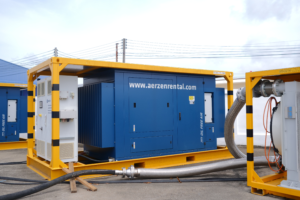
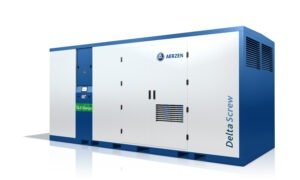
- AERZEN BVO (Delta Hybrid Screw Blower) และ DVO (Delta Screw E-Compressor) ให้ทั้ง 100% oil-free air และ turndown capability สูงสุด 1:5 — ตรงกับความต้องการของ MBR pre-treatment และ scouring ที่ flow demand เปลี่ยนตามรอบการผลิต
AERZEN ออกแบบระบบ blower และ compressor สำหรับกระบวนการน้ำอุตสาหกรรมมาตั้งแต่ปี 1864 — และสิ่งที่ประสบการณ์กว่า 160 ปีสอนไว้ชัดเจนคือ: ใน desalination plant และ water reuse facility ทุกลิตรบาทของ compressed air ที่มีน้ำมันปนเปื้อน มีศักยภาพที่จะทำลายระบบที่มีมูลค่าหลายร้อยล้านบาทได้ภายในชั่วโมงเดียว
ความต้องการน้ำบริสุทธิ์ระดับอุตสาหกรรมในภาคตะวันออก (EEC) กำลังเติบโตในอัตราที่ไม่เคยเกิดขึ้นมาก่อน ตาม EEC Water Management Master Plan โครงการลงทุนในระบบ water reuse และ industrial desalination ที่ได้รับการอนุมัติในช่วงปี 2566–2568 มีมูลค่ารวมกันเกิน 15,000 ล้านบาท¹ ผู้ออกแบบระบบและ plant engineer ที่รับผิดชอบงาน specification ต้องเผชิญกับคำถามเดิมซ้ำแล้วซ้ำเล่า: compressed air ที่ต้องสัมผัสกับ membrane, control loop และ process water โดยตรงจะต้องมีมาตรฐานอะไรบ้าง — และจะหาแหล่งจัดหาที่เชื่อถือได้อย่างไร?
บทความนี้ตอบคำถามนั้นด้วยข้อมูลวิศวกรรม มาตรฐานที่บังคับใช้ และแนวทางการเลือก blower ให้เหมาะสมกับแต่ละ application
Class 0
ISO 8573-1 — ขีดจำกัดน้ำมัน <0.01 mg/m³ สำหรับ instrument air ใน RO plant
2.0–4.0
mg O₂/L — DO target สำหรับ MBR aeration (IWA Design Guidelines)
1:5
Turndown ratio — AERZEN BVO/DVO ปรับ flow ได้กว้างตาม demand จริง
24h
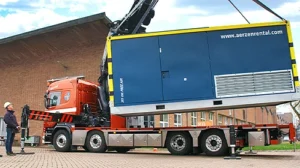
Emergency mobilization — ส่ง rental unit ถึง site จาก Sattahip/EEC base
ทำไม Oil-Free Air จึงไม่ใช่ทางเลือก — แต่เป็นข้อบังคับ
ใน conventional industrial process การปนเปื้อนน้ำมันใน compressed air อาจเป็นเรื่องที่ยอมรับได้ในระดับหนึ่ง แต่ใน desalination และ water reuse facility กลไกความเสียหายมีความรุนแรงกว่านั้นมาก และเกิดขึ้นเร็วกว่าที่ผู้ปฏิบัติงานหลายคนคาดไว้
กลไกความเสียหายจาก Oil Contamination
- Membrane fouling แบบถาวร: น้ำมันแม้ในปริมาณน้อยกว่า 0.1 mg/m³ สามารถ coat ผิว RO membrane และ MBR membrane ทำให้ขนาดรูพรุนหดตัว (pore blocking) และเพิ่ม transmembrane pressure (TMP) ซึ่งในหลายกรณีไม่สามารถแก้ไขด้วย chemical cleaning cycle ปกติได้
- Instrument malfunction: Instrument air ที่มีน้ำมันปนเปื้อนทำให้ pneumatic actuator, control valve และ pressure transmitter ใน RO skid เสียหายและให้ค่าผิดพลาด — ผลคือระบบ dosing และ pressure control ทำงานผิดปกติ เพิ่มความเสี่ยงต่อ membrane damage จาก over-pressure
- Biological contamination amplification: น้ำมันเป็นแหล่งอาหารของแบคทีเรียใน bio-film ที่ก่อตัวบน membrane surface เร่งกระบวนการ biofouling ซึ่งเพิ่ม cleaning frequency และลดอายุการใช้งานของ membrane อย่างมีนัยสำคัญ
- Product water contamination: ใน water reuse plant ที่ผลิตน้ำเพื่อ industrial reuse หรือ indirect potable reuse oil เจือปนใน aeration air โดยตรงส่งผลให้ product water ไม่ผ่านมาตรฐาน WHO Guidelines for the Safe Use of Wastewater²
“Oil contamination in membrane aeration air does not degrade performance gradually — it causes acute, often irreversible fouling events that require membrane replacement rather than cleaning.”
— IWA Membrane Bioreactor (MBR) Design Manual, 3rd Edition (2020), Chapter 4: Air Supply Systems
บทบาทของ Compressed Air ใน Desalination Plant (RO/MSF/MED)
โรงงาน desalination ทุกเทคโนโลยี — ไม่ว่าจะเป็น Reverse Osmosis (RO), Multi-Stage Flash (MSF) หรือ Multiple Effect Distillation (MED) — ใช้ compressed air ใน 3 บทบาทหลักที่แตกต่างกัน แต่ล้วนต้องการ oil-free quality ในระดับสูงเหมือนกัน
| บทบาท (Application) | เทคโนโลยี | Flow Requirement | Air Quality Standard | เหตุผล |
|---|---|---|---|---|
| Instrument Air | RO / MSF / MED | ต่ำ–ปานกลาง / Continuous | ISO 8573-1 Class 0 | ขับเคลื่อน pneumatic valve, actuator และ pressure transmitter ในระบบ control ทั้งหมด |
| MBR Membrane Aeration (Pre-treatment) | RO (pre-treatment) | สูง / Variable (turndown จำเป็น) | ISO 8573-1 Class 0 | อากาศสัมผัส membrane โดยตรง — น้ำมันปนเปื้อน = membrane fouling ทันที |
| Brine Blowdown Aeration | RO / MSF | Intermittent / High flow bursts | Class 1 ขั้นต่ำ (Class 0 แนะนำ) | ป้องกัน scaling ใน brine discharge line และ concentrate disposal system |
| Chemical Dosing Atomization | RO | ต่ำ / Pulsed | ISO 8573-1 Class 0 | อากาศ atomize สารเคมี antiscalant/biocide เข้าสู่ feed water โดยตรง |
| Cleaning-in-Place (CIP) Assist | RO / MBR | Intermittent | Class 1 ขั้นต่ำ | ช่วยผสม cleaning chemical และ flush membrane housing |
สำหรับ RO plant โดยเฉพาะ มาตรฐาน ASTM D4692 (Standard Guide for Planning and Conducting Seawater Desalination Testing) และ HQ engineering specifications จาก ผู้ผลิต RO membrane ชั้นนำทุกรายกำหนด instrument air ที่ Class 0 เป็น minimum requirement — ไม่ใช่ recommendation³
MBR Aeration: DO Target, Scouring Air และผลของ Oil Contamination
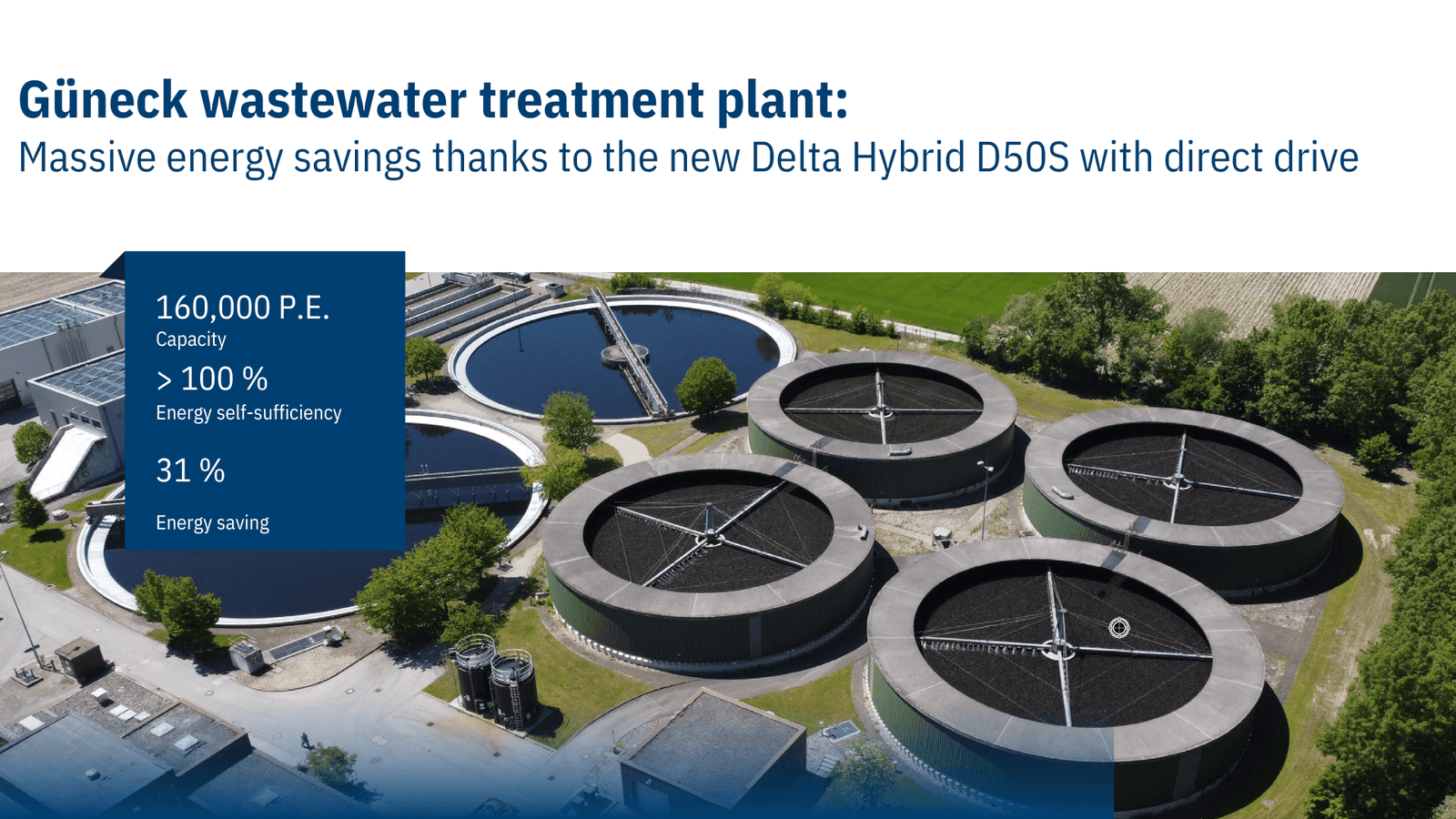
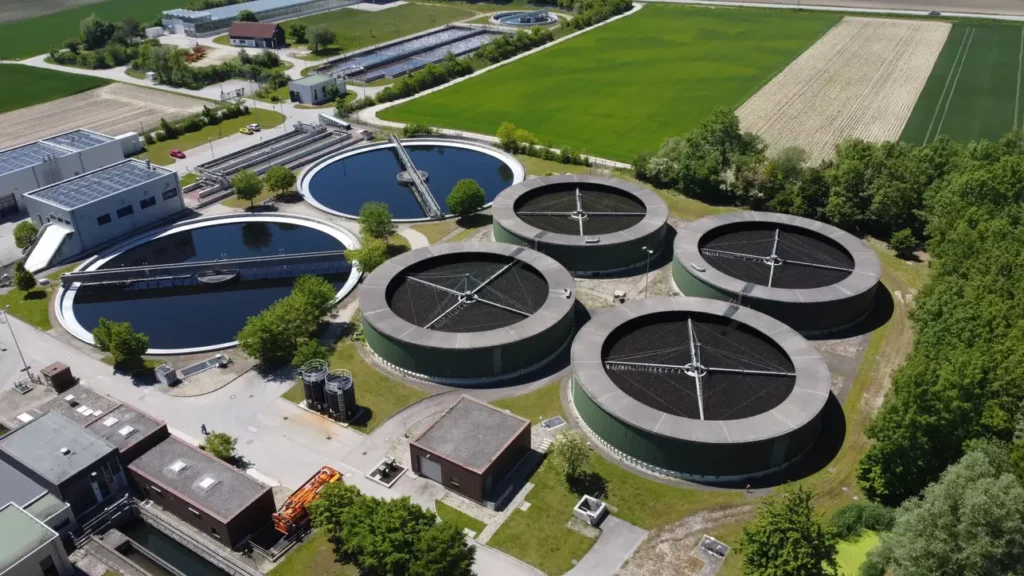
Membrane Bioreactor (MBR) คือ pre-treatment technology ที่นิยมใช้ก่อน RO stage ใน desalination และ water reuse plant เนื่องจากให้ effluent quality สูงกว่า conventional activated sludge ด้วย turbidity <1 NTU และ TSS ใกล้ศูนย์ — ลด fouling load ของ RO membrane อย่างมีนัยสำคัญ ระบบ MBR ต้องการ blower air ใน 2 บทบาทที่แตกต่างกัน:
1. Biological Aeration (DO Maintenance)
จุดประสงค์คือรักษาระดับ Dissolved Oxygen (DO) ที่ 2.0–4.0 mg/L ในถัง bioreactor ตาม IWA MBR Design Guidelines ระดับ DO ต่ำกว่า 1.5 mg/L ทำให้ nitrification หยุดทำงาน และ DO สูงเกิน 6.0 mg/L เป็นการสิ้นเปลืองพลังงาน ดังนั้น blower จึงต้องทำงานแบบ variable flow เพื่อตามค่า DO setpoint อย่างแม่นยำ
2. Membrane Scouring Air (Fouling Control)
Scouring air หรือ coarse bubble aeration ที่ฉีดเข้าใต้ membrane module มีหน้าที่สร้าง turbulence เพื่อ ขัด suspended solids และ bio-film ออกจากผิว membrane อย่างต่อเนื่อง IWA กำหนด specific aeration demand for membrane (SADm) ที่ 0.3–0.5 Nm³/h ต่อ m² ของ membrane area⁴ และ flow demand นี้จะแปรผันตามอัตราการกรองและคุณสมบัติของน้ำที่รับเข้าระบบ
ผลของ Oil Contamination ต่อ MBR Membrane: น้ำมันที่ปนมากับ aeration air ไม่เพียงแต่ทำ membrane fouling โดยตรง — มันยังรบกวนกระบวนการ biological treatment ด้วยการ:
- ยับยั้ง nitrifying bacteria ซึ่ง sensitive ต่อ hydrocarbon contamination
- ก่อตัวเป็น oil sheen บน membrane surface ที่เพิ่ม transmembrane pressure (TMP) ในอัตรา 5–10 เท่าของ normal fouling rate
- ทำให้ต้องเพิ่มความถี่ chemical cleaning จาก standard cycle 1 ครั้ง/ไตรมาส เป็น 1 ครั้ง/สัปดาห์ — เพิ่มต้นทุน operating cost และลดอายุ membrane
Water Reuse ในอีอีซี: EEC Water Management Master Plan และความต้องการที่เพิ่มขึ้น
ประเทศไทยเผชิญกับความกดดันด้านทรัพยากรน้ำที่ชัดเจนใน Eastern Economic Corridor (EEC) โดยเฉพาะในช่วง dry season ของภาคตะวันออก EEC Water Management Master Plan (2566–2580) กำหนดเป้าหมายให้ภาคอุตสาหกรรมในพื้นที่อีอีซีต้อง recycle/reuse น้ำอย่างน้อย 30% ของปริมาณการใช้ทั้งหมดภายในปี 2575 ซึ่งหมายความว่าโรงงานที่ยังไม่มีระบบ water reuse จะต้องลงทุนสร้างในช่วง 5–7 ปีข้างหน้า
Industrial wastewater recycle plant ใน EEC ส่วนใหญ่ใช้ process chain ดังนี้:
- Pre-treatment: MBR (Membrane Bioreactor) — ต้องการ oil-free aeration air อย่างต่อเนื่อง
- Advanced Treatment: RO หรือ Nanofiltration — ต้องการ oil-free instrument air และ chemical dosing air
- Polishing: UV Disinfection หรือ Ozonation — บางระบบใช้ compressed air สำหรับ ozone generation
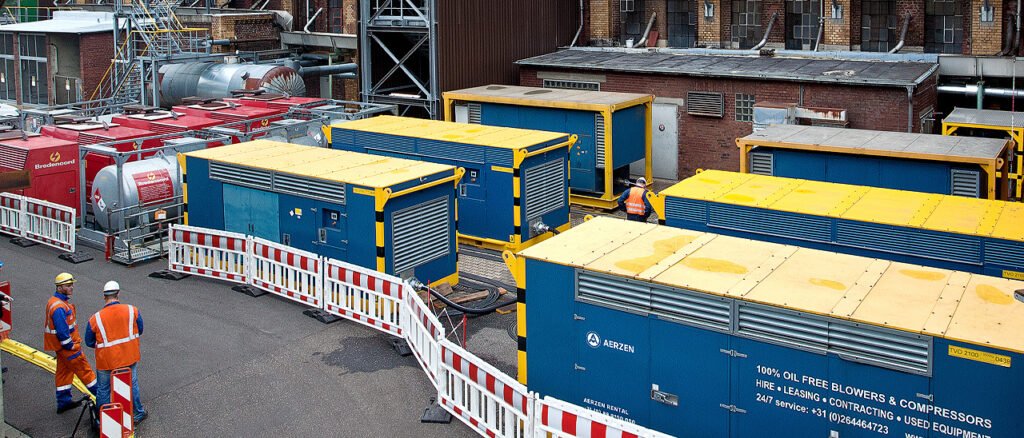
ทีม engineers ที่ AERZEN Rental Thailand ซึ่งตั้งฐานอยู่ที่ Sattahip, Chonburi ให้บริการ site assessment และ air system specification สำหรับโครงการ water reuse ทั้งในพื้นที่ Chonburi, Rayong, Chachoengsao และ Prachinburi ซึ่งล้วนอยู่ใน EEC หรือ Eastern Region catchment area
AERZEN BVO และ DVO: Turndown Capability และ 100% Oil-Free สำหรับ Membrane Systems
การเลือก blower สำหรับ MBR aeration และ RO instrument air ต้องพิจารณา 2 ปัจจัยร่วมกัน ได้แก่ air purity (100% oil-free) และ variable flow capability (turndown) ซึ่งไม่สามารถยอมรับ compromise ได้ในทั้งสองด้าน
| ข้อมูล | AERZEN BVO (Delta Hybrid Screw Blower) | AERZEN DVO (Delta Screw E-Compressor) |
|---|---|---|
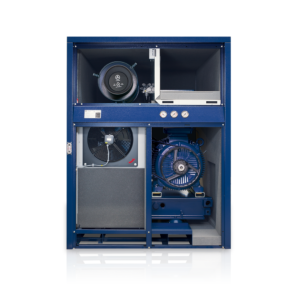
| หลักการทำงาน | Screw blower — dry, oil-free internal compression | Screw compressor — oil-free, higher pressure capability |
| Pressure range | 0.3–1.0 bar(g) — เหมาะกับ MBR aeration และ scouring | 0.5–3.5 bar(g) — เหมาะกับ instrument air และ RO feed |
| Flow range | 300–30,000 Nm³/h | 200–15,000 Nm³/h |
| Turndown capability | สูงสุด 1:5 ด้วย VFD integration | สูงสุด 1:5 ด้วย VFD integration |
| Oil-free standard | ISO 8573-1 Class 0 | ISO 8573-1 Class 0 |
| Application fit | MBR biological aeration, membrane scouring, brine blowdown | Instrument air (RO/MSF/MED), CIP assist, chemical dosing air |
| Rental availability (EEC base) | พร้อมส่ง — เช่าระยะสั้น/ยาว/Subscription Plan | พร้อมส่ง — เช่าระยะสั้น/ยาว/Subscription Plan |
ทำไม Turndown Capability ถึงสำคัญมากใน MBR/RO Application: ความต้องการ aeration air ใน MBR ไม่คงที่ — มันแปรผันตาม organic loading ของน้ำที่รับเข้า ซึ่งในโรงงานอุตสาหกรรมอาจเปลี่ยนได้ถึง 3–5 เท่าระหว่าง peak production และ off-shift period Blower ที่ไม่มี turndown capability จะต้องทำงาน throttle ซึ่งสิ้นเปลืองพลังงานอย่างมาก หรือต้อง cycle on/off บ่อยครั้งซึ่งทำให้ membrane scouring ขาดความต่อเนื่องและเร่ง fouling
AERZEN BVO ด้วย VFD (Variable Frequency Drive) integration สามารถปรับ flow อย่างต่อเนื่องตาม DO feedback signal จาก SCADA — ทำให้ membrane scouring มีความสม่ำเสมอและลดการสิ้นเปลืองพลังงานเมื่อเทียบกับ fixed-speed blower ที่ต้อง throttle
สำหรับข้อมูลทางเทคนิคเพิ่มเติมเกี่ยวกับ DVO series ดูที่ คู่มือเทคนิค AERZEN Delta Hybrid DVO — ข้อมูลสเปคและการประยุกต์ใช้งานในประเทศไทย
และสำหรับการประยุกต์ใช้ blower ใน wastewater treatment ที่กว้างขึ้น อ่านได้ที่ เช่า Blower บำบัดน้ำเสีย AERZEN — คู่มือสำหรับ WWTP ในประเทศไทย
มาตรฐานที่บังคับใช้: กระทรวงอุตสาหกรรม + WHO/IWA + ISO 8573-1
ผู้ออกแบบระบบ desalination และ water reuse ในประเทศไทยต้องปฏิบัติตามกรอบกฎหมายและมาตรฐานหลายชั้น ซึ่งแต่ละชั้นมีผลบังคับใช้ต่อ air quality specification โดยตรง
| มาตรฐาน / กฎหมาย | ผู้ออก | ผลบังคับต่อ Air Quality |
|---|---|---|
| ประกาศกระทรวงอุตสาหกรรม ฉบับที่ 2 (2535) ว่าด้วยน้ำทิ้ง | กระทรวงอุตสาหกรรม ไทย | กำหนดค่า BOD, COD, SS ของน้ำทิ้ง — ระบบ MBR/RO ที่ใช้ oil-contaminated air จะทำให้ effluent quality ไม่ผ่านเกณฑ์ BOD ≤ 20 mg/L |
| ISO 8573-1:2010 — Compressed Air Contaminants | ISO (International Organization for Standardization) | Class 0: oil aerosol <0.01 mg/m³ — mandatory สำหรับ instrument air ในระบบ process control ของ RO/MED plant ทุกแห่ง |
| WHO Guidelines for the Safe Use of Wastewater (3rd Ed.) | World Health Organization | กำหนดคุณภาพ effluent สำหรับ agricultural reuse — aeration air ที่สัมผัส process water ต้องไม่เป็นแหล่ง chemical contamination |
| IWA MBR Design Manual (2020) | International Water Association | กำหนด SADm, DO target, และ air quality requirement สำหรับ membrane aeration โดยระบุว่า oil-free air เป็น non-negotiable design requirement |
| EEC Water Management Master Plan 2566–2580 | สำนักงาน EEC (กพอ.) | กำหนดเป้าหมาย water reuse ratio และ water quality standard สำหรับ industrial water reuse ในพื้นที่อีอีซี |
สำหรับข้อมูลมาตรฐาน ISO 8573-1 ฉบับเต็ม สามารถดาวน์โหลดจาก ISO.org — ISO 8573-1:2010 Compressed Air Contaminants³ และ WHO Guidelines ที่ WHO Safe Use of Wastewater Guidelines²
FAQ — คำถามที่พบบ่อย
ISO 8573-1 Class 0 กับ Class 1 ต่างกันอย่างไร และ Class 1 ใช้กับ membrane aeration ได้หรือไม่?
Class 0 กำหนดขีดจำกัดน้ำมัน (oil aerosol + vapour) ที่ <0.01 mg/m³ ซึ่งเข้มงวดกว่า Class 1 (<0.1 mg/m³) ถึง 10 เท่า สำหรับ membrane aeration ที่อากาศสัมผัส membrane โดยตรง IWA และผู้ผลิต membrane ทุกรายระบุ Class 0 เป็นข้อกำหนด Class 1 ยังมีน้ำมันปริมาณที่เพียงพอที่จะก่อ fouling ในระยะกลาง (3–6 เดือน) และทำให้ต้องเพิ่ม chemical cleaning cycle อย่างมีนัยสำคัญ
เช่า blower จาก AERZEN Rental Thailand ใช้เวลานานแค่ไหนก่อนที่เครื่องจะพร้อมใช้งานที่ site?
AERZEN Rental Thailand ตั้งฐานอยู่ที่ Sattahip, Chonburi — ซึ่งอยู่ใน EEC catchment area โดยตรง สำหรับ emergency rental สามารถ mobilize unit ถึง site ภายใน 24 ชั่วโมงหลังยืนยัน spec และพิกัด สำหรับ planned project ทีม applications engineer จะเข้า site survey ก่อนเพื่อยืนยัน pressure requirement, flow demand และ piping interface ก่อนส่งมอบเครื่อง
Subscription Plan ของ AERZEN คืออะไร และเหมาะกับโครงการ water reuse ระยะยาวหรือไม่?
Subscription Plan คือ all-inclusive rental package ที่รวม เครื่อง BVO/DVO, preventive maintenance, spare parts, 24/7 technical support และ performance guarantee ไว้ในสัญญาเดียว เหมาะมากสำหรับ water reuse plant ที่ต้องการ uptime guarantee และต้องการคุมงบประมาณ OPEX แบบ predictable ราคาขึ้นอยู่กับขนาดเครื่อง อายุสัญญา และ service level — ติดต่อทีมงานเพื่อรับ quotation ที่ตรงกับ project spec
ต้องการ blower กี่ตัวสำหรับ MBR plant ขนาด 1,000 m³/day?
ขึ้นอยู่กับ membrane type, SADm target, MLSS concentration และ HRT ซึ่งต้องการ process calculation ที่ละเอียด โดยทั่วไป MBR ขนาด 1,000 m³/day ที่ใช้ hollow-fiber membrane มี total aeration demand ในช่วง 1,500–4,000 Nm³/h (รวม biological aeration + scouring) ซึ่ง AERZEN BVO หนึ่งตัวสามารถรองรับได้ขึ้นอยู่กับ model และ operating pressure ทีม applications engineer พร้อมให้คำปรึกษาโดยไม่มีค่าใช้จ่าย
BVS (Screw Blower) กับ BVO (Delta Hybrid) ต่างกันอย่างไรในบริบทของ MBR aeration?
BVO (Delta Hybrid Screw Blower) คือ screw-based blower ที่ให้ oil-free air พร้อม VFD integration แบบ native และ internal compression efficiency สูงกว่า BVS ที่เป็น Roots-type screw blower ทั้งสองให้ oil-free air ใน Class 0 แต่ BVO เหมาะกว่าสำหรับ MBR application ที่ต้องการ turndown กว้างและ pressure ที่สม่ำเสมอในระยะยาว สำหรับ application ที่ต้องการข้อมูลเปรียบเทียบ ทีมงานสามารถจัดทำ technical brief ให้ตาม project spec
ขอ Air System Consultation และใบเสนอราคาสำหรับโครงการของคุณ
ทีม applications engineers ของ AERZEN Rental Thailand พร้อมให้คำปรึกษาด้านการเลือก blower, site assessment และ quotation สำหรับ MBR aeration, instrument air และ water reuse applications ทั้งในพื้นที่อีอีซีและภูมิภาคอื่น ๆ
Rent a solution. Expect performance.
Last technical review: 2026-06-01 — AERZEN Rental Thailand engineering team
อ้างอิง / References
- สำนักงานคณะกรรมการนโยบายเขตพัฒนาพิเศษภาคตะวันออก (EEC), EEC Water Management Master Plan 2566–2580. กพอ., 2566.
- World Health Organization, WHO Guidelines for the Safe Use of Wastewater, Excreta and Greywater — Volume 2: Wastewater Use in Agriculture, 3rd ed. WHO Press, Geneva, 2006. who.int
- International Organization for Standardization, ISO 8573-1:2010 — Compressed Air: Contaminants and Purity Classes. ISO, Geneva, 2010. iso.org
- International Water Association (IWA), Membrane Bioreactor (MBR) Technology: Planning, Design, Procurement and Operation, 3rd ed. IWA Publishing, London, 2020. ISBN 978-1-78906-040-0.
- กรมโรงงานอุตสาหกรรม, ประกาศกระทรวงอุตสาหกรรม เรื่อง กำหนดมาตรฐานคุณภาพน้ำทิ้งที่ระบายออกจากโรงงาน ฉบับที่ 2 พ.ศ. 2539. ราชกิจจานุเบกษา, 2539.