Sizing — วิธีคำนวณ CFM และ Pressure สำหรับโรงงานของคุณ | AERZEN Knowledge Base
TL;DR — สรุปสั้น
- ข้อมูล 5 รายการที่กำหนด unit selection และ rental price tier: อัตราการไหล (Nm³/min), แรงดันจ่าย (bar(g)), อุณหภูมิโดยรอบ (°C), สเปคไฟฟ้า (V/Hz/Phase), และ duty cycle (% on-time)
- การระบุข้อมูลครบก่อนโทรช่วยให้ทีม AERZEN เสนอ unit ที่ตรงกับ process จริง — ไม่ over-spec ไม่ under-spec ไม่มีค่าใช้จ่ายแอบแฝงหลังติดตั้ง
- บทความนี้มีตารางเปรียบเทียบผลกระทบของแต่ละตัวแปร และ FAQ สำหรับคำถามที่ทีม Application Engineer ของ AERZEN ได้รับบ่อยในช่วง pre-quote
AERZEN ออกแบบและผลิต blower มาตั้งแต่ปี 1864 — และในทุกทศวรรษนั้น
บทเรียนที่ซ้ำกันมากที่สุดในการ rental process คือ: การเสนอ unit ที่ผิดขนาดมักเกิดจากข้อมูล plant-side ที่ไม่ครบ
ไม่ใช่จากการเลือกเทคโนโลยีผิด
ก่อนที่ Application Engineer ของเราจะสามารถระบุว่า DVO, BVS, หรือ Delta Hybrid คือคำตอบที่ถูกต้องสำหรับ process ของคุณ
เขาต้องการข้อมูล 5 รายการจากฝั่ง plant — และแต่ละรายการไม่ใช่แค่ “ตัวเลขสำหรับใบเสนอราคา”
แต่เป็นตัวแปรที่เปลี่ยน unit selection และ rental price tier ได้อย่างมีนัยสำคัญ
บทความนี้เดินผ่านข้อมูล 5 รายการนั้นทีละรายการ — ว่าวัดอะไร, วัดที่ไหนบนระบบ,
และทำไมถ้าตัวเลขผิดแม้เพียงรายการเดียว เครื่องที่เลือกจะทำงาน under-capacity
หรือทำให้ค่าใช้จ่ายพลังงานสูงกว่าที่ควรตลอดระยะสัญญา
ทำไมข้อมูล Plant-Side ถึงสำคัญกว่าการรีบขอราคา
หลายโรงงานโทรหา rental provider ด้วยคำถามว่า “ราคาเช่า blower 11 kW เดือนละเท่าไหร่?”
คำถามนั้นสะท้อนวิธีคิดแบบ commodity purchasing — เหมือนเช่ารถบรรทุกโดยดูแค่ตันน้ำหนัก
แต่ compressed air และ blower system ทำงานภายใต้ตัวแปรหลายมิติพร้อมกัน:
อุณหภูมิอากาศดูดเข้าที่ภาคตะวันออกในเดือนเมษายนสูงกว่ากรุงเทพฯ เดือนธันวาคมได้ถึง 8–10 °C
ซึ่งลด mass flow ของเครื่องขนาดเท่ากันลงได้ถึง 5–7% — นั่นหมายถึงการที่ aeration tank
อาจได้รับ dissolved oxygen ต่ำกว่า setpoint ใน summer peak โดยไม่มีใครตั้งใจให้เป็นเช่นนั้น
Rental quote ที่แม่นยำและ contract ที่ไม่มี change-order ภายหลัง
เริ่มต้นจากการที่ฝ่าย plant เตรียมข้อมูล 5 รายการด้านล่างให้ครบก่อนการโทร
ไม่ใช่ภาระงาน — แต่เป็นการลงทุนเวลา 30 นาทีที่ป้องกันการ revision
สัญญาและการ renegotiate หลังติดตั้ง
5
ตัวแปรที่กำหนด unit selection
30 min
เวลาเตรียมข้อมูลก่อนโทร
160 ปี
German engineering heritage
24 ชม.
Mobilization time หลัง confirm
Engineering Insight — AERZEN Application Engineering Team
“ในทุกการ pre-quote ที่เราทำ ปัญหา 80% มาจากการที่ลูกค้าระบุ flow เป็น m³/min
โดยไม่บอก reference condition และไม่ระบุ peak ambient temperature ที่ไซต์จริง
ข้อมูล 2 รายการนี้เพียงอย่างเดียวกำหนดว่า unit ที่เราส่งไปจะทำงานได้หรือไม่ในเดือนเมษายน”
— ทีม Application Engineering, AERZEN Rental Thailand ·
เกี่ยวกับทีมวิศวกรของเรา
Data Point 1 — อัตราการไหล: Nm³/min (หรือ Sm³/min)
วัดอะไร: ปริมาตรอากาศที่ process ต้องการต่อนาที ณ สภาวะอ้างอิง
มาตรฐาน ISO 1217:2009 กำหนด Normal Condition (N) ที่ 1 bar(a), 0 °C, 0% RH
ในขณะที่มาตรฐาน
CAGI Data Sheet
ใช้ Standard Condition ที่ 1 bar(a), 20 °C, 0% RH
ซึ่งทำให้ตัวเลข “300 Nm³/min” กับ “300 Sm³/min” หมายถึง mass flow ที่ต่างกันประมาณ 7%
(สำหรับการแปลงหน่วยแบบละเอียด CFM / Nm³/min / SCFM พร้อมตัวเลขอ้างอิง ดูเพิ่มเติมที่
คู่มือแปลงหน่วย CFM, Nm³/min, SCFM สำหรับ blower และ compressor
)
วัดที่ไหน: วัด ณ inlet ของ process ที่ consume air — ไม่ใช่ที่ outlet ของ blower ตัวเก่า
หากโรงงานกำลัง replace เครื่องเก่า ให้ดู nameplate flow ของเครื่องเก่า
แล้วประกอบกับ actual operating log (ถ้ามี) เพราะ actual demand อาจต่างจาก nameplate ได้ถึง ±20%
ข้อผิดพลาดที่พบบ่อย
การระบุ flow เป็น m³/min โดยไม่บอก reference condition (N หรือ S)
ทำให้ Application Engineer ต้องสันนิษฐาน — และถ้าสันนิษฐานผิด
เครื่องที่ส่งอาจ under-deliver 7–10% ทันทีที่ ambient temperature สูงขึ้น
บอก standard ที่ใช้เสมอ
ผลต่อ unit selection:
Flow ที่ต้องการเป็นตัวแปรแรกที่ Application Engineer ใช้กรอง series
DVO (Delta Blower — Roots-type) ครอบคลุมช่วง ~0.3–135 Nm³/min ต่อ unit
BVS (Delta Screw E-Blower) ขยับได้ถึง ~190 Nm³/min ต่อ unit
AT (AerzenTurbo centrifugal) เหมาะกับ flow สูงตั้งแต่ ~400 Nm³/min ขึ้นไป
ถ้า flow requirement เพิ่มขึ้น 20% หลัง contract sign อาจต้องเพิ่มเครื่อง parallel
หรือ upgrade series — ซึ่งมีผลต่อ rental tier และค่า mobilization เพิ่มเติม
Data Point 2 — Discharge Pressure: bar(g)
วัดอะไร: แรงดันอากาศที่ outlet ของ blower/compressor ที่ process ต้องการ
วัดเป็น bar (gauge) — pressure เหนือ atmospheric
อย่าสับสนกับ absolute pressure (bar(a)) และอย่าแปลง “kPa” เป็น “bar” ผิด
(1 bar = 100 kPa ≈ 14.5 psi)
ทำไมถึงสำคัญ:
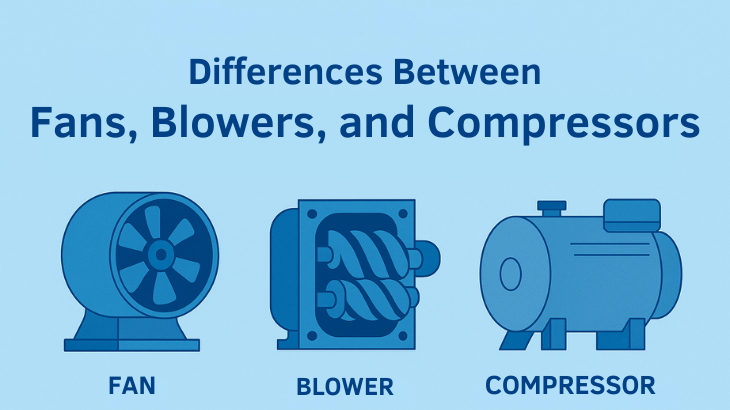
Blower และ compressor เป็นอุปกรณ์คนละประเภทโดยสิ้นเชิง
Blower ทำงานที่ pressure differential ต่ำ — โดยทั่วไป ≤ 1.0 bar(g) สำหรับ Roots-type
BVS Delta Screw สามารถทำงานที่ ≤ 1.5 bar(g)
ถ้า process ต้องการ 2–4 bar(g) เข้าสู่อาณาเขตของ screw compressor (TVO series)
และถ้า ≥ 7 bar(g) เป็น high-pressure compressor อีกประเภท
การระบุ pressure ผิดหมวดหมู่ทำให้เสนอ unit ผิดประเภทตั้งแต่ต้น
Engineering Tip
ระบุ pressure ทั้ง required delivery pressure (ที่ end-use) และ
estimated pipe pressure drop ระหว่าง blower outlet กับ point of use
Application Engineer จะรวม pipe loss เข้าไปใน discharge pressure requirement
เพื่อไม่ให้เครื่องทำงานที่ limit ตลอดเวลา ซึ่งลด service life
ผลต่อ rental tier:
Discharge pressure เป็นตัวแปรหลักที่สอง — pressure สูงขึ้นหมายถึง
mechanical stress สูงขึ้น, seal spec เข้มขึ้น, และ kW per Nm³/min สูงขึ้น
ใน blower range ทุก 0.1 bar(g) ที่เพิ่มขึ้นจาก 0.5 → 1.0 bar(g)
อาจเพิ่ม specific power ได้ 8–15% ซึ่งส่งผลต่อทั้ง unit selection และ energy cost ตลอดสัญญา
Data Point 3 — อุณหภูมิโดยรอบ (Ambient Temperature) และ Altitude
วัดอะไร: อุณหภูมิอากาศรอบเครื่องที่ installation point
— ไม่ใช่อุณหภูมินอกอาคาร แต่ที่ตัวเครื่องจะยืนทำงาน
(เช่น ภายใน compressor room, ในโรงงาน, หรือ outdoor บน trailer)
นอกจากนี้ให้ระบุ peak temperature ในเดือนที่ร้อนที่สุด (เมษายน-พฤษภาคมสำหรับภาคกลาง/ตะวันออก)
ทำไมถึงเปลี่ยน unit ที่เลือก:
Volumetric flow ของ blower อ้างอิงที่ standard condition
เมื่ออุณหภูมิอากาศดูดเข้า (inlet air temperature) สูงขึ้น อากาศขยายตัว
density ลดลง — mass flow ลดตาม
กฎง่าย: ทุกๆ 10 °C ที่เพิ่มขึ้นเหนือ 20 °C จะลด mass flow ประมาณ 3–4%
โรงงานในนิคมอุตสาหกรรมแถบ EEC (Rayong, Chonburi) ที่ตั้งเครื่องกลางแจ้ง
อาจเผชิญ ambient 42–45 °C ช่วง summer — ซึ่งลด effective capacity
ของ blower ที่ rated ที่ 20 °C ลงได้ 8–10%
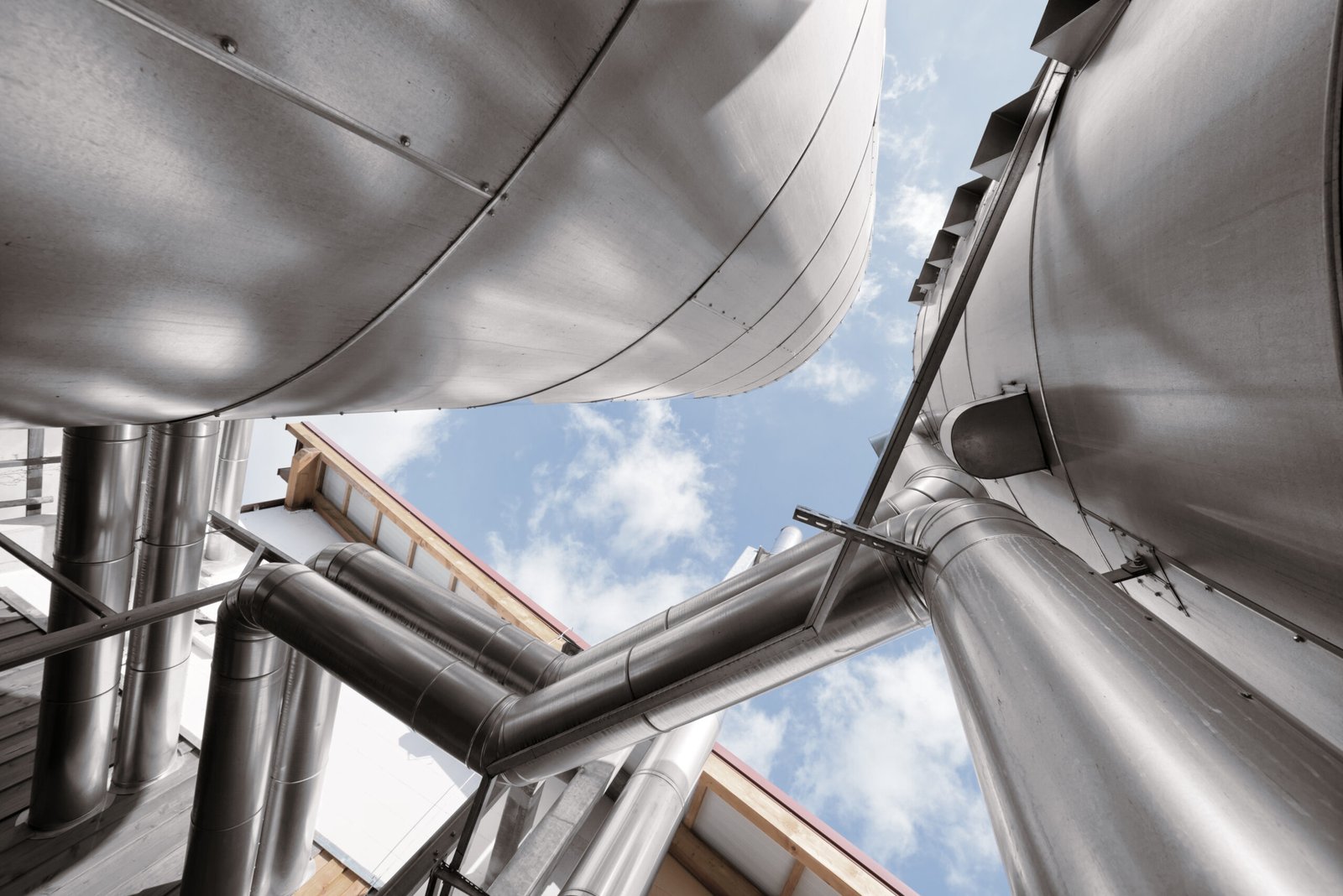
มีผลโดยตรงต่อ effective mass flow ตาม ISO 1217:2009 Annex C reference conditions
(ภาพ: AERZEN Rental Thailand)
Altitude correction:
โรงงานที่ตั้งอยู่สูงกว่า 500 m asl (เช่น บางโรงงานในภาคเหนือหรือภาคตะวันออกเฉียงเหนือ)
จะมี atmospheric pressure ต่ำกว่า 1.013 bar(a) — ซึ่งลด inlet density และ mass flow เพิ่มเติม
สำหรับไทยส่วนใหญ่ระดับความสูงไม่ใช่ปัจจัยหลัก แต่ควรระบุไว้ให้ครบถ้วน
Data Point 4 — สเปคระบบไฟฟ้า (Voltage / Frequency / Phase)
วัดอะไร: ระบุ 3 ค่าให้ครบ:
- Voltage: 380 V, 400 V, 415 V, หรือ 480 V?
- Frequency: 50 Hz (ไทยมาตรฐาน) หรือ 60 Hz (บางโรงงาน petrochemical ที่ใช้ standard US)?
- Phase: 3-phase (industry standard) หรือ single-phase (เฉพาะ portable unit ขนาดเล็กมาก)?
ทำไมถึงสำคัญสำหรับ rental:
Rental fleet มี motor ที่ wound ล่วงหน้าสำหรับ voltage และ frequency ที่กำหนด
ถ้า unit ที่ ready-to-deploy wound สำหรับ 400 V/50 Hz
แต่ MDB ของโรงงานให้ 380 V/50 Hz — motor อาจทำงานได้แต่ในแต่ละ start
อาจมี voltage dip ที่ทำให้ motor protection trip หรือ run over-current ได้
ยิ่งถ้า unit ถูกส่งมาแล้วต้องเปลี่ยน motor ในภายหลัง — นั่นคือ delay และต้นทุนที่ป้องกันได้ด้วยการแจ้งข้อมูลล่วงหน้า
Engineering Note
โรงงานที่มี VFD (Variable Frequency Drive) บน supply side
ควรระบุ output voltage range ของ VFD ด้วย ไม่ใช่แค่ supply voltage จาก MDB
เนื่องจาก VFD output ที่ไม่ clean อาจสร้าง harmonic distortion ที่ส่งผลต่อ motor winding
Application Engineer ของ AERZEN จะประเมิน additional filter requirements ถ้าจำเป็น
Cable capacity:
นอกจาก V/Hz/Phase ให้ระบุว่า distribution panel ใกล้ที่สุดที่จะ tap power จากคืออะไร
และระยะห่างจาก panel ถึง installation point ประมาณเท่าไหร่
สำหรับ unit ขนาด 55–132 kW cable run ที่เกิน 50 m เริ่มมีผลต่อ voltage drop
ซึ่ง Application Engineer จะ size cable cross-section ให้ถูกต้อง
Data Point 5 — Duty Cycle และโหมดการทำงาน
วัดอะไร: Duty cycle คือ % ของเวลาที่เครื่องทำงานที่ full load
ใน 1 ชั่วโมงหรือ 1 กะ production
เช่น “เครื่องทำงาน 45 นาทีต่อชั่วโมง” = duty cycle 75%
หรือ “เครื่องทำงานตลอด 3 กะ แต่หยุด 2 ชั่วโมงช่วง midnight changeover” = ~92% duty
ทำไม duty cycle สำคัญกว่าที่คิด:
-
Motor thermal rating:
Motor มี S1 (continuous) กับ S3 (intermittent periodic) duty class ต่างกัน
ถ้า process มี frequent start-stop และเลือก unit ที่ rated S1 เท่านั้น
motor winding อาจเกิด thermal fatigue เร็วกว่า design life -
Soft-starter / star-delta impact:
ถ้า start-stop มากกว่า 4–6 ครั้งต่อชั่วโมง ควรพิจารณา VFD-equipped unit
ซึ่งมีผลต่อ unit selection จาก standard fleet หรือ VFD option -
Load profile variability:
ถ้า flow demand เปลี่ยนตามฤดูกาล (เช่น wastewater plant ที่มี peak load ช่วงฝนตก)
การระบุ min-max flow range จะช่วยให้ Application Engineer เลือก unit
ที่ turn-down ratio รองรับ seasonal swing ได้โดยไม่ต้อง idle หรือ overspeed
Pro Tip — Rental Advantage
หนึ่งใน differentiator ของ AERZEN Rental คือความสามารถใน scalability:
ถ้า duty cycle เปลี่ยนอย่างมีนัยสำคัญใน contract term — เช่น โรงงานขยาย production line —
unit สามารถ swap หรือเพิ่ม parallel unit ได้โดยไม่ต้องลงทุนซื้อเครื่องใหม่
นี่คือข้อได้เปรียบที่ rental model มีเหนือการซื้อ
ตาราง: ผลกระทบของข้อมูล 5 รายการต่อ Unit Selection และ Rental Price Tier
ตารางด้านล่างสรุปว่าถ้าข้อมูลแต่ละรายการเปลี่ยนไปจาก “baseline” — unit ที่เลือกและ tier จะเปลี่ยนอย่างไร
ใช้เป็น checklist ก่อนโทรหา Application Engineer:
| Data Point | ค่าที่ระบุผิดพลาด / ขาดหาย | ผลต่อ Unit Selection | ผลต่อ Rental Price Tier |
|---|---|---|---|
| Flow (Nm³/min) | ระบุ m³/min โดยไม่บอก reference condition | อาจ under-size 5–10%; ส่ง unit ที่ไม่ถึง capacity | อาจต้องเพิ่ม parallel unit — tier เพิ่ม |
| Discharge Pressure (bar(g)) | ระบุ pressure ผิด range (blower vs compressor) | เสนอผิด series ทั้งหมด; ต้อง re-quote ใหม่ | ความแตกต่างราคาสำคัญมากระหว่าง blower กับ compressor tier |
| Ambient Temperature (°C) | ใช้ nameplate condition (20 °C) โดยไม่ระบุ actual site temp | เครื่องที่เสนออาจ under-deliver 5–10% ใน summer peak | ต้องเผื่อ derating margin → ต้อง up-size; tier เพิ่ม |
| Power Supply (V/Hz/Ph) | ไม่ระบุ voltage; ระบุแค่ “3-phase” โดยไม่บอก V | Motor winding อาจไม่ match; ต้องเปลี่ยน motor หรือ transformer | ค่า customization เพิ่ม; อาจล่าช้า mobilization |
| Duty Cycle (%) | ระบุว่า “continuous” แต่จริงๆ start-stop บ่อย | ต้องเลือก S3 duty motor หรือ VFD; standard unit อาจไม่เหมาะ | VFD option มี tier สูงกว่า standard; แต่ long-term คุ้มกว่า |
สรุป Data Point Card ทั้ง 5
Data Point 1
อัตราการไหล
Nm³/min หรือ Sm³/min
ระบุ reference standard (ISO 1217 หรือ CAGI) พร้อม peak, average, และ min demand
Data Point 2
Discharge Pressure
bar(g)
ระบุ required pressure ที่ point of use + estimated pipe pressure drop
Data Point 3
Ambient Temperature
°C (peak summer)
ระบุ temperature ที่ installation point, peak month, และ altitude ถ้าเกิน 500 m asl
Data Point 4
Power Supply Spec
V / Hz / Phase
ระบุ V, Hz, Phase + ระยะ cable run จาก MDB + ถ้ามี VFD บน supply side
Data Point 5
Duty Cycle
% on-time
ระบุ % duty + จำนวน start-stop ต่อชั่วโมง + seasonal variation ถ้ามี
FAQ — คำถามที่ทีม Application Engineer ของ AERZEN ได้รับบ่อยก่อน Quote
ถ้าไม่รู้ flow requirement แน่ชัด — บอก kW ของเครื่องเก่าแทนได้ไหม?
kW ของเครื่องเก่าเป็นข้อมูลเสริมที่มีประโยชน์ แต่ใช้เป็น primary sizing basis ไม่ได้
เหตุผลคือ motor kW บอกเพียง power input — ไม่บอก actual volumetric flow ที่เครื่องส่งออก
เพราะ efficiency ของ blower แต่ละ technology แตกต่างกันมาก
Roots blower เก่าอาจใช้ 37 kW แต่ส่ง flow เพียง 60% ของที่ efficient screw blower ขนาด 30 kW ทำได้
ถ้าไม่มี flow meter ในระบบปัจจุบัน ให้ระบุ process requirement (เช่น “ต้องการ dissolved oxygen ≥ 2.5 mg/L
ใน aeration tank 1,500 m³”) แล้ว Application Engineer จะ back-calculate flow ให้
ระบบที่เช่าต้องรองรับ ISO 8573-1 Class 0 — ต้องระบุอะไรเพิ่มเติม?
ถ้า process ต้องการ oil-free air ตามมาตรฐาน
ISO 8573-1
Class 0 (zero detectable oil content) ให้ระบุเพิ่มว่า:
- Class ที่ต้องการ: Class 0 (no detectable oil) หรือ Class 1–5?
- มี downstream filter ในระบบอยู่แล้วหรือไม่?
- มี audit cycle ของ third-party ที่จะตรวจ air quality ในระหว่างสัญญาหรือไม่?
AERZEN DVO, BVS, และ TVO series ทุกรุ่นที่ให้บริการใน rental fleet
ส่งอากาศ oil-free ตาม ISO 8573-1 Class 0 โดยธรรมชาติ — ไม่ต้องพึ่ง downstream filter
Application Engineer จะยืนยัน certification path สำหรับ audit ของลูกค้าด้วย
ต้องการเช่าเพียง 2–4 สัปดาห์ (short-term) — กระบวนการ quote ต่างจาก long-term ไหม?
ข้อมูลเทคนิค 5 รายการที่อธิบายในบทความนี้ใช้เหมือนกันทั้ง short-term และ long-term rental
ความต่างคือ contract structure และ SLA tier —
ซึ่งรายละเอียดครอบคลุมอยู่ใน
คู่มือสัญญาเช่า Blower: SLA Clauses ที่ Plant Manager ต้องรู้ก่อนลงนาม
Short-term rental (emergency หรือ planned maintenance cover)
มักใช้ standard fleet unit ที่ ready-to-ship ภายใน 24 ชั่วโมง
Long-term มีตัวเลือก customization และ Subscription Plan all-inclusive มากกว่า
ถ้าข้อมูลยังไม่ครบ 100% — ยังโทรหา AERZEN ได้เลยไหม?
ได้ครับ — Application Engineer ของ AERZEN ชำนาญการในการ back-calculate
หรือทำ site assessment เพื่อช่วยหาตัวแปรที่ขาดหาย
การระบุข้อมูลที่มีให้ครบเท่าที่จะทำได้แล้วโทรหาเราเร็วกว่าการรอจนครบ 100%
โดยเฉพาะสถานการณ์ emergency ที่เครื่องหลักเสียและต้องการ backup ภายใน 24 ชั่วโมง
ยิ่งบอกข้อมูลได้มากเท่าไหร่ — ยิ่ง quote แม่นยำ และ mobilization เร็ว
Duty cycle 100% หมายความว่า blower ทำงานตลอดเวลาโดยไม่หยุด — ทนได้ไหม?
AERZEN blower และ compressor series ทุกรุ่นใน rental fleet
ออกแบบสำหรับ continuous duty (S1 class) — ทนงาน 24/7 ตลอดระยะสัญญา
ภายใต้เงื่อนไขว่าอุณหภูมิโดยรอบไม่เกินขีดจำกัดที่ระบุ
และระบบ cooling (air-cooled หรือ water-cooled ตาม model) ทำงานปกติ
ทีม Application Engineer จะระบุ maintenance interval ใน Subscription Plan
เพื่อให้ uptime สม่ำเสมอตลอดอายุสัญญา
ขั้นตอนถัดไปหลังเตรียมข้อมูลครบ
เมื่อเตรียมข้อมูล 5 รายการ (Nm³/min, discharge pressure, ambient temperature, power supply spec, duty cycle) พร้อมแล้ว
กระบวนการ rental quote ของ AERZEN ดำเนินไปดังนี้:
-
ติดต่อ Application Engineer ผ่าน Hotline
098-323-2626 (24/7)
หรืออีเมล thai@aerzenrental.com
หรือ กรอกแบบฟอร์มขอใบเสนอราคา -
Application Engineer review — ทีม AERZEN ตรวจสอบข้อมูลและส่ง
technical recommendation พร้อม unit selection justification ภายใน 1 business day -
Site assessment (optional แต่แนะนำ) — สำหรับ long-term หรือ
critical process ทีมวิศวกร AERZEN สามารถเข้า site เพื่อ verify ข้อมูลก่อน confirm quote
— ฟรีสำหรับ process ที่มี potential contract term ≥ 3 เดือน -
Quote → Contract → Mobilization — unit พร้อม deploy ภายใน 24 ชั่วโมง
หลัง confirm สำหรับ standard fleet ในพื้นที่ EEC และ Bangkok metropolitan
พร้อม all-inclusive Subscription Plan ที่ครอบคลุม commissioning, monitoring,
preventive maintenance, และ emergency support ในราคาเดียว
สำหรับรายละเอียดเงื่อนไขสัญญา, SLA tier, risk transfer clause, และเอกสาร compliance
อ่านต่อได้ที่
คู่มือสัญญาเช่า Blower & Compressor: SLA Clauses ที่ Plant Manager ต้องรู้ก่อนลงนาม
พร้อมแล้ว — ขอใบเสนอราคาได้เลย
เตรียมข้อมูล 5 รายการครบแล้ว หรือต้องการให้ทีมวิศวกร AERZEN ช่วย assess —
ติดต่อเราได้ทันที Hotline 24/7 พร้อมรับสาย
หรือโทรออฟฟิศ (Chonburi / EEC):
038-015-488
| Rent a solution. Expect performance.
Last technical review: 2026-06-03 |
ข้อมูล sizing reference: ISO 1217:2009 Annex C (reference conditions for compressors);
CAGI Data Sheet standard (1 bar(a), 20 °C);
AERZEN application engineering guidelines |
SLA Clauses Guide
|
Request a Quote