TL;DR
- Pre-TA compressed air audit ที่ดำเนินการ 4-8 สัปดาห์ก่อน TA ช่วยระบุ peak demand, single-point-of-failure และ quality requirement ของแต่ละ consumer ก่อนที่ day-1 ของ TA จะเริ่ม
- Compressed air ใน TA แบ่งเป็น 4 ประเภทหลักที่มี quality requirement แตกต่างกัน — instrument air, purge/seal air, pneumatic tool air และ test/purge air — แต่ละประเภทต้องการ specification ที่กำหนดแยกกัน
- ผลลัพธ์ของ pre-TA audit คือ TA Air Plan document ที่เป็น single reference สำหรับทุกคนที่เกี่ยวข้องตลอดกระบวนการ TA
AERZEN พัฒนาการประเมิน compressed air สำหรับ plant turnaround มาตั้งแต่ปี 1864 — และประสบการณ์ 160 ปีนั้นสอนสิ่งเดียวกันซ้ำแล้วซ้ำเล่า: ปัญหา compressed air ที่เกิดขึ้นใน TA วันที่ 1 มักมีรากเหง้ามาจากการไม่ได้ทำ audit ก่อน TA เริ่ม TA Engineer ที่วางแผน compressed air supply “จากความจำ” หรือใช้ตัวเลขจาก TA ที่แล้วโดยไม่ re-verify มักพบว่า demand จริงในวันที่ 1 ไม่ตรงกับที่คาดไว้ บทความนี้อธิบายกระบวนการ pre-TA compressed air audit ที่ทีม AERZEN วิศวกรดำเนินการร่วมกับ site เพื่อสร้าง TA Air Plan ที่พร้อมใช้งานจริง
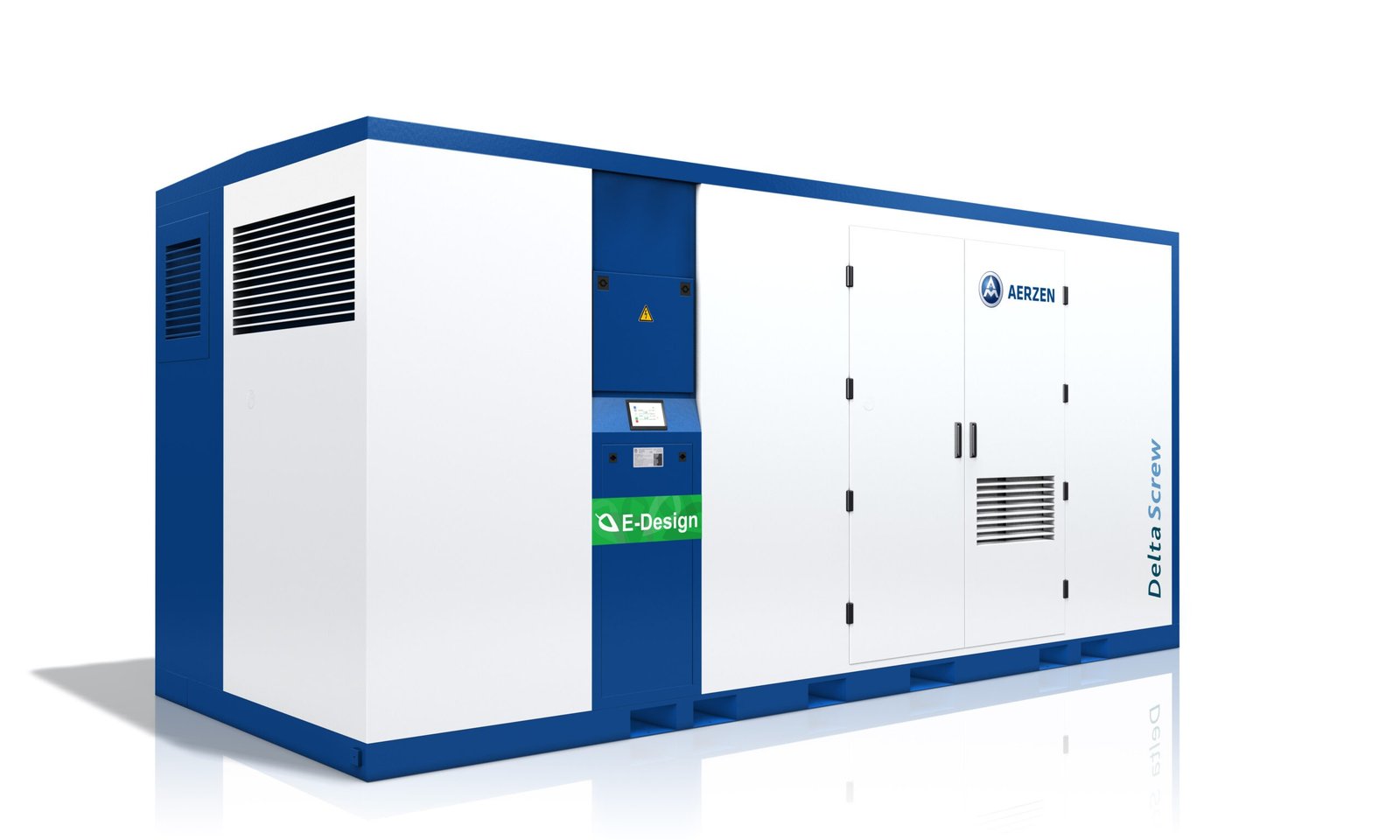
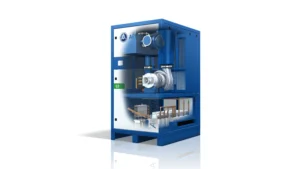
Source: AERZEN HQ Media Library · aerzenrentalth.com
ทำไม Pre-TA Audit ถึงจำเป็น
Plant turnaround มีลักษณะที่แตกต่างจากการทำงาน normal production อย่างชัดเจน: activities เกิดขึ้นพร้อมกันหลาย area, contractor จำนวนมากใช้ pneumatic tool พร้อมกัน, กระบวนการ test และ commissioning ต้องการ air supply ที่มีคุณภาพต่างกัน และทั้งหมดนี้เกิดขึ้นในช่วงเวลาที่ main compressed air infrastructure อาจถูกปิดหรือลดกำลังลง
ผลที่ตามมาจากการไม่ทำ pre-audit มีหลายรูปแบบ:
- Under-sizing — จัดหา rental unit ที่เล็กเกินไป ไม่สามารถรองรับ peak demand ในวันที่ contractor ทำงาน parallel สูงสุด
- Over-specification — จัดหา high-spec oil-free compressor สำหรับ pneumatic tool supply ที่ไม่ต้องการ air quality ระดับสูง ทำให้ cost สูงเกินจำเป็น
- Missing connection point — พบว่า manifold หรือ tie-in point ที่คิดว่าใช้ได้ไม่พร้อมในวันที่ unit มาถึง ทำให้ต้องใช้เวลาเพิ่มในการแก้ไข
- ATEX zone surprise — ค้นพบว่า installation area ถูก re-classify เป็น hazardous zone หลัง unit ส่งมอบแล้ว ต้องรอ unit ที่มี ATEX certification แทน
Step 1: Mapping Compressed Air Consumers ระหว่าง TA
ขั้นตอนแรกของ pre-TA audit คือการ map ผู้ใช้งาน compressed air ทั้งหมดที่จะ active ระหว่าง TA ซึ่งแตกต่างจาก normal production อย่างมีนัยสำคัญ
ประเภท Consumer ที่ต้อง Map
- Instruments และ Control Valves — valve, actuator, positioner ที่ต้องใช้งานระหว่าง commissioning หลัง overhaul และ pre-startup testing นี่คือ consumer ที่ต้องการ instrument air quality สูงสุด
- Pneumatic Tools ของ Contractor — impact wrench, drill, grinder, torque wrench ที่ contractor ทีม mechanical ใช้ระหว่าง TA นี่คือ consumer ที่มักสร้าง peak demand กะทันหัน โดยเฉพาะในวันที่มี bolting activity สูง
- Purge และ Pressure Test Air — air ที่ใช้ purge ระบบก่อน restart และ pressure test vessel, piping และ heat exchanger หลัง overhaul quality requirement ต่ำกว่า instrument air แต่ต้องการ flow สูงในช่วงเวลาสั้น
- Seal Air และ Barrier Air — air ที่ป้องกัน hydrocarbon vapor ย้อนเข้า bearing และ seal ของอุปกรณ์หมุนที่อาจยังมี residual hydrocarbon อยู่ระหว่าง TA
สำหรับแต่ละ consumer ทีม audit จะบันทึก: location บน P&ID, operating pressure requirement, estimated flow, quality requirement และ operating schedule ระหว่าง TA (ต่อเนื่องหรือเฉพาะช่วง)
Step 2: Quality Requirement ตาม Consumer Type
ความเข้าใจเรื่อง air quality requirement ของแต่ละ consumer ช่วยให้กำหนด unit specification ได้ถูกต้องและหลีกเลี่ยงการ over-specify ตามมาตรฐาน ISO 8573-1:2010 และ ISA-7.0.01 Quality Standard for Instrument Air:
ISA-7.0.01 — Quality Standard for Instrument Air
“Instrument air shall be free of all hydrocarbon liquids and vapors. The maximum oil content for instrument air used in pneumatic instruments and control valves shall not exceed 1 ppm v/v, with zero oil tolerance for sensitive devices including positioners, switches, and transmitters in process plants.”
อ้างอิง: ISA-7.0.01 — Quality Standard for Instrument Air (Instrumentation, Systems, and Automation Society) — the primary standard defining instrument air quality requirements for process control applications
| Consumer Type | Oil Content (ISO Class) | Dew Point Reference | หมายเหตุ |
|---|---|---|---|
| Instrument Air (valve/actuator) | ISO 8573-1 Class 0 | ≤ −40°C PDP — Class 2 minimum; Class 1 สำหรับ critical service | ข้อกำหนดสูงสุด — ใช้ DVO Series oil-free compressor |
| Pneumatic Tool Air (contractor) | Class 3 ยอมรับได้ในหลาย application | Class 4 (ambient dew point) ยอมรับได้; ต่ำกว่านี้สำหรับ precision tool | ยืนยันกับ tool manufacturer spec; tool quality อาจกำหนด requirement |
| Purge Air (vessel/piping) | Class 2-3 โดยทั่วไปเพียงพอ | ขึ้นกับวัตถุประสงค์ purge; dew point ต่ำหากป้องกัน corrosion | Flow requirement สูง; pressure requirement ปานกลาง |
| Pressure Test Air | ขึ้นกับ system ที่ test | Dry สำหรับ stainless/alloy systems เพื่อป้องกัน corrosion | ต้องยืนยันกับ pressure test procedure ของ site |
| Seal Air / Barrier Air | Class 0-1 แนะนำ | Dry — ป้องกัน condensation ใน bearing housing | Continuous service; pressure ต้องสูงกว่า process pressure ที่ seal |
| Quality class ในตารางเป็น reference ทั่วไป ค่าจริงต้องกำหนดตาม equipment manufacturer spec, site engineering standard และ P&ID ที่เกี่ยวข้อง ทีม AERZEN ช่วยยืนยัน quality requirement สำหรับ TA ของท่านในระหว่าง pre-audit | |||
Step 3: Peak Demand Assessment — วิธีที่ AERZEN ช่วยประเมิน
Peak demand ใน TA มักเกิดขึ้นในช่วง commissioning phase เมื่อกระบวนการ testing, valve actuation และ purging เกิดขึ้นพร้อมกัน ประกอบกับ contractor ทำ mechanical work ด้วย pneumatic tool พร้อมกันหลาย work pack
ทีม AERZEN ช่วยประเมิน peak demand ผ่านกระบวนการดังนี้ (ค่าตัวเลขจริงคำนวณโดยวิศวกร AERZEN ร่วมกับ process engineer ของ site ตาม P&ID และ TA scope จริง):
- ทบทวน TA Scope of Work — ดู work pack ทั้งหมดและระบุกิจกรรมที่ใช้ compressed air แต่ละ work pack
- Overlay TA Schedule — นำ TA schedule มา overlay กับ air demand ของแต่ละ activity เพื่อหาช่วงที่ demand ซ้อนทับสูงสุด
- Consumer Count สำหรับ Peak Period — นับจำนวน instrument, tool และ purge point ที่จะ active พร้อมกันในช่วง peak
- Safety Factor — เพิ่ม safety margin สำหรับความไม่แน่นอนของ TA schedule (ขนาด margin ขึ้นอยู่กับ complexity ของ TA)
Step 4: Single-Point-of-Failure Risk Identification
Compressed air system ใน TA มักมี single-point-of-failure ที่ซ่อนอยู่ — จุดที่ถ้าล้มเหลวจะทำให้ air supply ทั้ง sector หรือทั้ง TA หยุดทันที ขั้นตอน audit นี้ระบุจุดเหล่านั้นและวางแผน mitigation
Single-Point-of-Failure ที่พบบ่อยใน TA
- Main manifold header เดี่ยว — ถ้ามี single supply header ที่ทุก consumer ต่อพ่วง การ leak หรือ blockage ในจุดนี้ทำให้ทุกอย่างหยุดพร้อมกัน
- Single rental unit สำหรับ high-criticality service — ถ้าใช้ unit เดียวสำหรับ instrument air ของ commissioning critical path ควรวางแผน standby unit หรือ rapid replacement SLA
- Power supply ที่พึ่งพา generator เดี่ยว — rental unit ที่ใช้ power จาก temporary generator ที่ไม่มี redundancy
- Temporary hose และ connection ที่ไม่ secure — จุดต่อชั่วคราวที่ถ้า disconnect ระหว่าง critical commissioning จะต้องหยุด activity ทั้งหมด
สำหรับแต่ละ single-point-of-failure ที่ระบุ ทีม audit จะกำหนด mitigation plan: อาจเป็นการเพิ่ม redundant unit, การเพิ่ม isolation valve ที่กลยุทธ์สำคัญ หรือการกำหนด rapid response protocol ของ vendor
Step 5: Pre-TA Site Survey Checklist
Physical site survey คือส่วนสำคัญที่ไม่สามารถ replace ด้วยการทบทวนเอกสารเพียงอย่างเดียว ทีมวิศวกร AERZEN ดำเนินการ site survey ตาม checklist ต่อไปนี้:
| รายการ Survey | สิ่งที่ต้องตรวจสอบ | ผลกระทบต่อ Unit Selection |
|---|---|---|
| Manifold Connection Points | ตำแหน่ง, size, flange standard, material, isolation valve availability | กำหนด outlet spec ของ rental unit และ adapter ที่ต้องใช้ |
| Power Availability | Voltage, phase, available kVA, distance จาก distribution board ถึง installation point | กำหนด motor spec ของ unit ที่ deploy ได้และ cable requirement |
| ATEX Zone Classification | Zone 0/1/2 ของพื้นที่ติดตั้ง unit; ระยะจาก hazardous boundary | กำหนดว่าต้องใช้ ATEX-certified unit หรือไม่ |
| Space และ Weight Constraint | พื้นที่วาง unit (กว้าง × ยาว × สูง), load bearing ของพื้น, crane/rigging access | กำหนด unit size และ mounting configuration ที่เหมาะสม |
| Noise Zone | ระยะจาก noise-sensitive area (control room, ที่พักคนงาน), ambient noise level | กำหนด noise enclosure requirement ของ unit |
| Ventilation | Airflow direction, confined space risk, exhaust routing requirement | กำหนด ventilation requirement สำหรับ unit placement |
| Access Route | ความกว้างของถนนเข้า, height clearance, turning radius สำหรับ trailer transport | ยืนยันว่า transport vehicle สามารถเข้าถึง installation point ได้ |
| Checklist นี้เป็น reference ทั่วไป รายการจริงอาจแตกต่างตาม site-specific requirement ทีมวิศวกร AERZEN ดำเนินการ survey อย่างละเอียดตาม scope ของ TA | ||
TA Air Plan Document: โครงสร้างและเนื้อหา
ผลลัพธ์ของ pre-TA audit ทั้ง 5 ขั้นตอนถูกรวบรวมเป็น TA Air Plan document ที่เป็น single reference สำหรับทุกคนที่เกี่ยวข้องตลอด TA TA Air Plan ช่วยให้ทีม TA, rental vendor และ site safety ทุกคนมี common understanding ตั้งแต่ก่อน TA เริ่ม และลด day-1 scramble ได้อย่างมีนัยสำคัญ
| ส่วน | เนื้อหา | ผู้รับผิดชอบ |
|---|---|---|
| 1. Executive Summary | TA scope, ระยะเวลา, compressed air unit ที่จะ deploy, ผู้รับผิดชอบหลัก | TA Manager + AERZEN |
| 2. Consumer Map | รายชื่อ consumer ทั้งหมด, location บน P&ID, quality class, operating schedule | Process/Instrument Engineer |
| 3. Peak Demand Analysis | Demand curve ตาม TA schedule, peak period identification, safety factor | AERZEN วิศวกร + Process Engineer |
| 4. Unit Specification | Unit type, capacity, quality certification, ATEX status ของแต่ละ unit ที่ deploy | AERZEN |
| 5. Site Layout Diagram | ตำแหน่ง installation ของแต่ละ unit บน site plot plan, connection point, hose routing | AERZEN วิศวกร + Site Team |
| 6. Single-Point-of-Failure Register | รายชื่อ SPOF ที่ระบุ, mitigation plan, responsible party | AERZEN วิศวกร + Safety Team |
| 7. Mobilization Plan | Timeline delivery, commissioning sequence, contact สำหรับ emergency | AERZEN Logistics |
| 8. Document Register | ATEX certificate, pressure equipment declaration, operating manual, insurance | AERZEN + Site QHSE |
| TA Air Plan เป็นเอกสารที่ปรับตาม scope ของ TA แต่ละครั้ง AERZEN วิศวกรช่วย compile และ review ทุกส่วนร่วมกับทีม TA ก่อน TA เริ่ม | ||
TA Air Plan ที่สมบูรณ์ช่วยให้วัน D-1 และ Day 0 ของ TA ทีมงานมีความมั่นใจว่า compressed air พร้อมใช้งาน ถูกต้องตาม quality spec และ มี contingency plan สำหรับทุก scenario ที่เป็นไปได้
นัด Pre-TA Compressed Air Audit กับ AERZEN
Rent a solution. Expect performance.
AERZEN ก่อตั้งปี 1864 ประสบการณ์ 160 ปีในการวางแผน compressed air สำหรับ plant turnaround ทีมวิศวกร AERZEN Rental Thailand พร้อมดำเนินการ pre-TA site assessment, demand analysis และจัดทำ TA Air Plan สำหรับ turnaround ของท่าน
- นัด Pre-TA Assessment / Request a Free Rental Quote →
- สายด่วน 24/7 (ฉุกเฉิน): 098-323-2626
- โทรออฟฟิศ (Chonburi / Eastern Thailand): 038-015-488
- อีเมล: thai@aerzenrental.com
- เว็บไซต์: www.aerzenrentalth.com
ที่อยู่: 36/60 Phlu Ta Luang, Sattahip District, Chon Buri 20180
คำถามที่พบบ่อย (FAQ)
Pre-TA audit ต้องใช้เวลาเท่าไรและต้องใช้ทรัพยากรจาก site team มากแค่ไหน?
Pre-TA audit ทั่วไปใช้เวลา 1 วันสำหรับ site survey และ 1-2 วันสำหรับการรวบรวมข้อมูลและจัดทำ TA Air Plan ฉบับร่าง จาก site team ต้องการเพียง process/instrument engineer 1-2 คนที่รู้ P&ID ของระบบ และ TA scope เบื้องต้น ไม่จำเป็นต้องหยุดงาน normal operation ใดๆ AERZEN ดำเนินการ audit ส่วนใหญ่เองและนำผลมาหารือกับทีม site ในขั้นตอน review
ถ้า TA scope เปลี่ยนแปลงหลัง pre-audit เสร็จ TA Air Plan จะยังใช้ได้หรือไม่?
TA scope เปลี่ยนแปลงเป็นเรื่องปกติ AERZEN ออกแบบ TA Air Plan ให้มี modularity — แต่ละ section สามารถ update ได้อิสระโดยไม่ต้อง redo ทั้ง document แนะนำให้ทำ plan review ครั้งสุดท้าย 2 สัปดาห์ก่อน TA เริ่ม เพื่อ reflect scope changes ที่สำคัญ การเปลี่ยนแปลงเล็กน้อย (เพิ่ม/ลด contractor team) มักไม่กระทบ peak demand analysis อย่างมีนัยสำคัญ แต่การเพิ่ม work pack ใหม่ขนาดใหญ่ควร re-evaluate demand
AERZEN charge ค่าใช้จ่ายสำหรับ pre-TA site assessment หรือไม่?
ติดต่อทีม AERZEN Rental Thailand ที่ thai@aerzenrental.com หรือ 038-015-488 เพื่อรับข้อมูลรายละเอียดเกี่ยวกับขอบเขตของ pre-TA assessment service ทีมวิศวกร AERZEN ยินดีหารือเกี่ยวกับ TA requirement ของท่านและวางแผนขั้นตอนการประเมินที่เหมาะสม
TA ของเราไม่มี instrument air requirement — แค่ pneumatic tools — ยังต้องทำ pre-audit หรือไม่?
ยังแนะนำ pre-audit เพราะ pneumatic tool supply ใน TA มักมีความซับซ้อนด้าน demand มากกว่าที่คาด: จำนวน tool ที่ใช้พร้อมกัน, work pack schedule overlap, และ tool quality requirement จากผู้ผลิต tool บางรายกำหนด minimum air quality เพื่อ warranty tool ระยะสั้น นอกจากนี้ TA ที่ “แค่ tool air” มักขยาย scope เมื่อเริ่ม inspection — การมี TA Air Plan ช่วยรองรับ scope change ได้รวดเร็วกว่า
TA Air Plan สามารถใช้ซ้ำสำหรับ TA ถัดไปได้หรือไม่?
TA Air Plan จาก TA ก่อนหน้าเป็น starting point ที่มีคุณค่าสำหรับ TA ถัดไป แต่ไม่ควร copy ทั้ง document โดยไม่ review เพราะหลายสิ่งอาจเปลี่ยนแปลง: ATEX zone classification อาจ update, P&ID อาจมี revision, TA scope มักไม่เหมือนกันสองครั้ง และ rental unit technology อาจมี option ใหม่ที่ดีกว่า แนะนำ “use previous plan as template, re-verify all assumptions” สำหรับแต่ละ TA
ตรวจสอบทางเทคนิคล่าสุด: · ตรวจสอบโดย AERZEN Rental Thailand Engineering Team

✍️ เกี่ยวกับผู้เขียน
ภราดร วรรณสังข์ (Paradorn Wannasung)
Marketing Communication Specialist · นิเทศศาสตรมหาบัณฑิต (การสื่อสารการตลาดและแบรนด์)
ภราดร (Paradorn) เป็นผู้ดูแลด้านการสื่อสารการตลาดของ AERZEN Rental Thailand จบนิเทศศาสตรมหาบัณฑิต (การสื่อสารการตลาดและแบรนด์) เชี่ยวชาญด้านอุตสาหกรรม B2B ในประเทศไทย มีประสบการณ์การสร้างแบรนด์และคอนเทนต์ในกลุ่มอุตสาหกรรมของไทย
ติดต่อ: pwa@aerzenrental.com · LinkedIn
บทความที่เกี่ยวข้อง


หัวข้อหลัก: อากาศอัดสำหรับปิโตรเคมีและพลังงาน