- ISO 22000:2018 Clause 7 (Support) กำหนดให้ควบคุมสภาพแวดล้อมการผลิต — compressed air ที่สัมผัสอาหารหรือ contact surface คือ hazard ที่ต้องระบุและจัดการใน food safety plan
- คู่มาตรฐานที่ใช้จริง: ISO 22000 กำหนดกรอบ (framework) — ISO 8573-1 กำหนด technical spec (class ของ compressed air quality) — สองตัวนี้ทำงานร่วมกัน
- Oil-free equipment (TVO/DVO) ทำให้ compliance argument ง่ายกว่าอย่างมีนัย: ไม่มีน้ำมันในกระบวนการ compression = ไม่มีน้ำมันเป็นแหล่ง hazard = บันทึกและพิสูจน์ได้ชัดกว่า
AERZEN ออกแบบระบบ oil-free compressed air สำหรับอุตสาหกรรมอาหารมาตั้งแต่ปี 1864 — และในทุกทศวรรษที่ผ่านมา มาตรฐานด้าน food safety ไม่ได้ยิ่งน้อยลง แต่ยิ่งครอบคลุมมากขึ้น ISO 22000:2018 เป็น Food Safety Management System (FSMS) ที่โรงงานอาหารทั่วโลกใช้เป็นกรอบการจัดการ ความเข้าใจที่ผิดที่พบบ่อยคือ ISO 22000 เป็นมาตรฐาน “ของ QA team” เท่านั้น ความจริงคือมาตรฐานนี้ครอบคลุมถึงโครงสร้างพื้นฐานของโรงงาน — รวมถึง compressed air — และทีมวิศวกรต้องเข้าใจว่า compressed air specification เข้าไปเกี่ยวข้องกับ ISO 22000 อย่างไร
ISO 22000 คืออะไรและเกี่ยวข้องกับ Compressed Air อย่างไร
ISO 22000 เป็นมาตรฐานสากลสำหรับ Food Safety Management Systems (FSMS) ออกแบบมาเพื่อให้โรงงานสามารถระบุ วิเคราะห์ และควบคุม food safety hazards ตลอด supply chain มาตรฐาน version 2018 นำ High-Level Structure (HLS) มาใช้ ทำให้ integrate กับ ISO 9001 (Quality Management) ได้ง่ายขึ้น
Compressed air เข้ามาเกี่ยวข้องกับ ISO 22000 ใน 2 ทาง:
- ในฐานะ potential hazard: compressed air ที่ปนเปื้อนน้ำมัน อนุภาค หรือจุลินทรีย์ เป็น physical, chemical หรือ biological hazard ต่อผลิตภัณฑ์อาหาร — ต้องระบุใน hazard analysis
- ในฐานะ infrastructure element: ระบบ compressed air เป็นส่วนหนึ่งของ work environment ที่ ISO 22000 กำหนดให้ควบคุม
Clause 7 ว่าด้วยอะไร — จุดที่ Compressed Air เข้ามาเกี่ยว
ISO 22000:2018 Clause 7.1.3 — Infrastructure
Clause 7.1.3 กำหนดว่าองค์กรต้องจัดหา maintain และดูแลรักษา infrastructure ที่จำเป็นสำหรับการดำเนินกระบวนการและบรรลุ food safety ซึ่ง infrastructure ในที่นี้ครอบคลุมถึงอาคาร, utilities (รวมถึงน้ำ, พลังงาน และ compressed air) และ equipment สำหรับโรงงานอาหาร compressed air system คือ utility ที่ต้องมีการจัดการ maintenance และ documentation ที่เป็นระบบ
ISO 22000:2018 Clause 7.1.4 — Work Environment
Clause 7.1.4 กำหนดให้จัดการ work environment ที่จำเป็นสำหรับ food safety รวมถึงคุณภาพอากาศในพื้นที่ผลิต อากาศอัดที่ remark ว่าสัมผัสผลิตภัณฑ์ (direct or indirect) เป็นส่วนหนึ่งของ work environment ที่ต้องควบคุม ไม่ใช่เพียง ambient air
ISO 22000:2018 Clause 8.5.2 — Hazard Analysis
Clause 8.5.2 กำหนดให้ทำ hazard analysis เพื่อระบุ hazards ทั้งหมดที่เกี่ยวข้องกับกระบวนการผลิต compressed air contamination (น้ำมัน, อนุภาค, จุลินทรีย์) ต้องถูกระบุในหมวดนี้สำหรับทุก process step ที่ใช้ compressed air และต้องมีมาตรการควบคุม (control measure) ที่ระบุชัดเจน
ISO 22000:2018 — ระบบการจัดการความปลอดภัยอาหาร
“ข้อกำหนด Clause 7.1.3 กำหนดให้องค์กรต้องควบคุมปัจจัยสภาพแวดล้อมของกระบวนการผลิต รวมถึงอากาศที่ใช้ในกระบวนการ เพื่อป้องกันการปนเปื้อนทางชีวภาพ เคมี และกายภาพในผลิตภัณฑ์อาหาร”
อ้างอิง: ISO 22000:2018 — Food Safety Management Systems: Requirements for any organization in the food chain (Clause 7.1.3: Work environment)
ISO 22000 + ISO 8573-1: วิธีจับคู่ให้ตรงกัน
ISO 22000 กำหนดว่า “ต้องควบคุม compressed air” แต่ไม่ได้ระบุว่า “ควบคุมถึงระดับใด” — ตรงนี้คือที่มาของ ISO 8573-1 ในฐานะ technical standard ที่กำหนด class ของ compressed air quality
| ISO 22000 Requirement | ISO 8573-1 ตอบสนองอย่างไร | ตัวอย่างหลักฐานสำหรับ Auditor |
|---|---|---|
| ระบุ hazard จาก compressed air (Clause 8.5.2) | Class definition ช่วยระบุว่า oil, particle, moisture ที่ระดับใดถือเป็น hazard | Hazard analysis document ที่อ้างอิง ISO 8573-1 class ที่กำหนด |
| กำหนด control measure (Clause 8.5.4) | การใช้ oil-free equipment + downstream filter ที่ rated เป็น class ที่กำหนด = control measure ที่วัดได้ | Equipment certificate + filter spec sheet |
| Monitor และ verify control (Clause 8.8) | Periodic air quality testing ตาม ISO 8573-1 methodology | Air quality test report จาก accredited lab |
| Document ทุกกิจกรรม (Clause 7.5) | PM records, calibration records, test reports ทั้งหมด | Maintenance log, calibration certificate, test report series |
วิธี Document Compliance สำหรับ ISO 22000 Auditor
Auditor ที่ตรวจสอบ ISO 22000 compliance สำหรับ compressed air จะมองหาหลักฐาน 4 ชั้น:
ชั้นที่ 1: Hazard Identification Record
เอกสาร hazard analysis ที่ระบุอย่างชัดเจนว่าในกระบวนการใดบ้างที่ compressed air เป็น potential hazard และ hazard ชนิดใด (chemical contamination จาก oil, physical contamination จาก particle, biological contamination จาก moisture) พร้อมประเมิน severity และ likelihood
ชั้นที่ 2: Control Measure Specification
ระบุมาตรการควบคุม: เช่น “ใช้ oil-free compressor ที่ certified ISO 8573-1 Class 0 สำหรับทุก food-contact air points” + “downstream filter maintenance ตาม schedule” + “periodic air quality testing ทุก 6 เดือน” — แต่ละมาตรการต้องมีผู้รับผิดชอบและ frequency ชัดเจน
ชั้นที่ 3: Monitoring Records
บันทึกการ monitor: filter pressure drop logs, PM completion records, air quality test results — เอกสารเหล่านี้พิสูจน์ว่า control measure ถูก implement และ monitor จริง ไม่ใช่เพียงเขียนไว้ใน FSMS document
ชั้นที่ 4: Corrective Action Records
บันทึกการแก้ไขเมื่อพบ deviation: หาก air quality test ผล out of spec ต้องมีบันทึกว่าดำเนินการอะไร ใครเป็นผู้ตัดสินใจ และผลิตภัณฑ์ที่ผลิตระหว่างช่วงนั้นได้รับการจัดการอย่างไร
ทำไม Oil-Free จึงทำให้ ISO 22000 Audit ง่ายกว่า
โรงงานที่ใช้ oil-injected compressor พร้อม downstream oil-removal filter ยังผ่าน ISO 22000 ได้ — แต่ต้อง document มากกว่า เพราะต้องพิสูจน์ว่า filter ทำงานได้จริงและสอดคล้องตลอดเวลา เปรียบเทียบภาระ compliance:
| ประเด็น Compliance | Oil-Injected + Filter | Oil-Free (TVO/DVO ของ AERZEN) |
|---|---|---|
| แหล่ง hazard ที่ต้อง manage | Oil ใน compression chamber + filter lifecycle + oil carry-over risk | ไม่มีน้ำมันใน compression chamber — hazard จำกัดที่ downstream particle และ moisture |
| Control measure ที่ต้อง document | PM record ของ compressor + PM record ของ oil-removal filter + oil carry-over test frequency | PM record ของ compressor + downstream filter (particle/moisture) — ไม่มี oil-removal layer |
| Periodic test requirement | Test oil content + particle + moisture — หาก filter หมดอายุกะทันหัน oil spike ตรวจพบย้อนหลัง | Test particle + moisture — oil content โดยทั่วไป non-detectable จาก oil-free design |
| Audit explanation | ต้องอธิบาย filter selection, replacement frequency, bypass risk mitigation | Oil-free by design — certificate ยืนยัน — argument ชัดเจนและ short |
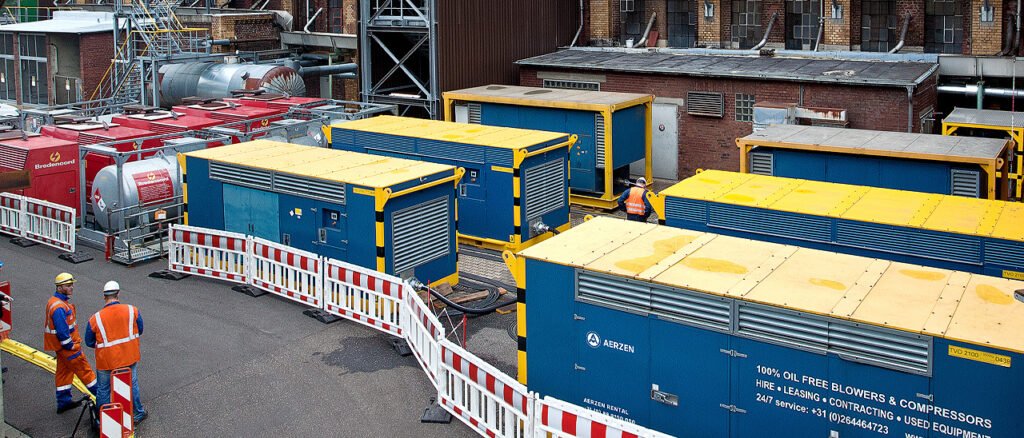
AERZEN TVO (Oil-Free Screw Compressor) และ DVO/BVO (Rotary Lobe Blower) ออกแบบให้ oil ไม่เข้าสู่กระบวนการ compression ตั้งแต่ต้น ทำให้ hazard ที่ต้อง manage เป็นระบบใน ISO 22000 food safety plan มีจำนวนน้อยลงและ document ได้ชัดเจนขึ้น
คำถามที่พบบ่อย
ISO 22000 บังคับให้ทดสอบ compressed air ทุกกี่เดือน?
rental compressor สามารถระบุเป็น control measure ใน ISO 22000 FSMS ได้ไหม?
HACCP และ ISO 22000 ต่างกันอย่างไรในแง่ compressed air requirement?
ถ้าโรงงานมี ISO 22000 อยู่แล้ว ต้องทำอะไรเพิ่มเมื่อเปลี่ยนมาใช้ rental compressor?
ISO 22000 Compliance เริ่มที่ Equipment ที่ถูกต้อง
AERZEN Rental Thailand จัดหา oil-free compressed air พร้อม documentation ครบชุดสำหรับ ISO 22000 FSMS — certificate, PM log, test report support และ oil-free declaration ที่ auditor ยอมรับ
Rent a solution. Expect performance.

✍️ เกี่ยวกับผู้เขียน
ภราดร วรรณสังข์ (Paradorn Wannasung)
Marketing Communication Specialist · นิเทศศาสตรมหาบัณฑิต (การสื่อสารการตลาดและแบรนด์)
ภราดร (Paradorn) เป็นผู้ดูแลด้านการสื่อสารการตลาดของ AERZEN Rental Thailand จบนิเทศศาสตรมหาบัณฑิต (การสื่อสารการตลาดและแบรนด์) เชี่ยวชาญด้านอุตสาหกรรม B2B ในประเทศไทย มีประสบการณ์การสร้างแบรนด์และคอนเทนต์ในกลุ่มอุตสาหกรรมของไทย
ติดต่อ: pwa@aerzenrental.com · LinkedIn
บทความที่เกี่ยวข้อง
เช่า Compressor ช่วงซ่อมใหญ่โรงงาน Oil & Gas: ข้อกำหนด ATEX และ Safety
ภราดร วรรณสังข์ (Par...
อ่านต่อ →
ข้อกำหนดอากาศสำหรับสายการประกอบ SMT: ความบริสุทธิ์ที่ช่างวิศวกรต้องรู้
สายการประกอบ SMT ต้อ...
อ่านต่อ →
หัวข้อหลัก: อากาศอัดออยล์ฟรีสำหรับโรงงานอาหารและเครื่องดื่ม