Instrument Air สำหรับ LNG Terminal: Class 0 Oil-Free + Low Dew Point สำหรับ Cryogenic Valve Actuation และ Custody Transfer Metering
- LNG terminal ต้องการ instrument air ที่ตรงตาม ISO 8573-1 Class 0 (น้ำมัน < 0.01 mg/m³) และมี pressure dew point (PDP) ≤ −40°C เพื่อป้องกันความชื้นแข็งตัวใน cryogenic valve actuator
- การปนเปื้อนน้ำมันใน instrument air ส่งผลโดยตรงต่อความแม่นยำของ flow computer loop และ jetty metering skid ในระบบ custody transfer — เป็นความเสี่ยงทางกฎหมายและการเงิน
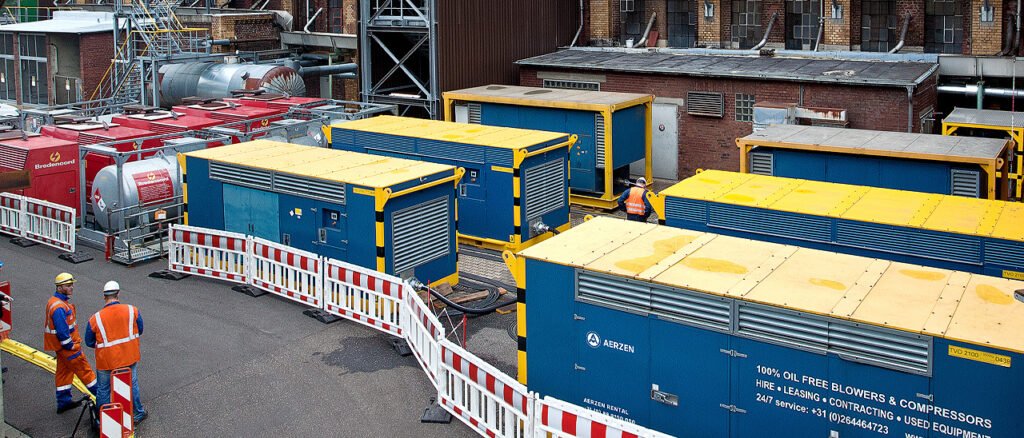
- AERZEN Rental Thailand ให้เช่า TVO oil-free screw compressor พร้อม integrated dryer สำหรับ coastal terminal — mobilization ภายใน 24 ชั่วโมง ผ่าน ATEX-certified package
- ทำไม LNG Terminal ถึงต้องการ Class 0 — ไม่ใช่แค่ Class 1
- Dew Point กับ Cryogenic Failure: กลไกที่วิศวกรต้องรู้
- Instrument Air กับ Custody Transfer Metering: ความเสี่ยงที่มักถูกมองข้าม
- ATEX Zone 1/2 กับ Coastal Terminal: ข้อกำหนดเพิ่มเติม
- ตาราง Spec: Class 0 Oil-Free vs Class 1 สำหรับ LNG Instrument Air
- Rental Deployment Logistics สำหรับ LNG Terminal ชายฝั่ง
- คำถามที่วิศวกร LNG Terminal ถามบ่อย
LNG terminal ที่ชายฝั่งไทย (Rayong, Chonburi, Map Ta Phut) ต้องการ instrument air ที่ตรงตาม ISO 8573-1 Class 0 และมี pressure dew point ≤ −40°C PDP — เพราะ cryogenic valve actuator, emergency shutdown valve (ESDV) และ flow computer ใน custody transfer loop ทำงานในสภาพแวดล้อมที่อุณหภูมิลงต่ำถึง −162°C ความชื้นแม้เพียงเล็กน้อยจะแข็งตัวและขัดการทำงาน ส่วนน้ำมันปนเปื้อนแม้เศษเสี้ยว mg/m³ จะทำให้การวัด custody transfer คลาดเคลื่อน — นำไปสู่ข้อพิพาทเชิงพาณิชย์และความรับผิดทางกฎหมาย
1. ทำไม LNG Terminal ถึงต้องการ Class 0 — ไม่ใช่แค่ Class 1
AERZEN ออกแบบและผลิต oil-free compressor มาตั้งแต่ปี 1864 — และหนึ่งในบทเรียนที่สำคัญที่สุดของวิศวกรรมการอัดอากาศคือ: ความต้องการความบริสุทธิ์ของอากาศอัดนั้นแตกต่างกันอย่างมีนัยสำคัญตามประเภทของ application ไม่ใช่ทุก “oil-free” คือเหมือนกัน
ใน LNG terminal สิ่งที่แยก Class 0 ออกจาก Class 1 ไม่ใช่แค่ตัวเลขมาตรฐาน — แต่คือผลกระทบทางฟิสิกส์และเชิงพาณิชย์ที่แตกต่างกันโดยสิ้นเชิง:
ISO 8573-1 Class 0
ที่ความดันบรรยากาศ
Transfer Flow Meter
AERZEN Rental Thailand
ภายใต้มาตรฐาน ISO 8573-1:2010 Class 0 ถูกกำหนดให้ผู้ผลิตและผู้ใช้ระบุความต้องการที่เข้มงวดกว่า Class 1 — ในทางปฏิบัติสำหรับ LNG terminal นั้น น้ำมันทั้งหมด (aerosol + vapor + liquid) ต้องต่ำกว่า 0.01 mg/m³ ซึ่งทำให้การใช้ oil-lubricated compressor แม้จะมี downstream coalescence filter ก็ไม่เพียงพอ เพราะ filter ชั้นเดียวไม่สามารถรับประกัน Class 0 ตลอดอายุการใช้งานได้
2. Dew Point กับ Cryogenic Failure: กลไกที่วิศวกรต้องรู้
การเข้าใจกลไกที่น้ำทำให้ระบบ cryogenic วาล์ว failure คือหัวใจของการออกแบบ instrument air system ที่ถูกต้อง ปัญหาไม่ได้อยู่ที่น้ำในรูป liquid (ซึ่งระบบ dryer ธรรมดาสามารถจัดการได้) แต่อยู่ที่ water vapor ที่ยังคงอยู่ในอากาศอัดแม้จะผ่าน dryer แล้ว
กลไกการเกิด Ice Plug ใน Pneumatic Actuator
เมื่ออากาศอัดที่มีความชื้น (dew point สูงกว่า −40°C PDP) เดินทางเข้าสู่ pneumatic actuator ของ cryogenic valve ความแตกต่างของอุณหภูมิระหว่างอากาศ (อุณหภูมิห้อง ~35°C ในสภาพแวดล้อม EEC) กับตัว valve body (ที่อาจเย็นถึง −100 ถึง −160°C) ทำให้เกิดปรากฏการณ์ดังนี้:
- Condensation ที่ interface: น้ำในอากาศอัดควบแน่นที่ตำแหน่งที่อุณหภูมิลดลงต่ำกว่า dew point
- Ice formation: น้ำที่ควบแน่นแข็งตัวเมื่ออุณหภูมิลดต่ำกว่า 0°C — ซึ่งเกิดเร็วมากเมื่อ valve body เย็นจัด
- Ice plug ปิดกั้น actuator port: น้ำแข็งสะสมใน tubing, orifice และ valve stem packing — ทำให้ actuator ไม่สามารถเปิด/ปิดได้ตามคำสั่ง
- ESDV failure: Emergency Shutdown Valve ที่ไม่ตอบสนองในสถานการณ์ฉุกเฉิน = ความเสี่ยงสูงสุดในด้านความปลอดภัย
ทำไม Low Dew Point กับ Class 0 ต้องไปด้วยกัน
วิศวกรบางท่านตั้งคำถามว่า: “ถ้าเราใช้ desiccant dryer ที่ให้ PDP −40°C แล้ว ยังต้องการ Class 0 ด้วยหรือ?” คำตอบคือใช่ — เพราะน้ำมันปนเปื้อนในอากาศอัดสามารถ ลดประสิทธิภาพของ desiccant bed ได้อย่างมีนัยสำคัญ น้ำมัน (แม้ระดับ 0.1 mg/m³) จะเคลือบผิว desiccant ทำให้พื้นที่ adsorption ลดลงและ dew point จะดีเทอริเอทเร็วกว่าปกติ การใช้ oil-free compressor จึงไม่เพียงแต่ตอบสนองข้อกำหนด Class 0 โดยตรง แต่ยังช่วยรักษาประสิทธิภาพของ desiccant dryer ตลอดอายุการใช้งานได้อีกด้วย
3. Instrument Air กับ Custody Transfer Metering: ความเสี่ยงที่มักถูกมองข้าม
Custody transfer ที่ jetty metering skid ของ LNG terminal คือกระบวนการวัดปริมาณก๊าซที่ถ่ายโอนระหว่างเรือและ terminal ซึ่งมีผลผูกพันทางกฎหมายและการเงินโดยตรง ความแม่นยำของการวัดขึ้นอยู่กับหลายปัจจัย — และ instrument air ที่ไม่สะอาดเป็นหนึ่งในปัจจัยเสี่ยงที่มักไม่ได้รับความสนใจเพียงพอ
— GIIGNL Technical Guidelines for LNG Terminals (International Group of LNG Importers)
Component ที่ได้รับผลกระทบจาก Contaminated Instrument Air
- Pressure transmitter: น้ำมันปนเปื้อนสะสมที่ impulse line และ process connection ทำให้เกิด offset error
- Temperature transmitter + thermowell: การปนเปื้อนที่ purge connection ทำให้ thermal response ช้าลง
- Flow computer manifold: น้ำมันและความชื้นสะสมใน pneumatic manifold ทำให้ pressure drop ไม่สม่ำเสมอ
- Multipath ultrasonic flow meter: การปนเปื้อนที่ transducer face ลดความแม่นยำของการวัดความเร็วเสียง
- Control valve positioner: น้ำมันในอากาศอัดทำให้ internal spring และ diaphragm ของ I/P converter เสื่อมสภาพเร็วกว่าปกติ
4. ATEX Zone 1/2 กับ Coastal Terminal: ข้อกำหนดเพิ่มเติม
LNG terminal ชายฝั่งมีการจำแนก hazardous area ตามมาตรฐาน IEC 60079-10-1:2020 ซึ่งกำหนดพื้นที่รอบ loading arm, manifold และ vapor recovery unit เป็น Zone 1 (มีโอกาสพบก๊าซไวไฟเป็นครั้งคราว) หรือ Zone 2 (มีโอกาสน้อยกว่า) ขึ้นอยู่กับระยะห่างและการระบายอากาศ
การวาง instrument air compressor ในหรือใกล้พื้นที่เหล่านี้ต้องพิจารณา:
- ATEX Directive 2014/34/EU: Equipment ที่ใช้ใน Zone 1 ต้องเป็น Ex Category 2G (II 2G) หรือดีกว่า — มอเตอร์ไฟฟ้า, control panel, junction box ต้องได้รับ ATEX certification
- Compressor placement strategy: แนวทางปฏิบัติที่ดีคือวาง compressor skid นอกพื้นที่ Zone 1/2 และเดิน instrument air distribution piping เข้ามา เพื่อลดความซับซ้อนในการ ATEX certification
- ESDV integration: Emergency Shutdown Valve ต้องสามารถ fail-safe ได้ภายในเวลาที่กำหนด (ปกติ <2 วินาที) ซึ่งหมายความว่า instrument air pressure ต้องมั่นคงและ dew point ต้องอยู่ในพิกัดแม้ในสภาพอากาศร้อนชื้นของชายฝั่งไทย
- Coastal humidity challenge: อากาศชายฝั่ง EEC มี relative humidity สูง (80–95% ในช่วงมรสุม) ซึ่งทำให้ load บน dryer เพิ่มขึ้นอย่างมาก — การเลือก dryer ที่มี capacity เหมาะสมกับ inlet condition จึงสำคัญมาก
5. ตาราง Spec: Class 0 Oil-Free vs Class 1 สำหรับ LNG Instrument Air
| พารามิเตอร์ | ISO 8573-1 Class 1 | ISO 8573-1 Class 0 | LNG Terminal Requirement |
|---|---|---|---|
| Oil total content | ≤ 0.01 mg/m³ | < 0.01 mg/m³ (user-specified, stricter) | Class 0 บังคับ — custody transfer + cryogenic valve |
| Oil aerosol | ≤ 0.01 mg/m³ | ต่ำกว่า Class 1 | Class 0 |
| Pressure dew point (PDP) | −20°C PDP ถึง +3°C PDP (Class 1-4) | ระบุตาม application | ≤ −40°C PDP (standard) / −60°C (critical loops) |
| Particle (0.1–0.5 µm) | ≤ 400 particles/m³ | ระบุตาม application | Class 1 ขั้นต่ำ, Class 0 แนะนำ |
| Technology required | Oil-lubricated + coalescence filter | Oil-free compressor เท่านั้น | TVO Oil-Free Screw Compressor |
| Dryer requirement | Refrigerant dryer (−20°C PDP) | Desiccant/adsorption dryer | Desiccant dryer — mandatory |
| ATEX suitability | ขึ้นอยู่กับ package design | AERZEN TVO: Ex-certified option | Ex II 2G required (Zone 1) |
| Custody transfer impact | เสี่ยงสูง — oil fouling บน transmitter | ปลอดภัย — ไม่มี oil contamination | Class 0 เท่านั้นที่รับประกันการวัดที่น่าเชื่อถือ |
อ้างอิง: ISO 8573-1:2010 (ส่วนที่ 1: Contaminants and purity classes) + ISA-7.0.01 (Quality Standard for Instrument Air)
6. Rental Deployment Logistics สำหรับ LNG Terminal ชายฝั่ง
LNG terminal มีลักษณะพิเศษที่ทำให้การ deploy compressed air system ซับซ้อนกว่าโรงงานทั่วไป — ไม่ว่าจะเป็น jetty access restriction, marine environment (salt spray, humidity), emergency response requirement และ ATEX zone classification ที่ครอบคลุมพื้นที่กว้าง
กรณีการใช้งาน Rental ที่พบบ่อยใน LNG Terminal
- Planned Turnaround (TAR) support: ช่วง shutdown สำหรับ maintenance หลัก — ต้องการ temporary instrument air ระหว่างที่ permanent system ออกจาก service สำหรับ overhaul
- Permanent system failure: Compressor breakdown ระหว่าง operation — ทุก minute ของ downtime = ค่าใช้จ่ายสูงจากการหยุด loading/unloading operation
- Capacity expansion: เมื่อ terminal เพิ่ม throughput หรือ jetty ใหม่ก่อนที่ permanent system upgrade จะเสร็จสมบูรณ์
- Commissioning phase: ระหว่างการ test และ commission ระบบใหม่ — rental compressor ให้ flexibility ในการปรับ flow rate โดยไม่กระทบระบบถาวร
- LNG bunkering operation: การเติมเชื้อเพลิง LNG ให้เรือ (LNG-fueled vessels) ที่เพิ่มขึ้นในภูมิภาค ต้องการ instrument air สำหรับ bunkering arm control system
AERZEN TVO Oil-Free Screw Compressor: ทำไมถึงเหมาะกับ LNG Terminal
AERZEN TVO Series เป็น oil-free screw compressor ที่ออกแบบตาม API 672 (Packaged, Integrally Geared Centrifugal Air Compressors for General Refinery Use) และมีคุณสมบัติที่ตรงกับความต้องการของ LNG terminal โดยเฉพาะ:
- Zero oil in compression chamber: การออกแบบ two-stage dry compression ไม่มีน้ำมันใน compression element โดยหลักการ — ไม่ใช่เพียง “filter ออก” แต่ “ไม่มีตั้งแต่ต้น”
- Integrated dryer option: Package พร้อม refrigerant dryer (−20°C PDP) หรือ adsorption dryer (≤ −40°C PDP) ตามที่กำหนด
- ATEX-compatible electrical: มอเตอร์และ control panel สามารถ supply ในรุ่น Ex-certified สำหรับการวาง skid ใกล้ Zone 1/2
- Skid-mounted, self-contained: ไม่ต้องการ civil foundation พิเศษ — รองรับการ deploy บน concrete pad หรือ steel deck ของ jetty
- Marine-grade corrosion protection: Package design รองรับ salt spray environment ในพื้นที่ชายฝั่ง
7. คำถามที่วิศวกร LNG Terminal ถามบ่อย
ทำไม LNG terminal ถึงต้องการ instrument air ที่มี dew point ต่ำกว่า −40°C PDP?
ใน LNG terminal อุณหภูมิของ cryogenic valve, pipeline และ actuator assembly สามารถลงต่ำถึง −162°C (จุดเดือดของ LNG ที่ความดันบรรยากาศ) หากความชื้นในอากาศอัดมีปริมาณเกินกว่าที่ dew point กำหนด น้ำจะแข็งตัวภายใน valve actuator port, tubing และ flow computer manifold ส่งผลให้ขัดการทำงานของระบบ pneumatic โดยตรง
มาตรฐาน ISA-7.0.01 แนะนำ pressure dew point (PDP) ที่ −40°C หรือต่ำกว่า สำหรับ instrument air ทั่วไป สำหรับ LNG terminal บางแห่งกำหนด PDP ไว้ที่ −60°C สำหรับ critical valve loops เช่น ESDV และ EBV ที่ต้องทำงานใน fail-safe mode ได้ทุกเมื่อ
ทำไม oil-free compressor ถึงเป็นข้อกำหนดบังคับสำหรับ custody transfer measurement?
Custody transfer measurement ที่ LNG jetty ใช้ flow meter ที่มีความแม่นยำระดับ ±0.1–0.25% (per OIML R 137-1&2) การปนเปื้อนน้ำมันในอากาศอัดแม้เพียง 0.1 mg/m³ (ซึ่งยังไม่ถึง Class 1) สามารถทำให้เกิดชั้นน้ำมันเคลือบบน internal components ของ flow computer และ transmitter ทำให้การวัดคลาดเคลื่อนได้
ISO 8573-1 Class 0 กำหนดปริมาณน้ำมันรวม < 0.01 mg/m³ ซึ่งเป็นระดับที่การปนเปื้อนน้ำมันไม่ส่งผลต่อความแม่นยำของเครื่องมือวัดและ actuator stroke — นี่คือเหตุผลที่มาตรฐานสากลสำหรับ LNG custody transfer กำหนด Class 0 เป็นข้อกำหนดขั้นต่ำ
AERZEN สามารถส่ง oil-free compressor rental ไปยัง LNG terminal ชายฝั่งได้ภายในเวลาเท่าใด?
AERZEN Rental Thailand มีทีม 24/7 Emergency Response พร้อม mobilization ภายใน 24 ชั่วโมง สำหรับพื้นที่ชายฝั่ง EEC (Rayong, Chonburi, Chachoengsao) และ Map Ta Phut Industrial Estate
ระบบ TVO oil-free screw compressor มาเป็น fully packaged skid พร้อม ATEX-certified electrical components, integrated dryer และ control panel — ไม่ต้องการงาน civil หรือ permitting พิเศษสำหรับการติดตั้งชั่วคราวในพื้นที่ jetty สอบถาม logistics และ sizing เพิ่มเติมได้ที่ thai@aerzenrental.com หรือสายด่วน 098-323-2626
Subscription Plan กับ Short-Term Rental ต่างกันอย่างไรสำหรับ LNG terminal?
Short-Term Rental เหมาะสำหรับ TAR support, emergency replacement หรือ commissioning phase — ให้ความยืดหยุ่นสูงสุด สามารถ mobilize ได้ใน 24 ชั่วโมง และ demobilize เมื่องานเสร็จสิ้น
Subscription Plan (All-Inclusive) เหมาะสำหรับ terminal ที่ต้องการ backup instrument air อย่างถาวรหรือระยะยาว (12–36 เดือน) — ราคาเป็น fixed monthly fee รวม maintenance, service, spare parts และ 24/7 technical support โดย AERZEN — ไม่มี CAPEX และ OPEX ที่แน่นอน
ทีม Application Engineering ของ AERZEN Rental Thailand ยินดีวิเคราะห์ use case ของคุณและแนะนำรูปแบบที่เหมาะสม — ติดต่อ 038-015-488
ความแตกต่างของ DVO กับ TVO ของ AERZEN สำหรับ instrument air คืออะไร?
AERZEN TVO Series คือ oil-free screw compressor ออกแบบสำหรับ pressure range ที่สูงกว่า (0.5–13 bar(g) ขึ้นอยู่กับรุ่น) เหมาะสำหรับ instrument air ที่ต้องการ pressure 5–8 bar(g) ซึ่งเป็น range ปกติของระบบ pneumatic instrumentation
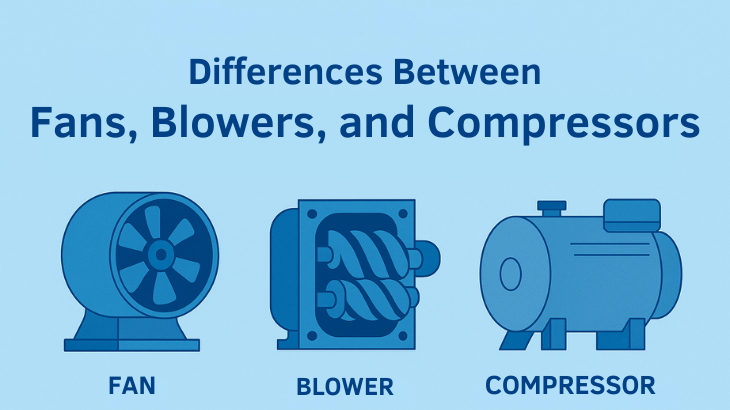
AERZEN DVO/BVO Series คือ oil-free blower (positive displacement, rotary-lobe) ออกแบบสำหรับ low-pressure, high-volume application เช่น aeration และ pneumatic conveying — ไม่เหมาะสำหรับ instrument air ที่ต้องการความดันสูง
สำหรับ LNG terminal instrument air โดยทั่วไปต้องการ TVO Series หรือ packaged air compressor ที่ให้ pressure ≥ 5 bar(g) ทีม Application Engineering จะช่วย size ระบบให้ถูกต้องตาม flow demand และ terminal layout ของคุณ
ปรึกษาทีม Application Engineering ของเรา
LNG terminal มีข้อกำหนดเฉพาะที่ซับซ้อน — ทีมวิศวกรของ AERZEN Rental Thailand พร้อมวิเคราะห์ application ของคุณ กำหนด spec ที่ถูกต้อง และ mobilize ระบบ oil-free instrument air ภายใน 24 ชั่วโมง สำหรับพื้นที่ EEC ชายฝั่ง
สำนักงาน Chonburi/EEC: 038-015-488 · www.aerzenrentalth.com