
BNR/EBPR Blower Sequencing: กลยุทธ์สลับ Anoxic/Aerobic Zone สำหรับกำจัด Nitrogen และ Phosphorus ในระบบ Bardenpho, UCT และ MLE
- กระบวนการ BNR และ EBPR ต้องการ blower ที่ทำงาน สลับโหมด aerobic/anoxic/anaerobic ตาม zone layout — ไม่ใช่ blower ความเร็วคงที่ทั่วไป
- การเลือก configuration (Bardenpho 5-stage / UCT / MLE / A2O) กำหนดจำนวน aeration zone, airflow ratio, และ VFD specification โดยตรง
- ระบบ BNR ขนาด 10,000 PE ที่ต้องการ TN <10 mg/L ต้องการ blower ที่มี turndown ratio ≥ 40% พร้อม DO probe feedback loop ทุก zone — AERZEN rental package ตอบโจทย์นี้โดยไม่ต้องลงทุน CAPEX
ระบบบำบัด BNR (Biological Nutrient Removal) และ EBPR (Enhanced Biological Phosphorus Removal) ต้องการ blower ที่ควบคุมการจ่าย air ได้แม่นยำตาม zone — aerobic zone ต้องการ DO 1.5–2.5 mg/L, anoxic zone ห้ามมี dissolved oxygen (DO < 0.2 mg/L), และ anaerobic zone ใน EBPR ต้องปลอดออกซิเจนอย่างเข้มงวด เพื่อกระตุ้น Polyphosphate Accumulating Organisms (PAOs). configuration ที่ใช้ใน WWTP ไทยหลักๆ ได้แก่ MLE, A2O, UCT, และ Bardenpho — แต่ละแบบมีจำนวน zone และ blower duty cycle ต่างกัน การเช่า AERZEN BVO/BVS Screw Blower พร้อม VFD ช่วยให้ปรับ airflow ตาม DO setpoint ได้ real-time โดยไม่ต้องใช้ capital investment ล่วงหน้า
1. BNR และ EBPR คืออะไร — และทำงานอย่างไรในระดับจุลชีววิทยา
AERZEN ผลิต blower สำหรับระบบบำบัดน้ำเสียมาตั้งแต่ปี 1864 — และในตลอด 160 ปีนั้น ไม่มีกระบวนการใดที่ทดสอบขีดจำกัดของเครื่องจักรได้หนักกว่า Biological Nutrient Removal. ระบบ BNR ไม่ได้แค่ต้องการอากาศ — แต่ต้องการอากาศ ในปริมาณที่ถูกต้อง ในเวลาที่ถูกต้อง และในตำแหน่งที่ถูกต้อง เท่านั้น
Biological Nutrient Removal (BNR)
BNR คือกลุ่มกระบวนการที่ใช้จุลินทรีย์ในการกำจัด nitrogen (N) และ phosphorus (P) ออกจากน้ำเสียก่อนปล่อยสู่แหล่งน้ำธรรมชาติ มาตรฐานไทยตาม ประกาศกระทรวงอุตสาหกรรม ฉบับที่ 2 (พ.ศ. 2539) กำหนดค่า Total Nitrogen (TN) ที่ปล่อยได้ไม่เกิน 20–40 mg/L ขึ้นกับประเภทโรงงาน แต่โรงงานในนิคมอุตสาหกรรม Eastern Seaboard มักถูก EIA กำหนดค่าที่เข้มงวดกว่า เช่น TN <10 mg/L, TP <2 mg/L1
กระบวนการกำจัด nitrogen ใน BNR ประกอบด้วย 2 ขั้นตอนหลัก:
- Nitrification — แบคทีเรีย Ammonia-Oxidizing Bacteria (AOB) เช่น Nitrosomonas และ Nitrite-Oxidizing Bacteria (NOB) เช่น Nitrobacter ออกซิไดซ์ NH₄⁺ → NO₂⁻ → NO₃⁻ — ต้องการ DO ≥ 1.5 mg/L และ SRT ≥ 8–10 วัน
- Denitrification — แบคทีเรีย facultative heterotrophs เช่น Paracoccus denitrificans รีดิวซ์ NO₃⁻ → N₂ (gas) — ต้องการสภาวะ anoxic (DO < 0.2 mg/L) และ carbon source (BOD)
Nitrification เกิดใน aerobic zone (blower เปิด), Denitrification เกิดใน anoxic zone (blower ปิดหรือ flow ต่ำมาก) — นี่คือเหตุผลหลักที่ blower ต้องทำงานสลับ zone อย่างมีระบบ
Enhanced Biological Phosphorus Removal (EBPR)
EBPR เป็นการเพิ่มกระบวนการ anaerobic zone ก่อน anoxic zone เพื่อกระตุ้น Polyphosphate Accumulating Organisms (PAOs) — กลุ่มจุลินทรีย์ที่มีกลไกพิเศษ:
- Anaerobic zone: PAOs ปล่อย phosphate ออกจากเซลล์ (luxury release) เพื่อดูดซับ Volatile Fatty Acids (VFAs) และสะสมเป็น polyhydroxyalkanoates (PHAs)
- Aerobic zone: PAOs ใช้ PHAs เป็นพลังงาน ดูดซับ phosphate กลับเข้าเซลล์ในปริมาณมากกว่าที่ปล่อยออกไป (excess uptake) — TP ในน้ำลดลง
- Sludge withdrawal: phosphorus ถูกกำจัดออกจากระบบพร้อม excess sludge
DO reoxygenation ใน anaerobic zone แม้เพียง 0.05–0.1 mg/L สามารถยับยั้ง PAO activity และทำให้ EBPR ล้มเหลวได้ทันที — blower ที่ไม่มี zone isolation ที่ดีจะทำให้ phosphorus ค่าเกินมาตรฐาน2
VFA uptake
NO₃⁻ → N₂
NH₄⁺ → NO₃⁻
PAO uptake P
P withdrawal
mg/L TN — EIA target
Eastern Seaboard
วัน SRT ขั้นต่ำ
สำหรับ nitrification
Turndown ratio
ที่ BNR blower ต้องการ
mg/L DO max
ใน anoxic zone
2. ทำไม Blower ต้องทำงานสลับ Zone — มุมมองวิศวกรรม
ใน conventional activated sludge (CAS) ที่ออกแบบเพื่อกำจัด BOD อย่างเดียว — blower จ่าย air ต่อเนื่องที่ airflow คงที่ตลอด basin ระบบ BNR ต่างออกไปอย่างสิ้นเชิง เพราะจุลินทรีย์กลุ่มต่างๆ ต้องการสภาพแวดล้อม ที่ขัดแย้งกัน ในเวลาเดียวกัน:
Nitrifiers ต้องการ DO ≥ 1.5 mg/L (aerobic zone) แต่ Denitrifiers ต้องการ DO < 0.2 mg/L (anoxic zone) และ PAOs ต้องการ DO = 0 mg/L (anaerobic zone) — ทั้ง 3 เงื่อนไขนี้เกิดขึ้นพร้อมกันในระบบเดียว ซึ่งหมายความว่า blower ต้องควบคุมการจ่าย air แยกตาม zone อย่างแม่นยำ
Oxygen Transfer และ Blower Duty
ใน aerobic zone ความต้องการ oxygen ใน BNR แตกต่างจาก BOD removal อย่างมีนัยสำคัญ Standard Oxygen Transfer Rate (SOTR) ต้องคำนวณโดยรวม:
- Carbonaceous Oxygen Demand (COD): สำหรับย่อยสลาย organic carbon — ประมาณ 1.0–1.5 kg O₂/kg BOD removed
- Nitrification Oxygen Demand: 4.57 kg O₂/kg NH₄⁺-N oxidized (stoichiometric) ตาม Water Environment Federation Manual of Practice No. 83
- Oxygen credit from Denitrification: Denitrification ใน anoxic zone “คืน” oxygen 2.86 kg O₂/kg NO₃⁻-N ที่ถูกรีดิวซ์ — ช่วยลด blower energy ลงได้ 20–30%
ผลรวมคือ ระบบ BNR มักต้องการ airflow ที่สูงกว่า CAS ประมาณ 15–25% ในช่วง peak nitrification load แต่ airflow รวมทั้งระบบ ลดลง ในช่วง night-time หรือ off-peak เพราะ nitrification rate ลดตาม temperature และ ammonia load — นี่คือเหตุผลที่ VFD เป็น requirement ไม่ใช่ option ใน BNR blower
“การใช้ fixed-speed blower ใน BNR zone จะทำให้เกิด over-aeration ใน anoxic zone และ carryover DO เข้า anaerobic zone — ทำลาย EBPR ได้ภายใน 2–3 ชั่วโมง”
— หลักการออกแบบ ตาม Metcalf & Eddy, Wastewater Engineering: Treatment and Resource Recovery, 5th edition (McGraw-Hill, 2014), Ch. 94
สำหรับบทความเชิงลึกเรื่อง DO setpoint และ nitrification performance โปรดดู: การตั้งค่า DO Setpoint สำหรับ Nitrification ใน WWTP
3. เปรียบเทียบ BNR Configuration: Bardenpho, UCT, MLE และ A2O
แต่ละ process configuration มีลำดับ zone ที่ต่างกัน — และส่งผลโดยตรงต่อ จำนวน blower zones, airflow ratio, และ recycle pump configuration ตารางต่อไปนี้เปรียบเทียบ 4 configurations หลักที่พบใน WWTP ไทย:
| Configuration | Zone ลำดับ | Blower Zones | Airflow Ratio (Aerobic:Total) | N Removal | P Removal | VFD Required |
|---|---|---|---|---|---|---|
| MLE (Modified Ludzack-Ettinger) | Anoxic → Aerobic | 1 (aerobic only) | 65–75% | 70–85% TN | Limited (chemical assist) | Recommended |
| A2O (Anaerobic-Anoxic-Oxic) | Anaerobic → Anoxic → Aerobic | 1 (aerobic only) | 55–65% | 70–80% TN | 80–90% TP (EBPR) | Required |
| UCT (University of Cape Town) | Anaerobic → Anoxic → Aerobic + RAS to Anoxic (not Anaerobic) | 1 (aerobic only) | 55–65% | 75–85% TN | 85–95% TP (superior EBPR) | Required |
| Bardenpho 5-stage (Modified) | Anaerobic → Anoxic₁ → Aerobic₁ → Anoxic₂ → Aerobic₂ | 2 (Aerobic₁ + Aerobic₂) | 50–60% | 90–95% TN | 80–90% TP (EBPR) | Required (2× zones) |
Modified Ludzack-Ettinger (MLE)
- เหมาะกับ WWTP ที่ต้องการกำจัด Nitrogen เป็นหลัก, P ไม่เข้มงวด
- Anoxic zone ใช้ internal recycle (IR) จาก aerobic zone — IR ratio 3:1 ถึง 5:1 ทั่วไป
- Blower duty: 1 zone, airflow 65–75% ของ total tank volume
- Simpler configuration — ต้นทุน OPEX ต่ำกว่า A2O/UCT
Anaerobic-Anoxic-Oxic (A2O)
- เหมาะกับ WWTP ที่ต้องการกำจัดทั้ง N และ P พร้อมกัน
- Anaerobic zone isolation จาก DO carryover เป็น critical point
- RAS (Return Activated Sludge) ปั๊มกลับเข้า anaerobic zone — ต้องมีออกซิเจนต่ำ
- Blower: 1 zone, airflow 55–65%, VFD required เพื่อป้องกัน DO >0 ใน anaerobic
University of Cape Town (UCT)
- ปรับปรุงจาก A2O โดย redirect RAS เข้า anoxic zone แทน anaerobic zone
- ป้องกัน nitrate carryover เข้า anaerobic zone → EBPR ทำงานได้สมบูรณ์กว่า
- ต้องการ anoxic mixer + precise DO control ที่ boundary ระหว่าง anoxic–anaerobic
- เหมาะกับ TN <10 mg/L + TP <1 mg/L (requirement เข้มงวด)
(BVO/BVS #1)
(BVO #2)
4. ผลกระทบต่อ Blower Sizing และ Rental Specification
การเลือก BNR configuration ส่งผลโดยตรงต่อ 3 พารามิเตอร์ sizing หลักที่วิศวกรต้องระบุใน rental spec:
4.1 Turndown Ratio — ข้อกำหนดที่มักถูกมองข้าม
ระบบ BNR มี diurnal flow variation สูง — โหลดสูงสุด (peak) ในช่วงเช้า 07:00–09:00 น. อาจสูงกว่า minimum load ช่วง 02:00–04:00 น. ถึง 3–4 เท่า ใน conventional WWTP ที่ไม่มี BNR ความแตกต่างนี้แก้ได้ด้วย on/off blower control แต่ใน BNR — การปิด blower สนิทใน aerobic zone จะทำให้ DO ร่วงต่ำกว่า 1.0 mg/L ก่อนที่ nitrification จะสูญเสีย performance
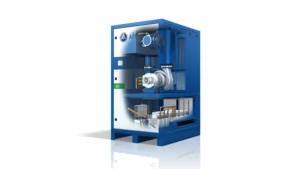
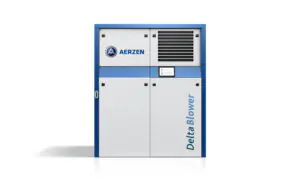
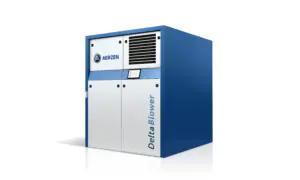
สำหรับ BNR aerobic zone: Turndown ratio ≥ 40% (หมายถึง blower สามารถจ่าย airflow ที่ 40% ของ rated capacity โดยยังคง efficiency และ pressure ที่ acceptable). AERZEN Delta Hybrid Screw Blower (BVS series) มี turndown ratio 30–100% ด้วย integrated VFD — ตอบโจทย์ BNR โดยไม่ต้องใช้ throttle valve5
4.2 VFD (Variable Frequency Drive) Requirement
ระบบ BNR ทุก configuration ต้องการ VFD — ไม่ใช่ option เพิ่มเติม เหตุผล:
- DO control feedback loop: DO probe ส่งสัญญาณไป PLC → PLC ปรับ frequency ของ VFD → blower ปรับ airflow → DO converge ที่ setpoint (เช่น 2.0 mg/L ± 0.2 mg/L)
- Energy savings: ตาม Affinity Laws สำหรับ centrifugal/screw blowers: power ∝ speed³ — การลด speed 20% ลด power ได้ ~49%
- Soft start protection: ลด inrush current และ mechanical stress ที่ bearing — ยืดอายุ blower ใน 24/7 duty cycle ของ WWTP
สำหรับการเปรียบเทียบเชิงลึกระหว่าง fixed-speed และ VFD blower ใน WWTP rental context โปรดดู: Fixed-Speed vs. VFD Blower สำหรับ WWTP Rental: ข้อดีข้อเสียเชิงวิศวกรรม
4.3 DO Probe Placement Per Zone
จำนวน DO probe ที่จำเป็นขึ้นกับ configuration:
| Configuration | Probes ขั้นต่ำ | Placement | Control Purpose |
|---|---|---|---|
| MLE | 1–2 | ปลาย Aerobic zone (หรือ 2/3 ของความยาว) | Nitrification control |
| A2O | 2–3 | Anaerobic outlet + Aerobic mid + Aerobic end | EBPR protection + nitrification |
| UCT | 3–4 | Anaerobic + Anoxic–Aerobic boundary + Aerobic (2 points) | Nitrate carryover prevention + full N/P control |
| Bardenpho 5-stage | 4–5 | Anaerobic + each zone boundary + Aerobic₂ end | Dual-zone aeration control, residual N management |
สำหรับรายละเอียดเรื่อง SAE (Standard Aeration Efficiency) และ KPI ที่ใช้วัดประสิทธิภาพ blower ใน WWTP โปรดดู: SAE KPI: วิธีวัดประสิทธิภาพ Blower ใน WWTP ที่ถูกต้อง
4.4 Pressure Requirement (Submergence + Pipeline Loss)
BNR tank มักลึกกว่า conventional aeration tank เพราะต้องมี anaerobic และ anoxic zone ด้วย ความดันที่ blower ต้องจ่าย (differential pressure) ขึ้นกับ:
- Water submergence: ทุก 1 เมตรของน้ำลึก = 9.81 kPa (~0.1 bar) pressure head
- Diffuser pressure drop: fine bubble diffuser membrane สูญเสีย 3–8 kPa ขึ้นกับ fouling state
- Pipeline friction loss: ขึ้นกับ diameter, velocity, และ fitting losses
สำหรับ WWTP ขนาดกลาง (5,000–50,000 PE) ค่า discharge pressure ทั่วไปอยู่ที่ 0.5–0.8 bar(g) — ตรงกับ operating range ของ AERZEN BVO series (0.3–1.0 bar) และ BVS series (0.4–1.0 bar)
5. Case Study (Illustrative): WWTP 10,000 PE — TN <10 mg/L ภายใต้สัญญาเช่า
โรงงานบำบัดน้ำเสียชุมชน ขนาด 10,000 PE — Eastern Seaboard (Illustrative)
Context: โครงการ upgrade WWTP เดิมจาก conventional activated sludge เป็น BNR เพื่อให้สอดคล้องกับ EIA condition ใหม่ที่กำหนด TN <10 mg/L และ TP <1.5 mg/L ทีมวิศวกรรมต้องการ blower ชุดใหม่ภายใน 8 สัปดาห์ ก่อนที่ season wet เริ่ม และยังไม่ได้รับอนุมัติ CAPEX จากผู้ถือหุ้น
Population Equivalent (PE)
m³/day Average Flow
Lead Time Available
Process Configuration ที่เลือก: UCT
ทีมวิศวกรรมเลือก UCT เพราะ configuration นี้ให้ EBPR performance สูงกว่า A2O โดยเฉพาะเมื่อ influent C/N ratio ต่ำ (ปัญหาทั่วไปในน้ำเสียชุมชนไทย เนื่องจาก BOD หมดลงก่อนที่ nitrogen จะถูกกำจัดครบ) — และ nitrate carryover เข้า anaerobic zone ที่เป็นปัญหาของ A2O ถูกแก้ด้วยการ redirect RAS เข้า anoxic zone
Blower Specification ที่กำหนด
- จำนวน: 2 units (1 duty + 1 standby) AERZEN BVS Delta Screw Blower
- Airflow: 850–2,400 Nm³/h per unit (turndown 35:100)
- Pressure: 0.65 bar(g) at max load
- VFD: Integrated, 4–20 mA DO probe input, PID control loop pre-configured
- DO Probes: 3 units (anaerobic outlet, anoxic–aerobic boundary, aerobic end)
- Motor: IE3 efficiency class, 55 kW
Rental Arrangement
ทีมตัดสินใจเช่าแทนซื้อเนื่องจาก CAPEX ยังไม่ได้รับอนุมัติ — AERZEN Rental Subscription Plan ครอบคลุม delivery, commissioning, preventive maintenance, 24/7 emergency hotline, และ DO probe calibration quarterly. สัญญา 24 เดือนช่วยให้ผู้บริหารนำเสนอแก่คณะกรรมการในรูป OPEX ไม่ใช่ CAPEX — ผ่านการอนุมัติเร็วกว่า 4 เดือน
ผลที่ได้ (Projected Based on Configuration Spec)
- TN outlet: คาดการณ์ 7–9 mg/L (สอดคล้อง EIA condition)
- TP outlet: คาดการณ์ 0.8–1.2 mg/L (ต่ำกว่า EIA limit 1.5 mg/L)
- Energy consumption: ~0.28 kWh/m³ treated — ต่ำกว่า conventional CAS + chemical P-removal ประมาณ 15–20%
หมายเหตุ: ตัวเลขนี้เป็น illustrative projection อิงจาก literature benchmark และ AERZEN equipment specification ไม่ใช่ข้อมูลจากโครงการลูกค้าจริง ผลการดำเนินงานจริงขึ้นกับ site condition, influent quality, และ operating protocol
6. VFD + DO Probe Integration: วิธีควบคุม Zone ให้แม่นยำ
การควบคุม DO ใน BNR aerobic zone ด้วย VFD + DO probe loop เป็น engineering practice ที่ถูกยืนยันใน ISO 16890 (air filtration) และ Water Environment Federation Manual of Practice No. 83 ว่าช่วยลด energy consumption ได้ 20–35% เทียบกับ manual flow control
Control Loop Architecture
ระบบควบคุมมาตรฐานสำหรับ BNR blower ประกอบด้วย:
- DO Probe (Sensor): วัด dissolved oxygen ทุก 1–5 วินาที, ส่งสัญญาณ 4–20 mA หรือ Modbus RTU ไปยัง PLC
- PLC/SCADA (Controller): PID algorithm คำนวณ error = setpoint − actual DO → ส่ง frequency command ไปยัง VFD
- VFD (Actuator): ปรับ motor speed → เปลี่ยน blower airflow
- Blower + Diffuser System (Process): transfer oxygen เข้า mixed liquor → DO เปลี่ยน → ส่งกลับ sensor
สำหรับ BNR aerobic zone: ค่า starting point ที่แนะนำคือ Kp = 0.5–1.5, Ki = 0.05–0.2 min⁻¹, Kd = 0 (pure PI controller ทำงานได้ดีกว่า PID ใน process ที่มี long dead time เช่น aeration tank) ปรับ gain ตาม response ของระบบ — overshoot ที่ยอมรับได้ <0.3 mg/L4
Zone Isolation Strategy
ใน Bardenpho 5-stage ที่มี 2 aerobic zones ต้องออกแบบ air distribution system ให้ each zone มี independent control:
- Option A — Separate Blowers: 1 blower ต่อ 1 aerobic zone, each with own VFD — control ง่ายสุด แต่ capital cost สูงกว่า
- Option B — Single Blower + Zone Valves: 1 blower จ่าย air ไปทั้ง 2 zones ผ่าน zone control valves (modulating) — ประหยัดกว่า แต่ turndown requirement สูงขึ้น (ต้องรองรับ partial load ของ Aerobic₂ ที่มักเป็น 20–30% ของ total airflow)
- Option C — AERZEN Rental Recommendation: 2 BVO/BVS units ที่ sized ต่างกัน — Unit #1 (larger, Aerobic₁: 60–70% airflow), Unit #2 (smaller, Aerobic₂: 30–40% airflow) เหมาะกับการเช่าเพราะสามารถ return Unit #2 หากระบบ upgrade มา Aerobic₁ only configuration ได้
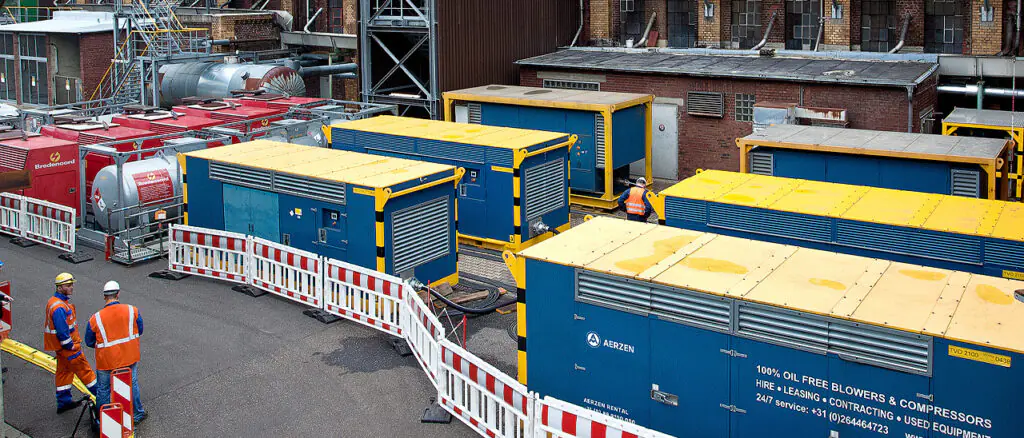
AERZEN BVO (Rotary Lobe Blower): เหมาะกับ MLE และ A2O ที่ต้องการ flow range กว้าง (300–8,500 Nm³/h), pressure 0.3–1.0 bar(g). ทำงาน oil-free โดยกลไก — ไม่มี seal oil ใน air stream
AERZEN BVS (Delta Hybrid / Delta Screw Blower): เหมาะกับ UCT และ Bardenpho ที่ต้องการ turndown ratio สูง และ energy efficiency ตลอด part-load — SAE ที่ 50% load สูงกว่า lobe blower 12–18%
ทั้งสองซีรีส์รองรับ VFD integration แบบ plug-and-play — control panel พร้อม 4–20 mA DO input และ Modbus communication มาพร้อม rental package
สำหรับเนื้อหาวิดีโอเกี่ยวกับ AERZEN Delta Hybrid Screw Blower และเทคโนโลยี VFD สำหรับระบบบำบัดน้ำเสีย
เยี่ยมชม AERZEN Group YouTube Channel (@AERZENGroup)
หรือติดต่อทีม AERZEN Rental Thailand เพื่อขอรับเอกสารเทคนิคเพิ่มเติม
7. คำถามที่วิศวกรมักถาม (FAQ)
BNR ต่างจาก conventional activated sludge ในแง่ blower อย่างไรบ้าง?
ใน conventional activated sludge (CAS) blower จ่าย air ต่อเนื่องที่ airflow คงที่หรือปรับตาม diurnal load เท่านั้น ระบบ BNR ต้องการมากกว่านั้น: (1) Zone isolation — aerobic zone ต้องมี DO 1.5–2.5 mg/L ในขณะที่ anoxic zone ต้องมี DO <0.2 mg/L ในเวลาเดียวกัน (2) Turndown ratio สูง ≥40% สำหรับ part-load nitrification control (3) VFD เป็น requirement ไม่ใช่ option เพื่อ DO feedback loop (4) DO probe integration ต่อทุก aerobic zone. blower ทั่วไปที่ออกแบบสำหรับ CAS จึงไม่เหมาะกับ BNR โดยตรง
EBPR ล้มเหลวเพราะ blower มักเกิดจากอะไร?
สาเหตุหลัก 3 ประการที่เกี่ยวข้องกับ blower: (1) DO carryover — blower ที่ไม่มี VFD หรือ turn-off control ทำให้ air bubble ลอยเข้า anaerobic zone ทำลาย PAO activity (2) Over-aeration ใน aerobic zone — DO >3.5 mg/L ทำให้ mixed liquor recycle ที่ไหลกลับมา anoxic/anaerobic zone พา oxygen ตามไปด้วย (3) Inadequate mixing ใน anoxic zone — บาง plant ใช้ blower แทน mixer ใน anoxic zone ซึ่งผิดหลักการ ต้องใช้ slow-speed submersible mixer แทน ไม่ใช่ air
ทำไมจึงเช่า blower สำหรับ BNR upgrade แทนการซื้อ?
BNR upgrade มักเกิดจาก regulatory pressure (EIA tightening) ที่มี timeline กระชั้น — CAPEX approval ใน public utility หรือโรงงานใหญ่ใช้เวลา 6–18 เดือน แต่ regulatory deadline อาจสั้นกว่านั้น การเช่าผ่าน AERZEN Rental Subscription Plan ช่วย: (1) ไม่รอ CAPEX approval — เป็น OPEX ผ่านได้เร็วกว่า (2) Commissioning ภายใน 24–48 ชั่วโมง หลัง delivery (3) Maintenance ครอบคลุม — ไม่ต้องสต็อก spare parts (4) Scalability — เพิ่ม/ลด capacity ได้ตาม phase ของโครงการ
UCT ดีกว่า A2O อย่างไร และเมื่อไหรควรเลือก UCT?
UCT แก้ปัญหาหลักของ A2O คือการที่ RAS (return activated sludge) พา nitrate กลับเข้า anaerobic zone — ทำให้ PAOs ที่รอ VFA ได้รับ nitrate แทน ส่งผลให้ PAO activity ลดลงและ TP ไม่ถึงเป้า ใน UCT, RAS ส่งตรงเข้า anoxic zone แทน ให้ denitrifiers กำจัด nitrate ก่อน แล้วจึงปล่อย sludge เข้า anaerobic zone ที่ไม่มี nitrate แล้ว เลือก UCT เมื่อ: influent C/N ratio <8, TP target <1 mg/L, หรือเมื่อ A2O trial แล้ว TP ยังสูงเกิน specification
BVS กับ BVO ต่างกันอย่างไร และ BNR ควรใช้ตัวไหน?
AERZEN BVO (Rotary Lobe Blower) ใช้หลักการ positive displacement — airflow ต่อรอบคงที่, pressure range กว้าง (0.3–1.0 bar), เหมาะกับ applications ที่ต้องการ high pressure หรือ flow range กว้าง. AERZEN BVS (Delta Hybrid / Delta Screw Blower) ผสม screw compression กับ lobe principle — efficiency สูงกว่าโดยเฉพาะที่ part load (50–80%), noise ต่ำกว่า ~5 dB(A), turndown ratio ดีกว่า. สำหรับ BNR: หากระบบมี load variation สูง (diurnal factor >3×) หรือต้องการ Bardenpho 5-stage ที่ Aerobic₂ ทำงาน part-load บ่อย — BVS เป็น preferred choice เพราะ SAE ที่ part-load ดีกว่า BVO ประมาณ 12–18%
8. แหล่งอ้างอิง
- กระทรวงอุตสาหกรรม. (2539). ประกาศกระทรวงอุตสาหกรรม ฉบับที่ 2 (พ.ศ. 2539) ออกตามความในพระราชบัญญัติโรงงาน พ.ศ. 2535 เรื่อง กำหนดคุณลักษณะของน้ำทิ้งที่ระบายออกจากโรงงาน. ราชกิจจานุเบกษา.
- Oehmen, A., Lemos, P. C., Carvalho, G., Yuan, Z., Keller, J., Blackall, L. L., & Reis, M. A. M. (2007). Advances in enhanced biological phosphorus removal: From micro to macro scale. Water Research, 41(11), 2271–2300. https://doi.org/10.1016/j.watres.2007.02.030
- Water Environment Federation. (2010). Design of Municipal Wastewater Treatment Plants: WEF Manual of Practice No. 8 (5th ed.). WEF Press / McGraw-Hill.
- Tchobanoglous, G., Stensel, H. D., Tsuchihashi, R., & Burton, F. L. (2014). Wastewater Engineering: Treatment and Resource Recovery (5th ed.). McGraw-Hill Education.
- AERZEN Group. (2023). Delta Hybrid Screw Blower — Technical Data Sheet: BVS Series. Aerzener Maschinenfabrik GmbH. Available at: aerzen.com
- Compressed Air and Gas Institute (CAGI). (2020). Blower Performance Verification: SAE Calculation Standards and Test Methods. cagi.org

✍️ เกี่ยวกับผู้เขียน
ภราดร วรรณสังข์ (Paradorn Wannasung)
Marketing Communication Specialist · นิเทศศาสตรมหาบัณฑิต (การสื่อสารการตลาดและแบรนด์)
ภราดร (Paradorn) เป็นผู้ดูแลด้านการสื่อสารการตลาดของ AERZEN Rental Thailand จบนิเทศศาสตรมหาบัณฑิต (การสื่อสารการตลาดและแบรนด์) เชี่ยวชาญด้านอุตสาหกรรม B2B ในประเทศไทย มีประสบการณ์การสร้างแบรนด์และคอนเทนต์ในกลุ่มอุตสาหกรรมของไทย
ติดต่อ: pwa@aerzenrental.com · LinkedIn
ปรึกษา BNR Blower Specification กับทีมวิศวกร AERZEN
Rent a solution. Expect performance.
AERZEN Rental Solutions is always close at hand.
ทีมวิศวกรของเราพร้อมช่วยวิเคราะห์ BNR configuration, sizing blower, และออกแบบ DO control loop ที่เหมาะกับ WWTP ของคุณ — พร้อม rental package ที่ไม่ต้องใช้ CAPEX
- ● BNR Process Engineering Consultation
- ● Blower Sizing สำหรับ Bardenpho / UCT / MLE / A2O
- ● VFD + DO Probe Integration Support
- ● Subscription Plan — All-Inclusive Maintenance
ขอใบเสนอราคา / Request a Quote
สายด่วน 24/7: 098-323-2626 |
สำนักงาน: 038-015-488 |
อีเมล: thai@aerzenrental.com
เว็บไซต์: www.aerzenrentalth.com
ภราดร (Paradorn) เป็นผู้ดูแลด้านการสื่อสารการตลาดของ AERZEN Rental Thailand จบนิเทศศาสตรมหาบัณฑิต (การสื่อสารการตลาดและแบรนด์) เชี่ยวชาญด้านอุตสาหกรรม B2B ในประเทศไทย มีประสบการณ์การสร้างแบรนด์และคอนเทนต์ในกลุ่มอุตสาหกรรมของไทย
ติดต่อ: pwa@aerzenrental.com ·
LinkedIn: linkedin.com/in/paradorn-wannasung