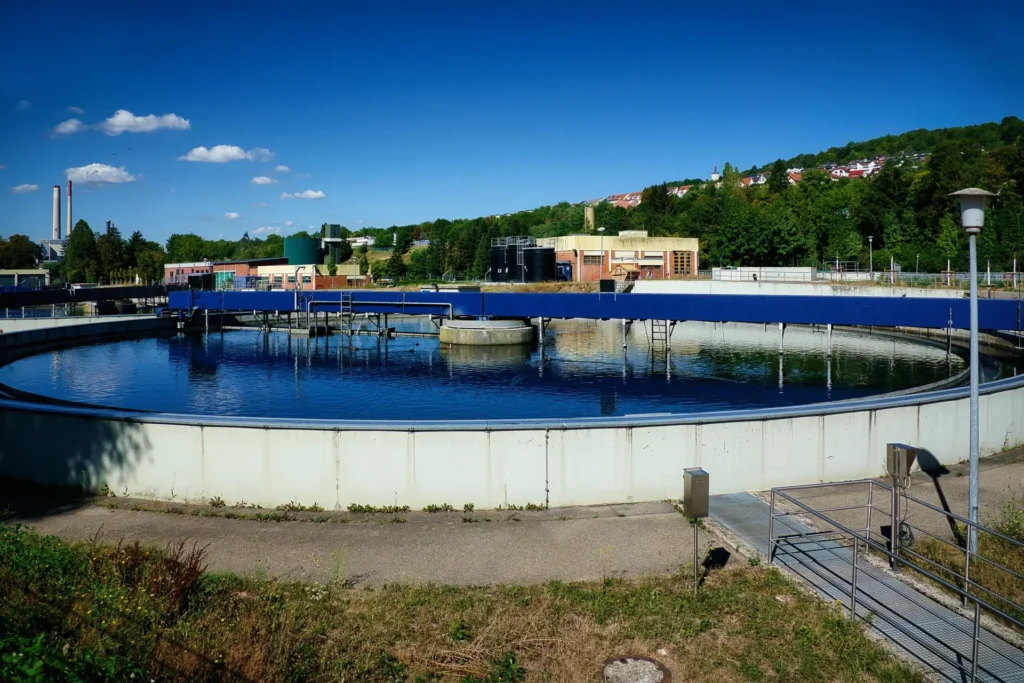
Application Industry — Aquaculture / RAS
ระบบเติมอากาศ Oil-Free สำหรับการเลี้ยงกุ้งและปลานิลแบบ Intensive กับ RAS: วิธีคำนวณ Airflow (Nm³/h) ให้ถูกต้องตามพื้นที่บ่อ ความหนาแน่น และ DO Sag ฤดูร้อนไทย
- Airflow ที่ฟาร์มต้องการคำนวณจาก 3 ตัวแปรหลัก: พื้นที่บ่อ (ม²), ความหนาแน่นสัตว์น้ำ (kg/m³), และ DO sag factor ในช่วงฤดูร้อนไทย (มิถุนายน–สิงหาคม อุณหภูมิน้ำ 33–36°C ละลาย O₂ ได้น้อยกว่า 25°C ถึง 20–25%) — formula ด้านล่างใช้ได้ทันที
- ในระบบ RAS (Recirculating Aquaculture System) น้ำมันแม้ต่ำกว่า Class 1 (0.01 mg/m³) สะสมในวงจรน้ำหมุนเวียนและชั้น biofilm ของ biofilter — ผลคือ nitrification inhibition และ feed-quality contamination ซึ่งไม่มีทาง flush ออกได้ในระบบปิด; Class 0 oil-free เท่านั้นที่ตัดความเสี่ยงนี้จากต้นทาง
- AERZEN Rental Thailand ให้เช่า BVO, Delta Hybrid Screw Blower และ GM Series สำหรับทั้ง grow-out pond และ hatchery aeration — Zero CAPEX, commissioning ฟรี, deploy ภายใน 24 ชั่วโมงจากฐาน Sattahip; ขยาย/ลดตาม stocking cycle ได้ทุกฤดูกาล
สารบัญ (Table of Contents)
- DO Sag ฤดูร้อนไทย: ทำไมอุณหภูมิ 35°C ทำให้ aeration requirement พุ่งขึ้น 25%
- การคำนวณ Airflow (Nm³/h): Formula จากพื้นที่บ่อ ความหนาแน่น และ SOTR
- RAS กับความเสี่ยง Feed-Quality Contamination: ทำไม Class 0 ไม่ใช่ตัวเลือก แต่เป็นข้อกำหนด
- เปรียบเทียบ Blower สำหรับ RAS และ Grow-Out Pond: BVO, Delta Hybrid, GM Series
- Hatchery Aeration: ข้อกำหนดพิเศษที่แตกต่างจาก Grow-Out Pond
- Low-CAPEX Rental Path: เช่าเพื่อให้ DO compliant โดยไม่ลงทุน CAPEX
- คำถามที่พบบ่อย
AERZEN ออกแบบและผลิต blower มาตั้งแต่ปี 1864 — ประสบการณ์ 160 ปีนั้นสอนให้รู้ว่า: ปัญหาของฟาร์มกุ้งและปลานิลในประเทศไทยไม่ใช่แค่ “blower ไม่แรงพอ” แต่คือ blower ที่ถูก spec ผิด — ระบุ flow ตามกำลังไฟฟ้าไม่ใช่ตาม oxygen demand จริง, ไม่ได้คำนวณ DO sag ในช่วงมิถุนายน–สิงหาคมที่อุณหภูมิน้ำสูงถึง 33–36°C และที่สำคัญกว่าคือ ในระบบ RAS (Recirculating Aquaculture System) น้ำมันในอากาศแม้ระดับ trace สะสมในวงจรน้ำปิดจนถึงจุดที่ biofilter ล้มเหลว
บทความนี้ไม่ใช่ภาพรวมทั่วไปของ aquaculture aeration — แต่คือคู่มือ sizing และ specification เฉพาะ: วิธีคำนวณ Airflow (Nm³/h) จากพื้นที่บ่อ, ความหนาแน่นสัตว์น้ำ, และ temperature correction สำหรับฤดูร้อนไทย; เหตุผลที่ RAS ต้องการ ISO 8573-1 Class 0 โดยไม่มีข้อยกเว้น; และแนวทาง rental ที่ฟาร์มสามารถ deploy aeration system ที่ถูกต้องได้โดยไม่ใช้ CAPEX
1. DO Sag ฤดูร้อนไทย: ทำไมอุณหภูมิ 35°C ทำให้ Aeration Requirement พุ่งขึ้น 25%
ละลายได้ที่ 35°C (1 atm)
ละลายได้ที่ 20°C
ในช่วง peak summer
ต่ำกว่า critical เมื่อ blower ดับ
Dissolved Oxygen (DO) ละลายในน้ำได้ตามกฎของ Henry — ความสามารถในการละลาย (oxygen solubility) แปรผกผันกับอุณหภูมิ น้ำที่ 20°C ละลาย O₂ ได้สูงสุดประมาณ 9.1 mg/L แต่ที่ 35°C ซึ่งพบได้ทั่วไปในบ่อเปิดแบบ intensive ช่วงฤดูร้อนของไทย (มิถุนายน–สิงหาคม) ค่าสูงสุดลดลงเหลือเพียง 7.0 mg/L1 ซึ่งหมายความว่า:
- ฟาร์มที่ต้องการ DO ≥ 5 mg/L มี “safety margin” เหลือเพียง 2.0 mg/L แทนที่จะเป็น 4.1 mg/L
- อัตราการหายใจของสัตว์น้ำ (respiratory rate) สูงขึ้นตามอุณหภูมิ — กุ้งขาวแวนนาไมที่ 35°C ต้องการ O₂ มากกว่าที่ 25°C ประมาณ 30–40%
- photosynthesis algae ลดลงในช่วงกลางวันที่ร้อนจัด ทำให้การเติม DO ตามธรรมชาติหยุดลง
ผลรวมของสามปัจจัยนี้คือ net oxygen demand ที่เพิ่มขึ้น 20–30% ในช่วงฤดูร้อน เทียบกับฤดูหนาว ฟาร์มที่ spec blower ไว้สำหรับ operating condition ปกติ (25–28°C) จะพบว่า DO ร่วงลงต่ำกว่า 5 mg/L ในช่วงบ่ายของเดือนมิถุนายน–สิงหาคมโดยที่ blower ยังทำงานเต็มกำลัง
“ปัญหา DO drop ในฤดูร้อนมักถูกวินิจฉัยผิดว่า ‘blower เสีย’ — แต่ความจริงคือ blower ทำงานถูกต้อง แค่ถูก spec สำหรับอุณหภูมิน้ำ 25°C ไม่ใช่ 35°C ที่เกิดขึ้นจริงในเดือนกรกฎาคม การเพิ่ม capacity 20–25% สำหรับ summer peak คือวิธีแก้ที่ถูกต้อง ไม่ใช่การเปลี่ยน blower ใหม่ทั้งลูก”
— AERZEN Application Engineering Team, Eastern Seaboard Thailand
2. การคำนวณ Airflow (Nm³/h): Formula จากพื้นที่บ่อ ความหนาแน่น และ SOTR
การเลือก blower โดยไม่มี sizing calculation ที่ถูกต้องเป็นสาเหตุอันดับต้นของ DO compliance failure ในฟาร์มไทย วิธีที่ถูกต้องคือคำนวณย้อนจาก Oxygen Transfer Rate ที่ต้องการ (Required OTR) ไปสู่ Actual Airflow (Nm³/h) โดยผ่านค่า Standard Oxygen Transfer Efficiency (SOTE) ของ diffuser system ที่ใช้จริง
Step 1 — คำนวณ Total Oxygen Demand (TOD)
TOD (kg O₂/h) = [Bio Demand] + [DO setpoint buffer] + [Summer temp correction]
Step 2 — ปรับ Summer Temperature Correction
SOTR_actual = SOTR_standard × [(C_s_T – DO_target) / (C_s_20 – 1.0)] × 1.024^(T-20)
โดยที่: C_s_T = oxygen saturation ที่อุณหภูมิ T°C
C_s_20 = 9.1 mg/L (saturation ที่ 20°C), T = อุณหภูมิน้ำจริง
Step 3 — คำนวณ Airflow จาก SOTE diffuser
Q_air (Nm³/h) = [TOD_corrected (kg O₂/h)] / [SOTE (%) × 0.277 kg O₂/Nm³ air × 0.01]
หมายเหตุ: ค่า 0.277 kg O₂/Nm³ air = ความเข้มข้น O₂ ใน atmospheric air ที่ 1 atm, 0°C
SOTE ของ fine bubble membrane diffuser ทั่วไป = 20–35% ขึ้นอยู่กับความลึก diffuser
ตัวอย่างการคำนวณ: บ่อกุ้งขาวขนาด 1,600 ม² (1 ไร่) ความลึก 1.5 ม.
| พารามิเตอร์ | ค่าอ้างอิง (ฤดูหนาว 25°C) | ค่าปรับ (ฤดูร้อน 35°C) | หมายเหตุ |
|---|---|---|---|
| ปริมาตรน้ำในบ่อ | 2,400 m³ (พื้นที่ × ความลึกเฉลี่ย 1.5 ม.) | — | |
| ความหนาแน่นกุ้ง (stocking density) | 100 ตัว/ม² → biomass ~50 kg/ม² ที่ harvest | Intensive culture | |
| DO saturation (C_s) | 8.3 mg/L | 7.0 mg/L | ลดลง 15% |
| DO setpoint | 5.5 mg/L (target) | กรมประมง GAP: ≥ 4 mg/L minimum | |
| Oxygen demand biomass | ~4.2 kg O₂/h | ~5.5 kg O₂/h (+30%) | Q₁₀ factor = 1.3 ที่ Δ10°C |
| SOTE (fine bubble @ 1.5 ม.) | ~28% | membrane diffuser | |
| Required Airflow | ~540 Nm³/h | ~710 Nm³/h | +31% สำหรับ summer peak |
| AERZEN blower แนะนำ | BVO 6 – BVO 9 | BVO 12 หรือ Delta Hybrid S (VFD) | Delta Hybrid ปรับ VFD ตาม DO sensor |
ตัวอย่างนี้แสดงชัดเจนว่าบ่อที่ต้องการ 540 Nm³/h ในฤดูหนาว ต้องการ 710 Nm³/h ในฤดูร้อน — ส่วนต่าง 170 Nm³/h นั้นหากซื้อเป็น blower ถาวร หมายถึง capital cost และ idle capacity ตลอด 6–8 เดือนนอกฤดูร้อน การ เช่า blower เพิ่มเฉพาะช่วง peak summer จาก AERZEN Rental Thailand คือคำตอบที่ตรงกับ demand curve
(1) fish biomass respiration, (2) nitrification oxygen demand (NH₄⁺ → NO₃⁻ ต้องการ 4.57 kg O₂ / kg N),
และ (3) system base demand (pump motor + biofilter media) — ผลรวมมักสูงกว่า open pond 2–3 เท่า
ต่อหน่วยพื้นที่เท่ากัน
3. RAS กับความเสี่ยง Feed-Quality Contamination: ทำไม Class 0 ไม่ใช่ตัวเลือก แต่เป็นข้อกำหนด
ระบบ RAS (Recirculating Aquaculture System) แตกต่างจาก open pond ในมิติสำคัญหนึ่ง: น้ำไม่ถูกทิ้งออก — มันถูกหมุนเวียน อัตรา water exchange ใน RAS ทั่วไปอยู่ที่ 1–10% ต่อวัน เทียบกับ open pond ที่ 5–20% ผลที่ตามมาคือ contaminant ใดก็ตามที่เข้าสู่ระบบจะสะสมเป็น exponential จนกว่าจะถูกกำจัดออก
กลไกการสะสมน้ำมันใน RAS Closed Loop
เมื่อ blower ที่ใช้น้ำมันหล่อลื่น (oil-lubricated roots blower หรือ oil-flooded screw) ส่งอากาศเข้าระบบ RAS แม้ในปริมาณเพียง 0.005 mg/m³ (ต่ำกว่า Class 1 ซึ่งกำหนดที่ 0.01 mg/m³) กลไกการสะสมเกิดขึ้น 3 ชั้น:
- Biofilm adsorption: ใน biological filter media (ไม่ว่าจะเป็น plastic media, sponge filter หรือ moving bed) hydrophobic oil droplets ถูกดูดซับเข้าใน biofilm matrix ลดพื้นที่สัมผัสของ nitrifying bacteria (Nitrosomonas, Nitrobacter) อัตรา nitrification ลดลง → ammonia สูงขึ้น → toxicity ต่อสัตว์น้ำ
- Lipid layer ที่ผิวน้ำ: น้ำมันที่ lighter-than-water ลอยขึ้นสู่ผิวน้ำ สะสมเป็น thin film ขัดขวาง gas transfer ที่ water surface ทำให้ off-gassing CO₂ ลดลงและ DO exchange ลดลงด้วย
- Bioaccumulation ในสัตว์น้ำ: ในระบบปิดที่ไม่มี water exchange น้ำมันสะสมใน lipid tissue ของกุ้งและปลาตลอด production cycle — ผลลัพธ์ที่บันทึกได้ ได้แก่ altered flavor profile, oxidative stress markers และ reduced immune response2
ISO 8573-1 Class 0 กำหนดว่าผู้ผลิตต้องระบุค่า oil contamination ที่เข้มงวดกว่า Class 1 (0.01 mg/m³) และยืนยันโดย independent third-party certification — AERZEN ใช้ TÜV Rheinland เป็น certifying body ค่าที่ AERZEN รับรองคือ <0.003 mg/m³ ซึ่งต่ำกว่า Class 1 มากกว่า 3 เท่า3
| แหล่งที่มา: AERZEN Group Official YouTube Channel (@AERZENGroup)
Feed Quality และมาตรฐาน ISO 22000 / HACCP ในฟาร์มส่งออก
ฟาร์มกุ้งที่ส่งออกไปยัง EU, Japan และ USA ต้องผ่าน HACCP (Hazard Analysis and Critical Control Points) และมาตรฐาน ISO 22000 (Food Safety Management System) ซึ่งกำหนดว่า ทุก input ที่เข้าสู่ห่วงโซ่อาหาร ต้องได้รับการควบคุมและบันทึก อากาศที่ใช้เติมออกซิเจนในบ่อ RAS ถูกจัดอยู่ใน scope ของ HACCP CCP (Critical Control Point) เนื่องจากสัมผัสกับสัตว์น้ำโดยตรงตลอด production cycle
การใช้ blower ที่มีเอกสารรับรอง ISO 8573-1 Class 0 จาก TÜV Rheinland ทำให้ฟาร์มมี documentary evidence สำหรับ HACCP audit ในทันที — ไม่ต้องทำ air quality testing เพิ่มเติม ซึ่ง AERZEN Rental Thailand ให้เป็นส่วนหนึ่งของเอกสาร commissioning ทุกชุด
4. เปรียบเทียบ Blower สำหรับ RAS และ Grow-Out Pond: BVO, Delta Hybrid, GM Series
ฟาร์มกุ้งและปลานิลในประเทศไทยมีรูปแบบการผลิตหลายแบบที่ต้องการ blower ต่างประเภท ตั้งแต่ open pond แบบ extensive ไปจนถึง indoor RAS กำลังผลิตสูง ตารางด้านล่างช่วยในการ match เทคโนโลยีกับ application:
| รุ่น AERZEN | เทคโนโลยี | Flow range (Nm³/h) | Pressure (bar gauge) | ISO Class 0? | เหมาะกับ | VFD? |
|---|---|---|---|---|---|---|
| GM Series (Roots blower) | 3-lobe positive displacement | 100 – 3,000 | 0.3 – 0.7 | Class 0 | Grow-out pond ขนาดกลาง; บ่อตื้น 1–1.5 ม.; flow สูง pressure ต่ำ; ต้นทุนต่ำ | ไม่ standard (option) |
| BVO Series (Screw blower) | Oil-free screw positive displacement | 200 – 8,000 | 0.3 – 0.9 | Class 0 TÜV | Grow-out pond ขนาดใหญ่; RAS ขนาดกลาง; เสียงเงียบกว่า GM ~8 dB(A); pressure head ยืดหยุ่น | Option (แนะนำสำหรับ RAS) |
| Delta Hybrid Screw Blower | Hybrid screw + VFD standard | 300 – 20,000 | 0.3 – 1.0 | Class 0 TÜV | RAS intensive ขนาดใหญ่; hatchery ที่ต้องการ DO control แม่นยำ; ระบบ DO sensor feedback loop; ลด energy 20–30% เทียบ fixed-speed | Standard (VFD built-in) |
| BVS (Delta Screw E-Compressor) | Screw compressor, oil-free | 100 – 2,000 | 0.5 – 1.5 | Class 0 | Hatchery ขนาดเล็ก-กลางที่ต้องการ pressure สูงกว่า 1 bar สำหรับระบบท่อลึก; RAS nano-bubble applications | Option |
ข้อพิจารณาพิเศษสำหรับ RAS: VFD + DO Sensor Feedback
ใน RAS ที่มี DO sensor แบบ online monitoring การจับคู่ Delta Hybrid Screw Blower (VFD standard) กับ PLC หรือ SCADA system ช่วยให้ blower ปรับ output ตาม DO real-time โดยอัตโนมัติ ผลที่ได้คือ:
- DO ±0.3 mg/L ของ setpoint ตลอด 24 ชั่วโมง โดยไม่ต้องมีผู้ควบคุม
- Energy saving 20–30% เมื่อเทียบกับ fixed-speed blower ที่ run full load ตลอดเวลา
- Early warning: DO drop อย่างผิดปกติ (เช่น algae crash หรือ oxygen demand spike) triggerable alarm ก่อนถึง critical threshold
ทีม Application Engineering ของ AERZEN Rental Thailand ให้ free site assessment รวมถึง DO sensor integration plan สำหรับลูกค้าที่มีระบบ monitoring อยู่แล้ว — ติดต่อขอนัดหมายได้ที่ thai@aerzenrental.com
5. Hatchery Aeration: ข้อกำหนดพิเศษที่แตกต่างจาก Grow-Out Pond
Hatchery (โรงฟักไข่และอนุบาลลูกกุ้ง/ลูกปลา) มีข้อกำหนดที่เข้มงวดกว่า grow-out pond อย่างมีนัยสำคัญ เนื่องจากสัตว์น้ำในระยะ larval และ post-larval อ่อนไหวต่อการเปลี่ยนแปลงของ DO และการปนเปื้อนมากกว่าตัวโตมาก ข้อกำหนดเฉพาะของ hatchery ที่ส่งผลต่อการเลือก blower:
ข้อกำหนดสำคัญของ Hatchery Aeration
- DO target สูงกว่า: Nauplii และ Zoea ต้องการ DO ≥ 6.5–7.0 mg/L (เทียบกับ ≥ 5.0 ใน grow-out)
- Flow rate ต่ำ, ความสม่ำเสมอสูง: Fine bubble ขนาดเล็ก (100–200 µm) ไม่กระทบกระเทือน larval — diffuser spec แตกต่างจาก grow-out
- Zero oil tolerance ไม่มีข้อยกเว้น: ผิวเยื่อ larval บาง — lipid contamination แม้ระดับ trace เกิด irreversible damage มากกว่าในตัวโต
- Redundancy: downtime แม้ 30 นาทีใน larval tank = mortality ≥ 50%; ต้องมี standby unit หรือ N+1 configuration
- Noise level: acoustic stress ใน larval facility — BVO และ Delta Hybrid (≤ 75 dB(A)) แนะนำแทน GM Series (80–88 dB(A))
- Clean-room compatibility: hatchery บางแห่งมีระดับ biosecurity สูง — blower housing ต้อง washable, ไม่มีรอยรั่ว, ระบบ inlet filter ระดับ HEPA
AERZEN Rental Thailand มี hatchery-specific rental package ที่รวม BVO หรือ Delta Hybrid พร้อม N+1 standby configuration สำหรับ hatchery ที่ต้องการ continuous operation — ติดต่อสอบถามรายละเอียดได้ที่ 098-323-2626 (Hotline 24/7) หรือ thai@aerzenrental.com
6. Low-CAPEX Rental Path: เช่าเพื่อให้ DO Compliant โดยไม่ลงทุน CAPEX
ต้นทุนที่แท้จริงของการซื้อ blower สำหรับ aquaculture ไม่ได้อยู่แค่ราคาอุปกรณ์ — แต่รวมถึง:
- CAPEX upfront: blower ขนาดที่เหมาะสำหรับ RAS ขนาดกลางมีต้นทุนสูง ซึ่งต้องใช้เงินลงทุนก้อนใหญ่ก่อนเห็น return
- Maintenance cost: bearings, seals, diffuser cleaning, service technician — ต้นทุนที่ไม่แน่นอนและมักถูก underestimate ในการประเมิน TCO
- Obsolescence risk: เทคโนโลยี blower เปลี่ยนเร็ว VFD integration, IoT monitoring, efficiency standard ใหม่ — equipment ที่ซื้อวันนี้อาจ underperform ใน 5 ปี
- Seasonal mismatch: ความต้องการ peak summer สูงกว่า off-season 20–30% — การซื้อสำหรับ peak หมายถึง idle capacity 8 เดือนต่อปี
Subscription Plan ของ AERZEN Rental Thailand แปลงทุก cost เหล่านี้เป็น predictable monthly OPEX รวม commissioning, preventive maintenance, emergency repair และ 24/7 monitoring support ในค่าเช่าเดือนเดียว — ไม่มี hidden cost ไม่มี surprise invoice ฟาร์มจ่ายตามที่ใช้งานจริง ขยายในช่วง summer peak คืนในช่วง off-season ได้ตามสัญญา
| Cost element | ซื้อ blower เอง | AERZEN Rental Subscription |
|---|---|---|
| Initial investment (CAPEX) | สูง — จ่ายก่อนใช้งาน | Zero — OPEX เท่านั้น |
| Commissioning | แยกจ้าง หรือ in-house | รวมในแพ็กเกจ ฟรี |
| Preventive maintenance | In-house หรือ outsource แยกสัญญา | รวม ทำโดยทีม AERZEN engineer |
| Emergency repair | ค่าใช้จ่ายแยก + downtime รอ spare parts | รวม 24/7 hotline + on-site response |
| Seasonal scaling | ซื้อ peak size → idle off-season | ขยาย/ลดตาม stocking cycle |
| Technology upgrade | ต้องซื้อใหม่ทั้งชุด | เปลี่ยน model ได้ตามสัญญา |
| ISO Class 0 documentation | ต้องจัดหาเอง ค่าใช้จ่ายแยก | รวมใน commissioning package ทุกชุด |
“สำหรับฟาร์มกุ้งที่กำลังขยายสู่ระบบ RAS หรือปรับปรุง aeration system ให้ได้มาตรฐาน ISO 22000 การเช่าทำให้สามารถ upgrade technology ได้โดยไม่ต้องรอ capex approval cycle — สำคัญมากสำหรับฟาร์มที่มี stocking schedule ตายตัวตามฤดูกาล”
— AERZEN Application Engineering Team, Eastern Seaboard Thailand
สำหรับฟาร์มที่อยู่ระหว่าง planning ระบบ DO compliance: AERZEN Rental Thailand ให้บริการ free site assessment ซึ่งรวม airflow calculation, blower sizing recommendation และ deployment plan ก่อนเซ็นสัญญาเช่า — ไม่มีข้อผูกมัด สำหรับรายละเอียดเพิ่มเติม อ่าน: คู่มือเลือก Aeration Blower สำหรับ WWTP, MBR และ SBR (บทความพี่น้องครอบคลุม wastewater treatment application)
คำถามที่พบบ่อย (FAQ)
ฟาร์มกุ้งขนาดเล็ก (ต่ำกว่า 5 ไร่) ต้องการ blower แบบ ISO Class 0 จริงหรือ?
ขนาดฟาร์มไม่ใช่ตัวกำหนดความจำเป็นของ Class 0 — การใช้งาน ต่างหากที่กำหนด หากฟาร์มเข้าสู่ระบบ certification (GAP, ASC, BAP, GlobalG.A.P.) หรือส่งออก การมีเอกสาร Class 0 จาก TÜV Rheinland ทำให้ผ่าน audit ได้โดยตรง หากเป็นฟาร์มขายภายในประเทศที่ไม่อยู่ในระบบ certification Class 1 อาจเพียงพอ — แต่สำหรับ RAS ทุกขนาด Class 0 แนะนำเสมอเพราะ closed-loop concentration effect ที่อธิบายไว้ในบทความ
สามารถเช่า blower เพิ่มเฉพาะช่วงฤดูร้อน (มิถุนายน–สิงหาคม) ได้หรือไม่?
ได้ AERZEN Rental Thailand มี short-term rental contract ตั้งแต่ 1 เดือนขึ้นไป สำหรับฟาร์มที่ต้องการ summer capacity top-up ทีมวิศวกรทำ commissioning และ integration กับระบบที่มีอยู่ให้ ติดต่อ 038-015-488 หรือ 098-323-2626 เพื่อหารือ deployment timeline
Delta Hybrid กับ BVO ต่างกันอย่างไรสำหรับ RAS?
BVO เป็น oil-free screw blower fixed-speed (VFD เป็น option) — เหมาะกับ RAS ที่มี DO load ค่อนข้างคงที่และไม่ต้องการ fine modulation Delta Hybrid มี VFD built-in standard ทำให้ปรับ output ได้ตาม DO sensor feedback อย่างต่อเนื่อง — ผลคือ DO control แม่นยำกว่า และ energy efficiency สูงกว่าในระบบที่ DO demand ผันผวนตามรอบการให้อาหาร (feeding cycle) ซึ่งเป็นลักษณะทั่วไปของ RAS intensive
AERZEN Rental Thailand ให้บริการนอก Eastern Seaboard หรือไม่?
ใช่ AERZEN Rental Thailand ให้บริการทั่วประเทศ ฐานหลักอยู่ที่ Sattahip ซึ่งครอบคลุม EEC (ชลบุรี ระยอง ฉะเชิงเทรา) ภายใน 24 ชั่วโมง สำหรับพื้นที่อื่นเช่น สุราษฎร์ธานี นครศรีธรรมราช (ฝั่งอ่าวไทยซึ่งเป็นแหล่ง aquaculture สำคัญ) ระยะเวลา deployment ปกติ 48–72 ชั่วโมง สอบถามได้ที่ thai@aerzenrental.com
Airflow calculation สำหรับปลานิล Tilapia RAS แตกต่างจากบ่อกุ้งอย่างไร?
ปลานิล (Oreochromis niloticus) มี oxygen consumption rate สูงกว่ากุ้งขาวที่ biomass เดียวกัน ประมาณ 1.5–2 เท่า เนื่องจาก body mass ต่อ surface area ratio สูงกว่า และอุณหภูมิที่เหมาะสมสูงกว่า (28–32°C) ซึ่งเพิ่ม metabolic rate ในทางปฏิบัติ stocking density ที่ 30–50 kg/m³ ใน intensive tilapia RAS ต้องการ airflow สูงกว่าบ่อกุ้งที่ density เดียวกัน ทีม Application Engineering ของ AERZEN คำนวณ site-specific โดยใช้ species-specific DO demand coefficient
คำนวณ Airflow ที่ใช่สำหรับฟาร์มของคุณ
ทีม Application Engineering ของ AERZEN Rental Thailand พร้อมทำ site assessment ฟรี
รวม airflow calculation, blower sizing และ rental deployment plan ก่อนเซ็นสัญญา
ขอใบเสนอราคา / Request a Quote
Hotline 24/7: 098-323-2626
ออฟฟิศ: 038-015-488
บทความที่เกี่ยวข้องในซีรีส์ Application Industry ของ AERZEN Rental Thailand:
- เช่า Blower บำบัดน้ำเสีย — คู่มือ Aeration Blower สำหรับ WWTP, MBR และ SBR — หากต้องการนำ aeration blower ไปใช้กับระบบบำบัดน้ำเสีย (ต่างจาก aquaculture) บทความพี่น้องนี้ครอบคลุมโดยละเอียด
- Oil-Free Air สำหรับอุตสาหกรรมอาหารและเครื่องดื่ม — ISO 8573-1 Class 0 — สำหรับฟาร์มที่มี processing facility ที่ต้องการ instrument air
- ขอใบเสนอราคา Blower Rental — AERZEN Rental Thailand
- Benson, B.B. & Krause, D. (1984). The concentration and isotopic fractionation of oxygen dissolved in freshwater and seawater in equilibrium with the atmosphere. Limnology and Oceanography, 29(3), 620–632. https://doi.org/10.4319/lo.1984.29.3.0620 — Oxygen saturation values at temperature; basis for summer DO sag calculation. ↩
- Boyd, C.E., Tucker, C.S., & Viriyatum, R. (2011). Interpretation of pH, CO₂, and dissolved oxygen in aquaculture ponds. North American Journal of Aquaculture, 73(4), 403–408. https://doi.org/ — Oxygen demand and temperature effects in aquaculture systems. ↩
- ISO 8573-1:2010, Compressed air — Part 1: Contaminants and purity classes. International Organization for Standardization. https://www.iso.org/ — Class 0 definition: oil aerosol concentration defined by the equipment manufacturer stricter than Class 1 (0.01 mg/m³), verified by independent third party. ↩
- FAO. (2015). Aquaculture development. 3. Species selection. FAO Technical Guidelines for Responsible Fisheries, Suppl. 3. https://www.fao.org/fishery/aquaculture/en — DO requirements for shrimp and tilapia species. ↩
- กรมประมง กระทรวงเกษตรและสหกรณ์. มาตรฐาน Good Aquaculture Practice (GAP) สำหรับการเพาะเลี้ยงสัตว์น้ำ. https://www.fisheries.go.th/ — DO parameters and water quality standards referenced in Section 3. ↩
Last technical review: 2026-06-03 | AERZEN Rental Thailand — Technical Content Team

✍️ เกี่ยวกับผู้เขียน
ภราดร วรรณสังข์ (Paradorn Wannasung)
Marketing Communication Specialist · นิเทศศาสตรมหาบัณฑิต (การสื่อสารการตลาดและแบรนด์)
ภราดร (Paradorn) เป็นผู้ดูแลด้านการสื่อสารการตลาดของ AERZEN Rental Thailand จบนิเทศศาสตรมหาบัณฑิต (การสื่อสารการตลาดและแบรนด์) เชี่ยวชาญด้านอุตสาหกรรม B2B ในประเทศไทย มีประสบการณ์การสร้างแบรนด์และคอนเทนต์ในกลุ่มอุตสาหกรรมของไทย
ติดต่อ: pwa@aerzenrental.com · LinkedIn
บทความที่เกี่ยวข้อง
Blower Electrical Starting: VFD vs Soft Starter vs DOL Starter เลือกแบบไหน
DOL starter = ถูกที่...
อ่านต่อ →
ขีดจำกัดอุณหภูมิจ่ายของโบลเวอร์: Pressure Ratio เท่าไรถึงต้องข้ามไป Screw หรือ Turbo
Blower discharge tem...
อ่านต่อ →
เช่าโบลเวอร์ลำเลียงวัตถุดิบ (Pneumatic Conveying Blower Rental Thailand) — คู่มือฉบับวิศวกร
คู่มือวิศวกร: เลือก ...
อ่านต่อ →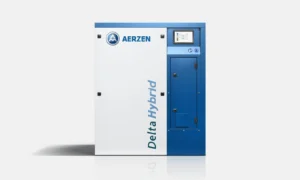
เปลี่ยนโบลเวอร์เดิมเป็น AERZEN แบบ Drop-In: คุม Footprint, ท่อ และฐานเดิม
Drop-in replacement ...
อ่านต่อ →หัวข้อหลัก: เช่าโบลเวอร์สำหรับระบบบำบัดน้ำเสีย