อากาศปลอดน้ำมันทำงานอย่างไร: หลักการทางกายภาพของ Positive-Displacement Blower และ Oil-Free Compressor ที่วิศวกรควรรู้
- Physics ต่างกันที่ core mechanism — Roots lobe บีบด้วย meshing lobes (ไม่มีการ compression ภายใน), screw rotor บีบด้วย helical thread pitch ที่ลดปริมาตรตามเส้น helix, centrifugal impeller แปลงพลังงานจลน์เป็นความดัน — แต่ละแบบให้ volumetric efficiency และ heat profile ต่างกันอย่างมีนัยสำคัญ
- “Oil-free” หมายถึง design ไม่ใช่แค่การไม่เติมน้ำมัน — Dry-running clearance sealing คือการที่ rotor/lobe ไม่สัมผัสกัน โดยใช้ precision timing gear แทน lubricant ใน compression chamber; ถ้าใช้ injection-lubricated design แล้วกรองทีหลัง ยังมีความเสี่ยง carryover path ผ่าน internal leakage
- เลือก screw blower แทน roots ที่ partial load ประหยัดพลังงานได้ 18–22% — ที่ load 50–70% roots blower ทำงาน full cycle แต่ throttle ลม; screw มี built-in compression ratio จึง isentropic efficiency สูงกว่าที่ part load — ตัวอย่างสังเคราะห์ plant 200 kW ด้านล่างอธิบาย mechanism
AERZEN ออกแบบและผลิต positive-displacement blower มาตั้งแต่ปี 1864 — และในทุกทศวรรษที่ผ่านมา คำถามที่วิศวกรถามซ้ำที่สุดคือ: “oil-free air” มันทำงานอย่างไรกันแน่ในระดับฟิสิกส์ และทำไม Class 0 ถึงไม่เท่ากับการแค่ถอดถังน้ำมันออก บทความนี้อธิบาย positive-displacement mechanism สามแบบ — roots lobe, helical screw rotor, และ centrifugal impeller — ในระดับ physics ที่ plant engineer และ procurement team สามารถนำไปตัดสินใจ spec เครื่องได้จริง รวมถึงตาราง isentropic efficiency เปรียบเทียบ, internal leakage path analysis, และตัวอย่างสังเคราะห์ที่แสดงว่า screw blower ประหยัดพลังงานได้อย่างไรเมื่อเทียบกับ roots ในการใช้งาน partial load
1. Positive-Displacement: Physics ของ 3 เทคโนโลยีหลัก
1.1 Roots Lobe Blower — Displacement โดยไม่มี Internal Compression
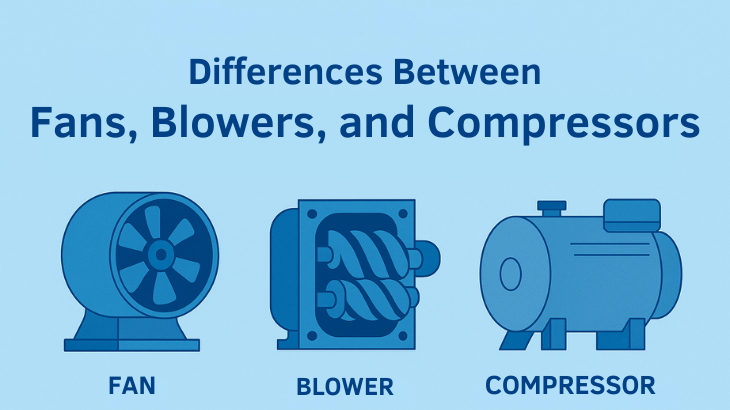
Roots blower ทำงานบนหลักการ external compression: impeller สองตัว (figure-8 profile หรือ tri-lobe) หมุนสวนกันโดยไม่สัมผัสกัน โดย precision timing gear บังคับให้ clearance ระหว่าง lobe อยู่ที่ 0.05–0.15 mm ตลอดเวลา ในแต่ละรอบการหมุน ปริมาตรอากาศถูก “กวาด” จากทาง inlet ไปยัง outlet port — แต่ไม่มีการอัดอากาศภายใน casing ก่อนที่ outlet port จะเปิด
ผลที่ตามมาคือ pressure ratio เกิดขึ้น หลัง outlet port เปิดเท่านั้น (backflow / external compression) ซึ่งหมายความว่า roots blower มี isentropic efficiency ต่ำที่ pressure ratio สูง เพราะ adiabatic compression work ที่ไม่ได้เกิดภายใน stage จะกลายเป็น heat loss ที่ outlet ทันที — สิ่งที่วิศวกรสังเกตได้คืออุณหภูมิ discharge ที่สูงกว่า theoretical isentropic temperature อย่างเห็นได้ชัด1
1.2 Screw Rotor Blower/Compressor — Helical Pitch Compression ภายใน
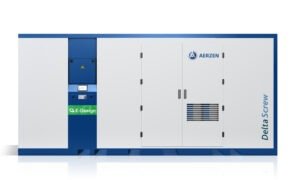
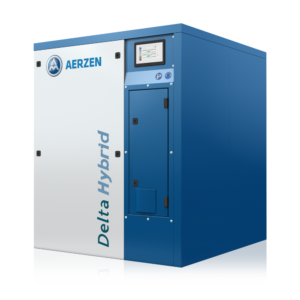
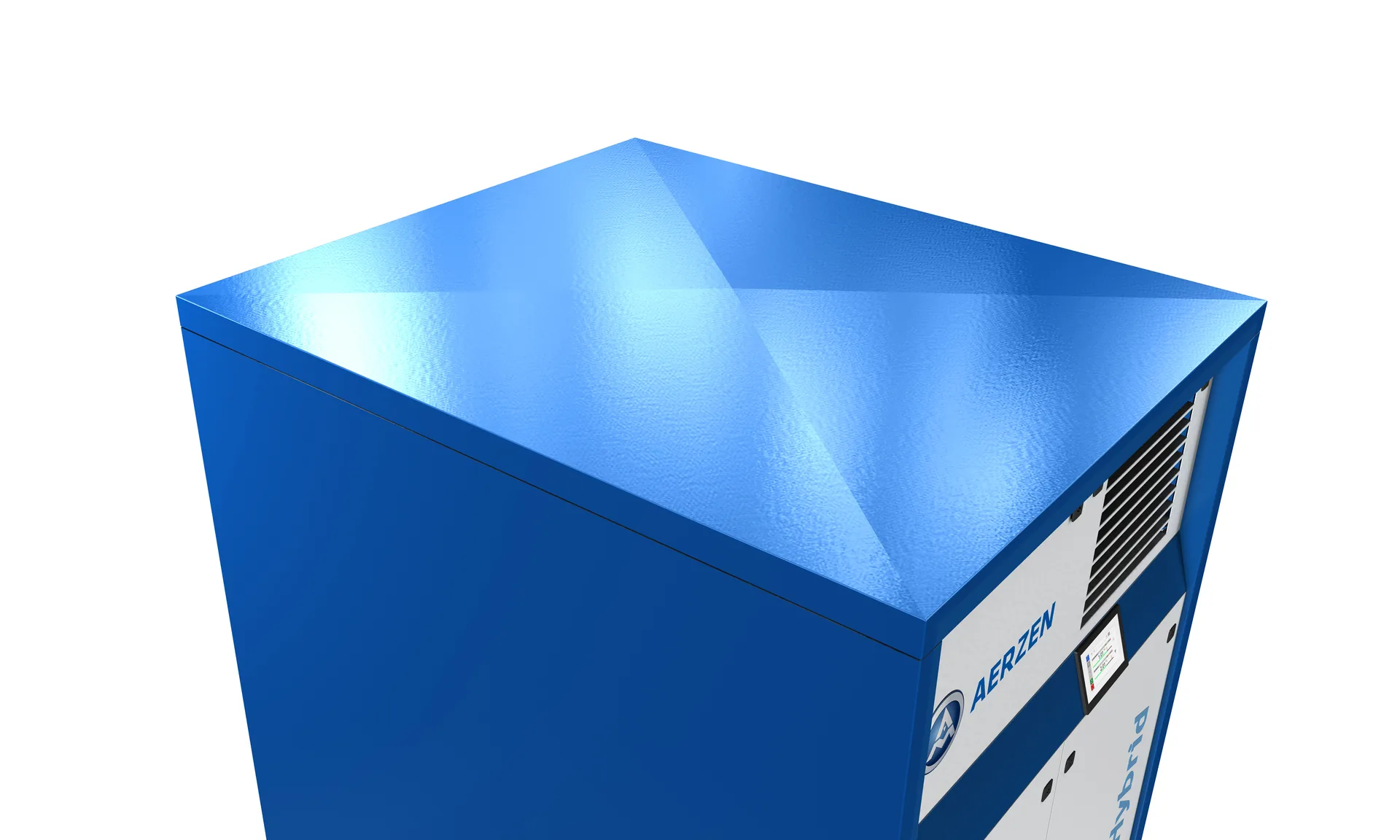
Screw mechanism ใช้ male/female rotor คู่ที่มี helical profile โดย pitch ของ thread ลดลงตามทิศทาง discharge ทำให้เกิด internal compression ratio ภายใน casing ก่อนถึง outlet port ระดับ built-in pressure ratio ของ screw blower (เช่น AERZEN BVO/BVS series) อยู่ที่ ~1.8–2.5:1 ซึ่งครอบคลุมช่วง 0.3–1.0 bar(g) ที่ wastewater และ pneumatic conveying ต้องการ
เพราะ compression เกิดขึ้น ภายใน rotor mesh zone ก่อน outlet เปิด อากาศที่ไหลออกจึงมี pressure ตรงกับความต้องการของระบบมากกว่า — ลด re-expansion loss และ turbulence ที่ discharge ทำให้ isentropic efficiency สูงกว่า roots อย่างมีนัยสำคัญ โดยเฉพาะที่ part load
1.3 Centrifugal (Turbo) Blower — Kinetic Energy Conversion
Centrifugal blower (เช่น AERZEN AT series — AerzenTurbo) ใช้หลักการที่แตกต่างออกไปโดยสิ้นเชิง: impeller ที่หมุนด้วยความเร็วสูง (20,000–50,000+ RPM) แปลง kinetic energy ของอากาศเป็น pressure ผ่าน diffuser — ไม่มี displacement mechanism เลย กระบวนการนี้อยู่ใน dynamic compression family ซึ่งมี flow characteristic ที่แตกต่างจาก positive-displacement: surge limit ที่ flow ต่ำ, choke limit ที่ flow สูง, และ performance curve ที่ชันกว่า (pressure drop ตามปริมาณ flow ที่เพิ่มขึ้น)
Bearing system ของ turbo blower ที่ความเร็วสูงระดับนี้ใช้ air foil bearing หรือ magnetic bearing — ไม่ใช่ conventional oil-lubricated bearing — เพื่อหลีกเลี่ยง bearing oil ที่ความเร็วสูงซึ่งจะสร้าง heat และ friction เกินกว่า จะรับได้ด้วยระบบ lubrication ปกติ (ดูคำถาม FAQ ข้อ 2 ด้านล่าง)
2. Oil-Free ไม่ใช่แค่การไม่เติมน้ำมัน — Dry-Running Clearance Sealing vs. Injection-Lubricated Flooding
Class 0 — Total Oil Content ≤ 0.01 mg/m³ ทุก phase
Clearance ระหว่าง rotor/lobe ใน dry-running screw blower ทั่วไป
AERZEN พัฒนา positive-displacement technology ตั้งแต่ 1864
คำว่า “oil-free” มีสองนิยามทางวิศวกรรมที่ต้องแยกให้ชัด:
- Dry-running (truly oil-free at compression stage) — rotor หรือ lobe ไม่มีน้ำมันใน compression chamber เลย; การ seal ทำโดย precision clearance + timing gear; น้ำมันในระบบ gear/bearing อยู่ใน chamber แยก (shaft seal isolated); AERZEN BVO/BVS/DVO series ใช้ approach นี้
- Injection-lubricated with downstream filtration — น้ำมันถูกฉีดเข้าไปใน compression chamber เพื่อ cool, seal, และ lubricate; จากนั้น downstream separator ดึงน้ำมันออก; ผลลัพธ์อาจถึง Class 1 หรือ Class 2 แต่ไม่สามารถรับประกัน Class 0 ได้อย่างสม่ำเสมอตลอดอายุใช้งาน
อ้างอิง: ISO 8573-1:2010 §3.2 — Specification for purity classes of compressed air2
Internal Leakage Path — ที่มาของ Oil Carryover แม้เครื่องออกแบบมา Oil-Free
แม้ใน dry-running design ที่ถูกต้อง ยังมี leakage path ที่ต้องระวัง:
- Shaft seal degradation — labyrinth seal หรือ lip seal ที่เสื่อมสภาพตามอายุ อาจให้น้ำมันจาก bearing chamber ไหลย้อนเข้า compression zone ได้ในปริมาณเล็กน้อย
- Casing porosity / crack — รอยร้าวใน cast iron casing จากการ fatigue หรือ thermal cycling สร้าง micro-path
- Improper assembly clearance — clearance ที่ overflow spec เมื่อ rotor สึกหรอ ทำให้ blow-by เพิ่มขึ้น; ใน screw ที่มี internal compression อาจดันน้ำมันจาก bearing side เข้า compression zone
- Condensate carry-in — น้ำในอากาศกลั่นตัวใน intercooler และถ้า separator ไม่มีประสิทธิภาพพอ จะพา contaminant เข้าสู่ downstream
เหตุผลเหล่านี้คือสาเหตุที่ ISO 8573-1 Class 0 ต้องมี TÜV certification หรือ third-party verification เป็น evidence chain — ไม่ใช่แค่การ claim จาก manufacturer ฝ่ายเดียว
3. Compression Heat, Pressure Ratio และ Volumetric Efficiency ในแต่ละเทคโนโลยี
ในทุก positive-displacement cycle สมการ isentropic compression work คือ:
Wis = (κ / κ−1) × P₁ × V̇ × [(P₂/P₁)(κ−1)/κ − 1]
โดย κ = ratio of specific heats (อากาศ ≈ 1.4), P₁/P₂ = inlet/outlet absolute pressure, V̇ = volumetric flow rate ที่ inlet conditions | อ้างอิง: CAGI Technical Standard ADF-1003
ค่า isentropic efficiency (ηis) คืออัตราส่วนระหว่าง theoretical isentropic work กับ actual shaft power ที่ใส่เข้าไป:
- Roots blower — ηis อยู่ที่ 55–65% ที่ design point และลดลงอย่างรวดเร็วเมื่อ pressure ratio สูงขึ้น เพราะไม่มี internal compression ratio
- Screw blower — ηis อยู่ที่ 65–75% ที่ design point; ตก ~3–5% ต่อ 10% load ที่ part load (ดีกว่า roots มาก)
- Centrifugal (turbo) blower — ηis สูงสุดที่ design flow point (~70–80%) แต่ drop เร็วมากเมื่อออกจาก design point ทั้งสองทาง (surge + choke)
Discharge temperature (T₂) จาก isentropic approximation:
T₂ = T₁ × (P₂/P₁)(κ−1)/κ / ηis
Roots blower ที่ ηis = 0.60 และ P₂/P₁ = 1.5 bar(abs)/1.0 bar(abs) จะมี T₂ สูงกว่า screw ที่ ηis = 0.70 ที่ pressure ratio เดียวกันอย่างเห็นได้ชัด — ส่งผลต่อ intercooler sizing และ downstream moisture loading
4. ตาราง Isentropic Efficiency: Roots Blower / Screw Blower / Centrifugal Blower (0.3–1.0 bar(g))
ตารางด้านล่างเปรียบเทียบ estimated isentropic efficiency (ηis) ของ positive-displacement blower สามเทคโนโลยีในช่วง pressure ratio ที่ industrial blower ใช้งานจริง ค่าเหล่านี้เป็น typical published range จาก CAGI datasheet methodology3 และ literature ใน Compressed Air Best Practices4 ไม่ใช่ค่าเฉพาะ model ใดของ AERZEN
| Pressure Differential (bar(g)) | Roots Lobe Blower ηis (%) | Screw Blower (BVO/BVS type) ηis (%) | Centrifugal / Turbo Blower (AT type) ηis (%) | หมายเหตุ |
|---|---|---|---|---|
| 0.3 bar(g) | 58–63% | 63–68% | 70–78%* | Turbo efficient ที่ high-flow continuous; roots ใกล้เคียง screw ที่ low ΔP |
| 0.5 bar(g) | 55–60% | 66–72% | 68–76%* | Screw advantage ชัดเจนขึ้น; turbo ยังดีถ้า flow ตรง design point |
| 0.7 bar(g) | 50–56% | 65–70% | 65–74%* | Roots efficiency ลดลงเร็ว; screw และ turbo แยกออกจาก roots ชัดเจน |
| 1.0 bar(g) | 45–52% | 63–68% | 62–70%* | ช่วงนี้หลายงาน shift ไป oil-free screw compressor (เช่น AERZEN TVO series) |
| * Centrifugal efficiency ที่แสดงเป็น peak BEP (Best Efficiency Point); จะลดลงมากเมื่อ flow เบี่ยงจาก design point หรือเมื่อมี speed variation โดยไม่ใช้ VFD | ค่าทั้งหมดเป็น indicative range; performance จริงขึ้นอยู่กับ model, sizing, และ operating conditions — ติดต่อทีมวิศวกร AERZEN เพื่อ site-specific analysis | ||||
5. ตัวอย่างสังเคราะห์: Plant 200 kW เลือก Roots กับ Screw — Partial-Load Energy Saving 18–22%
Scenario: Wastewater Aeration Plant, 200 kW Nameplate, Eastern Seaboard
Requirement: 3,000 Nm³/h ที่ 0.6 bar(g) — แต่ diurnal load cycle ทำให้ demand จริงอยู่ที่ 50–70% ของ design capacity เป็นเวลา ~14 ชั่วโมง/วัน
Option A — Roots Blower (traditional):
- Full-load shaft power: ~200 kW (design point ηis ≈ 58%)
- ที่ 60% load ด้วย inlet throttling: roots ยังต้องหมุน full speed แล้ว throttle — shaft power ลดลงไม่เป็นสัดส่วนกับ flow ลดลง; actual power ที่ 60% flow ≈ 148–155 kW (power ratio ~74–78% แทน 60%)
- เหตุผลทางฟิสิกส์: roots ไม่มี internal compression ratio — เมื่อ flow ลด pressure spike ที่ outlet valve สร้าง re-circulation loss ที่ยังแปลงเป็น heat และสูญเสียออกไป
Option B — Screw Blower + VFD (เช่น AERZEN BVS series):
- Full-load shaft power: ~192 kW (design point ηis ≈ 70%)
- ที่ 60% load ด้วย VFD speed reduction: screw มี built-in compression ratio ที่ยังทำงานได้ดีที่ reduced speed — shaft power ที่ 60% flow ≈ 118–126 kW (power ratio ~62–66%)
- เหตุผลทางฟิสิกส์: เมื่อ VFD ลด RPM ลง ~20% ปริมาณ internal leakage (blow-by) ต่อรอบเพิ่มขึ้น เล็กน้อยแต่ยังน้อยกว่า re-circulation loss ของ roots; net efficiency ที่ part load ของ screw ยังสูงกว่า
Energy saving calculation (สมมติ):
- ชั่วโมง partial load/ปี: 14 h/day × 365 = 5,110 h/year ที่ load ≈ 60%
- Power difference ที่ partial load: 148 kW (roots) − 122 kW (screw) = 26 kW
- Annual energy saving: 26 kW × 5,110 h = ~132,860 kWh/year
- Power saving relative to roots at partial load: 26/148 = ~17.6–22% ขึ้นอยู่กับ operating point
หมายเหตุ: ตัวเลขข้างต้นเป็นการสาธิตหลักการโดยใช้ค่า typical efficiency range จาก published literature — ไม่ใช่ผลการทดสอบจาก installation จริง การวิเคราะห์สำหรับ site ของคุณต้องใช้ข้อมูล actual duty curve + ambient conditions + cost structure จากทีมวิศวกรรม AERZEN
กลไกสำคัญที่ทำให้ screw ได้เปรียบที่ partial load คือ affinity law interaction กับ internal compression ratio: เมื่อ VFD ลด shaft speed, screw blower ยัง compress อากาศภายใน rotor mesh ก่อน discharge — ขณะที่ roots ต้องพึ่ง external back-pressure ซึ่งสร้าง turbulent loss ที่ outlet port ทุกครั้ง สำหรับ plant ที่มี variable demand สูง (อย่างเช่น wastewater treatment ที่ flow rate แปรผันตาม diurnal pattern) ความต่างนี้สะสมเป็นพลังงานหลายพัน kWh ต่อปี
6. FAQ — คำถามที่วิศวกรถามบ่อยเกี่ยวกับ Oil-Free Air
Oil-free หมายความว่า ISO 8573-1 Class 0 ด้วยไหม?
ไม่จำเป็นเสมอไป — ต้องแยก 2 สิ่งออกจากกัน: machine design (dry-running = ไม่มีน้ำมันใน compression stage) และ certified output air quality (ISO 8573-1 Class 0 = total oil ≤ 0.01 mg/m³ verified ที่ outlet)
Dry-running machine ที่ถูกออกแบบมาอย่างถูกต้องและ maintain ดีสามารถ achieve Class 0 ได้ — แต่ต้องมี third-party certification (เช่น TÜV Rheinland) เป็น evidence ว่า output air quality ผ่าน Class 0 threshold ตลอดช่วงอายุใช้งาน การ claim “oil-free machine” โดยไม่มี certificate ไม่เพียงพอสำหรับ food-grade application
Turbo blower มีน้ำมันในระบบ bearing ไหม?
ขึ้นอยู่กับ bearing technology ที่ใช้:
- Conventional oil-lubricated bearing: turbo blower รุ่นเก่าหลายตัวใช้ oil-lubricated journal bearing — มีน้ำมันในระบบ bearing และต้องมี robust shaft seal เพื่อกั้น contamination
- Air foil bearing: ใช้ thin film of pressurized air เป็น lubricant — ไม่มีน้ำมันในระบบ bearing เลย เป็น approach ที่ใช้กันมากใน high-speed turbo blower สมัยใหม่รวมถึง AERZEN AT series
- Magnetic bearing: ไม่มีการสัมผัสทางกายภาพ ไม่ต้องการ lubricant ชนิดใดเลย
สำหรับ AERZEN AT (AerzenTurbo) series: ใช้ permanent magnetic motor + air bearing system — oil-free ทั้ง compression stage และ bearing system ยืนยัน spec กับทีมวิศวกรสำหรับ model และ revision ที่ต้องการ
Roots blower กับ screw blower เสียงดังกว่ากันไหม?
Roots blower โดยทั่วไปมี noise signature ที่สูงกว่า เนื่องจาก pressure pulsation ที่เกิดจาก external compression: ทุกครั้งที่ outlet port เปิด อากาศที่มี pressure สูงกว่า discharge line ไหลย้อนเข้ามาใน compression chamber ก่อนจะถูก “กวาด” ออกไป — pulse นี้สร้าง noise ที่ความถี่ตรงกับ lobe passing frequency (2× หรือ 3× RPM ขึ้นอยู่กับ lobe count)
Screw blower มี internal compression ที่ทำให้ pressure gradient ที่ outlet เรียบขึ้น — acoustic signature โดยทั่วไปต่ำกว่า roots ที่ pressure ratio เดียวกัน sound power level (LW) ของ screw อยู่ต่ำกว่า roots ~5–10 dB(A) ที่ comparable duty point ขึ้นอยู่กับ model และ enclosure
Centrifugal turbo blower มี noise จาก high-frequency aerodynamic tone แทน mechanical pulse — ลักษณะเสียงต่างกัน แต่ไม่จำเป็นว่าเงียบกว่าเสมอไป โดยเฉพาะเมื่อทำงานนอก design point
ทำไม screw blower จึงมี isentropic efficiency สูงกว่า roots ที่ pressure ratio เดียวกัน?
เพราะ screw มี built-in compression ratio ที่เกิดขึ้นภายใน rotor mesh zone ก่อน outlet port เปิด ในขณะที่ roots ต้องพึ่ง back-pressure จาก discharge system ทั้งหมด
เมื่อ roots outlet port เปิด อากาศที่มีความดันสูงกว่าจาก discharge line ไหลย้อนเข้า (backflow) — energy จาก backflow นี้ต้องถูก “ทำงานซ้ำ” โดย lobe ทุกรอบ กลายเป็น heat loss ที่ไม่ผลิต useful work ยิ่ง pressure ratio สูง ยิ่ง backflow มาก ยิ่ง loss มาก
Screw กำจัด backflow loss นี้ได้ด้วย internal compression — เป็นเหตุผลที่ที่ pressure ratio 0.7 bar(g), roots efficiency ลงไปที่ ~50% ขณะที่ screw ยังอยู่ที่ ~65–70%
Class 0 กับ Class 1 ต่างกันอย่างไรในทางปฏิบัติ?
ตาม ISO 8573-1:2010:
- Class 0: Total oil (aerosol + liquid + vapor) ≤ 0.01 mg/m³ — defined by equipment manufacturer; typically requires third-party verification
- Class 1: Oil aerosol ≤ 0.01 mg/m³, liquid oil ≤ 0 (ไม่มีกำหนดแยก), oil vapor ≤ 0.01 mg/m³
ในทางปฏิบัติ Class 0 มีความต้องการที่ครอบคลุมกว่าเพราะกำหนด total oil content รวมทุก phase ไว้ที่ค่าเดียว — ขณะที่ Class 1 ระบุแยก phase Class 0 จึงถูกใช้ใน food & beverage, semiconductor และ application ที่ contamination ส่งผลโดยตรงต่อ product quality หรือความปลอดภัย
AERZEN BVO กับ BVS ต่างกันอย่างไร? เลือกแบบไหนดีสำหรับ wastewater aeration?
BVO (Blower — Variable Speed, Oil-free) และ BVS (Blower — Variable Speed Screw) เป็น screw blower series ของ AERZEN ที่ใช้ dry-running helical screw rotor ทั้งคู่ โดยทั่วไป:
- BVO series: ออกแบบสำหรับ flow range และ pressure ที่ครอบคลุมกว่าหลาย stage
- BVS series: เน้น part-load efficiency สูงด้วย VFD integration; เหมาะกับ variable demand profile เช่น wastewater biological treatment
สำหรับ wastewater aeration ที่มี diurnal variation สูง (ดูตัวอย่าง 200 kW ข้างต้น) screw blower + VFD เป็น combination ที่ให้ lowest lifecycle energy cost — ติดต่อทีมวิศวกรเพื่อ duty analysis เฉพาะ site ของคุณ
ปรึกษาทีมวิศวกร AERZEN เพื่อ Oil-Free Air Solution ที่เหมาะกับ Plant ของคุณ
ตั้งแต่ Roots Blower BVO ไปจนถึง Screw Compressor TVO — ทีม AERZEN Rental Thailand พร้อมวิเคราะห์ duty cycle, pressure ratio, และ ISO 8573-1 Class 0 requirement ของ site คุณโดยไม่มีค่าใช้จ่าย
ขอรับใบเสนอราคา
โทร 098-323-2626 (24/7)
thai@aerzenrental.com
Office: 038-015-488 · Sattahip, Chon Buri · www.aerzenrentalth.com
Rent a solution. Expect performance.
บทความที่เกี่ยวข้อง: Screw Blower เช่า — BVO/BVS Series สำหรับ Industrial Application · Blower Rental สำหรับ Wastewater Aeration · ISO 8573-1 Class 0 คืออะไร และทำไมถึงสำคัญ