ตามที่ AERZEN ออกแบบมาตั้งแต่ปี 1864 compressed air ไม่ใช่แค่พลังงานที่ขับเคลื่อนกระบวนการ — มันคือส่วนหนึ่งของกระบวนการผลิต การปนเปื้อนใน air supply คือการปนเปื้อนในผลิตภัณฑ์
สำหรับวิศวกรกระบวนการในอุตสาหกรรมผลิตแก้ว ซึ่งทำงานกับอุณหภูมิสูง, สภาวะ dusty, และความต้องการ process air ที่ต่อเนื่องตลอด 24 ชั่วโมง ทุกตัวแปรของ compressed air system มีผลโดยตรงต่อคุณภาพผลิตภัณฑ์และประสิทธิภาพกระบวนการ
บทความนี้วิเคราะห์ปัจจัยหลักที่วิศวกรกระบวนการในอุตสาหกรรมแก้วต้องพิจารณาก่อนกำหนด specification ของระบบ oil-free compressed air
ภาพรวมการใช้ Compressed Air ในการผลิตแก้ว
Compressed air ปรากฏในกระบวนการผลิตแก้วหลายจุด — แต่ละจุดมีข้อกำหนดด้านแรงดัน, flow rate, และคุณภาพอากาศที่แตกต่างกัน:
1. Forming / Blowing ใช้ compressed air ความดันสูงในการขึ้นรูปแก้วหลอมเหลวในแม่พิมพ์ (blank mold และ blow mold) กระบวนการ IS machine (Individual Section machine) ต้องการ air ที่แรงดันสูงและ flow rate สม่ำเสมอ การแกว่งตัวของแรงดันส่งผลโดยตรงต่อความสม่ำเสมอของผนังขวด
2. Cooling (settle blow, counter blow, final blow) อากาศสำหรับ cooling ชิ้นงานในแม่พิมพ์ต้องสะอาดและปราศจากน้ำมัน — น้ำมันในกระแสอากาศที่สัมผัสกับแก้วร้อนจะ carbonize และสร้าง contamination บนพื้นผิวผลิตภัณฑ์
3. Annealing Lehr — Conveying Air อากาศสำหรับขับเคลื่อนระบบ conveyor และควบคุม atmosphere ในเตา lehr
4. Pneumatic Conveying ขนส่ง cullet (เศษแก้ว) และวัตถุดิบผ่านระบบท่อ
5. Instrument Air ควบคุม pneumatic actuators, valves, และ control systems — ต้องการอากาศแห้งและสะอาดมาก
6. Surface Treatment ใช้ air เป่าพื้นผิวขวดก่อนและหลังกระบวนการ coating — คุณภาพอากาศส่งผลต่อการยึดเกาะของ coating โดยตรง
ปัจจัยที่ 1 — คุณภาพอากาศและมาตรฐาน ISO 8573-1
ทำไม oil-free จึงจำเป็นในการผลิตแก้ว
กระบวนการขึ้นรูปและ cooling ของแก้วทำงานที่อุณหภูมิสูงมาก (molten glass ที่ 1,000–1,200°C) — หาก compressed air มี oil carryover แม้ในระดับ ppm น้อยมาก น้ำมันจะ vaporize เมื่อสัมผัสพื้นผิวร้อน และสร้าง carbon deposit บนผนังแม่พิมพ์หรือบนพื้นผิวแก้ว
ผลกระทบเชิงคุณภาพที่ตามมา:
- พื้นผิวแก้วมีรอยหรือจุด
- ผนังขวดไม่สม่ำเสมอจากการรบกวนกระแสอากาศ
- แม่พิมพ์ต้องทำความสะอาดบ่อยขึ้น ลด uptime
มาตรฐาน ISO 8573-1:2010 กำหนดระดับ purity class ของ compressed air ใน 3 มิติหลัก:
- Solid particulate (Class 1 ถึง 9)
- Water content (Class 1 ถึง 9)
- Oil content (Class 0 ถึง 4)
สำหรับ forming air และ cooling air ในการผลิตขวดแก้ว ISO 8573-1 Class 0 สำหรับ oil content (zero detectable oil) เป็นข้อกำหนดที่วิศวกรกระบวนการส่วนใหญ่กำหนด
อ้างอิง: ISO 8573-1:2010
Particulate Class สำหรับ Instrument Air
Instrument air สำหรับ pneumatic actuators และ control valves ต้องการ particulate class ต่ำ — ISO Class 1 หรือ Class 2 — เพื่อป้องกัน contamination ของ orifice ใน control valves และ cylinder seal
ปัจจัยที่ 2 — แรงดันและ Flow Rate Requirements
IS Machine Forming Air — Pressure Profile
กระบวนการ IS machine มี pressure requirement ที่ซับซ้อน:
- Settle blow: แรงดันปานกลาง เพื่อดัน gob ให้เต็มแม่พิมพ์ blank
- Counter blow: แรงดันสูงกว่า เพื่อขึ้นรูปเบื้องต้น
- Final blow: แรงดันสูงสุดในกระบวนการ เพื่อขึ้นรูปขวดสมบูรณ์
แรงดัน set point ขึ้นอยู่กับ: ขนาดขวด, น้ำหนักแก้ว, design ของแม่พิมพ์, และความเร็วของ machine (sections per minute)
วิศวกรกระบวนการต้องกำหนด worst-case flow demand เมื่อทุก section ทำงานพร้อมกันที่ full production speed — ค่านี้เป็น basis ในการ size ระบบ compressed air
Pressure Stability vs. Flow Demand
ในการผลิตแก้วที่ลงทุนสูงในแม่พิมพ์, ความผันผวนของแรงดัน (pressure fluctuation) ที่มากเกินไปส่งผลให้เกิด wall thickness variation ซึ่งนำไปสู่ rejection rate ที่สูงขึ้น
ระบบ compressed air ที่เหมาะสมต้องมี:
- Receiver tank ขนาดพอเพียงเพื่อ buffer demand peaks
- Control system ที่ maintain pressure ภายใน ±0.1 bar ของ set point
ปัจจัยที่ 3 — อุณหภูมิและความชื้น (Temperature & Dew Point)
สภาพแวดล้อมของโรงงานแก้วในไทยมีความท้าทายเฉพาะ:
ความร้อนสูง: ambient temperature บริเวณรอบ furnace และ IS machine สูงกว่า 40–50°C ในบางพื้นที่ ส่งผลต่อประสิทธิภาพการระบายความร้อนของ compressor และ aftercooler
ความชื้นสูง: ความชื้นสัมพัทธ์ในไทยช่วงมรสุมอยู่ที่ 80–95% — หากระบบ dryer ไม่เพียงพอ condensate จะเกิดในระบบท่อและส่งผลต่อ instrument air และ pneumatic controls
ข้อกำหนด dew point สำหรับ instrument air โดยทั่วไปอยู่ที่ −20°C pressure dew point หรือต่ำกว่า ขึ้นอยู่กับ application — ต้องระบุใน spec sheet อย่างชัดเจน
Aftercooler และ Dryer Integration: ระบบ oil-free compressor ที่มี intercooler และ aftercooler บูรณาการช่วยลด moisture load ให้กับ downstream dryer — แต่ dryer สำหรับ instrument air ยังคงเป็นส่วนประกอบที่จำเป็นในระบบ
ปัจจัยที่ 4 — ความน่าเชื่อถือและ Redundancy
โรงงานแก้วทำงานแบบ continuous process — การหยุดสายการผลิตมีผลกระทบสูง ทั้งจากการสูญเสีย production และจาก thermal shock ที่อาจเกิดกับ furnace หากต้องหยุดกะทันหัน
N+1 Redundancy: สำหรับ compressed air supply หลัก แนะนำให้วางแผน N+1 redundancy — มี compressor หน่วยสำรองพร้อม auto-start เสมอ
Lead/Lag Control: ระบบที่ดีจะหมุนเวียนการทำงานระหว่าง compressors เพื่อให้ชั่วโมงการใช้งานสะสมสม่ำเสมอและลด wear concentration ที่ unit เดียว
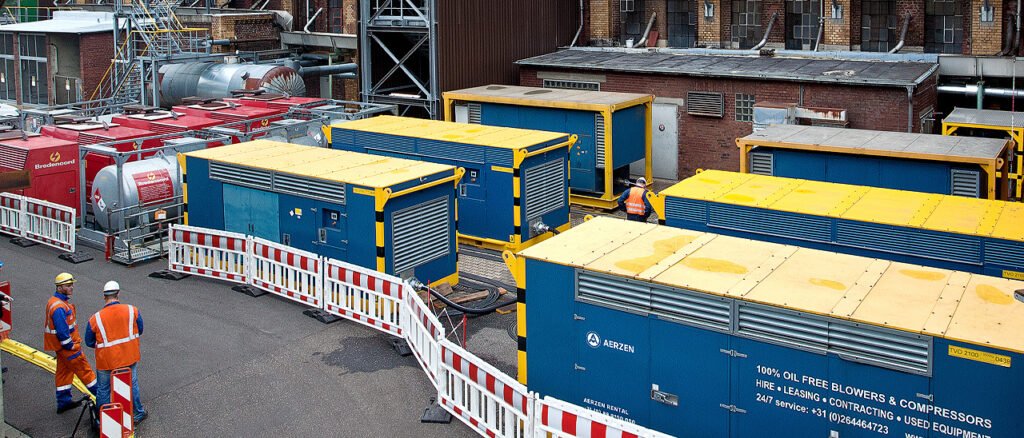
Response Time สำหรับ Service: สำหรับ plant ที่ run continuous production ความสามารถ response ของ service team ในกรณีฉุกเฉินเป็นปัจจัยใน vendor selection — AERZEN Rental Thailand มีบริการ Hotline 24/7 และทีม service ที่ครอบคลุม EEC และพื้นที่อุตสาหกรรมหลักของไทย
ปัจจัยที่ 5 — Particulate ในสภาพแวดล้อม Glass Plant
โรงงานแก้วมีสภาพแวดล้อม dusty เป็นพิเศษ — cullet dust, batch material (silica sand, soda ash, limestone), และ glass particulate จากกระบวนการ cutting/inspection
สิ่งที่วิศวกรต้องพิจารณา:
- Intake filter specification ของ compressor ต้องรองรับ ambient dust loading สูงกว่าโรงงานทั่วไป — filter efficiency และ pressure differential ที่ allowed ต้องระบุในสเปค
- Replacement frequency ของ intake filter อาจสูงกว่า baseline manufacturer recommendation — ควร establish ผ่านการวัด differential pressure จริง ไม่ใช่แค่ time-based schedule
- Location ของ compressor room ควรเป็นพื้นที่ที่ isolated จากฝุ่น dust ในสายการผลิต พร้อม positive pressure ventilation ถ้าเป็นไปได้
ปัจจัยที่ 6 — การออกแบบระบบท่อ (Distribution System)
Pressure Drop ในระบบท่อ: ความดันที่จ่ายจาก compressor ไม่ใช่ความดันที่ IS machine ได้รับ — pressure drop ตลอดระบบท่อต้องรวมอยู่ใน system design
วิศวกรต้องคำนวณ:
- Pipe diameter เทียบกับ flow velocity (ทั่วไปแนะนำ ≤ 6 m/s ใน main distribution)
- ความยาวรวมและจำนวน fittings เพื่อคำนวณ equivalent length
- Pressure drop ที่ acceptable ตลอด distribution network
Ring Main vs. Branched System: Ring main (loop distribution) ให้ pressure stability ดีกว่า branched system สำหรับ load ที่กระจายตลอดสาย — เหมาะกับโรงงานที่มี IS machines หลายชุดแบบกระจาย
กรณีศึกษา: โรงงานผลิตขวดแก้ว ภาคตะวันออก (ตัวอย่างประกอบเชิงวิศวกรรม)
หมายเหตุ: กรณีศึกษาต่อไปนี้เป็นตัวอย่างประกอบ ที่สร้างขึ้นเพื่อการศึกษาเท่านั้น ไม่ใช่ข้อมูลลูกค้าจริง
โรงงานผลิตขวดแก้วในภาคตะวันออกของไทยกำลังขยายสาย IS machine เพิ่มอีก 2 section และต้องการ compressed air เสริมระหว่างรอการจัดซื้อ compressor ถาวร
ปัญหาที่พบในการ size ระบบชั่วคราว:
- Compressor rental ทั่วไปที่มีในตลาดเป็นแบบ oil-flooded ซึ่งไม่ตรงกับ specification ของ forming air
- ระยะเวลาที่ต้องการ compressed air เสริมไม่แน่นอน (3–9 เดือน)
แนวทางที่เลือก:
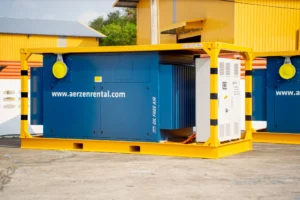
- เช่า oil-free compressor ผ่าน AERZEN Rental Thailand แบบ Subscription Plan พร้อมตัวเลือก extension
- ทีมวิศวกรรม AERZEN ทำ site survey เพื่อ confirm ISO 8573-1 Class 0 compliance ก่อนเชื่อมต่อกับระบบ forming air
- ระบบ N+1 ทำได้โดยเพิ่ม standby unit ในสัญญาเช่า ไม่ต้องซื้อสำรองเพิ่ม
ผล: สายการผลิตขยายเป็นไปตามแผนโดยไม่มี compressed air เป็น bottleneck และโรงงานมีเวลาเพียงพอในการ specify ระบบถาวรอย่างละเอียด
FAQ
Q1: IS machine ต้องการ compressed air ที่ pressure เท่าใด? A: ขึ้นอยู่กับ machine type, section count, และขนาดผลิตภัณฑ์ — ค่าทั่วไปของ forming air อยู่ในช่วงหลาย bar แต่ค่าที่แน่นอนต้องได้จาก IS machine manufacturer spec และ process engineer ที่ออกแบบสาย ทีมวิศวกรรม AERZEN สามารถให้คำปรึกษาตาม application จริงได้
Q2: สำหรับขวดแก้วที่ใช้บรรจุอาหาร ต้องมีมาตรฐาน ISO 8573-1 Class 0 ทุก point of use หรือไม่? A: ข้อกำหนดขึ้นอยู่กับ point of use — forming air และ cooling air ที่สัมผัสกับแก้วโดยตรงต้องการ Class 0 oil content, instrument air ต้องการ particulate class ต่ำ, conveying air สำหรับ cullet อาจมีข้อกำหนดผ่อนคลายกว่า วิศวกรควรทำ air purity requirement matrix แยกตาม application zone
Q3: Oil-free compressor มีข้อได้เปรียบอื่นนอกจาก contamination prevention สำหรับ glass manufacturing หรือไม่? A: ใช่ — ในสภาพแวดล้อมที่มีความร้อนสูง oil-free compressor ไม่มีความเสี่ยงจาก oil degradation หรือ varnish build-up ที่เกิดจากการ oxidation ของน้ำมันที่อุณหภูมิสูง ทำให้ maintenance schedule ง่ายขึ้นและลดความเสี่ยงของ oil-related failure ในสภาพแวดล้อม glass plant
Q4: ระบบ intake filtration ควรมี specification อย่างไรสำหรับสภาพแวดล้อม glass plant? A: ขั้นต่ำควรมี pre-filter สำหรับ coarse particulate และ main intake filter ตาม compressor manufacturer specification — ใน glass plant ควร add automatic differential pressure monitoring เพื่อ alert เมื่อ filter ใกล้ถึง replacement threshold ก่อนที่จะกระทบ compressor performance
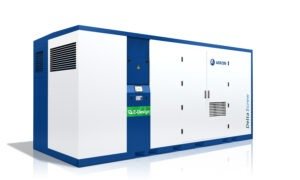
Q5: AERZEN มี model ใดที่เหมาะกับ glass manufacturing บ้าง? A: AERZEN มีหลาย configuration ใน oil-free series รวมถึง Delta Screw E-Compressor และ Performance3 series — การเลือก model ที่เหมาะสมขึ้นอยู่กับ required pressure, flow rate, และ operating hours ที่กำหนด ทีมวิศวกรรมสามารถทำ application matching ได้
ข้อมูลอ้างอิง
- ISO 8573-1:2010 — Compressed air — Part 1: Contaminants and purity classes — ISO Standard
- ISO 8573-7:2003 — Compressed air — Test method for viable microbiological contaminant content — ISO Standard
- CAGI Technical Resources — Compressed air system design guides — cagi.org
ปรึกษาทีมวิศวกรรม AERZEN Rental Thailand
ทีมวิศวกรรม AERZEN พร้อมให้คำปรึกษาเรื่อง compressed air system design สำหรับการผลิตแก้ว — รวมถึงการ review ISO 8573-1 purity class, การ size ระบบตาม IS machine demand, และข้อเสนอ Subscription Plan ที่ยืดหยุ่น
- โทรศัพท์ (สำนักงาน): 038-015-488
- Hotline 24/7: 098-323-2626
- อีเมล: thai@aerzenrental.com
- เว็บไซต์: www.aerzenrentalth.com
Rent a solution. Expect performance.

✍️ เกี่ยวกับผู้เขียน
ภราดร วรรณสังข์ (Paradorn Wannasung)
Marketing Communication Specialist · นิเทศศาสตรมหาบัณฑิต (การสื่อสารการตลาดและแบรนด์)
ภราดร (Paradorn) เป็นผู้ดูแลด้านการสื่อสารการตลาดของ AERZEN Rental Thailand จบนิเทศศาสตรมหาบัณฑิต (การสื่อสารการตลาดและแบรนด์) เชี่ยวชาญด้านอุตสาหกรรม B2B ในประเทศไทย มีประสบการณ์การสร้างแบรนด์และคอนเทนต์ในกลุ่มอุตสาหกรรมของไทย
ติดต่อ: pwa@aerzenrental.com · LinkedIn